

Free Napo Region Travel Guide & Mobile App
Explore Napo Region with free travel guides. Discover regional history, expert tips, proposed trips, and audio guides on web or mobile app.


Explore Napo in Ecuador through cloud forests, Amazonian rivers, Kichwa culture, wildlife, rafting and rainforest towns such as Tena.
Read more about Napo Region
When is the best time to visit Napo Region?
Best: June–August · 26°C| Month | High (°C) | Rainfall (mm) |
|---|---|---|
| January | 27 | 250 |
| February | 27 | 250 |
| March | 27 | 250 |
| April | 27 | 250 |
| May | 27 | 250 |
| June (best) | 26 | 250 |
| July (best) | 26 | 250 |
| August (best) | 26 | 250 |
| September | 26 | 250 |
| October | 26 | 250 |
| November | 27 | 250 |
| December | 27 | 250 |
Getting to and around Napo Region
How to get there
Transportation
Top city travel guides in Napo Region
The cities of Napo Region, and the easiest places to base yourself.
-

-

-


Swipe for more cities
Destinations in Napo Region
Resorts, valleys and scenic spots worth a trip of their own.
-
-

-


Swipe for more destinations
Best attractions in Napo Region
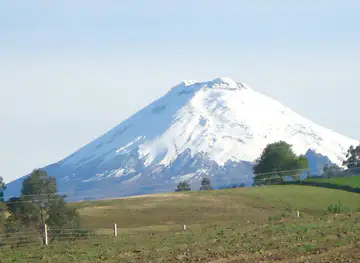
Napo’s attractions follow the transition from Andean cloud forest to Amazonian lowland. Around Baeza, Cosanga and El Chaco, visitors find birdwatching sites, waterfalls, forest trails and rivers suited to rafting and canyoning. The Quijos Valley is particularly associated with white-water activities and cool, mountainous scenery, while the Sumaco area offers access to exceptionally varied foothill habitats and demanding trekking opportunities. Around Tena, Archidona and Puerto Misahuallí, guided canoe journeys, forest walks, wildlife observation and community tourism are the principal experiences. Local projects may introduce visitors to Kichwa foodways, medicinal plants, handicrafts and river life. The province also contains protected landscapes connected with the Cayambe-Coca and Sumaco ecological regions, although access and facilities differ considerably by site. Tena’s museums, interpretation spaces and riverfront area provide a gentler introduction to the province’s natural and cultural setting. Because many attractions lie beyond town centres, a guide, organised transfer or prearranged lodge boat is often more useful than an improvised visit.
-
Tourist attraction
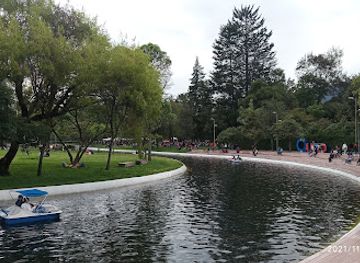
Parque La Carolina
Discover the natural beauty and cultural vibrancy of Parque La Carolina, a lush urban park in Quito, perfect for relaxation and adventure.
-
Tourist attraction
Metropolitano La Armenia Park
Explore the lush landscapes and vibrant atmosphere of Metropolitano La Armenia Park, a serene urban oasis in Quito perfect for relaxation and recreation.
-
Tourist attraction
CASCADA EL PAILÓN
Discover the breathtaking beauty of Cascada El Pailón, a stunning waterfall in Ecuador surrounded by lush landscapes and rich biodiversity.
-
Tourist attraction
Parque Itchimbía
Explore the lush landscapes and breathtaking views of Parque Itchimbía, a must-visit park in Quito, Ecuador, perfect for relaxation and recreation.
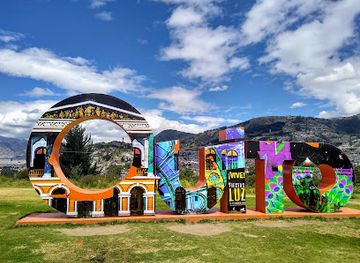
Best landmarks in Napo Region
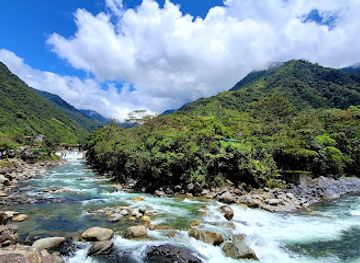
Tena’s position beside the Tena and Pano rivers gives the provincial capital one of Napo’s defining urban landscapes, with bridges, riverbanks and public spaces marking the meeting of town and rainforest. Archidona is an important historic settlement whose church and central area recall the province’s long association with missionary activity and Indigenous communities. Puerto Misahuallí’s riverside setting, where the Misahuallí River meets the Napo, is a recognisable gateway to lowland excursions. In the Quijos Valley, the steep forested slopes, river gorges and waterfalls around Baeza, Cosanga and El Chaco function as natural landmarks rather than monumental architecture. The Sumaco massif is another major geographical reference, rising dramatically above the eastern foothills and influencing the region’s climate and habitats. Roads through the Papallacta and Quijos corridors reveal the sharp transition between cool Andean uplands and humid Amazonian forest, making the landscape itself one of Napo’s most significant visual markers.
-
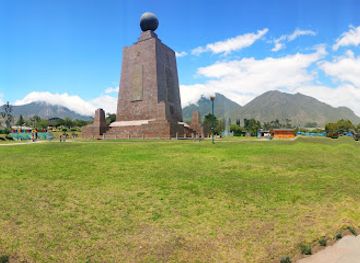
Monument
Middle of the World City
Explore the equatorial wonders at Middle of the World City in Quito, Ecuador, where culture, history, and geography come together in a unique tourist experience.
-
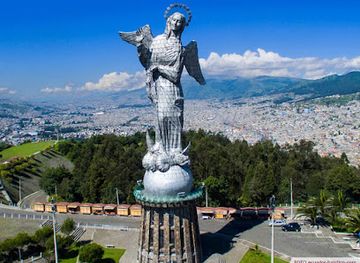
Tourist attraction
Virgin of the Panecillo
Discover the Virgin of the Panecillo, an iconic Quito landmark offering stunning views and rich cultural heritage in the heart of Ecuador.
-
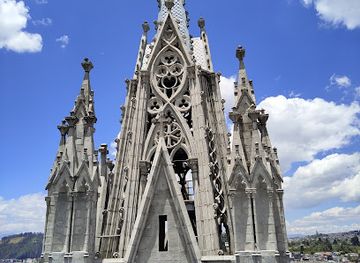
Catholic church
Basílica del Voto Nacional
Explore Quito's Basílica del Voto Nacional, a neo-Gothic masterpiece showcasing Ecuador's rich culture and breathtaking city views.
-
Market
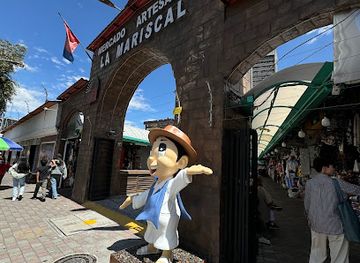
La Mariscal Artisan Market
Discover the essence of Ecuador at La Mariscal Artisan Market, where vibrant crafts, flavors, and local culture come together in the heart of Quito.
Explore Napo Region on the map
Plan your trip on one map. See where the top cities, national parks and sights are, and book hotels and experiences in a few clicks.
Best hotels in Napo Region
Best restaurants in Napo Region
Napo’s food reflects Amazonian produce, Kichwa traditions and the practical cooking of river and forest communities. In Tena, Archidona and other towns, restaurants and market stalls serve dishes based on plantain, cassava, rice, fresh fish, chicken and locally grown fruit. Chontacuro, the edible palm-worm larva traditionally eaten in parts of Amazonian Ecuador, may appear in specialist or community settings, while preparations involving tilapia or other river fish are more familiar to many visitors. Maito, in which fish or other ingredients are wrapped in leaves and cooked, is associated with Amazonian Ecuador, though recipes vary between communities. Juices made from tropical fruits are widespread, and guayusa tea has cultural importance among Kichwa peoples. Tena offers the broadest choice of cafés, casual restaurants and international-style food, while lodge and community meals tend to emphasise fresh, regional ingredients. Ask about preparation and dietary needs in advance when travelling to remote areas.
-
Gastropub
YAMBO Balcony
Discover culinary excellence at YAMBO Balcony: A charming gastropub offering stunning views of Laguna de Yambo and innovative local cuisine.
-
Restaurant
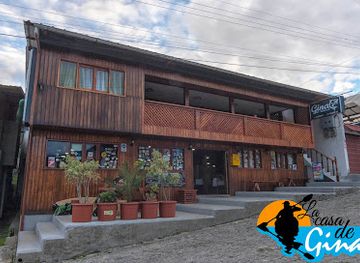
Gina Bar - Restaurante
Experience authentic Ecuadorian cuisine at Gina Bar - Restaurante in Baeza, where every dish is crafted with love and tradition.
-
Restaurant
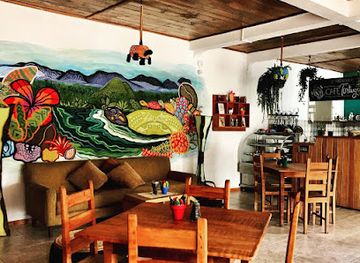
Cafe Tortuga
Discover the vibrant flavors at Cafe Tortuga in Tena - your perfect retreat for vegetarian delights and exceptional coffee.
-
Ecuadorian
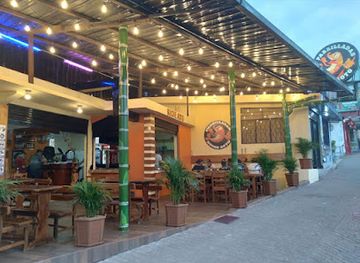
Parrilladas Buche Roto
Experience authentic Ecuadorian cuisine at Parrilladas Buche Roto in Tena - where flavorful grilled meats meet warm hospitality.

Best bars in Napo Region
Evening life in Napo is concentrated in Tena, with smaller scenes in Archidona and other towns. Visitors will find casual bars, restaurants, music venues and establishments serving beer, aguardiente-based drinks and soft drinks, while nightlife is generally more relaxed and local than in Ecuador’s major cities. Tena’s central streets become busier at weekends and during holidays, but opening arrangements and venue status can change. In Puerto Misahuallí and rural areas, evenings usually centre on lodge dining, community activities, riverside conversation or small local bars rather than nightclubs. Some tourism operators arrange cultural presentations or live music, but these should be understood as organised activities rather than representative of every community. Keep valuables secure, arrange transport back to accommodation in advance and remember that river and forest excursions often begin early.
-
Bar
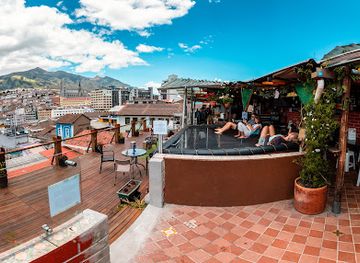
The Secret Garden Quito
Discover the vibrant atmosphere of The Secret Garden Quito, a unique blend of bar, hostel, and restaurant offering breathtaking views and unforgettable experiences.
-
Gastropub
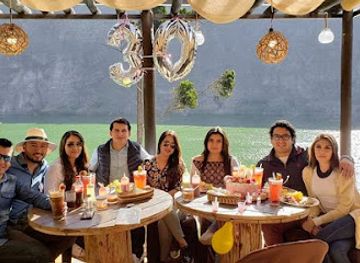
YAMBO Balcony
Experience the perfect blend of exquisite cuisine and stunning views at YAMBO Balcony, your ideal dining destination by Laguna de Yambo.
-
Brewpub
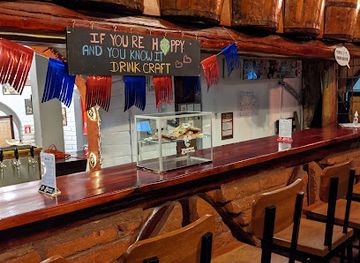
Bandido Brewing
Experience Quito's vibrant craft beer scene at Bandido Brewing, where every sip tells a story of local flavor and creativity.
-
Irish pub
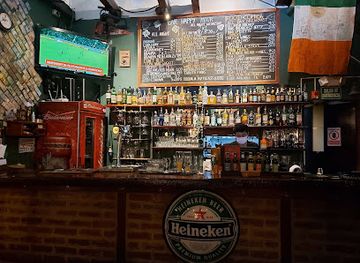
Finn McCool's Irish Pub
Finn McCool's Irish Pub in Quito: A lively Irish pub offering delicious food, great drinks, and unforgettable entertainment in a warm and welcoming atmosphere.
Best nightclubs in Napo Region
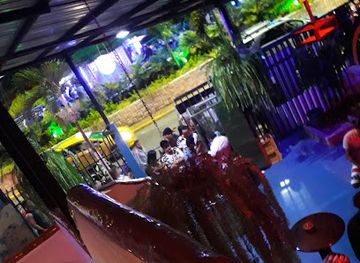
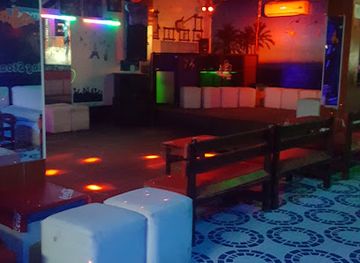
Evening life in Napo is concentrated in Tena, with smaller scenes in Archidona and other towns. Visitors will find casual bars, restaurants, music venues and establishments serving beer, aguardiente-based drinks and soft drinks, while nightlife is generally more relaxed and local than in Ecuador’s major cities. Tena’s central streets become busier at weekends and during holidays, but opening arrangements and venue status can change. In Puerto Misahuallí and rural areas, evenings usually centre on lodge dining, community activities, riverside conversation or small local bars rather than nightclubs. Some tourism operators arrange cultural presentations or live music, but these should be understood as organised activities rather than representative of every community. Keep valuables secure, arrange transport back to accommodation in advance and remember that river and forest excursions often begin early.
-
Disco club
LA GALLERA DISCO
Experience the vibrant nightlife of Tena at La Gallera Disco, where dancing, music, and unforgettable moments collide amidst an electric atmosphere.
-
Night club
Club Insomnio
Dive into the heart of Quito's nightlife at Club Insomnio, where electrifying beats and vibrant crowds create unforgettable moments.
-
Disco club
Sumer Blue
Dive into the pulsating rhythms of Tena's nightlife at Sumer Blue, a vibrant disco club where unforgettable memories are made.
-
Night club
NIGHT CLUB Las Lindas
Dive into the vibrant nightlife of El Chaco at Las Lindas Night Club, where unforgettable moments and electrifying music await.

Best shops in Napo Region
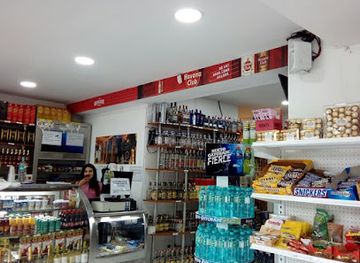
Shopping in Napo is centred on practical market towns, food stalls, small independent shops and handicrafts rather than large retail complexes. Tena has the widest selection, including produce markets, everyday goods, cafés, souvenirs and stalls selling items made from seeds, fibres, wood and other locally available materials. Archidona and Puerto Misahuallí offer smaller selections, often connected with community tourism. Common purchases include woven crafts, jewellery made from natural seeds, carved objects, chocolate and Amazonian food products, although quality and provenance vary. Ask whether a craft was made locally and avoid buying products made from protected wildlife, feathers, shells or archaeological material. Visitors may also encounter guayusa, cacao and other regional products in packaged form. Bargaining is not appropriate everywhere; it is better to ask the price politely and pay fairly, particularly when purchasing directly from Indigenous artisans or community organisations.
-
Shopping mall
Quicentro
Discover the ultimate shopping experience at Quicentro in Quito, where retail, dining, and entertainment come together in a vibrant atmosphere.
-
Shopping mall
Mall del Sol
Discover vibrant shopping, dining, and entertainment at Mall del Sol in Guayaquil, Ecuador – a must-visit destination for every traveler.
-
Shopping mall
Condado Shopping
Explore Quito's vibrant shopping paradise at Condado Shopping, featuring diverse stores, delightful dining, and exciting entertainment options for all.
-
Shopping mall
El Jardín Mall
Discover El Jardín Mall in Quito, Ecuador – your ultimate shopping destination for fashion, dining, and entertainment.

Get your free copy of our complete guide to Napo Region, delivered straight to you.
Everything on this page, from attractions and restaurants to essentials and local phrases, in one PDF you can read offline, print or share.
Already have an account? Sign in
Your Napo Region guide is ready.
We'll send it to · Not you? Sign out

Getting your guide ready…
We are putting together a fresh copy of the Napo Region guide. This can take up to a minute.
This can take a few moments. If your browser asks, choose Allow so the download can start. You'll find the guide in your Downloads folder.
Nothing happened? Download it again
Sorry, the guide is taking longer than usual. Please try again in a minute, or get it by email instead.
Napo Region essentials
Currency and Payment
Safety
Emergency Situations
Do's and Don'ts
Local Tips
From Eve
Local phrases worth knowing
You don't need to get them perfect. A few words go a long way, and locals appreciate the effort.
Basics
| English | Local | Say it |
|---|---|---|
| Hello | Hola | [Oh-lah] |
| Goodbye | Adiós | [Ah-dee-ohs] |
| Yes | Sí | [See] |
| No | No | [No] |
| Please/You're welcome | Por favor/De nada | [Por fah-vor/De nah-dah] |
| Thank you | Gracias | [Grah-see-as] |
| Excuse me/Sorry | Disculpe/Lo siento | [Dees-kool-peh/Lo see-en-to] |
| How are you? | ¿Cómo estás? | [Koh-moh es-tahs] |
| Fine. And you? | Bien. ¿Y tú? | [Byen. Ee too] |
| Do you speak English? | ¿Hablas inglés? | [Ah-blahs een-gles] |
| I don't understand | No entiendo | [No en-tee-en-doh] |
Eating & Drinking
| English | Local | Say it |
|---|---|---|
| I'd like to see the menu, please | Me gustaría ver el menú, por favor | [Meh goos-tah-ree-ah vehr el meh-noo, por fah-vor] |
| I don't eat meat | No como carne | [No koh-mo kar-neh] |
| Cheers! | ¡Salud! | [Sah-lood] |
| I would like to pay, please | Quisiera pagar, por favor | [Kee-syeh-rah pah-gar, por fah-vor] |
Emergencies
| English | Local | Say it |
|---|---|---|
| Help! | ¡Ayuda! | [Ah-yoo-dah] |
| Go away! | ¡Vete! | [Veh-teh] |
| Call the Police! | ¡Llama a la policía! | [Yah-mah ah lah poh-lee-see-ah] |
| Call a doctor! | ¡Llama a un médico! | [Yah-mah ah oon meh-dee-koh] |
| I'm lost | Estoy perdido | [Es-toy per-dee-doh] |
| I'm ill | Estoy enfermo | [Es-toy en-fer-mo] |
Shopping
| English | Local | Say it |
|---|---|---|
| I'd like to buy... | Quisiera comprar... | [Kee-syeh-rah kom-prar] |
| I'm just looking | Solo estoy mirando | [So-lo es-toy mee-ran-doh] |
| How much is it? | ¿Cuánto cuesta? | [Kwan-toh kwes-tah] |
| That's too expensive | Eso es muy caro | [Eh-so es mwee kah-roh] |
| Can you lower the price? | ¿Puedes bajar el precio? | [Pweh-des bah-har el preh-syo] |
Time & Numbers
| English | Local | Say it |
|---|---|---|
| What time is it? | ¿Qué hora es? | [Keh oh-rah es] |
| It's one o'clock | Es la una | [Es lah oo-nah] |
| Half past (10) | Y diez y media | [Ee dyas ee meh-dee-ah] |
| Morning | Mañana | [Mah-nyah-nah] |
| Afternoon | Tarde | [Tar-deh] |
| Evening | Noche | [Noh-cheh] |
| Yesterday | Ayer | [Ah-yer] |
| Today | Hoy | [Oy] |
| Tomorrow | Mañana | [Mah-nyah-nah] |
| 1 | Uno | [Oo-noh] |
| 2 | Dos | [Dohs] |
| 3 | Tres | [Tres] |
| 4 | Cuatro | [Kwah-troh] |
| 5 | Cinco | [Seen-koh] |
| 6 | Seis | [Says] |
| 7 | Siete | [Syay-teh] |
| 8 | Ocho | [Oh-choh] |
| 9 | Nueve | [Nweh-beh] |
| 10 | Diez | [Dyes] |
Transport & Directions
| English | Local | Say it |
|---|---|---|
| Where's a/the...? | ¿Dónde está un/una...? | [Dohn-deh es-tah oon/oo-nah] |
| What's the address? | ¿Cuál es la dirección? | [Kwahl es lah dee-rek-syon] |
| Can you show me (on the map)? | ¿Puedes mostrarme (en el mapa)? | [Pweh-des mos-trar-meh (en el mah-pah)] |
| When's the next (bus)? | ¿Cuándo es el próximo (bus)? | [Kwan-doh es el prohk-see-moh (boos)] |
| A ticket (to ....) | Un boleto (a ....) | [Oon bo-leh-toh (ah ....)] |
History of Napo Region
Pre-Columbian Quijos and Amazonian Networks
Before Spanish colonisation, the eastern Andean foothills were inhabited by societies associated with the Quijos cultural tradition and linked through river and mountain routes to neighbouring Amazonian peoples. Archaeological evidence, including ceramics, earthworks and settlement traces, shows that these communities cultivated crops, managed forest resources and participated in regional exchange. The area was not an empty wilderness: rivers and passes connected highland and lowland environments, while knowledge of plants, animals and waterways supported settlement in a demanding tropical landscape.
Spanish Missions and Colonial Frontier
Spanish expeditions and religious missions entered the eastern slopes during the sixteenth century, seeking routes, labour and conversion among Indigenous populations. Settlements such as Archidona and Tena developed in this contested frontier, although colonial control remained limited and periodically disrupted by Indigenous resistance, disease and the difficulty of travelling through the forest. Missionary activity altered settlement patterns and introduced new crops, animals and religious institutions, while Indigenous communities retained their own languages, knowledge systems and forms of organisation.
Independence and the Eastern Provinces
The region became part of the Republic of Ecuador after independence from Spanish rule, but state administration in the eastern lowlands remained sparse for much of the nineteenth century. Rivers and mountain tracks were more important than formal roads, and local economies depended on agriculture, forest products and exchange with the Andean highlands. Missionaries, traders and government agents gradually extended their presence, yet the province continued to be shaped primarily by Indigenous communities and the geography of the eastern cordillera.
Rubber, Quinine and Extractive Economies
During the late nineteenth and early twentieth centuries, demand for rubber and other forest products brought traders and labour systems deeper into Amazonian Ecuador. Quinine-producing cinchona trees, associated with the Andean eastern slopes, also formed part of wider commercial networks, although the greatest rubber centres lay farther east in the Amazon basin. These industries connected Napo to international markets but often imposed exploitative conditions on Indigenous workers and encouraged unsustainable extraction. Their legacy remains visible in the region’s history of external economic interest in forest resources.
Provincial Formation and Road Connections
Napo became a separate Ecuadorian province in 1959, reflecting the national government’s effort to administer and connect the eastern territories more directly. Road construction and improved links with Quito transformed access to Tena, Baeza and the Quijos Valley, encouraging migration, trade, public services and tourism. The opening of transport corridors also increased pressure on forests and Indigenous lands. Modern Napo therefore reflects both expanded opportunities and continuing debates over conservation, land rights and the appropriate scale of development.
Kichwa Organisation and Community Tourism
From the late twentieth century onwards, Kichwa communities and other local organisations have played an increasingly visible role in defending territory, shaping development and presenting Amazonian culture on their own terms. Community tourism emerged alongside conservation initiatives, offering visitors guided forest walks, river trips, handicrafts and cultural interpretation. Such projects vary in governance and quality, but the broader movement has helped demonstrate that the forest is a lived homeland as well as a destination. It has also made Napo an important setting for discussions about Indigenous autonomy and sustainable tourism in Ecuador.
Napo Region in Photos
Browse through our photo collection highlighting the charm and character of the destination.
Neighbouring regions of Napo Region
The closest regions to Napo Region, if you have time for more than one.
-

-

-

-

-


Swipe for more regions
Explore more

Explore more of Ecuador
Explore Ecuador: From the Amazon rainforest and Andean highlands to the Pacific coast and Galápagos Islands, discover diverse landscapes and vibrant cultures.
Explore Ecuador