

Free Amazon Travel Guide & Mobile App
Explore Amazon with free travel guides. Discover regional history, expert tips, proposed trips, and audio guides on web or mobile app.


Explore Ecuador’s Amazon through rainforest lodges, wildlife reserves, river journeys, Indigenous cultures and adventure bases around Tena, Coca and Puyo.
Read more about Amazon
When is the best time to visit Amazon?
Best: January–March · 28°C| Month | High (°C) | Rainfall (mm) |
|---|---|---|
| January (best) | 28 | 300 |
| February (best) | 28 | 280 |
| March (best) | 28 | 290 |
| April | 28 | 310 |
| May | 28 | 320 |
| June | 28 | 330 |
| July | 28 | 340 |
| August | 28 | 350 |
| September | 28 | 360 |
| October | 28 | 370 |
| November | 28 | 380 |
| December | 28 | 390 |
Getting to and around Amazon
How to get there
Transportation
Top city travel guides in Amazon
The cities of Amazon, and the easiest places to base yourself.
-

-
-

-

-

-


Swipe for more cities
Destinations in Amazon
Resorts, valleys and scenic spots worth a trip of their own.
-
-

-

-

-


Swipe for more destinations
Best attractions in Amazon
The Ecuadorian Amazon offers several different kinds of attraction rather than one concentrated sightseeing circuit. Around Tena and Archidona, visitors can combine rainforest walks with canoeing, rafting, tubing, waterfalls and cave excursions, while Puyo provides access to forest trails, viewpoints and cultural projects in the Pastaza basin. Cuyabeno Wildlife Reserve is known for flooded forest and interconnected lagoons explored by canoe, with wildlife watching often focused on monkeys, birds, caimans and river dolphins. From Coca, organised river journeys lead towards Yasuní National Park and remote lodge areas along the Napo and its tributaries. These trips emphasise guided observation, canopy or tower visits where available, and quiet travel through forest rather than conventional museums or monuments. Community-run experiences may introduce visitors to Kichwa or other local traditions, food cultivation and craft work, but should be approached as hosted encounters rather than staged displays. In the southern Oriente, especially around Morona Santiago and Zamora Chinchipe, access is more dispersed and adventure tourism is less concentrated, with river landscapes, forested foothills and Indigenous cultural experiences forming the principal draw.
-
Tourist attraction
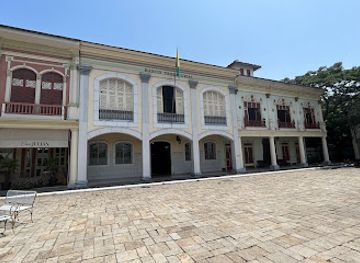
Guayaquil Historical Park
Discover the historical heart of Ecuador at Guayaquil Historical Park, where nature meets culture and history comes alive.
-
Swimming pool
Papallacta Hot Springs
Experience the healing powers of nature at Papallacta Hot Springs, a breathtaking thermal oasis in the Ecuadorian Andes.
-
Tourist attraction
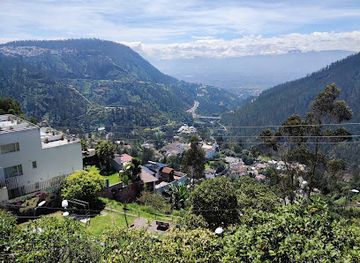
El Mirador De Guapulo
Discover the breathtaking views and serene atmosphere at El Mirador De Guapulo, a stunning observation deck in Quito, Ecuador.
-
Tourist attraction
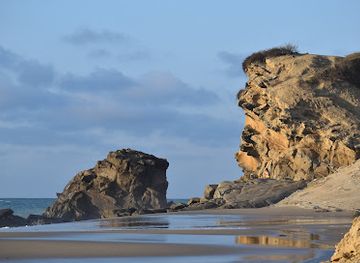
Playa Santa Marianita
Discover the serene beauty and adventurous spirit of Playa Santa Marianita, a beach paradise on Ecuador's stunning coast.
Best landmarks in Amazon
The chief landmarks of Ecuador’s Amazon are often landscapes and river corridors rather than monumental buildings. The Napo River is the region’s most significant geographical and historical artery, linking Andean foothills with the wider Amazon basin and providing access towards Yasuní. Yasuní National Park is a landmark of global conservation importance, notable for exceptional biodiversity and for the presence of Indigenous peoples living in voluntary isolation; visitors must remain within authorised areas and never seek contact. Cuyabeno’s blackwater lagoons and seasonally flooded forest create a distinctive northern landscape shaped by changing water levels. Around Tena and Archidona, the Napo and Misahuallí rivers, forested hills and limestone cave systems define the scenery, while Puyo’s location near the Pastaza basin marks the transition between Andean foothills and lowland rainforest. In the eastern towns, oil infrastructure, bridges and river ports are also visible reminders of the modern history that has reshaped the Oriente. These places are significant not because they resemble traditional European monuments, but because they reveal the ecological, cultural and economic forces that define eastern Ecuador.
-
 Monument
Middle of the World City
Discover the captivating Middle of the World City in Ecuador, where you can stand on the equator and experience rich cultural heritage and stunning landscapes.
-
Historical landmark
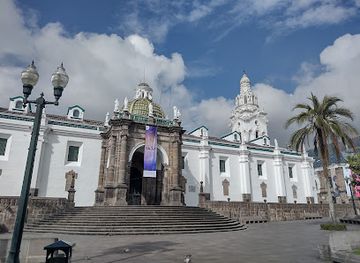
Independence Square
Discover the historical heart of Quito at Independence Square, where colonial architecture and vibrant culture unite in a UNESCO World Heritage site.
-
Tourist attraction
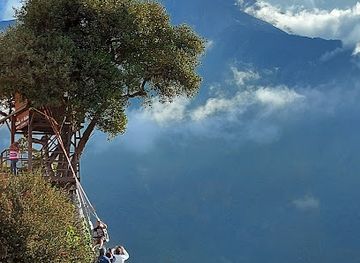
La Casa del Arbol
Discover La Casa del Arbol in Baños, Ecuador - a stunning treehouse offering breathtaking views and thrilling swings over the Andes.
-
Tourist attraction
Guayaquil Historical Park
Uncover the rich history and natural beauty of Guayaquil Historical Park, a must-visit destination in Ecuador for culture and nature lovers alike.
Explore Amazon on the map
Plan your trip on one map. See where the top cities, national parks and sights are, and book hotels and experiences in a few clicks.
Best hotels in Amazon
Best restaurants in Amazon
Dining in the Ecuadorian Amazon is closely linked to rivers, forest gardens and the wider Ecuadorian food culture. Plantain, cassava, rice, tropical fruit and freshwater fish appear frequently, with local preparations varying between communities and provinces. Maito, in which fish or other ingredients are wrapped in leaves and cooked over heat, is strongly associated with Amazonian Ecuador, although recipes and presentation differ among cooks and communities. Chontacuro, the edible palm-worm larva, is a traditional food in parts of the region and may be grilled or prepared in other local ways; visitors should ask what they are being served and where ingredients come from. Tena, Puyo, Coca and Lago Agrio have the broadest choice of restaurants, cafés, markets and juice stalls, while jungle lodges generally provide set meals suited to remote logistics. Community visits may include cassava-based drinks, seasonal fruit or home cooking. Ask about dietary requirements in advance, particularly for river lodges where resupply is limited.
-
Ecuadorian
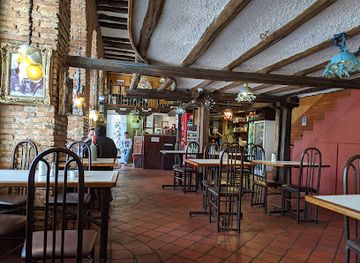
Raymipampa Restaurant
Experience authentic Ecuadorian cuisine at Raymipampa Restaurant in Cuenca - a delightful culinary journey awaits you.
-
Fine Dining
Zazu
Discover Zazu: A fine dining gem in Quito offering innovative Ecuadorian cuisine that elevates traditional flavors into an unforgettable experience.
-
Zoo
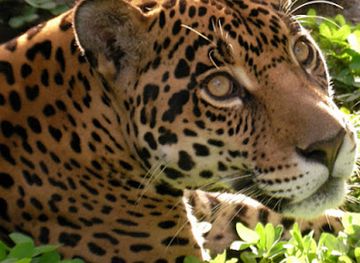
Zoorefugio Tarqui
Explore exotic wildlife at Zoorefugio Tarqui in Puyo, Ecuador - an unforgettable family-friendly zoo experience with dining and leisure facilities.
-
Ecuadorian
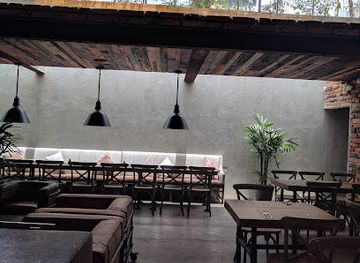
URKO
Experience authentic Ecuadorian cuisine at URKO in Quito - where tradition meets innovation in every dish.
Best bars in Amazon
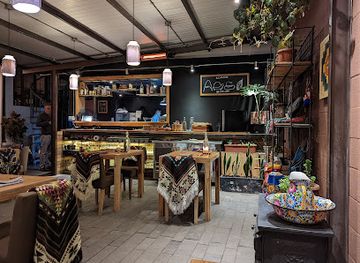
Nightlife in the Ecuadorian Amazon is concentrated in regional towns rather than the forest. Tena has the most established evening scene for travellers, with restaurants, casual bars, music venues and places serving beer and cocktails, while Puyo, Coca and Lago Agrio offer town-centre bars and social venues used by local residents as well as visitors. Archidona and smaller settlements tend to have a quieter rhythm, with evening meals, modest bars and occasional music rather than a large club circuit. In remote lodges, darkness and wildlife replace conventional nightlife: guided night walks, canoe outings and conversations in communal areas are more typical than late-night entertainment. Some town venues can be lively at weekends, but opening patterns and individual businesses change, so local advice is more reliable than assuming a fixed district or timetable. Drinking is not necessary to engage with the region, and river safety makes caution particularly important after alcohol.
-
Hostel
The Secret Garden Quito
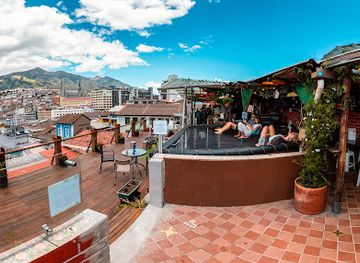
Discover the vibrant culture and breathtaking views at The Secret Garden Quito, a unique hostel experience in the heart of Ecuador.
-
Irish pub
Finn McCool's Irish Pub
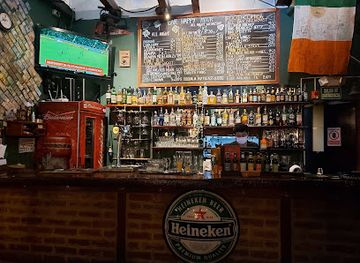
Discover the spirit of Ireland at Finn McCool's Irish Pub in Quito, featuring traditional dishes, live music, and a welcoming atmosphere for all.
-
Disco club
Bungalow 6
Experience Quito's vibrant nightlife at Bungalow 6, where music, cocktails, and unforgettable memories await every night.
-
Restaurant
Cafe Escobar
Experience the vibrant flavors of Puyo at Cafe Escobar, a must-visit gastropub and cafeteria offering a unique dining experience.

Best nightclubs in Amazon
Nightlife in the Ecuadorian Amazon is concentrated in regional towns rather than the forest. Tena has the most established evening scene for travellers, with restaurants, casual bars, music venues and places serving beer and cocktails, while Puyo, Coca and Lago Agrio offer town-centre bars and social venues used by local residents as well as visitors. Archidona and smaller settlements tend to have a quieter rhythm, with evening meals, modest bars and occasional music rather than a large club circuit. In remote lodges, darkness and wildlife replace conventional nightlife: guided night walks, canoe outings and conversations in communal areas are more typical than late-night entertainment. Some town venues can be lively at weekends, but opening patterns and individual businesses change, so local advice is more reliable than assuming a fixed district or timetable. Drinking is not necessary to engage with the region, and river safety makes caution particularly important after alcohol.
-
Night club
nigh club platano maduro
Discover the beat of Zumba at Platano Maduro Nightclub, where vibrant nightlife and unforgettable experiences await you.
Best shops in Amazon
Shopping in the Ecuadorian Amazon is centred on town markets, small specialist shops and community-made goods rather than large retail districts. Tena, Puyo, Coca and Lago Agrio have the widest selection of groceries, practical outdoor equipment, clothing, pharmacies and souvenirs. Visitors may find jewellery, woven items, baskets, pottery, carved objects, paintings and other crafts associated with Kichwa, Shuar, Achuar or neighbouring communities, though designs, materials and meanings vary and should not be treated as interchangeable. Guayusa, cacao, coffee, chocolate, tropical preserves and other regional food products can make useful purchases where their origin and packaging are clear. Ask whether a craft is locally made and whether plant, feather, seed or animal materials were collected legally; avoid wildlife products and anything presented as archaeological. Markets are also useful for fruit, cassava products and snacks before a lodge transfer, but remote communities may have very limited retail facilities, so buy essentials in the main towns.
-
Shopping mall
Quicentro
Explore Quicentro, Quito's top shopping mall, featuring diverse stores, dining options, and entertainment for a memorable experience.
-
Shopping mall
Mall del Sol
Discover the ultimate shopping destination in Guayaquil at Mall del Sol, where modern retail meets culinary delight in a vibrant atmosphere.
-
Shopping mall
San Marino Shopping
Discover a shopping paradise at San Marino Shopping in Guayaquil, Ecuador, featuring diverse brands, delightful dining, and family-friendly entertainment.
-
Shopping mall
Condado Shopping
Explore Condado Shopping in Quito for an unforgettable shopping experience with trendy stores, diverse dining, and family-friendly entertainment.

Get your free copy of our complete guide to Amazon, delivered straight to you.
Everything on this page, from attractions and restaurants to essentials and local phrases, in one PDF you can read offline, print or share.
Already have an account? Sign in
Your Amazon guide is ready.
We'll send it to · Not you? Sign out

Getting your guide ready…
We are putting together a fresh copy of the Amazon guide. This can take up to a minute.
This can take a few moments. If your browser asks, choose Allow so the download can start. You'll find the guide in your Downloads folder.
Nothing happened? Download it again
Sorry, the guide is taking longer than usual. Please try again in a minute, or get it by email instead.
Amazon essentials
Currency and Payment
Safety
Emergency Situations
Do's and Don'ts
Local Tips
From Eve
Local phrases worth knowing
You don't need to get them perfect. A few words go a long way, and locals appreciate the effort.
Basics
| English | Local | Say it |
|---|---|---|
| Hello | Kawsay | [kaw-sah-ee] |
| Goodbye | Kawsayki | [kaw-sah-ee-kee] |
| Yes | Ari | [ah-ree] |
| No | Mana | [mah-nah] |
| Please/You're welcome | Allichu | [ah-lee-choo] |
| Thank you | Yupaychani | [yoo-pie-chah-nee] |
| Excuse me/Sorry | Disculpa | [dees-kool-pah] |
| How are you? | Imashina? | [ee-ma-shee-nah] |
| Fine. And you? | Allin. Kikinka? | [ah-lee-n. kee-keen-kah] |
| Do you speak English? | Ima rimaichu inglés? | [ee-ma ree-my-chu in-glés] |
| I don't understand | Manan yachkani | [mah-nan yahch-kah-nee] |
Eating & Drinking
| English | Local | Say it |
|---|---|---|
| I'd like to see the menu, please | Ñukaka menu willakuyki, allichu | [nyoo-kah-kah men-oo wee-lah-kooy-kee, ah-lee-choo] |
| I don't eat meat | Manan llunk'uyki | [mah-nan loon-koo-ee-kee] |
| Cheers! | Wasiñan! | [wah-see-nyan] |
| I would like to pay, please | Ñukaka chayta chaykunki, allichu | [nyoo-kah-kah chay-tah chay-kun-kee, ah-lee-choo] |
Emergencies
| English | Local | Say it |
|---|---|---|
| Help! | ¡Ñukaka yuyay! | [nyoo-kah-kah yoo-yai] |
| Go away! | Ñukaka wañuy! | [nyoo-kah-kah wan-yoo] |
| Call the Police! | Kuyay Policía! | [koo-yai poh-lee-see-ah] |
| Call a doctor! | Kuyay Yachak! | [koo-yai yah-chak] |
| I'm lost | Ñukaka yuyayta mana kawsay | [nyoo-kah-kah yoo-yai-tah mah-nah kaw-sigh] |
| I'm ill | Ñukaka yuyayta mana allin | [nyoo-kah-kah yoo-yai-tah mah-nah ah-lee-n] |
Shopping
| English | Local | Say it |
|---|---|---|
| I'd like to buy... | Ñukaka ... wasichikuy | [nyoo-kah-kah ... wah-see-chee-kwee] |
| I'm just looking | Ñukaka just willakuy | [nyoo-kah-kah hoost wee-lah-kooy] |
| How much is it? | Hayk'a kawsay? | [hike-ah kaw-sigh] |
| That's too expensive | Chay kawsay mana kawsay | [chay kaw-sigh mah-nah kaw-sigh] |
| Can you lower the price? | ¿Kanki chayta chinkay? | [kahn-kee chay-tah chin-kai] |
Time & Numbers
| English | Local | Say it |
|---|---|---|
| What time is it? | Ima hora kawsay? | [ee-ma oh-rah kaw-sigh] |
| It's one o'clock | Ima huk hora kawsay | [ee-ma hook oh-rah kaw-sigh] |
| Half past (10) | Sukuña (10) kawsay | [soo-koo-nyah (10) kaw-sigh] |
| Morning | Inti Raymi | [een-tee rye-mee] |
| Afternoon | Sukuy | [soo-koo-ee] |
| Evening | Chisi | [chee-see] |
| Yesterday | Ñukaka hatari | [nyoo-kah-kah hah-tah-ree] |
| Today | Ñukaka kay | [nyoo-kah-kah kai] |
| Tomorrow | Ñukaka ñukay | [nyoo-kah-kah nyoo-kai] |
| 1 | Huk | [hook] |
| 2 | Ñuk | [nyook] |
| 3 | Kimsa | [keem-sah] |
| 4 | Sukta | [sook-tah] |
| 5 | Pichin | [pee-cheen] |
| 6 | Sukrin | [soo-kreen] |
| 7 | Juk | [hook] |
| 8 | Pisi | [pee-see] |
| 9 | Jukni | [hook-nee] |
| 10 | Chunka | [choon-kah] |
Transport & Directions
| English | Local | Say it |
|---|---|---|
| Where's a/the...? | Maypin ... kawsay? | [my-peen ... kaw-sigh] |
| What's the address? | Ima direccion kawsay? | [ee-ma dee-rek-syon kaw-sigh] |
| Can you show me (on the map)? | Kanki nuchka (mapa) willakuy? | [kahn-kee noo-ch-kah (mah-pah) wee-lah-koy] |
| When's the next (bus)? | Kichka huk (bus) kawsay? | [kee-ch-kah hook (boos) kaw-sigh] |
| A ticket (to ....) | Huk pasaje (a ....) | [hook pah-sah-hey (ah ....)] |
History of Amazon
Ancient Forest Societies and River Networks
Long before modern roads and towns, Amazonian peoples developed mobile and settled ways of life adapted to rivers, seasonally flooded forest and the resources of the upper Amazon. Archaeological evidence across Ecuador’s eastern lowlands includes ceramics, earthworks, cultivation traces and settlement remains, although the density and interpretation of these sites vary considerably. The region was never an empty wilderness: communities traded, travelled and managed forest resources over long periods. Present-day Indigenous nations preserve languages, oral histories and ecological knowledge that provide important continuity with this deeper human history.
Spanish Entry into the Oriente, Sixteenth Century
Spanish expeditions crossed the Andes into the eastern lowlands during the sixteenth century, motivated by hopes of finding gold and extending colonial authority. These incursions were difficult to sustain because of disease, geography, resistance and the enormous distances involved. Missionaries and colonial officials later established intermittent links along major rivers, but Spanish control remained weaker than in the Andean highlands. The resulting history was one of episodic contact rather than complete political integration, and many Indigenous societies retained substantial autonomy in the forest.
Missions, Trade and Frontier Towns
From the colonial period into the nineteenth and early twentieth centuries, missions, traders and government agents gradually expanded connections between the Andes and the Oriente. River routes were essential, and settlements such as Archidona, Tena and later Puyo developed as administrative, commercial or missionary centres. Catholic missions sometimes introduced schools and new forms of settlement while also disrupting local beliefs, authority structures and movement patterns. Trade in forest products linked the region to Andean markets, but transport remained arduous and state institutions were thinly spread.
Rubber and Other Extractive Booms
The late nineteenth- and early twentieth-century rubber boom drew parts of the wider Amazon into international commercial networks. Rubber collecting brought coercion, violence and devastating population losses to many Indigenous communities across the Amazon basin, even though Ecuador’s eastern territories were less central to the boom than areas farther east. Later commercial interest moved through other forest products, including resins, timber and animal products. These cycles established a recurring pattern in the Oriente: distant markets shaped local economies while communities bore much of the social and environmental cost.
Missionary Education and Indigenous Organisation
During the twentieth century, missionaries, state agencies and settlers established more permanent roads, schools and administrative links in the eastern provinces. These changes increased access to education and healthcare but also encouraged land appropriation, cultural pressure and the replacement of some traditional practices. Indigenous organisations responded by defending communal territories, languages and political representation. Kichwa, Shuar, Achuar, Waorani, Sapara and other movements have played a major role in making Amazonian rights and environmental concerns visible in national debate.
Oil Development from the 1960s
The discovery and development of major oil reserves in the northern Oriente from the 1960s transformed Ecuador’s economy and geography. Roads, pipelines, company towns and migration expanded around Lago Agrio, Coca and other areas, while oil revenue helped finance national development. Pollution, deforestation, land conflict and health concerns also became defining issues, particularly in Indigenous territories. The legacy is visible in the contrast between industrial infrastructure and protected forest, and in longstanding legal and political disputes connected with oil operations.
Protected Areas and Contemporary Conservation
Ecuador gradually established major protected areas in the Amazon, including Cuyabeno Wildlife Reserve, Yasuní National Park and parts of the wider Yasuní Biosphere Reserve. Conservation has supported scientific research, wildlife tourism and community-based livelihoods, but protection does not eliminate pressure from roads, oil extraction, illegal logging, mining or agricultural expansion. Yasuní is especially important because it combines exceptional biodiversity with the presence of Indigenous peoples living in voluntary isolation. Contemporary Amazonian history is therefore shaped by both conservation achievements and unresolved questions of rights, development and territorial control.
Amazon in Photos
Browse through our photo collection highlighting the charm and character of the destination.
Neighbouring regions of Amazon
The closest regions to Amazon, if you have time for more than one.
-

-

-

-

-


Swipe for more regions
Explore more

Explore more of Ecuador
Explore Ecuador: From the Amazon rainforest and Andean highlands to the Pacific coast and Galápagos Islands, discover diverse landscapes and vibrant cultures.
Explore Ecuador