

Free Eastern Desert Travel Guide & Mobile App
Explore Eastern Desert with free travel guides. Discover regional history, expert tips, proposed trips, and audio guides on web or mobile app.


Explore Egypt’s Eastern Desert for Red Sea reefs, ancient quarries, desert monasteries, Bedouin heritage and guided mountain journeys.
Read more about Eastern Desert
When is the best time to visit Eastern Desert?
Best: March–April, November · 23–27°C| Month | High (°C) | Rainfall (mm) |
|---|---|---|
| January | 19 | 1 |
| February | 20 | 1 |
| March (best) | 23 | 1 |
| April (best) | 27 | 1 |
| May | 32 | 0 |
| June | 34 | 0 |
| July | 35 | 0 |
| August | 35 | 0 |
| September | 33 | 0 |
| October | 29 | 1 |
| November (best) | 24 | 1 |
| December | 20 | 1 |
Getting to and around Eastern Desert
How to get there
Transportation
Top city travel guides in Eastern Desert
The cities of Eastern Desert, and the easiest places to base yourself.
-

-

-

-

-

-


Swipe for more cities
Destinations in Eastern Desert
Resorts, valleys and scenic spots worth a trip of their own.
-
-

-

-

-

-


Swipe for more destinations
Best attractions in Eastern Desert
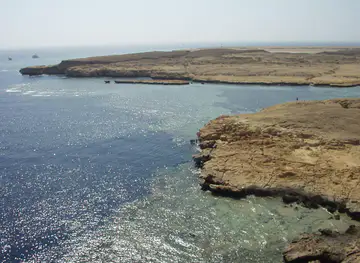
The Eastern Desert’s attractions are defined by contrast between the Red Sea and the mountains behind it. Coastal bases such as Hurghada, Safaga, Al-Quseir and Marsa Alam support diving, snorkelling, boat trips and marine excursions, with coral reefs, seagrass areas and seasonal wildlife forming the principal natural draw. Inland, guided journeys reach ancient quarry landscapes, rock inscriptions, wells, forts and caravan routes, including Wadi Hammamat and the Roman sites of Mons Claudianus and Mons Porphyrites where access arrangements permit. The monasteries of Saint Anthony and Saint Paul offer a very different experience: functioning Christian communities in stark mountain valleys, reached as religious and historical visits rather than casual sightseeing stops. In the south, Wadi El Gemal National Park brings together desert mountains, mangroves, coastal wetlands and wildlife, with opportunities for guided walks, cultural encounters and marine activities. The region is not suited to spontaneous attraction-hopping; its strongest experiences depend on organised transport, local knowledge, permits and enough time to appreciate the distances between coastal settlements, archaeological sites and remote landscapes.
-
Park
ميدان تويتي
Explore the tranquil beauty of Midan Tuwiti, a serene park in New Minya, perfect for relaxation, family outings, and cultural experiences.
-
Garden
ميدان
Explore the lush gardens of Beni Suef, a serene escape into nature's beauty, perfect for relaxation and memorable experiences.
-
Garden
حديقه جنه مصر
Discover the tranquil beauty of Garden of Egypt in New Minya, a serene oasis perfect for nature lovers and peaceful retreats.
-
 Garden
كورنيش الحي الرابع
Explore the tranquil beauty of Korniş Al-Hayy Al-Rabi' in New Minya, a serene garden perfect for relaxation and leisurely strolls amid nature.
Best landmarks in Eastern Desert
The Eastern Desert’s most important landmarks include the Monasteries of Saint Anthony and Saint Paul, whose fortified buildings, churches and mountain settings preserve the long history of Egyptian Christian monasticism. Wadi Hammamat is a landmark landscape as well as an archaeological site: its ancient quarry route and rock inscriptions record journeys across the mountains between the Nile and the Red Sea. The Roman quarry settlements of Mons Claudianus and Mons Porphyrites represent the logistical ambition of imperial Egypt, where stone was extracted, worked and transported through an arid terrain. On the coast, Quseir al-Qadim preserves the location of Myos Hormos, an ancient port linked to long-distance Red Sea and Indian Ocean trade, while Berenice marks another major southern maritime centre. Wadi El Gemal’s mountains, wadis, mangroves and shoreline provide a natural counterpart to these built and excavated landmarks. Together, these places express the region’s defining relationship between routes, resources, faith, maritime exchange and a demanding desert environment.
-
Archaeological site
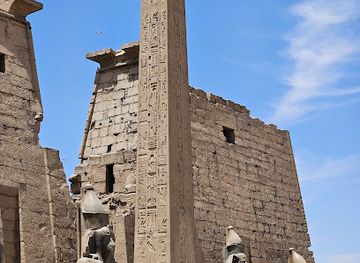
Luxor Temple
Explore Luxor Temple, a majestic monument in Luxor, Egypt, showcasing ancient Theban architecture, history, and religious significance from 1400 BCE.
-
Historical place
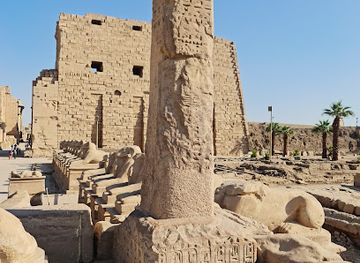
Karnak
Explore Karnak, the largest religious complex in the world, a testament to ancient Egyptian power and devotion, near Luxor, Egypt.
-
Historical landmark
The Great Pyramid of Giza
Explore the monumental Great Pyramid of Giza, a testament to ancient Egyptian ingenuity and a lasting wonder of the world.
-
Monument
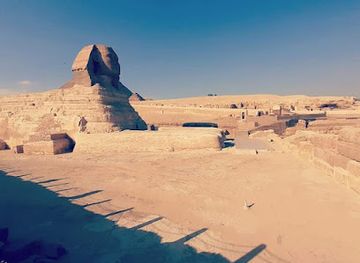
Great Sphinx of Giza
Marvel at the Great Sphinx of Giza, an iconic monument of ancient Egypt, and explore its mysteries and grandeur on the Giza Plateau.

Explore Eastern Desert on the map
Plan your trip on one map. See where the top cities, national parks and sights are, and book hotels and experiences in a few clicks.
Best hotels in Eastern Desert
Best restaurants in Eastern Desert
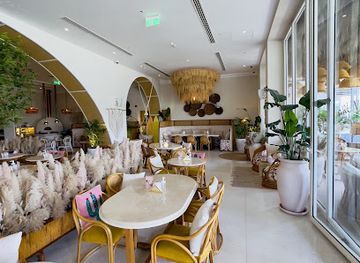
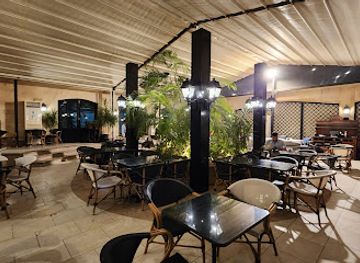
Dining in the Eastern Desert varies between resort restaurants, seafood establishments, small-town cafés, roadside eateries and meals arranged during desert excursions. Along the coast, freshly prepared fish, prawns and other seafood are widely available, particularly in port towns such as Al-Quseir and Safaga, although menus also reflect the broader Egyptian kitchen through ful, ta‘meya, grilled meats, rice, salads, bread and stewed vegetables. Bedouin-influenced meals may feature simple grilled food, bread, tea and dishes prepared over charcoal, but offerings differ between communities and camps rather than forming one standard cuisine. Hotels and resorts generally provide the broadest choice, including international food, while local cafés are useful for Egyptian breakfasts, sweet tea and inexpensive meals. Travellers heading inland should carry water and confirm whether food is included in an excursion, since reliable restaurants and shops can be absent for long distances. Seafood is best chosen where turnover and refrigeration appear dependable, and visitors should advise hosts about dietary restrictions in advance.
-
Turkish
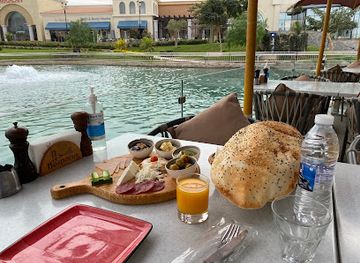
Bosporus Open Air Mall (Madinaty)
Discover the vibrant atmosphere of Bosporus Open Air Mall in Madinaty—where shopping meets authentic Turkish dining.
-
Restaurant
Brunch & Cake Lake View
Experience gourmet brunching at Brunch & Cake Lake View, where delectable dishes meet breathtaking lakeside views in New Cairo.
-
French
Paul Bakery & Restaurant
Experience authentic French cuisine at Paul Bakery & Restaurant in Heliopolis - where delightful pastries meet exquisite dining.
-
Japanese
Kazoku
Experience the finest Japanese cuisine at Kazoku in Cairo's Swan Lake Compound, where tradition meets modern elegance.
Best bars in Eastern Desert
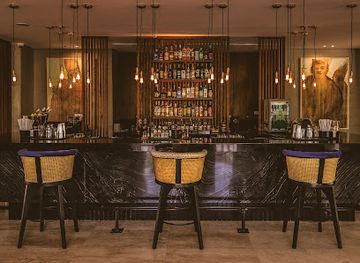
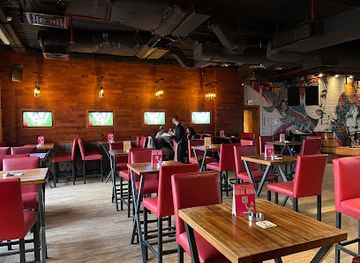
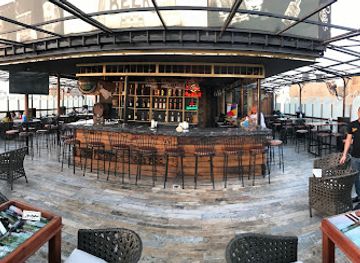
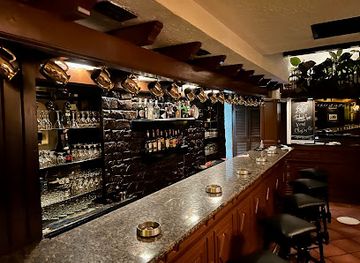
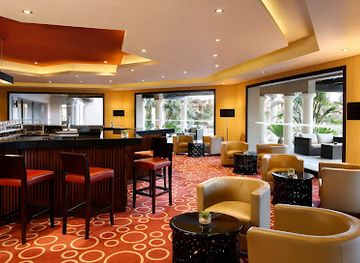
Nightlife is concentrated in the Red Sea resort towns rather than in the interior desert. Hurghada has the widest selection of hotel bars, casual pubs, music venues and late-night entertainment, while Safaga, Al-Quseir and Marsa Alam tend towards resort lounges, hotel bars, restaurants and occasional live performances. Outside the larger coastal centres, evenings are quieter and often revolve around tea, conversation, dining or stargazing at an organised desert camp. Alcohol is available in licensed hotels and tourist-oriented establishments, but it should not be assumed to be offered in local cafés, monasteries or Bedouin communities. Opening arrangements and entertainment programmes change seasonally, so check locally rather than relying on old listings. Visitors should dress and behave appropriately in religious or community settings and respect the fact that desert camps may operate under different local customs from resort nightlife venues.
-
Grill
The Tap East
Experience the vibrant flavors of The Tap East, a premier grill and bar in New Cairo, perfect for unforgettable dining and nightlife.
-
Grill
Paradise Roof
Discover the breathtaking views and exquisite flavors at Paradise Roof, Heliopolis' ultimate grill and tapas destination.
-
Bar
Pub 28
Discover the cozy ambiance and vibrant spirit of Pub 28, Zamalek's favorite spot for drinks and relaxation in the heart of Cairo.
-
Bar
Dunes Bar & Restaurant
Discover a blend of fine dining and vibrant nightlife at Dunes Bar & Restaurant in New Cairo, where exquisite flavors meet breathtaking views.
Best nightclubs in Eastern Desert
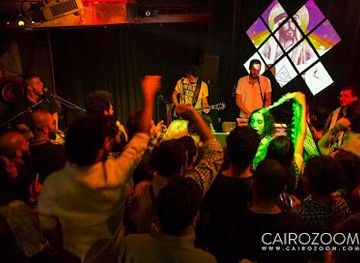
Nightlife is concentrated in the Red Sea resort towns rather than in the interior desert. Hurghada has the widest selection of hotel bars, casual pubs, music venues and late-night entertainment, while Safaga, Al-Quseir and Marsa Alam tend towards resort lounges, hotel bars, restaurants and occasional live performances. Outside the larger coastal centres, evenings are quieter and often revolve around tea, conversation, dining or stargazing at an organised desert camp. Alcohol is available in licensed hotels and tourist-oriented establishments, but it should not be assumed to be offered in local cafés, monasteries or Bedouin communities. Opening arrangements and entertainment programmes change seasonally, so check locally rather than relying on old listings. Visitors should dress and behave appropriately in religious or community settings and respect the fact that desert camps may operate under different local customs from resort nightlife venues.
-
Night club
Cairo Jazz Club
Experience the vibrant nightlife at Cairo Jazz Club, where live music and energetic atmospheres create unforgettable evenings in the heart of Cairo.
-
Disco club
OMNI club cairo
Discover Cairo's nightlife at OMNI Club, where vibrant music and energy create unforgettable dance experiences in Zamalek.
-
Night club
Cairo Jazz Club 610
Discover Cairo Jazz Club 610, a hub of live music and vibrant nightlife, where the beats of jazz resonate in the heart of Cairo.
-
Night club
Night life
Discover the exhilarating nightlife of Cairo, where vibrant clubs and enchanting dance floors await to captivate your senses and elevate your experience.


Best shops in Eastern Desert
Shopping in the Eastern Desert is centred on coastal towns, resort areas and local markets rather than large retail districts. Hurghada offers the broadest range of tourist-oriented shops, while Safaga, Al-Quseir and Marsa Alam have smaller selections of beachwear, practical travel supplies, spices, perfumes, jewellery, leather goods and Egyptian craft items. In towns and villages, small groceries and market stalls are more useful for water, snacks and daily necessities than for formal souvenirs. Bedouin-inspired textiles, woven items, baskets and jewellery may be available through local initiatives or organised cultural visits, but designs, materials and authenticity vary, so buy respectfully and ask about their origin. Regional food products such as dates, spices and packed sweets are practical gifts when purchased from reputable sellers. Bargaining can be part of informal market shopping, whereas prices in pharmacies, supermarkets, established shops and hotel boutiques may be fixed. Do not buy antiquities, fossils, coral, shells or wildlife products, and check Egyptian export rules before travelling with valuable crafts or natural materials.
-
Shopping mall
Citystars Mall
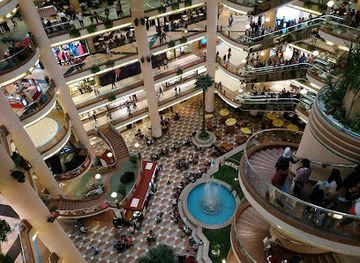
Discover the ultimate shopping experience at Citystars Mall in Cairo, where fashion, dining, and entertainment come together in a vibrant atmosphere.
-
Bazar
Khan el-Khalili
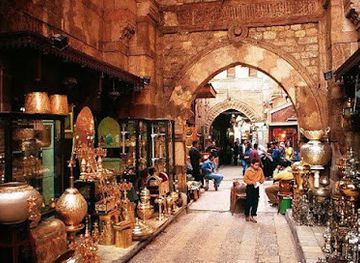
Discover the enchanting Khan el-Khalili Bazaar, where history meets vibrant commerce in the heart of Cairo, a must-visit for every traveler.
-
Shopping mall
Downtown Katameya
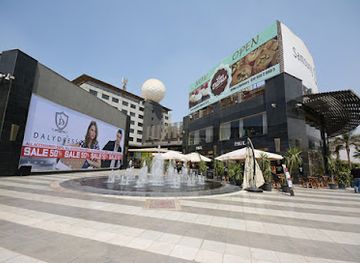
Discover the ultimate shopping and dining experience at Downtown Katameya, a vibrant mall in New Cairo, blending modernity with cultural charm.
-
Shopping mall
San Stefano Grand Plaza
Explore shopping, dining, and entertainment at the San Stefano Grand Plaza, a premier destination in Alexandria, Egypt.
Get your free copy of our complete guide to Eastern Desert, delivered straight to you.
Everything on this page, from attractions and restaurants to essentials and local phrases, in one PDF you can read offline, print or share.
Already have an account? Sign in
Your Eastern Desert guide is ready.
We'll send it to · Not you? Sign out

Getting your guide ready…
We are putting together a fresh copy of the Eastern Desert guide. This can take up to a minute.
This can take a few moments. If your browser asks, choose Allow so the download can start. You'll find the guide in your Downloads folder.
Nothing happened? Download it again
Sorry, the guide is taking longer than usual. Please try again in a minute, or get it by email instead.
Eastern Desert essentials
Currency and Payment
Safety
Emergency Situations
Do's and Don'ts
Local Tips
From Eve
Local phrases worth knowing
You don't need to get them perfect. A few words go a long way, and locals appreciate the effort.
Basics
| English | Local | Say it |
|---|---|---|
| Hello | Howdy | [Ha-dee] |
| Goodbye | See ya | [See yah] |
| Yes | Yep | [Yep] |
| No | Nope | [Nope] |
| Please/You're welcome | Sure thing | [Shur thing] |
| Thank you | Thanks | [Thangs] |
| Excuse me/Sorry | Pardon me | [Pardon me] |
| How are you? | How ya doin'? | [How ya doin'?] |
| Fine. And you? | Good. You? | [Good. You?] |
| Do you speak English? | Do ya speak English? | [Do ya speak English?] |
| I don't understand | I ain't followin' | [I ain't followin'] |
Eating & Drinking
| English | Local | Say it |
|---|---|---|
| I'd like to see the menu, please | Can I see the menu? | [Can I see the menu?] |
| I don't eat meat | I don't do meat | [I don't do meat] |
| Cheers! | Cheers! | [Cheers!] |
| I would like to pay, please | Can I get the check? | [Can I get the check?] |
Emergencies
| English | Local | Say it |
|---|---|---|
| Help! | Help! | [Help!] |
| Go away! | Leave me alone! | [Leave me alone!] |
| Call the Police! | Call the cops! | [Call the cops!] |
| Call a doctor! | Get a doctor! | [Get a doctor!] |
| I'm lost | I'm turned around | [I'm turned around] |
| I'm ill | I'm not feelin' good | [I'm not feelin' good] |
Shopping
| English | Local | Say it |
|---|---|---|
| I'd like to buy... | I wanna buy... | [I wanna buy...] |
| I'm just looking | Just browsing | [Just browsing] |
| How much is it? | How much? | [How much?] |
| That's too expensive | That's pricey | [That's pricey] |
| Can you lower the price? | Can ya drop the price? | [Can ya drop the price?] |
Time & Numbers
| English | Local | Say it |
|---|---|---|
| What time is it? | What time ya got? | [What time ya got?] |
| It's one o'clock | It's one | [It's one] |
| Half past (10) | Half past ten | [Half past ten] |
| Morning | Mornin' | [Mornin'] |
| Afternoon | Afternoon | [Afternoon] |
| Evening | Evenin' | [Evenin'] |
| Yesterday | Yesterday | [Yesterday] |
| Today | Today | [Today] |
| Tomorrow | Tomorrow | [Tomorrow] |
| 1 | One | [One] |
| 2 | Two | [Two] |
| 3 | Three | [Three] |
| 4 | Four | [Four] |
| 5 | Five | [Five] |
| 6 | Six | [Six] |
| 7 | Seven | [Seven] |
| 8 | Eight | [Eight] |
| 9 | Nine | [Nine] |
| 10 | Ten | [Ten] |
Transport & Directions
| English | Local | Say it |
|---|---|---|
| Where's a/the...? | Where's the...? | [Where's the...?] |
| What's the address? | What's the address? | [What's the address?] |
| Can you show me (on the map)? | Can ya show me on the map? | [Can ya show me on the map?] |
| When's the next (bus)? | When's the next bus? | [When's the next bus?] |
| A ticket (to ....) | One ticket to... | [One ticket to...] |
History of Eastern Desert
Prehistoric Movement Through the Arid Valleys
Although today’s Eastern Desert appears extremely dry, its wadis preserve evidence of long periods of human movement and changing climate. Prehistoric communities used valleys, springs and routes across the Red Sea mountains, leaving stone tools, rock art and traces of temporary occupation in parts of the desert. These remains are important because they show that the region was not an empty barrier between the Nile and the coast. Knowledge of passes, water sources and seasonal conditions later helped shape the caravan routes used by ancient states and trading communities.
Pharaonic Routes, Gold and Wadi Hammamat
Ancient Egyptian expeditions crossed the Eastern Desert to obtain stone, gold and other resources and to reach Red Sea harbours. Wadi Hammamat, linking the Nile region with the coast, is particularly significant for its quarrying history and its numerous inscriptions recording expeditions, officials and travellers. The desert supplied prized greywacke and other hard stones for monuments, while gold-bearing areas became important to successive rulers. These routes required organised labour, storage points and knowledge of scarce water sources, making the Eastern Desert part of Egypt’s state infrastructure rather than a remote wilderness beyond it.
Ptolemaic and Roman Red Sea Trade
Under the Ptolemies and Romans, Egypt became a major intermediary in trade between the Mediterranean world, Arabia, East Africa and India. Ports on the Red Sea, including Myos Hormos near modern Quseir and Berenice farther south, were connected to the Nile by desert roads. Goods such as spices, textiles, precious materials and aromatics moved through these corridors, supported by wells, forts, quarry settlements and caravan stations. Roman control also expanded extraction at sites such as Mons Claudianus and Mons Porphyrites, whose stone was transported over long distances for imperial construction.
Early Christian Monasticism in the Red Sea Mountains
The isolated mountains of the Eastern Desert became central to the development of Christian monasticism in late antiquity. Saint Anthony, traditionally regarded as a founder of Christian monasticism, lived in a remote mountain setting, and the Monastery of Saint Anthony grew around his legacy. The Monastery of Saint Paul is likewise associated with an early ascetic tradition. Their churches, fortified compounds, manuscripts and continuing religious communities preserve a distinctive chapter of Egyptian Christian history. Access remains organised and visitors are expected to observe monastic rules and dress respectfully.
Bedouin Networks and Desert Knowledge
For centuries, Bedouin communities have maintained detailed knowledge of the Eastern Desert’s wells, routes, grazing possibilities, mountains and seasonal conditions. Their social and economic relationships span inland valleys and Red Sea settlements, and their expertise remains important for organised desert travel. Communities including the Ababda and Bisharin have distinctive histories, dialects, crafts and relationships with the landscape, although their circumstances vary between locations. Contemporary tourism, conservation and mining have altered local economies, but Bedouin guides and cultural initiatives continue to connect visitors with the desert beyond its archaeological monuments.
Modern Transport, Mining and Red Sea Tourism
Modern roads, ports and mineral extraction have transformed access to the Eastern Desert, linking the Nile Valley with coastal towns and industrial centres. Al-Quseir, Safaga and other ports retain associations with shipping and resources, while Hurghada and Marsa Alam developed as bases for diving, resort tourism and marine excursions. Protected areas such as Wadi El Gemal reflect a more recent effort to balance tourism, biodiversity and cultural heritage. The modern region therefore combines ancient routes and monasteries with contemporary infrastructure, conservation projects, coastal development and the practical realities of a water-scarce environment.
Eastern Desert in Photos
Browse through our photo collection highlighting the charm and character of the destination.
Neighbouring regions of Eastern Desert
The closest regions to Eastern Desert, if you have time for more than one.
-

-

-

-

-


Swipe for more regions
Explore more
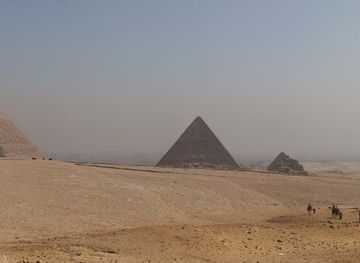
Explore more of Egypt
Discover Egypt: From the timeless pyramids to the vibrant Red Sea, experience a land where ancient wonders meet modern adventures.
Explore Egypt