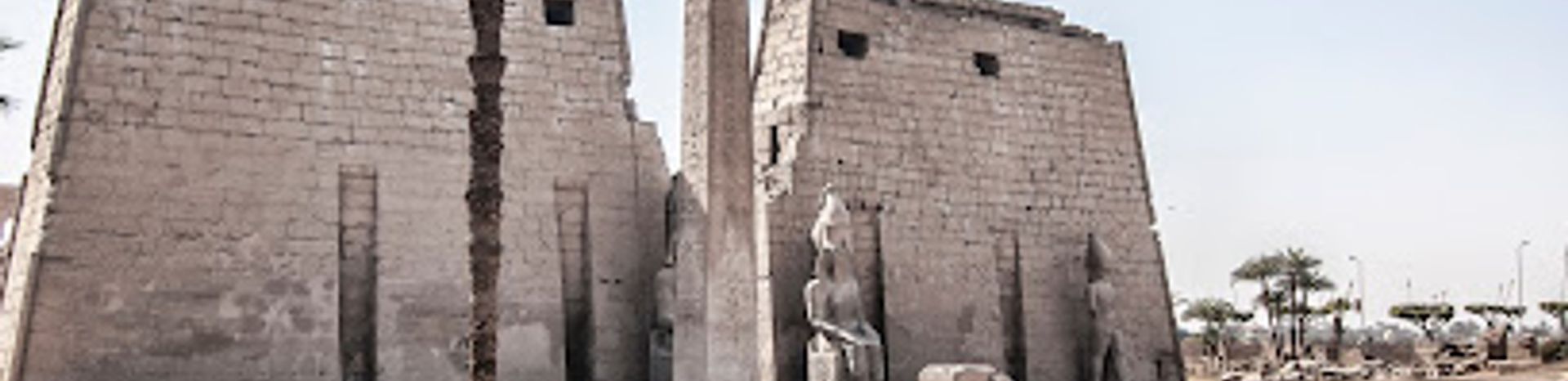
Luxor Museum: A Glimpse into Thebes' Golden Age
Discover the treasures of ancient Thebes at the Luxor Museum, showcasing exquisite artifacts from the heart of Egypt's New Kingdom.
The Luxor Museum, opened in 1975, showcases a carefully curated collection of artifacts from the Theban region, focusing primarily on Egypt's New Kingdom period (1550-1070 BC). Unlike larger museums, Luxor prides itself on the quality and clarity of its displays, offering an immersive experience into ancient Thebes.
A brief summary to Luxor Museum
- Kornish Al Nile, Luxor, Luxor City, Luxor Governorate, EG
- +20952370569
- Visit website
Local tips
- Visit during the morning or late afternoon to avoid the midday heat and crowds.
- Allow at least 2-3 hours to fully explore the museum's collection.
- Check out the museum shop for unique souvenirs and books related to ancient Egypt.
- Photography with mobile phones is free.

Getting There
-
Walking
The Luxor Museum is located on Kornish Al Nile, easily accessible from many hotels and landmarks in Luxor City. From Luxor Temple, it's a pleasant walk north along the Corniche. The museum is situated on the east bank of the Nile, roughly midway between Luxor Temple and Karnak Temple. No costs are associated with walking.
-
Taxi
Taxis are readily available throughout Luxor. A short taxi ride from Luxor Temple or any central Luxor hotel to the Luxor Museum will typically cost around 20-30 EGP. Confirm the fare with the driver before starting your journey.
-
Public Transport
Local buses also operate in Luxor, providing an affordable way to reach the museum. Check with your hotel or a local for the correct bus route and schedule. The fare is typically only a few Egyptian pounds. However, taxis are generally more convenient.
Discover more about Luxor Museum
Iconic landmarks you can’t miss

Alexbank
0.2 km
Experience the convenience of Alexbank in Luxor, your essential stop for financial services amidst the treasures of ancient Egypt.
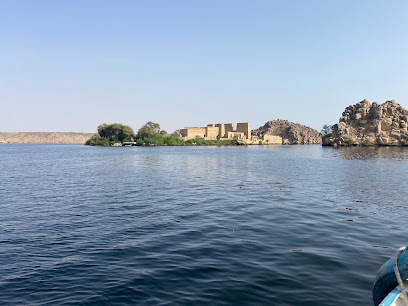
NBE ATM - Sofitel Winter Palace Hotel 1 Luxor - فندق سوفتيل 1 الأقصر
0.3 km
Conveniently located at the Sofitel Winter Palace Hotel, NBE ATM provides 24/7 access to cash for tourists exploring the historical treasures of Luxor.

Luxor Nile Ferry - West Bank
0.9 km
Cross the Nile and journey back in time! The Luxor Nile Ferry offers an affordable and scenic gateway to the West Bank's ancient wonders.
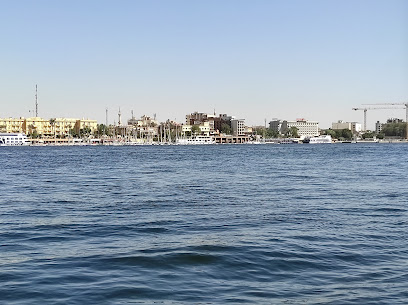
Ancient Luxor Quay
1.0 km
Explore Ancient Luxor Quay: a historical landmark on the Nile, offering stunning views, cultural experiences, and access to Luxor's famous attractions.
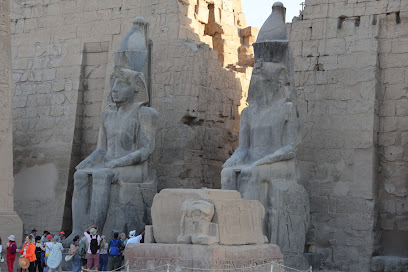
ميدان أبوالحجاج
1.0 km
Experience the vibrant heart of Luxor at Abu al-Haggag Square, where history, culture, and local life intertwine in a captivating Egyptian experience.
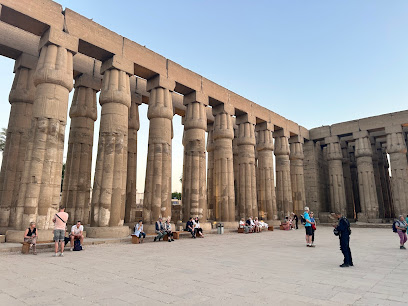
El-Gezira Hotel & Restaurant
1.2 km
Experience tranquility on Luxor's West Bank with Nile views, delicious cuisine, and live music at El-Gezira Hotel & Restaurant.
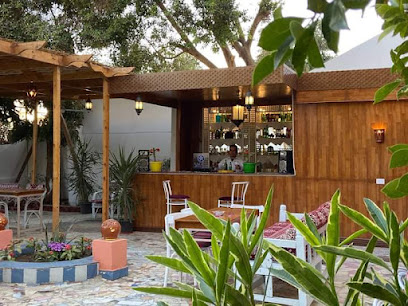
River Nile
1.3 km
Experience the majesty of the Nile, the world's longest river and the lifeblood of ancient and modern Egypt. Explore ancient temples and cruises along its waters.
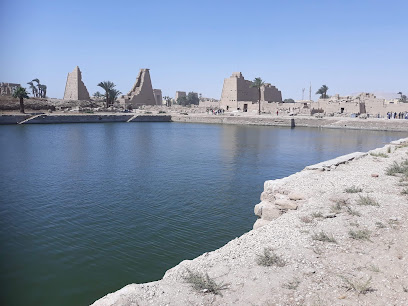
Luxor Egypt
1.4 km
Discover the enchanting city of Luxor, Egypt, where ancient history and vibrant culture come together to create a timeless travel experience.
West Bank Private Transport Luxor
1.4 km
Explore Luxor's West Bank in comfort: private car service to ancient wonders, reliable and highly-rated transportation.
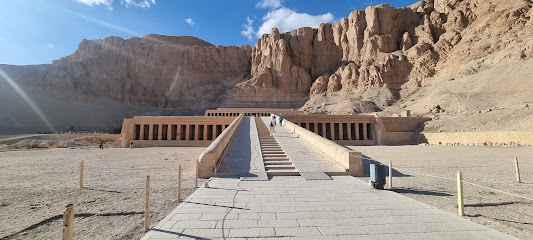
Luxor day tour to East & West Banks
1.4 km
Discover the wonders of Luxor's West Bank: Valley of the Kings, Hatshepsut Temple, and Colossi of Memnon. A journey through ancient Egyptian history.
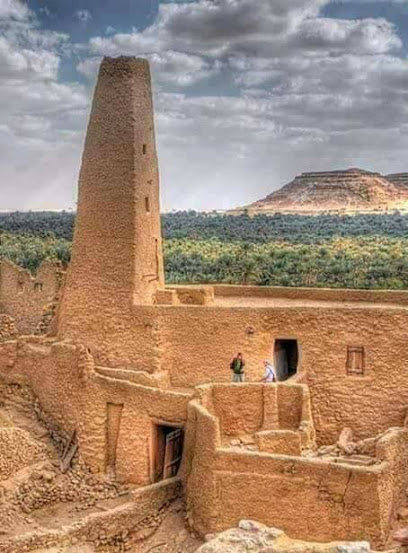
Rovine del tempio di thot
1.4 km
Esplora le antiche Rovine del Tempio di Thot nel complesso del Tempio di Karnak a Luxor, in Egitto, un sito dedicato al dio della saggezza.
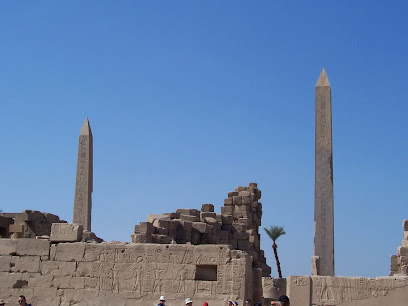
Temple Of Khonsu
1.5 km
Explore the Temple of Khonsu in Luxor's Karnak complex: a testament to ancient Egyptian artistry and lunar worship dedicated to the moon god.
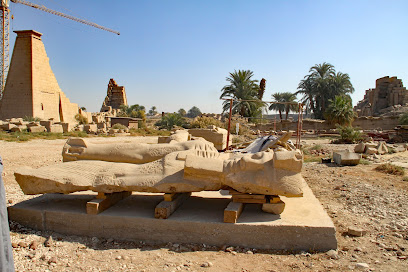
البنك الأهلي المصري فرع الاقصر
1.5 km
Discover convenience at the Egyptian National Bank in Luxor, the essential stop for travelers needing reliable banking services while exploring ancient Egypt.
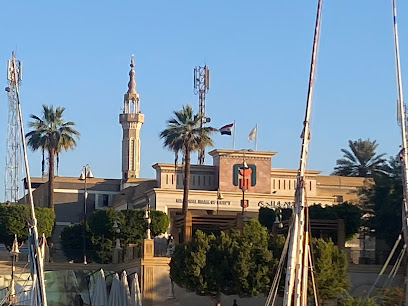
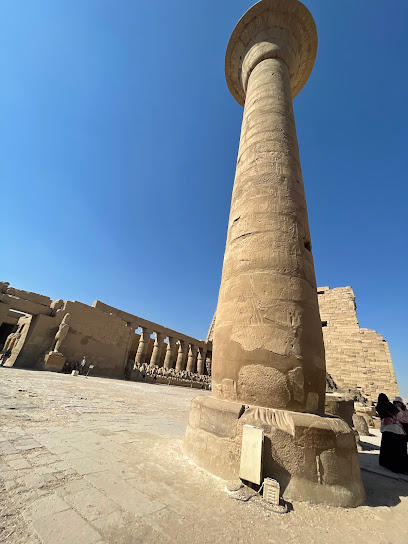
Column of Taharqa
1.8 km
A solitary, towering column in Karnak Temple, remnant of Pharaoh Taharqa's grand kiosk, showcasing a blend of Egyptian and Nubian artistry.
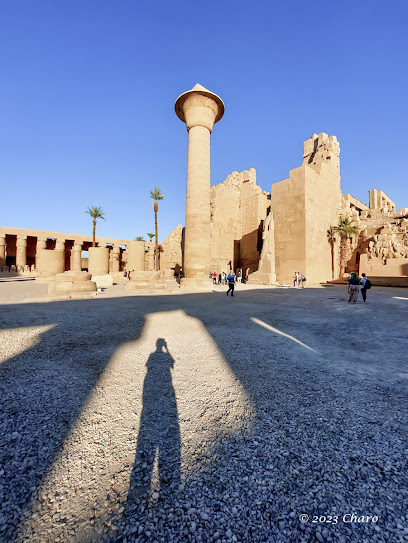
Pillar Hall in Karnak Temple
1.8 km
Explore the awe-inspiring Great Hypostyle Hall at Karnak Temple, a colossal forest of intricately decorated columns showcasing ancient Egyptian grandeur.
Unmissable attractions to see

Maadi Square
0.2 km
Explore Maadi Square in Luxor, a vibrant hub of culture, cuisine, and history that offers a unique glimpse into Egyptian life and ancient wonders.
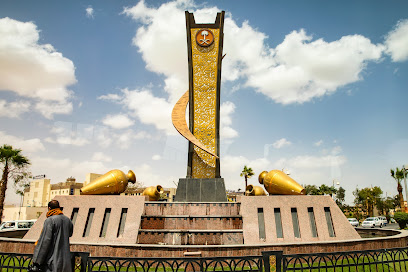
Kornish Al Nile
0.4 km
Discover the serene beauty and rich culture along Kornish Al Nile in Luxor, where history and vibrant local life meet the tranquil waters of the Nile River.
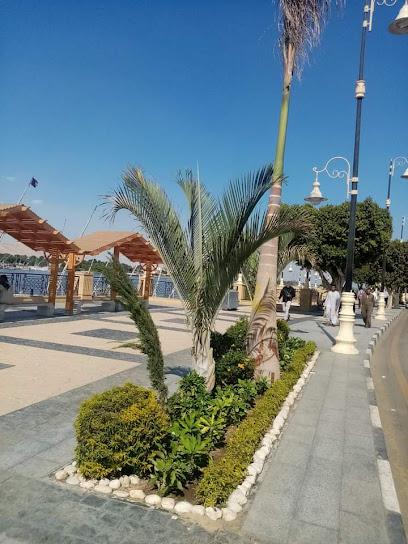
The Sphinx Avenue
0.4 km
Explore Sphinx Avenue in Luxor, Egypt, where history comes alive with ancient sphinxes leading to the monumental Karnak Temple.
Visita Luxor
0.6 km
Explore Luxor, the ancient capital of Egypt, filled with majestic temples, royal tombs, and rich cultural experiences along the Nile River.
Mummification Museum
0.8 km
Explore the Mummification Museum in Luxor for a captivating journey into ancient Egyptian burial practices and the art of preserving history.
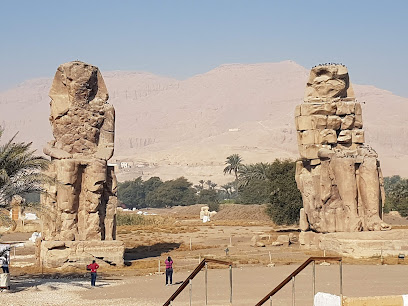
Barca solare del dio Rê
0.8 km
Experience the beauty and history of Luxor at Barca Solare del Dio Rîa, a mesmerizing attraction by the Nile River.
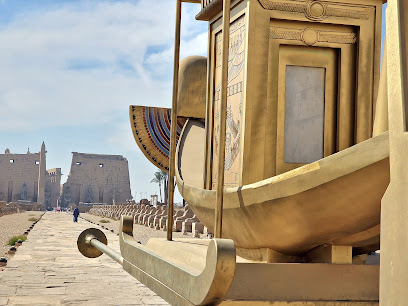
Luxor Temple Ticket Office
0.9 km
Explore the majestic Luxor Temple, a stunning tribute to ancient Egypt's architectural brilliance and rich history, located in the heart of Luxor City.
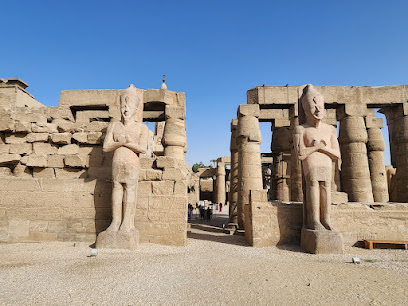
Remaining Luxor Obelisk
0.9 km
Explore the Remaining Luxor Obelisk, a stunning historical landmark that reveals the brilliance of ancient Egyptian architecture and culture.
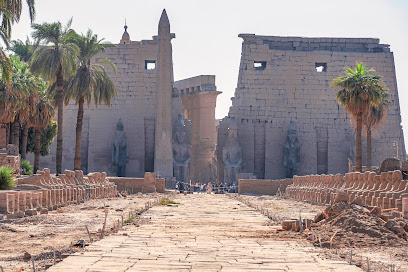
First Pylon Luxor Temple
0.9 km
Discover the grandeur of the First Pylon at Luxor Temple, an iconic historical landmark steeped in the rich history of ancient Egypt.
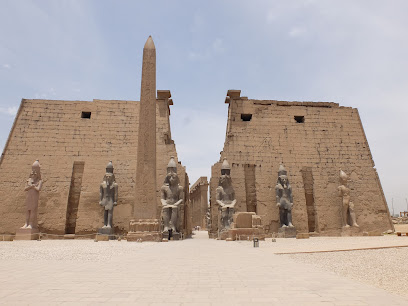
Abou al-Haggag Mosque
1.0 km
Explore the architectural beauty and spiritual significance of Abou al-Haggag Mosque in Luxor, a must-visit for every traveler seeking cultural immersion.
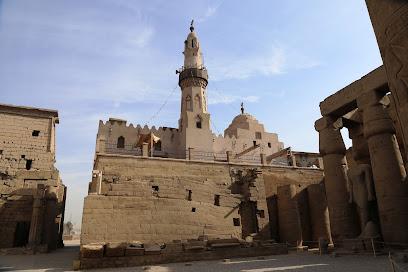
El - Souk
1.0 km
Explore the vibrant atmosphere of El - Souk in Luxor, where local culture, exquisite crafts, and delicious street food await every traveler.
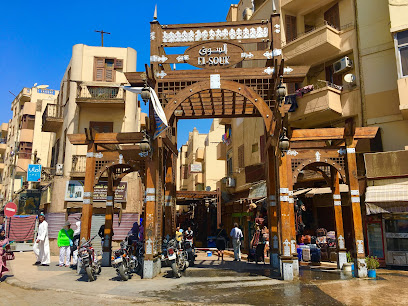
Luxor Temple Square ساحة معبد الاقصر
1.0 km
Discover the enchanting Luxor Temple Square, a mesmerizing blend of ancient history and vibrant culture in the heart of Luxor, Egypt.
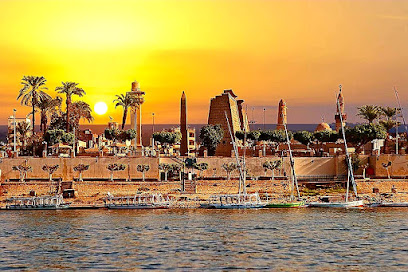
Sayed Water Taxi Luxor
1.0 km
Discover the beauty of Luxor from the Nile with Sayed Water Taxi, a unique and serene way to explore this historic city.
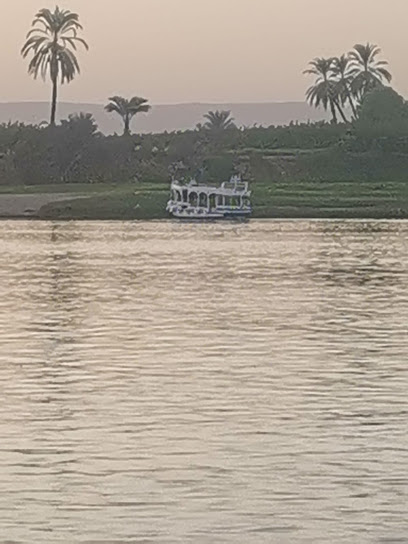
Sayed felucca Luxor
1.1 km
Experience the enchanting beauty of the Nile River with a traditional felucca boat tour in Luxor, where history and nature intertwine.
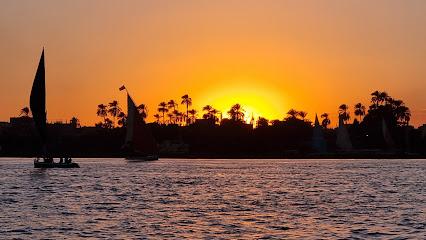
Luxor Temple
1.1 km
Explore the grandeur of Luxor Temple, a majestic archaeological site in Egypt, rich in history and architectural beauty.
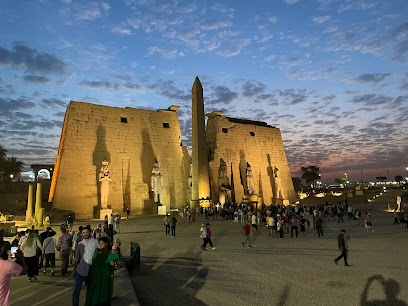
Essential places to dine

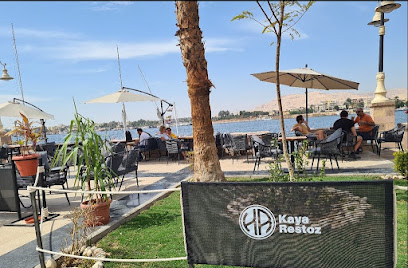
Kaya Restoz
0.1 km
Discover Kaya Restoz in Luxor: where Native American flavors meet Egyptian hospitality along the Nile.
Oasis Palace
0.3 km
Experience exquisite flavors at Oasis Palace in Luxor – where traditional Egyptian cuisine meets modern dining.
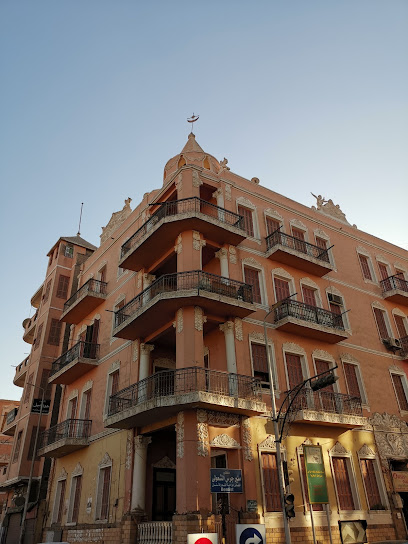
مطعم الميناء Almina Restaurant
0.6 km
Experience exquisite dining at Almina Restaurant: where Japanese Izakaya meets fast food in the heart of Luxor.
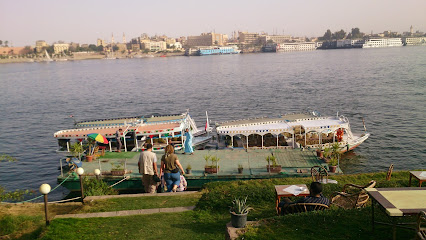
Georgian Nile View
0.7 km
Experience authentic cuisine with stunning views at Georgian Nile View in Luxor - where every meal is a celebration by the Nile.
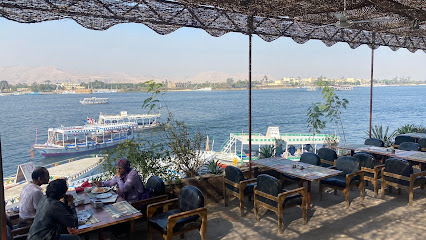
Al Sahaby Lane Restaurant
0.7 km
Experience authentic Egyptian cuisine at Al Sahaby Lane Restaurant in Luxor – where tradition meets taste.
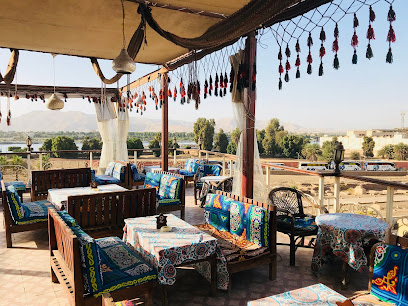
Jamboree Restaurant
0.7 km
Discover the vibrant flavors of Egypt at Jamboree Restaurant in Luxor—where tradition meets taste in an unforgettable dining experience.
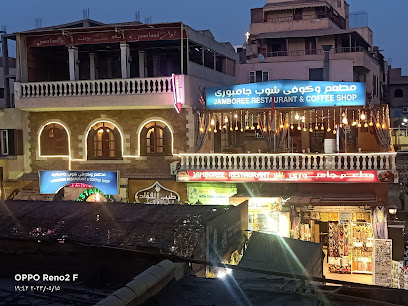
Nile Roof Restaurant
1.0 km
Experience authentic Egyptian cuisine with breathtaking views at Nile Roof Restaurant along the banks of the majestic Nile River.
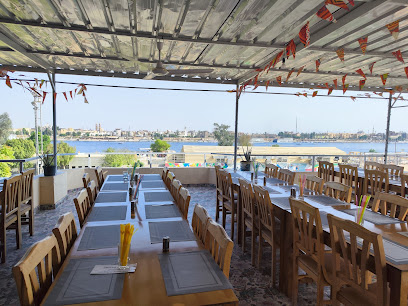
Aboudi Coffee Break
1.1 km
Experience authentic Egyptian flavors at Aboudi Coffee Break in Luxor—where great food meets warm hospitality.
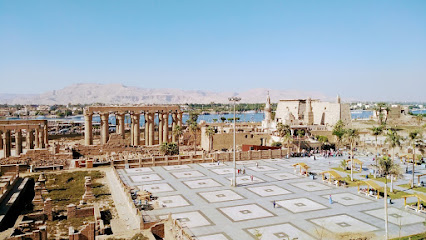
Nile Valley Hotel & Restaurant
1.2 km
Experience authentic Egyptian hospitality at Nile Valley Hotel & Restaurant, your gateway to exploring ancient treasures along the banks of the Nile.
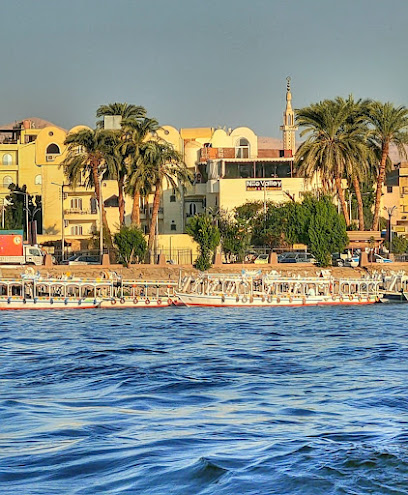
مطعم توت عنخ امون Tout Ankh Amoun Restaurant
1.2 km
Experience authentic Egyptian cuisine with stunning Nile views at Tout Ankh Amoun Restaurant in Luxor.
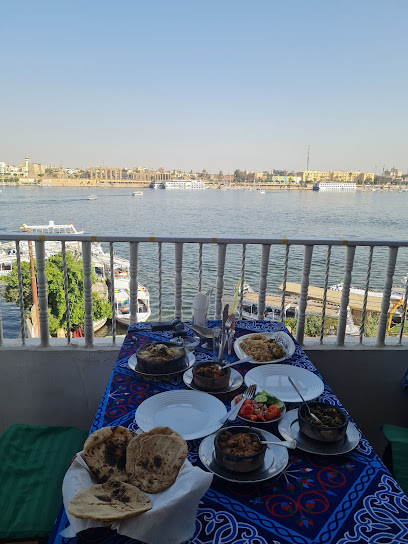
Wannas art cafe
1.3 km
Discover authentic Egyptian flavors in an artistic setting at Wannas Art Cafe in Al Bairat, Luxor.
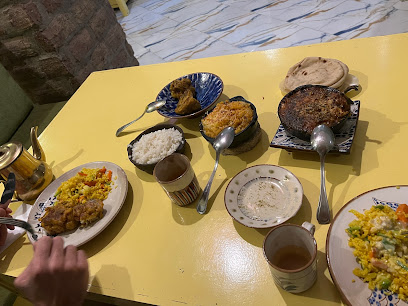
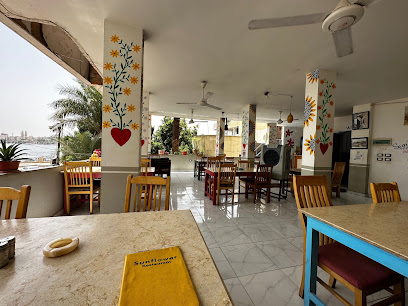
مطعم دوار الشمس Sunflower Restaurant
1.3 km
Discover authentic Egyptian cuisine at Sunflower Restaurant in Al Bairat - where delightful meat dishes meet warm hospitality.
Casablanca Restaurant
1.3 km
Experience authentic Egyptian cuisine at Casablanca Restaurant in Luxor - where tradition meets taste.
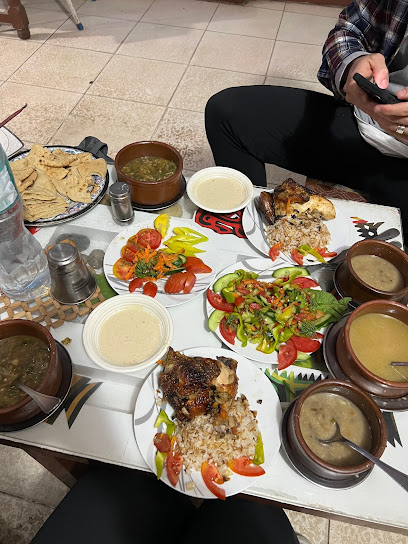
Nile View Restaurant
1.3 km
Experience authentic Egyptian barbecue with stunning Nile views at Nile View Restaurant in Luxor.
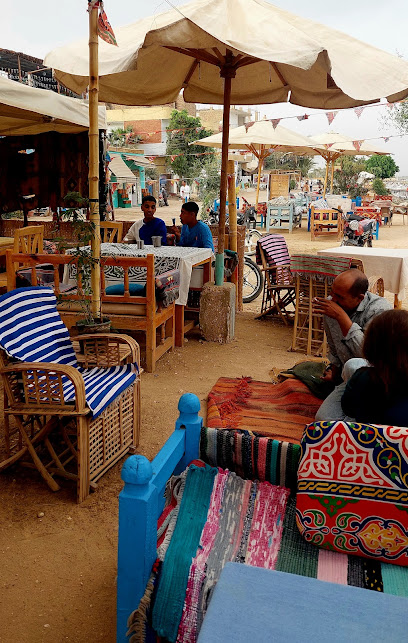
Cup Coffee Sunrise Restaurant
1.3 km
Experience authentic Egyptian flavors at Cup Coffee Sunrise Restaurant in Luxor, where every meal comes with stunning views and warm hospitality.
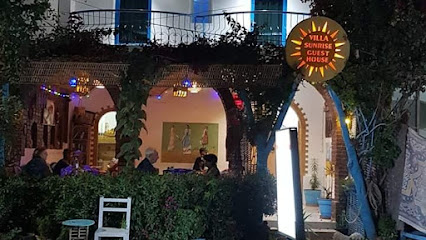
Markets, malls and hidden boutiques

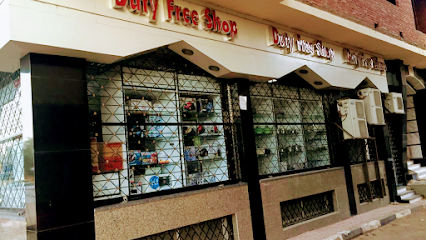
Hassle Free Shop
0.4 km
Explore the enchanting Hassle Free Shop in Luxor, the perfect destination for unique books, antiques, and souvenirs reflecting Egyptian culture.
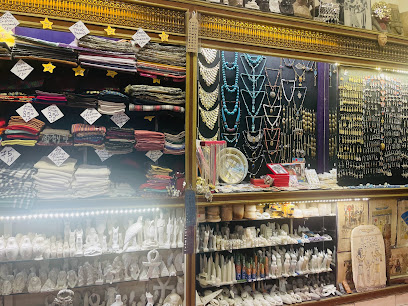
El Fashny Shop - متجر الفشني
0.7 km
Discover unique Egyptian gifts and souvenirs at El Fashny Shop in Luxor, where tradition meets artistry in a charming shopping experience.
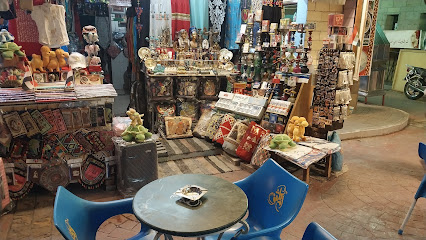
Old Shop
0.8 km
Explore Old Shop in Luxor's Karnak for unique jewelry, antiques, and handcrafted treasures that reflect Egypt's rich heritage.
Tienda de recuerdos
0.8 km
Discover authentic Egyptian souvenirs at Tienda de Recuerdos in Luxor, a vibrant store filled with handcrafted treasures that embody the spirit of Egypt.
أبو وحيد للإستيراد والتصدير
0.8 km
Explore Abu Wahid, Luxor's premier souvenir store, for authentic Egyptian crafts and unforgettable shopping experiences.
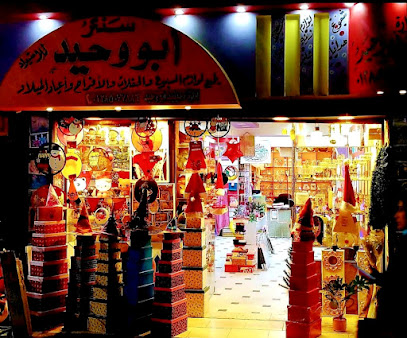
Lotus Bazar
0.8 km
Explore Lotus Bazar in Luxor for unique fashion accessories, exquisite jewelry, and enchanting perfumes that embody the essence of Egyptian craftsmanship.
Pr-Ba Concept Store (Luxor)
0.9 km
Explore the Pr-Ba Concept Store in Luxor for unique handicrafts and souvenirs that capture the essence of Egyptian culture.
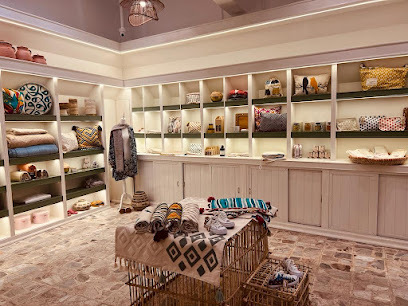
Habiba Gallery
0.9 km
Explore the vibrant handicrafts of Luxor at Habiba Gallery, where tradition meets artistry in every exquisite piece.
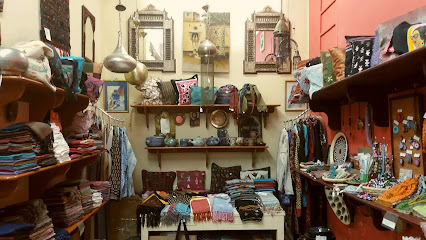
Ata Bazar
0.9 km
Explore Ata Bazar in Luxor for unique antiques, handcrafted jewelry, and local art that embody the rich culture of Egypt.
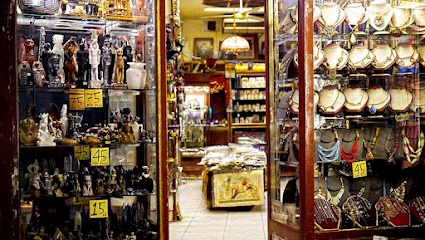
Sam House Luxor gold and silver smith
0.9 km
Explore the exquisite craftsmanship of gold and silver jewelry at Sam House Luxor, where tradition meets elegance in every piece.
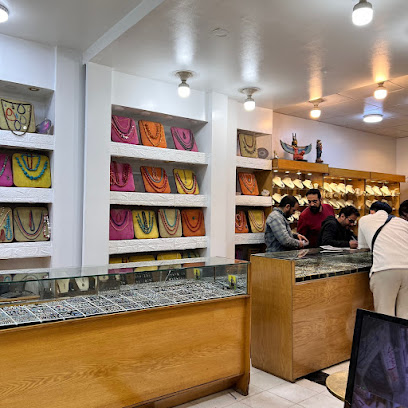
Fair Trade Center
0.9 km
Immerse yourself in Luxor's vibrant culture at the Fair Trade Center, where unique handicrafts and ethical shopping meet.
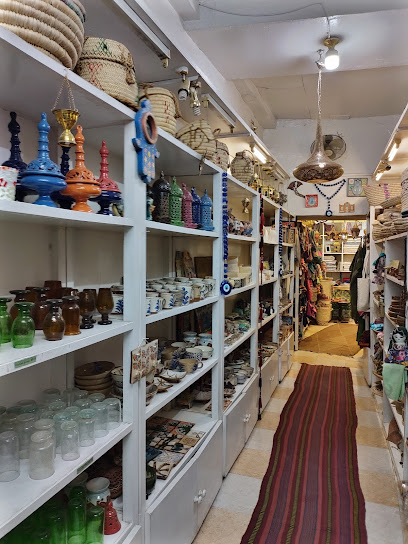
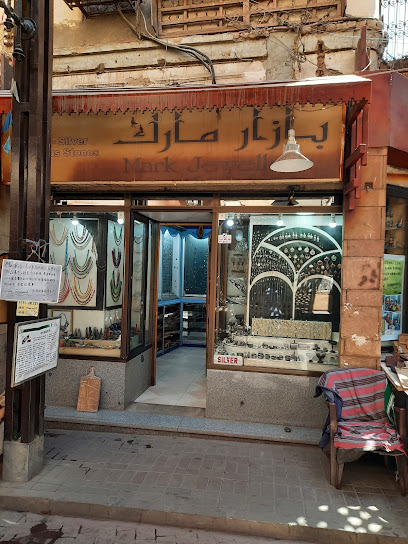
Mark Gewellary
1.0 km
Explore the exquisite craftsmanship of Mark Gewellary, a premier silversmith in Luxor, where tradition meets contemporary elegance in silver artistry.
Luxor Fruit and Vegetable Market
1.1 km
Dive into the heart of Luxor with a visit to the Fruit and Vegetable Market, where local flavors and vibrant culture come alive.
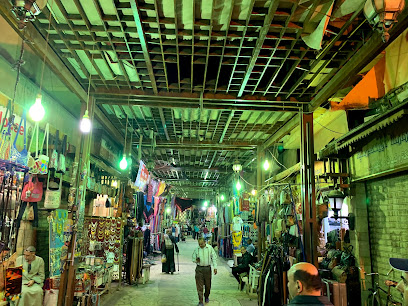
Old Market House Egyption Gift
1.1 km
Explore the Old Market House Egyptian Gift in Luxor for authentic antiques and unique souvenirs, celebrating Egypt's rich cultural heritage.
مصر للاسواق الحرة ( الاقصر )
1.2 km
Experience the essence of Luxor shopping at مصر للأسواق الحرة, your destination for unique home goods and exquisite Egyptian perfumes.
Essential bars & hidden hideouts

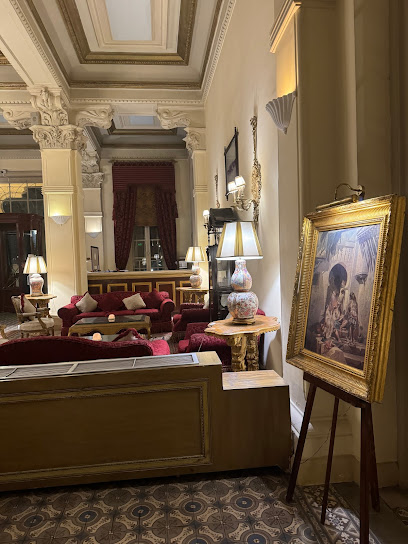
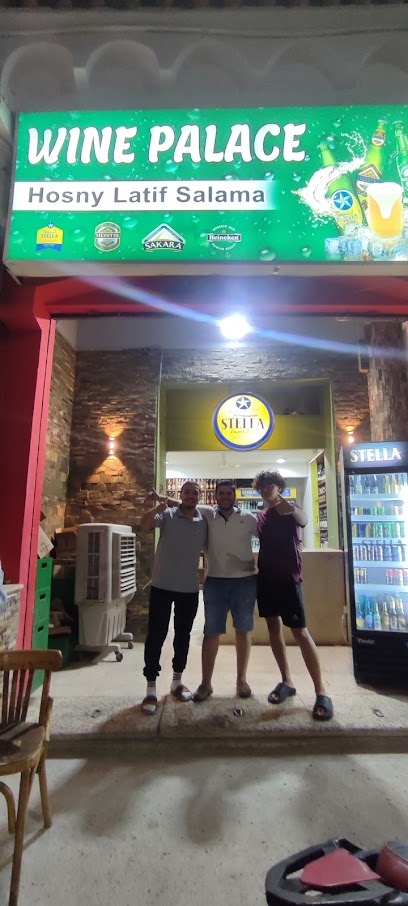
Wine palace
0.9 km
Discover the enchanting Wine Palace in Luxor, where local flavors and a vibrant atmosphere meet for a memorable evening.
حسني لطيف سلامة
0.9 km
Experience the vibrant nightlife of Luxor at حسني لطيف سلامة, where local charm meets refreshing drinks in a lively atmosphere.
انتيكةAntika
1.1 km
Discover Antika, Luxor's vibrant cocktail bar, where exquisite drinks and lively ambiance create unforgettable moments.
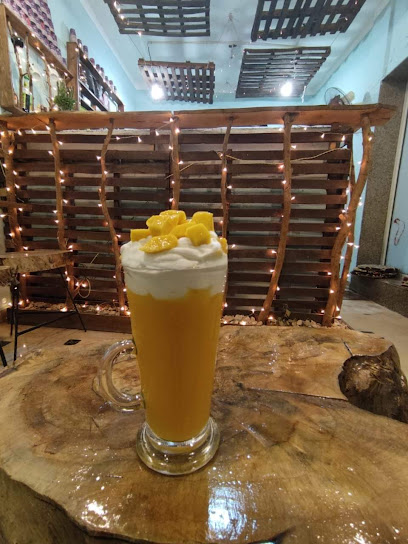
Snack Time
1.1 km
Experience the vibrant flavors of Egypt at Snack Time, your go-to spot for authentic cuisine and delicious pizza delivery in Luxor.
Bar & Byke Rent, West Luxor
1.1 km
Discover the perfect blend of relaxation and adventure at Bar & Byke Rent in Luxor, featuring refreshing drinks and bike rentals for exploring ancient wonders.
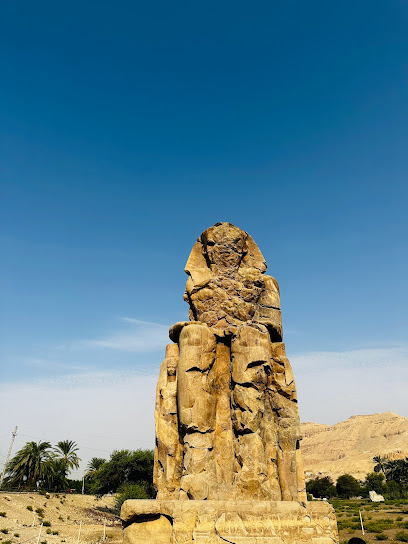
Royal Bar
1.4 km
Experience the vibrant ambiance of the Royal Bar in Luxor, where exquisite drinks meet stunning Nile views for an unforgettable evening.
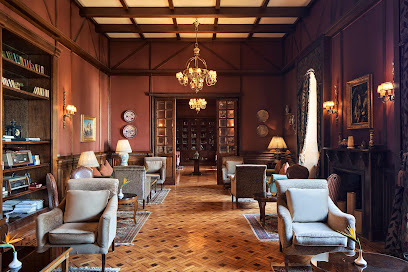
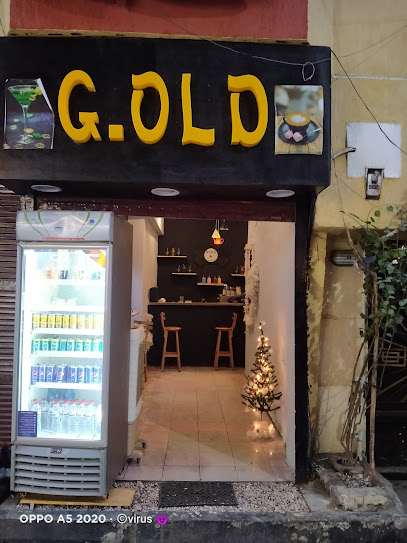
G.old
1.6 km
Experience vibrant nightlife at G.old, a premier bar in Luxor, Egypt, offering an extensive drink selection and a lively atmosphere.
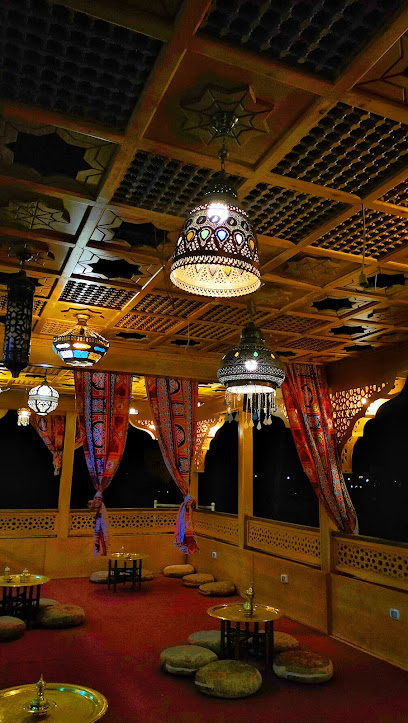
Arabi Paradise
1.8 km
Experience the authentic flavors of Egypt at Arabi Paradise, a culinary gem in Luxor that delights every palate.
مصطفى تاكس
2.4 km
Discover the vibrant nightlife at مصطفى تاكس, a lively bar in Luxor offering refreshing drinks and a welcoming atmosphere for travelers.
The King's Head Pub
2.6 km
Experience the vibrant local culture at The King's Head Pub, the perfect spot for relaxation and traditional Egyptian hospitality in Luxor.
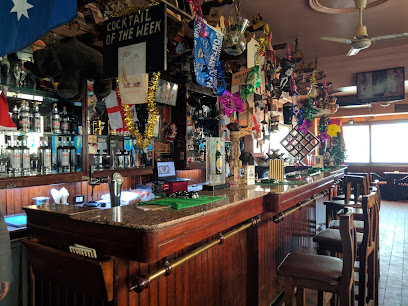
ميرفيس الأيرلندية بار Murphys Irish Bar
2.6 km
Discover the heart of Irish culture at Murphys Irish Bar in Luxor, where tradition meets vibrant entertainment and delightful cuisine.
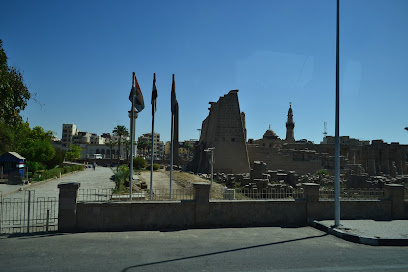
Nile Bar & Lounge
2.7 km
Experience the elegance of Nile Bar & Lounge in Luxor, where exquisite cocktails meet breathtaking views of the Nile River.
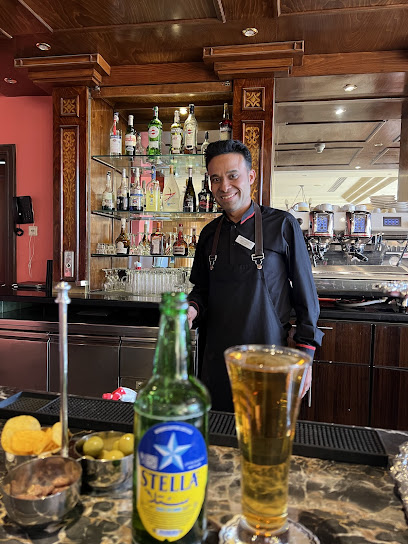
Olives
2.7 km
Experience the finest dining in Karnak at Olives, where Egyptian tradition meets modern cuisine in an elegant setting.
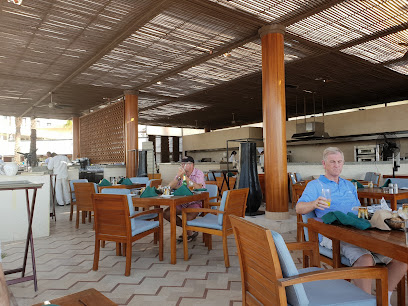
Rosetta
2.8 km
Experience the vibrant flavors of Egyptian cuisine at Rosetta, a buffet restaurant in Karnak, Luxor, offering a delightful range of dishes for every palate.
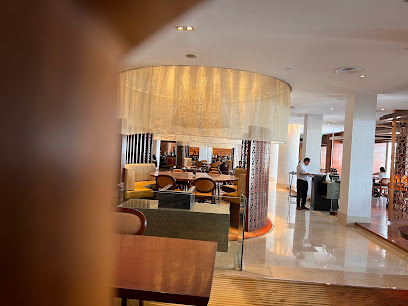
Maxime's El Saltana café
2.9 km
Discover Maxime's El Saltana Café in Luxor – where tradition meets flavor in a cozy ambiance perfect for every traveler.
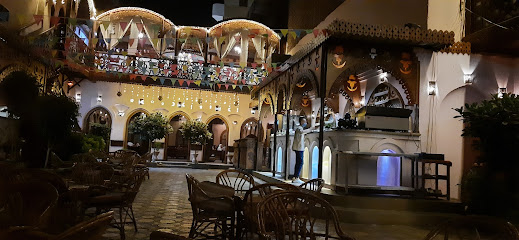
Nightclubs & after hour spots

Blue Sky Restaurant
1.3 km
Experience authentic Japanese cuisine at Blue Sky Restaurant in Luxor, where fresh ingredients and a serene ambiance await every visitor.
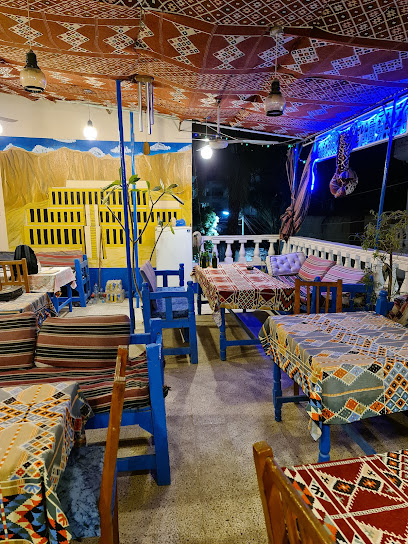
Al Fayrouz Hotel
1.3 km
Discover the charm of Luxor at Al Fayrouz Hotel, where comfort, culture, and cuisine unite in an unforgettable experience.
ملاهي سيدي المنصور
1.6 km
Discover Luxor's nightlife at ملاهي سيدي المنصور, a vibrant club offering an unforgettable evening of music, dance, and local culture.

Luxor Rowing Club
1.6 km
Discover the serene beauty of the Nile at Luxor Rowing Club, where relaxation meets adventure in a stunning riverside setting.
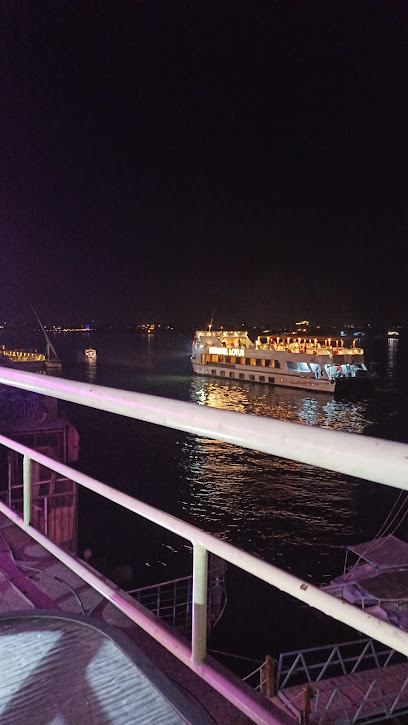
كباريه
2.3 km
Discover the vibrant nightlife at كباريه in Luxor, where music, dance, and fun come together for an unforgettable experience.
Sonesta St. George Hotel
2.5 km
Experience luxury and breathtaking views at the Sonesta St. George Hotel, a premier resort by the Nile River in Luxor, Egypt.
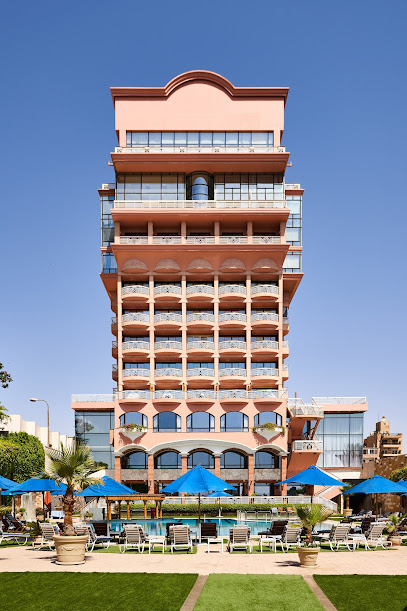
Hilton Luxor Resort & Spa
2.8 km
Discover the luxurious Hilton Luxor Resort & Spa, where opulence meets the breathtaking beauty of the Nile River, perfect for a relaxing getaway.
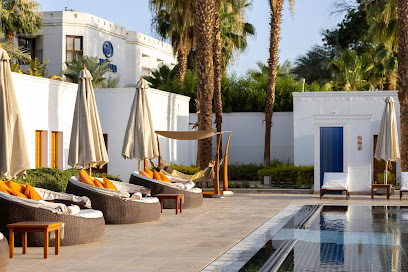
VIP CLUB LUXOR
3.7 km
Experience the vibrant atmosphere of VIP Club Luxor, a lively cafe ideal for relaxation and socializing in the heart of Luxor.