

Free Red Sea Coast Travel Guide & Mobile App
Explore Red Sea Coast with free travel guides. Discover regional history, expert tips, proposed trips, and audio guides on web or mobile app.


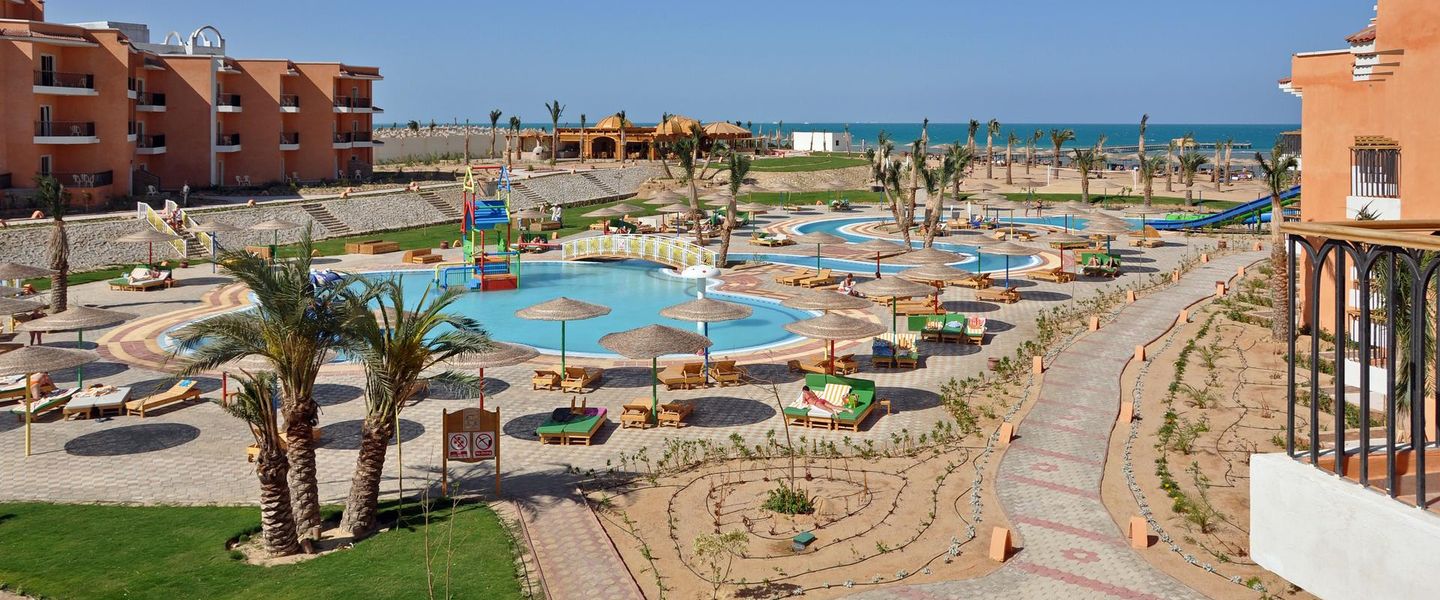


Explore Egypt’s Red Sea Coast for coral reefs, desert landscapes, diving, historic ports and relaxed resorts from Hurghada to Marsa Alam.
Read more about Red Sea Coast
When is the best time to visit Red Sea Coast?
Best: February–March, November · 23–27°C| Month | High (°C) | Rainfall (mm) |
|---|---|---|
| January | 22 | 1 |
| February (best) | 23 | 1 |
| March (best) | 27 | 1 |
| April | 30 | 1 |
| May | 34 | 0 |
| June | 36 | 0 |
| July | 37 | 0 |
| August | 37 | 0 |
| September | 35 | 0 |
| October | 32 | 1 |
| November (best) | 27 | 1 |
| December | 23 | 1 |
Getting to and around Red Sea Coast
How to get there
Transportation
Top city travel guides in Red Sea Coast
The cities of Red Sea Coast, and the easiest places to base yourself.
-

-

-

-

-


Swipe for more cities
Destinations in Red Sea Coast
Resorts, valleys and scenic spots worth a trip of their own.
-
-


Swipe for more destinations
Best attractions in Red Sea Coast
The Red Sea Coast’s attractions centre on its marine environment, with snorkelling, scuba diving, reef excursions, dolphin encounters conducted under responsible guidelines, sailing and kitesurfing available in different coastal areas. Hurghada offers the widest choice of hotels, boat trips and family-oriented activities, while Soma Bay and Safaga are particularly associated with watersports and resort beaches. Farther south, the coast becomes less urbanised, with Marsa Alam providing access to reefs, offshore islands and desert landscapes. Wadi el-Gemal–Hamata National Park combines coral reefs, mangroves, beaches, islands and arid mountains, and is best explored through an organised excursion. El Quseir adds historic streets and an older port atmosphere to the predominantly modern resort landscape. Inland trips lead towards Roman quarry settlements and desert wadis, although these require planning, transport and specialist local guidance. Across the region, the strongest experiences depend on weather, sea conditions and conservation-minded operators rather than on conventional sightseeing alone.
-
Marina
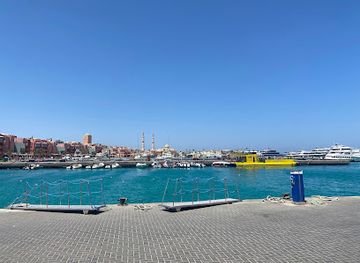
Hurghada Marina
Discover the enchanting Hurghada Marina, where stunning sea views, vibrant dining, and thrilling activities await every traveler in Egypt's Red Sea paradise.
-
Resort hotel
Sindbad Club
Experience luxury and tranquility at Sindbad Club, a top resort hotel in Hurghada, offering stunning views and exceptional amenities for the perfect getaway.
-
Tourist attraction
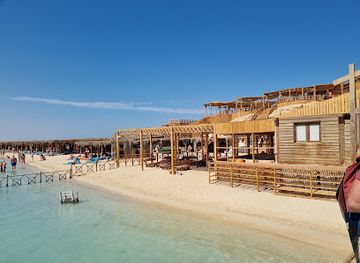
Orange Bay
Experience the breathtaking beauty of Orange Bay on Giftun Island, where sun-kissed beaches meet vibrant coral reefs in the heart of the Red Sea.
-
Aquarium
Hurghada Grand Aquarium
Discover the enchanting underwater world at the Hurghada Grand Aquarium, where marine life thrives in captivating exhibits and immersive experiences.

Best landmarks in Red Sea Coast
The most recognisable natural landmarks are the Red Sea’s fringing reefs and the sharp desert mountains that rise behind the coastal plain. In the south, the reefs, mangroves and islands of Wadi el-Gemal–Hamata National Park form a protected landscape of national importance, while the broad bays around Safaga and Soma Bay provide distinctive contrasts between pale beaches, deep water and arid hills. El Quseir Fort is the coast’s clearest surviving historic monument: the Ottoman structure reflects the town’s strategic port role and remains a focal point in the old settlement. The wider El Quseir area also preserves traces of earlier harbour activity. Inland, the Roman quarry complexes of Mons Claudianus and Mons Porphyrites are significant archaeological landmarks, showing how stone, roads and labour were organised across the Eastern Desert. Farther south, the ancient harbour of Berenike represents the coast’s long connection with Red Sea and Indian Ocean trade, although its remote location means that access requires specialist planning.
-
Archaeological site
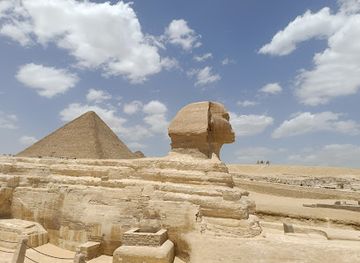
Giza Necropolis
Explore the Giza Necropolis: Witness the majestic pyramids and the enigmatic Sphinx, testaments to ancient Egyptian civilization.
-
Archaeological museum
The Egyptian Museum in Cairo
Explore over 120,000 ancient Egyptian artifacts, from royal mummies to Tutankhamun's treasures, in the heart of Cairo's iconic museum.
-
Archaeological site
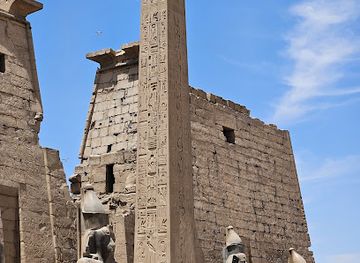
Luxor Temple
Experience the grandeur of Luxor Temple, a breathtaking archaeological site that embodies the glory of ancient Egyptian civilization.
-
Historical place
Karnak
Explore Karnak Temple, the largest religious complex in the world, a testament to ancient Egypt's grandeur and the enduring legacy of the pharaohs.

Explore Red Sea Coast on the map
Plan your trip on one map. See where the top cities, national parks and sights are, and book hotels and experiences in a few clicks.
Best hotels in Red Sea Coast
Best restaurants in Red Sea Coast
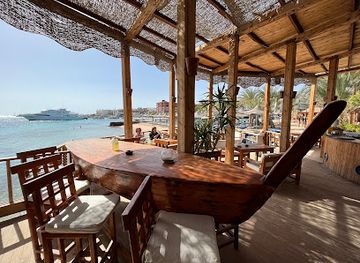
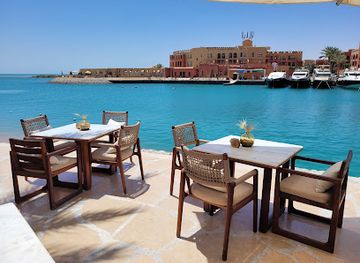
Dining along the Red Sea Coast ranges from Egyptian staples in local cafés to international menus in hotels and purpose-built resorts. Coastal towns and resort restaurants commonly serve grilled fish, prawns, calamari and other seafood, while meat grilled over charcoal, ful, taamiya, rice, salads, molokhia and flatbreads provide a broader Egyptian foundation. Hurghada has the greatest choice of independent eateries, cafés and international dining, whereas El Quseir offers a more local town setting and the southern resorts often concentrate meals within hotel compounds. Freshness and availability vary according to the landing catch and season, so menus may change. Tea, strong coffee, juices and soft drinks are widely available, and some resorts offer licensed bars. Visitors seeking local character should eat beyond all-inclusive dining at least occasionally, while remembering that smaller establishments may accept cash only and may operate at a slower pace.
-
Family-friendly
Moby Dick Restaurant
Discover family-friendly dining at Moby Dick Restaurant in Hurghada, offering delicious Western cuisine amidst stunning seaside views.
-
Restaurant
Caribbean Bar
Discover Caribbean Bar in Hurghada - where delicious food meets stunning Red Sea views for an unforgettable dining experience.
-
Restaurant
MOODS Restaurant & Beach Club, El Gouna
Discover culinary excellence at MOODS Restaurant & Beach Club in El Gouna - where exquisite dining meets vibrant beach club vibes.
-
Restaurant
Mahmya Beach
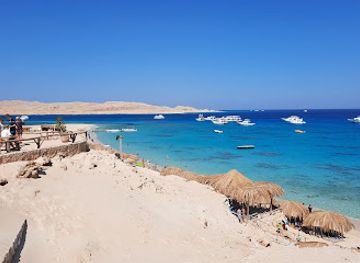
Explore Mahmya Beach: A tranquil escape on the Red Sea with stunning sands and vibrant marine life perfect for relaxation and adventure.
Best bars in Red Sea Coast
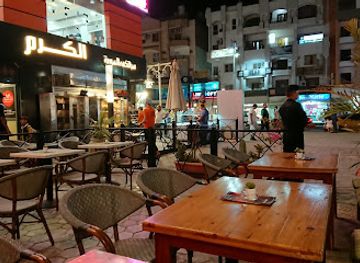
Evening life is concentrated in Hurghada and the larger resort developments rather than spread evenly along the coast. Hurghada offers hotel bars, seafront cafés, live entertainment and a modest club scene, with the busiest activity generally found around resort and tourist districts. El Gouna has a more planned marina-and-resort setting with restaurants, lounges and occasional live music, while Soma Bay, Makadi Bay, Port Ghalib and Marsa Alam mainly rely on hotel bars, marina venues and organised evening entertainment. In El Quseir, nightlife is quieter and more closely tied to cafés, restaurants and local social life than to nightclubs. Many southern resorts become calm after dinner, which suits visitors combining diving or desert excursions with early starts. Check current arrangements locally, as venues and seasonal programmes can change.
-
Restaurant
Caribbean Bar
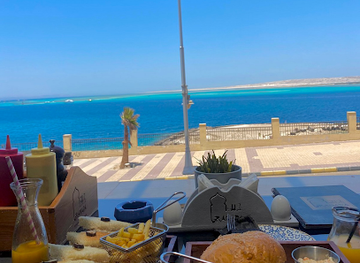
Experience the vibrant Caribbean Bar in Hurghada, where stunning ocean views meet delicious cocktails and a lively atmosphere.
-
Restaurant
Granada Restaurant & Pub Hurghada
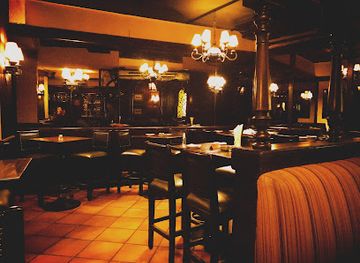
Experience the flavors of Egypt at Granada Restaurant & Pub, a culinary gem in Hurghada offering diverse dishes and a vibrant atmosphere.
-
Bar
Pub 28
Experience the vibrant nightlife at Pub 28 in Zamalek, Cairo’s top spot for drinks, music, and socializing in a lively atmosphere.
-
Izakaya
Zeytouna Beach Bar & Restaurant
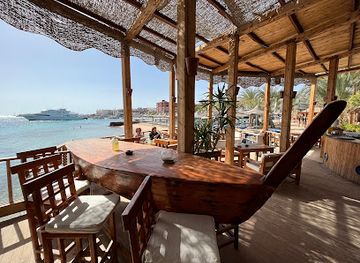
Discover the perfect blend of relaxation and exquisite cuisine at Zeytouna Beach Bar & Restaurant in Hurghada, where every meal offers a stunning view of the Red Sea.
Best nightclubs in Red Sea Coast
Evening life is concentrated in Hurghada and the larger resort developments rather than spread evenly along the coast. Hurghada offers hotel bars, seafront cafés, live entertainment and a modest club scene, with the busiest activity generally found around resort and tourist districts. El Gouna has a more planned marina-and-resort setting with restaurants, lounges and occasional live music, while Soma Bay, Makadi Bay, Port Ghalib and Marsa Alam mainly rely on hotel bars, marina venues and organised evening entertainment. In El Quseir, nightlife is quieter and more closely tied to cafés, restaurants and local social life than to nightclubs. Many southern resorts become calm after dinner, which suits visitors combining diving or desert excursions with early starts. Check current arrangements locally, as venues and seasonal programmes can change.
-
Restaurant
The Club House
Experience culinary delights at The Club House in Hurghada, where vibrant flavors meet a lively atmosphere for an unforgettable dining experience.
-
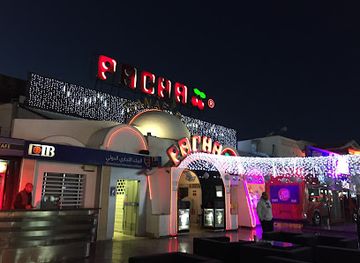
Night club
Pacha Sharm el Sheikh
Discover the vibrant nightlife at Pacha Sharm el Sheikh, where unforgettable parties and world-class DJs create an electrifying atmosphere.
-
Disco club
The Dance Club
Experience electrifying nightlife at The Dance Club in Hurghada, where vibrant music and an energetic atmosphere create unforgettable memories.
-
Disco club
B2 club&lounge
Dive into the vibrant nightlife of Hurghada at B2 Club & Lounge – where music, dancing, and unforgettable memories await!



Best shops in Red Sea Coast
Shopping is most varied in Hurghada, where resort malls, hotel boutiques, bazaars, pharmacies and independent shops cater to international visitors. El Gouna and Port Ghalib have marina-oriented retail with galleries, clothing, jewellery and souvenir shops, while El Quseir is better suited to small local stores and traditional market-style browsing than large-scale retail. Across the coast, commonly available purchases include Egyptian cotton, spices, tea, leather goods, jewellery, woven items and desert-inspired crafts, though quality and provenance vary. Supermarkets and resort shops are useful for water, snacks and practical supplies, especially before excursions to remote areas. Food products such as dates, herbs and packaged sweets can make more reliable souvenirs than fragile coral or shells, which should not be removed from beaches or reefs. Bargaining may be expected in some informal bazaars but is not appropriate in every shop; ask the price clearly and keep small Egyptian notes for modest purchases.
-
Shopping mall
Citystars Mall
Experience the energy of Citystars Mall, Cairo's ultimate shopping destination with diverse shops, dining, and entertainment options.
-
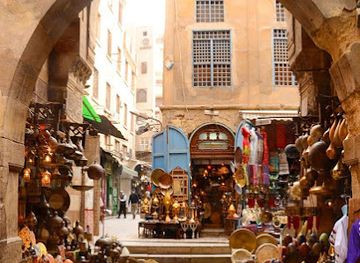
Bazar
Khan el-Khalili
Discover the historic Khan el-Khalili Bazaar, a vibrant marketplace in Cairo offering unique souvenirs, local culture, and an unforgettable shopping experience.
-
Shopping mall
SOHO Square Sharm El Sheikh
Discover the ultimate shopping and entertainment experience at SOHO Square in Sharm El Sheikh, where vibrant culture meets modern leisure.
-
Shopping mall
Senzo Mall
Discover an unforgettable shopping experience at Senzo Mall in Hurghada, offering a delightful blend of retail, dining, and entertainment options.

Get your free copy of our complete guide to Red Sea Coast, delivered straight to you.
Everything on this page, from attractions and restaurants to essentials and local phrases, in one PDF you can read offline, print or share.
Already have an account? Sign in
Your Red Sea Coast guide is ready.
We'll send it to · Not you? Sign out

Getting your guide ready…
We are putting together a fresh copy of the Red Sea Coast guide. This can take up to a minute.
This can take a few moments. If your browser asks, choose Allow so the download can start. You'll find the guide in your Downloads folder.
Nothing happened? Download it again
Sorry, the guide is taking longer than usual. Please try again in a minute, or get it by email instead.
Red Sea Coast essentials
Currency and Payment
Safety
Emergency Situations
Do's and Don'ts
Local Tips
From Eve
Local phrases worth knowing
You don't need to get them perfect. A few words go a long way, and locals appreciate the effort.
Basics
| English | Local | Say it |
|---|---|---|
| Hello | أهلا | [Ahlan] |
| Goodbye | مع السلامة | [Ma'a as-salama] |
| Yes | نعم | [Na'am] |
| No | لا | [La] |
| Please/You're welcome | من فضلك | [Min fadlik] |
| Thank you | شكرا | [Shukran] |
| Excuse me/Sorry | عفوا | [Afwan] |
| How are you? | كيف حالك؟ | [Kayfa halak?] |
| Fine. And you? | بخير. وأنت؟ | [Bikhair. Wa anta?] |
| Do you speak English? | هل تتحدث الإنجليزية؟ | [Hal tatahadath al-ingliziyya?] |
| I don't understand | لا أفهم | [La afham] |
Eating & Drinking
| English | Local | Say it |
|---|---|---|
| I'd like to see the menu, please | أود رؤية القائمة، من فضلك | [Awad ru'yat al-qa'ima, min fadlik] |
| I don't eat meat | لا آكل اللحم | [La akul al-lahm] |
| Cheers! | في صحتك! | [Fi sihtak!] |
| I would like to pay, please | أود الدفع، من فضلك | [Awad ad-daf', min fadlik] |
Emergencies
| English | Local | Say it |
|---|---|---|
| Help! | نجدة! | [Najda!] |
| Go away! | ابتعد! | [Ibt'id!] |
| Call the Police! | اتصل بالشرطة! | [Ittasil bil-shurta!] |
| Call a doctor! | اتصل بالطبيب! | [Ittasil bil-tabeeb!] |
| I'm lost | أنا ضائع | [Ana da'i'] |
| I'm ill | أنا مريض | [Ana marid] |
Shopping
| English | Local | Say it |
|---|---|---|
| I'd like to buy... | أود شراء... | [Awad shir'a...] |
| I'm just looking | أنا فقط أتصفح | [Ana faqat at-tasafuh] |
| How much is it? | كم ثمنه؟ | [Kam thamanuh?] |
| That's too expensive | هذا مكلف جدا | [Hatha mukallaf jidan] |
| Can you lower the price? | هل يمكنك تخفيض السعر؟ | [Hal yumkinuk takhfid as-si'r?] |
Time & Numbers
| English | Local | Say it |
|---|---|---|
| What time is it? | كم الساعة؟ | [Kam as-saa'a?] |
| It's one o'clock | الساعة واحدة | [As-saa'a wahida] |
| Half past (10) | نصف بعد (10) | [Nisf ba'd (10)] |
| Morning | صباحا | [Sabahan] |
| Afternoon | بعد الظهر | [Ba'd al-zahr] |
| Evening | مساءا | [Masa'an] |
| Yesterday | أمس | [Ams] |
| Today | اليوم | [Al-yawm] |
| Tomorrow | غدا | [Ghadan] |
| 1 | واحد | [Wahid] |
| 2 | اثنان | [Ithnan] |
| 3 | ثلاثة | [Thalatha] |
| 4 | أربعة | [Arba'a] |
| 5 | خمسة | [Khamsa] |
| 6 | ستة | [Sitta] |
| 7 | سبعة | [Sab'a] |
| 8 | ثمانية | [Thamaniya] |
| 9 | تسعة | [Tis'a] |
| 10 | عشرة | [Ashara] |
Transport & Directions
| English | Local | Say it |
|---|---|---|
| Where's a/the...? | أين ...؟ | [Ayna ...?] |
| What's the address? | ما هو العنوان؟ | [Ma huwa al-'unwan?] |
| Can you show me (on the map)? | هل يمكنك أن تريني (على الخريطة)؟ | [Hal yumkinuk an turini (ala al-kharita)?] |
| When's the next (bus)? | متى يأتي (الباص) التالي؟ | [Mata ya'ti (al-bus) at-tali?] |
| A ticket (to ....) | تذكرة (إلى ....) | [Tadhkira (ila ....)] |
History of Red Sea Coast
Ancient Egyptian Red Sea Expeditions
The Red Sea was important to ancient Egypt as a route towards Punt, a trading land associated with incense, precious materials and exotic goods. Expeditions travelled across the Eastern Desert from the Nile Valley to coastal harbours, including sites in the northern and central Red Sea region. Wadi Hammamat, although inland, formed part of this wider network and was used for quarrying stone and crossing the desert. These journeys required organised labour, wells and supply stations, revealing that the coast was connected to the Nile civilisation rather than isolated from it.
Berenike and Greco-Roman Maritime Trade
After the conquest of Egypt by Alexander the Great and the establishment of Ptolemaic rule, Red Sea ports became increasingly important to commerce with Arabia, East Africa and India. Berenike, on the southern Egyptian coast, developed as a major harbour, receiving ships carrying spices, textiles, ceramics and other goods. Under Roman rule this maritime network expanded, with desert roads linking the ports to the Nile. Archaeological remains at Berenike and related quarry and transport sites show the scale and international character of this ancient trade.
Roman Quarries and Desert Roads
The Eastern Desert behind the coast supplied valuable stone to Egypt and the wider Roman world. Mons Claudianus and Mons Porphyrites, reached by desert tracks west of the coastal plain, were major quarrying centres for granodiorite and porphyry used in imperial buildings and monuments. Work camps, inscriptions, routes and water installations reveal the logistical complexity of extracting and moving heavy stone through an arid environment. These sites provide a historical counterpoint to the maritime remains and demonstrate how closely mining, roads and Red Sea ports were linked.
El Quseir’s Medieval and Ottoman Port
El Quseir, known historically as Qusayr al-Qadim in connection with earlier harbour settlements, occupied a strategic position between the Nile Valley and the Red Sea. Its port served trade and travel across the sea and later acquired particular importance on routes associated with pilgrimage to the holy cities of Arabia. The surviving Ottoman fort, built in the sixteenth century, reflects the strategic value of the harbour during Ottoman control of Egypt. The old town’s modest-scale architecture and port traditions distinguish it from newer resort developments farther north and south.
Pilgrimage, Trade and Coastal Communities
For centuries the Red Sea coast supported movement between Egypt, the Arabian Peninsula and the wider Indian Ocean world. Ports such as El Quseir handled passengers and goods, while fishing and small-scale maritime activity sustained coastal communities. Bedouin groups of the Eastern Desert maintained knowledge of routes, wells and seasonal landscapes, connecting the coast with its interior. These histories remain visible in local crafts, foodways, oral traditions and the continuing importance of the sea, although contemporary tourism has transformed employment and settlement patterns.
The Modern Resort Coast
Large-scale tourism expanded along Egypt’s mainland Red Sea shore during the late twentieth century, first concentrating around Hurghada and later extending towards Safaga, El Quseir, Port Ghalib and Marsa Alam. Hotels, marinas, airports and diving businesses changed a sparsely settled coastline into an international holiday region. The development brought employment and infrastructure but also created environmental pressures, particularly on coral reefs, beaches and coastal habitats. Today, marine conservation, responsible diving and carefully managed development are central to the region’s long-term future.
Red Sea Coast in Photos
Browse through our photo collection highlighting the charm and character of the destination.
Neighbouring regions of Red Sea Coast
The closest regions to Red Sea Coast, if you have time for more than one.
-

-

-

-

-


Swipe for more regions
Explore more
Explore more of Egypt
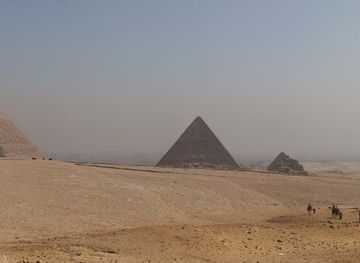
Discover Egypt: From the timeless pyramids to the vibrant Red Sea, experience a land where ancient wonders meet modern adventures.
Explore Egypt