

Free Western Desert Travel Guide & Mobile App
Explore Western Desert with free travel guides. Discover regional history, expert tips, proposed trips, and audio guides on web or mobile app.


Explore Egypt’s Western Desert through ancient oases, fossil valleys, Roman ruins, salt lakes and luminous White Desert landscapes.
When is the best time to visit Western Desert?
Best: February–March, November · 21–25°C| Month | High (°C) | Rainfall (mm) |
|---|---|---|
| January | 18 | 1 |
| February (best) | 21 | 1 |
| March (best) | 25 | 1 |
| April | 30 | 1 |
| May | 35 | 1 |
| June | 38 | 1 |
| July | 40 | 1 |
| August | 40 | 1 |
| September | 37 | 1 |
| October | 32 | 1 |
| November (best) | 24 | 1 |
| December | 19 | 1 |
Getting to and around Western Desert
How to get there
Transportation
Top city travel guides in Western Desert
The cities of Western Desert, and the easiest places to base yourself.
-

-

-

-

-

-


Swipe for more cities
Destinations in Western Desert
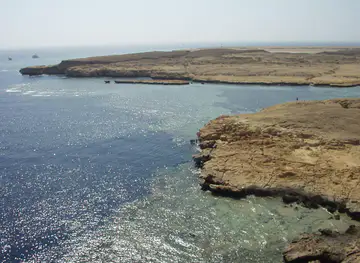
Resorts, valleys and scenic spots worth a trip of their own.
-
-

-

-

-

-


Swipe for more destinations
Best attractions in Western Desert
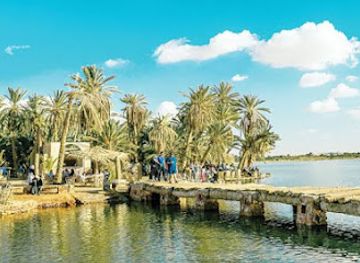
The Western Desert’s attractions are shaped by geology, water and distance rather than by a single urban centre. Bahariya provides access to the Black Desert, desert tracks and archaeological remains associated with the oasis, while the White Desert near Farafra is known for pale chalk formations sculpted by wind. Siwa combines salt lakes, palm groves, springs, sand dunes and ancient sites, and is a strong base for guided excursions into the Great Sand Sea. Dakhla and Kharga offer Roman temples, historic mud-brick settlements, Islamic architecture and cultivated oasis landscapes. On the eastern edge, the Fayoum contains Lake Qarun, Wadi al-Hitan and Wadi al-Haytan’s fossil-rich terrain, as well as birdlife and agricultural scenery. Outdoor activities include four-wheel-drive journeys, sandboarding where locally organised, stargazing, walking and visits to desert springs. Access varies according to weather, security instructions and conservation requirements, so responsible local guiding is central to experiencing the region.
-
Art museum
Badr Museum
Discover the vibrant art and culture of Al Farafra at Badr Museum, where local talent meets tradition in a breathtaking desert oasis.
-
Nature preserve
Black Desert
Explore the surreal beauty of the Black Desert, Egypt's captivating nature preserve with unique landscapes and starlit skies.
-
National park
White Desert National Park
Discover the captivating landscapes and unique geological formations of the White Desert National Park in Egypt's New Valley Governorate.
-
Tourist attraction
عين كبريتية بالفرافرة (Sulfur water)
Discover the rejuvenating powers of Ain Kabrit's sulfur waters amidst the stunning landscapes of Al Farafra's desert oasis.
Best landmarks in Western Desert
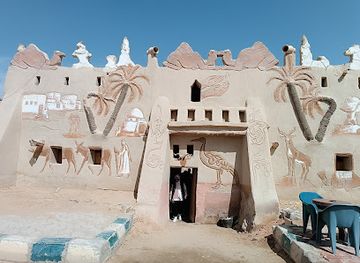
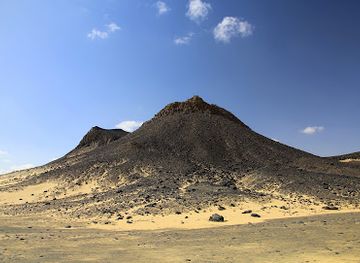
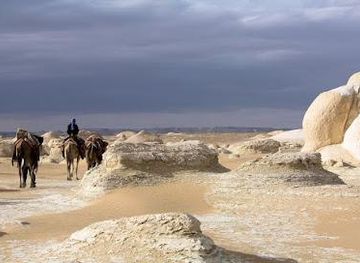
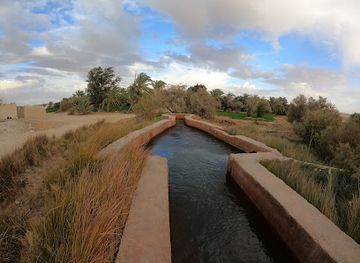
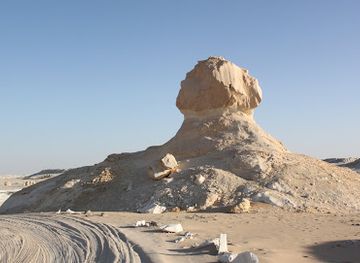
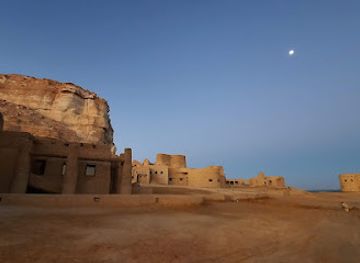
The Western Desert’s most recognisable landmarks are often geological or earthen rather than monumental. The chalk formations of the White Desert near Farafra create a field of pale sculptural outcrops, while the darker hills and stones of the Black Desert provide a sharp visual contrast. Siwa’s old mud-brick settlement of Shali rises above the oasis and remains its most distinctive architectural symbol, despite substantial deterioration over time. The Temple of the Oracle at Aghurmi connects Siwa with the ancient cult of Amun and the wider Mediterranean history of the oasis. In Dakhla, the historic mud-brick settlement of Al-Qasr preserves dense lanes, workshops and Islamic buildings constructed from local earth. Kharga’s Temple of Hibis is one of the region’s important surviving Persian-period and later temple monuments, with a long history of reuse. Wadi al-Hitan in the Fayoum is a geological landmark as well as a fossil site, where the remains of early whales record a vanished marine environment. These places are fragile; climbing structures, removing material or driving off established tracks can cause lasting damage.
-
Tourist attraction
Bir Wahed Sulphuric Hot Spring
Experience the magic of Bir Wahed: a natural hot spring in the Sahara Desert offering relaxation and stunning sunset views.
-
Nature preserve
Black Desert
Explore Egypt's Black Desert: A surreal landscape of volcanic rocks, stargazing, and ancient history in the Western Desert.
-
Tourist attraction
جبل جعفر
Discover panoramic views and serene beauty atop Jebel Jafra, a natural landmark in Egypt's enchanting Siwa Oasis.
Explore Western Desert on the map
Plan your trip on one map. See where the top cities, national parks and sights are, and book hotels and experiences in a few clicks.
Best hotels in Western Desert
Best restaurants in Western Desert
Dining in the Western Desert is closely connected to oasis agriculture and the practical traditions of Egyptian home cooking. Expect bread, rice, lentils, beans, vegetables, grilled meats and stews, with dates, olives and herbs especially important in the oasis settlements. Siwa is noted for its dates and olives, while farms across Dakhla, Kharga and Bahariya supply fresh produce in season. Guesthouses, simple local restaurants and camps commonly serve filling meals rather than elaborate menus, and advance arrangements are useful on remote desert excursions. In the Fayoum, fish from the surrounding waters may appear alongside Egyptian staples, although local availability varies. Tea, coffee and sweet dates often accompany conversation at roadside stops or desert camps. Visitors should carry snacks and water for long journeys, as facilities between towns are sparse. Food is generally best understood as part of oasis life: seasonal, locally sourced where possible and adapted to the limitations of desert transport and storage.
-
Restaurant
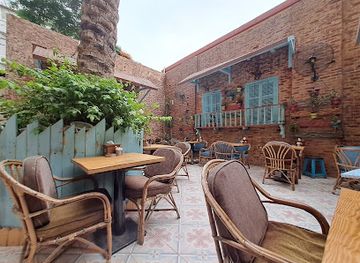
Oldish ( Restaurant & Cafe )
Discover Oldish in Cairo: A delightful restaurant & café offering traditional Egyptian cuisine with a modern twist.
-
Restaurant
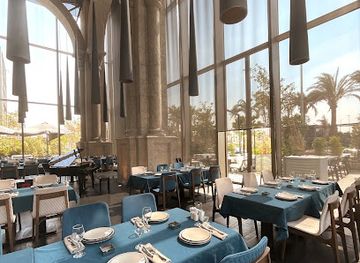
Crimson Bar & Grill, Cairo, Egypt.
Experience culinary excellence at Crimson Bar & Grill in Zamalek, where modern cuisine meets traditional Egyptian flavors amidst stunning views.
-
Diner
Babel Egypt
Savor authentic Egyptian cuisine at Babel Egypt, where vibrant flavors meet warm hospitality in New Cairo.
-
Italian
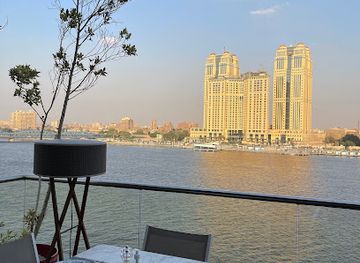
Pier 88 Nile River
Savor exquisite Italian cuisine with breathtaking views at Pier 88 Nile River - a culinary gem in Cairo's vibrant dining scene.
Best bars in Western Desert
Nightlife in the Western Desert is quiet and community-centred rather than club-oriented. Oasis towns offer cafés, tea houses, hotel courtyards and restaurants where visitors can sit after sunset, while traditional hospitality often centres on conversation, tea and shared meals. Siwa has the broadest range of visitor-oriented evening settings, including relaxed ecolodge and guesthouse spaces, but it is not a major nightlife destination. In Bahariya, Farafra, Dakhla and Kharga, evenings are more likely to involve a local café, a cultural gathering or a desert campfire arranged by an operator. Alcohol availability is limited and varies by accommodation and locality; it should never be assumed in smaller communities. Remote camps offer exceptionally dark skies for stargazing, but visitors should follow guides’ fire-safety and environmental instructions. Seasonal tourism can influence how many venues are operating, so ask locally rather than relying on old listings.
-
American
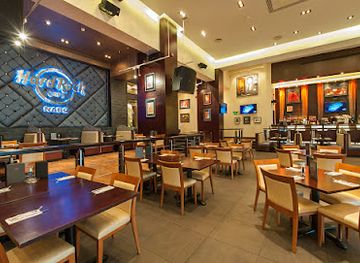
Hard Rock Cafe
Discover the ultimate American dining experience at Hard Rock Cafe in Nabq Bay—where great food meets rock 'n' roll spirit.
-
Bar
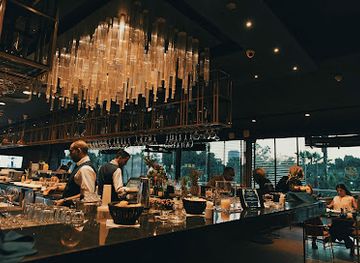
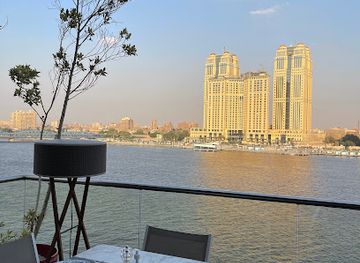
Crimson Bar & Grill, Cairo, Egypt.
Experience the vibrant culinary scene of Cairo at Crimson Bar & Grill, where exquisite flavors and stunning views await.
-
Grill
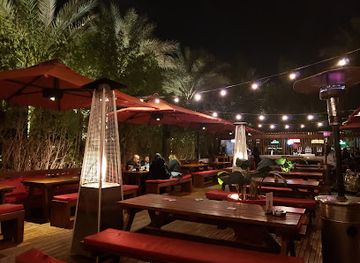
The Tap East
Discover The Tap East in New Cairo, a vibrant grill and bar restaurant offering a delightful menu and a lively atmosphere for a memorable dining experience.
-
Bar
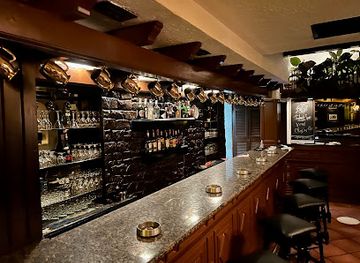
Pub 28
Discover the lively spirit of Cairo at Pub 28, a vibrant bar in Zamalek offering a mix of local and international drinks.
Best nightclubs in Western Desert
Nightlife in the Western Desert is quiet and community-centred rather than club-oriented. Oasis towns offer cafés, tea houses, hotel courtyards and restaurants where visitors can sit after sunset, while traditional hospitality often centres on conversation, tea and shared meals. Siwa has the broadest range of visitor-oriented evening settings, including relaxed ecolodge and guesthouse spaces, but it is not a major nightlife destination. In Bahariya, Farafra, Dakhla and Kharga, evenings are more likely to involve a local café, a cultural gathering or a desert campfire arranged by an operator. Alcohol availability is limited and varies by accommodation and locality; it should never be assumed in smaller communities. Remote camps offer exceptionally dark skies for stargazing, but visitors should follow guides’ fire-safety and environmental instructions. Seasonal tourism can influence how many venues are operating, so ask locally rather than relying on old listings.
-
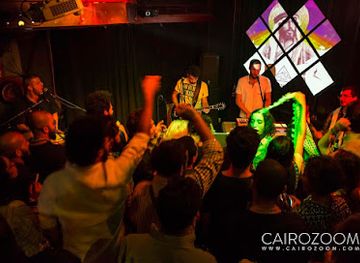
Night club
Cairo Jazz Club
Cairo Jazz Club: The Heartbeat of Giza's Nightlife with Eclectic Live Music and Vibrant Atmosphere.
-
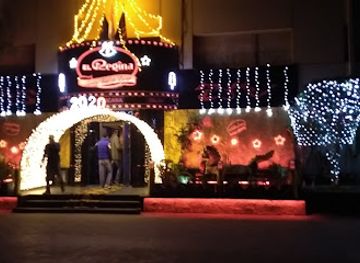
Night club
El-Regina Club Nile Tower
Discover the vibrant nightlife of El-Regina Club Nile Tower, a top-tier nightclub in Giza with stunning Nile views and a lively atmosphere.
-
Disco club
OMNI club cairo
Discover the vibrant nightlife of Cairo at OMNI Club, where music, dance, and unforgettable experiences await.
-
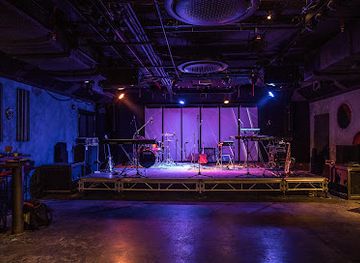
Night club
Cairo Jazz Club 610
Discover Cairo Jazz Club 610, where vibrant music and a lively atmosphere create unforgettable nightlife experiences in Giza.

Best shops in Western Desert
Shopping in the Western Desert is concentrated in oasis markets, small high streets, guesthouse shops and stalls near visitor sites rather than large retail centres. Siwa is particularly associated with dates, olives, olive oil, salt and locally made woven or embroidered goods, while Bahariya, Farafra, Dakhla and Kharga offer regional agricultural produce and practical desert crafts. Dates and dried foods travel well, but check packaging and customs rules before taking food internationally. Handicrafts may include baskets, textiles, jewellery and decorative items influenced by local oasis traditions; buying directly from makers or established community businesses can provide clearer information about provenance. The Fayoum is known for pottery and agricultural goods, with availability varying by town and season. Bargaining may be expected in informal markets, but it should remain polite and proportionate. Do not purchase fossils, antiquities, ancient-looking objects or archaeological fragments: their sale or removal may be illegal and contributes to the loss of Egypt’s heritage.
-
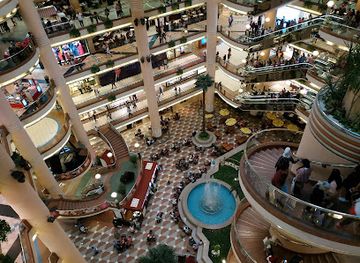
Shopping mall
Citystars Mall
Discover the vibrant shopping and entertainment experience at Citystars Mall, Cairo's premier shopping destination with diverse stores and dining.
-
Shopping mall
Mall of Egypt
Discover the ultimate shopping and entertainment experience at Mall of Egypt, a vibrant destination for tourists and locals alike.
-
Bazar
Khan el-Khalili
Experience the enchanting charm of Khan el-Khalili, a historic bazaar in Cairo filled with vibrant culture, unique shopping, and rich traditions.
-
Shopping mall
Senzo Mall
Experience unparalleled shopping and dining at Senzo Mall, Hurghada's ultimate retail destination with local and international brands.
Get your free copy of our complete guide to Western Desert, delivered straight to you.
Everything on this page, from attractions and restaurants to essentials and local phrases, in one PDF you can read offline, print or share.
Already have an account? Sign in
Your Western Desert guide is ready.
We'll send it to · Not you? Sign out

Getting your guide ready…
We are putting together a fresh copy of the Western Desert guide. This can take up to a minute.
This can take a few moments. If your browser asks, choose Allow so the download can start. You'll find the guide in your Downloads folder.
Nothing happened? Download it again
Sorry, the guide is taking longer than usual. Please try again in a minute, or get it by email instead.
Western Desert essentials
Currency and Payment
Safety
Emergency Situations
Do's and Don'ts
Local Tips
From Eve
Local phrases worth knowing
You don't need to get them perfect. A few words go a long way, and locals appreciate the effort.
Basics
| English | Local | Say it |
|---|---|---|
| Hello | Howdy | [haʊdi] |
| Goodbye | See ya | [si jə] |
| Yes | Yep | [jɛp] |
| No | Nah | [nɑ] |
| Please/You're welcome | No problem | [noʊ ˈprɑbləm] |
| Thank you | Thanks | [θæŋks] |
| Excuse me/Sorry | Sorry 'bout that | [ˈsɔri baʊt ðæt] |
| How are you? | How's it going? | [haʊz ɪt ˈgoʊɪŋ] |
| Fine. And you? | Good. You? | [ɡʊd ju] |
| Do you speak English? | You speak English? | [ju spiːk ˈɪŋɡlɪʃ] |
| I don't understand | I don't get it | [aɪ doʊnt ɡɛt ɪt] |
Eating & Drinking
| English | Local | Say it |
|---|---|---|
| I'd like to see the menu, please | Can I see the menu? | [kæn aɪ si ðə ˈmɛnju] |
| I don't eat meat | I ain't eating meat | [aɪ eɪnt ˈiːtɪŋ miːt] |
| Cheers! | Cheers! | [ʧɪrz] |
| I would like to pay, please | Can I get the check? | [kæn aɪ ɡɛt ðə ʧɛk] |
Emergencies
| English | Local | Say it |
|---|---|---|
| Help! | Help! | [hɛlp] |
| Go away! | Get lost! | [ɡɛt lɔst] |
| Call the Police! | Call 911! | [kɔl naɪn wʌn wʌn] |
| Call a doctor! | Get a doctor! | [ɡɛt ə ˈdɑktər] |
| I'm lost | I'm lost | [aɪm lɔst] |
| I'm ill | I'm sick | [aɪm sɪk] |
Shopping
| English | Local | Say it |
|---|---|---|
| I'd like to buy... | I wanna buy... | [aɪ ˈwɑnə baɪ] |
| I'm just looking | Just browsing | [dʒʌst ˈbraʊzɪŋ] |
| How much is it? | What's the price? | [wɑts ðə praɪs] |
| That's too expensive | That's too pricey | [ðæts tu ˈpraɪsi] |
| Can you lower the price? | Can you bring it down? | [kæn ju brɪŋ ɪt daʊn] |
Time & Numbers
| English | Local | Say it |
|---|---|---|
| What time is it? | What time is it? | [wɑt taɪm ɪt] |
| It's one o'clock | It's one o'clock | [ɪts wʌn əˈklɑk] |
| Half past (10) | Half past ten | [hæf pæst tɛn] |
| Morning | Morning | [ˈmɔrnɪŋ] |
| Afternoon | Afternoon | [ˌæf.tərˈnun] |
| Evening | Evening | [ˈivnɪŋ] |
| Yesterday | Yesterday | [ˈjɛstərdeɪ] |
| Today | Today | [təˈdeɪ] |
| Tomorrow | Tomorrow | [təˈmɔroʊ] |
| 1 | One | [wʌn] |
| 2 | Two | [tu] |
| 3 | Three | [θri] |
| 4 | Four | [fɔr] |
| 5 | Five | [faɪv] |
| 6 | Six | [sɪks] |
| 7 | Seven | [ˈsɛvən] |
| 8 | Eight | [eɪt] |
| 9 | Nine | [naɪn] |
| 10 | Ten | [tɛn] |
Transport & Directions
| English | Local | Say it |
|---|---|---|
| Where's a/the...? | Where's the...? | [wɛrz ðə] |
| What's the address? | What's the address? | [wɑts ði əˈdrɛs] |
| Can you show me (on the map)? | Can you show me on the map? | [kæn ju ʃoʊ mi ɑn ðə mæp] |
| When's the next (bus)? | When's the next bus? | [wɛn ðə nɛkst bʌs] |
| A ticket (to ....) | A ticket to... | [ə ˈtɪkɪt tu] |
History of Western Desert
Prehistoric Lakes, Rock Art and Ancient Landscapes
Although much of the Western Desert is arid today, prehistoric climate changes created lakes, grasslands and routes across areas that are now extremely dry. The desert preserves traces of early human movement, animal remains and rock art, particularly in remote valleys and near former water sources. Wadi al-Hitan in the Fayoum is especially significant for its fossils of archaeoceti, early whales that still possessed limbs adapted to life on land. The evidence demonstrates that the region’s landscapes and wildlife have changed dramatically over geological and human timescales.
Pharaonic Oases and the Oracle of Siwa
The oases were connected to the Nile Valley and North Africa by caravan routes long before modern roads existed. Ancient Egyptian authorities valued them for agriculture, minerals, water and strategic access across the desert. Siwa became famous in the ancient Mediterranean world for the Temple of Amun and its oracle, which Alexander the Great is traditionally said to have consulted in 332 BC. Archaeological remains around the oases, including rock-cut tombs and temple sites, reflect the interaction of Egyptian, Libyan and later Mediterranean influences.
Greco-Roman Agriculture and Trade
Under Greek and Roman rule, several oases developed more intensive irrigation, farming and caravan activity. Roman administrators expanded agricultural production and maintained roads, wells and fortified settlements that linked the desert to the Nile and the Mediterranean. Dakhla and Kharga contain some of the clearest surviving evidence, including temples, settlements and defensive structures. Wine, dates, grain and other produce moved through these networks, while the oases served as controlled stopping points in a landscape where reliable water determined the possibility of travel.
Late Antique Christianity and Monastic Settlement
Christian communities became established in Egypt’s oases during late antiquity, when the desert also acquired importance in the development of Christian monasticism. Churches, cemeteries and associated settlements have been identified in several oasis areas, often alongside earlier Roman sites. Al-Kasr in Dakhla and other surviving settlements illustrate how religious, agricultural and domestic life developed around limited water supplies. The desert was not empty wilderness but a chain of communities adapting older infrastructure to new social and religious conditions.
Medieval Caravan Routes and Islamic Oasis Towns
After the Arab conquest of Egypt, the oases remained linked to the Nile Valley and to routes crossing the Sahara. Islam shaped local administration, architecture and community life, while mud-brick construction became a defining feature of many settlements. Historic centres such as Al-Qasr in Dakhla preserve narrow lanes, substantial earthen buildings and mosques that reflect the requirements of oasis living. Caravan movement also connected agricultural communities with markets, making dates, grain and other local products part of wider desert economies.
The Western Desert in the Second World War
The northwestern desert became a major theatre of the Second World War as Axis and Allied forces fought for control of the route towards the Suez Canal and the Middle Eastern oil fields. The best-known battles occurred around El Alamein on the Mediterranean side of the Western Desert, outside the central oasis circuit but within the broader desert region. Military roads, minefields, cemeteries and museums remain reminders of the campaign. Visitors should follow official advice in former battle areas because unexploded ordnance remains a concern in parts of the desert.
The New Valley and Modern Desert Development
During the twentieth century, Egyptian governments promoted schemes to improve roads, expand irrigation and encourage settlement in the New Valley, particularly around Kharga, Dakhla, Farafra and Bahariya. These projects sought to reduce pressure on the Nile Valley and strengthen links between remote communities and national markets. Modern roads have made several oases more accessible, yet agriculture still depends on carefully managed groundwater and fragile ecosystems. Tourism now forms an additional source of income, especially through guided desert excursions and heritage accommodation.
Western Desert in Photos
Browse through our photo collection highlighting the charm and character of the destination.
Neighbouring regions of Western Desert
The closest regions to Western Desert, if you have time for more than one.
-

-

-

-

-


Swipe for more regions
Explore more
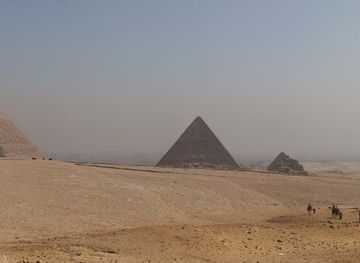
Explore more of Egypt
Discover Egypt: From the timeless pyramids to the vibrant Red Sea, experience a land where ancient wonders meet modern adventures.
Explore Egypt