

Free Adi Keyh Travel Guide & Mobile App
Plan your Adi Keyh trip with Evendo. Get free guides to top attractions, restaurants, hotels, and bars. Web access or download the mobile app.


Adi Keyh, Eritrea, offers highland landscapes, Tigrinya culture and access to Qohaito’s ancient terraces, quiet streets and regional archaeology.
A Highland Town
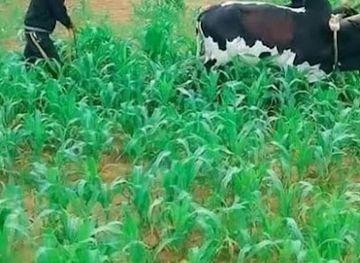
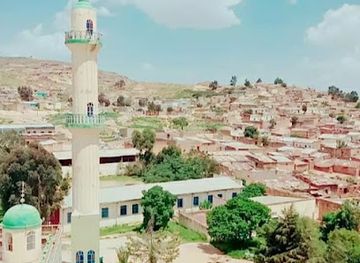
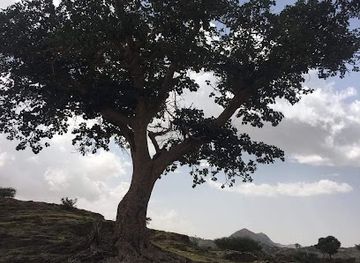
Adi Keyh stands at more than 2,000 metres above sea level in Eritrea’s Southern Region, amid a cool, rugged landscape of cultivated slopes, dry valleys and broad views across the highlands. The town is a regional centre rather than a conventional resort, and its appeal lies in the opportunity to encounter everyday Eritrean life away from the capital. Tigrinya is widely spoken, while the markets, cafés and streets reflect the rhythms of a close-knit agricultural community.Read more about Adi Keyh
Ancient Landscapes Nearby
Daily Life and Local Character
When is the best time to visit Adi Keyh?
Best: April–May, October · 24–26°C| Month | High (°C) | Rainfall (mm) |
|---|---|---|
| January | 21 | 0 |
| February | 22 | 0 |
| March | 23 | 0 |
| April (best) | 24 | 0 |
| May (best) | 25 | 1 |
| June | 26 | 5 |
| July | 26 | 7 |
| August | 26 | 5 |
| September | 26 | 3 |
| October (best) | 26 | 1 |
| November | 24 | 0 |
| December | 22 | 0 |
Getting to and around Adi Keyh
How to get there
Transportation
Best attractions in Adi Keyh
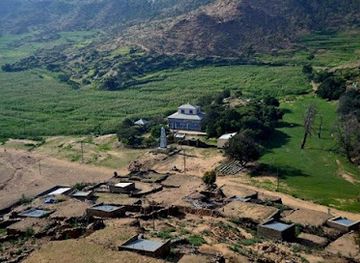
Adi Keyh’s principal attraction is the highland environment itself: a lofty plateau of cultivated slopes, dry ravines, stone boundaries and expansive views that reveal the geography of southern Eritrea. The town’s market and central streets offer a modest but genuine glimpse of local commerce and daily Tigrinya life, while small cafés provide opportunities to encounter Eritrean coffee culture. The major excursion is Qohaito, an ancient archaeological landscape outside Adi Keyh where visitors can see weathered stone remains, agricultural terraces, water-management works and rock-cut features set against dramatic escarpment scenery. The surrounding rural roads and villages add context, showing how contemporary farming communities occupy a region with a much longer history of settlement and exchange. Formal tourist facilities are limited, so sightseeing depends on advance arrangements, local permission and a guide able to explain the archaeological and cultural setting.
-
Tourist attraction
ክሳድ-እምባ
Explore Cieffa, Eritrea's hidden tourist attraction, where breathtaking landscapes meet rich cultural experiences for an unforgettable journey.
42 min drive · 22 km from city centre
-
 Tourist attraction
መራደቂ / Meradeki
Explore Meradeki, Eritrea – a captivating tourist attraction blending rich culture, stunning landscapes, and unforgettable experiences.
44 min drive · 24 km from city centre
-
Tourist attraction
ሩባ ጨዓ
Discover the serene beauty and vibrant culture of Cieffa, a hidden gem in Eritrea, perfect for nature lovers and culture enthusiasts alike.
42 min drive · 22 km from city centre
-
Tourist attraction
Awda ዓውዳ ኢሮብ
Explore Awda in Kafna, Eritrea – a serene tourist attraction showcasing breathtaking landscapes and rich local culture.
50 min drive · 30 km from city centre

Best landmarks in Adi Keyh
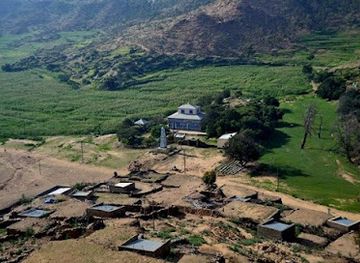
Adi Keyh’s most significant landmark heritage lies in the archaeological country around it rather than in a dense collection of monumental buildings at the town centre. Qohaito is the defining site: its elevated ruins, ancient terraces, stone structures and rock-cut features reflect the organisation of a long-lived highland settlement and its connections with wider Red Sea and Horn of Africa networks. The surrounding escarpments are themselves part of the site’s meaning, showing how settlement and agriculture adapted to steep terrain and seasonal water. Within Adi Keyh, the market streets and civic buildings are more functional than monumental, yet they express the town’s role as a regional centre. Local churches and religious traditions also form part of the cultural landscape, although access, photography and interpretation should always follow local guidance and current regulations.
-
Mountain peak
Emba Soira
Discover the breathtaking beauty of Emba Soira, a stunning peak in Eritrea known for its majestic views and rich biodiversity.
39 min drive · 19 km from city centre
-
Orthodox church
Eritrean orthodox church awhne blala
Explore the captivating Eritrean Orthodox Church Awhne Blala, a spiritual sanctuary showcasing unique architecture and profound cultural heritage in Adi Keyh.
27 min drive · 8.9 km from city centre
-
Church
Kolet, Eritrea
Explore the historic church of Kolet, Eritrea, a stunning landmark that beautifully blends spirituality and culture amid breathtaking landscapes.
57 min drive · 37 km from city centre
-
Cottage village
ADI-QUITA tokonde
Experience the serenity and cultural richness of Adi-Quita, a delightful cottage village in Eritrea, where tradition meets breathtaking landscapes.
36 min drive · 16 km from city centre

Explore Adi Keyh on the map
Plan your Adi Keyh trip on one map. See where the top attractions, landmarks, restaurants, bars and hotels are, find what's near where you're staying, and book hotels and experiences in a few clicks.
Best hotels in Adi Keyh
Best restaurants in Adi Keyh
Dining in Adi Keyh is centred on modest local eateries, cafés and household-style cooking rather than a developed restaurant scene. The foundational dish is injera, the slightly sour fermented flatbread made from teff or other grains and served with stews such as tsebhi, lentil preparations, vegetables and occasionally meat. Eritrean food reflects the highland environment and the culinary traditions shared across the Tigrinya-speaking parts of the region, with berbere providing heat and depth to many sauces. Coffee is an important social ritual, often prepared slowly and served in small cups during conversation. Visitors will find a more everyday food culture than a destination built around fine dining: menus may be limited, opening patterns informal and payment cash-based. Asking locally about the day’s available dishes is usually more useful than expecting a fixed international selection.
-
Restaurant
Ani Restaurant
Experience authentic Eritrean cuisine at Ani Restaurant in Maayo—where every dish is a taste of tradition.
32 min drive · 12 km from city centre
-
Restaurant
Eritrea restaurant mera
Discover authentic Eritrean flavors at Eritrea Restaurant Mera in Senafe - where tradition meets taste in every bite.
36 min drive · 16 km from city centre
-
Dutch
Eritrean
Experience authentic Dutch cuisine amidst Eritrea's vibrant culture - a culinary adventure awaits you!
15 min walk · 1.2 km from city centre
-
Western
Milan Restaurant, ቤት መግቢ ሚላን
Experience authentic Western cuisine at Milan Restaurant in Adi Keyh - where flavor meets hospitality.
6 min walk · 0.5 km from city centre

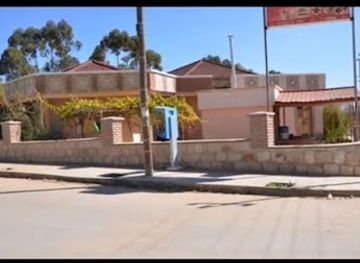
Best bars in Adi Keyh
Adi Keyh has a quiet evening scene shaped by small cafés, local bars and social visits rather than a concentrated nightlife district or recognisable club circuit. After dark, residents commonly gather for conversation, coffee or modest refreshments, while evenings in the surrounding highlands can be cool and streets may become quiet early. Entertainment is more likely to be communal and informal than organised around ticketed performances, cocktail venues or late-night dancing. Visitors should respect local customs, dress appropriately and avoid assuming that alcohol-focused nightlife is central to the town’s identity. Cultural events, religious celebrations and community occasions may provide richer evening encounters, but their timing and access are local and variable. Transport options after dark are limited, so plans should be made around the location of accommodation and available vehicles rather than relying on late taxis.
-
Bar
Endhish Bus station
Explore Mandafara, Eritrea, from the vibrant Endhish Bus Station, your gateway to local adventures and cultural experiences.
33 min drive · 13 km from city centre
-
Garden
Adi keyh, Eritrea
Explore Adi Keyh Gardens in Eritrea: A serene escape filled with vibrant flora, perfect for relaxation and nature lovers.
15 min walk · 1.2 km from city centre
-
Dutch
Eritrean
Savor the authentic taste of Eritrean cuisine in a cozy Dutch restaurant, where rich flavors and warm hospitality await you.
15 min walk · 1.2 km from city centre
-
Western
Milan Restaurant, ቤት መግቢ ሚላን
Experience the essence of Western cuisine at Milan Restaurant in Adi Keyh, where every dish tells a story of flavor and tradition.
6 min walk · 0.5 km from city centre


Best nightclubs in Adi Keyh
Adi Keyh has a quiet evening scene shaped by small cafés, local bars and social visits rather than a concentrated nightlife district or recognisable club circuit. After dark, residents commonly gather for conversation, coffee or modest refreshments, while evenings in the surrounding highlands can be cool and streets may become quiet early. Entertainment is more likely to be communal and informal than organised around ticketed performances, cocktail venues or late-night dancing. Visitors should respect local customs, dress appropriately and avoid assuming that alcohol-focused nightlife is central to the town’s identity. Cultural events, religious celebrations and community occasions may provide richer evening encounters, but their timing and access are local and variable. Transport options after dark are limited, so plans should be made around the location of accommodation and available vehicles rather than relying on late taxis.
-
Orthodox church
Eritrean orthodox church awhne blala
Explore the Eritrean Orthodox Church Awhne Blala, a spiritual gem in Adi Keyh, showcasing rich architecture and deep-rooted traditions.
27 min drive · 8.9 km from city centre
-
Garden
Adi keyh, Eritrea
Explore the lush landscapes of Adi Keyh, Eritrea's serene garden sanctuary, perfect for relaxation and nature appreciation.
15 min walk · 1.2 km from city centre
-
Garden
Adi Keyh, Eritrea
Explore the craftsmanship of Eritrea at the building materials store in Adi Keyh, where culture and artistry come together in every brick and beam.
15 min walk · 1.2 km from city centre
-
Movie theater
ኣዳራሽ ባህታ ሓጎስ, Auditorium Bahta Hagos
Discover the charm of Eritrean cinema and enjoy a captivating movie experience at Auditorium Bahta Hagos in Adi Keyh.
12 min walk · 1.0 km from city centre
Best shops in Adi Keyh
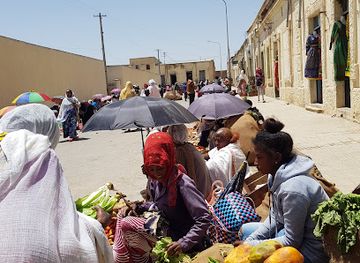
Shopping in Adi Keyh is primarily local and practical, with market stalls, small shops and informal traders serving residents and travellers passing through the Southern Region. Visitors may find grain, spices, household goods, clothing and everyday provisions, while the strongest souvenirs are usually modest food products or locally made items rather than a specialised craft market. Eritrean highland culture is reflected in woven textiles, religious objects and traditional clothing, but availability varies and buyers should ask about provenance and obtain permission before photographing artisans or goods. The market is also an important social space, revealing how agricultural produce and basic commodities move through the town. Card payment should not be expected, and travellers heading towards Qohaito or rural areas should purchase water and essential supplies before leaving the central streets.
-
Clothing store
Yemane Express
Discover the vibrant culture of Eritrea through fashion at Yemane Express, a must-visit clothing store in Senafe.
36 min drive · 16 km from city centre
-
Supermarket
ኩዳር ዓድ ቐይሕ Adikeyh Supert Market
Explore the bustling Adikeyh Supert Market in Eritrea, where local culture and flavors come alive in a vibrant shopping experience.
4 min walk · 0.3 km from city centre
-
Grocery store
ኩዳር ሰገነይቲ Segeneyti Super Markt
Explore Segeneyti Super Markt for an authentic taste of Eritrea with local produce, snacks, and a vibrant shopping experience.
51 min drive · 31 km from city centre
-
Boutique
Sati boutique
Discover the heart of Eritrean craftsmanship at Sati Boutique in Senafe, where tradition meets style in an eclectic shopping experience.
36 min drive · 16 km from city centre

Get your free copy of our complete guide to Adi Keyh, delivered straight to you.
Everything on this page, from attractions and restaurants to essentials and local phrases, in one PDF you can read offline, print or share.
Already have an account? Sign in
Your Adi Keyh guide is ready.
We'll send it to · Not you? Sign out

Getting your guide ready…
We are putting together a fresh copy of the Adi Keyh guide. This can take up to a minute.
This can take a few moments. If your browser asks, choose Allow so the download can start. You'll find the guide in your Downloads folder.
Nothing happened? Download it again
Sorry, the guide is taking longer than usual. Please try again in a minute, or get it by email instead.
Adi Keyh essentials
Currency and Payment
Safety
Emergency Situations
Do's and Don'ts
Local Tips
From Eve
Local phrases worth knowing
You don't need to get them perfect. A few words go a long way, and locals appreciate the effort.
Basics
| English | Local | Say it |
|---|---|---|
| Hello | ሰላም | [selam] |
| Goodbye | ደሓን | [dehan] |
| Yes | እወ | [ewa] |
| No | ኣይ | [ay] |
| Please/You're welcome | መልእኽቲ | [mel-ekti] |
| Thank you | ኣመሰግና | [amesegena] |
| Excuse me/Sorry | ኣብይተወን | [abyetwen] |
| How are you? | እንታይ? | [entay?] |
| Fine. And you? | ስነሓሳይ. ከም እንደይ? | [sena-hasay. kem endey?] |
| Do you speak English? | እንታይ እንግሊዝ ይሓልፈሉ? | [entay engliz yehalefulu?] |
| I don't understand | ከም ኣይተሰማሕ | [kem aytesemah] |
Eating & Drinking
| English | Local | Say it |
|---|---|---|
| I'd like to see the menu, please | ኣብዚ መኑ እንተሓደር | [abzi menu entehader] |
| I don't eat meat | እንብዕ ፋሽም ኣይተመስርሕ | [enbea fashim aytemesreh] |
| Cheers! | እንታይ! | [entay!] |
| I would like to pay, please | እንብዠ ክትሃበል | [enbea kithebel] |
Emergencies
| English | Local | Say it |
|---|---|---|
| Help! | እወ! | [ewa!] |
| Go away! | ንሸረ! | [nsher!] |
| Call the Police! | ኣብዚ ደቂ ስምኦም! | [abzi deki simom!] |
| Call a doctor! | ኣብዚ ሜዳል ስምኦም! | [abzi medel simom!] |
| I'm lost | እንብዕ ስምኦሉ | [enbea simolu] |
| I'm ill | እንብዕ ኣይትኽእል | [enbea aytekhele] |
Shopping
| English | Local | Say it |
|---|---|---|
| I'd like to buy... | እንብዕ ተጠቓማሕ... | [enbea tetkhamah...] |
| I'm just looking | እንብዕ በተሓምር | [enbea betahmer] |
| How much is it? | እንታይ መንገዲ ነዚሕ? | [entay mengedi nazhi?] |
| That's too expensive | ትምህር ቅርሞ ነዚሕ | [tmher kirmo nazhi] |
| Can you lower the price? | እንታይ ክልበል ነዚሕ? | [entay kilebel nazhi?] |
Time & Numbers
| English | Local | Say it |
|---|---|---|
| What time is it? | እንታይ ሰዓም ነዚሕ? | [entay sa'am nazhi?] |
| It's one o'clock | እዩ ኣንብረ ሰዓም | [eyu anber sa'am] |
| Half past (10) | ብልሽን ደቂ (10) | [bleshin deki (10)] |
| Morning | ኣብዖግራ | [abotgra] |
| Afternoon | መርሐቕ | [merhak] |
| Evening | ምስራሕ | [mesrah] |
| Yesterday | ትማሊ | [tmali] |
| Today | ምሕረት | [mihret] |
| Tomorrow | ቐለባ | [qelba] |
| 1 | ኣንብረ | [anber] |
| 2 | ሰርሕ | [serh] |
| 3 | ማዕስን | [maesn] |
| 4 | ኣሽን | [ashn] |
| 5 | ምዕራብ | [me'arab] |
| 6 | ሚስክረ | [meskher] |
| 7 | ማርባሕ | [marbah] |
| 8 | ሰለሕይ | [selhiy] |
| 9 | ታሕሳ | [tahsa] |
| 10 | ሓይሊ | [hayli] |
Transport & Directions
| English | Local | Say it |
|---|---|---|
| Where's a/the...? | ብዙሽ ሕጂ ኣብ... | [bzush haj ab...] |
| What's the address? | እንታይ ኣይክልስ? | [entay aykles?] |
| Can you show me (on the map)? | እንታይ ካብዚ ምሕረት? | [entay kabzi mihret?] |
| When's the next (bus)? | እንታይ እዩ ዝሓገይ ሽረት? | [entay eyu zihagay shert?] |
| A ticket (to ....) | ትክበል (እዚ...) | [tikebel (ez...)] |
History of Adi Keyh
Highland Settlement and Ancient Trade
The highlands around Adi Keyh have supported settled communities for centuries because their elevation, seasonal rainfall and cultivable soils contrast with the hotter lowlands to the east. The nearby archaeological site of Qohaito preserves evidence of an ancient settlement positioned along routes connecting the Eritrean plateau with the Red Sea world and the interior Horn of Africa. Its surviving stone structures, terraces, water-management features and rock-cut monuments point to organised agriculture, craft production and commerce. Qohaito’s precise chronology remains the subject of archaeological study, but its remains demonstrate that the region was part of a wider network of highland societies long before the emergence of the modern town.
Christian Highland Traditions
Over subsequent centuries, Christianity became deeply rooted across the Eritrean plateau, shaping patterns of settlement, community identity and artistic expression. Although the material remains around Qohaito belong to several historical periods and cannot all be assigned to one religious tradition, the wider highlands developed the church-centred customs, manuscript culture and agricultural communities associated with Eritrea’s Tigrinya-speaking regions. Adi Keyh’s surroundings therefore form part of a landscape where ancient archaeological traces coexist with later Orthodox Christian traditions. Churches, local festivals and social institutions have helped preserve a strong sense of continuity, even as political boundaries and governing powers changed.
The Region under Imperial Rule
The modern history of Adi Keyh is connected to the political transformation of the Eritrean highlands during the late nineteenth and twentieth centuries. The region passed through periods of Egyptian, Italian and British administration before Eritrea’s incorporation into Ethiopia after the Second World War. Italian rule introduced new administrative systems, roads and infrastructure across parts of Eritrea, while later imperial arrangements linked local towns more closely to wider Ethiopian institutions. These changes affected land, taxation, education and commerce, but they did not erase established Tigrinya social structures or the agricultural importance of the plateau.
War and the Struggle for Independence
The Eritrean War of Independence, fought from 1961 until 1991, profoundly affected communities throughout the highlands. Towns and rural districts experienced military operations, displacement, economic disruption and the movement of fighters and civilians. Adi Keyh’s regional position placed it within a contested highland environment during the conflict, although the details of local experience are often preserved through community memory rather than highly visible public monuments. Eritrea achieved de facto independence in 1991 and formal independence in 1993 after a referendum. The war remains central to the country’s national identity and continues to shape how modern history is understood.
A Regional Town in Independent Eritrea
Since independence, Adi Keyh has remained primarily a local administrative, commercial and agricultural centre rather than a heavily developed tourist destination. Its significance rests on its position within the Southern Region and on access to the ancient landscapes of Qohaito and the wider highlands. Contemporary life combines long-established farming and trading patterns with the practical realities of Eritrea’s regulated economy and limited visitor infrastructure. The town’s streets, markets and surrounding fields offer a grounded view of the country beyond Asmara, while the archaeological heritage nearby provides a longer perspective on settlement and exchange in the Eritrean plateau.
Adi Keyh in Photos
Browse through our photo collection highlighting the charm and character of the destination.
Cities near Adi Keyh
The closest cities to Adi Keyh, if you have time for more than one stop.
-

-

-

-

-


Swipe for more cities
Explore more

Explore more of Eritrea
Discover Eritrea: A land of ancient history, stunning coastlines, and vibrant cultures nestled in the heart of the Horn of Africa.
Explore Eritrea