
Tallinn Old Town, Estonia Travel Guide
Discover the medieval charm and rich history of Tallinn Old Town, a UNESCO World Heritage site with stunning architecture, historic landmarks, and vibrant culture.
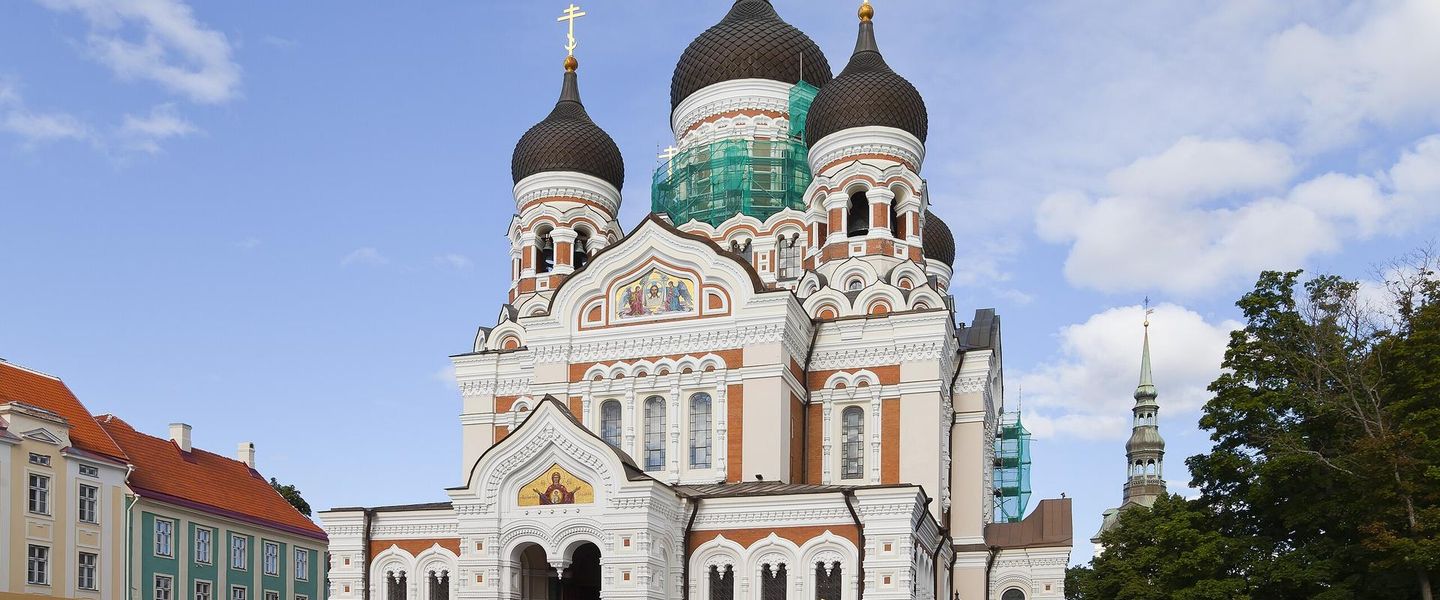
Step back in time as you wander through the charming cobblestone streets of Tallinn Old Town, a UNESCO World Heritage site. This well-preserved medieval town offers a unique glimpse into the past, with its stunning architecture, historic landmarks, and vibrant culture. Each corner you turn reveals a new story, from the towering spires of St. Olaf's Church to the fairy-tale-like Alexander Nevsky Cathedral. The heart of Tallinn Old Town is the Town Hall Square, a bustling hub surrounded by colorful merchant houses, cozy cafes, and artisan shops. Here, you can savor traditional Estonian cuisine, shop for local handicrafts, or simply people-watch as you soak in the historic ambiance. Don't miss the Town Hall Pharmacy, one of Europe's oldest continuously running pharmacies, which has been serving customers since the 15th century. For a panoramic view of the city, head to Toompea Hill, where you can visit Toompea Castle and enjoy breathtaking vistas of the red-tiled rooftops and the Gulf of Finland. The narrow, winding streets of the lower town are perfect for leisurely strolls, and you'll find hidden courtyards, quaint alleyways, and fascinating museums at every turn. Tallinn Old Town is a living history lesson and a must-visit destination for any traveler seeking to immerse themselves in the rich heritage and enchanting beauty of Estonia.

Know before you go
Hi, I'm Eve. Here are a few practical things to know before exploring Tallinn Old Town.
- Visit early in the morning or late in the evening to avoid the crowds and enjoy a more peaceful experience.
- Wear comfortable shoes as the cobblestone streets can be uneven and challenging to walk on.
- Check out the free walking tours that provide engaging narratives about the town's history and legends.
- Explore the hidden courtyards and alleys for unique photo opportunities and less crowded spots.
- Try local snacks like marzipan and black rye bread from the small shops and cafes in the town.
Explore Tallinn Old Town: Things to Do, Places to Eat, Hotels & More
Handpicked recommendations for top attractions, local dining, accommodations, and more

Best attractions in Tallinn Old Town
Top-rated picks
Best Attractions

Lennusadam
Discover the maritime history of Estonia at Lennusadam Maritime Museum, featuring interactive exhibits and the iconic submarine Lembit.

Estonian Museum of Natural History
Discover Estonia's natural heritage at the Estonian Museum of Natural History, featuring interactive exhibits and engaging displays for all ages.

KGB Prison Cells
Explore the haunting KGB Prison Cells in Tallinn and uncover the stories of resilience and oppression from Estonia's Soviet past.

Šnelli park
Experience the serene beauty of Šnelli Park in Tallinn, where urban life meets nature in a charming and tranquil setting.

Best landmarks in Tallinn Old Town
Top-rated picks
Best Landmarks

Balti Jaama Turg
Discover the vibrant Balti Jaama Turg in Tallinn, a market with fresh produce, local crafts, and delicious eateries reflecting Estonia's rich culture.

Freedom Square
Explore Freedom Square in Tallinn, a vibrant symbol of Estonian independence and a gathering place for culture, history, and community.

Viru Gate
Discover the enchanting Viru Gate, a historical landmark that serves as the gateway to Tallinn's medieval Old Town and rich Estonian heritage.

Tallinn Town Hall
Explore Tallinn Town Hall, a stunning Gothic landmark that embodies the rich history and vibrant culture of Estonia's capital city.

Best restaurants in Tallinn Old Town
Top-rated picks
Best Restaurants

Restoran Olde Hansa
Savor medieval Estonian cuisine at Restoran Olde Hansa in Tallinn - where history meets flavor for an unforgettable dining experience.

Restaurant Rataskaevu 16
Discover authentic Estonian cuisine at Rataskaevu 16 in Tallinn—where tradition meets modern culinary artistry.

Peppersack
Discover authentic Eastern European flavors at Peppersack in Tallinn – where tradition meets taste in a charming cafe setting.
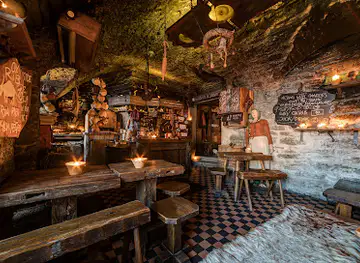
III Draakon
Discover the medieval charm and authentic flavors of Estonia at III Draakon, where every meal is a taste of history.

Best bars in Tallinn Old Town
Top-rated picks
Best Bars

Hell Hunt
Experience the essence of Estonian culture at Hell Hunt, Tallinn’s vibrant pub renowned for its craft beers and hearty local cuisine.

Irish Pub Mad Murphy's
Discover Mad Murphy's, where authentic Irish culture meets Tallinn's vibrant nightlife, offering delightful dishes and a wide selection of beverages.

Labor Baar
Discover Labor Baar in Tallinn: a must-visit cocktail bar offering innovative drinks and a vibrant atmosphere for an unforgettable night out.
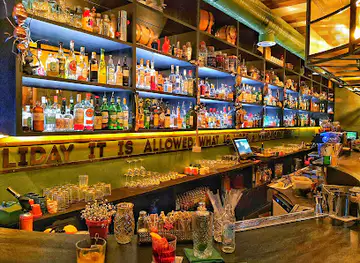
Sigmund Freud Bar
Discover the charm of Sigmund Freud Bar in Tallinn, where unique cocktails meet a vibrant atmosphere for an unforgettable night out.

Best nightclubs in Tallinn Old Town
Top-rated picks
Best Nightclubs

Club Hollywood
Discover the electrifying nightlife of Tallinn at Club Hollywood, where unforgettable nights and vibrant energy await every visitor.

Paparazzi
Discover the vibrant nightlife of Tallinn at Paparazzi, a premier night club offering unforgettable dance experiences and lively entertainment.

Venus Club
Discover the heart of Tallinn's nightlife at Venus Club, where music, dancing, and unforgettable memories come alive.

Club Studio
Discover the electric nightlife at Club Studio, Tallinn's top night club offering an unforgettable experience with great music and vibrant atmosphere.

Best shops in Tallinn Old Town
Top-rated picks
Best Shops

Oma Asi
Discover unique fashion accessories at Oma Asi, Tallinn's vibrant shopping destination for stylish finds and local design.

Eesti Esindus Tallinnas - Estonian House
Discover unique Estonian gifts and handicrafts at Eesti Esindus in Tallinn, your gateway to authentic souvenirs and local artistry.

Oma Asi Design Store
Explore the unique charm of Oma Asi Design Store in Tallinn, where local craftsmanship meets modern fashion in a delightful shopping experience.

Toom-Rüütli 12
Discover Tallinn's charm at Toom-Rüütli 12, a gift shop brimming with unique souvenirs and local craftsmanship that capture the essence of Estonia.

Explore Tallinn Old Town on the Map
A handpicked selection of must-see spots in Tallinn Old Town, mapped for you.
Tallinn Old Town Essentials
-
Tallinn Old Town is located in the heart of Estonia's capital, Tallinn. The nearest major airport is Lennart Meri Tallinn Airport (TLL), situated about 5 kilometers from the Old Town. From the airport, you can take a taxi, rideshare service, or public transport such as bus number 2, which will take you directly to the city center. Additionally, Tallinn is well connected by ferry to Helsinki and Stockholm, and by train and bus to other major Baltic cities.
-
Tallinn Old Town is highly walkable, and the best way to explore its medieval streets is on foot. For longer distances, Tallinn's public transportation system includes buses, trams, and trolleybuses. A single ticket can be purchased via a mobile app or from kiosks. Taxis and rideshare services like Bolt are also readily available. For an eco-friendly option, consider renting a bicycle or an electric scooter.
-
The official currency in Estonia is the Euro (EUR). Credit and debit cards are widely accepted in most shops, restaurants, and hotels in Tallinn Old Town. ATMs are plentiful, and you can find them near major tourist spots. Mobile payments are also commonly used, and many establishments accept contactless payments via smartphones.
-
Tallinn Old Town is generally safe for tourists. However, as with any tourist destination, it is wise to exercise standard precautions. Pickpocketing can occur in crowded areas, so keep an eye on your belongings. Avoid walking alone late at night in poorly lit areas. There are no specific high-crime neighborhoods targeting tourists, but always remain vigilant.
-
In case of emergency, dial 112 for immediate assistance, which connects you to police, fire, and medical services. There are several medical clinics and pharmacies in and around the Old Town. It is advisable to have travel insurance that covers medical emergencies. For minor health issues, local pharmacies can provide over-the-counter medications.
-
Fashion: Do dress comfortably but avoid overly casual attire when dining in finer restaurants. Religion: Do be respectful when visiting religious sites; cover your shoulders and knees. Public Transport: Do validate your ticket upon boarding public transport. Don't eat or drink on public transport. Greetings: Do greet people with a friendly 'Tere' (hello) and maintain eye contact. Eating & Drinking: Do try local dishes like black bread, marinated eel, and kama. Don't leave a tip on the table in restaurants; it is customary to hand it directly to the server.
-
To experience Tallinn Old Town like a local, visit the Balti Jaam Market for fresh produce and local delicacies. Explore hidden courtyards and lesser-known alleyways for a more intimate experience. Take a walk along the city walls for stunning views, and visit local cafes for a taste of traditional Estonian pastries. Engaging with locals can provide enriching insights into the town's history and culture.
When is the best time to visit Tallinn Old Town?
Useful Local Phrases for Tallinn Old Town
You don't need to speak the language perfectly. Even learning a few simple words can make conversations warmer—and locals usually appreciate the effort.
— Eve

Here are the phrases I use most often in Tallinn Old Town. Try a few—you'll be surprised how far they go! 😊
❤️
-
- HelloTere
[teh-reh] - GoodbyeHead aega
[heh-d ah-eh-gah] - YesJah
[yah] - NoEi
[ay] - Please/You're welcomePalun
[pah-loon] - Thank youTänan
[tah-nahn] - Excuse me/SorryVabandust
[vah-bahn-doost] - How are you?Kuidas sul läheb?
[kwee-dahs sool leh-hehb] - Fine. And you?Hästi. Ja sina?
[hah-stee yah see-nah] - Do you speak English?Kas te räägite inglise keelt?
[kahs teh rah-gee-teh een-glee-seh kehlt] - I don't understandMa ei saa aru
[mah ay sah ah-roo]
- HelloTere
-
- I'd like to see the menu, pleaseMa sooviksin menüüd näha, palun
[mah soh-oh-vik-seen meh-nuuud nah-hah, pah-loon] - I don't eat meatMa ei söö liha
[mah ay suh lhee-hah] - Cheers!Terviseks!
[tehr-vee-sehks] - I would like to pay, pleaseMa sooviksin maksta, palun
[mah soh-oh-vik-seen mahk-stah, pah-loon]
- I'd like to see the menu, pleaseMa sooviksin menüüd näha, palun
-
- Help!Appi!
[ahp-pee] - Go away!Mine minema!
[mee-neh mee-neh-mah] - Call the Police!Helista politseile!
[heh-lee-stah poh-lee-tseh-ee-leh] - Call a doctor!Helista arstile!
[heh-lee-stah ahrs-tee-leh] - I'm lostMa olen eksinud
[mah oh-lehn ehk-see-nood] - I'm illMa olen haige
[mah oh-lehn hah-ee-geh]
- Help!Appi!
-
- I'd like to buy...Ma tahaksin osta...
[mah tah-hah-ksin oh-stah] - I'm just lookingMa vaatan lihtsalt
[mah vah-tahn leekh-tsalt] - How much is it?Kui palju see maksab?
[kwee pahl-yoo seh mahk-sahb] - That's too expensiveSee on liiga kallis
[seh ohn leeh-gah kahl-lees] - Can you lower the price?Kas saaksite hinda alandada?
[kahs sah-ahk-see-teh heen-dah ah-lahn-dah-dah]
- I'd like to buy...Ma tahaksin osta...
-
- What time is it?Mis kell on?
[mees kehl ohn] - It's one o'clockOn üks
[ohn yks] - Half past (10)Pool (10)
[pohl (tehk-sahn)] - MorningHommik
[hohm-meek] - AfternoonPärastlõuna
[pah-rahst-loh-oo-nah] - EveningÕhtu
[ohkh-too] - YesterdayEile
[ay-leh] - TodayTäna
[tah-nah] - TomorrowHomme
[hohm-meh] - 1Üks
[yks] - 2Kaks
[kahks] - 3Kolm
[kohlm] - 4Neli
[neh-lee] - 5Viis
[vees] - 6Kuus
[koos] - 7Seitse
[sayt-seh] - 8Kaheksa
[kah-hehk-sah] - 9Üheksa
[yh-hehk-sah] - 10Kümme
[kewm-meh]
- What time is it?Mis kell on?
-
- Where's a/the...?Kus on...?
[koos ohn] - What's the address?Mis on aadress?
[mees ohn ah-ah-drehss] - Can you show me (on the map)?Kas saaksite mulle näidata (kaardil)?
[kahs sah-ahk-see-teh mool-leh nah-ee-tah-dah kah-ahr-deel] - When's the next (bus)?Millal on järgmine (buss)?
[meel-lahl ohn yairg-mee-neh booss] - A ticket (to ....)Pilet (....)
[pee-leht]
- Where's a/the...?Kus on...?
History of Tallinn Old Town
-
Tallinn, known as Reval until 1918, was first mentioned in historical records in 1154. The city began to flourish in the 13th century when it became a key trading hub in the Hanseatic League. The strategic location by the Baltic Sea made it a significant point for commerce and trade between East and West.
-
In 1219, the Danish King Valdemar II conquered Tallinn, and the city came under Danish rule. According to legend, the Danish flag, Dannebrog, fell from the sky during a battle in what is now called the Danish King’s Garden. This area remains a significant historical site where visitors can explore medieval towers and walls.
-
In 1346, the Danish sold Tallinn to the Livonian Order, a branch of the Teutonic Knights. The city further developed its fortifications and infrastructure. Many of the structures built during this period, including the Great Guild Hall and the St. Nicholas Church, still stand and offer insights into Tallinn's medieval past.
-
Tallinn became a major center of the Hanseatic League, a powerful economic and defensive alliance of merchant guilds in Northern Europe. The league played a vital role in the city's prosperity, leading to the construction of grand merchant houses, warehouses, and public buildings that now characterize the Old Town’s architecture.
-
In 1561, Tallinn came under Swedish control, marking a period of stability and growth. The Swedish period saw significant cultural and educational advancements, including the establishment of the Swedish St. Michael's Church. This era left a lasting impact on the city's educational and religious landscape, evident in the well-preserved Baroque architecture.
-
Tallinn was incorporated into the Russian Empire in 1710 during the Great Northern War. Under Russian rule, the city saw modernization efforts including the construction of new buildings and infrastructure. Catherine’s Passage, a charming medieval lane, became an important thoroughfare and retains its historical charm to this day.
-
The 20th century brought significant changes to Tallinn, including independence from Russian rule in 1918, subsequent Soviet occupation, and finally, independence in 1991. The Old Town has been meticulously preserved and restored, reflecting its diverse historical influences while embracing modernity.
-
In 1997, Tallinn Old Town was designated a UNESCO World Heritage Site due to its well-preserved medieval architecture and historical significance. The cobblestone streets, Gothic spires, and ancient walls tell the story of a city that has been a crossroads of cultures and empires for centuries.
Cities in Tallinn Old Town
Browse our curated selection of top destinations, scenic points, and must-visit spots in the area.

Neighbouring destination travel guides
Browse our curated selection of top destinations, scenic points, and must-visit spots in the area.


Your all‑in‑one travel companion app
Explore expert travel guides, compare and book tours, experiences, hotels, and more—all from the palm of your hand. Download now for seamless trip planning wherever your wanderlust takes you.


Explore More of Harju County

Looking beyond Tallinn Old Town? Discover Harju County for broader travel guides, local hot-spots, and regional highlights.
Explore Harju CountyExplore More of Estonia

Looking beyond Tallinn Old Town? Discover Estonia for broader travel guides, local hot-spots, and regional highlights.
Explore EstoniaTallinn Old Town in Photos
Browse through our photo collection highlighting the charm and character of the destination.


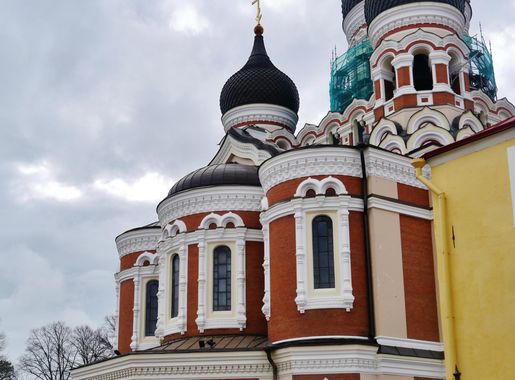


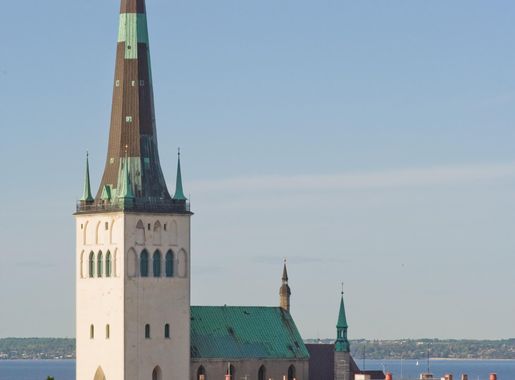

Enchanting Medieval Charm: Tallinn Old Town
Step back in time as you wander through the charming cobblestone streets of Tallinn Old Town, a UNESCO World Heritage site. This well-preserved medieval town offers a unique glimpse into the past, with its stunning architecture, historic landmarks, and vibrant culture. Each corner you turn reveals a new story, from the towering spires of St. Olaf's Church to the fairy-tale-like Alexander Nevsky Cathedral. The heart of Tallinn Old Town is the Town Hall Square, a bustling hub surrounded by colorful merchant houses, cozy cafes, and artisan shops. Here, you can savor traditional Estonian cuisine, shop for local handicrafts, or simply people-watch as you soak in the historic ambiance. Don't miss the Town Hall Pharmacy, one of Europe's oldest continuously running pharmacies, which has been serving customers since the 15th century. For a panoramic view of the city, head to Toompea Hill, where you can visit Toompea Castle and enjoy breathtaking vistas of the red-tiled rooftops and the Gulf of Finland. The narrow, winding streets of the lower town are perfect for leisurely strolls, and you'll find hidden courtyards, quaint alleyways, and fascinating museums at every turn. Tallinn Old Town is a living history lesson and a must-visit destination for any traveler seeking to immerse themselves in the rich heritage and enchanting beauty of Estonia.