

Free Hiiu County Travel Guide & Mobile App
Explore Hiiu County with free travel guides. Discover regional history, expert tips, proposed trips, and audio guides on web or mobile app.


Discover Hiiu County in Estonia for lighthouses, pine forests, coastal walks, island villages, maritime heritage and unhurried Baltic landscapes.
Read more about Hiiu County
When is the best time to visit Hiiu County?
Best: June–August · 20–22°C| Month | High (°C) | Rainfall (mm) |
|---|---|---|
| January | 1 | 40 |
| February | 1 | 35 |
| March | 4 | 40 |
| April | 9 | 45 |
| May | 15 | 50 |
| June (best) | 20 | 60 |
| July (best) | 22 | 70 |
| August (best) | 22 | 70 |
| September | 17 | 60 |
| October | 12 | 55 |
| November | 7 | 50 |
| December | 2 | 45 |
Getting to and around Hiiu County
How to get there
Transportation
Top city travel guides in Hiiu County
The cities of Hiiu County, and the easiest places to base yourself.

Swipe for more cities
Destinations in Hiiu County
Resorts, valleys and scenic spots worth a trip of their own.

Swipe for more destinations
Best attractions in Hiiu County
Hiiu County’s attractions are spread through a predominantly rural landscape rather than concentrated in one historic centre. The island’s lighthouses are the defining cultural sights, with Kõpu, Tahkuna and Ristna each offering a different setting and maritime story. Suuremõisa Manor provides an architectural counterpoint, while Kärdla’s former textile-industry landscape and local museums introduce the county’s social and industrial history. Kassari adds coastal meadows, the Sääretirp spit and cultural sites associated with island life. Nature-based experiences include forest tracks, juniper pastures, wetlands, quiet beaches, birdwatching areas and viewpoints over the Baltic Sea. The Hiiumaa Military Museum near Tahkuna and other surviving defensive structures help explain the island’s twentieth-century strategic role, while farm museums and historic homesteads preserve older agricultural traditions. Cycling, walking, kayaking and shore exploration are more central here than large-scale entertainment, and the most rewarding itineraries leave time for small harbours, village churches, manor grounds and unmarked changes in the coastal landscape.
-
Museum
Elamuskeskus Tuuletorn - Windtower Experience
Explore the Windtower Experience in Hiiu County, Estonia - a vibrant museum with interactive exhibits and a cozy café for all ages.
-
Tourist attraction
Suuremõisa mansion
Explore Suuremõisa Mansion, an exquisite 19th-century architectural marvel in Hiiu County, Estonia, surrounded by beautiful gardens and rich history.
-
Tourist attraction
Sääre tirp
Discover the enchanting Sääre Tirp in Hiiu County, Estonia, where stunning coastal views and serene nature await every traveler.
-
Tourist attraction
Vaemla villavabrik
Discover the art of wool crafting and local culture at Vaemla Villavabrik in Hiiu County, Estonia, where tradition meets creativity.


Best landmarks in Hiiu County
Kõpu Lighthouse is Hiiu County’s best-known landmark, rising from the wooded Kõpu Peninsula and representing centuries of Baltic navigation. Its elevated position and massive historic form make it visible well beyond the immediate coastline. Tahkuna Lighthouse presents a contrasting nineteenth-century structure on the island’s northern tip, where sea views are accompanied by reminders of coastal defence and wartime militarisation. Ristna Lighthouse marks the exposed western edge of Hiiumaa and belongs to the same seafaring landscape, though its surroundings feel wilder and more open. Suuremõisa Manor is the county’s major estate landmark, with a long association with Baltic German landholding and the eighteenth-century architectural culture of western Estonia. The Sääretirp spit on Kassari is a natural landmark shaped by shallow coastal waters, stones and low vegetation, while Kärdla’s planned streets and former textile-factory area preserve the physical imprint of industrial development. Together these places express the county’s principal themes: navigation, estate society, defence, industry and a coastline continually altered by wind and water.
-
Historical landmark
Tahkuna lighthouse
Explore the stunning Tahkuna Lighthouse in Estonia, a historical gem offering breathtaking views and rich maritime heritage on Hiiumaa Island.
-
Cafeteria
Tuletorni kohvik (Lighthouse Cafe)
Discover the charm of Tuletorni Kohvik, a peaceful café at Kōpu Lighthouse offering delicious coffee and stunning views in Hiiu County, Estonia.
-
Tourist attraction
Wooden copy of the Eiffel Tower
Experience the whimsical charm of the Wooden Eiffel Tower in Hiiu County, a captivating replica surrounded by Estonia's stunning landscapes.
-
Museum
Elamuskeskus Tuuletorn - Windtower Experience
Explore the cultural treasures and breathtaking views at Elamuskeskus Tuuletorn, a unique museum experience in Hiiu County, Estonia.


Explore Hiiu County on the map
Plan your trip on one map. See where the top cities, national parks and sights are, and book hotels and experiences in a few clicks.
Best hotels in Hiiu County
Best restaurants in Hiiu County
Dining in Hiiu County reflects the island’s small population, farming traditions and maritime setting. Kärdla has the broadest choice of cafés and restaurants, while rural areas rely more on seasonal eateries, guesthouses, farm shops and local events. Fish, rye bread, potatoes, dairy products, berries and mushrooms are familiar elements of Estonian island cooking, and smoked or preserved produce may appear alongside contemporary interpretations of northern European food. Kassari and the southern coast are natural places to look for seafood-oriented meals when seasonal businesses are operating, although availability varies outside summer. Local honey, jams, baked goods and craft drinks make useful purchases from farm producers and markets. Traditional Estonian food is not identical to a specifically Hiiumaa cuisine, but the island’s ingredients and seafaring setting give familiar national dishes a clear local context. Visitors should expect shorter opening seasons and should check meal arrangements in remote areas rather than assuming that a restaurant will be open after travelling there.
-
Museum
Elamuskeskus Tuuletorn - Windtower Experience
Experience the rich cultural heritage and breathtaking views at Elamuskeskus Tuuletorn - Windtower Experience in Hiiu County.
-
Restaurant
Rannapaargu restaurant
Experience authentic Estonian cuisine at Rannapaargu Restaurant in Kärdla – where local flavors meet warm hospitality.
-
Restaurant
Mamma Mia Pizzeria Italiana & Guesthouse
Experience the best of Italian cuisine at Mamma Mia Pizzeria Italiana & Guesthouse in Kärdla - where every bite feels like a slice of Italy.
-
Restaurant
Roograhu restaurant
Discover the essence of Estonian cuisine at Roograhu Restaurant in scenic Hiiu County—where local flavors meet exceptional dining.


Best bars in Hiiu County
Nightlife in Hiiu County is modest and closely tied to the island’s villages, seasonal tourism and social events rather than to a large club scene. Kärdla has the greatest concentration of cafés, pubs and places for an evening drink, while guesthouses and restaurants provide much of the evening activity elsewhere. Traditional Estonian beer, cider and spirits may be available, but alcohol is only one part of the local evening culture; conversation, food, music and community gatherings are equally characteristic. Summer brings more activity around harbours, cultural events and accommodation venues, whereas winter evenings are noticeably quieter. Sõru, Kärdla and other coastal settlements can have occasional live performances or seasonal events, but programmes and opening arrangements change. Visitors staying in rural districts should plan transport carefully, as taxis and late public transport are limited and distances between villages can be deceptive after dark.
-
Bar
Rannapaargu restaurant
Experience the rich flavors of Hiiu County at Rannapaargu Restaurant, where local ingredients meet innovative culinary artistry.
-
Restaurant
Mamma Mia Pizzeria Italiana & Guesthouse
Experience authentic Italian cuisine and cozy rooms at Mamma Mia Pizzeria Italiana & Guesthouse in Kärdla, Hiiu County.
-
Restaurant
Roograhu restaurant
Discover the delightful flavors of local cuisine at Roograhu Restaurant in the heart of Hiiu County, Estonia.
-
Restaurant
Lest & Lammas Resto
Experience the authentic taste of Estonia at Lest & Lammas Resto, a delightful restaurant in Kassari village specializing in local flavors and seasonal ingredients.


Best nightclubs in Hiiu County
Nightlife in Hiiu County is modest and closely tied to the island’s villages, seasonal tourism and social events rather than to a large club scene. Kärdla has the greatest concentration of cafés, pubs and places for an evening drink, while guesthouses and restaurants provide much of the evening activity elsewhere. Traditional Estonian beer, cider and spirits may be available, but alcohol is only one part of the local evening culture; conversation, food, music and community gatherings are equally characteristic. Summer brings more activity around harbours, cultural events and accommodation venues, whereas winter evenings are noticeably quieter. Sõru, Kärdla and other coastal settlements can have occasional live performances or seasonal events, but programmes and opening arrangements change. Visitors staying in rural districts should plan transport carefully, as taxis and late public transport are limited and distances between villages can be deceptive after dark.
-
Bar
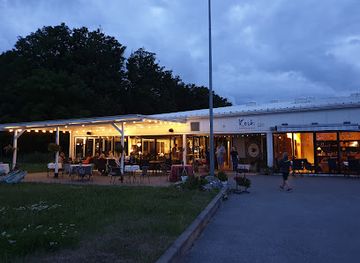
Šampanjabaar ja restoran Kork
Experience the perfect blend of local cuisine and vibrant atmosphere at Šampanjabaar ja restoran Kork in Kärdla.
-
Bar
Luige baar
Experience the local charm of Käina at Luige Baar, a cozy bar offering a delightful selection of drinks in a welcoming atmosphere.
-
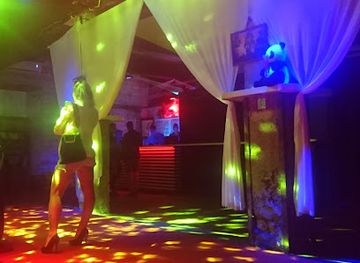
Night club
Club Studio
Discover the heartbeat of Tallinn's nightlife at Club Studio, where vibrant music and an electric atmosphere create unforgettable memories.
-
Night club
The club 9/11
Dive into Tallinn's nightlife at The Club 9/11, where electrifying music and vibrant energy promise an unforgettable evening.


Best shops in Hiiu County
Shopping in Hiiu County is oriented towards practical island goods, local food and small-scale craft rather than large retail centres. Kärdla has the widest selection of shops and services, including independent businesses, galleries and places to buy books, clothing or everyday supplies. Markets and seasonal events may offer knitted goods, wool work, pottery, woodcraft, jewellery, preserves, honey, berries and baked products from local producers. Farm shops and roadside stalls are useful for regional food, although opening times can be informal and vary with the season. Kassari and other visitor areas often have craft and design items connected with the island’s maritime and rural identity, while museum shops and lighthouse sites may stock locally themed souvenirs when open. There is no need to expect an extensive luxury-shopping scene; the appeal lies in distinctive, modestly produced goods and edible gifts that reflect Hiiumaa’s farming, forest and seafaring traditions.
-
Supermarket
Hiiumaa Selver
Explore Hiiumaa Selver, a vibrant supermarket offering a taste of local Estonian culture with diverse groceries and unique regional products.
-
Supermarket
Käina Coop Konsum | Construction Centre
Discover local flavors and community spirit at Käina Coop Konsum, a charming supermarket in Hiiumaa filled with fresh produce and unique Estonian products.
-
Department store
Hiiumaa Kaubamaja
Experience the local charm of Hiiumaa at Hiiumaa Kaubamaja, your perfect shopping destination for authentic Estonian products and souvenirs.
-
Fish store
Stonefish
Experience the best of local seafood at Stonefish in Kärdla, where fresh catches meet expert advice in a cozy setting.


Get your free copy of our complete guide to Hiiu County, delivered straight to you.
Everything on this page, from attractions and restaurants to essentials and local phrases, in one PDF you can read offline, print or share.
Already have an account? Sign in
Your Hiiu County guide is ready.
We'll send it to · Not you? Sign out

Getting your guide ready…
We are putting together a fresh copy of the Hiiu County guide. This can take up to a minute.
This can take a few moments. If your browser asks, choose Allow so the download can start. You'll find the guide in your Downloads folder.
Nothing happened? Download it again
Sorry, the guide is taking longer than usual. Please try again in a minute, or get it by email instead.
Hiiu County essentials
Currency and Payment
Safety
Emergency Situations
Do's and Don'ts
Local Tips
From Eve
Local phrases worth knowing
You don't need to get them perfect. A few words go a long way, and locals appreciate the effort.
Basics
| English | Local | Say it |
|---|---|---|
| Hello | Tere | [teh-reh] |
| Goodbye | Head aega | [head aye-gah] |
| Yes | Jah | [yah] |
| No | Ei | [ay] |
| Please/You're welcome | Palun | [pah-lun] |
| Thank you | Aitäh | [aye-tah] |
| Excuse me/Sorry | Vabandust | [vah-band-oost] |
| How are you? | Kuidas sul on? | [koo-dahs sool on] |
| Fine. And you? | Hea. Ja sina? | [hey-ah. yah see-nah?] |
| Do you speak English? | Kas sa räägid inglise keelt? | [kahs sah rah-eed ing-lis-eh kelt?] |
| I don't understand | Ma ei saa aru | [mah ay zah ah-roo] |
Eating & Drinking
| English | Local | Say it |
|---|---|---|
| I'd like to see the menu, please | Ma tahaksin menüüd näha, palun | [mah tah-aks-in meh-noo-d nah-hah, pah-lun] |
| I don't eat meat | Ma ei söö liha | [mah ay soo lih-hah] |
| Cheers! | Terviseks! | [ter-vee-seks] |
| I would like to pay, please | Ma tahaksin maksta, palun | [mah tah-aks-in mak-stah, pah-lun] |
Emergencies
| English | Local | Say it |
|---|---|---|
| Help! | Aita! | [eye-tah] |
| Go away! | Mine ära! | [mee-neh eh-rah] |
| Call the Police! | Kutsu politsei! | [koot-soo poh-lit-sei] |
| Call a doctor! | Kutsu arst! | [koot-soo arst] |
| I'm lost | Ma olen kadunud | [mah oh-len kah-doo-nud] |
| I'm ill | Ma olen haige | [mah oh-len hai-geh] |
Shopping
| English | Local | Say it |
|---|---|---|
| I'd like to buy... | Ma tahaksin osta... | [mah tah-aks-in oh-stah] |
| I'm just looking | Ma lihtsalt vaatan | [mah leest-lt vah-tahn] |
| How much is it? | Kui palju see maksab? | [kwee pal-yoo seh mahk-sahb?] |
| That's too expensive | See on liiga kallis | [seh on lee-gah kah-lis] |
| Can you lower the price? | Kas sa saad hinda alandada? | [kahs sah sahd hin-dah ah-lahn-dah-dah] |
Time & Numbers
| English | Local | Say it |
|---|---|---|
| What time is it? | Mis kell on? | [mis kel on?] |
| It's one o'clock | Kell on üks | [kel on uks] |
| Half past (10) | Kell on pool (kümme) | [kel on pool (küm-meh)] |
| Morning | Hommik | [hom-mik] |
| Afternoon | Pärastlõuna | [pah-rahst-luh-na] |
| Evening | Õhtu | [uh-thu] |
| Yesterday | Eile | [ay-leh] |
| Today | Täna | [tah-nah] |
| Tomorrow | Homme | [hom-meh] |
| 1 | Üks | [uks] |
| 2 | Kaks | [kahks] |
| 3 | Kolm | [kolm] |
| 4 | Neli | [neh-lee] |
| 5 | Viis | [vees] |
| 6 | Kuus | [koos] |
| 7 | Seitsme | [saits-meh] |
| 8 | Kaheksa | [kah-heks-ah] |
| 9 | Üheksa | [u-hek-sah] |
| 10 | Kümme | [küm-meh] |
Transport & Directions
| English | Local | Say it |
|---|---|---|
| Where's a/the...? | Kus on ...? | [koos on ...?] |
| What's the address? | Mis on aadress? | [mis on ah-dress?] |
| Can you show me (on the map)? | Kas sa saad mulle näidata (kaardil)? | [kahs sah sahd moo-leh nai-da-ta (kaar-dil)?] |
| When's the next (bus)? | Millal tuleb järgmine (buss)? | [mil-lahl too-leb yahr-gin-eh (boos)?] |
| A ticket (to ....) | Pilet (....-le) | [pee-let (....-leh)] |
History of Hiiu County
Ancient settlement and a changing Baltic coastline
Hiiumaa’s human history reaches back thousands of years, although its coastline has changed considerably as land rose after the last Ice Age. Early communities used the island’s shores, forests and shallow waters for fishing, hunting and small-scale agriculture. Archaeological traces and later place names indicate a long relationship between settlement and the sea. The island’s position in the Baltic also made it part of wider maritime networks linking the Estonian coast with neighbouring islands and Scandinavian shores. Much of this early history is understood through scattered archaeological evidence rather than large urban sites, reflecting the dispersed character that still distinguishes Hiiumaa.
Medieval rule and the rise of Kõpu Lighthouse
During the medieval period, Hiiumaa was drawn into the political and religious structures that shaped western Estonia. The island came under the influence of the Bishopric of Ösel-Wiek and later the Livonian Order, while landholding, parish organisation and maritime routes developed around its settlements. The earliest major structure at Kõpu was built in the sixteenth century to mark dangerous waters for shipping in the Baltic. Construction began in the era of the Hanseatic trading world, when safer navigation was increasingly important to merchants and vessels passing the island’s western side. The lighthouse was repeatedly altered, but its historic role remains central to Hiiumaa’s identity.
Swedish and Baltic German influences
From the late medieval period into the early modern era, Hiiumaa experienced the changing rule of the Danish crown, Sweden and the Russian Empire. Swedish-speaking communities lived in parts of western Estonia and the islands, while Baltic German landowners controlled estates and shaped local administration. Suuremõisa Manor, developed in its present form during the eighteenth century, represents the estate culture of the period and remains one of the county’s most important architectural sites. Parish churches, manor lands and farmsteads reveal how aristocratic estates, Lutheran institutions and island communities were connected within the wider political world of the eastern Baltic.
Island economy, seafaring and Kärdla’s textile industry
The nineteenth century brought important economic change. Kärdla became associated with the woollen textile factory established by the Ungern-Sternberg family in the 1830s, and the settlement grew around industrial employment and planned workers’ housing. Although the factory later declined and ceased operation, its legacy helped transform Kärdla from a small settlement into Hiiumaa’s principal town. At the same time, farming, fishing, shipbuilding and coastal trade continued across the island. The period also strengthened links with mainland ports and introduced new administrative and commercial patterns that affected everyday life in the island’s villages.
War, occupation and militarisation
Hiiumaa’s strategic position in the Baltic made it important during the twentieth century’s conflicts. The island was occupied first by the Soviet Union in 1940, by Germany during the Second World War, and again by the Soviet Union from 1944 until Estonia restored independence. Military installations, coastal batteries, observation structures and restricted zones altered access to parts of the island, particularly around Tahkuna and Kõpu. Some remains survive in the landscape and are interpreted through local museums and heritage sites. The period also brought disruption, population movements and the long isolation associated with the Soviet border regime.
Restored island life in independent Estonia
After Estonia regained independence in 1991, Hiiumaa adapted from a restricted military frontier into a destination where maritime heritage, nature conservation and local enterprise could develop more openly. Ferry connections, the airport at Kärdla and improved roads made travel easier, while former military sites, manor buildings and lighthouses gained renewed cultural importance. Tourism remains modest in scale compared with Estonia’s major urban destinations, helping preserve the island’s dispersed settlement pattern. Contemporary Hiiumaa combines seasonal visitors with working farms, fishing communities, small businesses and residents whose lives continue to be shaped by the sea and by the practical limits of island geography.
Hiiu County in Photos
Browse through our photo collection highlighting the charm and character of the destination.
Neighbouring regions of Hiiu County
The closest regions to Hiiu County, if you have time for more than one.
-

-

-

-

-


Swipe for more regions
Explore more

Explore more of Estonia
Discover Estonia: A perfect blend of medieval charm, modern innovation, and natural beauty in the heart of Northern Europe.
Explore Estonia