

Free Lääne County Travel Guide & Mobile App
Explore Lääne County with free travel guides. Discover regional history, expert tips, proposed trips, and audio guides on web or mobile app.


Explore Lääne County in western Estonia for Haapsalu’s medieval heritage, Matsalu’s bird-rich wetlands, Baltic islands and quiet coastal landscapes.
Read more about Lääne County
When is the best time to visit Lääne County?
Best: June–August · 20–23°C| Month | High (°C) | Rainfall (mm) |
|---|---|---|
| January | 1 | 40 |
| February | 1 | 35 |
| March | 5 | 35 |
| April | 11 | 40 |
| May | 16 | 45 |
| June (best) | 20 | 50 |
| July (best) | 23 | 60 |
| August (best) | 22 | 60 |
| September | 17 | 55 |
| October | 13 | 50 |
| November | 7 | 45 |
| December | 2 | 45 |
Getting to and around Lääne County
How to get there
Transportation
Top city travel guides in Lääne County
The cities of Lääne County, and the easiest places to base yourself.

Swipe for more cities
Destinations in Lääne County
Resorts, valleys and scenic spots worth a trip of their own.

Swipe for more destinations
Best attractions in Lääne County
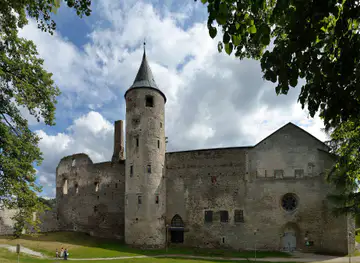
Lääne County’s attractions combine a cultured seaside town with protected wetlands, islands and widely dispersed rural heritage. In Haapsalu, the Episcopal Castle, old town, waterfront and spa-era architecture form a walkable historical core, complemented by museums and seasonal cultural events. Matsalu National Park is the county’s defining natural attraction: its bay, reed beds, coastal meadows and river delta support important birdlife, with observation towers and trails around several access points. Nõva and the north-western coast offer pine forests, sandy shores, bog landscapes and quiet nature walks, while Noarootsi introduces visitors to the region’s Swedish coastal heritage. Vormsi is suited to unhurried cycling and village exploration, with old roads, woodland, shoreline and distinctive cemeteries. Lihula and other rural settlements provide connections to manor, church and local-history traditions. Conditions vary greatly by season, and many nature sites have limited facilities, so the county rewards visitors who plan around daylight, footwear, ferry times and weather rather than attempting to see every district in a single day.
-
Tourist attraction
Tallinn Town Hall
Explore the historic Tallinn Town Hall, a Gothic masterpiece in Estonia's vibrant capital, showcasing medieval architecture and rich cultural heritage.
-
Tourist attraction
Tallinn Zoo
Explore Tallinn Zoo, an engaging tourist attraction in Estonia, where wildlife conservation meets family-friendly fun and education.
-
Tourist attraction
Town Hall Square
Explore the historic Town Hall Square in Tallinn, where medieval charm meets vibrant local culture in the heart of Estonia.
-
Tourist attraction
Haapsalu Castle
Explore the medieval charm and rich history of Haapsalu Castle, a captivating tourist destination nestled along Estonia's stunning coastline.


Best landmarks in Lääne County
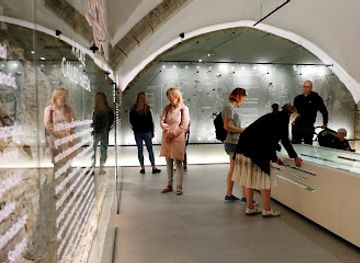
Haapsalu Episcopal Castle is Lääne County’s most recognisable historic landmark, its fortified walls and cathedral complex expressing the medieval importance of the Bishopric of Ösel-Wiek. The town’s wooden spa villas and long waterfront promenade form a contrasting nineteenth-century landscape, shaped by the rise of therapeutic sea-mud treatment. In Lihula, the castle hill and ruins recall the settlement’s strategic role in medieval western Estonia. Vormsi’s St Olaf’s Church and the nearby cemetery are significant for the island’s long Swedish-speaking heritage; its circular limestone grave crosses are particularly distinctive. Matsalu Bay and the Kasari delta are landmarks of a different kind, representing the broad wetland landscapes for which western Estonia is known. The coastal village environments of Noarootsi and Nõva, with old roads, pine woods, meadows and shorelines, add cultural and geographical depth. These places are not merely scenic viewpoints: together they reveal the county’s changing relationship with medieval authority, Baltic trade, spa tourism, coastal settlement and nature conservation.
-
Park
Kadriorg Park
Experience the natural beauty and historical charm of Kadriorg Park in Tallinn, a serene escape perfect for nature lovers and cultural enthusiasts alike.
-
Historical landmark
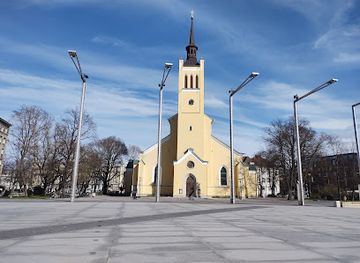
Freedom Square
Explore Freedom Square in Tallinn, a vibrant historical landmark filled with rich culture, stunning architecture, and a spirit of independence.
-
Historical landmark
Viru Gate
Experience the charm and history of Viru Gate, the iconic entrance to Tallinn's enchanting Old Town, a UNESCO World Heritage Site.
-
Historical landmark
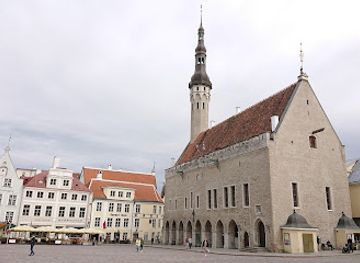
Tallinn Town Hall
Explore the enchanting Tallinn Town Hall, a medieval architectural marvel in Estonia's capital, rich in history and culture.


Explore Lääne County on the map
Plan your trip on one map. See where the top cities, national parks and sights are, and book hotels and experiences in a few clicks.
Best hotels in Lääne County
Best restaurants in Lääne County
Dining in Lääne County reflects western Estonia’s coastal geography and its small-town character. Haapsalu has the broadest choice, ranging from cafés and bakeries to contemporary restaurants, traditional-style eateries and relaxed waterfront dining. Menus commonly draw on Estonian staples such as dark bread, potatoes, dairy products, seasonal berries, mushrooms and locally available fish, while smoked or preserved foods remain familiar in rural and coastal settings. Around Matsalu, Noarootsi and Vormsi, advance planning is sensible because restaurants and cafés are fewer and opening patterns may follow the season. Farm shops, market stalls and small producers are useful places to look for local honey, preserves, baked goods and other regional products. The county’s historic inns and village cafés provide a more informal experience than Haapsalu’s restaurant scene, and menus can change according to local supply. Estonian beer, berry drinks and coffee are widely available, while alcohol is not central to every meal or social occasion.
-
Restaurant
Restaurant Rataskaevu 16
Discover authentic Estonian flavors at Restaurant Rataskaevu 16 in Tallinn - a culinary gem blending tradition with modernity.
-
Museum
Haapsalu Castle
Discover the enchanting Haapsalu Castle: a medieval fortress steeped in history amidst stunning landscapes.
-
Restaurant
NOA Restaurant
Experience exquisite Estonian cuisine at NOA Restaurant in Tallinn with breathtaking sea views and exceptional service.
-
Restaurant
Old Estonia Restaurant
Experience authentic Estonian cuisine at Old Estonia Restaurant – where tradition meets flavor in the heart of Tallinn.


Best bars in Lääne County
Lääne County’s evening life is concentrated in Haapsalu rather than spread across the rural districts. The town offers traditional pubs, hotel bars, cafés that stay open into the evening and occasional live music or cultural programming, with the liveliest periods generally coinciding with summer visitors and major events. Historic inns and spa-town establishments provide a quieter alternative to clubbing, while restaurants and waterfront venues are suited to a relaxed evening. On Vormsi, in Noarootsi and around Matsalu, nightlife is limited and usually centres on a local pub, seasonal event or the social life of a guesthouse rather than dedicated nightclubs. Visitors should expect earlier closing and fewer late-night transport options outside Haapsalu. Checking current arrangements locally is important, since rural and island businesses can operate seasonally.
-
Restaurant
Wiigi Kohvik
Experience the charm of Haapsalu at Wiigi Kohvik, where local flavors meet a cozy atmosphere.
-
Restaurant
Talumehe kõrts
Savor authentic Estonian cuisine in the heart of Haapsalu at Talumehe kõrts, where flavors and warmth come together in a cozy setting.
-
Pub
Taksi Pubi
Experience the vibrant atmosphere and local flavors at Taksi Pubi, a charming pub in the coastal town of Haapsalu, Estonia.
-
Bar
Laterna baar
Discover Laterna Baar in Haapsalu: A perfect blend of local cuisine and vibrant bar atmosphere for an unforgettable dining experience.


Best nightclubs in Lääne County
Lääne County’s evening life is concentrated in Haapsalu rather than spread across the rural districts. The town offers traditional pubs, hotel bars, cafés that stay open into the evening and occasional live music or cultural programming, with the liveliest periods generally coinciding with summer visitors and major events. Historic inns and spa-town establishments provide a quieter alternative to clubbing, while restaurants and waterfront venues are suited to a relaxed evening. On Vormsi, in Noarootsi and around Matsalu, nightlife is limited and usually centres on a local pub, seasonal event or the social life of a guesthouse rather than dedicated nightclubs. Visitors should expect earlier closing and fewer late-night transport options outside Haapsalu. Checking current arrangements locally is important, since rural and island businesses can operate seasonally.
-
Museum
Haapsalu Castle
Discover the rich history and stunning architecture of Haapsalu Castle, a medieval treasure on Estonia's picturesque coast.
-
Bar
Laterna baar
Discover Laterna Baar in Haapsalu, where local flavors meet a vibrant atmosphere for an unforgettable dining experience.
-
Night club
MJClub
Experience Tallinn's vibrant nightlife at MJClub, a premier night club offering electrifying music and an unforgettable atmosphere.
-
Night club
Club Hollywood
Unleash your night at Club Hollywood, Tallinn’s premier destination for an unforgettable nightlife experience with electrifying beats and vibrant crowds.


Best shops in Lääne County
Haapsalu is the county’s main shopping centre, with a modest selection of independent shops, cafés, galleries, craft outlets and everyday services concentrated around the old town and central streets. Visitors may find locally made textiles, ceramics, woodwork, jewellery, books and design items, as well as products associated with Estonia more broadly. The town’s spa identity also supports interest in bath, wellness and natural-product goods, though offerings vary between retailers. Rural Lääne County is better suited to buying food than fashion: farm shops, seasonal stalls and small producers may offer honey, preserves, baked goods, berries and other local produce. Markets and cultural events can provide opportunities to meet makers and purchase practical souvenirs, but dates and locations change. Vormsi, Noarootsi and Matsalu have fewer permanent shops, so gather provisions in Haapsalu or another larger settlement before heading into remote coastal areas. Independent businesses may have limited hours outside the main visitor season.
-
Museum
Haapsalu Castle
Discover the allure of Haapsalu Castle in Estonia, a historical gem offering stunning architecture, captivating stories, and breathtaking coastal views.
-
Supermarket
Rannarootsi Selver
Discover Rannarootsi Selver, where local flavors and international products meet in the heart of Uuemõisa, Estonia.
-
Department store
Haapsalu Kaubamaja
Experience the vibrant shopping atmosphere at Haapsalu Kaubamaja, your go-to destination for local crafts, fashion, and delicious Estonian treats.
-
Rail museum
Railway and Communications Museum
Discover the rich history of Estonia's railways at the Railway and Communications Museum, showcasing vintage trains and interactive exhibits for all ages.


Get your free copy of our complete guide to Lääne County, delivered straight to you.
Everything on this page, from attractions and restaurants to essentials and local phrases, in one PDF you can read offline, print or share.
Already have an account? Sign in
Your Lääne County guide is ready.
We'll send it to · Not you? Sign out

Getting your guide ready…
We are putting together a fresh copy of the Lääne County guide. This can take up to a minute.
This can take a few moments. If your browser asks, choose Allow so the download can start. You'll find the guide in your Downloads folder.
Nothing happened? Download it again
Sorry, the guide is taking longer than usual. Please try again in a minute, or get it by email instead.
Lääne County essentials
Currency and Payment
Safety
Emergency Situations
Do's and Don'ts
Local Tips
From Eve
Local phrases worth knowing
You don't need to get them perfect. A few words go a long way, and locals appreciate the effort.
Basics
| English | Local | Say it |
|---|---|---|
| Hello | Tere | [Teh-reh] |
| Goodbye | Head aega | [Hed ah-eh-gah] |
| Yes | Jah | [Yah] |
| No | Ei | [Ay] |
| Please/You're welcome | Palun | [Pah-loon] |
| Thank you | Aitäh | [Eye-tah] |
| Excuse me/Sorry | Vabandust | [Vah-bahn-doost] |
| How are you? | Kuidas sul on? | [Koo-dahs sool on?] |
| Fine. And you? | Hea. Ja sina? | [Hay-ah. Yah see-nah?] |
| Do you speak English? | Kas sa räägid inglise keelt? | [Kahs sah rah-eed een-glee-seh kaylt?] |
| I don't understand | Ma ei saa aru | [Mah ay zah ah-roo] |
Eating & Drinking
| English | Local | Say it |
|---|---|---|
| I'd like to see the menu, please | Tahaksin menüüd näha, palun | [Tah-ahk-sin meh-nuh-yood nah-hah, pah-loon] |
| I don't eat meat | Ma ei söö liha | [Mah ay suh-lie-hah] |
| Cheers! | Terviseks! | [Tehr-vee-seks] |
| I would like to pay, please | Tahaksin maksta, palun | [Tah-ahk-sin mahk-stah, pah-loon] |
Emergencies
| English | Local | Say it |
|---|---|---|
| Help! | Aita! | [Eye-tah] |
| Go away! | Mine ära! | [Min-eh eh-rah] |
| Call the Police! | Kutsu politsei! | [Koot-soo poh-liht-sei] |
| Call a doctor! | Kutsu arst! | [Koot-soo arst] |
| I'm lost | Ma olen kadunud | [Mah oh-len kah-doo-nud] |
| I'm ill | Ma olen haige | [Mah oh-len high-geh] |
Shopping
| English | Local | Say it |
|---|---|---|
| I'd like to buy... | Tahaksin osta... | [Tah-ahk-sin oh-stah] |
| I'm just looking | Ma lihtsalt vaatan | [Mah leess-tahlt vah-tahn] |
| How much is it? | Kui palju see maksab? | [Koo-ee pah-lyu seh mak-sahb?] |
| That's too expensive | See on liiga kallis | [Seh on lee-gah kah-lis] |
| Can you lower the price? | Kas sa saad hinda langetada? | [Kahs sah sahd hin-dah lan-get-ah-dah] |
Time & Numbers
| English | Local | Say it |
|---|---|---|
| What time is it? | Mis kell on? | [Mees kehl on?] |
| It's one o'clock | Kell on üks | [Kehl on uks] |
| Half past (10) | Kell on pool (10) | [Kehl on pool (10)] |
| Morning | Hommik | [Hom-mik] |
| Afternoon | Päev | [Pah-ev] |
| Evening | Õhtu | [Uht-oo] |
| Yesterday | Eile | [Ay-leh] |
| Today | Täna | [Tay-nah] |
| Tomorrow | Homme | [Hom-meh] |
| 1 | Üks | [Uks] |
| 2 | Kaks | [Kahks] |
| 3 | Kolm | [Kohlm] |
| 4 | Neli | [Neh-lee] |
| 5 | Viis | [Veese] |
| 6 | Kuus | [Koos] |
| 7 | Seitsme | [Sayts-meh] |
| 8 | Kaheksa | [Kah-hehk-sah] |
| 9 | Üheksa | [Uhehk-sah] |
| 10 | Kümme | [Kum-meh] |
Transport & Directions
| English | Local | Say it |
|---|---|---|
| Where's a/the...? | Kus on...? | [Koos on...?] |
| What's the address? | Mis on aadress? | [Mees on ah-dress?] |
| Can you show me (on the map)? | Kas sa saad mulle näidata (kaardil)? | [Kahs sah sahd moo-leh nai-dah-tah (kahr-deel)?] |
| When's the next (bus)? | Millal on järgmine (buss)? | [Mil-lahl on yahrg-meh-neh (boos)?] |
| A ticket (to ....) | Pilet (....-le) | [Pee-let (....-leh)] |
History of Lääne County
Early Coastal Settlement and Maritime Networks
The shores and islands of present-day Lääne County have been inhabited since prehistoric times, with settlement shaped by fishing, seal hunting, farming and access to the Väinameri waterways. Coastal communities used bays, river mouths and small islands as seasonal and trading locations. Archaeological remains and traditional landscapes indicate long interaction between people and shallow-water ecosystems. The region’s position between mainland Estonia and the islands made it a maritime corridor rather than an isolated periphery, linking local communities with wider networks across the eastern Baltic.
The Bishopric of Ösel-Wiek and Medieval Haapsalu
During the thirteenth century, western Estonia was incorporated into the political and religious structures established after the Northern Crusades. Haapsalu became an important centre of the Bishopric of Ösel-Wiek, whose territory covered much of western Estonia and the islands of Saaremaa and Muhu. Haapsalu Episcopal Castle developed as a fortified residence and cathedral complex, while Lihula also held major strategic importance in the bishopric’s mainland territories. The surviving masonry, street pattern and ecclesiastical ruins preserve the influence of this medieval power.
Swedish Coastal Communities
From the late medieval period until the upheavals of the eighteenth century, Swedish-speaking communities lived in parts of western Estonia and on islands including Vormsi and Noarootsi. Their settlements had distinctive village layouts, land-use customs and religious traditions, while contacts with Estonian-speaking neighbours were continuous. War, plague, economic change and the transfer of Estonia to Russian rule altered these communities considerably. The heritage remains visible in bilingual place-name traditions, church landscapes, cemeteries and the characteristic wheel-shaped grave crosses preserved on Vormsi.
Imperial Rule and the Rise of Haapsalu as a Resort
After Estonia came under Russian imperial rule in the eighteenth century, Haapsalu grew in importance as a regional port and administrative town. In the nineteenth century, physicians and visitors increasingly valued the therapeutic properties of local sea mud, and Haapsalu developed as a resort for spa treatment. Wooden villas, promenades and bathing facilities transformed the town’s appearance. Improved links with Tallinn and the wider imperial transport network brought visitors and investment, establishing the seaside identity that still distinguishes Haapsalu within western Estonia.
National Awakening and the Estonian Republic
The late nineteenth and early twentieth centuries saw the spread of Estonian-language education, publishing and national political activity across the region. Haapsalu became a centre for civic and cultural life, while rural parishes and coastal villages retained strong local identities. Following Estonia’s independence in 1918, the county’s economy continued to depend on agriculture, fishing, ports and seasonal tourism. The period also strengthened the cultural value later attached to local architecture, coastal heritage and the memory of communities displaced or disrupted by war.
War, Occupation and Soviet Transformation
Lääne County experienced the successive occupations and military upheavals that affected Estonia during the Second World War. The German occupation was followed by the return of Soviet rule in 1944, bringing political repression, collectivisation and the reorganisation of rural life. Coastal access became subject to military and border controls, limiting everyday connections with islands and shorelines. Industrial and agricultural planning changed the landscape, while many families were affected by deportation, mobilisation and migration. The Soviet period remains an important part of local memory and built heritage.
Environmental Protection and Contemporary Renewal
Growing recognition of western Estonia’s wetlands, coastal meadows and bird habitats led to stronger conservation measures in the second half of the twentieth century. Matsalu was designated a nature reserve in 1957 and later became a national park, reflecting its international importance for migratory birds. Since the restoration of Estonian independence in 1991, Haapsalu has renewed its role as a cultural and spa town, while Vormsi and other coastal areas have developed heritage and nature tourism. Conservation, rural life and low-impact travel now form a significant part of the county’s identity.
Lääne County in Photos
Browse through our photo collection highlighting the charm and character of the destination.
Neighbouring regions of Lääne County
The closest regions to Lääne County, if you have time for more than one.
-
-

-

-

-


Swipe for more regions
Explore more

Explore more of Estonia
Discover Estonia: A perfect blend of medieval charm, modern innovation, and natural beauty in the heart of Northern Europe.
Explore Estonia