

Free Kärdla Travel Guide & Mobile App
Plan your Kärdla trip with Evendo. Get free guides to top attractions, restaurants, hotels, and bars. Web access or download the mobile app.


Kärdla, Estonia’s quiet Hiiumaa capital, blends island history, coastal walks, forested parks, local museums, Baltic Sea culture and nature trails.
Island Character and Coastal Setting
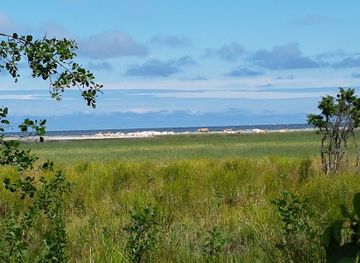
Kärdla is the small administrative and cultural centre of Hiiumaa, Estonia’s second-largest island, set among pine forests, coastal meadows and the open waters of the Baltic Sea. Its scale is part of its appeal: the town is compact enough to explore on foot or by bicycle, yet it offers museums, historic streets, a sandy beach and a useful introduction to island life. Kärdla’s landscape is shaped by the sea, with low wooded shores, glacial stones and a relaxed rhythm that differs from mainland Estonia’s larger towns.Read more about Kärdla
Industrial Heritage and Local History
Walks, Parks and Island Culture
When is the best time to visit Kärdla?
Best: June–August · 19–23°C| Month | High (°C) | Rainfall (mm) |
|---|---|---|
| January | 0 | 35 |
| February | 0 | 30 |
| March | 1 | 25 |
| April | 8 | 20 |
| May | 13 | 15 |
| June (best) | 19 | 10 |
| July (best) | 23 | 10 |
| August (best) | 22 | 15 |
| September | 17 | 20 |
| October | 11 | 25 |
| November | 5 | 30 |
| December | 2 | 35 |
Getting to and around Kärdla
How to get there
Transportation
Best attractions in Kärdla
Kärdla’s principal attractions are small in scale but closely connected with Hiiumaa’s island identity. The Hiiumaa Museum in Pikk Maja introduces local maritime life, household traditions and the history of the Kärdla cloth factory, while the historic building itself provides a sense of the town’s nineteenth-century development. Kärdla’s central park and tree-lined streets are pleasant for an unhurried walk, with the compact townscape giving way to paths towards Kärdla beach and the Baltic shore. The beach is valued more for its quiet coastal setting, pine trees and open air than for extensive resort facilities. Visitors interested in local life can also look for seasonal markets, craft events and cultural programmes in the town centre. Kärdla is a practical starting point for exploring Hiiumaa beyond the town, including its lighthouses, coastal villages and nature landscapes, although these are separate island excursions rather than attractions within Kärdla itself.
-
Museum
Hiiumaa Muuseumi Pikk Maja
Uncover the fascinating history of Hiiumaa Island at the Pikk Maja, a captivating museum showcasing local heritage and culture.
14 min walk · 1.1 km from city centre
-
Tourist attraction
Arteesiakaevud
Explore the Artesian Wells of Kärdla, a serene escape into nature's beauty on Hiiumaa Island, offering tranquility and stunning vistas.
14 min walk · 1.1 km from city centre
-
Tourist attraction
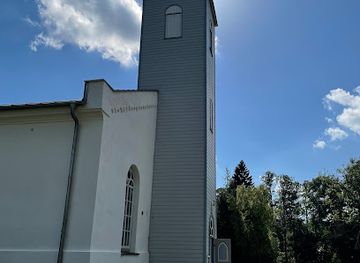
Kärdla church
Explore Kärdla Church, a serene blend of history and spirituality in Hiiu County, perfect for peaceful reflection and cultural immersion.
12 min walk · 0.9 km from city centre
-
Park
Kärdla Town Square
Experience the vibrant heart of Kärdla at the charming Town Square, where local culture meets serene beauty in Hiiu County.
5 min walk · 0.4 km from city centre

Best landmarks in Kärdla
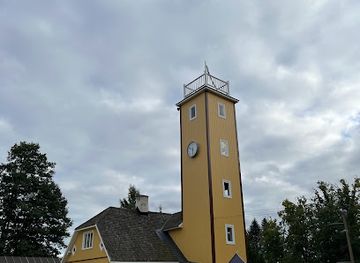
Pikk Maja is Kärdla’s most important historical building, a nineteenth-century structure associated with the former cloth factory and now home to the Hiiumaa Museum. Its significance lies in the way it connects the town’s built environment with the industrial enterprise that transformed a small settlement into Hiiumaa’s main centre. The Kärdla church, an Evangelical Lutheran church completed in the nineteenth century, reflects the religious and civic development of the growing community and remains a prominent feature of the townscape. Kärdla’s central park and surrounding streets are landmarks of a different kind: together they preserve the spacious, green character of the factory settlement. Near the coast, Kärdla beach provides a natural reference point, linking the town to the sea that has shaped Hiiumaa’s economy, travel routes and cultural identity.
-
Marina
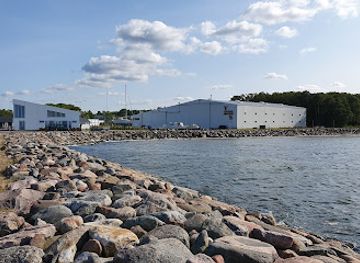
Kärdla sadam
Explore Kärdla Harbor in Hiiu County, Estonia - a scenic marina perfect for relaxation, adventure, and a taste of local maritime culture.
5 min drive · 1.6 km from city centre
-
Coffee shop
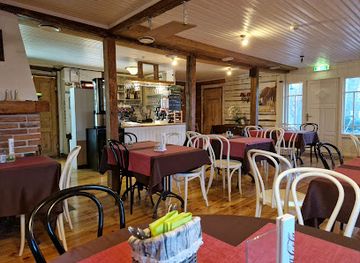
Cafe Gahwa
Discover the cozy charm of Cafe Gahwa in Kärdla, where aromatic coffee and delicious snacks await you in a friendly atmosphere.
5 min walk · 0.4 km from city centre
-
 Hotel
HotelPadu hotel
Discover the charm of Padu Hotel in Hiiu County, where comfort meets local flavor in a serene Estonian retreat.
8 min walk · 0.7 km from city centre
-
Restaurant
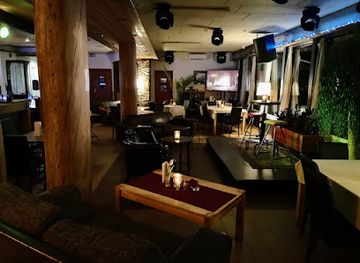
Šampanjabaar ja restoran Kork
Discover Šampanjabaar ja Restoran Kork: A perfect fusion of gourmet dining and lively bar culture in Kärdla, Hiiu County, Estonia.
5 min drive · 1.6 km from city centre
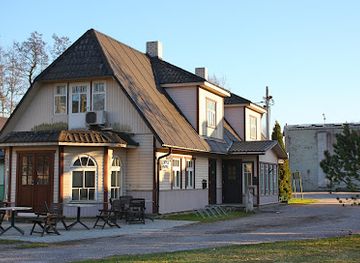
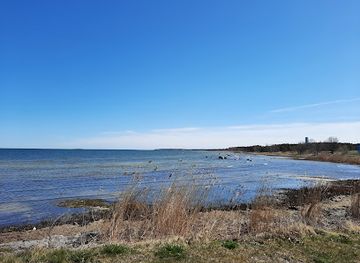
Explore Kärdla on the map
Plan your Kärdla trip on one map. See where the top attractions, landmarks, restaurants, bars and hotels are, find what's near where you're staying, and book hotels and experiences in a few clicks.
Best hotels in Kärdla
Best restaurants in Kärdla
Kärdla’s dining scene reflects the modest scale of an Estonian island town, with cafés, casual eateries and seasonal venues rather than a dense restaurant quarter. Menus commonly draw on Estonian home cooking, Baltic ingredients and the island’s maritime setting, with fish, potatoes, rye bread, dairy products, berries and mushrooms appearing in different forms. Local produce and preserves are particularly relevant in summer, when markets and small food events become more active. Cafés are useful places to try cakes, pastries and coffee alongside simple savoury dishes, while accommodation providers and farm businesses around Hiiumaa may offer more traditional island cooking by arrangement. Kärdla’s food culture is best understood through the relationship between town businesses, surrounding farms, fishermen and seasonal visitors, with opening patterns often changing outside the main travel period.
-
Restaurant
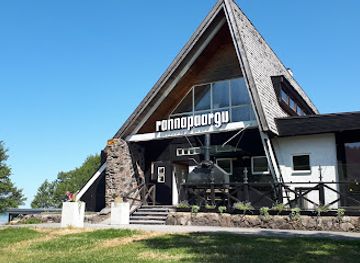
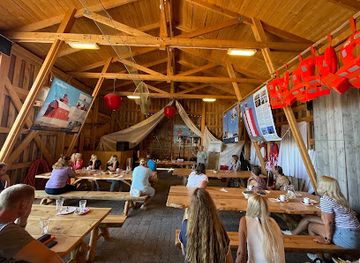
Rannapaargu restaurant
Discover delightful Estonian cuisine at Rannapaargu Restaurant in Kärdla - a perfect blend of tradition and modernity awaits you.
17 min walk · 1.4 km from city centre
-
Restaurant
Mamma Mia Pizzeria Italiana & Guesthouse
Discover authentic Italian cuisine at Mamma Mia Pizzeria Italiana & Guesthouse in Kärdla, where every dish tells a delicious story.
5 min walk · 0.4 km from city centre
-
Grocery store
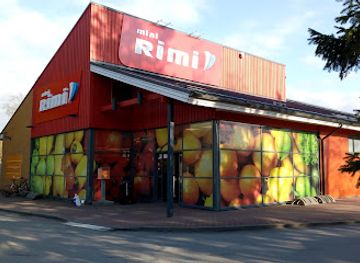
Kärdla Rimi mini
Discover local flavors at Kärdla Rimi Mini - your go-to grocery store and pizza takeaway in Hiiu County.
11 min walk · 0.9 km from city centre
-
Restaurant
Roograhu restaurant
Experience the flavors of Hiiu County at Roograhu Restaurant – where fresh ingredients meet culinary creativity in an inviting atmosphere.
12 min drive · 4.0 km from city centre
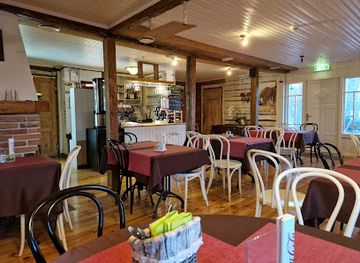
Best bars in Kärdla
Kärdla has a restrained evening scene suited to relaxed socialising rather than club-focused nightlife. Visitors are more likely to find a pub, café or restaurant serving as an evening meeting place than a concentration of cocktail bars and nightclubs. During summer, cultural events, concerts, community festivals and island celebrations can bring additional activity to the town, while local venues may host music or performances on selected dates. The surrounding island also has a strong connection with folk culture, seasonal gatherings and outdoor evenings, although organised entertainment is spread across Hiiumaa rather than concentrated in Kärdla. Because the town is small and many businesses operate seasonally, evening choices can be limited outside summer; checking current local listings is more reliable than expecting a fixed nightlife district.
-
Bar
Rannapaargu restaurant
Experience the flavors of Hiiu County at Rannapaargu, a cozy bar and restaurant offering local delicacies in a welcoming atmosphere.
17 min walk · 1.4 km from city centre
-
Restaurant
Mamma Mia Pizzeria Italiana & Guesthouse
Experience the heart of Italy at Mamma Mia Pizzeria Italiana & Guesthouse in Kärdla, where delicious cuisine meets warm hospitality.
5 min walk · 0.4 km from city centre
-
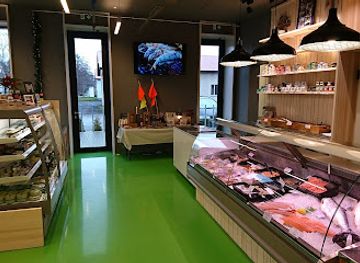
Fish store
Stonefish
Experience the freshest seafood at Stonefish in Kärdla, where local catches meet sustainable practices for a unique culinary adventure.
4 min walk · 0.3 km from city centre
-
Restaurant
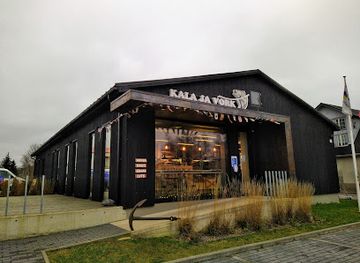
Cafe Gahwa
Discover the charm of Café Gahwa in Kärdla, where delicious coffee meets a cozy atmosphere, perfect for relaxation and enjoyment.
5 min walk · 0.4 km from city centre
Best nightclubs in Kärdla
Kärdla has a restrained evening scene suited to relaxed socialising rather than club-focused nightlife. Visitors are more likely to find a pub, café or restaurant serving as an evening meeting place than a concentration of cocktail bars and nightclubs. During summer, cultural events, concerts, community festivals and island celebrations can bring additional activity to the town, while local venues may host music or performances on selected dates. The surrounding island also has a strong connection with folk culture, seasonal gatherings and outdoor evenings, although organised entertainment is spread across Hiiumaa rather than concentrated in Kärdla. Because the town is small and many businesses operate seasonally, evening choices can be limited outside summer; checking current local listings is more reliable than expecting a fixed nightlife district.
-
Restaurant
Mamma Mia Pizzeria Italiana & Guesthouse
Discover authentic Italian cuisine and cozy lodging at Mamma Mia Pizzeria Italiana & Guesthouse in Kärdla, a perfect blend of taste and comfort.
5 min walk · 0.4 km from city centre
-
Hotel
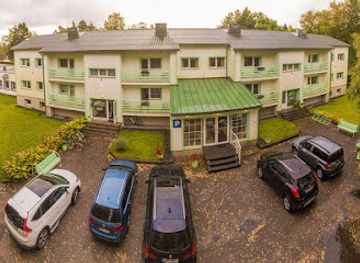
Padu hotel
Discover the charm of Hiiu County at Padu Hotel, where comfort meets adventure in the heart of Kärdla.
8 min walk · 0.7 km from city centre
-
Bar
Hotell Sõnajala
Experience the charm of Hotell Sõnajala in Kärdla, where comfort meets local culture in the heart of Hiiu County.
18 min walk · 1.5 km from city centre
-
Restaurant
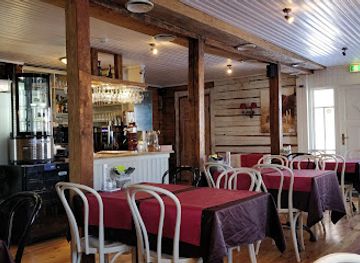
Hiiumaa Pruulikoja Resto
Experience the flavors of Hiiumaa at Hiiumaa Pruulikoja Resto, a cozy restaurant serving local cuisine and craft beers in Kärdla.
9 min walk · 0.7 km from city centre
Best shops in Kärdla
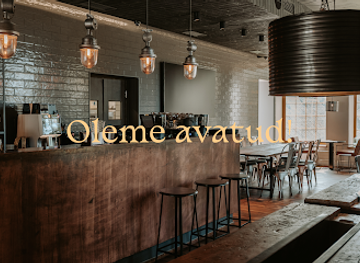
Shopping in Kärdla is practical and locally oriented, with everyday shops, small businesses, seasonal market activity and opportunities to buy island-made products rather than a large commercial district. The town centre is the main place to look for groceries, crafts, books, clothing and locally produced food, while markets and cultural events may bring together makers selling textiles, wooden objects, preserves, baked goods and other Estonian island products. Visitors exploring Hiiumaa can also encounter farm-gate produce and workshops outside Kärdla, though opening arrangements vary. Local souvenirs are most meaningful when they reflect the island’s maritime setting, natural materials and craft traditions rather than generic imports. Because Kärdla’s retail scene is seasonal and compact, checking local information is useful when looking for a particular product or market day.
-
Supermarket
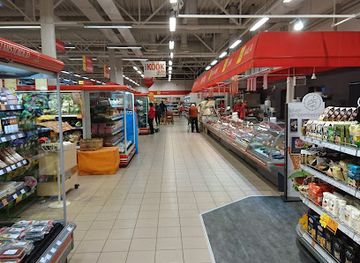
Hiiumaa Selver
Experience the flavors of Hiiumaa at Hiiumaa Selver, your ultimate supermarket for local groceries and unique Estonian delicacies.
12 min walk · 1.0 km from city centre
-
Supermarket
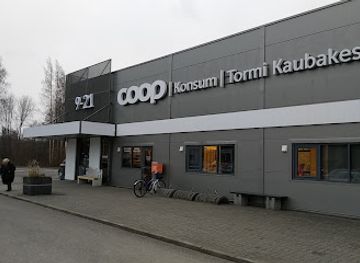
Tormi Konsum
Explore the flavors of Estonia at Tormi Konsum, a vibrant supermarket in Kärdla, perfect for both locals and tourists alike.
7 min walk · 0.5 km from city centre
-
Department store
Hiiumaa Kaubamaja
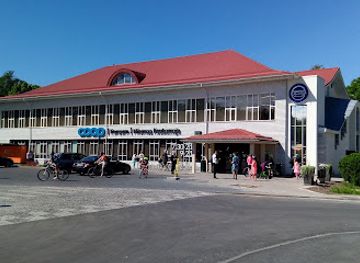
Explore Hiiumaa Kaubamaja in Kärdla for a delightful shopping experience featuring local goods, groceries, and unique souvenirs on your visit to Estonia.
6 min walk · 0.5 km from city centre
-
Fish store
Stonefish
Explore the exceptional seafood selection and fishing supplies at Stonefish, Kärdla's premier fish store, blending fresh flavors with local fishing culture.
4 min walk · 0.3 km from city centre
Get your free copy of our complete guide to Kärdla, delivered straight to you.
Everything on this page, from attractions and restaurants to essentials and local phrases, in one PDF you can read offline, print or share.
Already have an account? Sign in
Your Kärdla guide is ready.
We'll send it to · Not you? Sign out

Getting your guide ready…
We are putting together a fresh copy of the Kärdla guide. This can take up to a minute.
This can take a few moments. If your browser asks, choose Allow so the download can start. You'll find the guide in your Downloads folder.
Nothing happened? Download it again
Sorry, the guide is taking longer than usual. Please try again in a minute, or get it by email instead.
Kärdla essentials
Currency and Payment
Safety
Emergency Situations
Do's and Don'ts
Local Tips
From Eve
Local phrases worth knowing
You don't need to get them perfect. A few words go a long way, and locals appreciate the effort.
Basics
| English | Local | Say it |
|---|---|---|
| Hello | Tere | [teh-reh] |
| Goodbye | Head aega | [hed ah-gah] |
| Yes | Jah | [yah] |
| No | Ei | [ay] |
| Please/You're welcome | Palun | [pah-loon] |
| Thank you | Aitäh | [eye-tah] |
| Excuse me/Sorry | Vabandage | [vah-bahn-dah-geh] |
| How are you? | Kuidas sul läheb? | [kwee-dahs sool lah-heb] |
| Fine. And you? | Hästi. Ja sina? | [hah-stee yah see-nah] |
| Do you speak English? | Kas te räägite inglise keelt? | [kahs teh rah-ghee-teh eeng-lee-seh kehlt] |
| I don't understand | Ma ei saa aru | [mah ay sah ah-roo] |
Eating & Drinking
| English | Local | Say it |
|---|---|---|
| I'd like to see the menu, please | Ma sooviksin menüüd näha, palun | [mah soh-vik-seen meh-noo-d nah-hah pah-loon] |
| I don't eat meat | Ma ei söö liha | [mah ay suh l-ee-hah] |
| Cheers! | Terviseks! | [tehr-vee-seks] |
| I would like to pay, please | Ma sooviksin maksta, palun | [mah soh-vik-seen mahk-stah pah-loon] |
Emergencies
| English | Local | Say it |
|---|---|---|
| Help! | Appi! | [ahp-pee] |
| Go away! | Minge ära! | [ming-eh ah-rah] |
| Call the Police! | Kutsuge politsei! | [koot-soo-geh poh-lee-tsai] |
| Call a doctor! | Kutsuge arst! | [koot-soo-geh ah-rst] |
| I'm lost | Ma olen eksinud | [mah oh-lehn ehk-see-nood] |
| I'm ill | Mul on halb olla | [mool ohn hahlb ohl-lah] |
Shopping
| English | Local | Say it |
|---|---|---|
| I'd like to buy... | Ma tahaksin osta... | [mah tah-hah-ksin oh-stah] |
| I'm just looking | Ma lihtsalt vaatan | [mah leekh-tsalt vah-tahn] |
| How much is it? | Kui palju see maksab? | [kwee pahl-yoo seh mahk-sahb] |
| That's too expensive | See on liiga kallis | [seh ohn lee-gah kahl-lees] |
| Can you lower the price? | Kas saate hinda alandada? | [kahs sah-teh hin-dah ah-lahn-dah-dah] |
Time & Numbers
| English | Local | Say it |
|---|---|---|
| What time is it? | Mis kell on? | [mees kehl ohn] |
| It's one o'clock | On üks | [ohn yks] |
| Half past (10) | Pool (10) | [pool (d-ehks-tee)] |
| Morning | Hommik | [hoh-mihk] |
| Afternoon | Pärastlõuna | [pah-rahs-tloh-nah] |
| Evening | Õhtu | [ohk-too] |
| Yesterday | Eile | [ay-leh] |
| Today | Täna | [tah-nah] |
| Tomorrow | Homme | [hohm-meh] |
| 1 | Üks | [yks] |
| 2 | Kaks | [kahks] |
| 3 | Kolm | [kohlm] |
| 4 | Neli | [neh-lee] |
| 5 | Viis | [vees] |
| 6 | Kuus | [koos] |
| 7 | Seitse | [sayt-seh] |
| 8 | Kaheksa | [kah-hehk-sah] |
| 9 | Üheksa | [yehk-sah] |
| 10 | Kümme | [koom-meh] |
Transport & Directions
| English | Local | Say it |
|---|---|---|
| Where's a/the...? | Kus on ...? | [koos ohn] |
| What's the address? | Mis on aadress? | [mees ohn ah-ah-dress] |
| Can you show me (on the map)? | Kas saate mulle näidata (kaardil)? | [kahs sah-teh mul-leh nah-ee-tah (kah-rdil)] |
| When's the next (bus)? | Millal on järgmine (buss)? | [mee-lahl ohn yairg-mee-neh (boos)] |
| A ticket (to ....) | Pilet (....) | [pee-leht] |
History of Kärdla
Early Settlement on Hiiumaa
Hiiumaa has been inhabited since prehistoric times, with archaeological evidence recording settlement, fishing and seafaring across the island. The area around present-day Kärdla developed within a wider coastal environment of forests, meadows and small farming communities. Kärdla’s name is first recorded in the sixteenth century, when the settlement was associated with Swedish-speaking communities living on Hiiumaa. These rural and maritime traditions shaped the island’s culture for centuries, while its position in the Baltic placed it within changing networks of trade, administration and military influence.
Swedish and Baltic German Influences
During the early modern period, Hiiumaa was governed through the shifting political structures of Estonia and the wider Baltic region. Swedish settlement left a lasting mark on the island before the area came under the influence of the Baltic German nobility and, later, the Russian Empire. Kärdla remained a relatively small village during this period, surrounded by estates, farms and coastal communities. The island’s distance from major mainland centres helped preserve distinctive local customs, while maritime connections continued to link Hiiumaa with nearby islands and the mainland.
The Kärdla Cloth Factory
Kärdla’s transformation into an industrial settlement began when the Kärdla woollen cloth factory was established in the nineteenth century, with production starting in the early 1830s. The enterprise introduced factory employment and drew workers to the town, creating housing, administrative buildings and a more organised urban structure. Its importance extended beyond manufacturing: the factory helped make Kärdla the island’s principal settlement and influenced local social life. The Hiiumaa Museum’s Pikk Maja preserves part of this story, presenting the people, working life and material culture connected with the factory era.
War, Occupation and Disruption
The twentieth century brought profound changes to Hiiumaa and Kärdla. Estonia became independent in 1918, but the Second World War and the occupations that followed altered political institutions, property ownership and everyday life. The cloth factory’s long period of operation came to an end during the upheavals of the Second World War. Soviet rule subsequently placed Hiiumaa within a tightly controlled border region, affecting travel, settlement and access to the coast. These decades left a complex legacy of adaptation, restricted movement and changing economic priorities.
Kärdla in Independent Estonia
Estonia restored its independence in 1991, opening Hiiumaa more fully to the mainland and the wider Baltic region. Kärdla continued to serve as Hiiumaa’s administrative centre, while tourism, small enterprise, cultural events and nature-based travel became increasingly important to the local economy. The town’s identity today combines memories of the factory settlement, island traditions and a renewed relationship with the sea. Historic buildings, museum collections and the surrounding landscape provide visible links between Kärdla’s industrial past and its contemporary role as a gateway to Hiiumaa.
Travel experiences inspired by this city


Swipe for more travel diaries
Kärdla in Photos
Browse through our photo collection highlighting the charm and character of the destination.
Cities near Kärdla
The closest cities to Kärdla, if you have time for more than one stop.
-

-

-

-

-


Swipe for more cities
Explore more

Explore more of Estonia
Discover Estonia: A perfect blend of medieval charm, modern innovation, and natural beauty in the heart of Northern Europe.
Explore Estonia