

Free Estonian Islands Travel Guide & Mobile App
Explore Estonian Islands with free travel guides. Discover regional history, expert tips, proposed trips, and audio guides on web or mobile app.


Explore Estonia’s islands for medieval castles, lighthouses, juniper shores, quiet beaches, village traditions and Baltic Sea landscapes.
Read more about Estonian Islands
When is the best time to visit Estonian Islands?
Best: June–August · 21–23°C| Month | High (°C) | Rainfall (mm) |
|---|---|---|
| January | 1 | 41 |
| February | 1 | 35 |
| March | 5 | 40 |
| April | 11 | 45 |
| May | 17 | 50 |
| June (best) | 21 | 60 |
| July (best) | 23 | 70 |
| August (best) | 22 | 70 |
| September | 17 | 60 |
| October | 12 | 50 |
| November | 6 | 45 |
| December | 2 | 40 |
Getting to and around Estonian Islands
How to get there
Transportation
Top city travel guides in Estonian Islands
The cities of Estonian Islands, and the easiest places to base yourself.
-

-

-


Swipe for more cities
Destinations in Estonian Islands
Resorts, valleys and scenic spots worth a trip of their own.
-

-

-
-

-


Swipe for more destinations
Best attractions in Estonian Islands
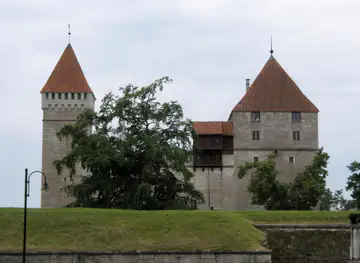
The Estonian Islands offer a broad mixture of heritage, coastline and outdoor experiences. Saaremaa combines Kuressaare Castle and the museums and cafés of Kuressaare with the Kaali meteorite crater, Angla’s traditional windmills, Panga cliff, Sõrve Peninsula and quiet western beaches. Muhu is rewarding for its stone villages, rural lanes and the church at Liiva, while Hiiumaa is shaped by pine forests, wetlands, beaches and lighthouses including Kõpu and Tahkuna. Vormsi appeals through village landscapes, coastal walking and its distinctive Swedish heritage; Kihnu offers living maritime and craft traditions; and Ruhnu provides a particularly remote island setting. Birdwatching is important around bays, reed beds and coastal meadows, with migratory seasons bringing added interest. Cycling, walking, photography, boating and nature observation are more central to the island experience than large-scale entertainment, although Kuressaare provides museums, spas and cultural venues for wetter days.
-
Tourist attraction
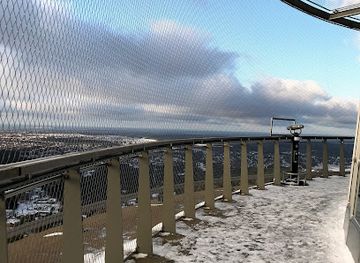
Tallinn TV Tower
Discover the breathtaking views and rich history at Tallinn TV Tower, Estonia's tallest landmark offering a unique glimpse into the past and present.
-
History museum
Kuressaare linnus
Discover the rich history and breathtaking architecture of Kuressaare Castle, a medieval fortress on Saaremaa Island, Estonia.
-
Tourist attraction
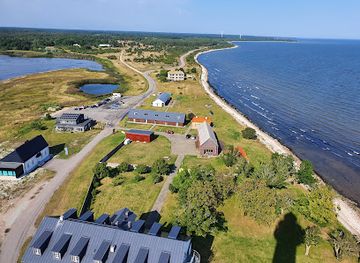
Sõrve Lighthouse
Explore the stunning Sõrve Lighthouse at Estonia's western coast, a historic gem with breathtaking views and rich maritime heritage.
-
Tourist attraction
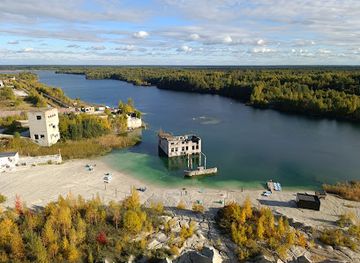
RUMMU
Explore Rummu: a stunning blend of nature and history in Estonia's scenic landscapes, featuring a beautiful former limestone quarry and prison site.
Best landmarks in Estonian Islands
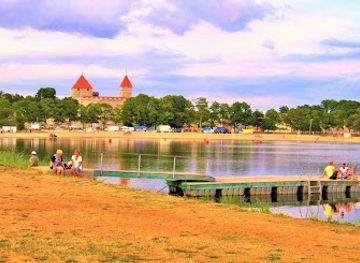
Kuressaare Castle is the defining architectural landmark of the islands: its unusually well-preserved medieval bishop’s castle presents a powerful outline beside the town’s park and harbour. Saaremaa’s other notable markers include the Kaali crater, created by a meteorite impact, the limestone escarpment at Panga and the slender Sõrve lighthouse at the island’s southern tip. On Hiiumaa, Kõpu Lighthouse has guided Baltic shipping for centuries and stands within a forested landscape, while Tahkuna Lighthouse and nearby wartime remains add a more exposed northern dimension. Muhu’s St Catherine’s Church at Liiva is an important medieval ecclesiastical monument, and Vormsi’s St Olaf’s Church and surrounding old cemetery reflect the island’s former Swedish-speaking community. Traditional windmills at Angla and the weathered stone villages of Muhu and Saaremaa are equally significant as symbols of the islands’ agricultural heritage.
-
Park
Kadriorg Park
Experience the beauty and tranquility of Kadriorg Park, a historical gem in Tallinn with stunning gardens, museums, and serene walking paths.
-
Historical landmark
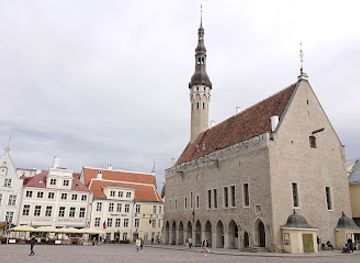
Tallinn Town Hall
Explore the architectural beauty and historical significance of Tallinn Town Hall, a must-visit landmark in Estonia's vibrant capital.
-
Tourist attraction
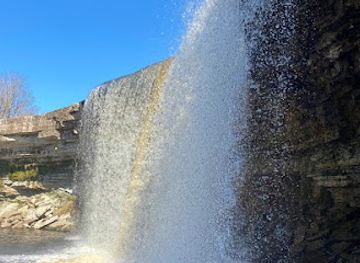
Jägala waterfall
Experience the breathtaking beauty of Jägala Waterfall, Estonia's largest waterfall, surrounded by serene nature and scenic walking paths.
-
Scenic spot
Keila waterfall
Discover the enchanting beauty of Keila Waterfall, a stunning natural attraction in Harju County, perfect for nature lovers and adventure seekers.

Explore Estonian Islands on the map
Plan your trip on one map. See where the top cities, national parks and sights are, and book hotels and experiences in a few clicks.
Best hotels in Estonian Islands
Best restaurants in Estonian Islands
Island dining draws on Estonia’s northern coastal pantry: rye bread, dairy products, potatoes, pork, smoked or marinated fish, mushrooms, berries and preserves. Saaremaa is the easiest place to find a range of restaurants, from contemporary kitchens in Kuressaare to cafés, pubs and seasonal establishments in smaller settlements. Local beer and juniper are recurring island flavours, while home-style baking and farm produce appear in markets, guesthouses and village cafés. Muhu and Hiiumaa are well suited to agricultural and seafood-based eating, though opening patterns outside the main towns can be seasonal. On Kihnu, Vormsi and Ruhnu, food services are limited and should not be assumed to operate throughout the day. Farmers’ stalls and small producers may offer smoked fish, bread, honey, preserves or handicrafts, but availability depends on season and weather.
-
Restaurant
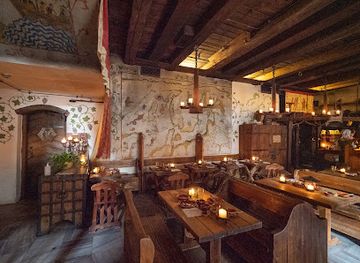
Restoran Olde Hansa
Discover medieval flavors at Restoran Olde Hansa - where history meets gastronomy in the heart of Tallinn.
-
Restaurant
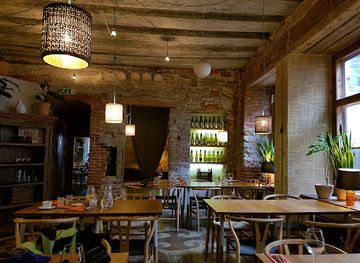
Restaurant Rataskaevu 16
Discover authentic Estonian flavors at Restaurant Rataskaevu 16 in Tallinn's picturesque Old Town - an unforgettable culinary journey awaits!
-
Restaurant
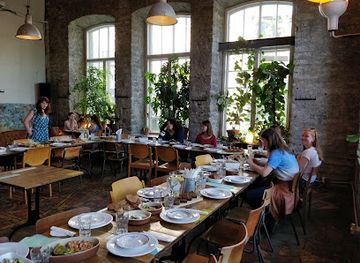
Restaurant F-Hoone
Discover the culinary excellence at Restaurant F-Hoone in Tallinn's creative hub with diverse dishes and a lively atmosphere.
-
Restaurant
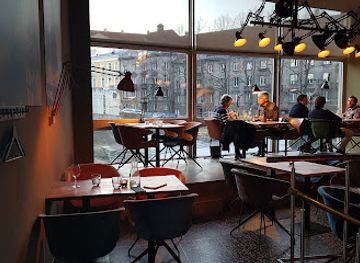
Restaurant Pegasus
Experience the essence of Estonian cuisine at Restaurant Pegasus, where traditional flavors meet modern dining in the heart of Tallinn.
Best bars in Estonian Islands
Nightlife across the islands is modest and concentrated in Kuressaare, with its pubs, hotel bars, restaurants and occasional live-music or cultural programmes. The town’s evening scene is suited to dinner, conversation and seasonal events rather than a large club circuit. Elsewhere, traditional pubs, guesthouse dining rooms and community venues provide the main opportunities for an evening out, particularly in Hiiumaa and Saaremaa’s larger villages. Smaller islands such as Vormsi, Kihnu and Ruhnu are generally quiet after ferry arrivals and daytime activities, with local gatherings and seasonal events more significant than permanent nightlife. Visitors should check current arrangements rather than expect late opening hours, and can also enjoy the islands’ dark skies and coastal evenings without making drinking the focus of the trip.
-
Pub
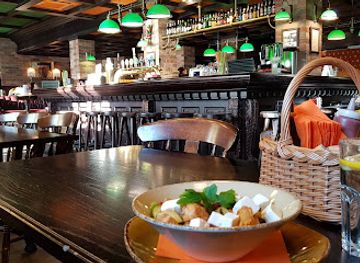
Sweet Rosie Irish Pub
Experience the warmth of Irish hospitality at Sweet Rosie Irish Pub in Pärnu - a perfect spot for food, drinks, and live music.
-
Bar
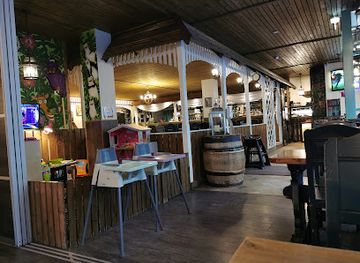
Nikolai Lehtla
Discover Nikolai Lehtla in Pärnu, a vibrant bar offering a unique ambiance and a delightful selection of drinks that embody local culture.
-
Irish pub
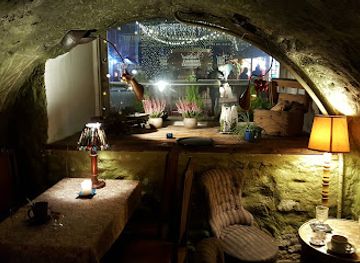
Irish Pub Mad Murphy's
Discover the vibrant atmosphere and authentic taste of Ireland at Mad Murphy's Irish Pub in Tallinn, where every visit feels like a celebration.
-
Bar
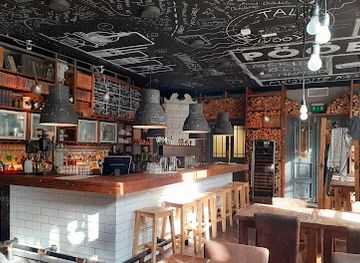
Pööbel
Discover the vibrant atmosphere of Pööbel, a premier bar in Tallinn offering a diverse drink selection and a lively ambiance perfect for all occasions.
Best nightclubs in Estonian Islands
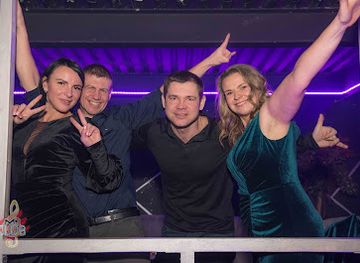
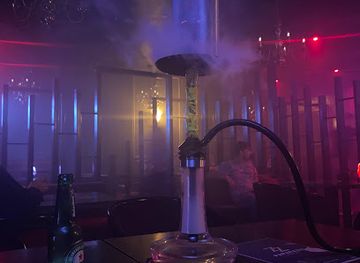
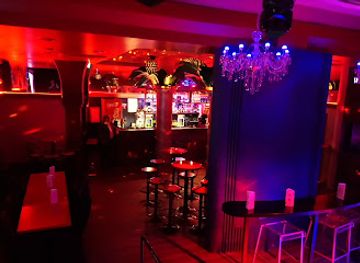
Nightlife across the islands is modest and concentrated in Kuressaare, with its pubs, hotel bars, restaurants and occasional live-music or cultural programmes. The town’s evening scene is suited to dinner, conversation and seasonal events rather than a large club circuit. Elsewhere, traditional pubs, guesthouse dining rooms and community venues provide the main opportunities for an evening out, particularly in Hiiumaa and Saaremaa’s larger villages. Smaller islands such as Vormsi, Kihnu and Ruhnu are generally quiet after ferry arrivals and daytime activities, with local gatherings and seasonal events more significant than permanent nightlife. Visitors should check current arrangements rather than expect late opening hours, and can also enjoy the islands’ dark skies and coastal evenings without making drinking the focus of the trip.
-
Night club
MJClub
Experience the vibrant nightlife at MJClub in Tallinn, where electrifying music and great company create unforgettable memories.
-
Night club
Paparazzi
Experience the vibrant nightlife of Tallinn at Paparazzi, the city's premier night club with electrifying music, dancing, and a lively atmosphere.
-
Night club
Lokaal Kassa
Dive into Pärnu's nightlife at Lokaal Kassa, the ultimate destination for dance, music, and unforgettable nights.
-
Night club
Venus Club
Discover the electrifying atmosphere of Venus Club, Tallinn's premier night club, where great music and vibrant nightlife await.

Best shops in Estonian Islands
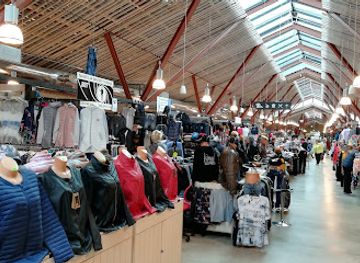
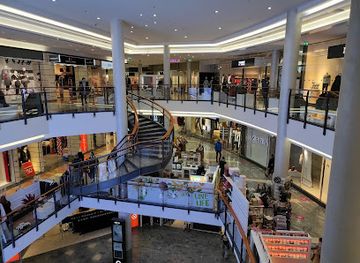
Shopping is largely local and practical rather than metropolitan. Kuressaare has the islands’ broadest selection of supermarkets, independent shops, galleries and craft outlets, while Kärdla serves as Hiiumaa’s main retail centre. Market stalls and farm shops may offer rye bread, honey, preserves, smoked fish, berries and other seasonal produce, although availability varies. Look for island-made woollens, woven textiles, knitted garments, carved wood, ceramics and small souvenirs drawing on Saaremaa, Muhu, Kihnu or Hiiumaa patterns. Muhu is particularly associated with distinctive textile and embroidery traditions, while Kihnu’s craft heritage remains an important part of its cultural identity. Rural shops can have limited hours, so buy provisions before heading to remote coasts or smaller islands. Antique and second-hand finds are more likely in village and market settings than in dedicated luxury boutiques.
-
Shopping mall
Ülemiste Centre
Experience the ultimate shopping destination at Ülemiste Centre, Tallinn's largest mall with endless retail and dining options.
-
Market
Balti Jaama Turg
Discover the heart of Tallinn at Balti Jaama Turg, a vibrant market offering local flavors, unique crafts, and a taste of Estonian culture.
-
Shopping mall
Viru Keskus
Discover Viru Keskus, Tallinn's premier shopping mall with a wide range of stores, dining options, and vibrant atmosphere for an unforgettable shopping experience.
-
Shopping mall
Kristiine center
Explore Kristiine Center, Tallinn's ultimate shopping mall with diverse shops, dining, and entertainment options for an unforgettable experience.


Get your free copy of our complete guide to Estonian Islands, delivered straight to you.
Everything on this page, from attractions and restaurants to essentials and local phrases, in one PDF you can read offline, print or share.
Already have an account? Sign in
Your Estonian Islands guide is ready.
We'll send it to · Not you? Sign out

Getting your guide ready…
We are putting together a fresh copy of the Estonian Islands guide. This can take up to a minute.
This can take a few moments. If your browser asks, choose Allow so the download can start. You'll find the guide in your Downloads folder.
Nothing happened? Download it again
Sorry, the guide is taking longer than usual. Please try again in a minute, or get it by email instead.
Estonian Islands essentials
Currency and Payment
Safety
Emergency Situations
Do's and Don'ts
Local Tips
From Eve
Local phrases worth knowing
You don't need to get them perfect. A few words go a long way, and locals appreciate the effort.
Basics
| English | Local | Say it |
|---|---|---|
| Hello | Tere | [te-re] |
| Goodbye | Head aega | [head ai-ka] |
| Yes | Jah | [yah] |
| No | Ei | [ay] |
| Please/You're welcome | Palun | [pa-lun] |
| Thank you | Aitäh | [ai-tah] |
| Excuse me/Sorry | Vabandust | [va-ban-dust] |
| How are you? | Kuidas sul läheb? | [kwee-das sool leh-hab] |
| Fine. And you? | Hästi. Ja sina? | [hes-ti. ya si-na] |
| Do you speak English? | Kas sa räägid inglise keelt? | [kas sa ray-gid ing-li-se kelt] |
| I don't understand | Ma ei saa aru | [ma ay zah ah-roo] |
Eating & Drinking
| English | Local | Say it |
|---|---|---|
| I'd like to see the menu, please | Ma tahaksin näha menüüd, palun | [ma tah-k sin nah-ha me-nood, pa-lun] |
| I don't eat meat | Ma ei söö liha | [ma ay suh lee-ha] |
| Cheers! | Terviseks! | [ter-vee-seks] |
| I would like to pay, please | Ma tahaksin maksta, palun | [ma tah-k sin mak-sta, pa-lun] |
Emergencies
| English | Local | Say it |
|---|---|---|
| Help! | Aita! | [ai-ta] |
| Go away! | Mine ära! | [mee-ne a-ra] |
| Call the Police! | Kutsu politsei! | [koot-so po-li-tsei] |
| Call a doctor! | Kutsu arst! | [koot-so arst] |
| I'm lost | Ma olen eksinud | [ma o-len eks-i-nud] |
| I'm ill | Ma olen haige | [ma o-len hai-ge] |
Shopping
| English | Local | Say it |
|---|---|---|
| I'd like to buy... | Ma tahaksin osta... | [ma tah-k sin os-ta] |
| I'm just looking | Ma lihtsalt vaatan | [ma lis-talt va-tan] |
| How much is it? | Kui palju see maksab? | [kwee pal-yu se mak-sab] |
| That's too expensive | See on liiga kallis | [se on lee-ga kal-lis] |
| Can you lower the price? | Kas sa saad hinda alandada? | [kas sa saad hin-da a-lan-da-da] |
Time & Numbers
| English | Local | Say it |
|---|---|---|
| What time is it? | Mis kell on? | [mis kel on] |
| It's one o'clock | Kell on üks | [kel on uks] |
| Half past (10) | Pool (10) | [pool (10)] |
| Morning | Hommik | [hom-mik] |
| Afternoon | Päev | [päev] |
| Evening | Õhtu | [uh-tu] |
| Yesterday | Eile | [ei-le] |
| Today | Täna | [ta-na] |
| Tomorrow | Homme | [hom-me] |
| 1 | Üks | [uks] |
| 2 | Kaks | [kaks] |
| 3 | Kolm | [kolm] |
| 4 | Neli | [ne-li] |
| 5 | Viis | [viis] |
| 6 | Kuus | [kuus] |
| 7 | Seitsme | [sei-ts-me] |
| 8 | Kaheksa | [ka-hek-sa] |
| 9 | Üheksa | [ü-heks-a] |
| 10 | Kümme | [kyum-me] |
Transport & Directions
| English | Local | Say it |
|---|---|---|
| Where's a/the...? | Kus on...? | [kus on] |
| What's the address? | Mis on aadress? | [mis on aa-dress] |
| Can you show me (on the map)? | Kas sa saad näidata (kaardil)? | [kas sa saad nai-da-ta (kaar-dil)] |
| When's the next (bus)? | Millal tuleb järgmine (buss)? | [mil-lal tu-leb järg-mi-ne] |
| A ticket (to ....) | Pilet (.... juurde) | [pi-let (.... yoor-de)] |
History of Estonian Islands
Early Settlement and Island Maritime Culture
The islands have been inhabited since prehistoric times, with communities taking advantage of fishing grounds, seal hunting, farming and access to Baltic trade routes. Land uplift has altered the coastline over centuries, leaving former bays and changing the relationship between villages and the sea. Archaeological finds, burial sites and ancient field systems indicate long-established settlement on Saaremaa, Muhu and Hiiumaa. Maritime contact also brought the islands into wider networks linking the eastern Baltic with Scandinavia and the mainland of present-day Estonia.
Medieval Saaremaa and the Bishopric of Ösel-Wiek
During the thirteenth century, the islands were drawn into the crusading and political structures that transformed much of Estonia. Saaremaa became an important part of the medieval Bishopric of Ösel-Wiek, while secular and ecclesiastical powers competed for control of the Baltic coast. Kuressaare Castle developed as a fortified administrative and religious centre, and stone churches appeared in island parishes. Kuressaare’s castle, village churches and surviving medieval layouts remain among the clearest physical reminders of this period.
Danish, Swedish and Russian Rule
Control of the islands shifted between regional powers during the late medieval and early modern periods. Saaremaa was under Danish influence before passing to Sweden in the sixteenth century, and the islands were incorporated into the Russian Empire after the Great Northern War in the early eighteenth century. These transitions affected landholding, military organisation, church life and trade. Manor houses, Lutheran churches, estate landscapes and administrative traditions reflect the overlapping legacies of German-speaking Baltic elites, Swedish rule and later imperial government.
Farming, Fishing and Island Trade
For centuries, island livelihoods combined small-scale agriculture with fishing, seafaring, livestock keeping and seasonal work. Limestone, timber and agricultural produce supported local building and exchange, while coastal communities maintained links with mainland Estonia and other Baltic shores. The islands’ distinctive farmsteads, stone fences, windmills and village churches developed within this largely rural economy. Muhu and Saaremaa are especially notable for surviving examples of traditional architecture and landscape patterns, while maritime skills remained important on Hiiumaa, Kihnu, Vormsi and Ruhnu.
War, Occupation and Military Frontiers in the Twentieth Century
The islands were strategically important during the two world wars because of their position at the entrance to the Gulf of Riga and along Baltic sea routes. Saaremaa and neighbouring islands experienced military operations, occupation and disruption during the Second World War. After Estonia was incorporated into the Soviet Union, parts of the coast became restricted military zones, limiting movement and changing local economies. Coastal batteries, observation structures and other remnants survive in several places, although many installations have deteriorated or been reclaimed by vegetation.
Restored Independence and Island Renewal
Estonia regained independence in 1991, bringing major changes to travel, land ownership, local enterprise and access to the coast. Tourism developed around Kuressaare, the islands’ natural landscapes, heritage buildings and distinctive cultural events, while ferry links and roads improved. At the same time, island communities have faced familiar challenges of seasonal employment, population decline and limited services. Contemporary island life therefore combines restored historic sites and growing visitor infrastructure with active farming, fishing, craft production and efforts to preserve local traditions.
Estonian Islands in Photos
Browse through our photo collection highlighting the charm and character of the destination.
Neighbouring regions of Estonian Islands
The closest regions to Estonian Islands, if you have time for more than one.
-

-

-

-

-


Swipe for more regions
Explore more

Explore more of Estonia
Discover Estonia: A perfect blend of medieval charm, modern innovation, and natural beauty in the heart of Northern Europe.
Explore Estonia