

Free Saaremaa Travel Guide & Mobile App
Explore Saaremaa with free travel guides. Discover regional history, expert tips, proposed trips, and audio guides on web or mobile app.


Discover Saaremaa, Estonia's largest island, where medieval castles, lush nature, and rich cultural traditions create an unforgettable travel experience.
Read more about Saaremaa
When is the best time to visit Saaremaa?
Best: June–August · 19–22°C| Month | High (°C) | Rainfall (mm) |
|---|---|---|
| January | 1 | 35 |
| February | 1 | 30 |
| March | 5 | 35 |
| April | 9 | 35 |
| May | 15 | 45 |
| June (best) | 19 | 50 |
| July (best) | 22 | 55 |
| August (best) | 21 | 60 |
| September | 17 | 55 |
| October | 12 | 50 |
| November | 7 | 45 |
| December | 3 | 40 |
Getting to and around Saaremaa
How to get there
Transportation
Top city travel guides in Saaremaa
The cities of Saaremaa, and the easiest places to base yourself.

Swipe for more cities
Destinations in Saaremaa
Resorts, valleys and scenic spots worth a trip of their own.
-
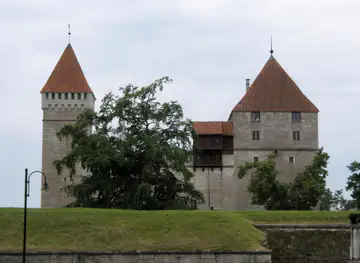
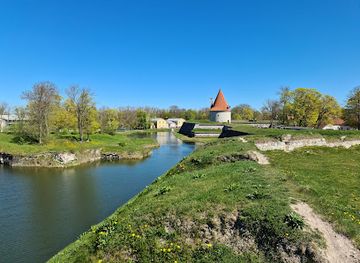
 Kuressaare Castle
Discover the medieval wonders of Kuressaare Castle in Estonia, a timeless fortress offering rich history, stunning views, and enchanting gardens on the island of Saaremaa.
Kuressaare Castle
Discover the medieval wonders of Kuressaare Castle in Estonia, a timeless fortress offering rich history, stunning views, and enchanting gardens on the island of Saaremaa.
-
 Saaremaa Island
Discover Saaremaa Island: Estonia's largest island, known for its scenic landscapes, historic sites, and tranquil ambiance, perfect for a relaxing and enriching getaway.
Saaremaa Island
Discover Saaremaa Island: Estonia's largest island, known for its scenic landscapes, historic sites, and tranquil ambiance, perfect for a relaxing and enriching getaway.
-
 Hiiumaa Island
Discover Hiiumaa Island: Estonia's serene escape with lush forests, sandy beaches, historic sites, and fresh seafood, perfect for nature lovers and adventure seekers.
Hiiumaa Island
Discover Hiiumaa Island: Estonia's serene escape with lush forests, sandy beaches, historic sites, and fresh seafood, perfect for nature lovers and adventure seekers.
-
 Panga Cliff
Discover Panga Cliff: Estonia's breathtaking limestone cliff offering panoramic views, rich biodiversity, and a touch of ancient mystique on Saaremaa Island.
Panga Cliff
Discover Panga Cliff: Estonia's breathtaking limestone cliff offering panoramic views, rich biodiversity, and a touch of ancient mystique on Saaremaa Island.
Swipe for more destinations
Best attractions in Saaremaa
Saaremaa, Estonia's largest island, is a treasure trove of natural beauty and historical wonders waiting to be explored. Visitors can marvel at the grandeur of Kuressaare Castle, a well-preserved medieval fortress that now houses a fascinating museum. The island's unique limestone cliffs and serene beaches, such as those at Järve and Mändjala, offer breathtaking vistas and perfect spots for relaxation. Nature enthusiasts will delight in the island's diverse flora and fauna, best experienced in the Vilsandi National Park, where birdwatching and coastal trails abound. Saaremaa's rich cultural tapestry is evident in its charming villages, where traditional windmills and ancient churches like the Karja Church stand as testaments to the island's storied past. Adding to the allure are the mystical Kaali meteorite craters, a geological wonder that sparks the imagination. With its blend of history, nature, and culture, Saaremaa promises an enchanting journey for all who visit.
-
History museum
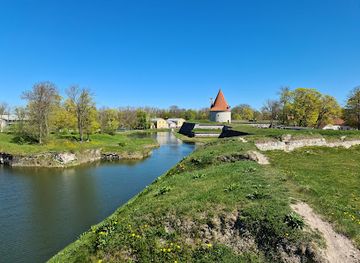
Kuressaare linnus
Discover the history and beauty of Kuressaare Castle, a stunning medieval fortress and history museum in the heart of Estonia's Saaremaa Island.
-
Tourist attraction
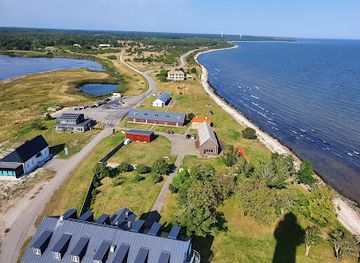
Sõrve Lighthouse
Discover the stunning Sõrve Lighthouse, a beacon of maritime heritage and natural beauty on Estonia's picturesque western shore.
-
Tourist attraction
Panga Cliff
Discover the breathtaking beauty of Panga Cliff, a stunning natural attraction in Estonia's Saare County, perfect for photographers and nature lovers.
-
Restaurant
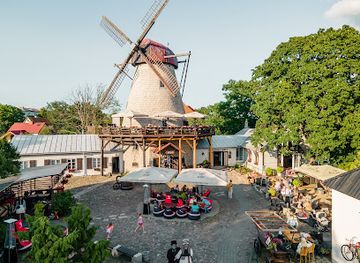
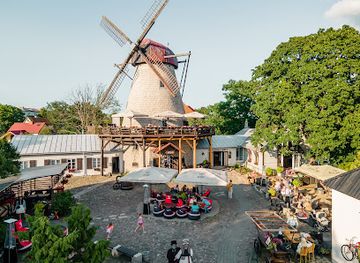
Saaremaa Veski
Explore the flavors of Saaremaa at Saaremaa Veski, a historic restaurant blending tradition with culinary artistry in Kuressaare.

Best landmarks in Saaremaa
Saaremaa, Estonia's largest island, is a treasure trove of captivating landmarks that beckon visitors with their unique charm and historical significance. Kuressaare Castle, a well-preserved medieval fortress, offers a fascinating glimpse into the island's storied past, while the enchanting Kaali meteorite crater, one of Europe's rare meteorite impact sites, evokes a sense of ancient mystery. The serene Angla Windmill Hill, with its traditional wooden windmills, provides a picturesque view into Estonia's rural heritage. Visitors can also explore the Panga Cliff, where breathtaking views of the Baltic Sea create an unforgettable natural spectacle. The captivating Mihkli Farm Museum showcases traditional Saaremaa farm life, while the serene Vilsandi National Park, Europe's oldest nature reserve, invites nature lovers to discover its diverse flora and fauna. Each landmark on Saaremaa promises a unique and enriching experience, making the island a must-visit destination for history buffs and nature enthusiasts alike.
-
Castle
Kuressaare linnus
Explore the breathtaking Kuressaare Castle, a historical gem on Saaremaa Island, where medieval architecture meets rich Estonian history.
-
Tourist attraction
Sõrve Lighthouse
Explore Sõrve Lighthouse: Estonia's iconic beacon offering stunning sea views and rich maritime history at the southern tip of Sõrve Peninsula.
-
Restaurant
Saaremaa Veski
Discover Saaremaa Veski in Kuressaare, where history meets delicious Estonian cuisine in a charming and inviting atmosphere.
-
Tourist attraction
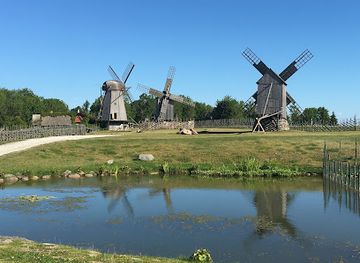
Angla Windmill Park
Explore the scenic beauty and historical significance of Angla Windmill Park in Saare County, a perfect blend of culture and nature.

Explore Saaremaa on the map
Plan your trip on one map. See where the top cities, national parks and sights are, and book hotels and experiences in a few clicks.
Best hotels in Saaremaa
Best restaurants in Saaremaa
Saaremaa's dining scene is a vibrant tapestry that intertwines rustic Estonian traditions with modern culinary innovations. Visitors can expect to indulge in a variety of locally-sourced dishes, from freshly caught Baltic herring and smoked fish to wild mushroom soups and hearty rye bread, often enhanced with herbs and berries foraged from the island's forests. The island's medieval roots shine through in the ambiance of its quaint taverns and elegant manor houses, while chic coastal cafes offer panoramic sea views and contemporary fare. Seasonal festivals celebrate local produce, offering an immersive experience into Saaremaa's rich gastronomic heritage. Whether it's a farmhouse dinner or a fine dining experience, the island's restaurants promise a delightful journey for the palate.
-
Restaurant
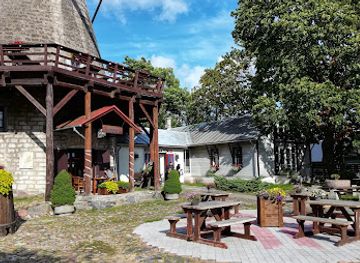
Saaremaa Veski
Discover the perfect blend of exquisite cuisine and rich history at Saaremaa Veski in Kuressaare.
-
 Hotel
HotelGOSPA / Georg Ots Spa Hotel
Discover tranquility at GOSPA / Georg Ots Spa Hotel in Kuressaare – where luxury meets nature for an unforgettable getaway.
-
Italian
Castello Restoran Pizzeria
Experience authentic Italian cuisine at Castello Restoran Pizzeria in Kuressaare - where every dish tells a story.
-
Hotel
Johan Spa Hotell
Discover ultimate relaxation at Johan Spa Hotell in Kuressaare - where luxury meets tranquility amidst stunning natural beauty.
Best bars in Saaremaa
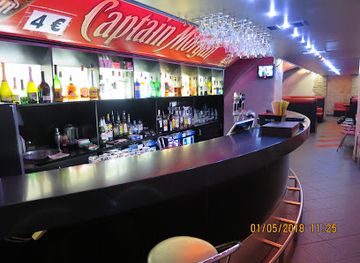
Saaremaa's nightlife scene is a hidden gem waiting to be discovered, offering a blend of modernity and tradition that captivates every visitor. In the charming town of Kuressaare, the island's vibrant heart, you'll find an array of lively bars, cozy pubs, and chic nightclubs that cater to all tastes. Picture yourself sipping on handcrafted cocktails at a stylish rooftop bar with panoramic views of Kuressaare Castle, or enjoying live music in a rustic tavern where local bands play folk tunes that make the night come alive. For those seeking a more laid-back evening, numerous cafes and lounges provide a relaxed atmosphere perfect for unwinding with a glass of Estonian craft beer or a fine wine. Whether you're a night owl looking for a dance floor to let loose on, or someone who enjoys a more intimate setting with great conversation and ambiance, Saaremaa's nightlife promises an unforgettable experience that blends the island's rich history with contemporary flair.
-
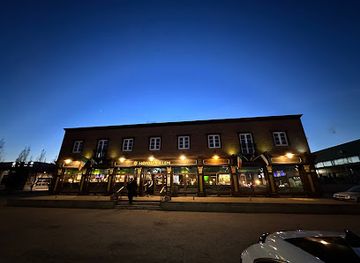
Pub
Mönus Villem
Discover the inviting Mönus Villem pub in Kuressaare, where delicious food, local brews, and a friendly atmosphere await you.
-
Restaurant
Saaremaa Veski
Experience the rich flavors and history at Saaremaa Veski, a charming restaurant in Kuressaare, celebrating Estonian cuisine in a historic setting.
-
Italian
Castello Restoran Pizzeria
Experience the best of Italian cuisine at Castello Restoran Pizzeria in Kuressaare, where every dish is crafted with passion and tradition.
-
Hotel
Johan Spa Hotell
Experience luxury and relaxation at Johan Spa Hotell, where wellness meets elegance in the heart of Kuressaare.
Best nightclubs in Saaremaa
Saaremaa's nightlife scene is a hidden gem waiting to be discovered, offering a blend of modernity and tradition that captivates every visitor. In the charming town of Kuressaare, the island's vibrant heart, you'll find an array of lively bars, cozy pubs, and chic nightclubs that cater to all tastes. Picture yourself sipping on handcrafted cocktails at a stylish rooftop bar with panoramic views of Kuressaare Castle, or enjoying live music in a rustic tavern where local bands play folk tunes that make the night come alive. For those seeking a more laid-back evening, numerous cafes and lounges provide a relaxed atmosphere perfect for unwinding with a glass of Estonian craft beer or a fine wine. Whether you're a night owl looking for a dance floor to let loose on, or someone who enjoys a more intimate setting with great conversation and ambiance, Saaremaa's nightlife promises an unforgettable experience that blends the island's rich history with contemporary flair.
-
Pub
Mönus Villem
Discover the heart of Kuressaare at Mönus Villem, where local flavors meet a cozy pub atmosphere in a perfect blend of tradition and taste.
-
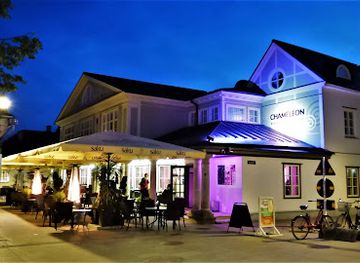
Lounge
Chameleon Lounge
Experience the vibrant ambiance of Chameleon Lounge in Kuressaare, where culinary delights and creative cocktails await every visitor.
-
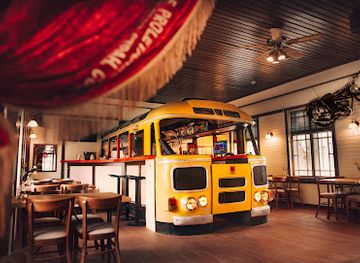
Gastropub
Kodulinna lokaal
Discover the vibrant flavors of Estonia at Kodulinna Lokaal, a charming gastropub in Kuressaare offering a diverse menu and a cozy atmosphere.
-
Pub
John Bull Pub
Experience the vibrant atmosphere and local flavors at John Bull Pub, a must-visit in the heart of Kuressaare.
Best shops in Saaremaa
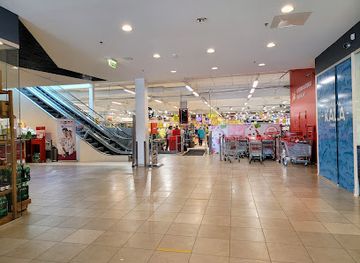
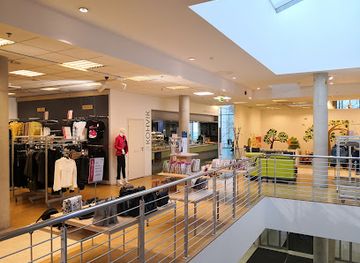
Saaremaa's shopping scene is a delightful blend of traditional craftsmanship and modern boutiques, offering visitors a unique retail experience. Wander through the charming streets of Kuressaare, the island's main town, where you will find an array of local shops selling everything from handcrafted woolen goods and exquisite Saaremaa ceramics to artisanal food products like smoked fish and juniper-flavored cheeses. Don't miss the vibrant markets where local vendors proudly display handmade jewelry, intricate woodwork, and natural cosmetics made from the island's unique resources. Whether you're looking for a special souvenir or a taste of local culture, Saaremaa's shopping opportunities are as enchanting as its landscapes.
-
Shopping mall
Auriga Kaubanduskeskus
Explore Auriga Kaubanduskeskus: Saare County's premier shopping destination with diverse stores, cozy cafes, and entertainment options for all.
-
Shopping mall
Saaremaa Kaubamaja
Explore Saaremaa Kaubamaja, a vibrant shopping mall in Kuressaare, offering local products, fashion, and delightful dining options for every tourist.
-
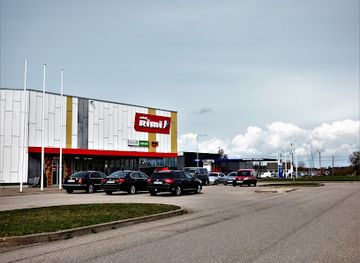
Grocery store
Kihelkonna Rimi mini
Shop local at Kihelkonna Rimi Mini, your go-to grocery store in Kuressaare for fresh produce and Estonian delicacies.
-
Building materials store
K-Rauta Kuressaare
Explore K-Rauta Kuressaare for all your building materials needs in Estonia, from construction supplies to DIY essentials.

Get your free copy of our complete guide to Saaremaa, delivered straight to you.
Everything on this page, from attractions and restaurants to essentials and local phrases, in one PDF you can read offline, print or share.
Already have an account? Sign in
Your Saaremaa guide is ready.
We'll send it to · Not you? Sign out

Getting your guide ready…
We are putting together a fresh copy of the Saaremaa guide. This can take up to a minute.
This can take a few moments. If your browser asks, choose Allow so the download can start. You'll find the guide in your Downloads folder.
Nothing happened? Download it again
Sorry, the guide is taking longer than usual. Please try again in a minute, or get it by email instead.
Saaremaa essentials
Currency and Payment
Safety
Emergency Situations
Do's and Don'ts
Local Tips
From Eve
Local phrases worth knowing
You don't need to get them perfect. A few words go a long way, and locals appreciate the effort.
Basics
| English | Local | Say it |
|---|---|---|
| Hello | Tere | [teh-reh] |
| Goodbye | Nägemist | [nah-ge-mist] |
| Yes | Jah | [yah] |
| No | Ei | [ay] |
| Please/You're welcome | Palun | [pah-loon] |
| Thank you | Aitäh | [eye-tah] |
| Excuse me/Sorry | Vabandust | [vah-bahn-doost] |
| How are you? | Kuidas sul läheb? | [koo-dahs sool leh-hab] |
| Fine. And you? | Hästi. Ja sina? | [hes-tee. yah see-nah] |
| Do you speak English? | Kas sa räägid inglise keelt? | [kahs sah rah-eed in-glee-seh kelt] |
| I don't understand | Ma ei saa aru | [mah ay zah ah-roo] |
Eating & Drinking
| English | Local | Say it |
|---|---|---|
| I'd like to see the menu, please | Tahaksin näha menüüd, palun | [tah-hah-ksin nah-hah meh-nood, pah-loon] |
| I don't eat meat | Ma ei söö liha | [mah ay suh-eh lee-hah] |
| Cheers! | Terviseks! | [ter-vee-seks] |
| I would like to pay, please | Tahaksin maksta, palun | [tah-hah-ksin mahks-tah, pah-loon] |
Emergencies
| English | Local | Say it |
|---|---|---|
| Help! | Aita! | [eye-tah] |
| Go away! | Mine ära! | [mee-neh eh-rah] |
| Call the Police! | Kutsu politsei! | [koot-soo poh-lee-tsei] |
| Call a doctor! | Kutsu arst! | [koot-soo arst] |
| I'm lost | Ma olen eksinud | [mah oh-len ex-ih-nud] |
| I'm ill | Ma olen haige | [mah oh-len hi-geh] |
Shopping
| English | Local | Say it |
|---|---|---|
| I'd like to buy... | Tahaksin osta... | [tah-hah-ksin oh-stah] |
| I'm just looking | Ma lihtsalt vaatan | [mah leese-elt vah-tahn] |
| How much is it? | Kui palju see maksab? | [koo-ee pah-loo seh mak-sahb] |
| That's too expensive | See on liiga kallis | [seh on lee-gah kah-lis] |
| Can you lower the price? | Kas sa saad hinda alandada? | [kahs sah zahd hin-dah ah-lahn-dah] |
Time & Numbers
| English | Local | Say it |
|---|---|---|
| What time is it? | Mis kell on? | [mis kel on] |
| It's one o'clock | Kell on üks | [kel on uks] |
| Half past (10) | Kell on pool (10) | [kel on pool (10)] |
| Morning | Hommik | [hom-mik] |
| Afternoon | Pärastlõuna | [pah-rahst-luh-nah] |
| Evening | Õhtu | [uh-thoo] |
| Yesterday | Eile | [ay-leh] |
| Today | Täna | [tah-nah] |
| Tomorrow | Homme | [hom-meh] |
| 1 | Üks | [uuks] |
| 2 | Kaks | [kahks] |
| 3 | Kolm | [kohlm] |
| 4 | Neli | [neh-lee] |
| 5 | Viis | [vees] |
| 6 | Kuus | [koos] |
| 7 | Seitsme | [say-tsmeh] |
| 8 | Kaheksa | [kah-heks-ah] |
| 9 | Üheksa | [u-heks-ah] |
| 10 | Kümme | [kuh-meh] |
Transport & Directions
| English | Local | Say it |
|---|---|---|
| Where's a/the...? | Kus on...? | [koos on] |
| What's the address? | Mis on aadress? | [mis on ah-dress] |
| Can you show me (on the map)? | Kas sa saad mulle näidata (kaardil)? | [kahs sah zahd moo-leh nah-ee-daht (kahr-dil)] |
| When's the next (bus)? | Millal on järgmine (buss)? | [mil-lahl on yahrg-meh-neh (boos)] |
| A ticket (to ....) | Pilet (....-le) | [pee-let (....-leh)] |
History of Saaremaa
Ancient Beginnings
Saaremaa has been inhabited since the Stone Age, with archaeological findings dating back to 5000 BCE. The island's early inhabitants were skilled in crafting tools and pottery, leaving behind a rich collection of artifacts that provide insight into their daily lives and culture.
Viking Era
During the Viking Age (800-1050 CE), Saaremaa was known as Eysysla and was a significant hub for seafaring warriors. The island's strategic location made it a prime spot for raids and trade routes. Several runestones and burial sites from this era have been discovered, indicating the presence of Viking settlements.
The Battle of Saaremaa
In 1227, the island was the site of a significant clash between the local Oeselians and the invading Livonian Brothers of the Sword. The Battle of Saaremaa ended with the Oeselians' defeat, leading to the Christianization and subjugation of the island under the Livonian Order.
Medieval Castle
The Kuressaare Castle, built in the late 14th century, is one of the best-preserved medieval fortifications in the Baltic region. Originally constructed by the Livonian Order, it served as a defensive stronghold and administrative center. Today, the castle houses the Saaremaa Museum, showcasing the island's rich history and culture.
Swedish and Russian Rule
In the 16th century, Saaremaa came under Swedish control, bringing about significant developments in infrastructure and education. However, following the Great Northern War, the island was ceded to the Russian Empire in 1721. The Russian period saw the establishment of manor estates and further growth in agriculture and trade.
World Wars and Independence
Saaremaa was heavily impacted by both World Wars. During World War I, it was occupied by German forces, and in World War II, it saw fierce battles between Soviet and German troops. The island finally became part of an independent Estonia in 1991 after the collapse of the Soviet Union.
Cultural Heritage
Saaremaa is rich in cultural traditions, including its unique dialect, folklore, and festivals. The island is known for its traditional Saaremaa wool, handicrafts, and local cuisine, such as the famous Saaremaa bread and smoked fish.
Natural Wonders
Apart from its historical significance, Saaremaa is celebrated for its natural beauty. The Kaali Meteorite Crater, one of the rarest meteorite craters in Europe, is a testament to the island’s geological history. The island also boasts numerous nature reserves, limestone cliffs, and pristine beaches.
Saaremaa in Photos
Browse through our photo collection highlighting the charm and character of the destination.
Neighbouring regions of Saaremaa
The closest regions to Saaremaa, if you have time for more than one.
-
 Saare County
Discover Saare County: Estonia's enchanting island paradise with medieval castles, stunning nature reserves, and vibrant cultural festivals.
Saare County
Discover Saare County: Estonia's enchanting island paradise with medieval castles, stunning nature reserves, and vibrant cultural festivals.
-
 Estonian Islands
Discover the untouched beauty and rich heritage of the Estonian Islands, where medieval castles, pristine beaches, and charming villages await your exploration.
Estonian Islands
Discover the untouched beauty and rich heritage of the Estonian Islands, where medieval castles, pristine beaches, and charming villages await your exploration.
-
 Hiiu County
Discover Hiiu County: Estonia's hidden gem with pristine nature, charming villages, and rich history, perfect for nature lovers, history buffs, and seekers of tranquility.
Hiiu County
Discover Hiiu County: Estonia's hidden gem with pristine nature, charming villages, and rich history, perfect for nature lovers, history buffs, and seekers of tranquility.
-
 Hiiumaa
Discover Hiiumaa: Estonia's serene island paradise with rich history, pristine beaches, and diverse wildlife. Perfect for a tranquil retreat in the Baltic Sea.
Hiiumaa
Discover Hiiumaa: Estonia's serene island paradise with rich history, pristine beaches, and diverse wildlife. Perfect for a tranquil retreat in the Baltic Sea.
-
 Lääne County
Explore Lääne County, Estonia: A serene coastal retreat with rich cultural heritage, stunning natural landscapes, and charming small towns.
Lääne County
Explore Lääne County, Estonia: A serene coastal retreat with rich cultural heritage, stunning natural landscapes, and charming small towns.
Swipe for more regions

