

Saare County, Estonia Travel Guide
Discover Saare County: Estonia's enchanting island paradise with medieval castles, stunning nature reserves, and vibrant cultural festivals.
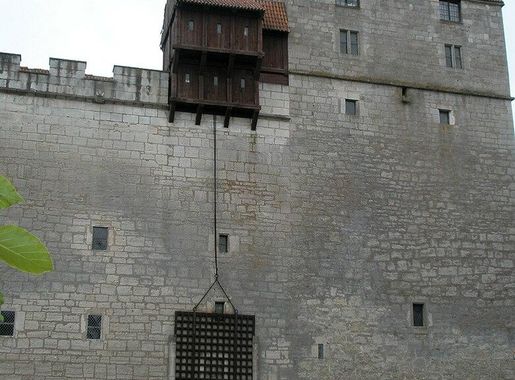
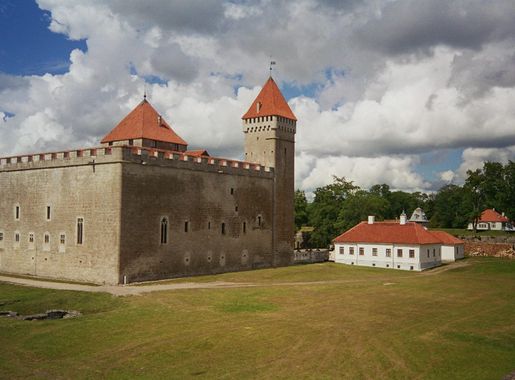
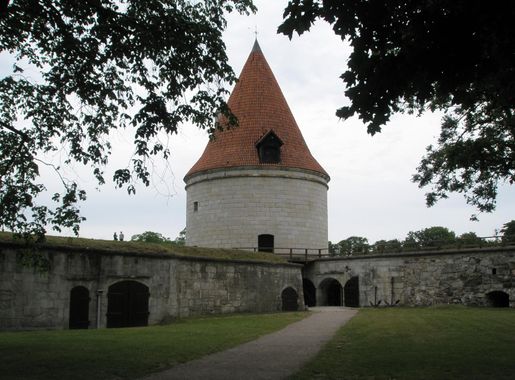
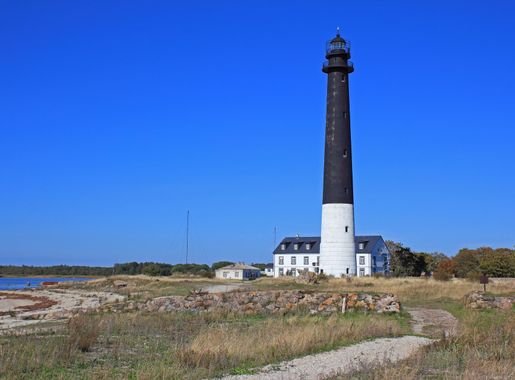
Saare County, located in western Estonia, is a captivating destination known for its picturesque islands, rich history, and serene natural beauty. The largest and most famous island in the county is Saaremaa, which is home to the charming town of Kuressaare. This town is renowned for its well-preserved medieval castle, Kuressaare Castle, which dates back to the 14th century. Visitors can explore the castle's museum and enjoy panoramic views from its towers. Nature lovers will find plenty to admire in Saare County. The landscape is dotted with juniper fields, windmills, and coastal meadows. The county is also home to several nature reserves, including Vilsandi National Park, which is a haven for birdwatchers and features beautiful coastal scenery. Don't miss the Kaali Meteorite Crater, a unique geological site that's one of the largest meteorite craters in Europe. In addition to its natural and historical attractions, Saare County offers a range of cultural experiences. Local festivals, such as the Saaremaa Opera Days and the Kuressaare Maritime Festival, provide a glimpse into the region's vibrant cultural scene. The local cuisine, featuring dishes like smoked fish and black bread, is a delightful aspect of any visit. Whether you're exploring its historical sites, enjoying its natural beauty, or experiencing its culture, Saare County has something for everyone.

Know before you go
Hi, I'm Eve. Here are a few practical things to know before exploring Saare County.
- Visit during summer to enjoy the best weather and local festivals.
- Rent a bike to explore the island at your own pace.
- Try local delicacies such as smoked fish and black bread.
- Check the ferry schedules in advance if you're traveling from the mainland.
- Wear comfortable shoes for exploring the medieval Kuressaare Castle.
Top City Travel Guides in Saare County
The cities of Saare County, and the easiest places to base yourself.

Destinations in Saare County
Resorts, valleys and scenic spots worth a trip of their own.



Explore Saare County: Things to Do, Places to Eat, Hotels & More
Handpicked recommendations for top attractions, local dining, accommodations, and more

Top Attractions & Sightseeing in Saare County
Top-rated picks
Best Attractions

Kaali kraater
Explore the Kaali Crater in Estonia, a breathtaking natural wonder formed by a meteorite impact, rich in history and surrounded by stunning landscapes.

Kaali meteoriitika ja paekivimuuseum
Explore the Kaali Meteorite and Limestone Museum, a unique blend of natural beauty and scientific discovery in Saaremaa, Estonia.

Saaremaa Muuseum
Discover the rich heritage of Saaremaa Island at Saaremaa Muuseum, featuring captivating exhibits and a journey through time.

Boulder Piretikivi
Explore the monumental Boulder Piretikivi, a stunning natural attraction in Saare County, rich in history and surrounded by breathtaking landscapes.

Best landmarks in Saare County
Top-rated picks
Best Landmarks

Tallinn Town Hall
Discover the enchanting history and architecture of Tallinn Town Hall, a must-see landmark in Estonia's picturesque capital.

Estonian National Museum
Explore Estonia's vibrant culture and history at the Estonian National Museum, an interactive journey through the nation's rich heritage.

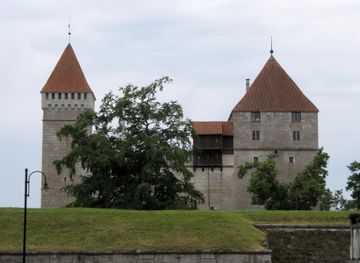
Kuressaare linnus
Discover the enchanting Kuressaare Castle, a historical gem in Estonia that reveals the country's rich past and stunning architecture.

Estonian Open Air Museum
Explore Estonia's cultural heritage at the Estonian Open Air Museum; a captivating journey through history awaits in Tallinn's lush landscapes.

Best restaurants in Saare County
Top-rated picks
Best Restaurants
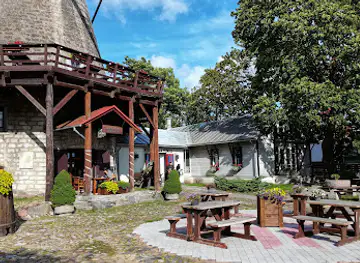
Saaremaa Veski
Experience exquisite dining at Saaremaa Veski – where local flavors meet rich history in Kuressaare, Estonia.

Castello Restoran Pizzeria
Experience authentic Italian cuisine at Castello Restoran Pizzeria in Kuressaare – where delicious flavors meet warm hospitality.

Ristorante la Perla
Experience authentic Italian cuisine at Ristorante la Perla in Kuressaare, where every meal is a delightful journey through Italy's culinary heritage.

Resto HAFEN
Discover the flavors of Estonia at Resto HAFEN in Kuressaare - where local ingredients meet culinary excellence.

Best bars in Saare County
Top-rated picks
Best Bars
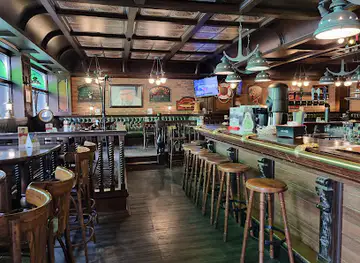
Mönus Villem
Discover the charm of Mönus Villem Pub in Kuressaare, where local flavors and a welcoming atmosphere come together for an unforgettable experience.

Saaremaa Veski
Experience the rich flavors of Estonian cuisine in a historic setting at Saaremaa Veski, Kuressaare's culinary gem.

Castello Restoran Pizzeria
Enjoy a taste of Italy at Castello Restoran Pizzeria in Kuressaare, where authentic flavors and a welcoming atmosphere await.

Ku-Kuu Fish Restaurant and Guesthouse in Kuursaal
Experience the best of local seafood at Ku-Kuu Fish Restaurant and Guesthouse, where culinary excellence meets Saare County's rich history.

Best nightclubs in Saare County
Top-rated picks
Best Nightclubs

Chameleon Lounge
Experience the vibrant blend of culinary delights and nightlife at Chameleon Lounge, Kuressaare's premier lounge and sushi restaurant.

Lokaal Kassa
Experience the vibrant nightlife of Pärnu at Lokaal Kassa, a stylish night club offering an unforgettable evening of music, dance, and cocktails.

Techno club HALL
Discover the electrifying atmosphere of Techno Club HALL in Tallinn, where vibrant beats and unforgettable nights await.

Club Studio
Unleash your night at Club Studio in Tallinn, where vibrant dancefloors, lively bars, and an electrifying atmosphere await you.

Best shops in Saare County
Top-rated picks
Best Shops

Auriga Kaubanduskeskus
Explore Auriga Kaubanduskeskus, a vibrant shopping mall in Saare County, offering diverse retail, dining, and entertainment options for an unforgettable experience.

Saaremaa Kaubamaja
Explore Saaremaa Kaubamaja: A Shopping Haven in Kuressaare with Local Charm and Global Brands.

Magaziin
Explore Magaziin in Kuressaare for unique home goods that capture the essence of Estonian craftsmanship and design.

Coop Leisi
Discover the flavors of Saare County at Coop Leisi, your go-to grocery store for local delights and essentials in Leisi.

Explore Saare County on the Map
A handpicked selection of must-see spots in Saare County, mapped for you.
Saare County Essentials
-
Saare County, located on the largest island in Estonia, Saaremaa, can be reached via multiple routes. The primary way to get there is by taking a ferry from the mainland port of Virtsu to Kuivastu port on Muhu Island, followed by a drive across the causeway to Saaremaa. Alternatively, you can fly from Tallinn or Pärnu to Kuressaare Airport. There are also bus services from Tallinn to Kuressaare, which include the ferry crossing.
-
Once in Saare County, you can explore the area by renting a car, which offers the most flexibility. Public buses connect major towns and villages, although they may have limited schedules. Bicycles are a popular choice for getting around, especially during the summer months. Taxis are available in Kuressaare, the largest town in the county, but may be less frequent in rural areas.
-
The official currency in Estonia is the Euro (EUR). Credit and debit cards are widely accepted in most hotels, restaurants, and shops in Saare County, but it's wise to carry some cash for smaller, rural establishments. ATMs are available in Kuressaare and other larger towns, but may be scarce in smaller villages.
-
Saare County is generally very safe for tourists. Crime rates are low, and violent crime is rare. Nevertheless, it's advisable to take standard precautions such as not leaving valuables unattended and being cautious in crowded places. There are no specific high-crime areas targeting tourists, but always stay aware of your surroundings, especially at night.
-
In case of emergency, dial 112, which is the emergency number for police, fire, and medical services in Estonia. The main hospital in Saare County is Kuressaare Hospital, which provides emergency medical care. Pharmacies are available in larger towns for minor health issues. It's recommended to have travel insurance that covers medical emergencies.
-
Fashion: Do dress in layers as the weather can be unpredictable. Casual and comfortable clothing is generally acceptable. Avoid overly revealing clothing. Religion: Do respect local customs, especially when visiting churches. It's customary to dress modestly and speak softly in religious sites. Public Transport: Do be respectful and offer seats to elderly passengers. Don't eat or drink on public transport. Greetings: Do greet people with a handshake or a nod. Smiling and making eye contact are appreciated. Eating & Drinking: Do try local foods like the traditional black bread and fish dishes. Don't refuse hospitality as it may be considered impolite. Accepting food and drink offerings graciously is encouraged.
-
To experience Saare County like a local, consider visiting the local markets, especially in Kuressaare, where you can purchase fresh produce and traditional Estonian goods. Take part in local festivals and events, such as the Saaremaa Opera Days held in the Kuressaare Castle. Exploring the countryside on foot or by bike allows you to appreciate the island's natural beauty. Don't miss the chance to relax in a traditional Estonian sauna, often available at local accommodations.
When is the best time to visit Saare County?
Useful Local Phrases for Saare County
You don't need to speak the language perfectly. Even learning a few simple words can make conversations warmer—and locals usually appreciate the effort.
— Eve

Here are the phrases I use most often in Saare County. Try a few—you'll be surprised how far they go! 😊
❤️
-
- HelloTere
[te-re] - GoodbyeHead aega
[head ai-ga] - YesJah
[yah] - NoEi
[ay] - Please/You're welcomePalun
[pa-lun] - Thank youAitäh
[ai-tah] - Excuse me/SorryVabandust
[va-ban-dust] - How are you?Kuidas sul läheb?
[kwee-das sul leh-heb] - Fine. And you?Hästi. Ja sina?
[hes-ti. yah si-na] - Do you speak English?Kas sa räägid inglise keelt?
[kas sa ray-gid in-gli-se kelt] - I don't understandMa ei saa aru
[ma ay za ah-ru]
- HelloTere
-
- I'd like to see the menu, pleaseTahaksin näha menüüd, palun
[ta-hak-sin na-ha me-nuud, pa-lun] - I don't eat meatMa ei söö liha
[ma ay sœ li-ha] - Cheers!Terviseks!
[ter-vi-seks] - I would like to pay, pleaseTahaksin maksta, palun
[ta-hak-sin mak-sta, pa-lun]
- I'd like to see the menu, pleaseTahaksin näha menüüd, palun
-
- Help!Aita!
[ai-ta] - Go away!Mine ära!
[mi-ne e-ra] - Call the Police!Kutsu politsei!
[koot-su po-li-tsei] - Call a doctor!Kutsu arst!
[koot-su arst] - I'm lostMa olen kadunud
[ma o-len ka-du-nud] - I'm illMa olen haige
[ma o-len hai-ge]
- Help!Aita!
-
- I'd like to buy...Tahaksin osta...
[ta-hak-sin os-ta] - I'm just lookingMa lihtsalt vaatan
[ma li-salt vaa-tan] - How much is it?Kui palju see maksab?
[kwee pal-yu se mak-sab] - That's too expensiveSee on liiga kallis
[se on li-ga kal-lis] - Can you lower the price?Kas sa saad hinda alandada?
[kas sa saad hin-da a-lan-da-da]
- I'd like to buy...Tahaksin osta...
-
- What time is it?Mis kell on?
[mis kell on] - It's one o'clockKell on üks
[kell on üks] - Half past (10)Kell on kaksteist ja pool
[kell on kak-steist ya pool] - MorningHommik
[hom-mik] - AfternoonPäev
[päev] - EveningÕhtu
[õh-tu] - YesterdayEile
[ei-le] - TodayTäna
[tä-na] - TomorrowHomme
[hom-me] - 1Üks
[üx] - 2Kaks
[kaks] - 3Kolm
[kolm] - 4Neli
[ne-li] - 5Viis
[viis] - 6Kuus
[kuus] - 7Seitsme
[sei-ts-me] - 8Kaheksa
[ka-he-k-sa] - 9Üheksa
[ü-he-k-sa] - 10Kümme
[küm-me]
- What time is it?Mis kell on?
-
- Where's a/the...?Kus on...?
[kus on] - What's the address?Mis on aadress?
[mis on aa-dress] - Can you show me (on the map)?Kas sa saad mulle näidata (kaardil)?
[kas sa saad mul-le nai-da-ta (kaar-dil)] - When's the next (bus)?Millal tuleb järgmine (buss)?
[mil-lal tu-leb jär-gmi-ne (buss)] - A ticket (to ....)Pilet (....)
[pi-let]
- Where's a/the...?Kus on...?
History of Saare County
-
Saare County, also known as Saaremaa, boasts a rich history dating back to prehistoric times. Archaeological evidence suggests that the island was settled as early as the 5th millennium BCE. The area is dotted with ancient burial sites, stone graves, and sacrificial stones, providing a glimpse into the lives of its earliest inhabitants.
-
During the Viking Age (8th to 11th centuries), Saare County was a significant center for maritime activities. The island's strategic location in the Baltic Sea made it an important hub for Viking expeditions, trade, and piracy. Numerous artifacts, including weapons, tools, and jewelry, have been uncovered, attesting to the island's vibrant Viking heritage.
-
One of the most notable historical events in Saare County is the Battle of Sõrve in 1560. This battle took place during the Livonian War, where the forces of the Danish Duke Magnus of Holstein clashed with the troops of the Livonian Order. The battle was a defining moment in the struggle for control over the island, shaping its future political landscape.
-
In the 13th century, the Teutonic Order established control over Saaremaa, leaving a lasting mark on the region. The construction of Kuressaare Castle, a formidable medieval fortress, began during this period. The castle, with its well-preserved walls and towers, stands as a testament to the island's medieval history and architectural prowess.
-
Throughout the 17th and 18th centuries, Saare County experienced periods of Swedish and Russian rule. The Great Northern War (1700-1721) saw the island change hands multiple times between Sweden and Russia. Eventually, it became part of the Russian Empire, leading to significant cultural and administrative changes that influenced the island's development.
-
The Estonian War of Independence (1918-1920) was a pivotal period for Saare County. The island played a crucial role in the fight for Estonian sovereignty, with local forces participating in key battles against German and Soviet troops. The war's successful outcome paved the way for Saaremaa to become an integral part of the newly established Republic of Estonia.
-
Saare County endured significant hardships during World War II and the subsequent Soviet occupation. The island was heavily fortified by the Germans and later by the Soviets, leaving behind numerous bunkers and military installations. The Soviet era brought extensive collectivization and industrialization, which transformed the island's social and economic landscape.
-
With the collapse of the Soviet Union in 1991, Estonia regained its independence, and Saare County began a new chapter in its history. The island has since embraced its cultural heritage and natural beauty, becoming a popular destination for tourists seeking to explore its unique history, charming villages, and picturesque landscapes.
-
Saare County is renowned for its rich cultural heritage and vibrant traditions. The island is home to several traditional festivals, including the Saaremaa Opera Days and the Saaremaa Rally. Local crafts, such as wool weaving and boat building, are still practiced, preserving the island's unique cultural identity and providing visitors with a deep connection to its past.
Neighbouring Regions of Saare County
The closest regions to Saare County, if you have time for more than one.




Your all‑in‑one travel companion app
Explore expert travel guides, compare and book tours, experiences, hotels, and more—all from the palm of your hand. Download now for seamless trip planning wherever your wanderlust takes you.


Explore More of Estonia

Looking beyond Saare County? Discover Estonia for broader travel guides, local hot-spots, and regional highlights.
Explore EstoniaSaare County in Photos
Browse through our photo collection highlighting the charm and character of the destination.





Saare County: Estonia's Island Gem
Saare County, located in western Estonia, is a captivating destination known for its picturesque islands, rich history, and serene natural beauty. The largest and most famous island in the county is Saaremaa, which is home to the charming town of Kuressaare. This town is renowned for its well-preserved medieval castle, Kuressaare Castle, which dates back to the 14th century. Visitors can explore the castle's museum and enjoy panoramic views from its towers. Nature lovers will find plenty to admire in Saare County. The landscape is dotted with juniper fields, windmills, and coastal meadows. The county is also home to several nature reserves, including Vilsandi National Park, which is a haven for birdwatchers and features beautiful coastal scenery. Don't miss the Kaali Meteorite Crater, a unique geological site that's one of the largest meteorite craters in Europe. In addition to its natural and historical attractions, Saare County offers a range of cultural experiences. Local festivals, such as the Saaremaa Opera Days and the Kuressaare Maritime Festival, provide a glimpse into the region's vibrant cultural scene. The local cuisine, featuring dishes like smoked fish and black bread, is a delightful aspect of any visit. Whether you're exploring its historical sites, enjoying its natural beauty, or experiencing its culture, Saare County has something for everyone.