

Free Hiiumaa Travel Guide & Mobile App
Explore Hiiumaa with free travel guides. Discover regional history, expert tips, proposed trips, and audio guides on web or mobile app.


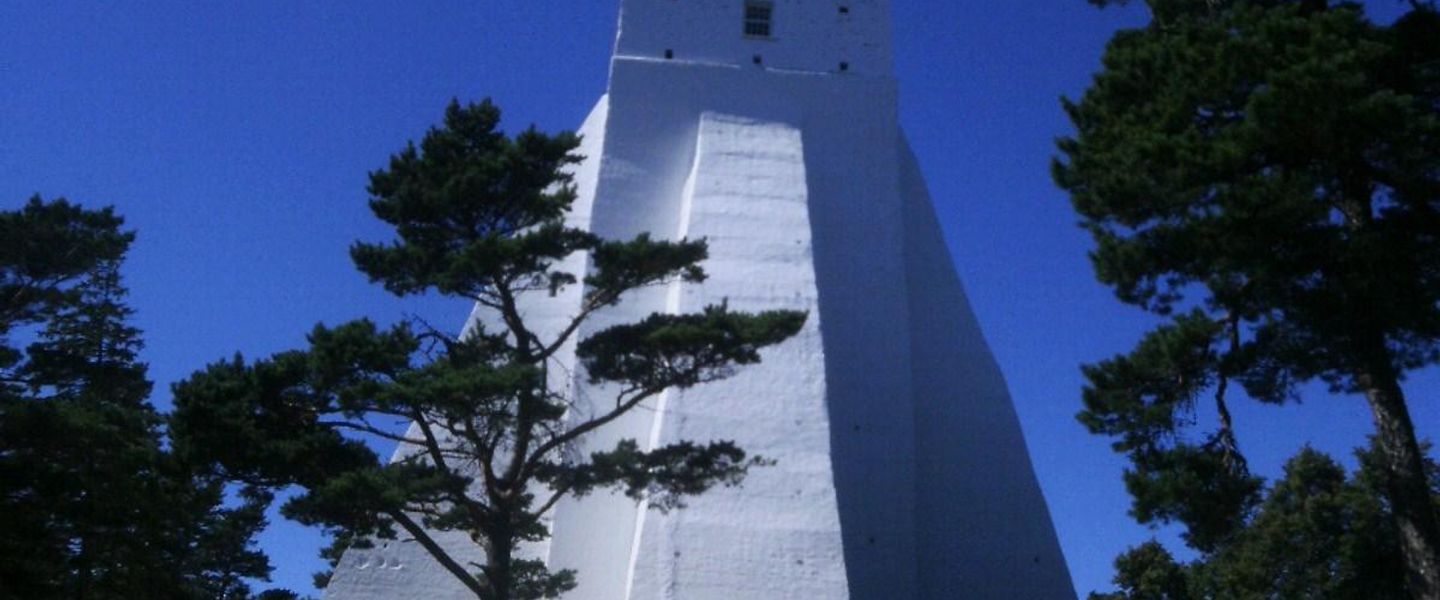


Discover Hiiumaa: Estonia's serene island paradise with rich history, pristine beaches, and diverse wildlife. Perfect for a tranquil retreat in the Baltic Sea.
Read more about Hiiumaa
When is the best time to visit Hiiumaa?
Best: June–August · 20–22°C| Month | High (°C) | Rainfall (mm) |
|---|---|---|
| January | 1 | 40 |
| February | 1 | 30 |
| March | 5 | 35 |
| April | 10 | 40 |
| May | 16 | 45 |
| June (best) | 20 | 50 |
| July (best) | 22 | 60 |
| August (best) | 21 | 60 |
| September | 17 | 50 |
| October | 12 | 45 |
| November | 6 | 40 |
| December | 3 | 40 |
Getting to and around Hiiumaa
How to get there
Transportation
Top city travel guides in Hiiumaa
The cities of Hiiumaa, and the easiest places to base yourself.

Swipe for more cities
Destinations in Hiiumaa
Resorts, valleys and scenic spots worth a trip of their own.

Swipe for more destinations
Best attractions in Hiiumaa
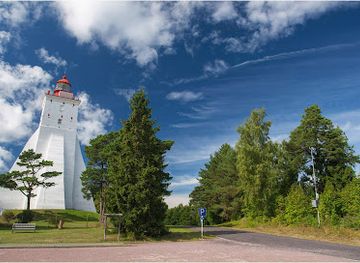
Hiiumaa, Estonia's second-largest island, offers a captivating blend of natural beauty and historical intrigue, perfect for curious travelers. Begin your journey with a visit to the iconic Kõpu Lighthouse, one of the world's oldest still in operation, standing as a sentinel since the 16th century. Explore the island's rich maritime history at the Tahkuna and Ristna lighthouses, and uncover the Soviet-era secrets hidden in the abandoned missile base at Tahkuna. Nature enthusiasts will revel in the serene beauty of Kassari Island, with its lush meadows and coastal charm, or the mystical Pühalepa Church ruins nestled in a quiet forest. Don't miss the chance to stroll through the picturesque town of Kärdla, renowned for its colorful wooden houses and friendly atmosphere. For a truly unique experience, visit the Hiiumaa Military Museum, where history comes alive through interactive exhibits and relics from a bygone era. The island's pristine beaches, fragrant pine forests, and diverse wildlife create an idyllic setting for hiking, birdwatching, and simply unwinding in nature's embrace.
-
Tourist attraction
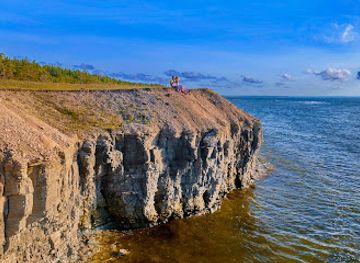
Panga Cliff
Experience the breathtaking views of Panga Cliff in Saare County, Estonia—nature's masterpiece overlooking the Baltic Sea.
-
Tourist attraction
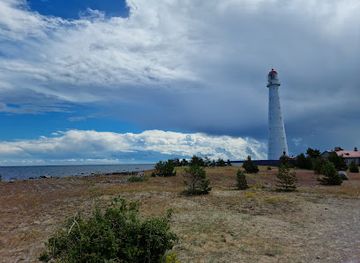
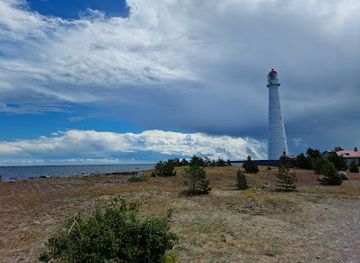
Tahkuna lighthouse
Experience the stunning views and rich history at Tahkuna Lighthouse, a must-visit landmark on Hiiumaa Island in Estonia.
-
Tourist attraction
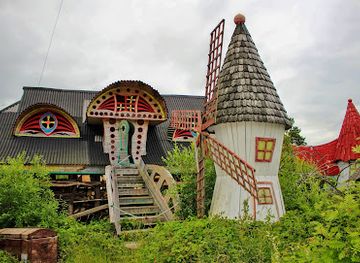
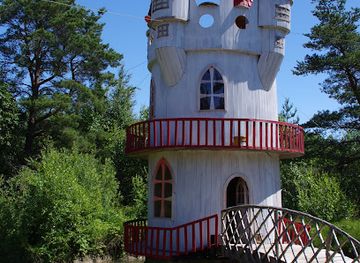
Wooden copy of the Eiffel Tower
Explore the enchanting Wooden Eiffel Tower in Reigi, Hiiu County - a unique blend of artistry, nature, and stunning views.
-
Museum
Elamuskeskus Tuuletorn - Windtower Experience
Elamuskeskus Tuuletorn offers an unforgettable blend of adventure, culture, and relaxation in Hiiu County, Estonia.
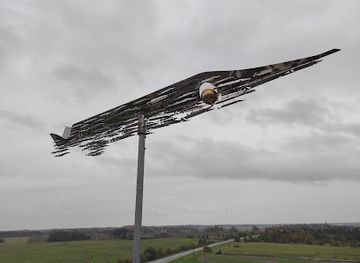
Best landmarks in Hiiumaa
Hiiumaa, Estonia's hidden gem, offers visitors a captivating blend of historical landmarks and natural beauty. Explore the majestic Kõpu Lighthouse, one of the world's oldest, guiding sailors since the 16th century, and the charming Kärdla town with its unique well houses and tranquil atmosphere. Delve into the island's past at the Hiiumaa Museum Long House and discover the intriguing Kassari Chapel, a quaint wooden church that dates back to the 18th century. Nature enthusiasts will be enchanted by the Tahkuna Peninsula with its serene beaches and the eerie Tahkuna Lighthouse, a symbol of maritime resilience. The mysterious Pühalepa Church ruins and the enchanting Sääretirp, a narrow spit of land stretching into the sea, offer picturesque views and a sense of timelessness. Hiiumaa's blend of history, culture, and natural wonders make it an unforgettable destination for any traveler.
-
Historical landmark
Tahkuna lighthouse
Explore the historical Tahkuna Lighthouse in Estonia, a stunning maritime landmark offering breathtaking views and rich cultural heritage.
-
Cafeteria
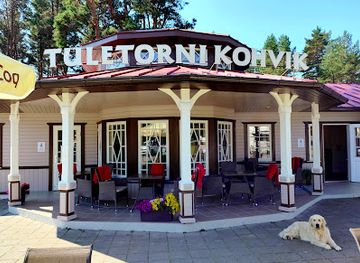
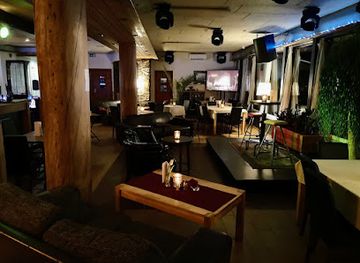
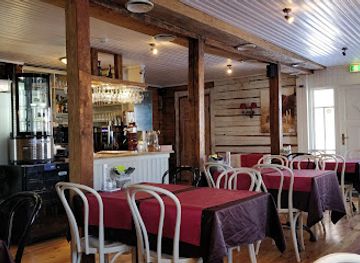
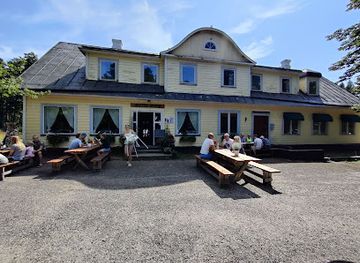
Tuletorni kohvik (Lighthouse Cafe)
Discover the charm of Tuletorni Kohvik, a cozy café near Kõpu Lighthouse, offering delicious coffee and stunning coastal views.
-
Tourist attraction
Wooden copy of the Eiffel Tower
Explore the whimsical wooden replica of the Eiffel Tower in Reigi, Hiiu County, a must-visit tourist attraction in Estonia.
-
Museum
Elamuskeskus Tuuletorn - Windtower Experience
Explore the captivating Elamuskeskus Tuuletorn, where culture, history, and delightful cuisine come together in stunning Hiiu County, Estonia.
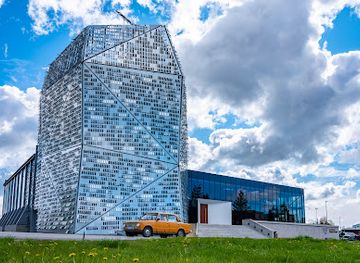
Explore Hiiumaa on the map
Plan your trip on one map. See where the top cities, national parks and sights are, and book hotels and experiences in a few clicks.
Best hotels in Hiiumaa
Best restaurants in Hiiumaa
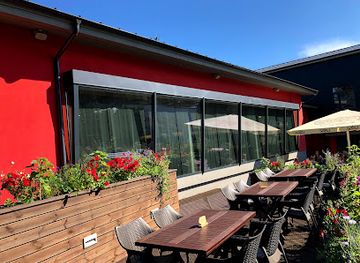
Hiiumaa's dining scene is a delightful fusion of traditional Estonian flavors and innovative culinary artistry, offering visitors an unforgettable gastronomic journey. From charming seaside taverns serving freshly caught Baltic herring and smoked fish, to cozy countryside eateries where you can savor hearty elk stew and wild mushroom dishes, the island's cuisine is deeply rooted in its natural surroundings. Local farms provide organic produce, ensuring that every meal bursts with freshness and authenticity. Trendy cafes and bistros in Kärdla, the island's capital, offer artisanal pastries, locally roasted coffee, and modern twists on classic dishes, perfect for food enthusiasts looking to explore Hiiumaa's unique palate. Whether dining in a rustic farmhouse or a chic waterfront restaurant, the island's culinary offerings are bound to enchant and satisfy every visitor.
-
Restaurant
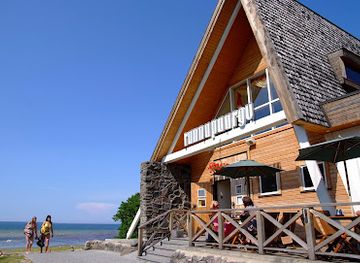
Rannapaargu restaurant
Experience authentic Estonian cuisine at Rannapaargu Restaurant in Kärdla—where local flavors meet warm hospitality.
-
Restaurant
Mamma Mia Pizzeria Italiana & Guesthouse
Discover authentic Italian flavors at Mamma Mia Pizzeria Italiana & Guesthouse in Kärdla - where every meal is a celebration of taste.
-
Restaurant
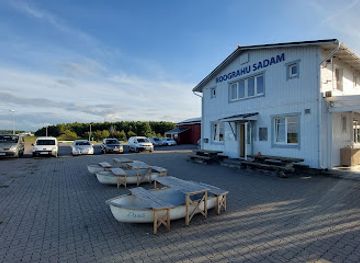
Roograhu restaurant
Experience authentic Estonian cuisine at Roograhu Restaurant in scenic Hiiu County – where tradition meets taste.
-
Restaurant
Lest & Lammas Resto
Discover authentic Estonian cuisine at Lest & Lammas Resto in Kassari village – where local flavors meet warm hospitality.

Best bars in Hiiumaa
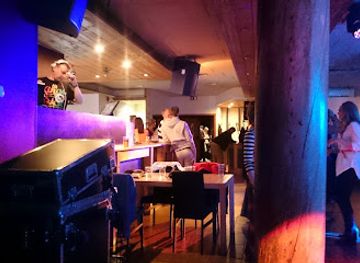
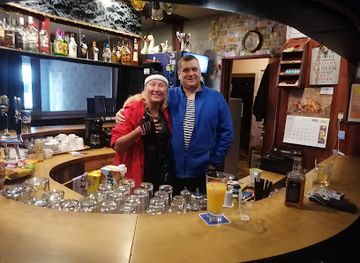
Hiiumaa's nightlife is a delightful blend of cozy, intimate venues and vibrant local culture, offering something for every kind of night owl. In Kärdla, the island's largest town, you can find charming pubs like Rannapaargu, where live music performances captivate guests against the backdrop of the serene Baltic Sea. For those seeking a more electrifying experience, discos such as Vabrik provide an energetic atmosphere with both local DJs and visiting artists spinning a mix of contemporary hits and timeless classics. Many of the island's bars and clubs are housed in historic buildings, adding a unique touch of character and history to your evening out. Whether you're interested in sipping on locally brewed beers, dancing the night away, or enjoying a quiet evening with a glass of wine, Hiiumaa's nightlife scene promises an unforgettable experience steeped in a rich cultural ambiance.
-
Cafeteria
Tuletorni kohvik (Lighthouse Cafe)
Experience the perfect blend of stunning coastal views and delicious coffee at Tuletorni Kohvik near Kõpu Lighthouse.
-
Bar
Rannapaargu restaurant
Discover Rannapaargu Restaurant, where delicious cuisine meets stunning seaside views in the heart of Hiiu County.
-
Restaurant
Mamma Mia Pizzeria Italiana & Guesthouse
Experience authentic Italian cuisine at Mamma Mia Pizzeria Italiana & Guesthouse in Kärdla, where every dish is a celebration of flavors.
-
Restaurant
Roograhu restaurant
Discover the authentic taste of Estonia at Roograhu Restaurant, where local ingredients meet unforgettable flavors in Hiiu County.
Best nightclubs in Hiiumaa
Hiiumaa's nightlife is a delightful blend of cozy, intimate venues and vibrant local culture, offering something for every kind of night owl. In Kärdla, the island's largest town, you can find charming pubs like Rannapaargu, where live music performances captivate guests against the backdrop of the serene Baltic Sea. For those seeking a more electrifying experience, discos such as Vabrik provide an energetic atmosphere with both local DJs and visiting artists spinning a mix of contemporary hits and timeless classics. Many of the island's bars and clubs are housed in historic buildings, adding a unique touch of character and history to your evening out. Whether you're interested in sipping on locally brewed beers, dancing the night away, or enjoying a quiet evening with a glass of wine, Hiiumaa's nightlife scene promises an unforgettable experience steeped in a rich cultural ambiance.
-
Bar
Rannapaargu restaurant
Discover the flavors of Estonia at Rannapaargu Restaurant in Kärdla, where local ingredients meet culinary creativity.
-
Restaurant
Meite Möte
Experience the heart of Estonian cuisine at Meite Möte, a cozy restaurant and pub in the beautiful Hiiu County, perfect for every food lover.
-
Bar
Šampanjabaar ja restoran Kork
Discover fine dining and exceptional champagne at Šampanjabaar ja restoran Kork in Kärdla, where culinary delights meet a welcoming atmosphere.
-
Bar
Luige baar
Experience the vibrant nightlife of Käina at Luige Baar, a welcoming bar offering affordable drinks and a friendly atmosphere.

Best shops in Hiiumaa
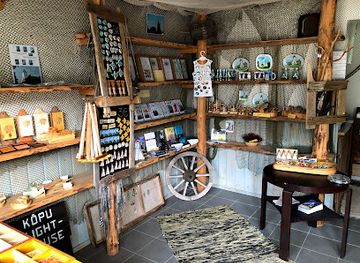
Hiiumaa’s shopping scene is a delightful blend of charming local markets, artisan boutiques, and quaint shops that reflect the island's rich cultural heritage and natural beauty. Visitors can expect to find unique handcrafted goods, from intricate woolen textiles and traditional Estonian knitwear to beautifully crafted ceramics and wooden souvenirs. The island’s markets are brimming with local produce, including freshly baked bread, homemade jams, and organic honey, offering a true taste of Hiiumaa. Art lovers will appreciate the galleries showcasing local artists' work, while those interested in history can explore shops selling books and antiques that narrate the island's storied past. Hiiumaa offers a shopping experience that is both authentic and enchanting, perfect for those seeking special mementos or gifts.
-
Cafeteria
Tuletorni kohvik (Lighthouse Cafe)
Discover the delightful Tuletorni Kohvik - Lighthouse Cafe, where stunning views meet delicious local flavors in the heart of Hiiu County.
-
Supermarket
Hiiumaa Selver
Discover the essence of Hiiumaa with a visit to Hiiumaa Selver, your gateway to local flavors and community spirit on this enchanting island.
-
Supermarket
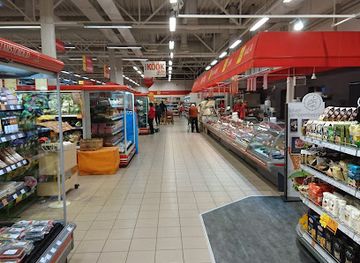
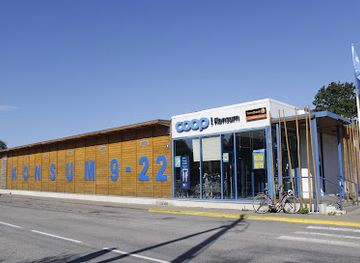
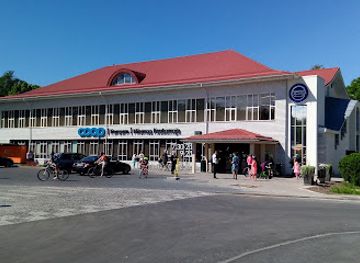
Käina Coop Konsum | Construction Centre
Discover Käina Coop Konsum: Your essential stop for construction supplies and local products in the heart of Hiiumaa.
-
Department store
Hiiumaa Kaubamaja
Experience the best of Hiiumaa at Kaubamaja, your go-to department store for local goods, everyday essentials, and unique souvenirs.
Get your free copy of our complete guide to Hiiumaa, delivered straight to you.
Everything on this page, from attractions and restaurants to essentials and local phrases, in one PDF you can read offline, print or share.
Already have an account? Sign in
Your Hiiumaa guide is ready.
We'll send it to · Not you? Sign out

Getting your guide ready…
We are putting together a fresh copy of the Hiiumaa guide. This can take up to a minute.
This can take a few moments. If your browser asks, choose Allow so the download can start. You'll find the guide in your Downloads folder.
Nothing happened? Download it again
Sorry, the guide is taking longer than usual. Please try again in a minute, or get it by email instead.
Hiiumaa essentials
Currency and Payment
Safety
Emergency Situations
Do's and Don'ts
Local Tips
From Eve
Local phrases worth knowing
You don't need to get them perfect. A few words go a long way, and locals appreciate the effort.
Basics
| English | Local | Say it |
|---|---|---|
| Hello | Tere | [te-re] |
| Goodbye | Head aega | [head a-e-ga] |
| Yes | Jah | [yah] |
| No | Ei | [ay] |
| Please/You're welcome | Palun | [pa-lun] |
| Thank you | Aitäh | [ai-tah] |
| Excuse me/Sorry | Vabandust | [va-ban-dust] |
| How are you? | Kuidas sul läheb? | [kui-das sul le-heb] |
| Fine. And you? | Hästi. Ja sina? | [hes-ti. ya si-na] |
| Do you speak English? | Kas sa räägid inglise keelt? | [kas sa rai-gid in-gli-se keelt] |
| I don't understand | Ma ei saa aru | [ma ey za-a ru] |
Eating & Drinking
| English | Local | Say it |
|---|---|---|
| I'd like to see the menu, please | Tahaksin näha menüüd, palun | [ta-hak-sin na-ha me-nuud, pa-lun] |
| I don't eat meat | Ma ei söö liha | [ma ey söö li-ha] |
| Cheers! | Terviseks! | [ter-vi-seks] |
| I would like to pay, please | Tahaksin maksta, palun | [ta-hak-sin mak-sta, pa-lun] |
Emergencies
| English | Local | Say it |
|---|---|---|
| Help! | Abi! | [a-bi] |
| Go away! | Mine ära! | [mi-ne a-ra] |
| Call the Police! | Kutsu politsei! | [kut-su po-li-tsei] |
| Call a doctor! | Kutsu arsti! | [kut-su ar-sti] |
| I'm lost | Ma olen eksinud | [ma o-len ek-si-nud] |
| I'm ill | Ma olen haige | [ma o-len hai-ge] |
Shopping
| English | Local | Say it |
|---|---|---|
| I'd like to buy... | Tahaksin osta... | [ta-hak-sin os-ta] |
| I'm just looking | Ma lihtsalt vaatan | [ma li-salt va-a-tan] |
| How much is it? | Kui palju see maksab? | [kui pal-yu se mak-sab] |
| That's too expensive | See on liiga kallis | [se on lii-ga kal-lis] |
| Can you lower the price? | Kas sa saad hinda alandada? | [kas sa saad hin-da a-lan-da-da] |
Time & Numbers
| English | Local | Say it |
|---|---|---|
| What time is it? | Mis kell on? | [mis kell on] |
| It's one o'clock | Kell on üks | [kell on yuks] |
| Half past (10) | Kell on pool (10) | [kell on pool (10)] |
| Morning | Hommik | [hom-mik] |
| Afternoon | Päev | [päev] |
| Evening | Õhtu | [õh-tu] |
| Yesterday | Eile | [ei-le] |
| Today | Täna | [tä-na] |
| Tomorrow | Homme | [hom-me] |
| 1 | Üks | [ü-kes] |
| 2 | Kaks | [kaks] |
| 3 | Kolm | [kolm] |
| 4 | Neli | [ne-li] |
| 5 | Viis | [viis] |
| 6 | Kuus | [kuus] |
| 7 | Seitsme | [sei-tsme] |
| 8 | Kaheksa | [ka-heksa] |
| 9 | Üheksa | [ü-heksa] |
| 10 | Kümme | [küm-me] |
Transport & Directions
| English | Local | Say it |
|---|---|---|
| Where's a/the...? | Kus on ...? | [kus on ...?] |
| What's the address? | Mis on aadress? | [mis on aa-dress] |
| Can you show me (on the map)? | Kas sa saad mulle näidata (kaardil)? | [kas sa saad mul-le nai-da-ta (kaar-dil)?] |
| When's the next (bus)? | Millal on järgmine (buss)? | [mil-lal on jär-gmi-ne (buss)?] |
| A ticket (to ....) | Pilet (....) | [pi-let (....)] |
History of Hiiumaa
Ancient Beginnings: The First Settlers
Hiiumaa, Estonia's second-largest island, has a rich history that dates back to the Stone Age. Archaeological evidence suggests that the first settlers arrived around 4,000 BC, drawn by the island's fertile land and abundant resources. These early inhabitants were part of the Kunda culture, known for their distinctive pottery and stone tools.
Medieval Era: The Danish and Teutonic Orders
In the 13th century, Hiiumaa came under the control of the Danish crown and later the Teutonic Order. The island's strategic location in the Baltic Sea made it a valuable asset. During this period, several fortifications were built, including the ruins of Pühalepa Church, which still stand today as a testament to the island's medieval past.
Swedish Rule: A Time of Prosperity
Hiiumaa experienced significant development during Swedish rule in the 16th and 17th centuries. The island became an important center for shipbuilding and trade. The construction of the Kõpu Lighthouse in 1531, one of the oldest lighthouses in the world still in use, symbolizes this era of prosperity and maritime significance.
Russian Empire: Transformation and Struggle
With the Great Northern War in the early 18th century, Hiiumaa fell under Russian control. This period brought about significant changes, including the introduction of serfdom, which greatly affected the local population. Despite these hardships, the island continued to develop, with new manor houses and estates being built.
World War II: Occupation and Resistance
Hiiumaa, like the rest of Estonia, experienced the turmoil of World War II. The island was occupied first by Soviet forces and then by Nazi Germany. The local population endured hardships and many joined the resistance movements. The remnants of wartime fortifications and bunkers can still be found scattered across the island.
Soviet Era: Isolation and Change
During the Soviet era, Hiiumaa was heavily militarized and largely isolated from the outside world. The island's strategic location made it a key military outpost, and several Soviet military installations were established. Despite the restrictions, the local culture and traditions persisted, and the islanders maintained a strong sense of identity.
Modern Hiiumaa: Revival and Tourism
Since Estonia regained its independence in 1991, Hiiumaa has undergone a remarkable transformation. The island has embraced tourism, celebrating its unique history and natural beauty. Visitors can explore historical landmarks, enjoy the pristine beaches, and experience the vibrant local culture that has been preserved through centuries.
Hiiumaa in Photos
Browse through our photo collection highlighting the charm and character of the destination.
Neighbouring regions of Hiiumaa
The closest regions to Hiiumaa, if you have time for more than one.
-

-

-

-

-


Swipe for more regions
Explore more

Explore more of Estonia
Discover Estonia: A perfect blend of medieval charm, modern innovation, and natural beauty in the heart of Northern Europe.
Explore Estonia