

Soomaa National Park Travel Guide - Free Web & App
Your ultimate guide to Soomaa National Park. Discover top landmarks, proposed trips, and local tips. Free on the web or via the Evendo companion app.


Soomaa National Park, Estonia, reveals flooded meadows, vast bogs and quiet rivers, with boardwalk walks, canoe trips and the celebrated Fifth Season.
A Landscape Shaped by Water
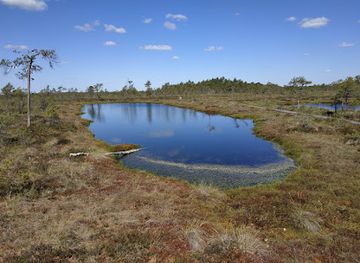
Soomaa National Park occupies a broad, sparsely settled landscape in south-western Estonia, where raised bogs, floodplain meadows, wooded islands and slow rivers form one of the country’s most distinctive wilderness areas. The park lies between the Pärnu and Viljandi regions and is best understood as a mosaic of wetlands rather than a single dramatic viewpoint. Its name means ‘land of bogs’, an apt description of the peatlands that dominate the interior, including Kuresoo, one of Estonia’s largest bog complexes.Read more about Soomaa National Park
The Fifth Season
Nature, Heritage and Rural Life
When is the best time to visit Soomaa National Park?
Best: June–August · 21–24°C| Month | High (°C) | Rainfall (mm) |
|---|---|---|
| January | 0 | 34 |
| February | 0 | 29 |
| March | 2 | 27 |
| April | 10 | 24 |
| May | 18 | 34 |
| June (best) | 23 | 55 |
| July (best) | 24 | 65 |
| August (best) | 21 | 60 |
| September | 17 | 50 |
| October | 11 | 40 |
| November | 5 | 35 |
| December | 2 | 32 |
Getting to and around Soomaa National Park
How to get there
Transportation
Best attractions in Soomaa National Park
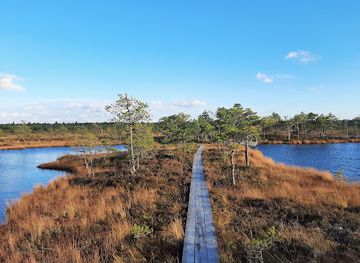
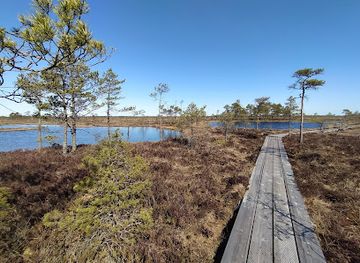
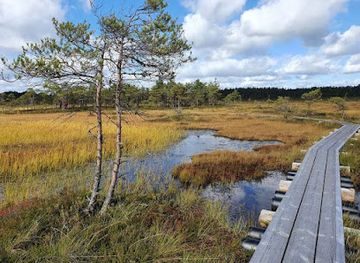
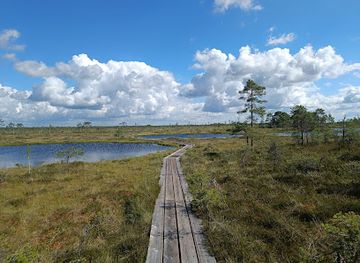
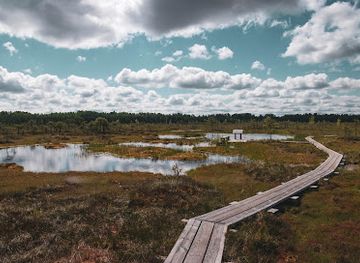
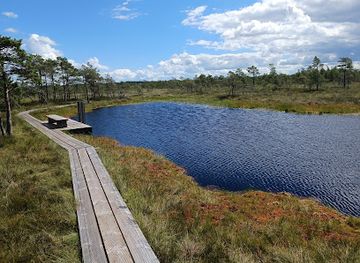
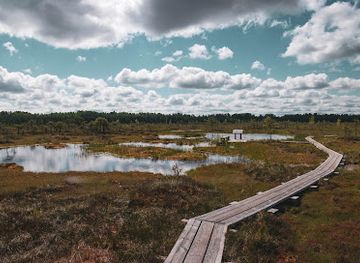
Soomaa’s attractions are primarily landscapes and experiences rather than built monuments. The Riisa boardwalk crosses open bog and pools, offering an accessible introduction to peatland scenery, while the Ingatsi trail leads into Kuresoo and reveals the contrast between elevated bog surfaces and surrounding woodland. The rivers of the park, including the Halliste, Raudna, Navesti and Kõpu, become especially compelling during the Fifth Season, when canoe travel can follow routes through flooded meadows and forests. Kõrtsi-Tõramaa provides visitor information and context for the national park, while the scattered villages, farmsteads and traditional boat-making heritage show how people have adapted to seasonal water. Wildlife watching is possible in the wetlands and forests, with birds, beavers and larger mammals among the park’s natural highlights, though sightings are never guaranteed. Nearby Tori and the wider Pärnu and Viljandi regions serve as useful gateways rather than attractions within the park itself.
-
Tourist attraction
Carl Robert Jakobsoni Talumuuseum
Explore the agricultural heritage of Estonia at the Carl Robert Jakobsoni Talumuuseum, where history comes alive in the heart of Pärnu County.
-
Tourist attraction
Hüpassaare õpperada
Explore the stunning landscapes and diverse wildlife of Hüpassaare Õpperada, a premier hiking trail in Estonia's Soomaa National Park.
-
Hiking area
Ingatsi õpperada
Experience the serene beauty of Ingatsi Õpperada, a stunning hiking area in Viljandi County, Estonia, perfect for nature lovers and outdoor enthusiasts.
-
Tourist attraction
Suure-Kõpu mõis
Experience the enchanting Suure-Kõpu Manor, a historical gem in Viljandi County showcasing stunning architecture and beautiful landscapes.
Best landmarks in Soomaa National Park
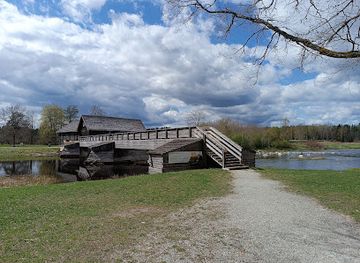
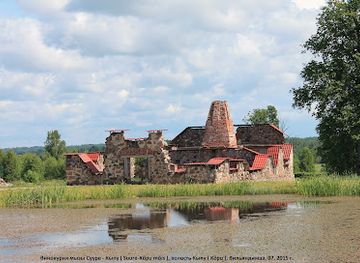
Kuresoo is Soomaa’s defining natural landmark, an extensive peatland whose open pools, hummocks and raised margins are experienced most clearly from the boardwalk routes. The Halliste, Raudna, Navesti and Kõpu rivers form another essential part of the park’s identity, joining a floodplain system responsible for the celebrated Fifth Season. The Riisa and Ingatsi boardwalks are important visitor landmarks because they make these otherwise difficult wetlands accessible while concentrating foot traffic on protected routes. Kõrtsi-Tõramaa, home to the national park’s principal visitor information facilities, provides a cultural and geographical reference point for exploring the area. The haabjas, or traditional dugout canoe, is a cultural landmark as well as a practical craft, representing the long relationship between local communities and floodwater. The park’s scattered farmsteads, meadows and wooded islands complete a landscape in which natural features are more prominent than monumental architecture.
-
Hiking area
Hüpassaare õpperada
Experience the breathtaking beauty of the Hüpassaare Hiking Trail in Soomaa National Park, a must-visit for nature lovers and outdoor adventurers.
-
Hiking area
Riisa õpperada
Explore the serene beauty of Riisa Hiking Area in Pärnu County, where nature and adventure meet in perfect harmony.
-
Hiking area
Ingatsi õpperada
Explore the tranquil beauty of Ingatsi Õpperada, a perfect hiking oasis in Viljandi County, Estonia, where nature enthusiasts can connect with the great outdoors.
-
Visitor center
RMK Soomaa rahvuspargi külastuskeskus
Explore the RMK Soomaa National Park Visitor Center, the perfect starting point for discovering Estonia's natural beauty and biodiversity.
Explore Soomaa National Park on the map
Plan your trip on one map. See where the top attractions, landmarks, restaurants and hotels are, and book hotels and experiences in a few clicks.
Best hotels in Soomaa National Park
Best bars in Soomaa National Park
Soomaa is not a nightlife destination, and there are no concentrated bar or nightclub districts within the national park. Evenings are generally quiet, centred on rural guesthouses, farm accommodation and the sounds of the wetland landscape rather than organised entertainment. Visitors may find a traditional pub or casual evening venue in nearby villages and small towns, while Pärnu and Viljandi provide the broadest choice of bars, cafés, live cultural programming and seasonal events outside the park. In smaller settlements, venues may serve primarily local communities and operate according to changing schedules. The most characteristic evening atmosphere inside Soomaa is a low-key one: watching the light over the bog, listening to rivers and sharing locally prepared food at a rural base.
-
Pub
Tori mõis
Experience the warmth of Tori Mõis, a charming pub in Pärnu County offering local brews and traditional Estonian cuisine.
-
 Bar
BarVimba Igor
Experience the vibrant energy of Vimba Igor, a local bar in Kiisa, Pärnu County, perfect for drinks, socializing, and cultural immersion.
-
Bar
Обеды
Experience the warmth of Estonian hospitality at Обеды Bar in Vändra, where local flavors meet a cozy atmosphere.

Best nightclubs in Soomaa National Park
Soomaa is not a nightlife destination, and there are no concentrated bar or nightclub districts within the national park. Evenings are generally quiet, centred on rural guesthouses, farm accommodation and the sounds of the wetland landscape rather than organised entertainment. Visitors may find a traditional pub or casual evening venue in nearby villages and small towns, while Pärnu and Viljandi provide the broadest choice of bars, cafés, live cultural programming and seasonal events outside the park. In smaller settlements, venues may serve primarily local communities and operate according to changing schedules. The most characteristic evening atmosphere inside Soomaa is a low-key one: watching the light over the bog, listening to rivers and sharing locally prepared food at a rural base.
-
National park
Soomaa National Park
Experience the breathtaking beauty and tranquility of Soomaa National Park, a natural wonder in Estonia perfect for outdoor adventures and wildlife observation.
-
Hiking area
Riisa õpperada
Explore the serene hiking trails of Riisa Õpperada in Pärnu County, a hidden gem for nature lovers and adventure seekers.
-
Cabin rental agency
Soomaa Puhkeküla
Experience the serene beauty of Soomaa Puhkeküla, where cozy cabins meet adventure in nature’s embrace.
-
Pub
Tori mõis
Discover Tori Mõis, a historic pub in Pärnu County, where Estonian charm meets local flavors and warm hospitality.
Best shops in Soomaa National Park
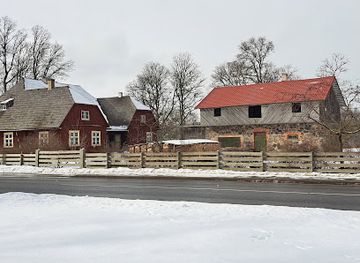
Shopping in Soomaa is modest and mainly connected with local food, rural hospitality and crafts rather than conventional retail. Visitors may find regional products, preserves, woodland produce, baked goods, textiles, artwork or small souvenirs through farm businesses, accommodation providers, visitor facilities and cultural events, although stock and opening arrangements vary. The haabjas tradition is particularly meaningful, with demonstrations and cultural interpretation offering insight into a craft closely tied to the wetland environment. For dependable supplies, outdoor equipment and a wider selection of shops, Pärnu and Viljandi are the most useful bases, while smaller settlements provide only limited everyday retail. Buying directly from local producers, where arrangements are established, supports the rural economy and gives visitors a more authentic connection with the agricultural and forest products associated with south-western Estonia.
-
National park
Soomaa National Park
Explore the stunning wetlands and forests of Soomaa National Park, a unique natural wonder in Estonia perfect for outdoor adventures and serene escapes.
-
Grocery store
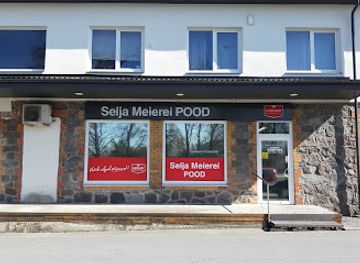
Selja Meierei Kauplus
Experience the authentic taste of Estonia at Selja Meierei Kauplus, where local flavors and artisan products await every traveler.
-
Grocery store
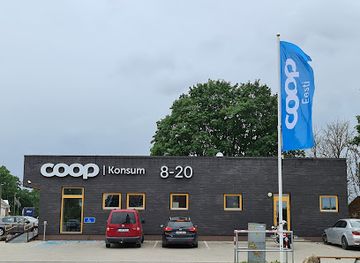
Tori Konsum
Explore local flavors and essentials at Tori Konsum, your friendly grocery store in Tori, Pärnu County, Estonia.
-
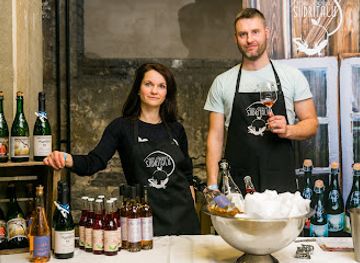
Winery
Tori Siidritalu
Experience the authentic taste of Estonian cider at Tori Siidritalu, a picturesque winery in Pärnu County, perfect for wine lovers and nature enthusiasts.
Get your free copy of our complete guide to Soomaa National Park, delivered straight to you.
Everything on this page, from attractions and restaurants to essentials and local phrases, in one PDF you can read offline, print or share.
Already have an account? Sign in
Your Soomaa National Park guide is ready.
We'll send it to · Not you? Sign out

Getting your guide ready…
We are putting together a fresh copy of the Soomaa National Park guide. This can take up to a minute.
This can take a few moments. If your browser asks, choose Allow so the download can start. You'll find the guide in your Downloads folder.
Nothing happened? Download it again
Sorry, the guide is taking longer than usual. Please try again in a minute, or get it by email instead.
Soomaa National Park essentials
Currency and Payment
Safety
Emergency Situations
Do's and Don'ts
Local Tips
From Eve
Local phrases worth knowing
You don't need to get them perfect. A few words go a long way, and locals appreciate the effort.
Basics
| English | Local | Say it |
|---|---|---|
| Hello | Tere | [teh-reh] |
| Goodbye | Head aega | [heh-ad ah-eh-gah] |
| Yes | Jah | [yah] |
| No | Ei | [ay] |
| Please/You're welcome | Palun | [pah-loon] |
| Thank you | Aitäh | [eye-taah] |
| Excuse me/Sorry | Vabandust | [vah-bahn-doost] |
| How are you? | Kuidas sul läheb? | [kwee-dahs sool leh-heb] |
| Fine. And you? | Hästi. Ja sina? | [hah-stee. yah see-nah] |
| Do you speak English? | Kas sa räägid inglise keelt? | [kahs sah raah-ee-geed een-glee-seh kehlt] |
| I don't understand | Ma ei saa aru | [mah ay sah ah-roo] |
Eating & Drinking
| English | Local | Say it |
|---|---|---|
| I'd like to see the menu, please | Ma tahaksin menüüd näha, palun | [mah tah-hahk-seen meh-nyoo-d nah-hah, pah-loon] |
| I don't eat meat | Ma ei söö liha | [mah ay soh lee-hah] |
| Cheers! | Terviseks! | [tehr-vee-sehks] |
| I would like to pay, please | Ma sooviksin maksta, palun | [mah soh-veek-seen mahk-stah, pah-loon] |
Emergencies
| English | Local | Say it |
|---|---|---|
| Help! | Appi! | [ahp-pee] |
| Go away! | Mine minema! | [mee-neh mee-neh-mah] |
| Call the Police! | Helistage politseile! | [heh-lee-stah-geh poh-lee-tseh-ee-leh] |
| Call a doctor! | Helistage arstile! | [heh-lee-stah-geh ahr-stee-leh] |
| I'm lost | Ma olen eksinud | [mah oh-lehn ehk-see-nood] |
| I'm ill | Ma olen haige | [mah oh-lehn high-eh] |
Shopping
| English | Local | Say it |
|---|---|---|
| I'd like to buy... | Ma tahaksin osta... | [mah tah-hahk-seen oh-stah] |
| I'm just looking | Ma vaatan lihtsalt | [mah vah-tahn leekt-sahlt] |
| How much is it? | Kui palju see maksab? | [kwee pahl-yoo seh mahk-sahb] |
| That's too expensive | See on liiga kallis | [seh ohn leeh-gah kahl-lees] |
| Can you lower the price? | Kas sa saaksid hinda alandada? | [kahs sah saahk-seed hin-dah ahl-ahn-dah-dah] |
Time & Numbers
| English | Local | Say it |
|---|---|---|
| What time is it? | Mis kell on? | [mees kell ohn] |
| It's one o'clock | On üks | [ohn yks] |
| Half past (10) | Pool (10) | [pohl (dahs-see)] |
| Morning | Hommik | [hohm-meek] |
| Afternoon | Päev | [pah-ehv] |
| Evening | Õhtu | [uhkh-too] |
| Yesterday | Eile | [ay-leh] |
| Today | Täna | [tah-nah] |
| Tomorrow | Homme | [hohm-meh] |
| 1 | Üks | [yks] |
| 2 | Kaks | [kahks] |
| 3 | Kolm | [kohlm] |
| 4 | Neli | [neh-lee] |
| 5 | Viis | [vees] |
| 6 | Kuus | [koos] |
| 7 | Seitse | [sayt-seh] |
| 8 | Kaheksa | [kah-hehk-sah] |
| 9 | Üheksa | [yehk-sah] |
| 10 | Kümme | [koom-meh] |
Transport & Directions
| English | Local | Say it |
|---|---|---|
| Where's a/the...? | Kus on...? | [koos ohn] |
| What's the address? | Mis on aadress? | [mees ohn ah-drehss] |
| Can you show me (on the map)? | Kas sa saaksid mulle näidata (kaardil)? | [kahs sah saahk-seed mool-leh nah-ee-tahdah (kah-rdil)] |
| When's the next (bus)? | Millal on järgmine (buss)? | [meel-lahl ohn yahrg-mee-neh (boos)] |
| A ticket (to ....) | Pilet (....le) | [pee-leht (leh)] |
History of Soomaa National Park
Glacial Wetlands and Peatlands
Soomaa’s physical character was shaped by the retreat of Ice Age glaciers, which left a low, water-retaining landscape where rivers, floodplains and peat-forming bogs could develop. Over thousands of years, layers of partially decomposed vegetation accumulated in the waterlogged ground, creating the broad peatlands that now define the national park. Seasonal flooding is intensified by the meeting of several rivers and the flatness of the surrounding terrain. This geological and hydrological setting explains why Soomaa is experienced as a landscape of water, forest and open bog rather than as a heavily settled agricultural region.
Traditional Settlement and Wetland Livelihoods
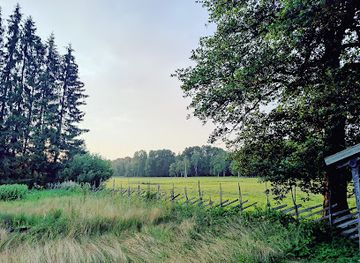
Human settlement in Soomaa has historically been scattered, concentrated on slightly higher ground around the edges of the floodplains and bogs. Local communities adapted their farming, forestry and travel practices to wet conditions, using river corridors and raised routes when the land was flooded. The traditional haabjas, or dugout canoes, are a particularly important expression of this relationship with the landscape. Made from a single tree trunk, these boats were used for movement, fishing and access to floodplain areas, and their knowledge remains part of Soomaa’s living cultural heritage.
Forestry, Agriculture and Changing Land Use
For centuries, the wider Soomaa region combined small-scale agriculture with woodland use, haymaking and seasonal movement across flood-prone land. The most waterlogged bog interiors were difficult to cultivate, while floodplain meadows could provide hay when conditions allowed. During the twentieth century, changing rural economies and population decline reduced the number of permanent settlements within the wetland landscape. These changes helped preserve extensive habitats, although drainage, forestry and altered water management in the wider river basin have also influenced the movement of water through the area.
National Park Protection
Soomaa National Park was established in 1993 to protect its large bogs, floodplains, rivers, forests and cultural landscapes. Protection brought greater attention to a region that had previously been known mainly through local knowledge and seasonal rural practices. Conservation management now seeks to maintain natural water regimes, safeguard habitats and accommodate carefully managed recreation. The national park forms part of Estonia’s wider network of protected wetlands, while its landscapes are also connected with international wetland conservation. Visitor interpretation places particular emphasis on flooding, peatland ecology and traditional livelihoods.
The Fifth Season and Modern Heritage
The term ‘Fifth Season’ has become closely associated with Soomaa’s exceptional spring floods, when water can cover roads, meadows and woodland beyond the ordinary four seasons. Although flooding is a natural feature rather than a separate climatic season, it has become central to the area’s identity and tourism. Canoeing, guided nature excursions and boardwalk walks now offer ways to experience the park without severing its connection to local traditions. The continued making and use of haabjas also link contemporary cultural activity with the older history of living in a flood-shaped environment.
Soomaa National Park in Photos
Browse through our photo collection highlighting the charm and character of the destination.
Cities in Soomaa National Park
The towns and cities of Soomaa National Park, and the easiest places to base yourself.

Swipe for more cities
Neighbouring destination travel guides
The closest destinations to Soomaa National Park, if you have time for more than one.
-

-

-


Swipe for more destinations
Explore more
Explore more of Viljandimaa
Discover Viljandimaa: Estonia's gem of cultural heritage, natural beauty, and historical charm, perfect for music festivals, hiking, and exploring rich history.
Explore Viljandimaa
Explore more of Estonia
Discover Estonia: A perfect blend of medieval charm, modern innovation, and natural beauty in the heart of Northern Europe.
Explore Estonia