

Free Põlva County Travel Guide & Mobile App
Explore Põlva County with free travel guides. Discover regional history, expert tips, proposed trips, and audio guides on web or mobile app.


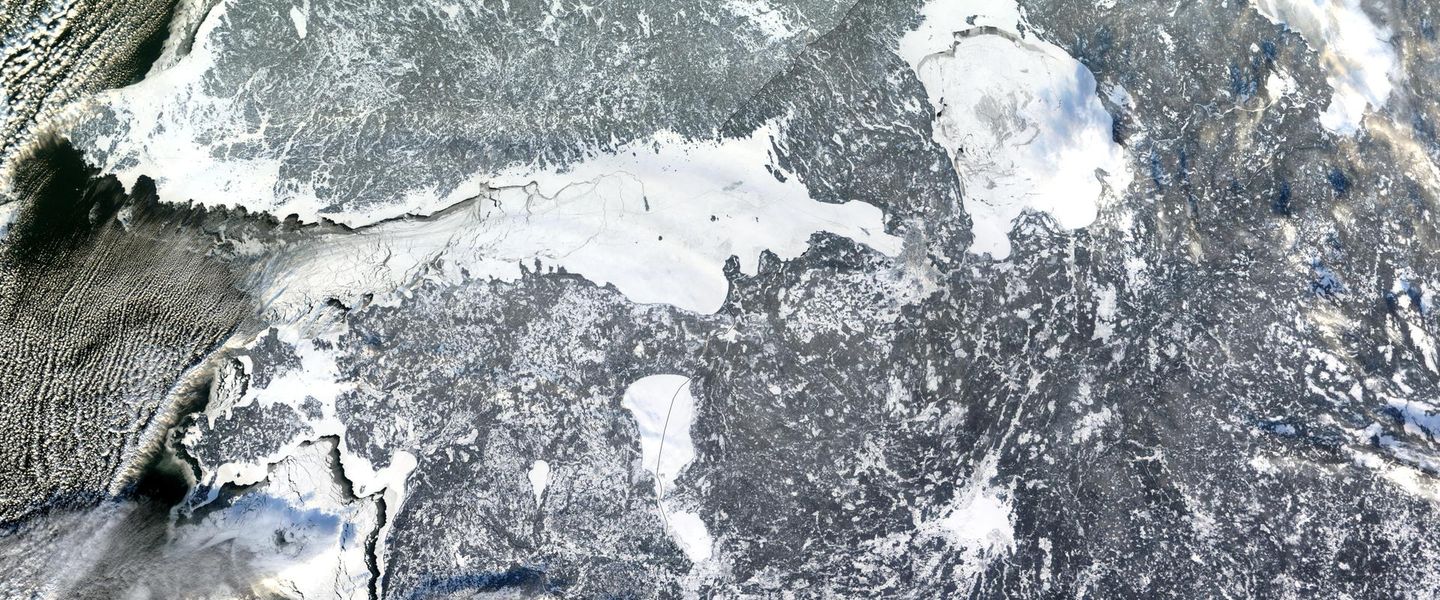


Explore Põlva County in southeastern Estonia for sandstone valleys, bog trails, manor culture, rivers, forests and distinctive South Estonian rural traditions.
Read more about Põlva County
When is the best time to visit Põlva County?
Best: June–August · 21–23°C| Month | High (°C) | Rainfall (mm) |
|---|---|---|
| January | -2 | 32 |
| February | -1 | 26 |
| March | 4 | 27 |
| April | 10 | 31 |
| May | 18 | 35 |
| June (best) | 21 | 41 |
| July (best) | 23 | 48 |
| August (best) | 21 | 44 |
| September | 16 | 38 |
| October | 11 | 44 |
| November | 4 | 42 |
| December | -1 | 37 |
Getting to and around Põlva County
How to get there
Transportation
Top city travel guides in Põlva County
The cities of Põlva County, and the easiest places to base yourself.
-

-


Swipe for more cities
Destinations in Põlva County
Resorts, valleys and scenic spots worth a trip of their own.
-

-


Swipe for more destinations
Best attractions in Põlva County
Põlva County’s attractions are closely tied to its landscapes and small-town heritage. Taevaskoda, in the Ahja Landscape Reserve, combines riverside walking with pale Devonian sandstone outcrops and is the county’s best-known natural destination. Meenikunno bog offers a different experience: raised bog scenery, forest and boardwalk trails suited to quiet walking and birdwatching. The Võhandu and Ahja rivers broaden the outdoor offer with canoeing, kayaking and riverside routes. Cultural attractions include the Estonian Road Museum at Varbuse, which explains the development of roads and travel through exhibits and practical displays, and Mooste’s restored manor complex, now used for cultural and creative activities. Räpina brings together a manor park, horticultural traditions and the long-established paper-mill story, while Põlva provides museums, public parks and community events. The county is particularly rewarding for visitors who combine a major nature stop with smaller heritage sites, farm landscapes and village roads rather than treating attractions as isolated points on a map.
-
Hiking area
Taevaskodade trail
Discover the stunning Taevaskodade Trail in Põlva County, where unique sandstone formations and serene landscapes await your exploration.
-
University
University of Tartu
Discover the rich heritage and vibrant culture at the University of Tartu, Estonia's oldest university and a hub of academic excellence.
-
Park
Kiidjärve park
Explore the enchanting landscapes of Kiidjärve Park, a serene escape in Põlva County, perfect for outdoor adventures and peaceful retreats.
-
Observation deck
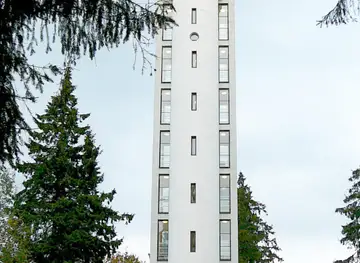
RMK Valgesoo vaatetorn
Experience breathtaking views and serene nature at RMK Valgesoo Vaatetorn, a must-visit observation deck in Estonia's picturesque landscapes.


Best landmarks in Põlva County
Taevaskoda’s sandstone walls above the Ahja River are Põlva County’s most recognisable natural landmarks. Formed from Devonian sandstone and shaped by erosion, the outcrops are visually distinctive and embedded in local stories, while the surrounding reserve protects woodland and river habitats. Räpina’s manor park and historic estate environment mark the town’s long relationship with land management, horticulture and paper production. In Mooste, the manor complex provides an architectural focus for the settlement, with surviving estate buildings illustrating how rural estates once organised work and administration. The Estonian Road Museum at Varbuse is a modern landmark of a different kind: its site interprets the infrastructure that connected Estonia’s countryside and changed the experience of travel. Põlva Church and the county’s village churches are quieter markers of parish history, education and community life. Together, these places represent the county’s main visual themes—river valleys, estate landscapes, rural public institutions and the infrastructure of movement—rather than a concentration of monumental urban architecture.
-
Museum
Estonian Road Museum
Discover the captivating history of Estonia's roads and transportation at the Estonian Road Museum, a unique attraction for all ages.
-
Scenic spot
Suur Taevaskoda
Explore Suur Taevaskoda, Estonia's breathtaking scenic spot known for its stunning rock formations and serene hiking trails amidst lush landscapes.
-
Tourist attraction
Taevaskoja Neitsikoobas
Explore the enchanting Taevaskoja Neitsikoobas, a stunning natural attraction in Põlva County, perfect for hiking and photography enthusiasts.
-
Beach
Põlva rand
Discover the tranquil beauty of Põlva Rand, a serene beach destination in Põlva County, perfect for relaxation and outdoor activities.


Explore Põlva County on the map
Plan your trip on one map. See where the top cities, national parks and sights are, and book hotels and experiences in a few clicks.
Best hotels in Põlva County
Best restaurants in Põlva County
Dining in Põlva County reflects South Estonia’s rural setting and the country’s broader seasonal food culture. In Põlva, Räpina and the larger villages, cafés, pubs and small restaurants commonly provide straightforward meals based on potatoes, pork, dairy products, rye bread and locally available vegetables. Forest berries and mushrooms appear seasonally, while freshwater fish may feature in places close to the region’s rivers and lakes. Farm shops and markets are useful for finding preserves, baked goods, honey and other locally produced foods, although opening arrangements can be seasonal. Räpina’s horticultural identity gives local produce particular relevance, and manor or countryside venues may combine heritage surroundings with contemporary Estonian cooking. Visitors should distinguish between everyday Estonian dishes and products genuinely made in the county; not every speciality associated with South Estonia originated here. Meal times and choice are more limited in rural areas than in Tallinn or Tartu, so advance planning is sensible when visiting remote trailheads or villages.
-
German
Restaurant München - Weihenstephaner Wirtshaus
Discover authentic German cuisine and beer in Tartu's charming Weihenstephaner Wirtshaus - where every meal is a celebration.
-
Restaurant
Ugandi Resto
Experience authentic Estonian flavors at Ugandi Resto in Otepää – where tradition meets contemporary cuisine.
-
Restaurant
Pangodi kalarestoran
Discover delightful seafood dishes at Pangodi Kalarestoran in Estonia's scenic landscape—where nature meets culinary excellence.
-
Restaurant
Seto Tsäimaja
Experience authentic Seto cuisine at Seto Tsäimaja in Värska—where tradition meets taste in a cozy setting.


Best bars in Põlva County
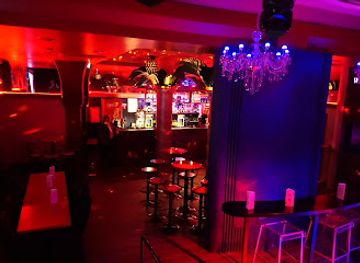
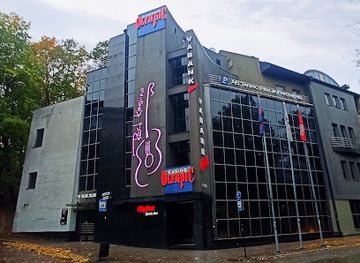
Põlva County does not have a large nightclub scene, and evenings are generally centred on pubs, cafés, restaurants, community events and occasional live music rather than late urban entertainment. Põlva and Räpina offer the broadest choice of places for a drink or meal, while smaller settlements tend to rely on traditional local pubs and venues attached to cultural or community facilities. Historic manor settings and festival areas may host seasonal concerts, performances or gatherings, but programmes and opening arrangements change. In summer, outdoor events can bring more activity to Põlva’s Intsikurmu park and other cultural spaces. Craft beer and Estonian spirits may appear on menus, but drinking is not necessary to experience the county’s evening culture. Visitors staying in rural accommodation should expect quiet nights, dark roads and limited late transport, making a planned return journey important.
-
Pub
Ränduri pubi külalistemaja
Discover the perfect blend of a lively pub and cozy guest house at Ränduri Pubi Külalistemaja in Võru County, Estonia.
-
Pub
Pubi nr. 17
Experience the warmth and flavors of Võru at Pubi nr. 17 – a charming pub and guest house perfect for travelers seeking local culture.
-
Pub
pub eleven
Experience the vibrant atmosphere and local flavors at Pub Eleven, a favorite pub in Elva, offering delicious food and a fine selection of beverages.
-
Bar
Väike Kuuba Mojito Baar
Experience the tropical charm of Väike Kuuba Mojito Baar in Tartu, where refreshing drinks and vibrant atmospheres create unforgettable moments.


Best nightclubs in Põlva County
Põlva County does not have a large nightclub scene, and evenings are generally centred on pubs, cafés, restaurants, community events and occasional live music rather than late urban entertainment. Põlva and Räpina offer the broadest choice of places for a drink or meal, while smaller settlements tend to rely on traditional local pubs and venues attached to cultural or community facilities. Historic manor settings and festival areas may host seasonal concerts, performances or gatherings, but programmes and opening arrangements change. In summer, outdoor events can bring more activity to Põlva’s Intsikurmu park and other cultural spaces. Craft beer and Estonian spirits may appear on menus, but drinking is not necessary to experience the county’s evening culture. Visitors staying in rural accommodation should expect quiet nights, dark roads and limited late transport, making a planned return journey important.
-
Night club
Lokaal Kassa
Experience the vibrant nightlife of Pärnu at Lokaal Kassa, a premier night club known for its energetic atmosphere and unforgettable music.
-
Night club
VABANK Club - Ööklubi Tartus
Discover Tartu's electrifying nightlife at VABANK Club, where vibrant dance floors and stylish bars create unforgettable nights out.
-
Night club
Club Illusion
Dive into the energetic nightlife of Tartu at Club Illusion, where dazzling music and vibrant crowds create the ultimate party experience.
-
Night club
Shooters Tartu
Dive into the lively nightlife of Tartu at Shooters, the ultimate destination for clubbing with friends and unforgettable parties.


Best shops in Põlva County
Shopping in Põlva County is primarily local and practical, with the greatest choice in Põlva and Räpina and smaller selections in Kanepi and other settlements. Town-centre shops and supermarkets cover everyday needs, while cafés, farm outlets, seasonal stalls and markets are better sources of regional character. Look for rye bread, preserves, honey, herbal products, berries, mushrooms and other foods from South Estonian producers when in season. Craft goods may include woollen items, woodwork, ceramics and small objects made by local makers, though availability varies by venue and event. Mooste’s cultural setting can be useful for finding creative and craft-related products, while Räpina’s horticultural identity is reflected in plants, garden knowledge and locally connected produce. This is not a destination for extensive luxury retail; its appeal lies in small-scale shopping, edible souvenirs and goods purchased directly from makers or producers. Check opening times before travelling to rural farm shops or seasonal markets.
-
Supermarket
Põlva Maksimarket
Explore Põlva Maksimarket, your go-to supermarket in Põlva County, offering a wide array of groceries and friendly service.
-
Store
EDU Keskuse Konsum
Discover authentic Estonian flavors at EDU Keskuse Konsum, a local grocery store in Põlva offering fresh produce and delightful pastries.
-
Shopping mall
Edu Keskus
Discover Edu Keskus: Põlva's premier shopping mall offering a delightful blend of retail, dining, and entertainment experiences for tourists.
-
Grocery store
Põlva Rimi mini
Explore local flavors at Põlva Rimi Mini, your go-to grocery store in Põlva for fresh produce and Estonian specialties.


Get your free copy of our complete guide to Põlva County, delivered straight to you.
Everything on this page, from attractions and restaurants to essentials and local phrases, in one PDF you can read offline, print or share.
Already have an account? Sign in
Your Põlva County guide is ready.
We'll send it to · Not you? Sign out

Getting your guide ready…
We are putting together a fresh copy of the Põlva County guide. This can take up to a minute.
This can take a few moments. If your browser asks, choose Allow so the download can start. You'll find the guide in your Downloads folder.
Nothing happened? Download it again
Sorry, the guide is taking longer than usual. Please try again in a minute, or get it by email instead.
Põlva County essentials
Currency and Payment
Safety
Emergency Situations
Do's and Don'ts
Local Tips
From Eve
Local phrases worth knowing
You don't need to get them perfect. A few words go a long way, and locals appreciate the effort.
Basics
| English | Local | Say it |
|---|---|---|
| Hello | Tere | [teh-reh] |
| Goodbye | Head aega | [head ah-eh-gah] |
| Yes | Jah | [yah] |
| No | Ei | [ay] |
| Please/You're welcome | Palun | [pah-loon] |
| Thank you | Aitäh | [ai-tah] |
| Excuse me/Sorry | Vabandust | [vah-bahn-doost] |
| How are you? | Kuidas sul on? | [kwee-dahs sool on] |
| Fine. And you? | Hästi. Ja sina? | [hahs-tee. yah see-nah] |
| Do you speak English? | Kas sa räägid inglise keelt? | [kahs sah rah-ee-gid ing-lis-eh kehlt] |
| I don't understand | Ma ei saa aru | [mah ay zah ah-roo] |
Eating & Drinking
| English | Local | Say it |
|---|---|---|
| I'd like to see the menu, please | Ma tahaksin menüüd näha, palun | [mah tah-hak-sin meh-nüüd nah-hah, pah-loon] |
| I don't eat meat | Ma ei söö liha | [mah ay söh li-hah] |
| Cheers! | Terviseks! | [ter-vee-seks] |
| I would like to pay, please | Ma tahaksin maksta, palun | [mah tah-hak-sin mak-stah, pah-loon] |
Emergencies
| English | Local | Say it |
|---|---|---|
| Help! | Aita! | [ay-tah] |
| Go away! | Mine ära! | [mee-neh ah-rah] |
| Call the Police! | Kutsu politsei! | [koot-soo poh-lee-tsei] |
| Call a doctor! | Kutsu arst! | [koot-soo arst] |
| I'm lost | Ma olen eksinud | [mah oh-len eks-ee-nud] |
| I'm ill | Ma olen haige | [mah oh-len hai-geh] |
Shopping
| English | Local | Say it |
|---|---|---|
| I'd like to buy... | Ma tahaksin osta... | [mah tah-hak-sin os-tah] |
| I'm just looking | Ma lihtsalt vaatan | [mah leest-laht vah-tahn] |
| How much is it? | Kui palju see maksab? | [kwee pah-lu see mak-sahb] |
| That's too expensive | See on liiga kallis | [seh on lee-gah kah-lis] |
| Can you lower the price? | Kas sa saad hinda alandada? | [kahs sah sahd hin-dah ah-lahn-dah] |
Time & Numbers
| English | Local | Say it |
|---|---|---|
| What time is it? | Mis kell on? | [mis kell on] |
| It's one o'clock | Kell on üks | [kell on uks] |
| Half past (10) | Kell on pool (kümme) | [kell on pool (kü-meh)] |
| Morning | Hommik | [hom-mik] |
| Afternoon | Päev | [pah-ehv] |
| Evening | Õhtu | [uh-thoo] |
| Yesterday | Eile | [ay-leh] |
| Today | Täna | [tah-nah] |
| Tomorrow | Homme | [hohm-meh] |
| 1 | Üks | [uks] |
| 2 | Kaks | [kahks] |
| 3 | Kolm | [kohlm] |
| 4 | Neli | [neh-lee] |
| 5 | Viis | [vees] |
| 6 | Kuus | [koos] |
| 7 | Seitsme | [sayts-meh] |
| 8 | Kaheksa | [kah-eh-k-sah] |
| 9 | Üheksa | [ü-heh-k-sah] |
| 10 | Kümme | [kü-meh] |
Transport & Directions
| English | Local | Say it |
|---|---|---|
| Where's a/the...? | Kus on ...? | [koos on ...] |
| What's the address? | Mis on aadress? | [mis on ahd-res] |
| Can you show me (on the map)? | Kas sa saad mulle näidata (kaardil)? | [kahs sah sahd moo-leh nah-ee-daht (kaar-dil)] |
| When's the next (bus)? | Millal on järgmine (buss)? | [mil-lal on yah-rg-mee-neh (boos)] |
| A ticket (to ....) | Pilet (....-le) | [pee-let (...-leh)] |
History of Põlva County
Prehistoric Settlement and Lake Communities
The forests, waterways and fertile clearings of present-day Põlva County have supported human settlement since prehistoric times. Rivers and lakes offered transport, fishing and access to timber, while the higher ground around Põlva and Kanepi was suitable for cultivation and pasture. Archaeological evidence across southeastern Estonia shows long continuity in rural settlement, even though individual farm sites and community boundaries changed over time. The landscape’s bogs, woodland and river valleys were not simply wilderness: they formed a working environment in which seasonal movement, agriculture and the use of wild resources were closely connected.
Medieval Livonian Rural Society
During the medieval period, the area belonged to the wider political and religious world of Livonia, a federation shaped by German-speaking ecclesiastical and secular powers. Churches and manor estates became important centres of administration, Christian worship and landholding, while Estonian-speaking farming communities continued to organise everyday life in villages and scattered farms. The region was less urbanised than northern Estonia, but routes along rivers and across the uplands linked local settlements with markets and larger centres. Later manor landscapes at places such as Mooste and Räpina have roots in this long system of estate administration.
Wars and Imperial Rule in the Seventeenth and Eighteenth Centuries
Southeastern Estonia experienced repeated disruption during the Livonian War, the Swedish-Polish conflicts and the Great Northern War. Armies, taxation and disease affected rural communities, while political control shifted between regional powers before the territory became part of the Russian Empire. The period reinforced the importance of manor estates and their landholding structures. Although the most visible battlefields were not concentrated in Põlva County, the region’s churches, estates and settlement patterns developed within the same cycles of war, reconstruction and imperial administration that shaped Estonia more broadly.
Manor Estates and Agricultural Change
From the eighteenth century into the nineteenth, manor estates dominated much of the countryside. Mooste and Räpina are among the best-known local examples, with manor buildings, parks, farm lands and related industries influencing the appearance and economy of their surroundings. Räpina became associated with paper production and horticulture, while estate farms elsewhere organised grain growing, livestock keeping and forestry. The abolition of serfdom and later land reforms gradually altered relationships between estates and rural communities. Many surviving manor buildings and parks therefore represent both architectural heritage and the history of changing land ownership.
National Awakening, Education and Parish Life
Nineteenth-century cultural and social change strengthened Estonian-language education, publishing and parish institutions. Schools and churches became important places for literacy and community organisation, while improved roads and rail connections linked southeastern settlements more closely with markets. Local identities developed within the wider Estonian national movement, alongside distinctive South Estonian speech forms and customs. The growth of organised education and civic associations helped establish the foundations for the county’s later cultural life, even though most residents continued to live in agricultural communities.
Independent Estonia and Rural Modernisation
After Estonia became independent in 1918, land reform broke up many large estates and redistributed land, creating or enlarging numerous farms. The new republic invested in schools, roads and public institutions, while local industries and agricultural cooperatives adapted to a national economy. Räpina’s paper mill and horticultural traditions remained particularly significant, and transport improvements gradually reduced the isolation of the south-east. The Second World War and subsequent Soviet occupation brought renewed political upheaval, collectivisation and state control, leaving a complex legacy in rural settlement and family histories.
Restoration of Independence and Heritage Renewal
Since Estonia restored independence in 1991, Põlva County has combined rural economic change with renewed attention to landscape and cultural heritage. Manor complexes, local museums, nature reserves and traditional buildings have been adapted for education, tourism and community use. Mooste’s restored buildings, Räpina’s horticultural identity and the Estonian Road Museum illustrate different approaches to interpreting the past. At the same time, protected areas such as Taevaskoda and Meenikunno have become central to regional tourism, linking contemporary outdoor recreation with long-standing relationships between South Estonian communities and their natural surroundings.
Põlva County in Photos
Browse through our photo collection highlighting the charm and character of the destination.
Neighbouring regions of Põlva County
The closest regions to Põlva County, if you have time for more than one.
-
-

-

-
-


Swipe for more regions
Explore more

Explore more of Estonia
Discover Estonia: A perfect blend of medieval charm, modern innovation, and natural beauty in the heart of Northern Europe.
Explore Estonia