

Võrumaa, Estonia Travel Guide
Discover Võrumaa, Estonia's hidden gem, where nature's splendor meets rich cultural heritage. Explore the wild landscapes, historical landmarks, and vibrant local traditions.
Nestled in the southeastern corner of Estonia, Võrumaa is a treasure trove of natural beauty and cultural heritage. This region is renowned for its rolling hills, pristine lakes, and dense forests, offering a serene escape from the hustle and bustle of city life. Võrumaa is a paradise for outdoor enthusiasts, with ample opportunities for hiking, cycling, and bird-watching. The region's vast network of trails and protected natural areas, such as the Haanja Nature Park, provide a perfect backdrop for exploring Estonia's wild side. Beyond its natural allure, Võrumaa is steeped in history and tradition. The region is home to numerous historical landmarks, including the ancient Võru Church and the iconic Pühajärve War Oak. Visitors can immerse themselves in the local culture by attending traditional festivals, sampling Võrumaa's unique cuisine, and visiting charming local markets. The Võru County Museum offers a fascinating glimpse into the area's rich past, showcasing artifacts and exhibits that tell the story of Võrumaa's people and their way of life. Võrumaa also offers a range of accommodation options, from cozy guesthouses and farm stays to modern hotels, ensuring a comfortable stay for all types of travelers. Whether you're seeking adventure, relaxation, or a cultural experience, Võrumaa promises an unforgettable journey into the heart of Estonia's natural and cultural heritage.

Know before you go
Hi, I'm Eve. Here are a few practical things to know before exploring Võrumaa.
- Visit in summer or early autumn for the best weather and vibrant local festivals.
- Rent a bike to explore the extensive network of trails in Haanja Nature Park.
- Try local dishes like 'sült' (jellied meat) and 'kama' (a traditional grain mixture).
- Look for accommodations in traditional farmhouses for an authentic experience.
- Attend the Võru Folk Festival in July to experience traditional Estonian music and dance.
Top City Travel Guides in Võrumaa
The cities of Võrumaa, and the easiest places to base yourself.


Destinations in Võrumaa
Resorts, valleys and scenic spots worth a trip of their own.

Explore Võrumaa: Things to Do, Places to Eat, Hotels & More
Handpicked recommendations for top attractions, local dining, accommodations, and more

Top Attractions & Sightseeing in Võrumaa
Top-rated picks
Best Attractions

Rõuge watchtower "Pesapuu"
Experience breathtaking views and rich history at Rõuge Watchtower Pesapuu, a must-visit attraction in Estonia's Võru County.
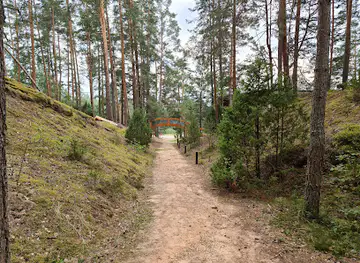
Piusa Cave Museum
Explore the enchanting Piusa Cave Museum in Vôru County, where nature meets history in stunning limestone formations.

Ruins of Vastseliina Episcopal Castle
Uncover the historical beauty of Vastseliina Episcopal Castle, a captivating fortress ruin that tells the story of Estonia's medieval past.

Haanja Nature Park
Explore the stunning landscapes and diverse ecosystems of Haanja Nature Park in Võru County, Estonia, a true natural gem for outdoor enthusiasts.

Best landmarks in Võrumaa
Top-rated picks
Best Landmarks
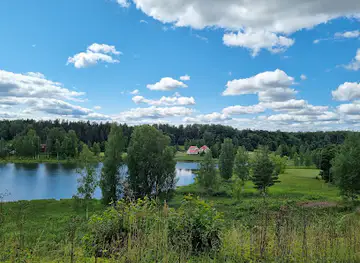
Haanja Nature Park
Immerse yourself in the breathtaking landscapes and rich biodiversity of Haanja Nature Park, a hidden gem in Estonia's Võru County.

Hinni Canyon
Explore the stunning landscapes and tranquil beauty of Hinni Canyon, a must-visit national park in Estonia's Võru County for nature lovers and adventure seekers.
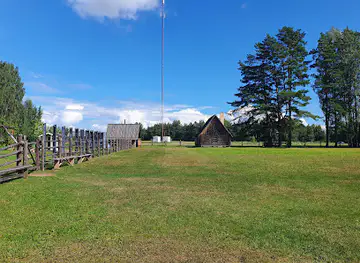
Värska Farm Museum
Discover the rich heritage of Estonia at Värska Farm Museum, an engaging open-air museum showcasing the traditions and culture of the Seto people.

Mõisaait OÜ
Discover the serene beauty and rustic charm of Mõisaait OÜ, a perfect getaway in Võru County, Estonia with cabin rentals and exceptional local cuisine.

Best restaurants in Võrumaa
Top-rated picks
Best Restaurants

Kubija hotell-loodusspaa
Experience ultimate relaxation at Kubija Hotel & Nature Spa - where nature meets comfort in Võru County.

Suur Muna
Discover Suur Muna in Haanja: A delightful restaurant offering exquisite local cuisine amidst stunning natural beauty.

Pubi nr. 17
Experience authentic Estonian cuisine at Pubi nr. 17 in Võru—where tradition meets taste in a cozy setting.

Seto Tsäimaja
Experience authentic Seto cuisine at Seto Tsäimaja in Värska—where tradition meets flavor in every dish.

Best bars in Võrumaa
Top-rated picks
Best Bars

Kubija hotell-loodusspaa
Experience tranquility and relaxation at Kubija Hotell-Loodusspaa, a serene retreat in the heart of Võru County with exceptional dining and wellness services.
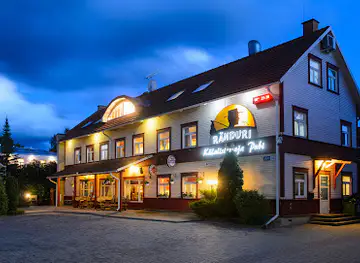
Ränduri pubi külalistemaja
Experience the warmth of Estonian hospitality at Ränduri Pubi, where local flavors meet cozy accommodations in beautiful Võru.

Suur Muna
Experience the essence of Estonian cuisine at Suur Muna, a delightful restaurant and coffee shop in picturesque Haanja.

Pubi nr. 17
Experience the warmth of Estonian hospitality at Pubi nr. 17, a charming pub and restaurant in the heart of Võru, offering local flavors and a cozy atmosphere.

Best nightclubs in Võrumaa
Top-rated picks
Best Nightclubs

Ränduri pubi külalistemaja
Discover the charm of Ränduri Pubi, a cozy pub and guest house in Võru, where local flavors and warm hospitality await you.

Pubi nr. 17
Discover the authentic flavors and welcoming atmosphere of Pubi nr. 17, a charming pub and guest house in the heart of Võru County.

Triinu baar
Experience the vibrant nightlife at Triinu Baar in Võru County, where music, dancing, and local drinks create unforgettable memories.

VABANK Club - Ööklubi Tartus
VABANK Club: Tartu's ultimate nightlife experience, where dance, drinks, and great vibes come together in a vibrant atmosphere.

Best shops in Võrumaa
Top-rated picks
Best Shops

Võru Maksimarket
Discover local flavors and essential goods at Võru Maksimarket, your ultimate shopping destination in Võru County.

Kagukeskus
Explore Kagukeskus: A premier shopping destination in Võru with diverse stores, dining options, and local culture experiences.

Võrumaa Food Center
Explore the vibrant Võrumaa Food Center, a must-visit produce market offering fresh local flavors and unique culinary experiences.

K-Rauta Võru
Discover K-Rauta Võru, the ultimate destination for all your building materials and home improvement needs in Võru County.

Explore Võrumaa on the Map
A handpicked selection of must-see spots in Võrumaa, mapped for you.
Võrumaa Essentials
-
Võrumaa is located in southeastern Estonia. The nearest international airport is Tartu Airport, approximately 70 kilometers away. From Tartu, you can take a bus or rent a car to reach Võru, the central town of Võrumaa. Alternatively, you can also fly into Tallinn Airport and take a bus or train to Võru, but the journey will be longer, approximately 3 to 4 hours by road.
-
Võrumaa offers several transportation options. Local buses connect Võru with surrounding towns and villages, and taxis are readily available for convenient travel within the area. Renting a car is a great option for exploring the region at your own pace. Biking is also popular, especially for enjoying the scenic countryside.
-
The official currency in Estonia is the Euro (EUR). Credit and debit cards are widely accepted in hotels, restaurants, and shops. ATMs are available in Võru and other larger towns, but it's advisable to carry some cash, especially when visiting rural areas or small businesses.
-
Võrumaa is generally a safe destination for tourists. However, it is always wise to take standard precautions such as avoiding walking alone at night in unfamiliar areas and keeping an eye on your belongings in crowded places. There are no specific high-crime areas targeting tourists, but staying vigilant is always recommended.
-
In case of emergency, dial 112 for immediate assistance, which covers police, fire, and medical emergencies. Võru has a local police station and medical facilities. It's advisable to have travel insurance that covers medical emergencies. Pharmacies are available in Võru for minor health issues and over-the-counter medications.
-
Fashion: Do dress comfortably and appropriately for the weather. While casual attire is generally acceptable, dress modestly when visiting religious sites. Religion: Do respect local customs and traditions, especially in religious sites. Public Transport: Do be respectful and give up your seat to elderly passengers. Don't eat or drink on public transport. Greetings: Do greet people with a friendly smile or a handshake. Estonians value personal space, so avoid overly enthusiastic gestures. Eating & Drinking: Do try local delicacies and accept food offerings graciously. Don't refuse hospitality, as it is considered impolite.
-
To experience Võrumaa like a local, visit the local markets where you can buy fresh produce and traditional Estonian goods. Take part in local festivals and fairs to immerse yourself in the culture. Engage with locals, as they are often friendly and willing to share stories about the area’s history and traditions. Explore the scenic Haanja Nature Park and the famous Suur Munamägi, the highest peak in the Baltic states. Enjoy a relaxing day at Lake Tamula in Võru, a favorite spot among locals.
When is the best time to visit Võrumaa?
Useful Local Phrases for Võrumaa
You don't need to speak the language perfectly. Even learning a few simple words can make conversations warmer—and locals usually appreciate the effort.
— Eve

Here are the phrases I use most often in Võrumaa. Try a few—you'll be surprised how far they go! 😊
❤️
-
- HelloTere
[Teh-reh] - GoodbyeNägemist
[Nah-geh-mist] - YesJah
[Yah] - NoEi
[Ay] - Please/You're welcomePalun
[Pah-lun] - Thank youAitäh
[Eye-tah] - Excuse me/SorryVabandust
[Vah-bahn-dust] - How are you?Kuidas sul läheb?
[Koo-dahs sul lah-heh-b?] - Fine. And you?Hästi. Aga sina?
[Hahs-tee. Ah-gah see-nah?] - Do you speak English?Kas sa räägid inglise keelt?
[Kahs sah rah-ee-gid een-glee-seh kehlt?] - I don't understandMa ei saa aru
[Mah ay zah ah-roo]
- HelloTere
-
- I'd like to see the menu, pleaseMa tahaksin menüüd näha, palun
[Mah tah-hahk-sin meh-noo-d nah-hah, pah-lun] - I don't eat meatMa ei söö liha
[Mah ay suh-lay heh] - Cheers!Terviseks!
[Tehr-vee-seks] - I would like to pay, pleaseMa tahaksin maksta, palun
[Mah tah-hahk-sin mahk-stah, pah-lun]
- I'd like to see the menu, pleaseMa tahaksin menüüd näha, palun
-
- Help!Aita!
[Eye-tah!] - Go away!Mine ära!
[Mee-neh eh-rah!] - Call the Police!Kutsu politsei!
[Koot-soo poh-lit-sey!] - Call a doctor!Kutsu arst!
[Koot-soo arst!] - I'm lostMa olen kadunud
[Mah oh-len kah-doon-ood] - I'm illMa olen haige
[Mah oh-len hi-geh]
- Help!Aita!
-
- I'd like to buy...Ma tahaksin osta...
[Mah tah-hahk-sin oh-stah...] - I'm just lookingMa lihtsalt vaatan
[Mah leest-leht vah-tahn] - How much is it?Kui palju see maksab?
[Koo-ee pah-lu see mahk-sahb?] - That's too expensiveSee on liiga kallis
[Seh on lee-gah kah-lis] - Can you lower the price?Kas sa saad hinda alandada?
[Kahs sah sahd hin-dah ah-lahn-dah-dah?]
- I'd like to buy...Ma tahaksin osta...
-
- What time is it?Mis kell on?
[Mis kel on?] - It's one o'clockKell on üks
[Kel on uks] - Half past (10)Kell on pool (10)
[Kel on pool (10)] - MorningHommik
[Hom-mik] - AfternoonPäev
[Pehv] - EveningÕhtu
[Uh-thoo] - YesterdayEile
[Ay-leh] - TodayTäna
[Tah-nah] - TomorrowHomme
[Hom-meh] - 1Üks
[Uks] - 2Kaks
[Kahks] - 3Kolm
[Kohlm] - 4Neli
[Neh-lee] - 5Viis
[Veese] - 6Kuus
[Koo-es] - 7Seitsme
[Sait-seh-meh] - 8Kaheksa
[Kah-ehks-ah] - 9Üheksa
[Uh-ehks-ah] - 10Kümme
[Koom-meh]
- What time is it?Mis kell on?
-
- Where's a/the...?Kus on ...?
[Koos on ...?] - What's the address?Mis on aadress?
[Mis on ah-dress?] - Can you show me (on the map)?Kas sa saad näidata (kaardil)?
[Kahs sah sahd nah-ee-dah-tah (kahr-deel)?] - When's the next (bus)?Millal tuleb järgmine (buss)?
[Meel-lahl too-leb yahr-gin-eh (boos)?] - A ticket (to ....)Pilet (....)
[Pee-let (....)]
- Where's a/the...?Kus on ...?
History of Võrumaa
-
Võrumaa has been inhabited since prehistoric times, with archaeological findings suggesting that the first settlers arrived in the region around 8000 BC. The early inhabitants were primarily hunter-gatherers who later transitioned to agriculture. Numerous ancient stone structures and burial sites have been discovered, shedding light on the early cultures that thrived in Võrumaa.
-
During the medieval period, Võrumaa became part of the Livonian Confederation. The Livonian Order, a branch of the Teutonic Knights, established control over the region in the 13th century. The town of Võru, established in 1784 by Catherine the Great, holds the traces of these medieval influences. The medieval period saw the construction of fortresses and churches, many of which still stand today, offering a glimpse into the area's rich history.
-
Founded in 1784 by order of Catherine the Great, Võru was established as a center of administration and trade. The town was meticulously planned with a grid layout, which was quite advanced for its time. Võru quickly grew into a vibrant community, attracting merchants, artisans, and settlers from various parts of the region. The Võru town hall and other historical buildings from this era still dominate the town's architecture.
-
In the 19th century, Võrumaa played a significant role in the Estonian National Awakening, a period marked by the rise of Estonian national consciousness and cultural identity. Prominent figures such as Friedrich Reinhold Kreutzwald, the author of the Estonian national epic 'Kalevipoeg,' lived and worked in Võru. This era saw a flourishing of Estonian literature, music, and folklore, much of which has roots in Võrumaa.
-
The 20th century was a turbulent time for Võrumaa, marked by the struggle for Estonian independence. Following World War I, Estonia declared independence in 1918, which was followed by a brief period of freedom before Soviet occupation in 1940. Võrumaa, like the rest of Estonia, experienced significant hardship during World War II. The area was a battleground between Soviet and German forces. Estonia regained its independence in 1991, and since then, Võrumaa has been an integral part of the independent republic, preserving its unique cultural heritage.
-
Võrumaa is renowned for its rich cultural heritage and traditions. The region is home to the Võro people, who speak the Võro dialect, a distinct variant of the Estonian language. Traditional Võro culture includes unique customs, folklore, music, and dance. Annual festivals such as the Võru Folklore Festival celebrate these traditions, attracting visitors from all over the world. Handicrafts, traditional clothing, and local cuisine also form an integral part of Võrumaa's cultural tapestry.
Neighbouring Regions of Võrumaa
The closest regions to Võrumaa, if you have time for more than one.


Your all‑in‑one travel companion app
Explore expert travel guides, compare and book tours, experiences, hotels, and more—all from the palm of your hand. Download now for seamless trip planning wherever your wanderlust takes you.


Explore More of Estonia

Looking beyond Võrumaa? Discover Estonia for broader travel guides, local hot-spots, and regional highlights.
Explore EstoniaVõrumaa in Photos
Browse through our photo collection highlighting the charm and character of the destination.


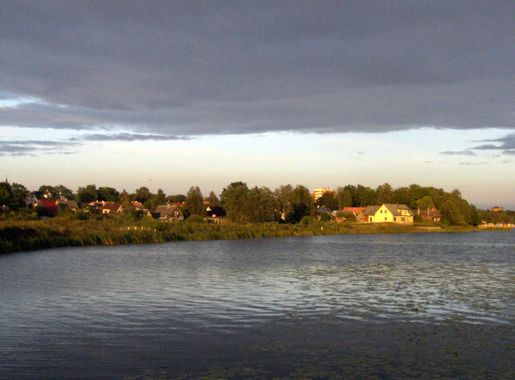

The Enchanting Wilderness of Võrumaa
Nestled in the southeastern corner of Estonia, Võrumaa is a treasure trove of natural beauty and cultural heritage. This region is renowned for its rolling hills, pristine lakes, and dense forests, offering a serene escape from the hustle and bustle of city life. Võrumaa is a paradise for outdoor enthusiasts, with ample opportunities for hiking, cycling, and bird-watching. The region's vast network of trails and protected natural areas, such as the Haanja Nature Park, provide a perfect backdrop for exploring Estonia's wild side. Beyond its natural allure, Võrumaa is steeped in history and tradition. The region is home to numerous historical landmarks, including the ancient Võru Church and the iconic Pühajärve War Oak. Visitors can immerse themselves in the local culture by attending traditional festivals, sampling Võrumaa's unique cuisine, and visiting charming local markets. The Võru County Museum offers a fascinating glimpse into the area's rich past, showcasing artifacts and exhibits that tell the story of Võrumaa's people and their way of life. Võrumaa also offers a range of accommodation options, from cozy guesthouses and farm stays to modern hotels, ensuring a comfortable stay for all types of travelers. Whether you're seeking adventure, relaxation, or a cultural experience, Võrumaa promises an unforgettable journey into the heart of Estonia's natural and cultural heritage.