
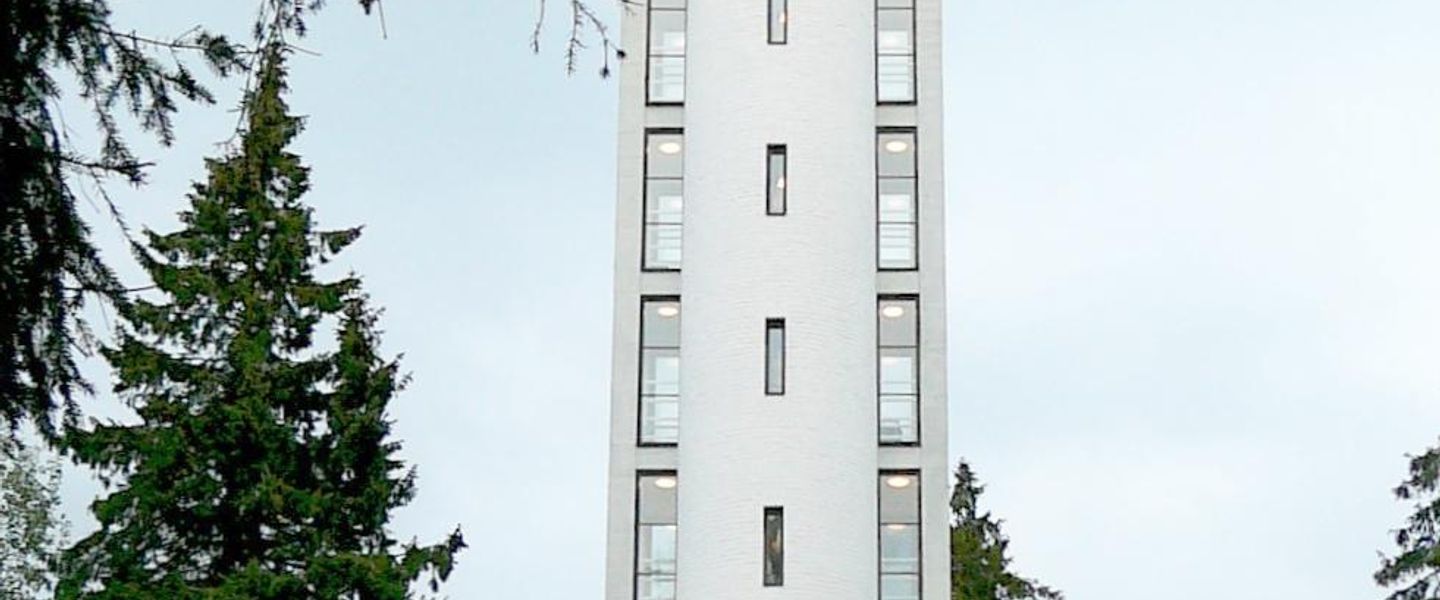
Võru County, Estonia Travel Guide
Discover Võru County: Where Estonia's natural beauty meets rich cultural heritage, offering serene landscapes, historic towns, and vibrant traditional festivals.
Võru County, nestled in the southeastern corner of Estonia, is a treasure trove for nature lovers and cultural enthusiasts alike. Known for its lush forests, rolling hills, and serene lakes, this region offers a tranquil retreat from the hustle and bustle of city life. Visitors can explore the stunning Haanja Nature Park, home to the highest point in Estonia, Suur Munamägi, which offers panoramic views of the surrounding landscape. History buffs will appreciate the rich cultural heritage of Võru County. The town of Võru, the county's capital, is famous for its well-preserved wooden architecture and as the birthplace of the Estonian poet, Friedrich Reinhold Kreutzwald. The Kreutzwald Memorial Museum provides a fascinating insight into his life and works, and the town itself is a charming place to wander, with its quaint streets and friendly locals. Võru County also hosts several traditional festivals throughout the year, celebrating Estonian culture, music, and dance. The Võru Folklore Festival, held every July, is a must-visit for anyone interested in experiencing authentic Estonian traditions. With its beautiful nature, rich history, and vibrant cultural scene, Võru County is a destination that promises a unique and memorable experience for every traveler.

Know before you go
Hi, I'm Eve. Here are a few practical things to know before exploring Võru County.
- Visit Suur Munamägi early in the morning for the best views and to avoid crowds.
- Explore the wooden architecture in Võru town for a glimpse into Estonia's past.
- Attend the Võru Folklore Festival in July to experience traditional Estonian music and dance.
- Pack comfortable shoes for hiking in Haanja Nature Park.
- Try local Estonian cuisine at small, family-run restaurants for an authentic dining experience.
Top City Travel Guides in Võru County
The cities of Võru County, and the easiest places to base yourself.


Destinations in Võru County
Resorts, valleys and scenic spots worth a trip of their own.

Explore Võru County: Things to Do, Places to Eat, Hotels & More
Handpicked recommendations for top attractions, local dining, accommodations, and more

Top Attractions & Sightseeing in Võru County
Top-rated picks
Best Attractions

Estonian Road Museum
Explore Estonia's transport history at the Estonian Road Museum, where vintage vehicles and interactive exhibits bring the country's roads to life.

Suur Munamägi Tower
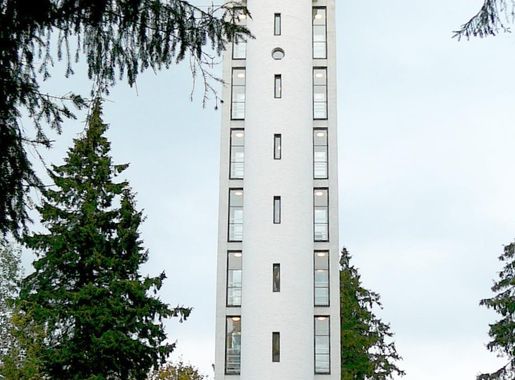
Discover the breathtaking views and natural beauty at Suur Munamägi Tower, the highest point in Estonia, perfect for adventure seekers and nature lovers.

Mooska suitsusaunatalu
Discover the unique blend of sauna culture and local delicacies at Mooska Suitsusaunatalu in picturesque Võru County, Estonia.

Kreutzwald Memorial Museum
Discover Estonia's literary heritage at the Kreutzwald Memorial Museum, a cultural hub celebrating the life and works of poet Carl Robert Jakobson.

Best landmarks in Võru County
Top-rated picks
Best Landmarks

Ruins of Vastseliina Episcopal Castle
Discover the majestic ruins of Vastseliina Episcopal Castle, a historical landmark that reveals Estonia's medieval past amidst stunning natural scenery.
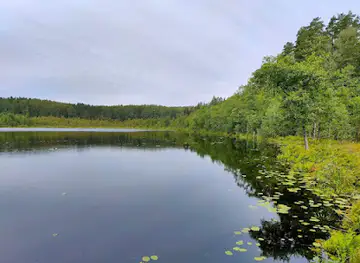
Karula National Park
Explore the stunning landscapes and rich biodiversity of Karula National Park, an essential destination for nature lovers and adventure seekers in Estonia.

Kreutzwald Memorial Museum
Explore Estonia's cultural heritage at the Kreutzwald Memorial Museum, a tribute to Carl Robert Jakobson and a journey through literary history.

Võru County Museum
Explore Võru County Museum, where local heritage and vibrant culture come alive in the heart of Estonia.

Best restaurants in Võru County
Top-rated picks
Best Restaurants

Kubija hotell-loodusspaa
Discover serenity at Kubija Hotell-Loodusspaa – your peaceful escape into Estonia's natural beauty.

Suur Muna
Experience the essence of Estonian cuisine at Suur Muna - where local flavors meet warm hospitality in beautiful Haanja.

Pubi nr. 17
Discover the vibrant atmosphere and delicious cuisine at Pubi nr. 17 in Võru, Estonia – your gateway to authentic Estonian hospitality.
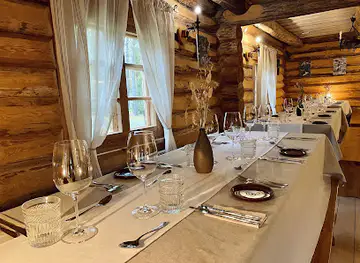
Seto Tsäimaja
Discover authentic Seto flavors at Seto Tsäimaja - where every meal is a taste of Estonian heritage.

Best bars in Võru County
Top-rated picks
Best Bars

Ränduri pubi külalistemaja
Experience authentic Estonian hospitality at Ränduri Pub and Guesthouse in the heart of Võru, where local culture meets cozy comfort.

Suur Muna
Discover Suur Muna in Haanja, a delightful restaurant offering local cuisine, a cozy coffee shop, and a venue for events amidst stunning Võru County.
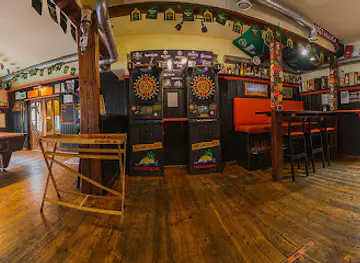
Pubi nr. 17
Discover the vibrant atmosphere and delicious cuisine at Pubi nr. 17, a perfect pub and restaurant experience in the heart of Võru.

NAMM Resto
Discover the culinary and musical treasures of Võru at NAMM Resto, a lively spot for food lovers and music enthusiasts alike.

Best nightclubs in Võru County
Top-rated picks
Best Nightclubs

VABANK Club - Ööklubi Tartus
Discover Tartu's nightlife at VABANK Club, where energetic music and a vibrant crowd create unforgettable evenings.

Shooters Tartu
Dive into the electrifying nightlife of Shooters Tartu, a premier night club where music, dance, and socializing come together for an unforgettable experience.

Club Tartu
Discover the energetic nightlife at Club Tartu, a cozy night club in Võru where you can dance to vibrant music and meet friendly locals.

ÖÖ Nightclub & Lounge
Discover the pulsating energy of ÖÖ Nightclub & Lounge in Võru, where unforgettable nights and vibrant music come together.

Best shops in Võru County
Top-rated picks
Best Shops

Võru Maksimarket
Discover local flavors and essentials at Võru Maksimarket, a vibrant community hub in the heart of Võru.

Kagukeskus
Discover the vibrant shopping experience at Kagukeskus in Võru, Estonia, where diverse stores and great dining options await.

A1000 Market Võru
Discover the authentic taste of Estonia at A1000 Market Võru, featuring local produce, gourmet treats, and everyday essentials in a vibrant atmosphere.

Kauplus Magaziin Võru
Explore Kauplus Magaziin Võru for unique local products and souvenirs that embody the spirit of Võru's rich culture and heritage.

Explore Võru County on the Map
A handpicked selection of must-see spots in Võru County, mapped for you.
Võru County Essentials
-
Võru County is located in southeastern Estonia. The nearest international airport is Tartu Airport, approximately 70 kilometers away. From Tartu, you can take a bus or rent a car to reach Võru. The bus journey typically takes around 1.5 to 2 hours. Alternatively, you can travel by train from Tallinn to Tartu and then continue by bus or car to Võru. The scenic route offers a comfortable and picturesque journey through the Estonian countryside.
-
Võru County has a reliable public transportation system, with buses connecting the major towns and villages. Taxis are also available and can be called via mobile apps or hailed on the street. Renting a car is a convenient option if you wish to explore the more remote areas at your own pace. Biking is another popular way to get around, especially during the warmer months. The county's well-maintained roads and beautiful landscapes make it ideal for cycling.
-
The official currency in Estonia is the Euro (EUR). Credit cards are widely accepted in hotels, restaurants, and larger shops. However, it is advisable to carry some cash, especially when visiting smaller villages and rural areas. ATMs are available in Võru and other larger towns, but it’s always a good idea to withdraw sufficient cash before heading into less populated areas.
-
Võru County is generally a safe destination for tourists. However, as with any travel destination, it is advisable to take standard precautions. Avoid walking alone at night in unfamiliar areas and keep an eye on your belongings in crowded places. The region does not have specific high-crime areas targeting tourists, but staying vigilant and aware of your surroundings is always recommended.
-
In case of emergency, dial 112 for immediate assistance, which will connect you to police, fire, and medical services. Võru County has local police stations and medical facilities. It is recommended to have travel insurance that covers medical emergencies. Pharmacies are available in Võru and other towns for minor health issues and over-the-counter medications.
-
Fashion: Do dress in layers as the weather can be unpredictable. Avoid overly casual clothing when dining in nicer restaurants. Religion: Do respect local customs and traditions. When visiting churches, dress modestly and be quiet and respectful. Public Transport: Do be courteous and offer your seat to elderly passengers. Don't play loud music or talk loudly on public transport. Greetings: Do greet people with a smile and a handshake. Estonians value personal space, so avoid overly enthusiastic greetings. Eating & Drinking: Do try local dishes and be open to new culinary experiences. Don't refuse food or drink offerings, as it may be considered impolite.
-
To experience Võru County like a local, visit the local markets where you can buy fresh produce and traditional Estonian goods. Engage with locals, as they are often friendly and willing to share stories about the county's history and culture. Don't miss the annual Võru Folk Music Festival, which showcases traditional Estonian music and dance. Exploring the scenic Haanja Nature Park is a must for nature enthusiasts. For a unique experience, visit the Piusa Caves, known for their impressive sandstone formations.
When is the best time to visit Võru County?
Useful Local Phrases for Võru County
You don't need to speak the language perfectly. Even learning a few simple words can make conversations warmer—and locals usually appreciate the effort.
— Eve

Here are the phrases I use most often in Võru County. Try a few—you'll be surprised how far they go! 😊
❤️
-
- HelloTere
[te-re] - GoodbyeHead aega
[head ai-ga] - YesJah
[yah] - NoEi
[ay] - Please/You're welcomePalun
[pa-lun] - Thank youAitäh
[ai-tah] - Excuse me/SorryVabandust
[va-ban-dust] - How are you?Kuidas sul läheb?
[kui-das sul la-heb] - Fine. And you?Hästi. Ja sina?
[has-ti. ya si-na] - Do you speak English?Kas sa räägid inglise keelt?
[kas sa ra-e-gid in-gli-se keelt] - I don't understandMa ei saa aru
[ma ei za-a ru]
- HelloTere
-
- I'd like to see the menu, pleaseMa tahaksin menüüd näha, palun
[ma ta-hak-sin me-nuüd na-ha, pa-lun] - I don't eat meatMa ei söö liha
[ma ei sö-o li-ha] - Cheers!Terviseks!
[ter-vi-seks] - I would like to pay, pleaseMa tahaksin maksta, palun
[ma ta-hak-sin mak-sta, pa-lun]
- I'd like to see the menu, pleaseMa tahaksin menüüd näha, palun
-
- Help!Aita!
[ai-ta] - Go away!Mine ära!
[mi-ne e-ra] - Call the Police!Kutsu politsei!
[kut-su po-li-tsei] - Call a doctor!Kutsu arst!
[kut-su arst] - I'm lostMa olen kadunud
[ma o-len ka-du-nud] - I'm illMa olen haige
[ma o-len hai-ge]
- Help!Aita!
-
- I'd like to buy...Ma tahaksin osta...
[ma ta-hak-sin os-ta] - I'm just lookingMa lihtsalt vaatan
[ma li-salt va-a-tan] - How much is it?Kui palju see maksab?
[kui pal-ju se mak-sab] - That's too expensiveSee on liiga kallis
[se on li-ga kal-lis] - Can you lower the price?Kas sa saad hinda langetada?
[kas sa saad hin-da lan-ge-ta-da]
- I'd like to buy...Ma tahaksin osta...
-
- What time is it?Mis kell on?
[mis kell on] - It's one o'clockKell on üks
[kell on yuks] - Half past (10)Kell on pool (10)
[kell on pool (10)] - MorningHommik
[hom-mik] - AfternoonPärastlõuna
[pärast-lõu-na] - EveningÕhtu
[õh-tu] - YesterdayEile
[ei-le] - TodayTäna
[tä-na] - TomorrowHomme
[hom-me] - 1Üks
[üks] - 2Kaks
[kaks] - 3Kolm
[kolm] - 4Neli
[ne-li] - 5Viis
[viis] - 6Kuus
[kuus] - 7Seitsme
[sei-tsme] - 8Kaheksa
[ka-heksa] - 9Üheksa
[ü-heksa] - 10Kümme
[küm-me]
- What time is it?Mis kell on?
-
- Where's a/the...?Kus on...?
[kus on] - What's the address?Mis on aadress?
[mis on aa-dress] - Can you show me (on the map)?Kas sa saad mulle näidata (kaardil)?
[kas sa saad mul-le nai-da-ta (kaar-dil)] - When's the next (bus)?Millal tuleb järgmine (buss)?
[mil-lal tu-leb jär-gmi-ne (buss)] - A ticket (to ....)Pilet (....-le)
[pi-let (....-le)]
- Where's a/the...?Kus on...?
History of Võru County
-
Võru was officially established in 1784 by the order of Catherine the Great, Empress of Russia. The town was founded to serve as a regional administrative center and was part of her broader efforts to develop the rural areas of the Russian Empire. The town’s layout, characterized by a regular grid pattern, was designed by the famed surveyor and architect, Johann Ulrich von Schlippenbach.
-
The Livonian War (1558–1583) had a significant impact on the Võru region. This prolonged conflict between the Tsardom of Russia, Denmark-Norway, the Kingdom of Sweden, and the Polish-Lithuanian Commonwealth over control of Old Livonia led to widespread devastation in the area. The war's conclusion saw the region eventually falling under Polish and later Swedish control.
-
The Estonian War of Independence (1918–1920) saw Võru County as a key battleground. Local militias and volunteers from Võru played a crucial role in fighting against both Bolshevik forces and Baltic German Landeswehr troops. The Battle of Paju on January 31, 1919, is one of the most notable conflicts where Estonian forces, including those from Võru, achieved a significant victory.
-
During the Soviet occupation of Estonia (1940-1941 and 1944-1991), Võru County, like the rest of the country, experienced harsh repression. The period saw widespread collectivization of agriculture, leading to the creation of large collective farms (kolkhozes) and state farms (sovkhozes). This transformation disrupted traditional rural life and had lasting impacts on the local economy and culture.
-
The Singing Revolution (late 1980s - early 1990s) was a peaceful movement that led to the restoration of Estonia's independence from the Soviet Union. Võru County was an active participant in this national resurgence, with many locals joining in the mass singing events and protests that characterized the movement. The Võru-based Seto people also played a significant role in preserving and promoting their unique cultural heritage during this time.
-
Võru County is home to the Seto people, an ethnic and linguistic minority with a rich cultural heritage. The Seto are known for their unique language, polyphonic singing (Leelo), traditional costumes, and distinctive religious practices that blend Orthodox Christianity with pre-Christian customs. Seto culture is celebrated annually during the Seto Kingdom Day, where a temporary 'kingdom' is established, complete with a 'king' and traditional festivities.
-
The Võru Folk Festival, held annually since 1995, is one of the key cultural events in Võru County. This festival celebrates traditional music, dance, and crafts from Estonia and around the world. It serves as a vibrant showcase of Võru's commitment to preserving and promoting its cultural heritage and provides a platform for cultural exchange and community engagement.
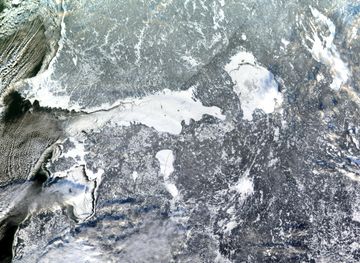
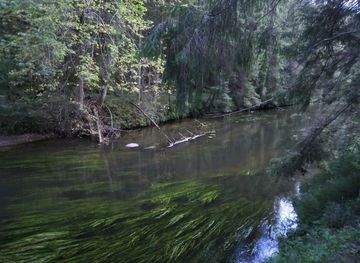
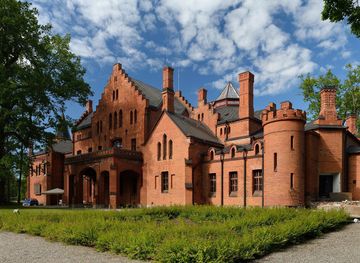
Neighbouring Regions of Võru County
The closest regions to Võru County, if you have time for more than one.



Your all‑in‑one travel companion app
Explore expert travel guides, compare and book tours, experiences, hotels, and more—all from the palm of your hand. Download now for seamless trip planning wherever your wanderlust takes you.


Explore More of Estonia

Looking beyond Võru County? Discover Estonia for broader travel guides, local hot-spots, and regional highlights.
Explore EstoniaVõru County in Photos
Browse through our photo collection highlighting the charm and character of the destination.


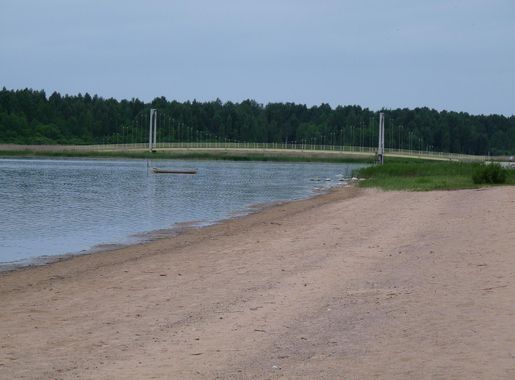


Võru County: Estonia's Hidden Gem of Natural Beauty and Cultural Richness
Võru County, nestled in the southeastern corner of Estonia, is a treasure trove for nature lovers and cultural enthusiasts alike. Known for its lush forests, rolling hills, and serene lakes, this region offers a tranquil retreat from the hustle and bustle of city life. Visitors can explore the stunning Haanja Nature Park, home to the highest point in Estonia, Suur Munamägi, which offers panoramic views of the surrounding landscape. History buffs will appreciate the rich cultural heritage of Võru County. The town of Võru, the county's capital, is famous for its well-preserved wooden architecture and as the birthplace of the Estonian poet, Friedrich Reinhold Kreutzwald. The Kreutzwald Memorial Museum provides a fascinating insight into his life and works, and the town itself is a charming place to wander, with its quaint streets and friendly locals. Võru County also hosts several traditional festivals throughout the year, celebrating Estonian culture, music, and dance. The Võru Folklore Festival, held every July, is a must-visit for anyone interested in experiencing authentic Estonian traditions. With its beautiful nature, rich history, and vibrant cultural scene, Võru County is a destination that promises a unique and memorable experience for every traveler.