

Free Setomaa Travel Guide & Mobile App
Explore Setomaa with free travel guides. Discover regional history, expert tips, proposed trips, and audio guides on web or mobile app.


Explore Setomaa for Seto leelo, Orthodox village heritage, forested countryside, local food and Estonia's distinctive south-eastern border culture.
Read more about Setomaa
When is the best time to visit Setomaa?
Best: June–August · 21–23°C| Month | High (°C) | Rainfall (mm) |
|---|---|---|
| January | -2 | 40 |
| February | -2 | 35 |
| March | 5 | 40 |
| April | 11 | 45 |
| May | 18 | 50 |
| June (best) | 21 | 55 |
| July (best) | 23 | 60 |
| August (best) | 22 | 65 |
| September | 16 | 60 |
| October | 10 | 55 |
| November | 5 | 50 |
| December | 1 | 45 |
Getting to and around Setomaa
How to get there
Transportation
Best attractions in Setomaa
Setomaa's attractions are centred on living heritage and rural landscape rather than large-scale commercial entertainment. Värska is the main starting point, with the Seto Farm Museum presenting traditional buildings, tools, domestic life and agricultural practices in a farm setting. The Seto Museum in Obinitsa explores local history, language, clothing, religious customs and artistic traditions, while village chapels, cemeteries and farmsteads provide context beyond museum walls. Cultural events and performances offer opportunities to encounter leelo, the region's renowned polyphonic singing tradition, when programmes are available. Roads through Mikitamäe, Meremäe and the villages around Saatse lead to quiet forests, fields and borderland scenery suited to walking, cycling and slow touring. Värska's spa and mineral-water tradition adds a more restorative dimension, although it belongs to the region's modern visitor infrastructure rather than its older rural culture. Travellers should allow time for small exhibitions, local food and conversations with hosts, since many experiences are seasonal or community-led. The most rewarding itinerary usually combines one or two formal museums with unhurried exploration of the surrounding villages and landscape.
-
Science museum
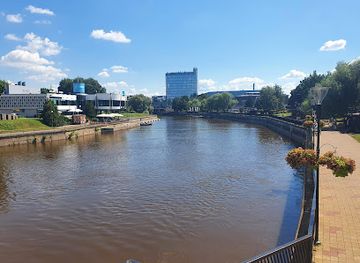
AHHAA Science Centre
Experience the thrill of exploration and discovery at AHHAA Science Centre, Tartu's premier science museum for families and curious minds.
-
Tourist attraction
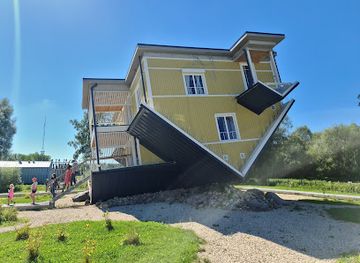
Tagurpidi Maja (Peapeal OÜ)
Explore Tagurpidi Maja, the upside-down house in Tartu, Estonia, where architecture meets playful imagination in a unique museum experience.
-
Tourist attraction
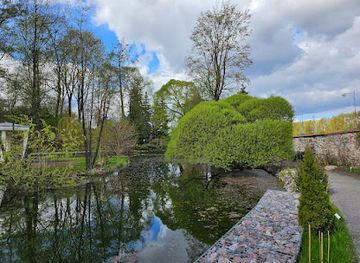
Botanical Garden of the University of Tartu
Explore the lush landscapes and diverse flora at the Botanical Garden of the University of Tartu, a serene escape in the heart of Estonia.
-
Museum
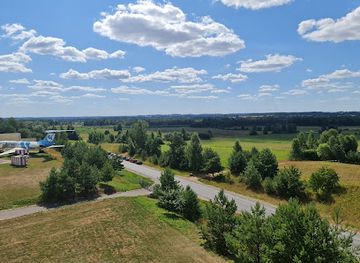
Estonian Aviation Museum
Discover the wonders of aviation at the Estonian Aviation Museum in Tartu County, showcasing a rich collection of aircraft and interactive exhibits.
Best landmarks in Setomaa
Setomaa's most meaningful landmarks are modest in scale but powerful in cultural significance. Värska Orthodox Church of Saint George anchors the region's principal settlement and reflects the enduring role of Orthodoxy in Seto community life. Across the villages, wooden tsässonas mark local religious landscapes; these small chapels are distinctive Seto structures, often associated with particular villages, saints and feast days. The Seto Farm Museum in Värska is also a landmark of vernacular architecture, preserving an arrangement of farm buildings that illustrates how rural households once functioned. In Obinitsa, the cultural landscape around the museum, church and village provides a concentrated expression of Seto identity. Meremäe's elevated countryside offers one of the clearest visual impressions of the region's rolling forests and fields. The border roads and settlement pattern around Saatse are landmarks of a different kind, showing how a modern international frontier intersects an older cultural homeland; visitors must obey all restrictions and avoid approaching sensitive installations.
-
Monument
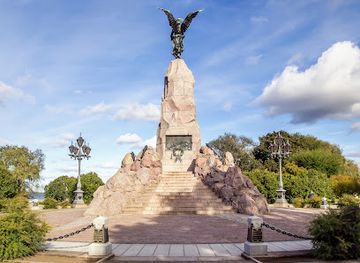
Rusalka Memorial
Explore the Rusalka Memorial in Tallinn – a solemn tribute to Estonian maritime history, surrounded by stunning natural beauty and rich culture.
-
Maritime museum
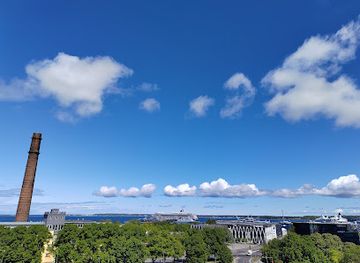
Estonian Maritime Museum
Dive into Estonia's maritime heritage at the Estonian Maritime Museum and explore captivating exhibits of the sea's influence on the nation's history.
-
Water park
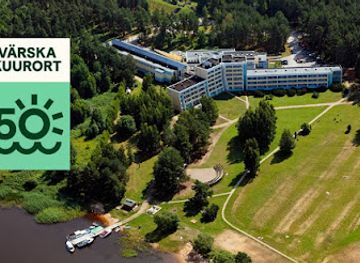
Värska Water Park
Experience the ultimate aquatic adventure at Värska Water Park, where fun meets relaxation in Estonia's picturesque Võru County.
-
Restaurant
Seto Tsäimaja
Explore the authentic Seto cuisine at Seto Tsaimaja in Võru County, where local flavors and rich cultural heritage come together for a delightful dining experience.
Explore Setomaa on the map
Plan your trip on one map. See where the top cities, national parks and sights are, and book hotels and experiences in a few clicks.
Best hotels in Setomaa
Best restaurants in Setomaa
Dining in Setomaa is closely linked to home cooking, seasonal produce and the region's Orthodox and rural heritage. Look for dishes and ingredients built around potatoes, grains, dairy, smoked or preserved foods, mushrooms, berries and garden produce. Sõir, a fresh curd cheese traditionally flavoured with caraway, is the best-known Seto speciality and may appear at cultural events, farm shops or regional eateries. Rural cafés, museum cafés, inns and community gatherings provide more likely encounters with local flavours than a large restaurant scene, while Värska offers the broadest choice of places to eat. Menus and opening arrangements can change with the season, so advance checks are sensible, especially outside the main settlements. Estonian staples are also widely available, and visitors should distinguish between everyday national food and dishes presented specifically as Seto heritage. Local drinks, preserves and baked goods make practical souvenirs when sold through reputable shops or events.
-
Restaurant
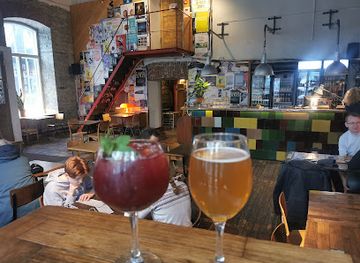
Restaurant F-Hoone
Discover unique flavors at Restaurant F-Hoone in Tallinn's creative district - where local ingredients meet artistic flair.
-
Restaurant
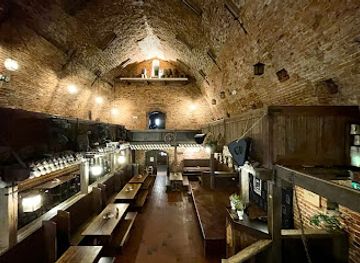
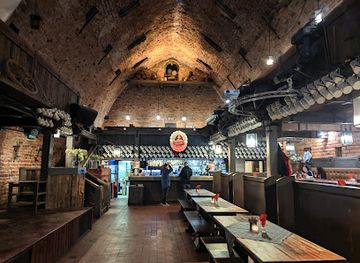
Gunpowder Cellar of Tartu
Experience Tartu's rich culinary heritage at the historic Gunpowder Cellar - where tradition meets flavor in an unforgettable setting.
-
Restaurant
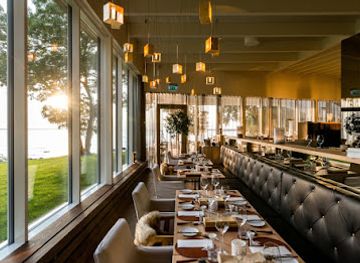
NOA Restaurant
Experience fine dining at NOA Restaurant in Tallinn with breathtaking sea views and exquisite Estonian cuisine.
-
Restaurant
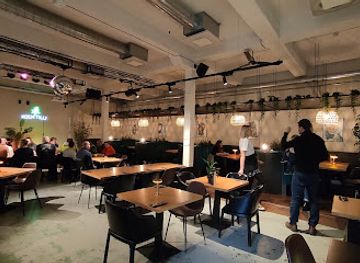
Kolm Tilli
Experience innovative Estonian cuisine at Kolm Tilli - where local ingredients meet creative culinary artistry.
Best bars in Setomaa
Setomaa does not have a major nightclub circuit; evening life is concentrated in Värska and revolves around restaurants, hotel or spa facilities, traditional pubs, community gatherings and occasional cultural programmes. In smaller villages, the social rhythm is quieter, with events, seasonal celebrations and performances providing more significant evening activity than late-night venues. Visitors may encounter local music and leelo at organised festivals or cultural meetings, but programmes and locations vary from year to year. Alcohol is available in licensed establishments, yet experiencing Setomaa does not depend on drinking, and respectful behaviour is particularly important at events connected with religious or community traditions. Those seeking a wider selection of bars, live music and late opening hours are more likely to find it in Võru, outside Setomaa, so transport arrangements should be made before travelling back at night.
-
Restaurant
Gunpowder Cellar of Tartu
Experience medieval charm and delectable Estonian cuisine at the Gunpowder Cellar of Tartu, where history meets hospitality in a unique dining atmosphere.
-
Pub
Ränduri pubi külalistemaja
Discover the warmth of Estonian culture at Ränduri Pubi Külalistemaja, where cozy accommodations meet delightful local cuisine.
-
Cocktail bar
Sigmund Freud Bar
Discover the Sigmund Freud Bar in Tallinn for unique cocktails and a vibrant atmosphere inspired by the renowned psychoanalyst.
-
Bar
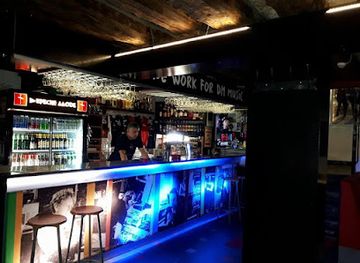
Depeche Mode Baar
Experience the iconic Depeche Mode Baar in Tallinn, a musical bar celebrating the legendary band in a vibrant nightlife setting.


Best nightclubs in Setomaa
Setomaa does not have a major nightclub circuit; evening life is concentrated in Värska and revolves around restaurants, hotel or spa facilities, traditional pubs, community gatherings and occasional cultural programmes. In smaller villages, the social rhythm is quieter, with events, seasonal celebrations and performances providing more significant evening activity than late-night venues. Visitors may encounter local music and leelo at organised festivals or cultural meetings, but programmes and locations vary from year to year. Alcohol is available in licensed establishments, yet experiencing Setomaa does not depend on drinking, and respectful behaviour is particularly important at events connected with religious or community traditions. Those seeking a wider selection of bars, live music and late opening hours are more likely to find it in Võru, outside Setomaa, so transport arrangements should be made before travelling back at night.
-
Night club
Lokaal Kassa
Experience the pulse of Pärnu's nightlife at Lokaal Kassa, where music, dancing, and vibrant energy come together for an unforgettable experience.
-
Night club
Techno club HALL
Dive into the electrifying atmosphere of Techno Club HALL, Tallinn's ultimate destination for clubbing and techno music.
-
Night club
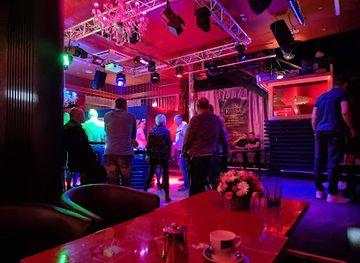
Club Studio
Discover the heart of Tallinn's nightlife at Club Studio, where vibrant dancefloors and a lively atmosphere await every visitor.
-
Night club
VABANK Club - Ööklubi Tartus
Dive into the vibrant nightlife of Tartu at VABANK Club, where music and dance create unforgettable memories.


Best shops in Setomaa
Shopping in Setomaa is small-scale and place-based, with the strongest opportunities in Värska, Obinitsa and at cultural events rather than in conventional retail centres. Look for Seto-inspired textiles, woven goods, ceramics, woodwork, jewellery, books, recordings and handmade items connected with local crafts and music. Farm shops, museum outlets and seasonal markets may sell sõir, preserves, honey, herbal products, baked goods and other regional foods, although availability depends on the time of year. Traditional clothing and embroidered designs are culturally significant, so buy from makers or established cultural organisations and ask about the provenance of items marketed as Seto. Värska is the most practical place for everyday supplies, while village events offer a more direct connection with producers and craftspeople. Retail choice is limited compared with Estonia's cities, but that is part of the region's character: purchases tend to be useful local products or cultural objects rather than mass-market souvenirs.
-
Open air museum
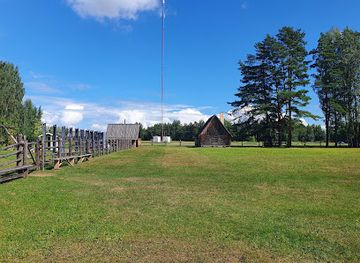
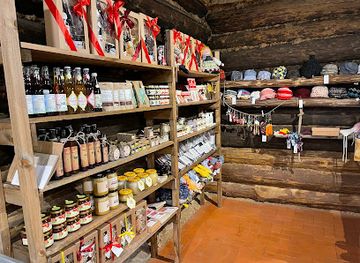
Värska Farm Museum
Explore Estonia's rural heritage at Värska Farm Museum, an open-air museum showcasing traditional farm life, crafts, and stunning landscapes.
-
Supermarket
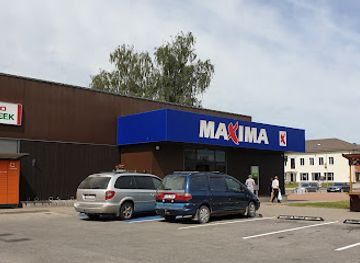
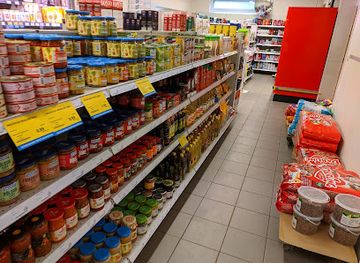
Maxima X
Discover the vibrant Maxima X supermarket in Räpina, where local flavors and international products come together for an unforgettable shopping experience.
-
Grocery store
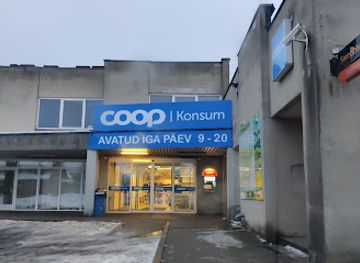
Coop Värska
Explore local flavors and the heart of Värska at Coop Värska, a grocery store that embodies community spirit and authentic Estonian products.
-
Grocery store
Vastseliina Konsum
Discover local flavors and fresh produce at Vastseliina Konsum, the heart of grocery shopping in Vastseliina, Estonia.
Get your free copy of our complete guide to Setomaa, delivered straight to you.
Everything on this page, from attractions and restaurants to essentials and local phrases, in one PDF you can read offline, print or share.
Already have an account? Sign in
Your Setomaa guide is ready.
We'll send it to · Not you? Sign out

Getting your guide ready…
We are putting together a fresh copy of the Setomaa guide. This can take up to a minute.
This can take a few moments. If your browser asks, choose Allow so the download can start. You'll find the guide in your Downloads folder.
Nothing happened? Download it again
Sorry, the guide is taking longer than usual. Please try again in a minute, or get it by email instead.
Setomaa essentials
Currency and Payment
Safety
Emergency Situations
Do's and Don'ts
Local Tips
From Eve
Local phrases worth knowing
You don't need to get them perfect. A few words go a long way, and locals appreciate the effort.
Basics
| English | Local | Say it |
|---|---|---|
| Hello | Tere | [te-re] |
| Goodbye | Head aega | [head ai-ga] |
| Yes | Jah | [yah] |
| No | Ei | [ay] |
| Please/You're welcome | Palun | [pa-lun] |
| Thank you | Aitäh | [ai-tah] |
| Excuse me/Sorry | Vabandust | [va-ban-dust] |
| How are you? | Kuidas sul läheb? | [kui-das sul leh-eb] |
| Fine. And you? | Hästi. Ja sina? | [hes-ti. ya si-na] |
| Do you speak English? | Kas sa räägid inglise keelt? | [kas sa rae-kid in-gli-se kelt] |
| I don't understand | Ma ei saa aru | [ma ay saa a-ru] |
Eating & Drinking
| English | Local | Say it |
|---|---|---|
| I'd like to see the menu, please | Tahaks menüüd näha, palun | [ta-haks me-nuud ne-ha, pa-lun] |
| I don't eat meat | Ma ei söö liha | [ma ay syo li-ha] |
| Cheers! | Terviseks! | [ter-vi-seks] |
| I would like to pay, please | Tahaks maksta, palun | [ta-haks mak-sta, pa-lun] |
Emergencies
| English | Local | Say it |
|---|---|---|
| Help! | Aita! | [ai-ta] |
| Go away! | Mine ära! | [mi-ne a-ra] |
| Call the Police! | Kutsu politsei! | [kut-su po-li-tsei] |
| Call a doctor! | Kutsu arst! | [kut-su arst] |
| I'm lost | Ma olen kadunud | [ma o-len ka-du-nud] |
| I'm ill | Ma olen haige | [ma o-len hai-ge] |
Shopping
| English | Local | Say it |
|---|---|---|
| I'd like to buy... | Tahaks osta... | [ta-haks os-ta] |
| I'm just looking | Ma lihtsalt vaatan | [ma li-salt vaa-tan] |
| How much is it? | Kui palju see maksab? | [kui pal-ju se mak-sab] |
| That's too expensive | See on liiga kallis | [se on lii-ga kal-lis] |
| Can you lower the price? | Kas sa saad hinda langetada? | [kas sa saad hin-da lan-ge-ta-da] |
Time & Numbers
| English | Local | Say it |
|---|---|---|
| What time is it? | Mis kell on? | [mis kell on] |
| It's one o'clock | Kell on üks | [kell on yuks] |
| Half past (10) | Kell on pool (10) | [kell on pool (10)] |
| Morning | Hommik | [hom-mik] |
| Afternoon | Päev | [pa-e-v] |
| Evening | Õhtu | [uh-tu] |
| Yesterday | Eile | [ei-le] |
| Today | Täna | [ta-na] |
| Tomorrow | Homme | [hom-me] |
| 1 | Üks | [yuks] |
| 2 | Kaks | [kaks] |
| 3 | Kolm | [kolm] |
| 4 | Neli | [ne-li] |
| 5 | Viis | [viis] |
| 6 | Kuus | [kuus] |
| 7 | Seitsme | [sei-ts-me] |
| 8 | Kaheksa | [ka-he-k-sa] |
| 9 | Üheksa | [yhe-k-sa] |
| 10 | Kümme | [küm-me] |
Transport & Directions
| English | Local | Say it |
|---|---|---|
| Where's a/the...? | Kus on...? | [kus on] |
| What's the address? | Mis on aadress? | [mis on aa-dress] |
| Can you show me (on the map)? | Kas sa saad mulle näidata (kaardil)? | [kas sa saad mul-le nai-da-ta (kaar-dil)] |
| When's the next (bus)? | Millal tuleb järgmine (buss)? | [mil-lal tu-leb jär-gmi-ne (buss)] |
| A ticket (to ....) | Pilet (....-le) | [pi-let (....-le)] |
History of Setomaa
Early Settlement and the Seto Homeland
The landscape of south-eastern Estonia has been settled since prehistoric times, with forests, waterways and fertile clearings supporting farming, hunting and small rural communities. Seto identity developed over many centuries in a borderland influenced by both the western Baltic world and the eastern Orthodox sphere. The region was never an isolated cultural island: trade, marriage, religious contact and changing political frontiers connected its villages with neighbouring Võru areas and the lands around Pskov. Archaeological traces and long-established settlement patterns help explain why Setomaa is understood as a historic cultural region rather than simply a modern administrative unit.
Medieval Livonian and Pskov Influences
During the medieval period, the Seto area lay near the meeting zone of Livonian territories and the lands associated with Pskov. Political authority changed around the region, while Orthodox Christianity became deeply established among Seto communities. Unlike much of western and northern Estonia, where Lutheran institutions later became dominant, Setomaa retained an Orthodox religious landscape of churches, chapels, icons and distinctive funerary customs. This eastern connection helped shape local names, ritual life, architecture and artistic traditions without erasing the region's wider Finnic and Estonian cultural links.
Imperial Rule and the Growth of Petseri
For several centuries the Seto homeland was connected politically with the Russian sphere, and the monastery town of Petseri, now Pechory, became an important religious and administrative centre nearby. Under the Russian Empire, Seto villages remained predominantly rural, with community life organised around farming, Orthodox practice and seasonal customs. The period strengthened links with Pskov while also preserving local language and traditions. Petseri's monastery and markets influenced the wider region, although the historic centre now lies across the international border from Estonia's Setomaa.
The 1920 Tartu Peace Treaty
The Tartu Peace Treaty of 1920 established Estonia's eastern frontier after the Estonian War of Independence and placed most of historic Setomaa, including Petseri, within the Republic of Estonia. Setomaa became part of Petseri County, and the new border gave the region a stronger connection with the Estonian state while leaving family, religious and economic links extending eastwards. This political arrangement is central to modern Seto memory because it defined an Estonian Setomaa whose cultural territory was larger than the state boundary.
Soviet Reorganisation and the Divided Region
During the Soviet period, administrative borders changed dramatically. In 1944, much of the former Petseri County was transferred from the Estonian Soviet republic to the Russian Soviet Federative Socialist Republic, leaving only part of the historic Seto area in Estonia. Collectivisation and Soviet social policy altered rural life, while religious practice was constrained even though Orthodox traditions survived within families and villages. After Estonia restored independence in 1991, the state border remained a tangible division through the historic homeland, making Setomaa a particularly visible example of how twentieth-century geopolitics reshaped a long-established cultural region.
Seto Cultural Revival and Leelo
Since the late twentieth century, Seto communities and cultural organisations have worked to strengthen local language, music, dress, food traditions and public awareness of Seto identity. Leelo, the distinctive Seto polyphonic singing tradition, was placed on UNESCO's Representative List of the Intangible Cultural Heritage of Humanity in 2009. Cultural events, museums, choirs and village initiatives now provide ways for the tradition to continue in contemporary life. This revival is not a simple return to the past: it reflects continuing discussion about language, religious heritage, migration, rural depopulation and the meaning of belonging in a divided borderland.
Setomaa in Photos
Browse through our photo collection highlighting the charm and character of the destination.
Neighbouring regions of Setomaa
The closest regions to Setomaa, if you have time for more than one.
-

-
-

-

-


Swipe for more regions
Explore more

Explore more of Estonia
Discover Estonia: A perfect blend of medieval charm, modern innovation, and natural beauty in the heart of Northern Europe.
Explore Estonia