

Free Põlvamaa Travel Guide & Mobile App
Explore Põlvamaa with free travel guides. Discover regional history, expert tips, proposed trips, and audio guides on web or mobile app.


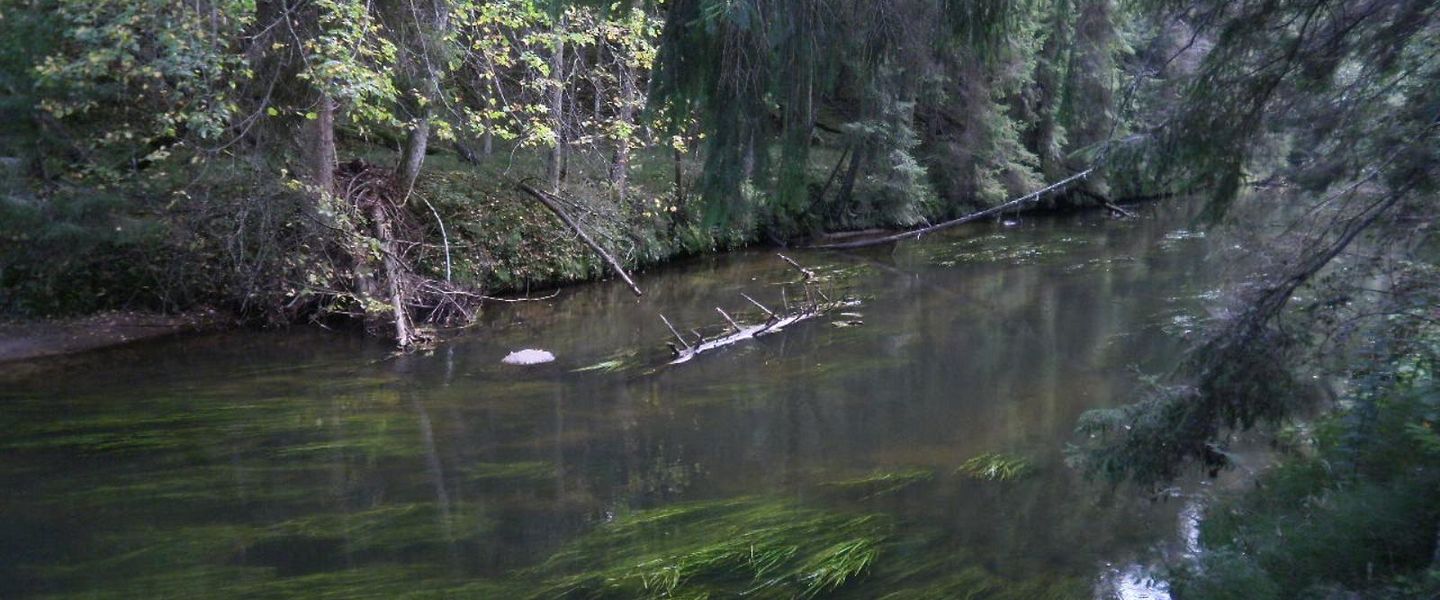


Explore Põlvamaa in southeastern Estonia for Taevaskoda’s sandstone cliffs, bog trails, manor heritage, Võro culture and quiet lake country.
Read more about Põlvamaa
When is the best time to visit Põlvamaa?
Best: June–August · 20–22°C| Month | High (°C) | Rainfall (mm) |
|---|---|---|
| January | 0 | 40 |
| February | 1 | 35 |
| March | 5 | 40 |
| April | 11 | 45 |
| May | 17 | 55 |
| June (best) | 21 | 70 |
| July (best) | 22 | 80 |
| August (best) | 20 | 75 |
| September | 16 | 65 |
| October | 10 | 55 |
| November | 4 | 45 |
| December | 1 | 40 |
Getting to and around Põlvamaa
How to get there
Transportation
Top city travel guides in Põlvamaa
The cities of Põlvamaa, and the easiest places to base yourself.
-

-


Swipe for more cities
Destinations in Põlvamaa
Resorts, valleys and scenic spots worth a trip of their own.
-

-


Swipe for more destinations
Best attractions in Põlvamaa
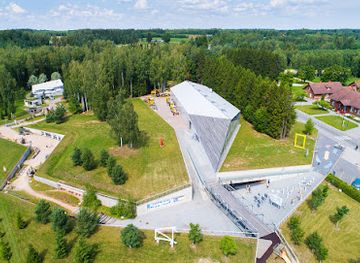
Põlvamaa’s attractions are spread through a landscape of wooded hills, rivers, bogs and lakes rather than concentrated in a single city. The principal natural experience is Taevaskoda, where walking paths follow the Ahja River past sandstone cliffs, springs and forest scenery. Meenikunno bog and Valgesoo provide contrasting wetland landscapes, with boardwalks and quiet viewpoints suited to walking and birdwatching. Kiidjärve is associated with riverine recreation and forest trails, while Lake Peipus offers a wide eastern horizon around settlements such as Mehikoorma. Cultural attractions include the manor complex at Mooste, Räpina’s paper-making and horticultural heritage, and the Estonian Road Museum at Varbuse, which explores transport through displays and historic vehicles. Põlva’s church and town provide a useful cultural stop between excursions, while the county’s smaller villages reveal vernacular farm buildings, cemeteries and local craft traditions. Canoeing, cycling, nature photography and cross-country activities are possible according to season and local conditions, but visitors should plan around weather, trail surfaces and the limited services found outside the main settlements.
-
Museum
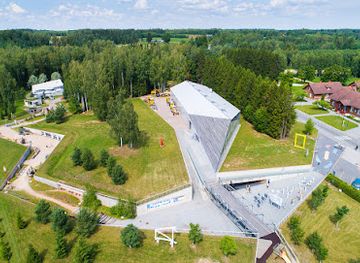
Estonian Road Museum
Explore the fascinating history of Estonia's roads and vehicles at the Estonian Road Museum, a family-friendly destination filled with interactive exhibits.
-
Tourist attraction
Piusa Cave Museum
Explore the captivating underground world of Piusa Cave Museum in Vôru County, Estonia, where history, nature, and adventure await.
-
Tourist attraction
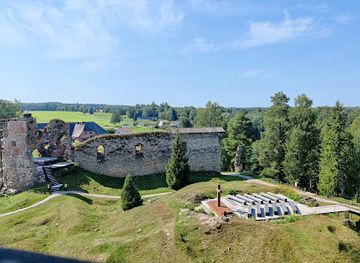
Ruins of Vastseliina Episcopal Castle
Discover the enchanting ruins of Vastseliina Episcopal Castle, a historical gem that offers a glimpse into Estonia's rich medieval heritage amidst breathtaking views.
-
Tourist attraction
Sangaste Castle
Explore the enchanting Sangaste Castle, a neo-Gothic masterpiece in Estonia, rich in history and surrounded by stunning gardens and cultural events.

Best landmarks in Põlvamaa
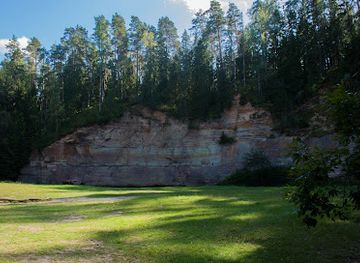
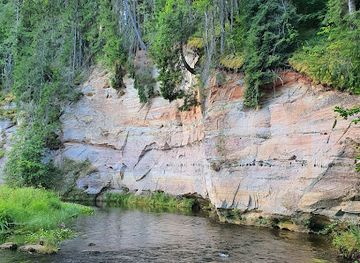
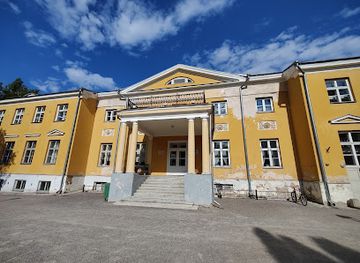
Taevaskoda is Põlvamaa’s defining natural landmark: the Ahja River has exposed pale Devonian sandstone, forming cliffs and caves whose colours change with weather and light. The surrounding forest path is as important as the rock faces, creating a continuous landscape rather than an isolated viewpoint. Põlva’s Church of Saint Mary is a longstanding ecclesiastical landmark in the county centre, while Räpina’s industrial identity is represented by its historic paper-mill tradition and manor surroundings. Mooste manor stands out for its ensemble of estate buildings, parkland and later creative use, offering a strong visual reminder of how Baltic German estates shaped southeastern Estonia. At Varbuse, the former postal-road setting and the Estonian Road Museum connect the county to the history of travel and communication. On the eastern side, Lake Peipus itself is a geographical landmark, especially around Mehikoorma, where the broad water horizon contrasts with Põlvamaa’s enclosed forests and uplands.
-
Museum
Estonian Road Museum
Discover the captivating history of transportation in Estonia at the Estonian Road Museum, where vintage vehicles meet interactive exhibits amidst stunning landscapes.
-
Scenic spot
Suur Taevaskoda
Explore the stunning sandstone cliffs and serene landscapes of Suur Taevaskoda, a must-visit scenic spot in Põlva County, Estonia.
-
Tourist attraction
Taevaskoja Neitsikoobas
Explore the breathtaking landscapes of Taevaskoja Neitsikoobas, a natural gem in Põlva County, Estonia, with stunning rock formations and serene river views.
-
Museum
Räpina Local History and Gardening Museum
Explore the captivating blend of history and gardening at Räpina Local History and Gardening Museum, a true gem in Estonia's cultural landscape.
Explore Põlvamaa on the map
Plan your trip on one map. See where the top cities, national parks and sights are, and book hotels and experiences in a few clicks.
Best hotels in Põlvamaa
Best restaurants in Põlvamaa
Dining in Põlvamaa reflects southeastern Estonia’s rural pantry more than a formal restaurant circuit. Põlva and Räpina have the widest choice of cafés, everyday restaurants and pubs, while manor and countryside venues may offer seasonal meals built around local produce. Rye bread, potatoes, dairy products, berries, mushrooms, preserves and smoked foods are familiar elements of the regional table, and fish is particularly relevant near Lake Peipus and the county’s rivers. Farm shops, markets and small producers are useful for honey, herbal products, baked goods and preserves, although availability varies with season. Visitors may also encounter flavours associated with the wider Võro cultural area, including hearty soups and grain- or potato-based home cooking; these traditions should not be treated as a single fixed regional menu. In summer, outdoor cafés and event catering become more visible, while rural inns and manor settings provide a slower alternative to town dining. Opening arrangements can be seasonal, so carrying provisions is sensible on longer nature excursions.
-
German
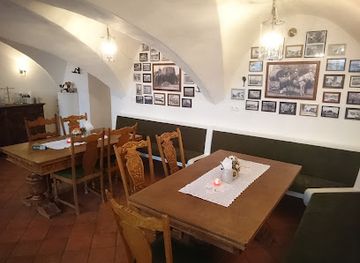
Restaurant München - Weihenstephaner Wirtshaus
Savor authentic German cuisine and craft beers at Weihenstephaner Wirtshaus in Tartu - a vibrant beer hall experience awaits!
-
Restaurant
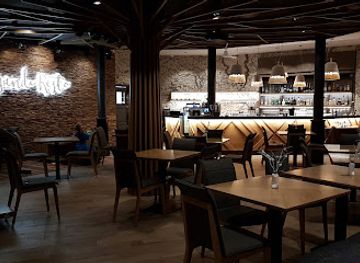
Ugandi Resto
Discover authentic Estonian flavors at Ugandi Resto in Otepää, where tradition meets modern dining in a cozy atmosphere.
-
Restaurant
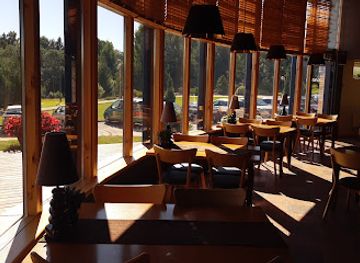
Pangodi kalarestoran
Experience exquisite fish dishes in a tranquil setting at Pangodi Kalarestoran, where local flavors meet stunning natural beauty.
-
Restaurant
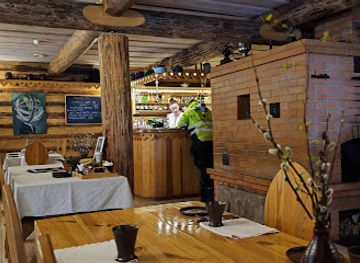
Seto Tsäimaja
Discover authentic Seto cuisine at Seto Tsäimaja in Värska - a delightful dining experience steeped in tradition.
Best bars in Põlvamaa
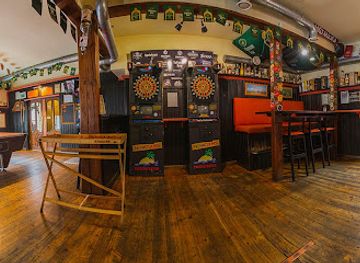
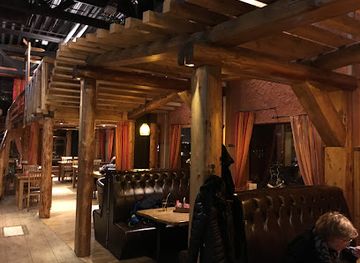
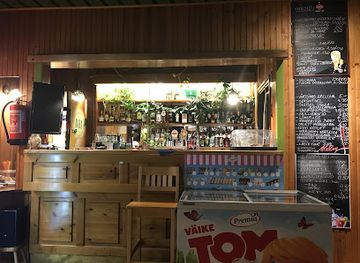
Põlvamaa has a modest evening scene centred on traditional pubs, hotel and restaurant bars, and occasional cultural events rather than large nightclubs. Põlva and Räpina offer the most dependable choice for an evening meal and a drink, while smaller settlements tend to close early and rely on community halls, seasonal gatherings or live performances. Local beer and cider may appear alongside Estonia’s broader drinks culture, but alcohol is not necessary to experience the region’s social life. In summer, manor events, concerts and outdoor programmes can extend the evening, whereas winter nights are generally quiet. Check current arrangements before travelling to a rural venue, and plan transport in advance because late public connections are limited and taxis may not be readily available outside the main towns.
-
Pub
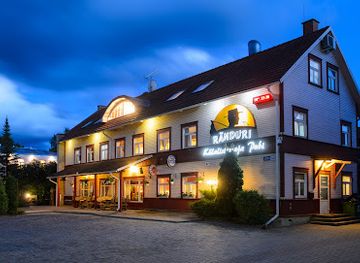
Ränduri pubi külalistemaja
Experience the essence of Estonian culture at Ränduri Pubi Külalistemaja—where cozy accommodations meet a lively pub atmosphere.
-
Pub
Pubi nr. 17
Discover the vibrant atmosphere of Pubi nr. 17 in Võru, where delicious Estonian cuisine meets cozy accommodations in a charming pub setting.
-
Pub
Ränduri pub
Discover the unique interior and delicious local cuisine at Ränduri Pub in Tartu, where Estonian hospitality shines.
-
Pub
pub eleven
Discover the heart of Elva at Pub Eleven, where local culture meets a vibrant atmosphere and a diverse drink selection.

Best nightclubs in Põlvamaa
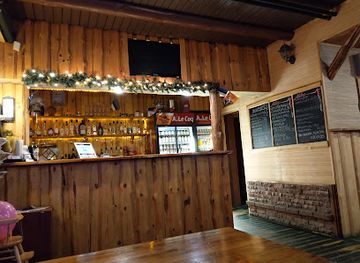
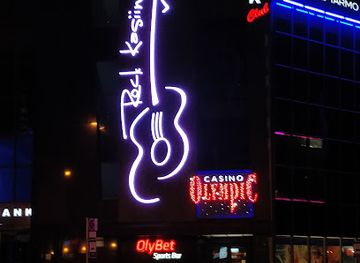
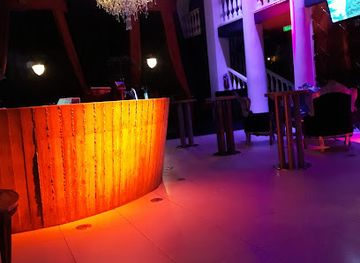
Põlvamaa has a modest evening scene centred on traditional pubs, hotel and restaurant bars, and occasional cultural events rather than large nightclubs. Põlva and Räpina offer the most dependable choice for an evening meal and a drink, while smaller settlements tend to close early and rely on community halls, seasonal gatherings or live performances. Local beer and cider may appear alongside Estonia’s broader drinks culture, but alcohol is not necessary to experience the region’s social life. In summer, manor events, concerts and outdoor programmes can extend the evening, whereas winter nights are generally quiet. Check current arrangements before travelling to a rural venue, and plan transport in advance because late public connections are limited and taxis may not be readily available outside the main towns.
-
Pub
Vana Vaksal
Experience the warmth and flavors of Estonia at Vana Vaksal, a cozy pub in the heart of Põlva, perfect for relaxation and local cuisine.
-
Pub
Temp and Taar
Experience the warmth and flavors of Estonia at Temp and Taar - a cozy pub in the heart of Põlva County.
-
Night club
VABANK Club - Ööklubi Tartus
VABANK Club in Tartu: Dance, drink, and dive into an exhilarating nightlife experience in Estonia's vibrant second city.
-
Night club
Club Illusion
Dive into Tartu's vibrant nightlife at Club Illusion, where music, dancing, and a fantastic atmosphere create unforgettable memories.
Best shops in Põlvamaa
Shopping in Põlvamaa is practical and local in character, with the broadest everyday choice in Põlva and Räpina. Instead of major retail districts, visitors will find small shops, supermarkets, cafés, market stalls and independent sellers offering food and useful regional goods. Farmers’ markets and seasonal outlets may carry honey, berry preserves, mushrooms, herbal products, rye bread and other produce from southeastern Estonia, while availability follows the agricultural calendar. Craft items can include knitted textiles, woodwork, ceramics and small handmade gifts, particularly around cultural venues, manor events and local fairs. Räpina’s horticultural identity makes plants, garden products and related knowledge part of its commercial character, although specialist availability should be checked before travelling. The Estonian Road Museum and other museums provide more dependable sources of books, educational items and themed souvenirs than fashionable retail. In rural areas, opening hours may be limited and card payments are not universal, so carry some euros and treat shopping as part of a wider visit to a market town or cultural site.
-
Supermarket
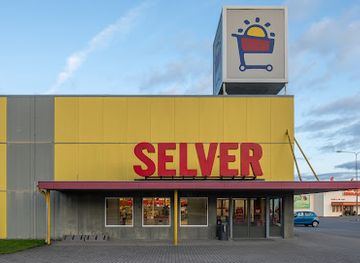
Põlva Selver
Discover the heart of Põlva at Põlva Selver, your go-to supermarket for fresh local produce and unique Estonian delicacies.
-
Store
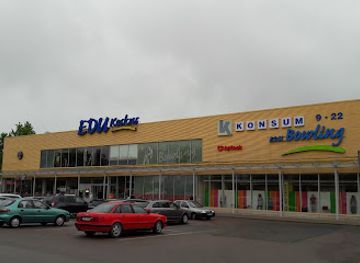
EDU Keskuse Konsum
Experience the essence of Põlva at EDU Keskuse Konsum - your local grocery store for fresh produce and Estonian specialties.
-
Second hand store
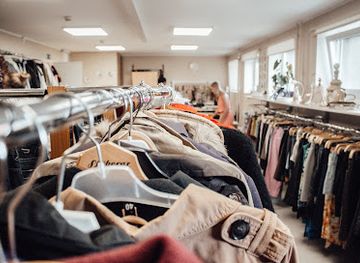
Sõbralt Sõbrale Põlva
Unearth vintage treasures and sustainable finds at Sõbralt Sõbrale Põlva, a delightful second-hand store in the heart of Estonia.
-
Grocery store
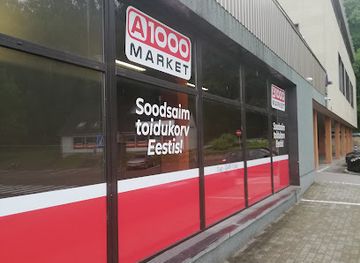
A1000 Market
Discover local flavors at A1000 Market, the heart of Põlva's grocery shopping with fresh produce and traditional Estonian delicacies.
Get your free copy of our complete guide to Põlvamaa, delivered straight to you.
Everything on this page, from attractions and restaurants to essentials and local phrases, in one PDF you can read offline, print or share.
Already have an account? Sign in
Your Põlvamaa guide is ready.
We'll send it to · Not you? Sign out

Getting your guide ready…
We are putting together a fresh copy of the Põlvamaa guide. This can take up to a minute.
This can take a few moments. If your browser asks, choose Allow so the download can start. You'll find the guide in your Downloads folder.
Nothing happened? Download it again
Sorry, the guide is taking longer than usual. Please try again in a minute, or get it by email instead.
Põlvamaa essentials
Currency and Payment
Safety
Emergency Situations
Do's and Don'ts
Local Tips
From Eve
Local phrases worth knowing
You don't need to get them perfect. A few words go a long way, and locals appreciate the effort.
Basics
| English | Local | Say it |
|---|---|---|
| Hello | Tere | [TEH-reh] |
| Goodbye | Head aega | [HED AH-eh-gah] |
| Yes | Jah | [YAH] |
| No | Ei | [AY] |
| Please/You're welcome | Palun | [PAH-lun] |
| Thank you | Aitäh | [EYE-tah] |
| Excuse me/Sorry | Vabandust | [VAH-bahn-dust] |
| How are you? | Kuidas sul on? | [KOO-dahs sul on?] |
| Fine. And you? | Hästi. Ja sina? | [HESS-tee. YAH SEE-nah?] |
| Do you speak English? | Kas sa räägid inglise keelt? | [KAS sah RAE-gid ING-lis-eh KAYLT?] |
| I don't understand | Ma ei saa aru | [MAH ay zah AH-roo] |
Eating & Drinking
| English | Local | Say it |
|---|---|---|
| I'd like to see the menu, please | Tahaksin menüüd näha, palun | [TAH-hak-sin meh-NYOOD NÄH-hah, PAH-lun] |
| I don't eat meat | Ma ei söö liha | [MAH ay SÖH LEE-hah] |
| Cheers! | Terviseks! | [TER-vee-seks] |
| I would like to pay, please | Tahaksin maksta, palun | [TAH-hak-sin MAHK-stah, PAH-lun] |
Emergencies
| English | Local | Say it |
|---|---|---|
| Help! | Aita! | [EYE-tah!] |
| Go away! | Mine ära! | [MEE-neh AH-rah!] |
| Call the Police! | Kutsu politsei! | [KUT-so POH-lit-sei!] |
| Call a doctor! | Kutsu arst! | [KUT-so AHRST!] |
| I'm lost | Ma olen kadunud | [MAH O-len KAH-doo-nud] |
| I'm ill | Ma olen haige | [MAH O-len HAI-geh] |
Shopping
| English | Local | Say it |
|---|---|---|
| I'd like to buy... | Tahaksin osta... | [TAH-hak-sin OHS-tah] |
| I'm just looking | Ma vaid vaatan | [MAH VIED VAH-tan] |
| How much is it? | Kui palju see maksab? | [KOO-ee PAL-yoo seh MAHK-sahb?] |
| That's too expensive | See on liiga kallis | [SEH on LEE-gah KAL-lis] |
| Can you lower the price? | Kas sa saad hinda alandada? | [KAS sah SAHD HIN-dah AH-lan-dah?] |
Time & Numbers
| English | Local | Say it |
|---|---|---|
| What time is it? | Mis kell on? | [MIS KELL on?] |
| It's one o'clock | Kell on üks | [KELL on ÜKS] |
| Half past (10) | Kell on pool üksteist | [KELL on POOL ÜK-steist] |
| Morning | Hommik | [HOM-mik] |
| Afternoon | Pärastlõuna | [PAH-rahst-LOO-nah] |
| Evening | Õhtu | [UH-thoo] |
| Yesterday | Eile | [AY-leh] |
| Today | Täna | [TAH-nah] |
| Tomorrow | Homme | [HOM-meh] |
| 1 | Üks | [ÜKS] |
| 2 | Kaks | [KAKS] |
| 3 | Kolm | [KOLM] |
| 4 | Neli | [NEH-li] |
| 5 | Viis | [VEES] |
| 6 | Kuus | [KOO-s] |
| 7 | Seitsme | [SAYTS-meh] |
| 8 | Kaheksa | [KAH-ehks-ah] |
| 9 | Üheksa | [ÜH-ehks-ah] |
| 10 | Kümme | [KÜM-meh] |
Transport & Directions
| English | Local | Say it |
|---|---|---|
| Where's a/the...? | Kus on ...? | [KOOS on ...?] |
| What's the address? | Mis on aadress? | [MIS on AH-dress?] |
| Can you show me (on the map)? | Kas sa saad mulle näidata (kaardil)? | [KAS sah SAHD MOOL-leh NAI-dah-ta (KAHR-dil)?] |
| When's the next (bus)? | Millal on järgmine (buss)? | [MIL-lahl on YERG-mi-ne (BUSS)?] |
| A ticket (to ....) | Pilet (kuhu....) | [PI-let (KOO-hoo....)] |
History of Põlvamaa
Prehistoric settlement and ancient trade routes
The forests, rivers and lakes of present-day Põlvamaa supported settlement long before written records. Waterways such as the Ahja and Võhandu connected communities with larger routes across southeastern Estonia, while the Lake Peipus basin linked the area to wider networks of exchange. Archaeological traces, old settlement sites and field patterns point to farming, fishing, hunting and woodland use over many centuries. The region’s landscape was never simply wilderness: its bogs, river valleys and uplands were worked and travelled through, even when settlement remained scattered.
Medieval parish and manor landscapes
During the medieval period, Põlvamaa was incorporated into the political and religious structures of Livonia. Christian parishes and estates became important centres of administration, landholding and taxation; Põlva’s church is recorded in the fifteenth century. Manor estates later shaped the countryside around places such as Mooste and Räpina, organising agriculture and forestry while leaving behind parks, outbuildings and avenues. The medieval and early modern legacy is therefore most visible not in a single fortified city, but in churches, estate landscapes and the pattern of rural settlements.
Räpina’s paper-making tradition
Räpina became one of southeastern Estonia’s notable industrial settlements through paper production established in the eighteenth century. The enterprise developed under manor ownership and was later modernised, giving the town an economic role beyond agriculture. Its history illustrates how local water power, timber resources and transport connections could support manufacturing in a predominantly rural region. The paper mill and associated townscape remain central to Räpina’s identity, while the area’s horticultural traditions add another layer to its economic and cultural history.
Peasant society and Estonian national awakening
In the nineteenth century, changes in landholding, education and literacy reshaped rural life across Põlvamaa. Estonian-language cultural activity expanded as local people founded societies, developed choirs and took part in the national movement that eventually challenged Baltic German dominance. Farm ownership and improving communications strengthened local communities, although social change was gradual and uneven. The period also helped preserve regional speech and customs, including the Võro cultural identity that remains an important part of southeastern Estonia’s heritage.
Independence, roads and the modern county
After Estonia established independence in 1918, rural administration, education and transport were reorganised within the new republic. Roads became increasingly important for connecting villages with Põlva, Räpina and other market centres, while schools and civic organisations strengthened local public life. The Estonian Road Museum at Varbuse reflects this longer history of movement and infrastructure. The county’s later boundaries changed several times as Estonia’s administrative system evolved, but the underlying landscape of small settlements and dispersed services remained.
Soviet transformation and renewed local identity
The Soviet period brought collectivised agriculture, state forestry and industrial changes to Põlvamaa, while rural communities experienced population movement and altered patterns of work. Manor properties and religious buildings were used or neglected in ways that changed their appearance, although some survived and were later restored. Since Estonia regained independence in 1991, local authorities and communities have invested in heritage, nature tourism, craft activity and cultural events. Contemporary Põlvamaa combines this revived regional identity with the practical realities of an ageing, mostly rural population.
Põlvamaa in Photos
Browse through our photo collection highlighting the charm and character of the destination.
Neighbouring regions of Põlvamaa
The closest regions to Põlvamaa, if you have time for more than one.
-

-

-

-

-


Swipe for more regions
Explore more

Explore more of Estonia
Discover Estonia: A perfect blend of medieval charm, modern innovation, and natural beauty in the heart of Northern Europe.
Explore Estonia