

Free Valga County Travel Guide & Mobile App
Explore Valga County with free travel guides. Discover regional history, expert tips, proposed trips, and audio guides on web or mobile app.


Explore Valga County for Otepää’s lakes and trails, manor heritage, border-town history, forests and southern Estonia’s quieter landscapes.
Read more about Valga County
When is the best time to visit Valga County?
Best: June–August · 20–22°C| Month | High (°C) | Rainfall (mm) |
|---|---|---|
| January | -1 | 35 |
| February | 0 | 30 |
| March | 5 | 30 |
| April | 10 | 35 |
| May | 17 | 40 |
| June (best) | 20 | 55 |
| July (best) | 22 | 60 |
| August (best) | 21 | 65 |
| September | 17 | 55 |
| October | 11 | 50 |
| November | 5 | 45 |
| December | 1 | 40 |
Getting to and around Valga County
How to get there
Transportation
Top city travel guides in Valga County
The cities of Valga County, and the easiest places to base yourself.
-

-


Swipe for more cities
Destinations in Valga County
Resorts, valleys and scenic spots worth a trip of their own.

Swipe for more destinations
Best attractions in Valga County
Valga County’s attractions are spread through a landscape of uplands, lakes, forests and historic rural estates. Otepää is the main outdoor centre, with the Otepää Nature Park, Pühajärv and Tehvandi offering walking, cycling, paddling and winter-sports opportunities in different seasons. Karula National Park extends into the county with small lakes, wooded hills and traditional farm landscapes, while the Koiva riverlands provide quieter nature experiences near the southern border. Heritage visitors can explore Valga Museum, the architectural remains of Valga’s railway town, Sangaste Castle and the manor complex at Taagepera. Near Tõrva, the Helme castle hill and cave area introduce medieval and geological interest, while Jõgeveste is associated with the mausoleum of Barclay de Tolly. Tõrva itself provides a useful base for discovering southern Valga County, with cultural events and access to surrounding countryside. The county is better suited to linked day trips, walking and landscape observation than to a single concentrated sightseeing circuit.
-
Tourist attraction
Sangaste Castle
Discover the enchanting Sangaste Castle in Valga County, Estonia, a neo-Gothic masterpiece steeped in history and surrounded by breathtaking gardens.
-
Helme caves
Explore the captivating Helme Caves in Valga County, a natural wonder of stunning rock formations and rich Estonian folklore.
-
Museum
Valga sõjamuuseum
Explore the Valga War Museum, an insightful journey into Estonia's military history with engaging exhibits for all ages.
-
Sports complex
Otepaa Adventure Park Ltd.
Explore the exhilarating Otepää Adventure Park, a sports complex offering thrilling ziplining and obstacle courses amidst Estonia's stunning landscapes.


Best landmarks in Valga County
The most recognisable landmarks of Valga County range from manor architecture to natural and military-history sites. Sangaste Castle, built for Count Friedrich Georg Magnus von Berg, is the county’s most distinctive nineteenth-century estate building and is closely associated with the history of Sangaste rye. Taagepera Castle near Tõrva is another major manor landmark, notable for its imposing historicist form and wooded estate setting. The Helme castle hill preserves the remains of a medieval stronghold and offers a tangible connection with Livonian-era power. In Jõgeveste, the mausoleum of Field Marshal Michael Andreas Barclay de Tolly links the county to the military history of the Russian Empire. Otepää’s hill-and-lake landscape, especially the wooded shores of Pühajärv, functions as a natural landmark as much as a recreational setting. In Valga, the railway station area and historic townscape represent the county’s role as a transport junction, while the nearby border with Valka is a landmark of modern European geography.
-
Castle
Sangaste Castle
Sangaste Castle: A Neo-Gothic Jewel in Estonia's Countryside, Merging History, Culture, and Natural Beauty.
-
Tourist attraction
Helme caves
Explore the enchanting Helme Caves in Valga County, Estonia, where nature's beauty meets rich history in stunning limestone formations.
-
Museum
Valga sõjamuuseum
Explore the rich military heritage of Estonia at Valga Sõjamuuseum, where history comes alive through engaging exhibits and interactive displays.
-
Sports complex
Otepaa Adventure Park Ltd.
Experience the thrill of adventure surrounded by stunning nature at Otepää Adventure Park, Estonia's premier destination for outdoor activities.


Explore Valga County on the map
Plan your trip on one map. See where the top cities, national parks and sights are, and book hotels and experiences in a few clicks.
Best hotels in Valga County
Best restaurants in Valga County
Dining in Valga County reflects southern Estonia’s rural setting and the country’s wider seasonal food culture. Menus commonly draw on potatoes, pork, fish, mushrooms, berries, dairy products and dark rye bread, while cafés and traditional eateries in Valga, Otepää and Tõrva provide practical places to sample local cooking. Otepää’s visitor economy supports a mixture of cafés, pubs and restaurants serving hikers, skiers and event-goers, whereas the countryside is more likely to offer manor-house dining, guesthouse meals or occasional farm-based sales that require advance planning. Look for kama, a traditional grain-and-dairy mixture, and regional baking alongside contemporary Estonian dishes rather than expecting a single food identified exclusively with the county. Markets and small producers are useful for rye bread, preserves, honey and seasonal berries. In the Valga–Valka area, visitors can also compare Estonian and Latvian interpretations of familiar Baltic ingredients.
-
Barbecue
Kohvik Läti Saatkond
Discover authentic Estonian barbecue at Kohvik Läti Saatkond in Tõrva – where local flavors meet warm hospitality.
-
Restaurant
Ugandi Resto
Experience authentic Estonian flavors at Ugandi Resto in Otepää - where tradition meets modern dining.
-
Restaurant
Pangodi kalarestoran
Discover authentic Estonian seafood at Pangodi Kalarestoran - where every dish tells a story!
-
Restaurant
Vapramäe Forell
Discover delightful seafood at Vapramäe Forell in Tartu County—a serene restaurant and fish farm offering fresh local flavors.


Best bars in Valga County
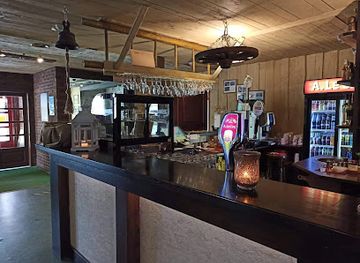
Evening life in Valga County is modest and locally focused rather than built around a large club scene. Valga, Otepää and Tõrva have the broadest choice of pubs, cafés and restaurants, with activity often increasing during winter-sports competitions, concerts and summer events. Traditional pubs and hotel bars are the most dependable settings for an evening drink, while Otepää’s leisure economy brings a somewhat more seasonal atmosphere during ski periods and holidays. Valga’s cross-border relationship with Valka adds another option for an evening out, although it requires travelling into Latvia. In smaller villages, nightlife generally means a guesthouse meal, community event or occasional live-music evening rather than late-opening venues. Check current arrangements locally, especially outside weekends and the main tourist seasons, and remember that Estonia’s national licensing and public-order rules apply throughout the county.
-
Pub
pub eleven
Discover the vibrant atmosphere and local flavors at Pub Eleven, a must-visit pub in Elva, Tartu County, for an authentic Estonian experience.
-
Restaurant
Lilli
Discover the flavors of Estonia at Lilli, a charming restaurant in Valga known for its delightful local cuisine and warm atmosphere.
-
Restaurant
Valga Voorimees OÜ
Discover the authentic flavors of Estonia at Valga Voorimees OÜ, a cozy restaurant offering a diverse menu and a warm atmosphere in Valga.
-
Bar
Tammi baar
Discover the charm of Tammi Baar in Valga, where friendly service meets affordable prices in a cozy, inviting atmosphere.


Best nightclubs in Valga County
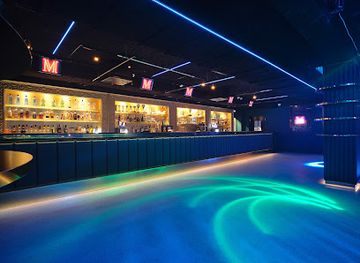
Evening life in Valga County is modest and locally focused rather than built around a large club scene. Valga, Otepää and Tõrva have the broadest choice of pubs, cafés and restaurants, with activity often increasing during winter-sports competitions, concerts and summer events. Traditional pubs and hotel bars are the most dependable settings for an evening drink, while Otepää’s leisure economy brings a somewhat more seasonal atmosphere during ski periods and holidays. Valga’s cross-border relationship with Valka adds another option for an evening out, although it requires travelling into Latvia. In smaller villages, nightlife generally means a guesthouse meal, community event or occasional live-music evening rather than late-opening venues. Check current arrangements locally, especially outside weekends and the main tourist seasons, and remember that Estonia’s national licensing and public-order rules apply throughout the county.
-
Bar
Tammi baar
Experience the local charm of Valga at Tammi Baar, an inexpensive bar offering a cozy atmosphere and a taste of Estonian culture.
-
Bar
conspirator OÜ
Experience Valga's vibrant nightlife at Conspirator OÜ, a cozy bar with local flavors and a friendly atmosphere.
-
Night club
VABANK Club - Ööklubi Tartus
Dive into Tartu's pulsating nightlife at VABANK Club, where unforgettable dance nights and vibrant energy await every visitor.
-
Night club
Ööklubi Maasikas
Discover the heart of Tartu's nightlife at Ööklubi Maasikas, where electrifying music and vibrant atmosphere meet for unforgettable nights.


Best shops in Valga County
Shopping in Valga County is centred on the high streets and everyday services of Valga, Otepää and Tõrva rather than on large specialist retail districts. Valga offers the broadest practical choice, while Otepää has shops and small businesses oriented towards outdoor activities, seasonal visitors and sports. Farmers’ markets, farm shops and local producers are the best places to look for rye bread, honey, preserves, berries and other regional foods when available. Manor properties and cultural venues may offer craft items, books or locally themed souvenirs, but opening arrangements can be seasonal. Around Otepää and the national-park landscapes, small makers and accommodation providers may sell woollen goods, woodwork or handmade products, although availability varies. The Valga–Valka border pair makes it possible to browse two neighbouring retail environments in one outing, but visitors should distinguish regular local shopping from temporary markets and event stalls.
-
Supermarket
Selver
Discover local flavors and fresh produce at Selver, Valga's premier supermarket, perfect for tourists seeking authentic Estonian culinary experiences.
-
Building materials store
K-Rauta Valga
Discover K-Rauta Valga, your ultimate destination for all building materials in the heart of Valga, Estonia, blending quality with local charm.
-
Shopping mall
Siili keskus
Explore Siili Keskus: Valga's vibrant shopping mall, offering diverse stores, delicious dining, and family-friendly entertainment experiences.
-
Store
Tikste Konsum / Ehituskeskus
Discover the charm of local shopping at Tikste Konsum in Kirikuküla, Valga County - a treasure trove of local products and warm hospitality.


Get your free copy of our complete guide to Valga County, delivered straight to you.
Everything on this page, from attractions and restaurants to essentials and local phrases, in one PDF you can read offline, print or share.
Already have an account? Sign in
Your Valga County guide is ready.
We'll send it to · Not you? Sign out

Getting your guide ready…
We are putting together a fresh copy of the Valga County guide. This can take up to a minute.
This can take a few moments. If your browser asks, choose Allow so the download can start. You'll find the guide in your Downloads folder.
Nothing happened? Download it again
Sorry, the guide is taking longer than usual. Please try again in a minute, or get it by email instead.
Valga County essentials
Currency and Payment
Safety
Emergency Situations
Do's and Don'ts
Local Tips
From Eve
Local phrases worth knowing
You don't need to get them perfect. A few words go a long way, and locals appreciate the effort.
Basics
| English | Local | Say it |
|---|---|---|
| Hello | Tere | [te-re] |
| Goodbye | Nägemist | [næ-ɡe-mist] |
| Yes | Jah | [jah] |
| No | Ei | [ey] |
| Please/You're welcome | Palun | [pa-lun] |
| Thank you | Aitäh | [ai-tæh] |
| Excuse me/Sorry | Vabandust | [va-ban-dust] |
| How are you? | Kuidas sul läheb? | [kui-das sul læ-hæb] |
| Fine. And you? | Hästi. Ja sina? | [hæ-sti. ja si-na] |
| Do you speak English? | Kas sa räägid inglise keelt? | [kas sa ræ-ki-d ing-li-se keelt] |
| I don't understand | Ma ei saa aru | [ma ei za: a-ru] |
Eating & Drinking
| English | Local | Say it |
|---|---|---|
| I'd like to see the menu, please | Ma tahaksin menüüd näha, palun | [ma ta-hak-sin me-nüüd næ-ha, pa-lun] |
| I don't eat meat | Ma ei söö liha | [ma ei sø: li-ha] |
| Cheers! | Terviseks! | [ter-vi-seks] |
| I would like to pay, please | Ma tahaksin maksta, palun | [ma ta-hak-sin mak-sta, pa-lun] |
Emergencies
| English | Local | Say it |
|---|---|---|
| Help! | Aita! | [ai-ta] |
| Go away! | Mine ära! | [mi-ne æ-ra] |
| Call the Police! | Kutsu politsei! | [kuts-u po-li-tsei] |
| Call a doctor! | Kutsu arst! | [kuts-u arst] |
| I'm lost | Ma olen kadunud | [ma o-len ka-du-nud] |
| I'm ill | Ma olen haige | [ma o-len hai-ge] |
Shopping
| English | Local | Say it |
|---|---|---|
| I'd like to buy... | Ma tahaksin osta... | [ma ta-hak-sin os-ta] |
| I'm just looking | Ma lihtsalt vaatan | [ma li-salt væa-tan] |
| How much is it? | Kui palju see maksab? | [kui pal-ju se mak-sab] |
| That's too expensive | See on liiga kallis | [se on li:ga kal-lis] |
| Can you lower the price? | Kas sa saad hinda alandada? | [kas sa sa:d hin-da a-lan-da-da] |
Time & Numbers
| English | Local | Say it |
|---|---|---|
| What time is it? | Mis kell on? | [mis kel-l on] |
| It's one o'clock | Kell on üks | [kel-l on yk-s] |
| Half past (10) | Kell on pool (kümme) | [kel-l on pool (küm-me)] |
| Morning | Hommik | [hom-mik] |
| Afternoon | Päev | [pæ-ev] |
| Evening | Õhtu | [øh-tu] |
| Yesterday | Eile | [ei-le] |
| Today | Täna | [tæ-na] |
| Tomorrow | Homme | [hom-me] |
| 1 | Üks | [üks] |
| 2 | Kaks | [kaks] |
| 3 | Kolm | [kolm] |
| 4 | Neli | [ne-li] |
| 5 | Viis | [viis] |
| 6 | Kuus | [kuus] |
| 7 | Seitsme | [sei-tsme] |
| 8 | Kaheksa | [ka-hek-sa] |
| 9 | Üheksa | [ü-hek-sa] |
| 10 | Kümme | [küm-me] |
Transport & Directions
| English | Local | Say it |
|---|---|---|
| Where's a/the...? | Kus on ...? | [kus on ...?] |
| What's the address? | Mis on aadress? | [mis on aa-dress] |
| Can you show me (on the map)? | Kas sa saad mulle näidata (kaardil)? | [kas sa sa:d mul-le næi-da-ta (kær-dil)] |
| When's the next (bus)? | Millal on järgmine (buss)? | [mil-lal on jærg-mi-ne (buss)] |
| A ticket (to ....) | Pilet (....-le) | [pi-let (....-le)] |
History of Valga County
Early settlement and the Otepää hillfort
The forests, lakes and fertile uplands of present-day Valga County have supported settlement since prehistoric times. Otepää’s hillfort was an important stronghold in the region before the medieval conquest, and archaeological finds attest to its strategic position between southern Estonian areas and routes towards Latvia. The name Otepää, traditionally interpreted as Bear’s Head, is associated with the hillfort and later settlement. The landscape’s mixture of defensible heights, waterways and agricultural clearings continued to influence settlement long after the earliest fortified communities disappeared.
Medieval Livonia and the rise of Valga
During the thirteenth-century conquest of southern Estonia, the region became part of medieval Livonia, governed through a mixture of ecclesiastical and secular authorities. Otepää was connected with the Bishopric of Dorpat, while Valga developed as a settlement on routes linking Livonian towns and territories. Medieval power was expressed through hillforts, churches, manor lands and fortified sites. The remains at Helme and the later architectural layers of Valga and Otepää reflect a region shaped by trade, religious institutions and shifting political boundaries.
War, Swedish rule and the Russian Empire
Valga County was repeatedly affected by the Livonian War, the Polish-Swedish conflicts and the Great Northern War, which altered political control and damaged settlements across the wider southern Baltic region. By the eighteenth century the area had been incorporated into the Russian Empire. Baltic German manor families administered extensive estates, and manors at Sangaste, Taagepera, Helme and elsewhere became centres of agriculture and local authority. Their surviving houses, parks and farm landscapes remain among the clearest physical reminders of this period.
Sangaste rye and agricultural modernisation
Sangaste became particularly associated with Count Friedrich Georg Magnus von Berg, an estate owner and agricultural experimenter who developed and promoted a hardy rye variety during the nineteenth century. Sangaste rye became valued for its performance in northern conditions and contributed to the estate’s reputation beyond the county. The castle and surrounding park express the confidence of the period, while the broader countryside preserves the pattern of manor farms, fields and villages that supported agricultural production before Estonia’s twentieth-century political upheavals.
Railways and the growth of Valga
Railway construction in the late nineteenth century transformed Valga from a regional settlement into an important transport junction. Lines connected it with Tartu, Riga and other destinations, strengthening trade, administration and personal mobility across the southern Baltic. The railway also reinforced Valga’s position at a cultural and political crossroads. Industrial and commercial development followed, and the town’s urban form acquired a distinctly railway-era character. Although transport patterns have changed, Valga’s role as a gateway remains central to travelling through the county.
Independence and the Valga–Valka border
After the collapse of the Russian Empire and the establishment of Estonia and Latvia, the location of the national boundary through the Valga–Valka urban area became a major political question. In 1920, the settlement was divided between the two new states: Valga became part of Estonia and Valka part of Latvia. The division separated streets, institutions and communities that had previously formed one town. The border later became more restrictive during the Soviet period, but European integration has restored much of the area’s cross-border urban connection.
Soviet transformation and restored cross-border links
The Second World War and Soviet incorporation brought profound political, demographic and economic changes to Valga County. Private estates were nationalised, agriculture was collectivised and many manor properties acquired public or institutional uses. Otepää’s upland setting also supported the development of organised winter sports, which became an enduring part of its modern identity. Since Estonia regained independence, manor houses, historic sites and nature areas have been conserved with varying degrees of success, while the opening of the Estonian–Latvian border has made Valga and Valka a distinctive cross-border destination.
Valga County in Photos
Browse through our photo collection highlighting the charm and character of the destination.
Neighbouring regions of Valga County
The closest regions to Valga County, if you have time for more than one.
-
-

-

-

-


Swipe for more regions
Explore more

Explore more of Estonia
Discover Estonia: A perfect blend of medieval charm, modern innovation, and natural beauty in the heart of Northern Europe.
Explore Estonia