

Free Mulgimaa Travel Guide & Mobile App
Explore Mulgimaa with free travel guides. Discover regional history, expert tips, proposed trips, and audio guides on web or mobile app.


Explore Mulgimaa in southern Estonia for Mulgi culture, manor estates, castle ruins, rural landscapes, local food and quiet walking routes.
Read more about Mulgimaa
When is the best time to visit Mulgimaa?
Best: June–August · 21–23°C| Month | High (°C) | Rainfall (mm) |
|---|---|---|
| January | -1 | 35 |
| February | 0 | 30 |
| March | 5 | 35 |
| April | 11 | 40 |
| May | 18 | 45 |
| June (best) | 21 | 50 |
| July (best) | 23 | 55 |
| August (best) | 22 | 55 |
| September | 17 | 50 |
| October | 11 | 45 |
| November | 5 | 40 |
| December | 1 | 35 |
Getting to and around Mulgimaa
How to get there
Transportation
Top city travel guides in Mulgimaa
The cities of Mulgimaa, and the easiest places to base yourself.

Swipe for more cities
Destinations in Mulgimaa
Resorts, valleys and scenic spots worth a trip of their own.

Swipe for more destinations
Best attractions in Mulgimaa
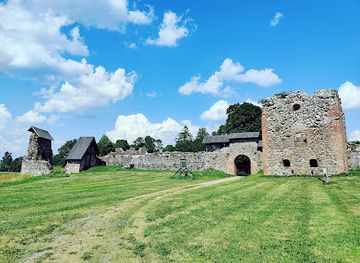
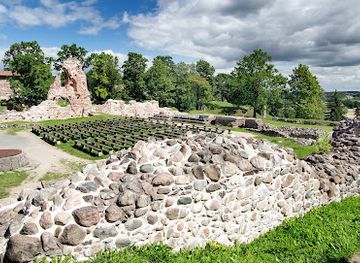
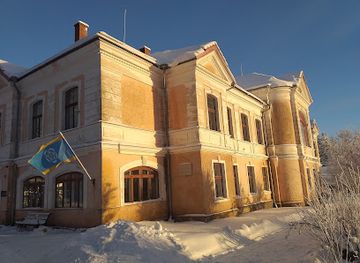
Mulgimaa’s attractions are dispersed through a rural landscape of villages, former manors, wooded hills and small market towns. The Mulgi Experience Centre in Sooglemäe provides an accessible introduction to the region’s history, language, clothing, food and customs. Local museums and cultural venues in Abja-Paluoja, Mõisaküla and other settlements add personal and social context, particularly around farming, railway life and twentieth-century change. Karksi castle hill combines medieval ruins, a historic church and broad views across the surrounding countryside, while the Helme area offers castle remains and caves shaped in Devonian sandstone. Manor destinations such as Taagepera and Õisu introduce visitors to the architecture and parkland of Estonia’s former estate system. Lake Õisu, Loodi Nature Park and nearby woodland areas suit quiet walks, birdwatching and cycling rather than intensive sightseeing. Small churches, village cemeteries, farm landscapes and community events complete the experience, rewarding visitors who travel slowly and plan around opening arrangements.
-
Adventure sports center
Valma Seikluspark
Discover thrilling outdoor adventures and serene nature at Valma Seikluspark, an adventure sports center perfect for families and thrill-seekers alike.
-
Manor house
Heimtali Manor
Experience the historical elegance of Heimtali Manor, a captivating manor house in the heart of Viljandi County, Estonia.
-
Visitor center
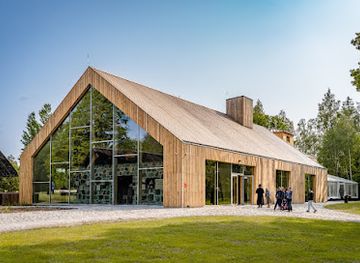
Mulgi Elamuskeskus
Explore the captivating cultural heritage and natural beauty of Valga County at Mulgi Elamuskeskus, a must-visit visitor center in Estonia.
-
Handicraft
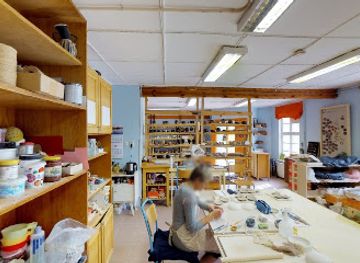
Mulgi Savikoda
Discover the heart of Estonian culture at Mulgi Savikoda, a haven for handicraft enthusiasts in Viljandi County, showcasing unique local artistry.

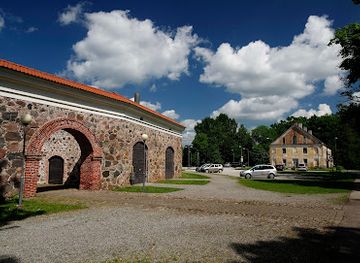
Best landmarks in Mulgimaa
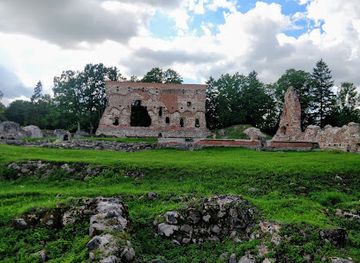
Karksi Castle Hill is one of Mulgimaa’s most recognisable historic sites, with the remains of a medieval stronghold and the nearby church occupying an elevated position above the surrounding landscape. The Helme castle ruins and sandstone caves provide a different medieval landmark, combining defensive history with the region’s distinctive geology. Taagepera Castle, now known as Wagenküll Castle, represents the architectural ambition of the former Baltic German manor world and remains an important southern Mulgimaa reference point. Õisu Manor and its park reflect the estate landscape that once structured agriculture and rural administration. In the towns, the former railway heritage of Mõisaküla recalls the transport network that reshaped southern Estonia, while Abja-Paluoja’s cultural institutions express the continuing public identity of the Mulgi region. Churches, cemeteries, manor avenues and open farm landscapes are also significant landmarks because they show how religious, agricultural and social history remains embedded in the countryside.
-
Live Music
Estonian Traditional Music Center
Experience the vibrant sounds of Estonia at the Estonian Traditional Music Center, a hub for live performances and cultural exploration.
-
Fortress
Karksi Order Castle Ruins
Explore the enchanting Karksi Order Castle Ruins in Viljandi County, Estonia, where history meets breathtaking natural beauty.
-
Tourist attraction
Viljandi Castle Ruins
Discover the captivating Viljandi Castle Ruins, a historical gem in Estonia with stunning views and rich medieval heritage.
-
Historical landmark
Kärstna mõis
Explore Käärstna Mõis, a historical landmark in Viljandi County, where rich heritage meets stunning architecture amid beautiful landscapes.
Explore Mulgimaa on the map
Plan your trip on one map. See where the top cities, national parks and sights are, and book hotels and experiences in a few clicks.
Best hotels in Mulgimaa
Best restaurants in Mulgimaa
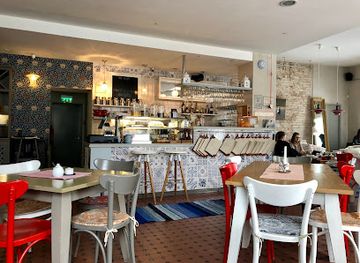
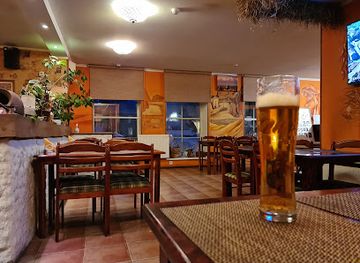
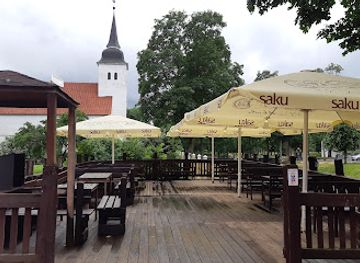
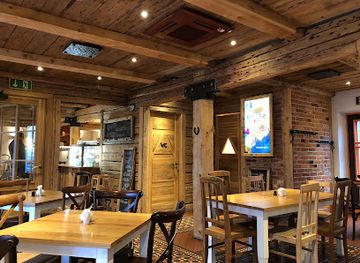
Dining in Mulgimaa reflects southern Estonia’s agricultural traditions and the region’s renewed interest in Mulgi heritage. Mulgi kapsad, made with sauerkraut, potatoes and meat, is the best-known regional dish, while dark rye bread, porridges, potatoes, smoked foods and dairy products reflect the practical cooking of farm households. Seasonal berries, mushrooms and locally grown produce appear in home-style meals and community catering. Cafés and pubs in Abja-Paluoja, Karksi-Nuia, Tõrva and other larger settlements provide the most dependable everyday options, while rural accommodation and farms may offer food by arrangement. Farmers’ markets, heritage days and local festivals are often better places to encounter regional recipes than formal restaurant menus. Vegetarian travellers should ask about ingredients in traditional dishes, as meat and dairy are common, although contemporary cafés increasingly provide broader choices. Estonia’s wider craft-beer, coffee and baking culture is also represented, but the strongest sense of place comes from simple seasonal food and Mulgi specialities.
-
Restaurant
Fellin
Discover Fellin in Viljandi: where local ingredients meet modern culinary artistry for an unforgettable dining experience.
-
Armenian
Armeenia Köök Soso Juures
Experience authentic Armenian cuisine in Viljandi at Armeenia Köök Soso Juures, where every dish tells a story.
-
Family-friendly
Tegelaste Tuba
Discover the charm of Tegelaste Tuba in Viljandi: a family-friendly pub offering delicious food and great drinks in a cozy atmosphere.
-
Pizza
Amrita Cafe
Discover Amrita Cafe in Viljandi: where delicious pizzas meet artisanal coffee in a cozy atmosphere.
Best bars in Mulgimaa
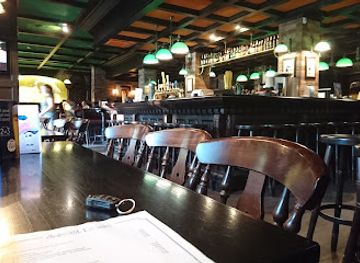
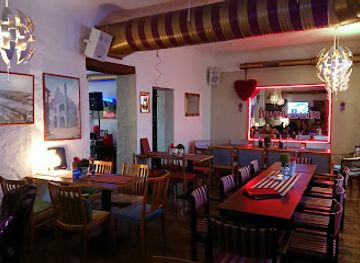
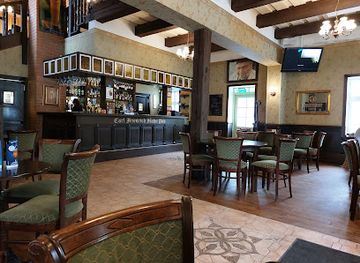
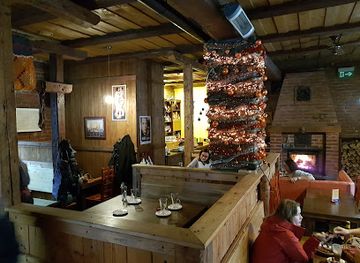
Mulgimaa does not have a large club scene, and evenings are generally centred on pubs, cafés, restaurants and community events rather than late-night entertainment. Tõrva, Abja-Paluoja, Karksi-Nuia and Mõisaküla offer the greatest concentration of places to eat or have a drink, although the choice is modest and rural venues may close earlier than visitors expect. Traditional pubs provide informal settings for local beer, cider and conversation, while cultural houses and summer events sometimes host concerts, dancing or community gatherings. Manor and festival programmes can create occasional seasonal evening activity, but dates vary. Visitors staying in countryside accommodation should plan dinner and transport ahead, particularly outside the main towns, and should not assume that a taxi or late bus will be available after an event.
-
Pub
Sweet Rosie Irish Pub
Discover Sweet Rosie Irish Pub in Pärnu, a lively spot for delicious food, great beer, and authentic Irish hospitality in a charming atmosphere.
-
Pub
Bum Bum Pubi
Discover the vibrant atmosphere and delicious local cuisine at Bum Bum Pubi in Pärnu, a must-visit pub for every traveler.
-
Pub
C.F Hahn pub
Discover the flavors of Estonia at C.F Hahn Pub, a vibrant gathering spot in Pärnu offering local cuisine and a welcoming atmosphere.
-
Family-friendly
Tegelaste Tuba
Discover Tegelaste Tuba, a family-friendly pub in Viljandi offering a varied menu, local brews, and a cozy atmosphere perfect for all ages.
Best nightclubs in Mulgimaa
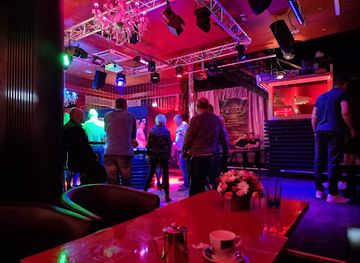
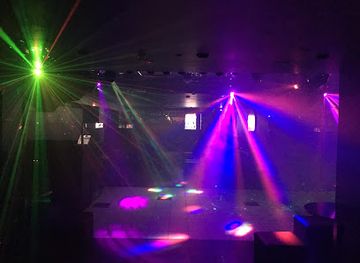
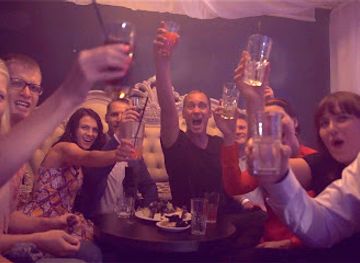
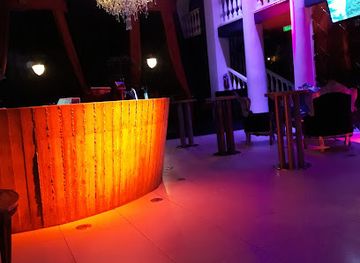
Mulgimaa does not have a large club scene, and evenings are generally centred on pubs, cafés, restaurants and community events rather than late-night entertainment. Tõrva, Abja-Paluoja, Karksi-Nuia and Mõisaküla offer the greatest concentration of places to eat or have a drink, although the choice is modest and rural venues may close earlier than visitors expect. Traditional pubs provide informal settings for local beer, cider and conversation, while cultural houses and summer events sometimes host concerts, dancing or community gatherings. Manor and festival programmes can create occasional seasonal evening activity, but dates vary. Visitors staying in countryside accommodation should plan dinner and transport ahead, particularly outside the main towns, and should not assume that a taxi or late bus will be available after an event.
-
Night club
Lokaal Kassa
Discover Pärnu's nightlife at Lokaal Kassa, a vibrant night club with exceptional music, energetic vibes, and an unforgettable atmosphere.
-
Night club
Club Lounge
Discover the vibrant nightlife at Club Lounge in Viljandi, where unforgettable nights and lively music create the perfect party atmosphere.
-
Night club
VABANK Club - Ööklubi Tartus
Discover the vibrant nightlife of Tartu at VABANK Club, where energy meets music for an unforgettable experience.
-
Night club
Club Illusion
Discover Tartu's nightlife at Club Illusion, the ultimate destination for music lovers and party enthusiasts seeking vibrant energy and unforgettable experiences.
Best shops in Mulgimaa
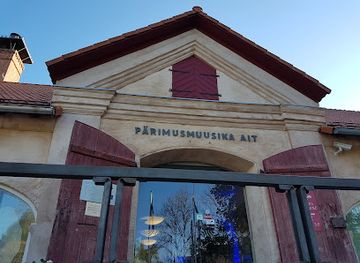
Shopping in Mulgimaa is small-scale and locally focused rather than centred on major retail districts. Abja-Paluoja, Karksi-Nuia, Tõrva and Mõisaküla have everyday shops and services, while independent sellers and community venues may offer Mulgi-themed textiles, books, ceramics, handicrafts and locally produced food. Heritage events and farmers’ markets are useful places to look for rye bread, preserves, honey, berries, smoked products and seasonal produce, although availability changes throughout the year. Visitors interested in regional identity should look for publications about Mulgi history and language, as well as items featuring traditional dress patterns or motifs. Larger, more predictable retail selections are available in Viljandi or Valga outside the principal cultural area. In the countryside, opening times can be limited, so buying food and practical supplies in a larger town before visiting remote manor sites or walking areas is sensible.
-
Live Music
Estonian Traditional Music Center
Discover the vibrant Estonian Traditional Music Center in Viljandi, where folk music comes alive through live performances, workshops, and cultural events.
-
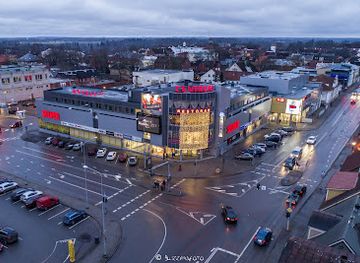
Department store
Centrum
Explore Centrum in Viljandi for a memorable shopping experience, featuring diverse stores from clothing to art supplies.
-
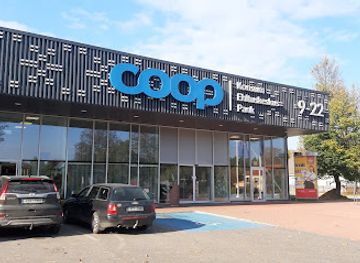
Store
Tikste Konsum / Ehituskeskus
Experience the heart of Valga County shopping at Tikste Konsum, where local charm meets quality products for every traveler.
-
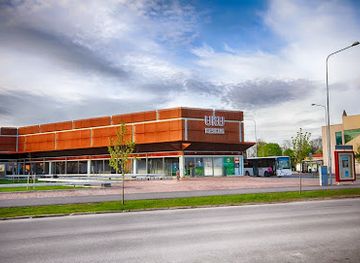
Shopping mall
UKU Center
UKU Center: A vibrant shopping mall in Viljandi offering a mix of local and international brands amidst a friendly atmosphere.
Get your free copy of our complete guide to Mulgimaa, delivered straight to you.
Everything on this page, from attractions and restaurants to essentials and local phrases, in one PDF you can read offline, print or share.
Already have an account? Sign in
Your Mulgimaa guide is ready.
We'll send it to · Not you? Sign out

Getting your guide ready…
We are putting together a fresh copy of the Mulgimaa guide. This can take up to a minute.
This can take a few moments. If your browser asks, choose Allow so the download can start. You'll find the guide in your Downloads folder.
Nothing happened? Download it again
Sorry, the guide is taking longer than usual. Please try again in a minute, or get it by email instead.
Mulgimaa essentials
Currency and Payment
Safety
Emergency Situations
Do's and Don'ts
Local Tips
From Eve
Local phrases worth knowing
You don't need to get them perfect. A few words go a long way, and locals appreciate the effort.
Basics
| English | Local | Say it |
|---|---|---|
| Hello | Tere | [teh-reh] |
| Goodbye | Head aega | [head eye-gah] |
| Yes | Jah | [yah] |
| No | Ei | [ay] |
| Please/You're welcome | Palun | [pah-lun] |
| Thank you | Aitäh | [eye-tah] |
| Excuse me/Sorry | Vabandust | [vah-bahn-dust] |
| How are you? | Kuidas sul läheb? | [kwee-das sul leh-hab] |
| Fine. And you? | Hästi. Ja sina? | [hahs-tee. yah see-nah] |
| Do you speak English? | Kas sa räägid inglise keelt? | [kas sah rah-eeg-id een-glee-seh kehlt] |
| I don't understand | Ma ei saa aru | [mah ay zah ah-roo] |
Eating & Drinking
| English | Local | Say it |
|---|---|---|
| I'd like to see the menu, please | Ma tahaksin menüüd vaadata, palun | [mah tah-hahk-sin meh-newd vah-dah-tah, pah-lun] |
| I don't eat meat | Ma ei söö liha | [mah ay sur-eh lee-hah] |
| Cheers! | Terviseks! | [ter-vee-seks] |
| I would like to pay, please | Ma tahaksin maksta, palun | [mah tah-hahk-sin mak-stah, pah-lun] |
Emergencies
| English | Local | Say it |
|---|---|---|
| Help! | Aita! | [eye-tah] |
| Go away! | Mine ära! | [mee-neh eh-rah] |
| Call the Police! | Helista politseisse! | [heh-lees-tah poh-leet-seis-seh] |
| Call a doctor! | Helista arstile! | [heh-lees-tah ahr-steh-leh] |
| I'm lost | Ma olen kadunud | [mah oh-len kah-doo-nud] |
| I'm ill | Ma olen haige | [mah oh-len high-geh] |
Shopping
| English | Local | Say it |
|---|---|---|
| I'd like to buy... | Ma tahaksin osta... | [mah tah-hahk-sin oh-stah] |
| I'm just looking | Ma lihtsalt vaatan | [mah leest-lah-vaht-an] |
| How much is it? | Kui palju see maksab? | [kwee pahl-yu seh mak-sahb] |
| That's too expensive | See on liiga kallis | [seh on lee-gah kal-lis] |
| Can you lower the price? | Kas sa saad hinda alandada? | [kas sah sahd hin-dah ah-lahn-dah] |
Time & Numbers
| English | Local | Say it |
|---|---|---|
| What time is it? | Mis kell on? | [mis kel on] |
| It's one o'clock | Kell on üks | [kel on uks] |
| Half past (10) | Pool (10) üle | [pool (10) oo-leh] |
| Morning | Hommik | [hom-mik] |
| Afternoon | Päev | [peh-v] |
| Evening | Õhtu | [uh-tu] |
| Yesterday | Eile | [eye-leh] |
| Today | Täna | [tah-nah] |
| Tomorrow | Homme | [hom-meh] |
| 1 | Üks | [uuks] |
| 2 | Kaks | [kahks] |
| 3 | Kolm | [kolm] |
| 4 | Neli | [neh-lee] |
| 5 | Viis | [vees] |
| 6 | Kuus | [koos] |
| 7 | Seitsme | [sayts-meh] |
| 8 | Kaheksa | [kah-heks-ah] |
| 9 | Üheksa | [ue-heks-ah] |
| 10 | Kümme | [kew-meh] |
Transport & Directions
| English | Local | Say it |
|---|---|---|
| Where's a/the...? | Kus on...? | [koos on] |
| What's the address? | Mis on aadress? | [mis on ahd-res] |
| Can you show me (on the map)? | Kas sa saad mulle näidata (kaardil)? | [kas sah sahd mu-leh nai-da-tah (kahr-dil)] |
| When's the next (bus)? | Millal on järgmine (buss)? | [mil-lahl on yahrg-meen-eh (boos)] |
| A ticket (to ....) | Pilet (kuskile) | [pee-let (koos-keh-leh)] |
History of Mulgimaa
Early settlement and the southern Estonian landscape
The forests, lakes and fertile clearings of southern Estonia have supported human settlement since prehistoric times. Although much of the archaeological evidence is modest in scale, burial sites, settlement traces and place names reveal long continuity of rural habitation. The landscape that later became Mulgimaa was shaped by small farms, woodland use, pasture and cultivation rather than by large urban centres. Its distinctive local identity developed gradually through village communities, dialect and customary land use, with natural features and parish boundaries helping to define the cultural geography.
Medieval castles and Christian lordship
During the medieval period, southern Estonia was incorporated into the political and religious structures established after the Northern Crusades. Fortified sites at Karksi and Helme formed part of a wider network of strongholds and administrative centres. Karksi Castle was associated with the Livonian Order, while Helme developed around a medieval stronghold whose ruins remain visible above the surrounding landscape. Churches and manors later replaced or supplemented military power, leaving Mulgimaa with a layered heritage of castle hills, parish churches and estates.
Manors, churches and rural society
From the early modern period into the nineteenth century, manor estates organised much of the region’s agricultural and social life. Estates such as Taagepera, Õisu and others controlled farmland, forests and labour, while Lutheran parish churches served as important local institutions. The relationship between manor and peasant communities was unequal, but it also influenced architecture, road patterns and land use that remain visible today. After the abolition of serfdom and later agrarian reforms, independent farms became increasingly important to the cultural and economic identity of Mulgimaa.
Flax, farm wealth and the Mulgi identity
In the nineteenth century, parts of Mulgimaa prospered through flax cultivation and trade. Improved farming, regional commerce and the rise of prosperous farmsteads helped create the image of the Mulgi farmer as economically capable and strongly attached to local customs. Mulgi speech, clothing, food and building traditions became recognisable markers of identity. This period also strengthened connections with market towns including Abja-Paluoja and Karksi-Nuia, where agricultural products, goods and information circulated between villages and the wider Estonian economy.
Railways and the growth of market towns
Railway construction in the late nineteenth and early twentieth centuries changed the region’s economic geography. Mõisaküla became a notable railway centre, with workshops and connections that supported trade and employment across southern Estonia. Abja-Paluoja and other settlements benefited from improved access to markets, although the railway era also tied local prosperity to industries and routes vulnerable to later political and economic change. Former railway buildings, town layouts and industrial traces remain reminders of a time when Mulgimaa was more closely integrated into regional transport networks.
War, Soviet rule and cultural revival
The twentieth century brought war, occupation, collectivisation and major demographic change. Private farms were absorbed into collective agriculture during the Soviet period, while industrial employment and state institutions altered village life. Many smaller settlements later lost population as services and jobs concentrated elsewhere. Since Estonia restored independence, Mulgi organisations, museums, schools, local authorities and cultural events have worked to preserve the dialect, traditional dress, foodways and historical memory of the region. Contemporary Mulgimaa combines this revival with the practical realities of a largely rural area.
Mulgimaa in Photos
Browse through our photo collection highlighting the charm and character of the destination.
Neighbouring regions of Mulgimaa
The closest regions to Mulgimaa, if you have time for more than one.
-

-

-

-

-


Swipe for more regions
Explore more

Explore more of Estonia
Discover Estonia: A perfect blend of medieval charm, modern innovation, and natural beauty in the heart of Northern Europe.
Explore Estonia