

Free Viljandi County Travel Guide & Mobile App
Explore Viljandi County with free travel guides. Discover regional history, expert tips, proposed trips, and audio guides on web or mobile app.


Explore Viljandi County for medieval ruins, Lake Võrtsjärv, Soomaa wetlands, manor landscapes and Estonia’s enduring folk-music traditions.
Read more about Viljandi County
When is the best time to visit Viljandi County?
Best: June–August · 21–22°C| Month | High (°C) | Rainfall (mm) |
|---|---|---|
| January | -2 | 35 |
| February | -2 | 30 |
| March | 4 | 35 |
| April | 9 | 40 |
| May | 16 | 45 |
| June (best) | 21 | 55 |
| July (best) | 22 | 65 |
| August (best) | 21 | 65 |
| September | 17 | 55 |
| October | 12 | 50 |
| November | 5 | 45 |
| December | 1 | 40 |
Getting to and around Viljandi County
How to get there
Transportation
Top city travel guides in Viljandi County
The cities of Viljandi County, and the easiest places to base yourself.
-

-

-


Swipe for more cities
Destinations in Viljandi County
Resorts, valleys and scenic spots worth a trip of their own.
-

-

-


Swipe for more destinations
Best attractions in Viljandi County
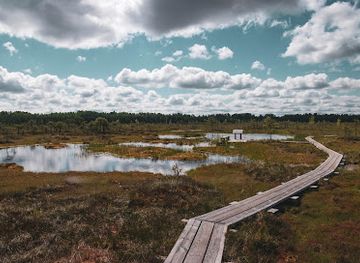
Viljandi County’s attractions range from medieval archaeology and cultural venues to wetlands, lakes and rural heritage. In Viljandi, the castle ruins and surrounding park provide the county’s most important historical setting, while the town’s museums, galleries, churches and wooden architecture support a strong arts-oriented visit. Lake Viljandi adds walking, swimming and seasonal recreation close to the centre. Beyond the town, Olustvere offers a substantial manor ensemble, parkland and craft-related activities, while Suure-Jaani and the surrounding villages reflect the county’s musical and ecclesiastical traditions. The western shore of Võrtsjärv is suited to quiet lakeside exploration, birdwatching and fishing heritage rather than intensive resort tourism. Parts of Soomaa National Park within the county provide canoeing, hiking and wildlife observation among rivers, flood meadows and forests; spring flooding creates notably different conditions from summer and autumn. Southern Viljandi County introduces the cultural landscape of Mulgimaa, with local museums, rural scenery and food traditions around Karksi-Nuia, Abja-Paluoja and Mõisaküla. The attractions are dispersed, so a car or carefully planned itinerary is useful outside Viljandi itself.
-
Historical landmark
Viljandi Castle Hill
Explore the historic Viljandi Castle Hill in Estonia, where medieval heritage meets breathtaking natural beauty, perfect for every traveler.
-
Bridge
Viljandi Suspension Bridge
Discover the breathtaking Viljandi Suspension Bridge, a stunning feat of engineering surrounded by nature’s beauty in Estonia’s enchanting Viljandi.
-
Hiking area
Riisa nature trail
Discover the beauty of Estonia at Riisa Nature Trail, a serene hiking oasis in Pärnu County, featuring lush landscapes and tranquil wetlands.
-
Hiking area
Viljandi matkarada
Explore the breathtaking trails of Viljandi Matkarada, where nature and history converge in the heart of Estonia's stunning landscapes.


Best landmarks in Viljandi County
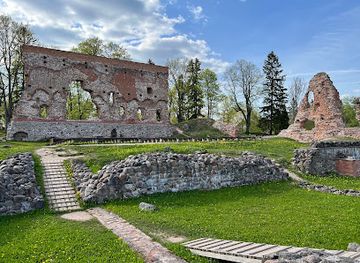
The ruins of Viljandi Castle are the county’s defining historic landmark. Built and expanded by the Livonian Order, the fortress was damaged in the Livonian War, leaving dramatic stone remnants and defensive earthworks within a public park above Lake Viljandi. The park’s suspension bridge and lake views have become closely associated with the town, although the bridge is a modern feature rather than a medieval survival. Viljandi’s St John’s Church and St Paul’s Church reflect different phases of the town’s religious and architectural history, while its wooden villas and historic streets preserve the character of the nineteenth- and early twentieth-century town. Olustvere Manor is an important estate landmark, with its main buildings, park and agricultural setting illustrating the influence of manor culture in the county. In southern Viljandi County, Karksi Church stands beside the remains of a medieval stronghold, combining ecclesiastical architecture with a recognisable hilltop setting. Natural landmarks are equally significant: Lake Viljandi shapes the county capital, Lake Võrtsjärv forms a broad eastern horizon, and the floodplain landscapes of Soomaa demonstrate how water continues to define parts of the region.
-
Performing arts theater
Ugala Theater
Discover the Ugala Theater in Viljandi, a cultural landmark showcasing exceptional performances in a historic setting.
-
National park
Soomaa National Park
Explore the breathtaking landscapes and diverse ecosystems of Soomaa National Park, a true natural wonder in Estonia, perfect for adventure and tranquility.
-
Live Music
Estonian Traditional Music Center
Discover the vibrant world of Estonian music at the Traditional Music Center in Viljandi—where melodies come alive and traditions thrive.
-
Historical landmark
Viljandi Castle Hill
Explore Viljandi Castle Hill, a historical landmark with breathtaking views and rich history, perfect for a serene getaway in Estonia.
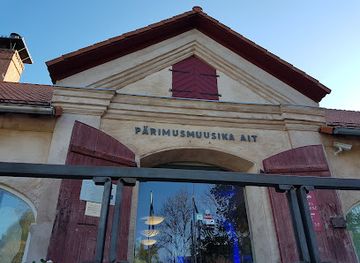
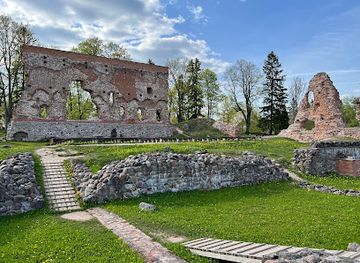
Explore Viljandi County on the map
Plan your trip on one map. See where the top cities, national parks and sights are, and book hotels and experiences in a few clicks.
Best hotels in Viljandi County
Best restaurants in Viljandi County
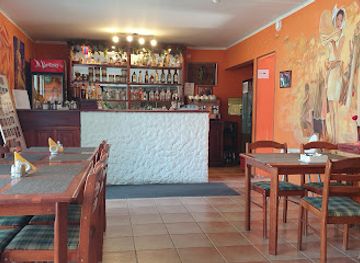
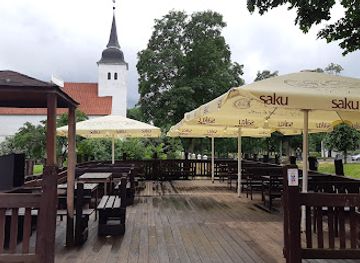
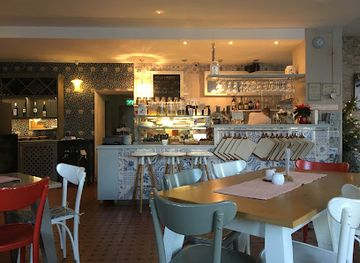
Dining in Viljandi County combines contemporary Estonian cooking with the substantial food traditions of southern Estonia. In Viljandi, cafés, restaurants and pubs use ingredients such as rye bread, potatoes, berries, mushrooms, fish and locally sourced meat, while seasonal menus may reflect the surrounding forests and farms. Visitors travelling through the Mulgi area should look for Mulgimaa specialities, particularly mulgipuder, a potato and barley dish traditionally enriched with bacon, and mulgikapsad, sauerkraut prepared in a regional style. Country cafés, manor restaurants and rural inns provide a slower dining experience, though their opening arrangements can be seasonal. Around Võrtsjärv, fish and lakeside produce are natural themes, while farmers’ markets and small food producers offer preserves, baked goods, honey and dairy products. Estonian beer, berry drinks and coffee are widely available, and menus usually include familiar national dishes alongside international options. In smaller settlements, it is sensible to check availability and kitchen hours before making a long journey.
-
Restaurant
Fellin
Experience authentic Estonian cuisine at Fellin in Viljandi – where local flavors meet modern culinary artistry.
-
Armenian
Armeenia Köök Soso Juures
Discover authentic Armenian flavors at Armeenia Köök Soso Juures in Viljandi - a unique culinary gem that delights every palate.
-
Family-friendly
Tegelaste Tuba
Experience family-friendly dining at Tegelaste Tuba in Viljandi – where delicious food meets warm hospitality.
-
Pizza
Amrita Cafe
Discover Amrita Cafe in Viljandi - where delicious pizza meets cozy coffee culture in Estonia's charming town.


Best bars in Viljandi County
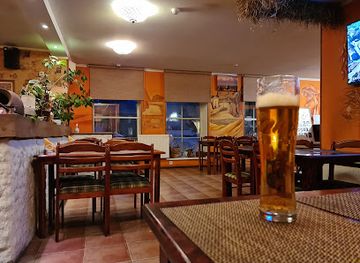
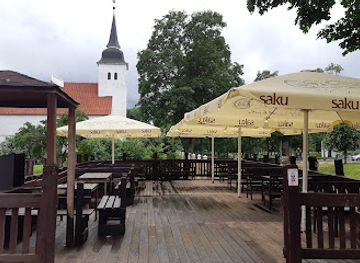
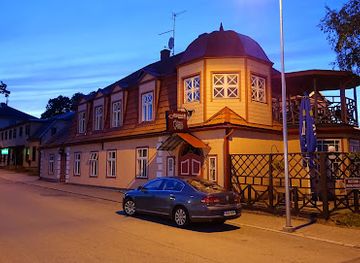
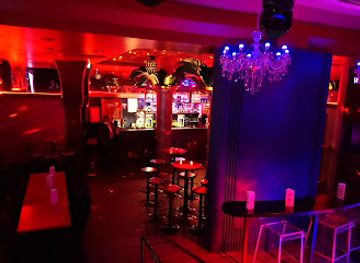
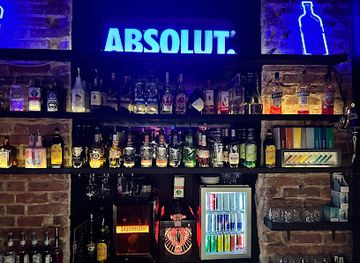
Viljandi is the county’s main centre for evening life, with pubs, cafés, restaurants and a modest selection of bars concentrated around the town centre. The atmosphere is generally social rather than club-oriented, and live music and cultural programming are more characteristic than late-night entertainment. The annual Viljandi Folk Music Festival brings an especially busy evening scene, with performances in formal venues and temporary stages, but dates and arrangements change each year. Outside the town, evenings usually centre on a pub, restaurant, guesthouse or private gathering rather than a dedicated nightclub. Rural areas and smaller settlements have fewer late-opening options, so visitors staying beyond Viljandi should plan transport and dining in advance. Brewery products, Estonian spirits and non-alcoholic drinks can be found in urban venues, but drinking is not necessary to engage with the county’s music and cultural life.
-
Restaurant
Fellin
Discover the flavors of Estonia at Fellin, a beloved restaurant in Viljandi known for its locally-sourced dishes and warm atmosphere.
-
Armenian
Armeenia Köök Soso Juures
Discover authentic Armenian cuisine at Armeenia Köök Soso Juures, a cozy gem in Viljandi offering traditional flavors and warm hospitality.
-
Family-friendly
Tegelaste Tuba
Experience the warmth of Viljandi at Tegelaste Tuba, where delicious pub-style meals meet a family-friendly atmosphere.
-
Pub
Big Brother
Discover the charm of Big Brother Pub in Viljandi, where local cuisine meets a vibrant atmosphere and friendly service.
Best nightclubs in Viljandi County
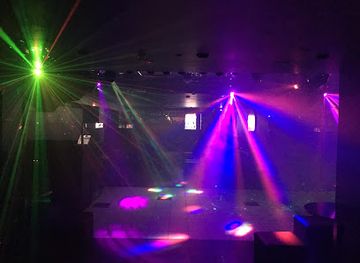
Viljandi is the county’s main centre for evening life, with pubs, cafés, restaurants and a modest selection of bars concentrated around the town centre. The atmosphere is generally social rather than club-oriented, and live music and cultural programming are more characteristic than late-night entertainment. The annual Viljandi Folk Music Festival brings an especially busy evening scene, with performances in formal venues and temporary stages, but dates and arrangements change each year. Outside the town, evenings usually centre on a pub, restaurant, guesthouse or private gathering rather than a dedicated nightclub. Rural areas and smaller settlements have fewer late-opening options, so visitors staying beyond Viljandi should plan transport and dining in advance. Brewery products, Estonian spirits and non-alcoholic drinks can be found in urban venues, but drinking is not necessary to engage with the county’s music and cultural life.
-
Night club
Lokaal Kassa
Experience the vibrant nightlife of Pärnu at Lokaal Kassa, where music, dance, and joy come together in an unforgettable atmosphere.
-
Night club
Club Lounge
Immerse yourself in the vibrant nightlife of Club Lounge, the premier night club in Viljandi, Estonia, with great music and a lively atmosphere.
-
Night club
Nightclub Sunset
Dive into the electrifying nightlife at Nightclub Sunset in Pärnu, where vibrant music and a stylish atmosphere come together for an unforgettable experience.
-
Night club
Shooters Tartu
Dive into Tartu's vibrant nightlife at Shooters, where unforgettable nights and electrifying music await every party lover.

Best shops in Viljandi County
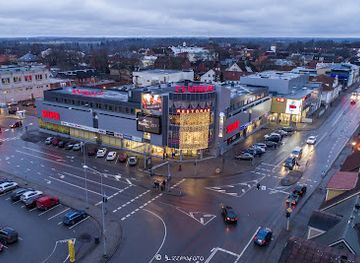
Shopping in Viljandi County is centred on Viljandi’s independent shops, galleries, craft outlets and everyday high-street services rather than large-scale retail. The town is a useful place to look for Estonian design, ceramics, textiles, books, woodwork and music-related products, especially during cultural events and seasonal markets. Local food makes a practical souvenir: rye products, honey, berry preserves, herbal goods and small-producer specialities are often available in markets or specialist shops. In southern Viljandi County, craft and food items connected with Mulgi culture provide a more region-specific choice, although selection varies between settlements and opening times. Village and manor sites may sell handmade goods or local produce when events are taking place, but they should not be treated as permanent shopping centres. Visitors travelling through the county will find supermarkets and basic services in the larger towns, while remote areas offer fewer retail options. Market days and festival stalls are therefore often the best opportunity to meet makers and buy regional products directly.
-
Department store
Centrum
Explore Centrum in Viljandi: A diverse shopping experience with art supplies, clothing, and unique local finds.
-
Shopping mall
UKU Center
Explore the UKU Center in Viljandi - your ultimate shopping destination for clothing, electronics, sporting goods, and local produce.
-
Department store
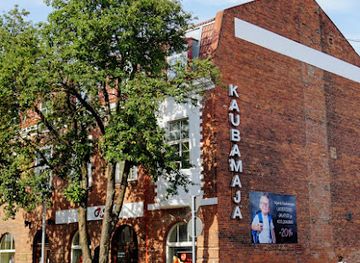
Viljandi Kaubamaja
Discover diverse shopping experiences at Viljandi Kaubamaja, where local culture meets modern convenience in the heart of Estonia.
-
Store
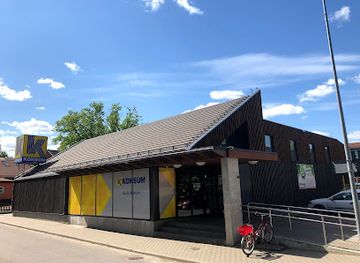
Koidu Konsum
Explore Koidu Konsum in Viljandi for a taste of local Estonian culture and quality grocery shopping.

Get your free copy of our complete guide to Viljandi County, delivered straight to you.
Everything on this page, from attractions and restaurants to essentials and local phrases, in one PDF you can read offline, print or share.
Already have an account? Sign in
Your Viljandi County guide is ready.
We'll send it to · Not you? Sign out

Getting your guide ready…
We are putting together a fresh copy of the Viljandi County guide. This can take up to a minute.
This can take a few moments. If your browser asks, choose Allow so the download can start. You'll find the guide in your Downloads folder.
Nothing happened? Download it again
Sorry, the guide is taking longer than usual. Please try again in a minute, or get it by email instead.
Viljandi County essentials
Currency and Payment
Safety
Emergency Situations
Do's and Don'ts
Local Tips
From Eve
Local phrases worth knowing
You don't need to get them perfect. A few words go a long way, and locals appreciate the effort.
Basics
| English | Local | Say it |
|---|---|---|
| Hello | Tere | [teh-reh] |
| Goodbye | Head aega | [head aye-gah] |
| Yes | Jah | [yah] |
| No | Ei | [ay] |
| Please/You're welcome | Palun | [pah-loon] |
| Thank you | Aitäh | [eye-tah] |
| Excuse me/Sorry | Vabandust | [vah-bahn-doost] |
| How are you? | Kuidas sul läheb? | [kwee-das sul leh-hab] |
| Fine. And you? | Hästi. Aga sina? | [hahs-tee. ah-gah see-nah] |
| Do you speak English? | Kas sa räägid inglise keelt? | [kas sah rah-eeg-eed een-glee-seh kelt] |
| I don't understand | Ma ei saa aru | [mah ay zah ah-roo] |
Eating & Drinking
| English | Local | Say it |
|---|---|---|
| I'd like to see the menu, please | Ma tahaksin näha menüüd, palun | [mah tah-hahk-sin nah-hah meh-nuud, pah-loon] |
| I don't eat meat | Ma ei söö liha | [mah ay suh-lay li-hah] |
| Cheers! | Terviseks! | [ter-vee-seks] |
| I would like to pay, please | Ma tahaksin maksta, palun | [mah tah-hahk-sin mak-stah, pah-loon] |
Emergencies
| English | Local | Say it |
|---|---|---|
| Help! | Aita! | [eye-tah] |
| Go away! | Mine ära! | [mee-neh eh-rah] |
| Call the Police! | Kutsu politsei! | [koot-soo poh-lee-tsei] |
| Call a doctor! | Kutsu arst! | [koot-soo ah-rrst] |
| I'm lost | Ma olen kadunud | [mah oh-len kah-doo-nud] |
| I'm ill | Ma olen haige | [mah oh-len hai-geh] |
Shopping
| English | Local | Say it |
|---|---|---|
| I'd like to buy... | Ma tahaksin osta... | [mah tah-hahk-sin os-tah] |
| I'm just looking | Ma lihtsalt vaatan | [mah leess-talt vah-tahn] |
| How much is it? | Kui palju see maksab? | [kwee pah-lyoo seh mak-sahb] |
| That's too expensive | See on liiga kallis | [seh on lee-gah kahl-lis] |
| Can you lower the price? | Kas sa saad hinda alandada? | [kas sah sahd hin-dah ah-lahn-dah] |
Time & Numbers
| English | Local | Say it |
|---|---|---|
| What time is it? | Mis kell on? | [mis kel on] |
| It's one o'clock | Kell on üks | [kel on yuks] |
| Half past (10) | Kell on pool (10) | [kel on pool (10)] |
| Morning | Hommik | [hom-mik] |
| Afternoon | Päev | [pa-ev] |
| Evening | Õhtu | [uh-thu] |
| Yesterday | Eile | [ay-leh] |
| Today | Täna | [tah-nah] |
| Tomorrow | Homme | [hoh-meh] |
| 1 | 1 | [1] |
| 2 | 2 | [2] |
| 3 | 3 | [3] |
| 4 | 4 | [4] |
| 5 | 5 | [5] |
| 6 | 6 | [6] |
| 7 | 7 | [7] |
| 8 | 8 | [8] |
| 9 | 9 | [9] |
| 10 | 10 | [10] |
Transport & Directions
| English | Local | Say it |
|---|---|---|
| Where's a/the...? | Kus on ...? | [koos on ...?] |
| What's the address? | Mis on aadress? | [mis on ah-dress?] |
| Can you show me (on the map)? | Kas sa saad näidata (kaardil)? | [kas sah sahd nai-daht-ah (kaar-deel)?] |
| When's the next (bus)? | Millal tuleb järgmine (buss)? | [mill-al too-leb yairg-meen-eh (boos)?] |
| A ticket (to ....) | Pilet (kuskile ...) | [pee-let (koos-key-leh ...)] |
History of Viljandi County
Early Settlement and Archaeological Landscapes
The territory of present-day Viljandi County has been settled since prehistoric times, supported by fertile soils, waterways and routes linking central and southern Estonia. Archaeological remains include settlement traces, burial sites and fortified hill locations, although much of this early history is understood through material evidence rather than surviving written records. Lake Viljandi, the Võrtsjärv basin and the Sakala uplands were important geographic reference points for communities before the medieval conquest. The continuity of rural settlement helps explain the county’s dense pattern of villages, fields and woodland corridors.
The Sakala Region and Medieval Viljandi
In the early medieval period, the area formed part of Sakala, one of the historic regions of Estonia. Following the northern crusades and conquest of the early thirteenth century, Viljandi became a major stronghold of the Livonian Order. The stone castle and its surrounding settlement developed into an administrative, military and commercial centre, and Viljandi gained town privileges during the medieval period. Its position between the coast, southern Estonia and Livonia gave it importance beyond its present-day size. The castle ruins remain the clearest physical reminder of this era.
War, Reformation and the Decline of the Castle
Viljandi and the wider county were repeatedly affected by the political and military struggles of the sixteenth and seventeenth centuries. The Livonian War brought major disruption, and the castle complex was badly damaged during warfare. Later conflicts involving Sweden, Poland-Lithuania and Russia altered the region’s administration and reduced the military importance of Viljandi. The town and surrounding estates nevertheless continued as centres of local government, trade and agriculture. Much of the later historic landscape developed around manor properties rather than around the ruined medieval fortress.
Manors, Agriculture and Baltic German Influence
From the early modern period into the nineteenth century, large estates shaped the economy and appearance of Viljandi County. Manor centres such as Olustvere, Heimtali and several properties around southern Viljandi organised agricultural production, forestry and local administration. Baltic German landowners influenced architecture, land use and education, while Estonian-speaking farm communities maintained their own traditions and expanding economic role. Manor parks, granaries, stables and estate avenues still survive in parts of the county, though many buildings have changed function or undergone restoration.
National Awakening and the Growth of Viljandi
The nineteenth century brought improved roads, rail connections and growing Estonian cultural and political awareness. Viljandi developed as a provincial centre, and education, printing, choirs and voluntary associations helped strengthen Estonian public life. The period also saw the gradual transformation of the relationship between manor estates and local farming communities. Estonian national culture drew on regional traditions, including the musical and verbal heritage of southern Estonia. The town’s historic civic buildings and expanding residential areas reflect this transition from an estate-dominated society to a modernising national community.
Mulgimaa and Regional Cultural Identity
Southern Viljandi County is closely associated with Mulgimaa, a cultural region whose name derives from the Mulgi people and their local traditions. During the nineteenth century, prosperous farming, distinctive speech and strong community networks contributed to a recognised regional identity. Mulgi clothing, food and customs remain important elements of cultural interpretation, particularly around Karksi-Nuia, Abja-Paluoja and Mõisaküla. Mulgimaa is not identical to a contemporary administrative boundary: it extends into neighbouring parts of Valga County, while Viljandi County contains only a substantial portion of the wider cultural area.
Twentieth-Century Upheaval and Rural Transformation
Viljandi County experienced the political upheavals that reshaped Estonia in the twentieth century, including independence in 1918, the Second World War, Soviet occupation and the restoration of independence in 1991. Agriculture was collectivised during the Soviet period, and railways and industrial enterprises influenced towns such as Mõisaküla. After independence, many rural economic structures changed, while historic estates and cultural institutions acquired new uses. Contemporary Viljandi County combines this layered past with renewed interest in heritage conservation, local food, nature tourism and traditional music.
Viljandi County in Photos
Browse through our photo collection highlighting the charm and character of the destination.
Neighbouring regions of Viljandi County
The closest regions to Viljandi County, if you have time for more than one.
-

-

-

-

-


Swipe for more regions
Explore more

Explore more of Estonia
Discover Estonia: A perfect blend of medieval charm, modern innovation, and natural beauty in the heart of Northern Europe.
Explore Estonia