

Free Viljandimaa Travel Guide & Mobile App
Explore Viljandimaa with free travel guides. Discover regional history, expert tips, proposed trips, and audio guides on web or mobile app.


Viljandimaa combines medieval castle ruins, Estonian folk music, forest trails, Soomaa wetlands and quiet southern Estonian manor landscapes.
Read more about Viljandimaa
When is the best time to visit Viljandimaa?
Best: June–August · 20–22°C| Month | High (°C) | Rainfall (mm) |
|---|---|---|
| January | 0 | 40 |
| February | 0 | 35 |
| March | 4 | 40 |
| April | 11 | 45 |
| May | 17 | 50 |
| June (best) | 20 | 60 |
| July (best) | 22 | 70 |
| August (best) | 20 | 70 |
| September | 15 | 65 |
| October | 10 | 55 |
| November | 4 | 50 |
| December | 0 | 45 |
Getting to and around Viljandimaa
How to get there
Transportation
Top city travel guides in Viljandimaa
The cities of Viljandimaa, and the easiest places to base yourself.
-

-

-


Swipe for more cities
Destinations in Viljandimaa
Resorts, valleys and scenic spots worth a trip of their own.
-

-

-


Swipe for more destinations
Best attractions in Viljandimaa
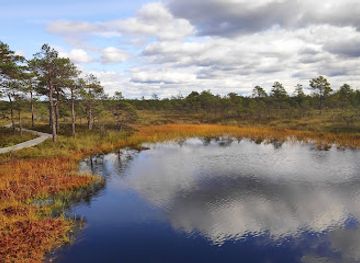
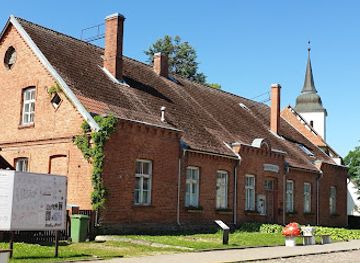
Viljandimaa’s attractions combine medieval heritage, living folk culture and access to southern Estonia’s varied landscapes. In Viljandi, the castle ruins and surrounding park provide a striking introduction to the town’s Livonian past, while the Viljandi Museum, Estonian Traditional Music Centre, Kondase Centre and Ugala Theatre explore regional history, art, performance and contemporary cultural life. The lake and its walking routes add an accessible outdoor dimension close to the centre. Elsewhere in the county, Olustvere offers an important manor ensemble and rural cultural setting, while Heimtali’s museums illuminate village life, schooling, crafts and textiles. Suure-Jaani, Kõpu and other parish centres contain churches and historic buildings associated with the county’s older settlement network. Western Viljandimaa reaches into Soomaa National Park, where boardwalks, forests, floodplain meadows and canoe routes reveal a landscape shaped by seasonal water. In the south, Mulgimaa provides opportunities to explore local foodways, language traditions and rural heritage. The attraction pattern is dispersed, making the county well suited to themed day trips rather than a single concentrated sightseeing circuit.
-
Tourist attraction
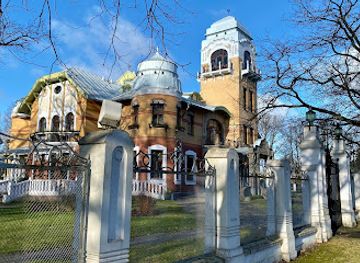
Rannapark
Experience the serene beauty of Rannapark in Pärnu, Estonia, where art and nature harmoniously blend for a perfect day out.
-
Tourist attraction
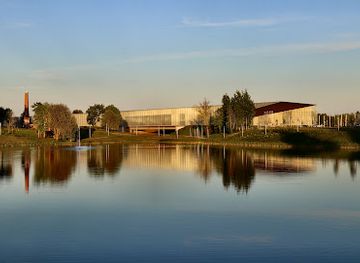
Estonian National Museum
Explore Estonia's cultural heritage at the Estonian National Museum, where history, art, and innovation come together in Tartu.
-
Tourist attraction
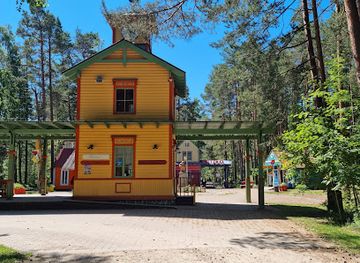
Lotte Village Theme Park
Experience the whimsical charm of Lotte Village Theme Park, a magical destination for families in Pärnu County, Estonia, filled with adventure and entertainment.
-
Tourist attraction
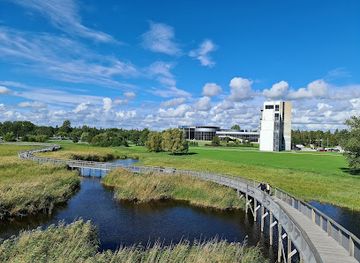
Rannaniidu matkarada
Discover the scenic trails of Rannaniidu Matkarada in Pärnu, Estonia, where nature's beauty and tranquility await your exploration.
Best landmarks in Viljandimaa
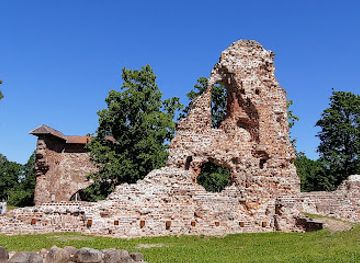
The most recognisable landmark in Viljandimaa is the ruined Viljandi Castle, where fragments of the Livonian Order’s medieval convent castle stand above the deep valley and lake. Its remaining walls, gateways and earthworks are inseparable from the town’s identity. Nearby, Viljandi’s historic streets and churches reflect the later development of a provincial Estonian town rather than a fully preserved medieval centre. Olustvere Manor is another defining ensemble, with its manor house, park and associated buildings presenting the architectural scale of Baltic German estate culture. The churches of Suure-Jaani and Kõpu represent the long-standing parish network that structured rural life, while Heimtali’s historic estate and village setting illustrate the relationship between manor, school and countryside. In western Viljandimaa, Soomaa’s floodplain forests, rivers and seasonally inundated meadows function as natural landmarks rather than monumental structures. The county’s landmark character therefore comes from the contrast between castle ruins, manor landscapes, modest parish architecture and water-shaped wilderness.
-
National park
Soomaa National Park
Explore Soomaa National Park, Estonia's vast wilderness with unique ecosystems, stunning landscapes, and unforgettable outdoor adventures.
-
Live Music
Estonian Traditional Music Center
Discover Estonia's rich musical heritage at the Estonian Traditional Music Center in Viljandi, a hub for live performances and cultural workshops.
-
Historical landmark
Viljandi Castle Hill
Discover the historic charm of Viljandi Castle Hill, a captivating landmark in Estonia showcasing medieval architecture and breathtaking views.
-
Museum
Kondase Keskus
Discover the artistic heritage of Estonia at Kondase Keskus, where Konrad Mägi's masterpieces and contemporary art converge in a stunning setting.

Explore Viljandimaa on the map
Plan your trip on one map. See where the top cities, national parks and sights are, and book hotels and experiences in a few clicks.
Best hotels in Viljandimaa
Best restaurants in Viljandimaa
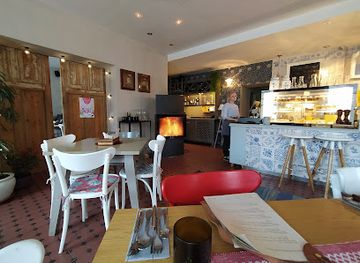
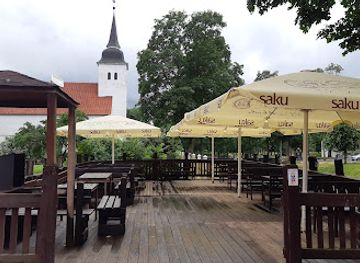
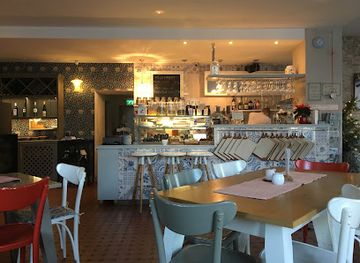
Viljandimaa’s dining scene is centred on Viljandi’s cafés, restaurants, pubs and summer terraces, with a quieter selection of rural inns and small eateries elsewhere in the county. Estonian staples such as dark rye bread, potatoes, dairy products, pork, fish, berries and forest mushrooms appear in both traditional and modern cooking. Seasonal ingredients are particularly important in the countryside, where menus and farm shops may reflect the short growing season and local preserves. Viljandi’s cultural visitors support cafés and places serving lunch, baked goods and contemporary Estonian dishes, while markets and local events provide opportunities to try regional produce without formal dining. In southern Mulgimaa, food is part of a distinct cultural tradition, and visitors may encounter interpretations of local rural cooking alongside standard Estonian fare. Service and opening arrangements can be limited outside the county town, so rural meals often require planning rather than spontaneous stops.
-
Restaurant
Fellin
Discover the essence of Estonian cuisine at Fellin, a charming restaurant in Viljandi offering seasonal dishes and local flavors.
-
Armenian
Armeenia Köök Soso Juures
Experience authentic Armenian cuisine at Armeenia Köök Soso Juures in Viljandi - where tradition meets flavor.
-
Family-friendly
Tegelaste Tuba
Discover Tegelaste Tuba: Viljandi's family-friendly pub offering delicious meals and a cozy atmosphere perfect for travelers.
-
Pizza
Amrita Cafe
Discover Amrita Cafe: A culinary gem in Viljandi serving delectable pizzas and aromatic coffee amidst a cozy atmosphere.

Best bars in Viljandimaa
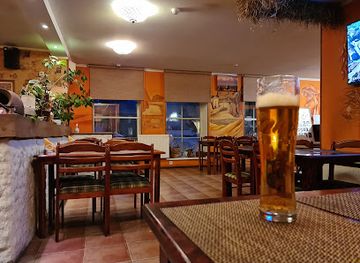
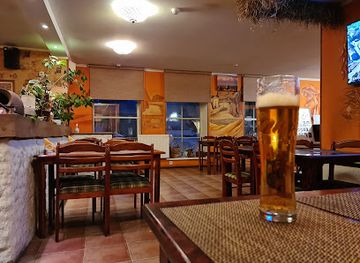
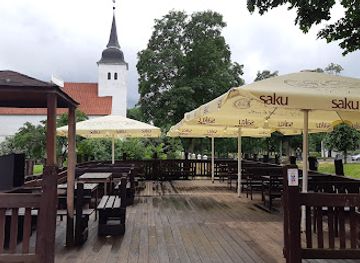
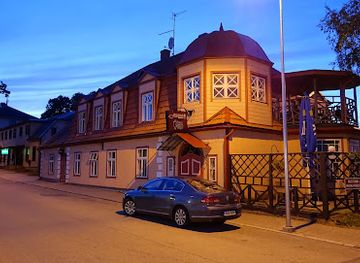
Evening life in Viljandimaa is concentrated in Viljandi, where traditional pubs, cafés, restaurant bars, cultural venues and occasional live-music events provide most of the after-dark activity. The Estonian Traditional Music Centre and Ugala Theatre contribute to a cultural evening scene that is broader than conventional nightlife, with concerts, performances and festival programmes varying by season. During the Viljandi Folk Music Festival, the town’s courtyards, streets and venues become much busier, but accommodation and restaurant demand also rises sharply. Outside Viljandi, evenings are generally based around local pubs, rural restaurants and community events rather than dedicated nightclubs. Smaller settlements may close early, and countryside venues can be widely spaced, so arrange transport in advance and avoid relying on late public connections. Drinking is not essential to experiencing local culture; music, theatre and seasonal events are equally important parts of the region’s evening life.
-
Restaurant
Fellin
Experience the rich flavors of Estonia at Fellin, a cozy restaurant in Viljandi offering a delightful blend of traditional and contemporary cuisine.
-
Armenian
Armeenia Köök Soso Juures
Experience authentic Armenian cuisine at Armeenia Köök Soso Juures in Viljandi, where tradition and flavor unite for an unforgettable dining experience.
-
Family-friendly
Tegelaste Tuba
Discover Tegelaste Tuba in Viljandi: A family-friendly pub offering delicious meals in a cozy atmosphere, perfect for a delightful dining experience.
-
Pub
Big Brother
Discover the vibrant atmosphere of Big Brother Pub in Viljandi, where local flavors meet a cozy pub experience.
Best nightclubs in Viljandimaa
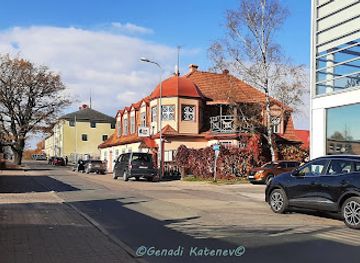
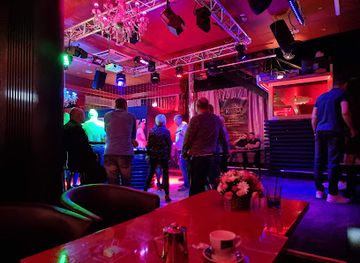
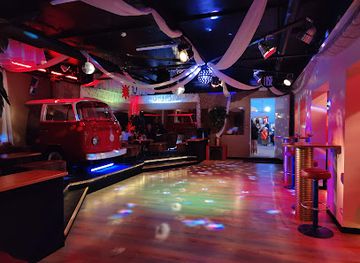
Evening life in Viljandimaa is concentrated in Viljandi, where traditional pubs, cafés, restaurant bars, cultural venues and occasional live-music events provide most of the after-dark activity. The Estonian Traditional Music Centre and Ugala Theatre contribute to a cultural evening scene that is broader than conventional nightlife, with concerts, performances and festival programmes varying by season. During the Viljandi Folk Music Festival, the town’s courtyards, streets and venues become much busier, but accommodation and restaurant demand also rises sharply. Outside Viljandi, evenings are generally based around local pubs, rural restaurants and community events rather than dedicated nightclubs. Smaller settlements may close early, and countryside venues can be widely spaced, so arrange transport in advance and avoid relying on late public connections. Drinking is not essential to experiencing local culture; music, theatre and seasonal events are equally important parts of the region’s evening life.
-
Pub
Big Brother
Experience the heart of Estonian cuisine at Big Brother pub in Viljandi, where local flavors meet a cozy atmosphere.
-
Night club
Lokaal Kassa
Discover the energetic nightlife of Pärnu at Lokaal Kassa, a vibrant night club that promises unforgettable dance experiences.
-
Night club
Club Lounge
Discover the vibrant nightlife at Club Lounge in Viljandi, a top destination for music, dancing, and unforgettable experiences in Estonia.
-
Night club
Nightclub Sunset
Unleash your nightlife spirit at Nightclub Sunset, Pärnu's lively club with pulsating music and vibrant crowds.

Best shops in Viljandimaa
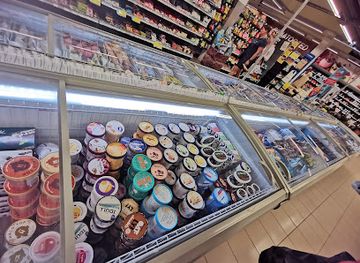
Shopping in Viljandimaa is focused on Viljandi’s independent shops, cafés, galleries and everyday high-street services rather than large-scale retail. The town is a useful place to look for books, design objects, woollen goods, ceramics, textiles, music recordings and locally made gifts connected with Estonian craft traditions. Craft and food stalls appear especially around cultural events and seasonal markets, while farmers’ markets and farm shops may offer rye bread, preserves, honey, berries and other regional produce. In southern Mulgimaa, local food and craft products can carry a stronger regional identity, although availability varies by season and venue. Small towns such as Suure-Jaani, Võhma and Abja-Paluoja provide practical shopping and occasional local sellers rather than extensive souvenir districts. Visitors should favour durable, locally produced goods over generic trinkets and check opening arrangements before making a special journey to a rural workshop, manor shop or market.
-
Hypermarket
Viljandi Paalalinna Maksimarket
Explore Viljandi Paalalinna Maksimarket: Your ultimate hypermarket experience in the heart of Viljandi, Estonia, filled with local flavors and global goods.
-
Supermarket
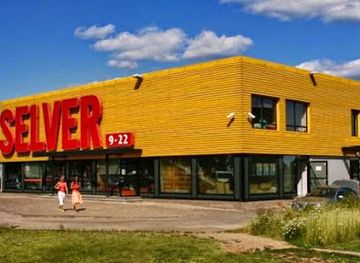
Männimäe Selver
Discover local flavors at Männimäe Selver, your go-to supermarket in Viljandi for fresh groceries and Estonian delicacies.
-
Supermarket
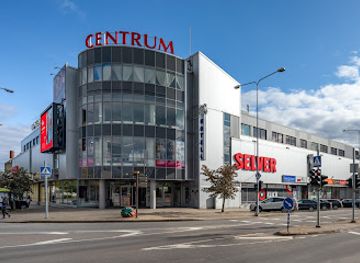
Centrumi Selver
Discover local flavors and essentials at Centrumi Selver, Viljandi's premier supermarket for tourists seeking authentic Estonian products.
-
Building materials store
Bauhof
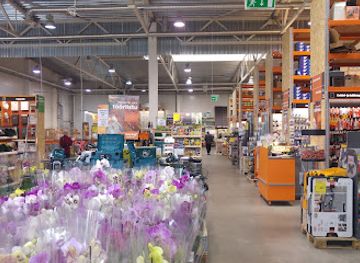
Discover top-notch building materials and hardware at Bauhof in Viljandi, Estonia – your ultimate destination for DIY projects and renovations.
Get your free copy of our complete guide to Viljandimaa, delivered straight to you.
Everything on this page, from attractions and restaurants to essentials and local phrases, in one PDF you can read offline, print or share.
Already have an account? Sign in
Your Viljandimaa guide is ready.
We'll send it to · Not you? Sign out

Getting your guide ready…
We are putting together a fresh copy of the Viljandimaa guide. This can take up to a minute.
This can take a few moments. If your browser asks, choose Allow so the download can start. You'll find the guide in your Downloads folder.
Nothing happened? Download it again
Sorry, the guide is taking longer than usual. Please try again in a minute, or get it by email instead.
Viljandimaa essentials
Currency and Payment
Safety
Emergency Situations
Do's and Don'ts
Local Tips
From Eve
Local phrases worth knowing
You don't need to get them perfect. A few words go a long way, and locals appreciate the effort.
Basics
| English | Local | Say it |
|---|---|---|
| Hello | Tere | [te-re] |
| Goodbye | Head aega | [head ai-ga] |
| Yes | Jah | [yah] |
| No | Ei | [ay] |
| Please/You're welcome | Palun | [pa-lun] |
| Thank you | Aitäh | [ai-tah] |
| Excuse me/Sorry | Vabandage | [va-ban-da-ge] |
| How are you? | Kuidas sul läheb? | [kui-das sul leh-eb] |
| Fine. And you? | Hästi. Ja sina? | [hest-i. ya si-na] |
| Do you speak English? | Kas sa räägid inglise keelt? | [kas sa ray-gid in-gli-se kelt] |
| I don't understand | Ma ei saa aru | [ma ay zah a-roo] |
Eating & Drinking
| English | Local | Say it |
|---|---|---|
| I'd like to see the menu, please | Ma sooviksin näha menüüd, palun | [ma so-vik-sin na-ha men-uud, pa-lun] |
| I don't eat meat | Ma ei söö liha | [ma ay soe li-ha] |
| Cheers! | Terviseks! | [ter-vi-seks] |
| I would like to pay, please | Ma sooviksin maksta, palun | [ma so-vik-sin mak-sta, pa-lun] |
Emergencies
| English | Local | Say it |
|---|---|---|
| Help! | Aita! | [ai-ta] |
| Go away! | Mine ära! | [mi-ne e-ra] |
| Call the Police! | Kutsu politsei! | [koot-su po-li-tsi] |
| Call a doctor! | Kutsu arst! | [koot-su arst] |
| I'm lost | Ma olen kadunud | [ma o-len ka-du-nud] |
| I'm ill | Ma olen haige | [ma o-len hai-ge] |
Shopping
| English | Local | Say it |
|---|---|---|
| I'd like to buy... | Ma sooviksin osta... | [ma so-vik-sin os-ta] |
| I'm just looking | Ma lihtsalt vaatan | [ma li-slt val-tan] |
| How much is it? | Kui palju see maksab? | [kui pal-yu se mak-sab] |
| That's too expensive | See on liiga kallis | [se on lee-ga kal-lis] |
| Can you lower the price? | Kas sa saad hinda alandada? | [kas sa sahd hin-da a-lan-da-da] |
Time & Numbers
| English | Local | Say it |
|---|---|---|
| What time is it? | Mis kell on? | [mis kell on] |
| It's one o'clock | Kell on üks | [kell on yuks] |
| Half past (10) | Kell on pool (kümme) | [kell on pool (ky-me)] |
| Morning | Hommik | [hom-mik] |
| Afternoon | Päev | [paev] |
| Evening | Õhtu | [uh-tu] |
| Yesterday | Eile | [ei-le] |
| Today | Täna | [ta-na] |
| Tomorrow | Homme | [hom-me] |
| 1 | Üks | [yuks] |
| 2 | Kaks | [kaks] |
| 3 | Kolm | [kolm] |
| 4 | Neli | [ne-li] |
| 5 | Viis | [viis] |
| 6 | Kuus | [kuus] |
| 7 | Seitsme | [sei-ts-me] |
| 8 | Kaheksa | [ka-he-k-sa] |
| 9 | Üheksa | [yhe-k-sa] |
| 10 | Kümme | [ky-me] |
Transport & Directions
| English | Local | Say it |
|---|---|---|
| Where's a/the...? | Kus on ...? | [kus on ...?] |
| What's the address? | Mis on aadress? | [mis on aa-dress?] |
| Can you show me (on the map)? | Kas sa saad mulle näidata (kaardil)? | [kas sa sahd mul-le nai-da-ta (kaar-dil)?] |
| When's the next (bus)? | Millal tuleb järgmine (buss)? | [mil-lal tu-leb yerg-mi-ne (buss)?] |
| A ticket (to ....) | Pilet (....-le) | [pi-let (....-le)] |
History of Viljandimaa
Sakala and Early Settlement
The area now known as Viljandimaa formed part of the historic Sakala region, one of the major cultural and political areas of ancient Estonia. Archaeological evidence shows long settlement on the fertile uplands and around waterways, supported by farming, woodland resources and local trade. Hill forts and ancient settlement sites reflect a landscape that was organised before the emergence of medieval towns. Sakala’s later importance also helped shape the regional identity of southern Estonia, including the distinct cultural traditions associated with Mulgimaa.
Medieval Fellin and the Livonian Order
During the thirteenth-century crusades and the subsequent incorporation of Estonian territories into Livonia, Viljandi became an important stronghold of the Livonian Order. The order developed a large convent-style castle, known in German as Fellin, on the hills above the valley. A settlement grew beside the fortress and received town privileges in the medieval period. Viljandi participated in the commercial networks of the Hanseatic world, while the castle served as a political, military and administrative centre for the surrounding area.
War and the Destruction of the Castle
The Livonian War in the sixteenth century brought repeated conflict to southern Estonia. Viljandi Castle was damaged and ultimately left in ruins during the struggles involving the Russian, Polish-Lithuanian and Swedish powers that contested Livonia. Later wars and fires further altered the town, and the medieval fortress was never rebuilt as a functioning stronghold. Its surviving walls, foundations and surrounding earthworks now form the most visible reminder of Viljandi’s medieval importance.
Manors, Parishes and Baltic German Estate Culture
From the early modern period into the nineteenth century, the countryside was organised through Lutheran parishes and manorial estates. Baltic German landowners managed agricultural properties such as Olustvere and Heimtali, while Estonian-speaking peasants worked the land and maintained village communities. Manor houses, parks, barns and auxiliary buildings changed the appearance of the countryside. Some estates later became schools, museums or vocational institutions, allowing parts of this layered rural history to remain visible rather than surviving only as architectural ruins.
National Awakening and Estonian Cultural Life
The nineteenth century brought new schools, newspapers, associations and debates about Estonian language and national culture. Viljandi became an important provincial centre, while parish communities and educational institutions helped spread literacy and civic activity. The period also strengthened local interest in traditional song, craft and rural heritage. These developments formed part of the wider Estonian national awakening and helped create the cultural environment in which regional identities, including Sakala and Mulgimaa traditions, could be expressed in modern national life.
Railways and Industrial Change
Railway construction in the late nineteenth and early twentieth centuries connected Viljandi and several county settlements more closely with Estonia’s wider economy. Stations and railway towns encouraged the movement of agricultural goods, timber, passengers and manufactured products. Võhma developed a notable industrial role, while Mõisaküla grew around railway workshops and became one of the country’s important railway centres. These changes shifted economic life beyond manor agriculture and left a lasting mark on the region’s townscapes, employment patterns and transport history.
Soviet Rule and the Post-Independence Region
The Second World War and the Soviet occupation transformed land ownership, administration and economic life in Viljandimaa. Estates and farms were nationalised, agriculture was collectivised, and industrial and rural settlements were reorganised within the Soviet system. After Estonia restored independence in 1991, the county experienced the transition to private enterprise, new administrative structures and a changing rural economy. Contemporary Viljandimaa combines this recent history with renewed attention to manor heritage, traditional culture, nature conservation and small-scale local production.
Viljandimaa in Photos
Browse through our photo collection highlighting the charm and character of the destination.
Neighbouring regions of Viljandimaa
The closest regions to Viljandimaa, if you have time for more than one.
-

-

-

-

-


Swipe for more regions
Explore more

Explore more of Estonia
Discover Estonia: A perfect blend of medieval charm, modern innovation, and natural beauty in the heart of Northern Europe.
Explore Estonia