

Free Hhohho Travel Guide & Mobile App
Explore Hhohho with free travel guides. Discover regional history, expert tips, proposed trips, and audio guides on web or mobile app.


Explore Hhohho in Eswatini for mountain scenery, royal heritage, wildlife, hiking and the cultural energy of Mbabane and Lobamba.
Read more about Hhohho
When is the best time to visit Hhohho?
Best: March–April, October · 23–26°C| Month | High (°C) | Rainfall (mm) |
|---|---|---|
| January | 27 | 120 |
| February | 27 | 100 |
| March (best) | 26 | 80 |
| April (best) | 23 | 60 |
| May | 19 | 40 |
| June | 17 | 30 |
| July | 17 | 30 |
| August | 19 | 40 |
| September | 22 | 60 |
| October (best) | 25 | 80 |
| November | 26 | 100 |
| December | 26 | 120 |
Getting to and around Hhohho
How to get there
Transportation
Top city travel guides in Hhohho
The cities of Hhohho, and the easiest places to base yourself.
-

-

-

-


Swipe for more cities
Destinations in Hhohho
Resorts, valleys and scenic spots worth a trip of their own.
-

-

-

-

-

-


Swipe for more destinations
Best attractions in Hhohho
Hhohho’s attractions range from urban cultural institutions to large areas of highland countryside. In Mbabane, visitors can explore local arts, crafts and markets before heading into the surrounding hills. The Ezulwini Valley brings several of the region’s most accessible experiences together, including the National Museum, King Sobhuza II Memorial Park, Mantenga Cultural Village and Mlilwane Wildlife Sanctuary. Each offers a different perspective: national history, royal memory, living cultural presentation and wildlife in a mountain setting. For outdoor travellers, Sibebe Rock provides walking and geological interest, while Malolotja Nature Reserve offers extensive trails across grassland, ravines and upland habitats. The Ngwenya Mine adds archaeological and industrial depth, with evidence of very early iron-ore extraction. Further journeys through the northern highveld are rewarding for scenery and rural landscapes rather than dense concentrations of attractions. Hhohho is best approached as a region of linked excursions, with weather, road conditions and walking ability influencing how much can reasonably be covered.
-
Tourist attraction
Hillview Waterfall & Mountain
Explore the breathtaking beauty of Hillview Waterfall & Mountain, a serene escape in Eswatini, perfect for nature lovers and adventure seekers.

Best landmarks in Hhohho
Sibebe Rock is Hhohho’s most immediately recognisable natural landmark, a massive granite formation north-east of Mbabane whose rounded surfaces and elevated viewpoints express the geology of the highveld. In the west, the Ngwenya Mine is significant both as an ancient mining landscape and as evidence of later iron-ore extraction; its importance is archaeological as well as industrial. Lobamba’s royal and civic landmarks give the region a different visual identity. The National Museum, King Sobhuza II Memorial Park and the surrounding royal and legislative precincts reflect Eswatini’s political history and the continued distinction between Mbabane as administrative capital and Lobamba as royal and legislative capital. Mantenga Falls, in the Ezulwini area, is a notable seasonal waterfall set among granite scenery, while the mountains and valleys of Malolotja form a broad natural landmark rather than a single monument. Together these places show why Hhohho is important: its most meaningful landmarks combine geology, archaeology, royal authority and highland ecology.
-
Nature preserve
Mlilwane Game Sanctuary
Explore the stunning landscapes and rich biodiversity of Mlilwane Game Sanctuary, a top nature preserve and tourist attraction in eSwatini.
-
Tourist attraction
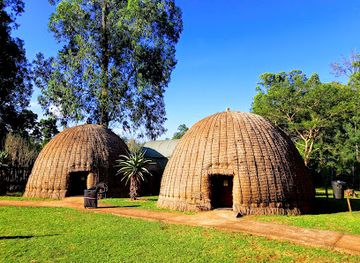
Mantenga Cultural Village
Discover the vibrant culture and traditions of Eswatini at Mantenga Cultural Village, a must-visit destination for any traveler.
-
 Hotel
Happy Valley Hotel & Casino
Happy Valley Hotel & Casino in Lobamba: A luxurious getaway featuring entertainment, fine dining, and stunning views in the heart of Eswatini.
-
Hotel
Foresters Arms
Experience the perfect blend of comfort, dining, and local culture at Foresters Arms, a gem in the heart of Eswatini.


Explore Hhohho on the map
Plan your trip on one map. See where the top cities, national parks and sights are, and book hotels and experiences in a few clicks.
Best hotels in Hhohho
Best restaurants in Hhohho
Dining in Hhohho is concentrated in Mbabane, the Ezulwini Valley and hotels or lodges near the main attractions. Restaurants range from cafés and international-style establishments to steakhouses, hotel dining rooms, informal takeaway counters and traditional venues serving filling meals based on maize, beans, vegetables and meat. Visitors may encounter dishes such as umncushu, a bean-and-maize preparation, and sidvudvu, a pumpkin-based dish, alongside grilled meats and contemporary interpretations of local produce. The region’s cooler highland climate supports gardens and small-scale agriculture, while fruit, vegetables and handmade products appear in markets and roadside stalls. Rural lodges often provide the most convenient meals near Malolotja or other outdoor areas, but their service arrangements should be confirmed in advance. Mbabane is the best place for variety, while Ezulwini combines tourism-oriented dining with views of the valley and access to cultural sites. South African influences are common, but local ingredients and Eswatini traditions give the regional dining scene its own character.
-
Grill
Solanis
Experience exquisite grill cuisine at Solanis in Mbabane – a culinary highlight in Eswatini with fresh local flavors.
-
Restaurant
Ramblas Restaurant Mbabane
Experience the vibrant culinary scene at Ramblas Restaurant Mbabane - where local flavors meet international flair.
-
Italian
The Velvet Monkey
Experience authentic Italian cuisine at The Velvet Monkey in Lobamba, where every dish tells a story of tradition and flavor.
-
Restaurant
Gil Vicente Restaurant
Discover authentic Eswatini flavors at Gil Vicente Restaurant in Manzini – where every meal tells a story of culture and tradition.


Best bars in Hhohho
Hhohho’s evening life is centred on Mbabane and the Ezulwini Valley rather than on a large, concentrated nightclub district. Mbabane offers hotel lounges, casual bars, restaurants, sports-viewing venues and occasional live music, with the greatest choice around the commercial centre and larger accommodation areas. Ezulwini has a more leisure-oriented selection of lodge bars, restaurants and evening venues, while outside these centres nightlife generally means a local pub, a communal gathering or a quiet evening at a guesthouse. Some establishments serve South African and Eswatini beers, and locally made or regional craft drinks may appear on selected menus. Opening arrangements and entertainment can change, so check locally rather than relying on old listings. Visitors should dress appropriately for the venue, arrange transport before drinking and remember that the region’s mountain scenery and cultural performances are not dependent on nightlife.
-
Bar
Foresters Arms
Experience the perfect blend of rustic charm, local cuisine, and vibrant atmosphere at Foresters Arms in Eswatini.
-
Grill
Solanis
Experience the exquisite flavors of grilled cuisine at Solanis in Mbabane, a must-visit dining destination for food enthusiasts.
-
Grill
Mdzimba Shisanyama
Discover the authentic taste of Eswatini at Mdzimba Shisanyama, where barbecue meets local culture in a lively atmosphere.
-
Restaurant
eDish Bistro
Experience the vibrant flavors of Eswatini at eDish Bistro, a culinary haven in Mbabane that delights with local and international dishes.


Best nightclubs in Hhohho
Hhohho’s evening life is centred on Mbabane and the Ezulwini Valley rather than on a large, concentrated nightclub district. Mbabane offers hotel lounges, casual bars, restaurants, sports-viewing venues and occasional live music, with the greatest choice around the commercial centre and larger accommodation areas. Ezulwini has a more leisure-oriented selection of lodge bars, restaurants and evening venues, while outside these centres nightlife generally means a local pub, a communal gathering or a quiet evening at a guesthouse. Some establishments serve South African and Eswatini beers, and locally made or regional craft drinks may appear on selected menus. Opening arrangements and entertainment can change, so check locally rather than relying on old listings. Visitors should dress appropriately for the venue, arrange transport before drinking and remember that the region’s mountain scenery and cultural performances are not dependent on nightlife.
-
Grill
Solanis
Discover the vibrant flavors of Eswatini at Solanis, the premier grill restaurant in Mbabane, offering delicious dishes and a welcoming atmosphere.
-
Lounge
The Vibe
Experience the vibrant nightlife and relaxed atmosphere at The Vibe Lounge in Tembisa, a perfect spot for tourists to unwind and socialize.
-
Night club
Manzini club
Discover an electrifying nightlife experience at Manzini Club, the ultimate destination for music, dance, and unforgettable memories in Eswatini.
-
Grill
Flying Club
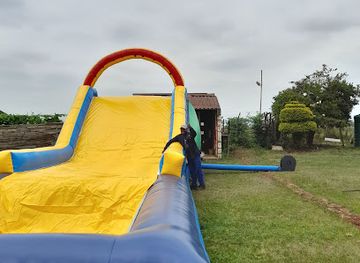
Experience the perfect blend of grill delights and water park fun at Flying Club in Matsapha, Eswatini.


Best shops in Hhohho
Shopping in Hhohho is strongest in Mbabane and the Ezulwini Valley, with a mixture of supermarkets, ordinary high-street businesses, craft outlets, galleries, market stalls and shops aimed at visitors. Mbabane is the practical place for everyday supplies, books, clothing and locally produced food, while Ezulwini is known for craft-oriented shopping associated with the valley’s tourism circuit. Look for carved wooden figures, woven items, baskets, beadwork, textiles, pottery and decorative objects, checking that materials are legally and ethically sourced. Markets and roadside stalls may offer fruit, vegetables and handmade goods, but selection and trading days can vary. Eswatini-themed souvenirs are widely available, although the most useful purchases are often small, locally made pieces rather than mass-produced imports. Bargaining is not appropriate everywhere; ask politely and agree the price before a transaction when negotiation is customary. Major hotels and established shops usually accept cards, but cash remains valuable for smaller sellers.
-
Candle store
Swazi Candles
Explore the vibrant artistry of Swazi Candles, where handcrafted creations meet the rich culture of Eswatini in a colorful shopping experience.
-
Shopping mall
The Gables Shopping Center
Explore a vibrant shopping experience at The Gables Shopping Center in Eswatini, featuring diverse stores and delightful dining options.
-
Shopping mall
SWAZI PLAZA
Explore Swazi Plaza in Mbabane for a unique shopping experience featuring diverse shops, delicious dining, and local culture.
-
Shopping mall
Riverstone Mall
Explore Riverstone Mall, Manzini's premier shopping destination, where local culture meets modern shopping in a vibrant atmosphere.


Get your free copy of our complete guide to Hhohho, delivered straight to you.
Everything on this page, from attractions and restaurants to essentials and local phrases, in one PDF you can read offline, print or share.
Already have an account? Sign in
Your Hhohho guide is ready.
We'll send it to · Not you? Sign out

Getting your guide ready…
We are putting together a fresh copy of the Hhohho guide. This can take up to a minute.
This can take a few moments. If your browser asks, choose Allow so the download can start. You'll find the guide in your Downloads folder.
Nothing happened? Download it again
Sorry, the guide is taking longer than usual. Please try again in a minute, or get it by email instead.
Hhohho essentials
Currency and Payment
Safety
Emergency Situations
Do's and Don'ts
Local Tips
From Eve
Local phrases worth knowing
You don't need to get them perfect. A few words go a long way, and locals appreciate the effort.
Basics
| English | Local | Say it |
|---|---|---|
| Hello | Sawubona | [sah-woo-boh-nah] |
| Goodbye | Hamba kahle | [ham-bah kah-leh] |
| Yes | Yebo | [yeh-boh] |
| No | Cha | [chah] |
| Please/You're welcome | Ngiyabonga | [ngee-yah-bong-ah] |
| Thank you | Ngiyabonga | [ngee-yah-bong-ah] |
| Excuse me/Sorry | Uxolo | [oo-ksoh-loh] |
| How are you? | Unjani? | [oon-jah-nee] |
| Fine. And you? | Ngiyaphila. Wena unjani? | [ngee-yah-pee-lah. weh-nah oon-jah-nee] |
| Do you speak English? | Ukhuluma isiNgisi? | [oo-khoo-loo-ma ee-see-ngee-see] |
| I don't understand | Angiqondi | [ahn-gee-kohn-dee] |
Eating & Drinking
| English | Local | Say it |
|---|---|---|
| I'd like to see the menu, please | Ngicela ukubona imenyu | [ngeet-seh-lah oo-koo-boh-nah ee-men-yoo] |
| I don't eat meat | Angidli inyama | [ahn-gee-dlee een-yah-mah] |
| Cheers! | Phakamisa! | [pah-kah-mee-sah] |
| I would like to pay, please | Ngicela ukukhokha | [ngeet-seh-lah oo-koo-koh-kah] |
Emergencies
| English | Local | Say it |
|---|---|---|
| Help! | Usizo! | [oo-see-zoh] |
| Go away! | Hamba! | [ham-bah] |
| Call the Police! | Mema amaphoyisa! | [meh-mah ah-mah-poh-yee-sah] |
| Call a doctor! | Mema udokotela! | [meh-mah oo-doh-koh-tay-lah] |
| I'm lost | Ngilahlekile | [ngee-lah-leh-kee-leh] |
| I'm ill | Ngiyagula | [ngee-yah-goo-lah] |
Shopping
| English | Local | Say it |
|---|---|---|
| I'd like to buy... | Ngifuna ukuthenga... | [ngeef-oo-nah oo-koo-ten-gah] |
| I'm just looking | Ngiyabheka kuphela | [ngee-yah-bay-kah koo-peh-lah] |
| How much is it? | Kubiza malini? | [koo-bee-zah mah-lee-nee] |
| That's too expensive | Lokhu kubiza kakhulu | [loh-khoo koo-bee-zah kah-khoo-loo] |
| Can you lower the price? | Unganciphisa intengo? | [oo-ngahn-chee-pee-sah een-ten-go] |
Time & Numbers
| English | Local | Say it |
|---|---|---|
| What time is it? | Isikhathi sini? | [ee-see-kah-tih see-nee] |
| It's one o'clock | Kuyisikhathi esisodwa | [koo-yee-see-kah-tih eh-see-soh-dwah] |
| Half past (10) | Ihlandla le (10) | [ee-hlan-dlah leh (10)] |
| Morning | Ekuseni | [eh-koo-seh-nee] |
| Afternoon | Ntambama | [n-tahm-bah-mah] |
| Evening | Ubusuku | [oo-boo-soo-koo] |
| Yesterday | Izolo | [ee-zoh-loh] |
| Today | Namuhla | [nah-moo-hlah] |
| Tomorrow | Mangwana | [mahn-gwah-nah] |
| 1 | Kunye | [koon-yeh] |
| 2 | Kubili | [koo-bee-lee] |
| 3 | Kuthathu | [koo-tah-thoo] |
| 4 | Kune | [koo-neh] |
| 5 | Kuhlanu | [koo-hlah-noo] |
| 6 | Kukhombisa | [koo-kohm-bee-sah] |
| 7 | Kusixhenxa | [koo-see-khen-xah] |
| 8 | Kuhlangana | [koo-hlahn-gah-nah] |
| 9 | Kuphika | [koo-pee-kah] |
| 10 | Kushumi | [koo-shoo-mee] |
Transport & Directions
| English | Local | Say it |
|---|---|---|
| Where's a/the...? | Kuphi...? | [koo-pee...?] |
| What's the address? | Iyini ikheli? | [ee-yee-nee ee-khay-lee] |
| Can you show me (on the map)? | Ungangikhombisa (emap) | [oo-ngahn-gee-kohm-bee-sah (eh-map)] |
| When's the next (bus)? | Nini ibhasi elandelayo? | [nee-nee ee-bhah-see eh-lah-ndeh-lah-yo] |
| A ticket (to ....) | Ithikithi (ku ....) | [ee-thee-kee-thee (koo ....)] |
History of Hhohho
Prehistoric Mining at Ngwenya
The Ngwenya Mine, on the western side of Hhohho near the South African border, is associated with very early extraction of iron ore and ochre. Archaeological evidence indicates that mining took place there thousands of years ago, long before the modern industrial workings visible today. The site illustrates the technical knowledge and resource use of early communities in the region and is one of Eswatini’s most important archaeological landscapes. Its significance lies not only in its age but also in the way the mine connects prehistoric activity with later commercial mining and the wider history of the highveld.
The Formation of the Swazi Kingdom
During the eighteenth and nineteenth centuries, political communities in the area were consolidated under the Dlamini royal line, creating the kingdom now known internationally as Eswatini. Hhohho became especially important because the highveld and Ezulwini Valley contained royal settlements, routes through the mountains and fertile areas suitable for cattle and cultivation. Lobamba developed as the traditional royal capital, while authority was expressed through relationships between the monarchy, chiefs and local communities. The political geography created during this period remains visible in the region’s royal institutions and ceremonial importance.
Colonial Rule and the Changing Highveld Economy
In the late nineteenth century, the Swazi kingdom came under increasing external pressure, and the territory became a British protectorate in 1906 after a period of political and administrative uncertainty. Colonial rule introduced new systems of land administration, taxation and commercial production, while mining and transport connected parts of Hhohho to regional markets. Mbabane grew in importance as an administrative centre, although Lobamba retained its royal and traditional role. The period left a complicated legacy involving land, authority and economic change, themes that continue to shape Eswatini’s public life.
Ngwenya Mine and Industrial Development
Modern mining at Ngwenya expanded during the twentieth century, particularly when iron ore became commercially valuable and extraction was linked to industrial markets beyond the region. The mine’s workings and associated infrastructure added another layer to a landscape already marked by prehistoric activity. Although mining did not turn Hhohho into a heavily industrialised region, it demonstrated the importance of mineral resources to Eswatini’s economy and brought new forms of employment, transport and environmental change. Today the site is valued for both its archaeological significance and its industrial history.
Mbabane, Lobamba and the Independent Kingdom
Eswatini gained independence from Britain in 1968. Hhohho retained a distinctive dual role within the new kingdom: Mbabane became the principal administrative capital, while Lobamba remained the royal and legislative capital. This arrangement is visible in the distribution of government offices, Parliament, royal institutions and cultural memorials across the region. The contrast between Mbabane’s urban growth and Lobamba’s ceremonial and constitutional importance gives Hhohho a political character unlike that of many other parts of the country.
Conservation and Cultural Tourism
From the late twentieth century, conservation and tourism became increasingly important to Hhohho’s regional economy. Malolotja’s highland habitats, Mlilwane’s wildlife landscapes and the Ezulwini Valley’s cultural institutions created a visitor circuit based on scenery, walking, wildlife and heritage rather than heavy urban development. Community-linked cultural presentations, craft production and protected-area management have helped make local traditions part of the visitor experience, while also raising the need for responsible tourism. Hhohho’s contemporary identity therefore combines royal history, urban administration, rural livelihoods and conservation.
Hhohho in Photos
Browse through our photo collection highlighting the charm and character of the destination.
Neighbouring regions of Hhohho
The closest regions to Hhohho, if you have time for more than one.
-

-

-

-

-


Swipe for more regions
Explore more

Explore more of Eswatini
Discover the vibrant culture and stunning landscapes of Eswatini, a hidden gem in Africa offering rich traditions, diverse wildlife, and adventure-filled outdoor activities.
Explore Eswatini