

Free Mkhomazi River Basin Travel Guide & Mobile App
Explore Mkhomazi River Basin with free travel guides. Discover regional history, expert tips, proposed trips, and audio guides on web or mobile app.


The Mkhomazi River Basin is a KwaZulu-Natal, South Africa landscape, not an Eswatini region, with mountain catchments and rural river country.
Read more about Mkhomazi River Basin
When is the best time to visit Mkhomazi River Basin?
Best: August–October · 20–25°C| Month | High (°C) | Rainfall (mm) |
|---|---|---|
| January | 26 | 150 |
| February | 26 | 140 |
| March | 26 | 130 |
| April | 24 | 120 |
| May | 21 | 100 |
| June | 19 | 80 |
| July | 19 | 70 |
| August (best) | 20 | 70 |
| September (best) | 23 | 80 |
| October (best) | 25 | 100 |
| November | 26 | 120 |
| December | 26 | 140 |
Getting to and around Mkhomazi River Basin
How to get there
Transportation
Top city travel guides in Mkhomazi River Basin
The cities of Mkhomazi River Basin, and the easiest places to base yourself.
-

-

-

-


Swipe for more cities
Destinations in Mkhomazi River Basin
Resorts, valleys and scenic spots worth a trip of their own.
-

-

-

-

-

-


Swipe for more destinations
Best attractions in Mkhomazi River Basin
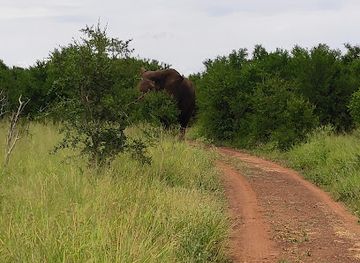
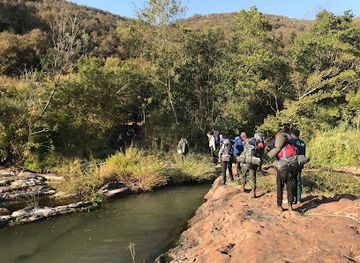
The Mkhomazi River Basin should not be marketed as an Eswatini attraction region. Within its actual setting in KwaZulu-Natal, its principal interest lies in mountain catchments, river landscapes, rural scenery and the wider Drakensberg environment rather than in a concentrated collection of museums or urban visitor attractions. Outdoor activities may include walking, nature observation, landscape photography and freshwater-related recreation where access is authorised and conditions permit. The upper basin is more mountainous and exposed, while lower sections are influenced by rural settlement and warmer inland-to-coastal conditions. Visitors should identify a precise access point before travelling, since the basin has no single gateway or universally recognised visitor circuit. The wider KwaZulu-Natal region contains important cultural and archaeological heritage, including Drakensberg rock-art landscapes, but individual sites must not be attributed to the Mkhomazi Basin without confirmation. Any activity involving rivers, steep terrain or remote roads requires appropriate preparation and current local advice.
-
National park
Hlane Royal National Park
Experience the untamed beauty of Hlane Royal National Park in Eswatini, where wildlife encounters and stunning landscapes await every traveler.
-
National park
Mlawula Nature Reserve
Explore the breathtaking landscapes and diverse wildlife at Mlawula Nature Reserve, a true escape into nature's beauty in Eswatini.
-
National park
Malolotja National Park
Discover the breathtaking landscapes and rich biodiversity of Malolotja National Park in Eswatini, an unspoiled gem for nature lovers and adventure seekers.
-
Tourist attraction
Makhonjwa Lebombo View - Barberton Makhonjwa Mountains World Heritage Site
Explore the breathtaking vistas and ancient geological wonders of Makhonjwa Lebombo View, a highlight of the Barberton Makhonjwa Mountains World Heritage Site.

Best landmarks in Mkhomazi River Basin
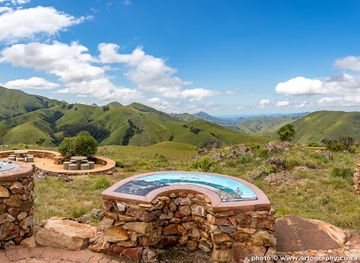
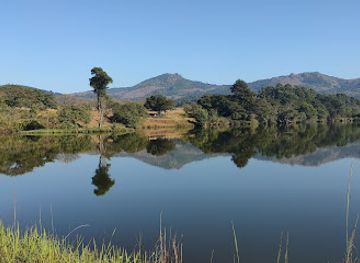
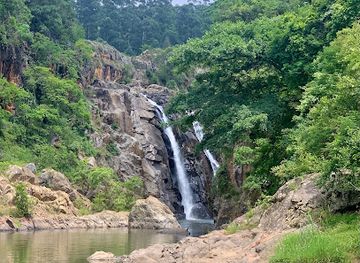
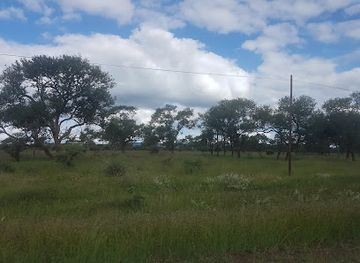
The defining landmarks of the Mkhomazi area are geographical rather than civic: the Mkhomazi River itself, its Drakensberg headwaters, mountain valleys and the broader catchment landscapes of KwaZulu-Natal. These features matter because they connect high-altitude grassland with lower river country and illustrate the importance of mountain watersheds to downstream communities. The basin should not be confused with Eswatini's Usutu, Mbuluzi, Komati or other river systems. Individual peaks, rock-art shelters, bridges, dams or historic buildings should only be named after the precise locality has been established, as the Mkhomazi catchment is extensive and access is uneven. Its strongest visual identity comes from the transition between rugged upland terrain and more settled rural landscapes, rather than from a single monumental structure or historic town centre.
-
Nature preserve
Mlilwane Game Sanctuary
Explore the breathtaking landscapes and diverse wildlife of Mlilwane Game Sanctuary, a premier nature preserve in Eswatini.
-
Tourist attraction
Mantenga Cultural Village
Discover the essence of Eswatini's culture at Mantenga Cultural Village, where history, art, and nature converge in a breathtaking setting.
-
National park
Hlane Royal National Park
Discover the wild heart of Eswatini at Hlane Royal National Park, where breathtaking landscapes and incredible wildlife await your exploration.
-
 Hotel
HotelPiggs Peak Hotel
Experience the tranquility of nature and the warmth of hospitality at Piggs Peak Hotel in Eswatini, your perfect escape into a world of beauty.
Explore Mkhomazi River Basin on the map
Plan your trip on one map. See where the top cities, national parks and sights are, and book hotels and experiences in a few clicks.
Best hotels in Mkhomazi River Basin
Best restaurants in Mkhomazi River Basin
The Mkhomazi River Basin does not have a single, clearly defined dining scene and should not be described using Eswatini culinary geography. Food options in rural KwaZulu-Natal are generally concentrated in nearby settlements, roadside businesses, lodges and community-based settings rather than along a continuous tourist strip. Visitors may encounter South African staples and KwaZulu-Natal influences, including maize-based dishes, grilled meats, stews, fresh produce and informal takeaway food, although availability varies by locality. More extensive restaurant choice is found in larger towns and cities outside the basin, particularly on routes approaching the Durban region. Travellers heading into remote areas should not assume that cafés, shops or card facilities will be available and may need to carry food and drinking water. Specific local recommendations require the exact village, access road or accommodation base, since the basin covers a broad and geographically varied area.
-
Restaurant
Mantenga Lodge
Experience Eswatini's beauty at Mantenga Lodge - where exceptional dining meets comfortable lodging amidst stunning landscapes.
-
Restaurant
Foresters Arms
Discover delicious cuisine and vibrant atmosphere at Foresters Arms in Mhlambanyatsi - where every meal is an unforgettable experience.
-
Country club
Simunye Club
Discover leisure and luxury at Simunye Club - Eswatini's premier destination for golf, dining, and family fun amidst stunning landscapes.
-
Restaurant
Ramblas Restaurant Mbabane
Experience culinary excellence at Ramblas Restaurant in Mbabane - where local flavors meet international cuisine in a vibrant setting.

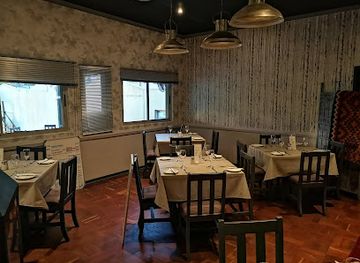
Best bars in Mkhomazi River Basin
The Mkhomazi River Basin has no consolidated nightlife district and is not an Eswatini evening destination. In rural parts of the KwaZulu-Natal catchment, evening activity is more likely to centre on private accommodation, local eateries and community venues than on nightclubs or late-opening bars. Broader nightlife choices are found in larger KwaZulu-Natal towns and in Durban, which is outside the basin and serves as a regional urban gateway. Visitors staying in remote areas should plan evening transport in advance, avoid walking unfamiliar rural roads after dark and respect local residential communities. Establishments, licensing arrangements and opening patterns vary considerably, so current local information is more reliable than attempting to apply a single nightlife description to the whole basin.
-
Bar
Foresters Arms
Experience the perfect blend of Victorian elegance and modern hospitality at Foresters Arms in Eswatini, an ideal retreat for tourists.
-
Hotel
Mountain View International Hotel by BON Hotels
Discover comfort and scenic beauty at Mountain View International Hotel, your perfect retreat in the heart of Eswatini.
-
Italian
The Velvet Monkey
Experience the best of Italian cuisine at The Velvet Monkey, a must-visit restaurant in Lobamba, Eswatini, offering delicious dishes in a cozy atmosphere.
-
Portuguese
Amigos Restaurant
Savor the essence of Portugal at Amigos Restaurant in Lobamba, where every meal is a delightful journey into authentic flavors.
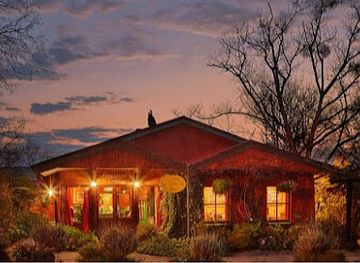
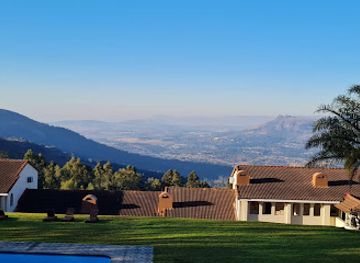
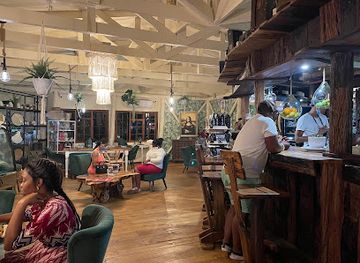
Best nightclubs in Mkhomazi River Basin
The Mkhomazi River Basin has no consolidated nightlife district and is not an Eswatini evening destination. In rural parts of the KwaZulu-Natal catchment, evening activity is more likely to centre on private accommodation, local eateries and community venues than on nightclubs or late-opening bars. Broader nightlife choices are found in larger KwaZulu-Natal towns and in Durban, which is outside the basin and serves as a regional urban gateway. Visitors staying in remote areas should plan evening transport in advance, avoid walking unfamiliar rural roads after dark and respect local residential communities. Establishments, licensing arrangements and opening patterns vary considerably, so current local information is more reliable than attempting to apply a single nightlife description to the whole basin.
-
Night club
Manzini club
Discover the essence of Eswatini's nightlife at Manzini Club, where music, dance, and culture collide in an electrifying atmosphere.
-
Grill
Flying Club
Discover the perfect blend of grilled delights and water park fun at Flying Club in Matsapha, Eswatini - a must-visit for tourists!
-
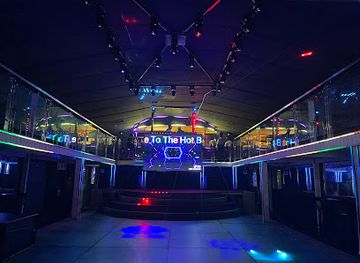
Bar
The Hot Bar
Discover the energetic vibe of The Hot Bar in Manzini, Eswatini, where exquisite drinks and a friendly atmosphere await every traveler.
-
Lounge
The View Lounge
Experience tranquility at The View Lounge, where stunning vistas meet exceptional beverages in the heart of Mbabane.


Best shops in Mkhomazi River Basin
The Mkhomazi River Basin is primarily a rural landscape rather than a shopping destination, and its retail character belongs to KwaZulu-Natal, South Africa, not Eswatini. Shopping opportunities are likely to be concentrated in nearby settlements, roadside stores and larger regional centres, where visitors can obtain food, practical supplies and everyday goods. Travellers should not expect a continuous market quarter, major shopping centre or dependable selection of regional crafts within the basin itself. Locally made items, agricultural produce and informal market goods may be available in particular communities, but their presence and trading days vary and should be confirmed locally. Visitors seeking broader retail choice, galleries, specialist food shops or established craft outlets should use a verified KwaZulu-Natal base outside the remote catchment. The exact destination is essential before recommending any market or shopping centre, because the basin spans a wide area rather than a single commercial settlement.
-
Candle store
Swazi Candles
Explore handcrafted artistry at Swazi Candles, the vibrant heart of candle-making in Eswatini, where unique designs meet local craftsmanship.
-
Shopping mall
The Gables Shopping Center
Experience diverse shopping and local culture at The Gables Shopping Center in Ezulwini, Eswatini's vibrant retail and dining destination.
-
Shopping mall
Corner Plaza
Discover the vibrant shopping and dining experience at Corner Plaza, the premier shopping mall in Eswatini's beautiful Ezulwini Valley.
-
Shopping mall
Riverstone Mall
Explore Riverstone Mall in Manzini, Eswatini, for a unique shopping and dining experience that blends local culture with modern amenities.


Get your free copy of our complete guide to Mkhomazi River Basin, delivered straight to you.
Everything on this page, from attractions and restaurants to essentials and local phrases, in one PDF you can read offline, print or share.
Already have an account? Sign in
Your Mkhomazi River Basin guide is ready.
We'll send it to · Not you? Sign out

Getting your guide ready…
We are putting together a fresh copy of the Mkhomazi River Basin guide. This can take up to a minute.
This can take a few moments. If your browser asks, choose Allow so the download can start. You'll find the guide in your Downloads folder.
Nothing happened? Download it again
Sorry, the guide is taking longer than usual. Please try again in a minute, or get it by email instead.
Mkhomazi River Basin essentials
Currency and Payment
Safety
Emergency Situations
Do's and Don'ts
Local Tips
From Eve
Local phrases worth knowing
You don't need to get them perfect. A few words go a long way, and locals appreciate the effort.
Basics
| English | Local | Say it |
|---|---|---|
| Hello | Sawubona | [sah-woo-boh-nah] |
| Goodbye | Hamba kahle | [ham-bah kah-leh] |
| Yes | Yebo | [yeh-boh] |
| No | Cha | [chah] |
| Please/You're welcome | Ngiyacela | [ngee-yah-cheh-lah] |
| Thank you | Ngiyabonga | [ngee-yah-bong-ah] |
| Excuse me/Sorry | Uxolo | [oo-ksoh-loh] |
| How are you? | Unjani? | [oon-jah-nee] |
| Fine. And you? | Ngiyaphila. Wena unjani? | [ngee-yah-pee-lah. weh-nah oon-jah-nee] |
| Do you speak English? | Ukhuluma isiNgisi? | [oo-khoo-loo-mah ee-see-ng-ee-see] |
| I don't understand | Angiqondi | [ahn-gee-kohn-dee] |
Eating & Drinking
| English | Local | Say it |
|---|---|---|
| I'd like to see the menu, please | Ngifuna ukubona imenu, ngiyacela | [ngee-foo-nah oo-koo-boh-nah ee-meh-noo, ngee-yah-cheh-lah] |
| I don't eat meat | Angidli inyama | [ahn-gee-dlee ee-nyah-mah] |
| Cheers! | Phakade! | [pah-kah-deh] |
| I would like to pay, please | Ngifuna ukukhokha, ngiyacela | [ngee-foo-nah oo-koo-koh-kah, ngee-yah-cheh-lah] |
Emergencies
| English | Local | Say it |
|---|---|---|
| Help! | Usizo! | [oo-see-zoh] |
| Go away! | Hamba! | [ham-bah] |
| Call the Police! | Shayela amaphoyisa! | [shah-yeh-lah ah-mah-poh-ee-sah] |
| Call a doctor! | Shayela udokotela! | [shah-yeh-lah oo-doh-koh-teh-lah] |
| I'm lost | Ngilahlekile | [ngee-lah-leh-kee-leh] |
| I'm ill | Ngiyagula | [ngee-yah-goo-lah] |
Shopping
| English | Local | Say it |
|---|---|---|
| I'd like to buy... | Ngifuna ukuhamba... | [ngee-foo-nah oo-koo-hahm-bah] |
| I'm just looking | Ngiyabheka nje | [ngee-yah-beh-kah n-jay] |
| How much is it? | Kubiza malini? | [koo-bee-zah mah-lee-nee] |
| That's too expensive | Lokho kubiza kakhulu | [loh-khoh koo-bee-zah kah-khoo-loo] |
| Can you lower the price? | Unganciphisa intengo? | [oon-gahn-chee-pee-sah in-teng-oh] |
Time & Numbers
| English | Local | Say it |
|---|---|---|
| What time is it? | Yini isikhathi? | [yee-nee ee-see-kah-thee] |
| It's one o'clock | Kuyisikhathi esisodwa | [koo-yee-see-kah-thee eh-see-soh-dwah] |
| Half past (10) | Ihlandla le (10) | [ee-hlan-dlah leh (10)] |
| Morning | Ekuseni | [eh-koo-seh-nee] |
| Afternoon | Ntambama | [n-tahm-bah-mah] |
| Evening | Ubusuku | [oo-boo-soo-koo] |
| Yesterday | Izolo | [ee-zoh-loh] |
| Today | Namuhla | [nah-moo-hlah] |
| Tomorrow | Mango | [mahn-goh] |
| 1 | Kunye | [koon-yeh] |
| 2 | Kubili | [koo-bee-lee] |
| 3 | Kuthathu | [koo-thah-thoo] |
| 4 | Kune | [koo-neh] |
| 5 | Kuhlanu | [koo-lah-noo] |
| 6 | Kuhla | [koo-hlah] |
| 7 | Kuphakathi | [koo-pah-kah-thee] |
| 8 | Kuhlanu | [koo-lah-noo] |
| 9 | Kugcina | [koo-gchee-nah] |
| 10 | Kushumi | [koo-shoo-mee] |
Transport & Directions
| English | Local | Say it |
|---|---|---|
| Where's a/the...? | Kuphi...? | [koo-pee] |
| What's the address? | Yini ikheli? | [yee-nee ee-keh-lee] |
| Can you show me (on the map)? | Ungangikhombisa (emaphethelweni)? | [oon-gahn-gee-kohm-bee-sah (eh-mah-peh-theh-loh-nee)] |
| When's the next (bus)? | Nini ibhasi elilandelayo? | [nee-nee ee-bhah-see eh-lee-lahn-dah-lah-yo] |
| A ticket (to ....) | Ithikithi (ku....) | [ee-thee-kee-thee (koo....)] |
History of Mkhomazi River Basin
The Mkhomazi River and Drakensberg Catchment
The Mkhomazi River rises in the Drakensberg system of KwaZulu-Natal and forms part of the complex network of mountain catchments that supplies water to downstream communities. The upper basin is shaped by high-altitude grassland, steep valleys and seasonal rainfall. Its geographical identity is therefore tied to KwaZulu-Natal and the eastern Drakensberg rather than to Eswatini. No accurate historical account can place the Mkhomazi Basin within Eswatini.
San Rock-Art Heritage in the Drakensberg
The wider Drakensberg region contains an important record of San rock art and archaeological occupation. These paintings and related sites document long-standing relationships between hunter-gatherer communities, animals, mountains and ritual life. The presence and significance of rock art vary across the extensive Drakensberg landscape, so individual sites should not be attributed to the Mkhomazi Basin without precise verification. This heritage belongs to the history of KwaZulu-Natal and South Africa.
Nguni-Speaking Communities and the KwaZulu-Natal Interior
The interior of KwaZulu-Natal has been shaped by the histories of Nguni-speaking communities, including political, social and economic changes that developed over many centuries. Later colonial expansion and the formation of new territorial administrations altered patterns of landholding, authority and movement. These developments affected the wider region around the Mkhomazi catchment, but they do not make the basin part of Eswatini, whose own historical trajectories are distinct.
Colonial Expansion and Changing Land Administration
During the nineteenth and twentieth centuries, colonial rule and later segregationist land policies transformed settlement, agriculture, labour and access to natural resources in KwaZulu-Natal. River catchments such as the Mkhomazi were affected by these broader changes through altered land administration, infrastructure and rural economies. The precise history of particular communities and properties requires local research, and should not be replaced with generalised claims about Eswatini.
Modern Water, Conservation and Rural Development
In the modern period, the Mkhomazi Basin has been considered within wider KwaZulu-Natal debates about water security, catchment protection, rural development and biodiversity conservation. Mountain watersheds are especially important because land-use change and erosion can affect downstream water quality and supply. These contemporary concerns reinforce the basin's South African geographical identity and provide a more accurate framework for understanding it than an Eswatini travel designation.
Mkhomazi River Basin in Photos
Browse through our photo collection highlighting the charm and character of the destination.
Neighbouring regions of Mkhomazi River Basin
The closest regions to Mkhomazi River Basin, if you have time for more than one.
-

-

-

-

-


Swipe for more regions
Explore more

Explore more of Eswatini
Discover the vibrant culture and stunning landscapes of Eswatini, a hidden gem in Africa offering rich traditions, diverse wildlife, and adventure-filled outdoor activities.
Explore Eswatini