

Mbuluzi River Basin, Eswatini Travel Guide
Discover the Mbuluzi River Basin in Eswatini: A serene escape with lush landscapes, diverse wildlife, and a variety of outdoor activities for nature enthusiasts.
The Mbuluzi River Basin in Eswatini is a serene and captivating destination that promises an unforgettable experience for nature lovers. Tucked away in the northeastern part of the country, this picturesque river basin is surrounded by lush landscapes, rolling hills, and abundant wildlife, making it a haven for eco-tourists and adventure seekers alike. Visitors to the Mbuluzi River Basin can enjoy a variety of activities such as hiking, bird watching, and game drives. The area is home to an impressive array of flora and fauna, including the elusive nyala, kudu, and a myriad of bird species. The river itself offers opportunities for fishing, canoeing, and peaceful riverside picnics. With its tranquil environment and stunning natural beauty, the Mbuluzi River Basin provides a perfect escape from the hustle and bustle of everyday life. Accommodation options in the Mbuluzi River Basin range from rustic campsites to comfortable lodges, ensuring that every visitor can find a place to stay that suits their preferences. Local communities are welcoming and offer a glimpse into Eswatini's rich cultural heritage. Whether you are seeking adventure or relaxation, the Mbuluzi River Basin is a destination that will leave you with lasting memories.

Know before you go
Hi, I'm Eve. Here are a few practical things to know before exploring Mbuluzi River Basin.
- Pack insect repellent to protect against mosquitoes, especially during the wet season.
- Bring binoculars for bird watching; the area is home to many unique bird species.
- Respect local customs and traditions when interacting with the community.
- Wear sturdy hiking boots for exploring the rugged terrain.
- Carry enough drinking water and snacks for outdoor activities, as shops may be limited.
Top City Travel Guides in Mbuluzi River Basin
The cities of Mbuluzi River Basin, and the easiest places to base yourself.


Destinations in Mbuluzi River Basin
Resorts, valleys and scenic spots worth a trip of their own.


Explore Mbuluzi River Basin: Things to Do, Places to Eat, Hotels & More
Handpicked recommendations for top attractions, local dining, accommodations, and more

Top Attractions & Sightseeing in Mbuluzi River Basin
Top-rated picks
Best Attractions

Mlilwane Game Sanctuary
Experience the breathtaking landscapes and rich wildlife of Mlilwane Game Sanctuary in Eswatini, a perfect blend of nature and culture.
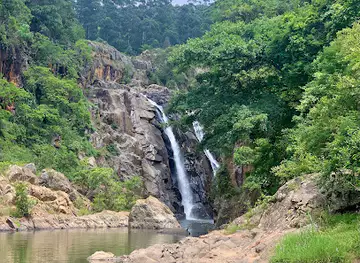
Mantenga Cultural Village
Explore the vibrant traditions and rich culture of Eswatini at Mantenga Cultural Village, an unforgettable journey into the heart of Swazi heritage.

Malolotja National Park
Explore the breathtaking beauty of Malolotja National Park, a haven for nature lovers and adventure seekers in Eswatini's stunning landscapes.

Malolotja Canopy Tour
Soar through the treetops and discover the breathtaking landscapes of Eswatini at the Malolotja Canopy Tour – an adventure like no other.

Best landmarks in Mbuluzi River Basin
Top-rated picks
Best Landmarks
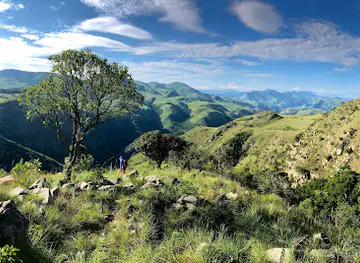
Malolotja National Park
Discover the breathtaking beauty of Malolotja National Park, a haven for nature lovers and adventurers in Eswatini, brimming with wildlife and stunning landscapes.

Mbuluzi Game Reserve
Experience the breathtaking wildlife and stunning landscapes of Mbuluzi Game Reserve, a must-visit destination in Eswatini for nature lovers.
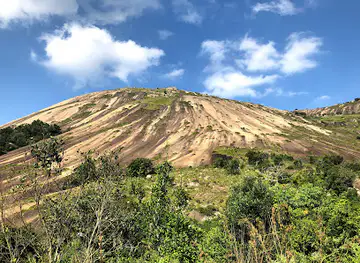
Sibebe Rock
Experience the breathtaking beauty of Sibebe Rock, Eswatini's iconic granite dome and nature preserve, perfect for hikers and nature lovers alike.

Mhlume Country Club & Lodge
Discover the serene beauty and recreational charm of Mhlume Country Club & Lodge, a perfect retreat in Eswatini's stunning landscape.

Best restaurants in Mbuluzi River Basin
Top-rated picks
Best Restaurants

Mantenga Lodge
Experience comfort and culture at Mantenga Lodge in Ezulwini Valley, Eswatini - your gateway to adventure and relaxation.

Foresters Arms
Discover the perfect blend of hospitality at Foresters Arms – your home away from home in Eswatini's stunning landscapes.

Ramblas Restaurant Mbabane
Experience the best of Eswatini's cuisine at Ramblas Restaurant in Mbabane, where local flavors meet international flair.

Sibebe Rock Spur
Indulge in the best steaks at Sibebe Rock Spur - where flavor meets hospitality in the heart of Mbabane.

Best bars in Mbuluzi River Basin
Top-rated picks
Best Bars
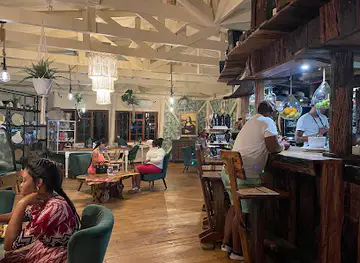
The Velvet Monkey
Experience the true taste of Italy at The Velvet Monkey, where authentic flavors and a charming atmosphere await you in Lobamba Ezulwini.

Amigos Restaurant
Experience the authentic taste of Portuguese cuisine at Amigos Restaurant in Lobamba, Eswatini, a culinary delight for every traveler.

Mhlume Country Club & Lodge
Experience luxury and nature at Mhlume Country Club & Lodge, your tranquil escape in the heart of Eswatini.
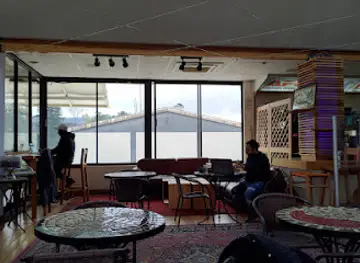
eDish Bistro
Discover the flavors of Eswatini at eDish Bistro, where local ingredients meet international cuisine in a cozy setting in Mbabane.

Best nightclubs in Mbuluzi River Basin
Top-rated picks
Best Nightclubs

Mhlume Country Club & Lodge
Discover the perfect blend of relaxation and recreation at Mhlume Country Club & Lodge in Eswatini, where stunning landscapes meet exceptional amenities.

Mananga Lodge
Experience the beauty of Eswatini at Mananga Lodge, a perfect blend of comfort, adventure, and nature.

The Vibe
Experience relaxation and vibrant nightlife at The Vibe, Tembisa's premier lounge offering great drinks and live entertainment.

Manzini club
Discover the heart of Manzini's nightlife at Manzini Club, where music, dance, and vibrant energy create unforgettable nights.

Best shops in Mbuluzi River Basin
Top-rated picks
Best Shops

Swazi Candles
Experience the vibrant culture of Eswatini through handcrafted candles at Swazi Candles, a unique artisan destination.

The Gables Shopping Center
Discover the vibrant shopping and dining experience at The Gables Shopping Center in Ezulwini, Eswatini, a must-visit destination for all tourists.

Riverstone Mall
Experience the best shopping, dining, and entertainment at Riverstone Mall in Manzini, Eswatini—your gateway to local culture and modern retail.

Corner Plaza
Experience the vibrant shopping and dining at Corner Plaza, the ultimate retail destination in Eswatini's Ezulwini Valley.

Explore Mbuluzi River Basin on the Map
A handpicked selection of must-see spots in Mbuluzi River Basin, mapped for you.
Mbuluzi River Basin Essentials
-
To reach the Mbuluzi River Basin in Eswatini, the nearest international airport is King Mswati III International Airport (SHO) in Manzini. From the airport, you can hire a taxi or rent a car to drive to the Mbuluzi Game Reserve, which is approximately a 1.5-hour drive. Alternatively, there are shuttle services and buses that operate between Manzini and various points in the Mbuluzi River Basin.
-
Transportation within the Mbuluzi River Basin can be managed through rental cars, which provide flexibility to explore the area at your own pace. Local taxis are available but might be limited in remote areas. For those looking for a more immersive experience, guided tours and safari vehicles are available within the reserves. Public buses and minibuses (kombis) connect major towns, but schedules can be irregular.
-
The official currency in Eswatini is the Swazi Lilangeni (SZL), which is pegged to the South African Rand (ZAR). Credit cards are accepted in most lodges, hotels, and larger restaurants, but it is advisable to carry some cash for smaller establishments and when visiting rural areas. ATMs are available in Manzini and other major towns, though it's wise to withdraw sufficient cash before traveling to remote areas.
-
The Mbuluzi River Basin is generally safe for tourists, but standard precautions should be taken. Avoid walking alone at night, especially in unfamiliar areas, and secure your valuables. While the area is relatively low in crime, it is best to stay vigilant and aware of your surroundings. In recent years, there have been occasional reports of petty theft, so always lock your vehicle and accommodations.
-
In case of emergency, dial 999 for police, 977 for ambulance services, and 933 for fire services. Medical facilities are available in Manzini, but for minor health issues, there are clinics and pharmacies within the Mbuluzi River Basin. It is highly recommended to have travel insurance that covers medical emergencies. Keep a list of emergency contacts and the nearest consulate or embassy.
-
Fashion: Do dress modestly, especially in rural and traditional areas. Avoid overly revealing clothing. Religion: Do respect local customs and traditions, particularly when visiting cultural or religious sites. Public Transport: Do be respectful to other passengers and give up your seat to elderly individuals. Avoid eating or drinking in public transport vehicles. Greetings: Do greet people with a handshake and a smile. It is polite to inquire about someone's well-being. Eating & Drinking: Do try local delicacies and accept food offerings graciously. Don't refuse hospitality, as it is considered impolite.
-
To experience the Mbuluzi River Basin like a local, consider visiting local markets where you can purchase fresh produce and traditional crafts. Engage with the locals, as they are often friendly and willing to share stories about their culture and history. Don't miss out on exploring the Mbuluzi Game Reserve, which offers excellent wildlife viewing opportunities. For a unique experience, consider a guided walking safari to learn about the flora and fauna from a local perspective.
When is the best time to visit Mbuluzi River Basin?
Useful Local Phrases for Mbuluzi River Basin
You don't need to speak the language perfectly. Even learning a few simple words can make conversations warmer—and locals usually appreciate the effort.
— Eve

Here are the phrases I use most often in Mbuluzi River Basin. Try a few—you'll be surprised how far they go! 😊
❤️
-
- HelloSawubona
[sah-woo-boh-nah] - GoodbyeHamba kahle
[ham-bah kah-leh] - YesYebo
[yeh-boh] - NoCha
[chah] - Please/You're welcomeNgiyabonga
[ngee-yah-bon-gah] - Thank youNgiyabonga
[ngee-yah-bon-gah] - Excuse me/SorryUxolo
[oo-ksoh-loh] - How are you?Unjani?
[oon-jah-nee] - Fine. And you?Ngiyaphila. Wena unjani?
[ngee-yah-pee-lah. weh-nah oon-jah-nee] - Do you speak English?Ukhuluma isiNgisi?
[oo-khoo-loo-mah ee-see-nghee-see] - I don't understandAngiqondi
[ahn-gee-kohn-dee]
- HelloSawubona
-
- I'd like to see the menu, pleaseNgicela ukubona imenu
[ngee-tsa-lah oo-koo-boh-nah ee-meh-noo] - I don't eat meatAngidli inyama
[ahn-gee-dlee een-yah-mah] - Cheers!Phakamisa!
[pah-kah-mee-sah] - I would like to pay, pleaseNgicela ukukhokha
[ngee-tsa-lah oo-koo-koh-khah]
- I'd like to see the menu, pleaseNgicela ukubona imenu
-
- Help!Usizo!
[oo-see-zoh] - Go away!Hamba!
[ham-bah] - Call the Police!Shayela amaphoyisa!
[shah-yeh-lah ah-mah-po-yee-sah] - Call a doctor!Shayela udokotela!
[shah-yeh-lah oo-doh-koh-teh-lah] - I'm lostNgilahlekile
[ngee-lah-leh-kee-leh] - I'm illNgiyagula
[ngee-yah-goo-lah]
- Help!Usizo!
-
- I'd like to buy...Ngifuna ukuthenga...
[ngee-foo-nah oo-koo-tay-ngah] - I'm just lookingNgiyabuka kuphela
[ngee-yah-boo-kah koo-peh-lah] - How much is it?Kubiza malini?
[koo-bee-zah mah-lee-nee] - That's too expensiveLokhu kubiza kakhulu
[loh-khoo koo-bee-zah kah-koo-loo] - Can you lower the price?Unganciphisa intengo?
[oon-gahn-tsi-pee-sah een-ten-goh]
- I'd like to buy...Ngifuna ukuthenga...
-
- What time is it?Yini isikhathi?
[yee-nee ee-sih-kah-tee] - It's one o'clockKuyisikhathi esisodwa
[koo-yee-see-kah-tee eh-see-soh-dwah] - Half past (10)Hhafu kwedlula (10)
[hah-foo kweh-dloo-lah] - MorningEkuseni
[eh-koo-seh-nee] - AfternoonNtambama
[n-tahm-bah-mah] - EveningUbusuku
[oo-boo-soo-koo] - YesterdayIzolo
[ee-zoh-loh] - TodayNamuhla
[nah-moo-hlah] - TomorrowMangalisasa
[mah-ngah-lee-sah-sah] - 1Kunye
[koon-yeh] - 2Kubili
[koo-bee-lee] - 3Kuthathu
[koo-thah-thoo] - 4Kune
[koo-neh] - 5Kuhlanu
[koo-lah-noo] - 6Kukhombisa
[koo-kohm-bee-sah] - 7Kwesithupha
[kweh-see-thoo-pah] - 8Kwalokhu
[kwah-loh-khoo] - 9Kwasithupha
[kwah-see-thoo-pah] - 10Kukhombisa
[koo-kohm-bee-sah]
- What time is it?Yini isikhathi?
-
- Where's a/the...?Iphi i...?
[ee-pee ee...] - What's the address?Iyini ikheli?
[ee-yee-nee ee-keh-lee] - Can you show me (on the map)?Ungangikhombisa (emmaphini)?
[oon-gahn-gee-kohm-bee-sah em-mah-pee-nee] - When's the next (bus)?Nini ibhasi elandelayo?
[nee-nee ee-bhah-see eh-lah-ndalay-oh] - A ticket (to ....)Itikiti (ku....)
[ee-tee-kee-tee]
- Where's a/the...?Iphi i...?
History of Mbuluzi River Basin
-
The Mbuluzi River, known for its scenic beauty and vital role in the ecosystem, originates in the western highlands of Eswatini. It flows eastwards, carving out the rich valleys and fertile lands that have supported human settlements for centuries. The river's name is derived from the siSwati word 'mbuluzi', which means 'to flow slowly', aptly describing its meandering course.
-
The Mbuluzi River Basin has been home to various indigenous communities long before the arrival of European explorers. Archaeological evidence shows that early inhabitants practiced agriculture, fishing, and hunting. The river provided a reliable source of water, enabling these communities to thrive. These early settlements laid the foundation for the cultural and social development of the region.
-
In the late 19th century, European explorers and colonizers began to venture into the Mbuluzi River Basin. The river's strategic location and fertile lands attracted the interest of British and Boer settlers. They established trading posts and small settlements along the river, which led to conflicts with the indigenous Swazi people. The colonial era profoundly impacted the social and economic structures of the basin, leading to significant changes in land ownership and resource management.
-
The Mbuluzi River holds deep cultural significance for the Swazi people. It is considered a sacred waterway, often featured in traditional songs, dances, and rituals. The river is believed to be a source of life and prosperity, and it is customary for Swazi communities to perform ceremonies along its banks to honor their ancestors and seek blessings. The cultural practices associated with the river continue to be an integral part of Swazi heritage.
-
In recent decades, there has been a growing awareness of the need to protect the Mbuluzi River Basin's unique ecosystem. Conservation initiatives have been implemented to address issues such as water pollution, habitat destruction, and invasive species. Local communities, along with national and international organizations, are working together to promote sustainable practices and preserve the natural beauty and biodiversity of the region for future generations.
-
Today, the Mbuluzi River Basin is a vibrant area that blends traditional Swazi culture with modern developments. The river continues to be a vital resource for agriculture, tourism, and daily life. Efforts to balance economic growth with environmental preservation are ongoing, making the basin a model for sustainable development. Visitors to the region can experience a rich tapestry of history, culture, and natural beauty, making it a must-see destination in Eswatini.
Neighbouring Regions of Mbuluzi River Basin
The closest regions to Mbuluzi River Basin, if you have time for more than one.



Your all‑in‑one travel companion app
Explore expert travel guides, compare and book tours, experiences, hotels, and more—all from the palm of your hand. Download now for seamless trip planning wherever your wanderlust takes you.


Explore More of Eswatini

Looking beyond Mbuluzi River Basin? Discover Eswatini for broader travel guides, local hot-spots, and regional highlights.
Explore EswatiniMbuluzi River Basin in Photos
Browse through our photo collection highlighting the charm and character of the destination.


The Serene Mbuluzi River Basin: Eswatini's Hidden Gem
The Mbuluzi River Basin in Eswatini is a serene and captivating destination that promises an unforgettable experience for nature lovers. Tucked away in the northeastern part of the country, this picturesque river basin is surrounded by lush landscapes, rolling hills, and abundant wildlife, making it a haven for eco-tourists and adventure seekers alike. Visitors to the Mbuluzi River Basin can enjoy a variety of activities such as hiking, bird watching, and game drives. The area is home to an impressive array of flora and fauna, including the elusive nyala, kudu, and a myriad of bird species. The river itself offers opportunities for fishing, canoeing, and peaceful riverside picnics. With its tranquil environment and stunning natural beauty, the Mbuluzi River Basin provides a perfect escape from the hustle and bustle of everyday life. Accommodation options in the Mbuluzi River Basin range from rustic campsites to comfortable lodges, ensuring that every visitor can find a place to stay that suits their preferences. Local communities are welcoming and offer a glimpse into Eswatini's rich cultural heritage. Whether you are seeking adventure or relaxation, the Mbuluzi River Basin is a destination that will leave you with lasting memories.