

Free Harari Region Travel Guide & Mobile App
Explore Harari Region with free travel guides. Discover regional history, expert tips, proposed trips, and audio guides on web or mobile app.


Explore Harari Region for Harar’s walled old city, Islamic heritage, traditional homes, coffee culture and distinctive eastern Ethiopian history.
Read more about Harari Region
When is the best time to visit Harari Region?
Best: December–February · 26–27°C| Month | High (°C) | Rainfall (mm) |
|---|---|---|
| January (best) | 26 | 10 |
| February (best) | 27 | 15 |
| March | 28 | 20 |
| April | 29 | 25 |
| May | 30 | 30 |
| June | 29 | 35 |
| July | 28 | 40 |
| August | 28 | 40 |
| September | 29 | 35 |
| October | 28 | 25 |
| November | 27 | 15 |
| December (best) | 26 | 10 |
Getting to and around Harari Region
How to get there
Transportation
Best attractions in Harari Region
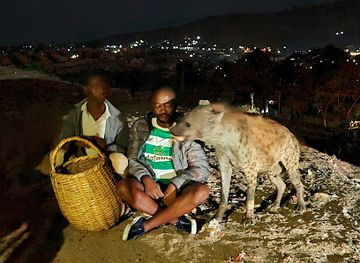
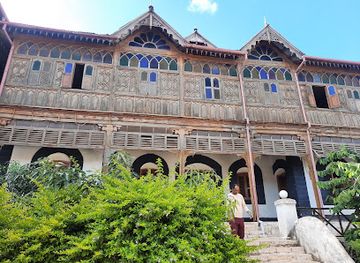
Harari Region’s principal attractions are concentrated in and around Harar’s walled old city, or Jugol. Walking through its historic gates reveals mosques, shrines, markets, traditional Harari houses and lanes whose compact scale reflects centuries of urban life. Cultural houses and local museums provide insight into domestic architecture, religious traditions, trade and the region’s relationship with the wider Horn of Africa. The Juma Mosque and other historic places of worship are important living sites, so visits require appropriate dress and sensitivity rather than a purely sightseeing approach. The house associated with Arthur Rimbaud offers a literary perspective on the city’s late nineteenth-century international connections. Outside the walls, newer neighbourhoods and the surrounding highland countryside show how Harar functions as a contemporary regional centre. An evening hyena-feeding tradition on the city’s edge is a well-known local encounter, but it should be arranged responsibly and treated as a cultural practice rather than an entertainment spectacle. The broader region also offers opportunities to observe eastern Ethiopian landscapes, agriculture and rural settlements, although independent exploration is limited by transport and local access arrangements.
-
Tourist attraction
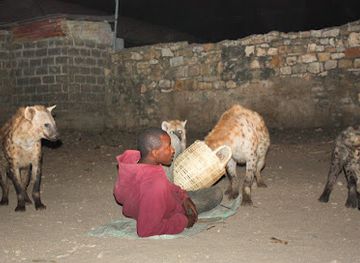
Hyena Feeding Site
Explore the captivating tradition of the Hyena Feeding Site in Harar, where culture meets adventure in an unforgettable wildlife experience.
-
Museum
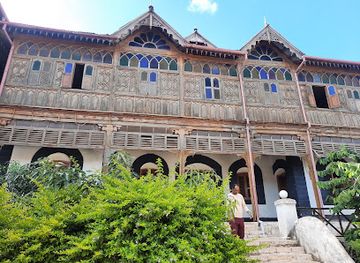
Rimbaud's House & Museum
Explore the rich literary legacy of Arthur Rimbaud in Harar's vibrant cultural landscape at Rimbaud's House & Museum.
-
Tourist attraction
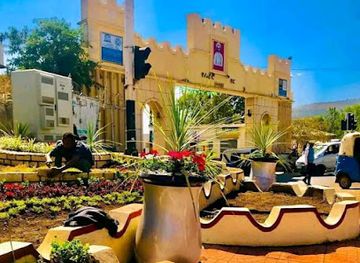
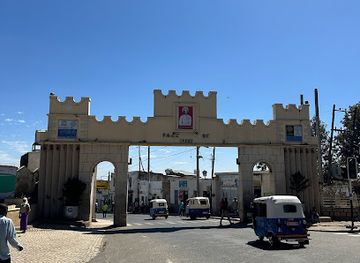
Jugol-Harar
Explore Jugol-Harar, a UNESCO World Heritage site, where ancient history meets vibrant culture in the heart of Ethiopia.
-
Animal park
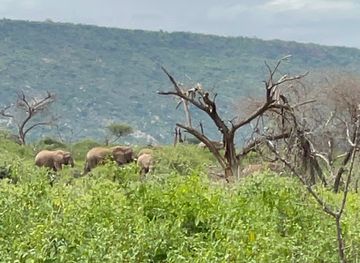
Babile Elephant Sanctuary
Explore the Babile Elephant Sanctuary, an enchanting wildlife haven in Ethiopia, where majestic elephants roam freely amidst stunning landscapes.
Best landmarks in Harari Region
The defining landmark of Harari Region is the fortified enclosure of Harar Jugol, whose walls and gates give the old city its unmistakable form. The gates, including Buda, Erer, Duke and Sanga, mark historic entrances into a dense urban landscape of lanes, mosques, shrines and traditional houses. Within the walls, the Juma Mosque is an important religious and architectural reference point, though it remains a functioning place of worship and should be approached with appropriate respect. Harari traditional houses are landmarks in their own right: their modest exteriors often conceal carefully ordered interiors arranged around raised seating platforms, niches and household displays. The house associated with Arthur Rimbaud provides a visible link with the city’s late nineteenth-century commercial and literary history. Together, these structures form a coherent historic townscape rather than a collection of isolated monuments, which is why the old city’s cultural significance extends beyond any single building.
-
Tourist attraction
Hyena Feeding Site
Discover the captivating Hyena Feeding Site in Harar, where culture meets wildlife in a thrilling evening spectacle.
-
Museum
Rimbaud's House & Museum
Explore Rimbaud's House & Museum in Harar, Ethiopia, where poetry and history converge in a vibrant cultural experience.
-
Historical landmark
Harar City
Explore Harar City, a UNESCO World Heritage Site, where vibrant culture meets ancient history amid stunning architecture and lively markets.
-
Mosque
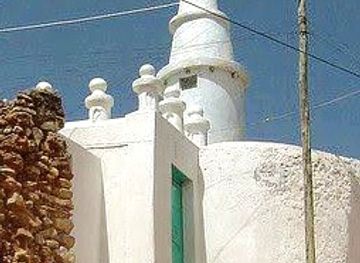
Din Agobara Mosque
Explore the exquisite Din Agobara Mosque in Harar, a serene haven showcasing the rich Islamic heritage and captivating architecture of Ethiopia.
Explore Harari Region on the map
Plan your trip on one map. See where the top cities, national parks and sights are, and book hotels and experiences in a few clicks.
Best hotels in Harari Region
Best restaurants in Harari Region
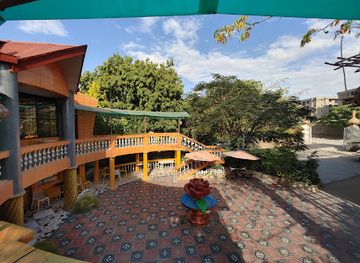
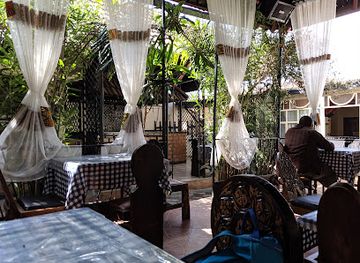
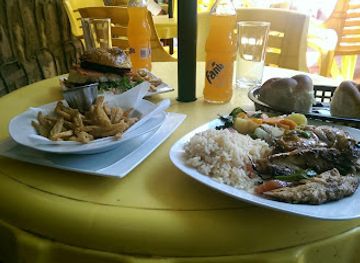
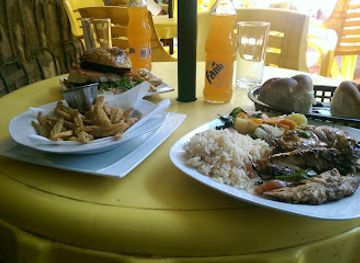
Dining in Harari Region is closely linked to Harar’s Muslim, Ethiopian and eastern highland traditions. Small cafés and restaurants serve familiar Ethiopian staples such as injera with stews, vegetables and pulses, alongside local variations shaped by Harari households and regional produce. Harar is particularly associated with coffee, and a slow coffee service is an important social ritual across Ethiopia; visitors should approach it as more than a quick drink. Spices, grains, vegetables and meat feature prominently in local cooking, while tea and simple snacks are common in streetside cafés. Traditional houses and modest restaurants offer a more local atmosphere than formal hotel dining, although standards and menus vary. Vegetarian meals are widely available, while visitors should ask about ingredients, preparation and fasting practices if these matter to them. Food markets are useful for understanding the area’s produce and trade, but hygiene conditions can differ, so choose busy establishments with good turnover and drink treated or sealed water.
-
Restaurant
ፓራዲዞ ሬስቶራንት Paradiso Italian and European Restaurant
Savor authentic Italian cuisine in the heart of Dire Dawa at Paradiso Restaurant - where every dish tells a story.
-
Restaurant
Hirut Restaurant
Discover the rich flavors of Ethiopia at Hirut Restaurant in Harar - where tradition meets taste.
-
Restaurant
Fresh touch Restaurant
Experience authentic Ethiopian cuisine at Fresh Touch Restaurant in Harar - where local flavors meet modern dining.
-
Restaurant
AWADAYE RESTAURANT(ABDI YONIS)
Discover authentic Ethiopian flavors at Awadaye Restaurant in Harar - a must-visit for food enthusiasts seeking cultural richness.

Best bars in Harari Region
Evening life in Harari Region is quieter and more locally oriented than the club scenes found in Ethiopia’s largest cities. In Harar, cafés, restaurants, traditional tea rooms and hotel lounges provide the main settings for socialising after dark. Some venues offer music or informal performances, but nightlife is not concentrated in a single large entertainment district, and opening arrangements can change. Alcohol is available in some licensed establishments, while the city’s Muslim heritage means that visitors should not assume it is central to local social life. The most distinctive evening activity is the traditional hyena-feeding encounter outside the old city, which should be booked or arranged through a reputable local contact and approached respectfully. For many visitors, Harar’s night-time character is better experienced through a short, accompanied walk near the illuminated gates and busy central streets than through late-night bar-hopping.
-
Restaurant
Hirut Restaurant
Experience authentic Ethiopian cuisine at Hirut Restaurant in Harar, where culinary tradition meets warm hospitality.
-
Restaurant
Fresh touch Restaurant
Discover the authentic taste of Ethiopian cuisine at Fresh Touch Restaurant in Harar, where hospitality meets local flavor.
-
Restaurant
Nati Cafe & Restaurant
Experience the authentic flavors of Ethiopia at Nati Cafe & Restaurant in the heart of Harar, where tradition meets modern dining.
-
Restaurant
Student Caffe
Discover the vibrant flavors of Harar at Student Caffe, a local favorite for delicious food and a welcoming atmosphere.
Best nightclubs in Harari Region
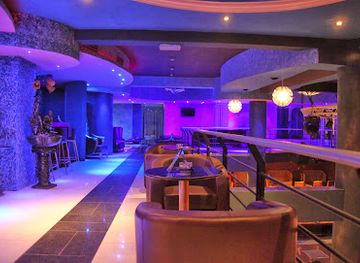
Evening life in Harari Region is quieter and more locally oriented than the club scenes found in Ethiopia’s largest cities. In Harar, cafés, restaurants, traditional tea rooms and hotel lounges provide the main settings for socialising after dark. Some venues offer music or informal performances, but nightlife is not concentrated in a single large entertainment district, and opening arrangements can change. Alcohol is available in some licensed establishments, while the city’s Muslim heritage means that visitors should not assume it is central to local social life. The most distinctive evening activity is the traditional hyena-feeding encounter outside the old city, which should be booked or arranged through a reputable local contact and approached respectfully. For many visitors, Harar’s night-time character is better experienced through a short, accompanied walk near the illuminated gates and busy central streets than through late-night bar-hopping.
-
Night club
Club H2O | Hayahulet | ክለብ ኤች ቱ ኦ | ሀያ ሁለት
Discover the electrifying nightlife and vibrant atmosphere at Club H2O, the premier night club in Addis Ababa, perfect for unforgettable nights out.
-
Night club
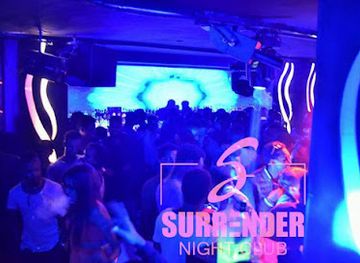
Surrender night club
Surrender Night Club: Dive into the electrifying nightlife of Addis Ababa with vibrant music and unforgettable dance experiences.
-
Night club
Club Illusion
Discover the vibrant nightlife of Addis Ababa at Club Illusion, where music, dance, and local culture come together for an unforgettable experience.
-
Night club
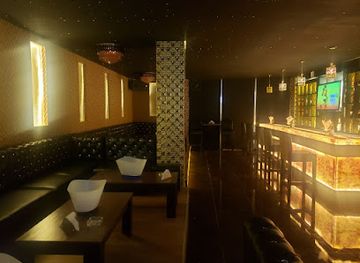
Roll-X Lounge
Discover the vibrant nightlife at Roll-X Lounge in Addis Ababa, where great music and lively atmosphere await every night.
Best shops in Harari Region
Shopping in Harari Region centres on Harar’s markets, small streetside businesses and specialist craft outlets rather than large modern retail complexes. Visitors can look for locally produced coffee, spices, woven textiles, baskets, leather goods and colourful household objects, while everyday markets provide a more useful insight into regional commerce than souvenir shops alone. Traditional clothing and decorative items may be available, but quality, provenance and prices vary, so buy from sellers who can explain how an item was made and agree prices clearly. Harar’s old city contains independent shops and stalls where shopping is interwoven with ordinary neighbourhood life; respectful bargaining is customary in many settings but should remain good-natured. Larger purchases and formal retail transactions may be easier in newer parts of Harar or nearby Dire Dawa, outside the region. Packaged coffee and spices are practical souvenirs, subject to airline, customs and import rules at the onward destination.
-
Coffee shop
Nure Roasted Harar Coffee
Discover the rich flavors of Ethiopian coffee at Nure Roasted Harar Coffee, where tradition meets taste in the heart of Harar.
-
Coffee shop
Bun Coffee
Experience the rich flavors of Ethiopian coffee in a cozy atmosphere at Bun Coffee, a hidden gem in Harar.
-
Shopping mall
Uma kuda craft center
Explore the heart of Harar's craftsmanship at Uma Kuda Craft Center, where local artisans showcase their vibrant creations.
-
Women's clothing store
Ejagina
Explore unique women's fashion at Ejagina, a charming store in Terara, blending traditional Ethiopian craftsmanship with modern style.
Get your free copy of our complete guide to Harari Region, delivered straight to you.
Everything on this page, from attractions and restaurants to essentials and local phrases, in one PDF you can read offline, print or share.
Already have an account? Sign in
Your Harari Region guide is ready.
We'll send it to · Not you? Sign out

Getting your guide ready…
We are putting together a fresh copy of the Harari Region guide. This can take up to a minute.
This can take a few moments. If your browser asks, choose Allow so the download can start. You'll find the guide in your Downloads folder.
Nothing happened? Download it again
Sorry, the guide is taking longer than usual. Please try again in a minute, or get it by email instead.
Harari Region essentials
Currency and Payment
Safety
Emergency Situations
Do's and Don'ts
Local Tips
From Eve
Local phrases worth knowing
You don't need to get them perfect. A few words go a long way, and locals appreciate the effort.
Basics
| English | Local | Say it |
|---|---|---|
| Hello | Selam | [seh-lahm] |
| Goodbye | Dehna hun | [deh-nah hoon] |
| Yes | Ewedihalehu | [eh-weh-dee-ha-leh-hoo] |
| No | Aye | [ah-yeh] |
| Please/You're welcome | Min yihun | [meen yee-hoon] |
| Thank you | Amesegenallo | [ah-meh-seh-gan-ah-loo] |
| Excuse me/Sorry | Yekeregegnal | [yeh-keh-reh-geh-nahl] |
| How are you? | Dehna neh? | [deh-nah neh] |
| Fine. And you? | Dehna, anin neh? | [deh-nah, ah-neen neh] |
| Do you speak English? | English yibel? | [een-glish yee-bel] |
| I don't understand | Amesegenallo | [ah-meh-seh-gan-ah-loo] |
Eating & Drinking
| English | Local | Say it |
|---|---|---|
| I'd like to see the menu, please | Menyu yihun | [men-yoo yee-hoon] |
| I don't eat meat | Basar aydelem | [bah-sahr aye-deh-lem] |
| Cheers! | Bismillah! | [bis-mil-lah] |
| I would like to pay, please | Mekabir yihun | [meh-kah-beer yee-hoon] |
Emergencies
| English | Local | Say it |
|---|---|---|
| Help! | Yemisir! | [yeh-mee-seer] |
| Go away! | Yekera! | [yeh-keh-rah] |
| Call the Police! | Polis yikoru! | [poh-lees yee-koh-roo] |
| Call a doctor! | Doktor yikoru! | [dok-tor yee-koh-roo] |
| I'm lost | Ana garu | [ah-nah gah-roo] |
| I'm ill | Ana kashaf | [ah-nah kah-shaf] |
Shopping
| English | Local | Say it |
|---|---|---|
| I'd like to buy... | Ager yihun... | [ah-ger yee-hoon] |
| I'm just looking | Ana tema gela | [ah-nah teh-mah geh-lah] |
| How much is it? | Chiraf yihun? | [chee-rahf yee-hoon] |
| That's too expensive | Yemekir yihun | [yeh-meh-keer yee-hoon] |
| Can you lower the price? | Chiraf yemekir? | [chee-rahf yeh-meh-keer] |
Time & Numbers
| English | Local | Say it |
|---|---|---|
| What time is it? | Enkwan yemeskel? | [en-kwan ye-meh-skel] |
| It's one o'clock | Yemeshaleh al | [yeh-meh-shah-leh ahl] |
| Half past (10) | Yemekir asir (10) | [yeh-meh-keer ah-seer] |
| Morning | Bokku | [boh-koo] |
| Afternoon | Dhuhr | [doohr] |
| Evening | Maghrib | [mah-ghrib] |
| Yesterday | Amesegenal | [ah-meh-seh-gan-al] |
| Today | Kiwur | [kee-wur] |
| Tomorrow | Balehu | [bah-leh-hoo] |
| 1 | And | [ahnd] |
| 2 | Kulu | [koo-loo] |
| 3 | Sost | [sohst] |
| 4 | Arat | [ah-raht] |
| 5 | Hamsa | [ham-sah] |
| 6 | Shita | [shee-tah] |
| 7 | Sebat | [seh-baht] |
| 8 | Semen | [seh-men] |
| 9 | Ched | [chehd] |
| 10 | Asir | [ah-seer] |
Transport & Directions
| English | Local | Say it |
|---|---|---|
| Where's a/the...? | Kulu yihun? | [koo-loo yee-hoon] |
| What's the address? | Mezgeb yihun? | [meh-zgehb yee-hoon] |
| Can you show me (on the map)? | Map yihun? | [map yee-hoon] |
| When's the next (bus)? | Bus yehon? | [boos yeh-hon] |
| A ticket (to ....) | Tiket (bihon) | [tee-ket (bee-hon)] |
History of Harari Region
Early Harari Settlement and Islamic Foundations
Harar developed as an important settlement in the eastern Ethiopian highlands, where agricultural communities, pastoral groups and long-distance traders met. Its precise early history is complex, but the city became a significant centre of Islam and scholarship in the Horn of Africa. Its position between the Ethiopian interior and routes leading towards the Red Sea and Gulf of Aden encouraged the movement of people, goods and religious ideas. The old city’s mosques, shrines, houses and defensive walls reflect a society shaped by these connections rather than by isolation.
The Medieval and Early Modern Islamic City
From the medieval period into the early modern era, Harar was governed by Muslim rulers and functioned as the centre of the Harari polity. The city became known for Islamic learning, trade and political influence across the eastern highlands. Its walls, traditionally associated with the need to defend a prosperous urban settlement, enclosed a dense city of mosques, markets and homes. Harar’s cultural character emerged through interaction among Harari, Oromo, Somali, Arab and other communities connected by regional commerce.
Ahmad ibn Ibrahim al-Ghazi and Regional Conflict
During the sixteenth century, the Harar region was closely connected with the campaigns of Ahmad ibn Ibrahim al-Ghazi, commonly known in Ethiopian history as Ahmed Gragn. Based in the Muslim territories of the eastern highlands, his forces fought the Christian Ethiopian kingdom in a major conflict that also involved wider Red Sea and Portuguese interests. The war caused profound disruption across the region, although the history should not be reduced to a simple division between religious communities. Harar’s later importance grew from its continued role as a centre of Muslim authority and scholarship.
Trade, Scholarship and the Walled City
In the eighteenth and nineteenth centuries, Harar remained an influential commercial and intellectual centre. Merchants moved coffee, livestock, hides, grains and other goods between the highlands and the lowland trade routes, while scholars and religious leaders maintained the city’s reputation for Islamic learning. The walls and gates regulated movement into a tightly organised urban space, and neighbourhoods developed around mosques, markets and family compounds. Many features visible in Jugol today, including its compact lanes and traditional houses, are legacies of this period.
Harar and Arthur Rimbaud in the Late Nineteenth Century
The French poet Arthur Rimbaud spent part of the 1880s in Harar as a trader and commercial agent after abandoning poetry. His presence belongs to the city’s late nineteenth-century history, when Harar was connected to expanding international trade and competing political interests in the Horn of Africa. Rimbaud’s association later attracted literary visitors, but it represents only one strand of the city’s story. Harar’s long-established Harari, Islamic and regional identities predate and greatly exceed its connection with a European writer.
Menelik II and Incorporation into the Ethiopian Empire
Harar was conquered by the forces of Menelik II in 1887 and incorporated into the expanding Ethiopian Empire. This altered the city’s political position and connected it more firmly with the imperial state and the highland interior. New administrative relationships and population movements changed the balance of power, while Harar retained its importance as a regional commercial and cultural centre. The period created historical layers that remain visible in the city’s institutions, architecture and relationship with surrounding communities.
Italian Occupation and Post-war Ethiopia
Italian forces occupied Harar during the invasion of Ethiopia in 1936, and the city remained under Italian rule until the restoration of Ethiopian government in 1941. The occupation formed part of the wider Italian East African project and brought coercive political and economic changes to the region. In the decades that followed, Harar continued as a regional centre while its walled city increasingly attracted historians, architects and visitors interested in its built heritage. Recognition of the cultural value of Jugol culminated in its UNESCO World Heritage inscription in 2006.
Harari Region in Photos
Browse through our photo collection highlighting the charm and character of the destination.
Neighbouring regions of Harari Region
The closest regions to Harari Region, if you have time for more than one.
-

-

-

-

-


Swipe for more regions
Explore more

Explore more of Ethiopia
Discover Ethiopia: A land of ancient history, breathtaking landscapes, and rich cultural heritage, offering an unforgettable journey through time and nature.
Explore Ethiopia