

Free Afar Region Travel Guide & Mobile App
Explore Afar Region with free travel guides. Discover regional history, expert tips, proposed trips, and audio guides on web or mobile app.


Explore Ethiopia's Afar Region for Danakil salt flats, volcanic landscapes, human-origins sites and journeys shaped by desert heat and distance.
When is the best time to visit Afar Region?
Best: December–February · 36–37°C| Month | High (°C) | Rainfall (mm) |
|---|---|---|
| January (best) | 37 | 5 |
| February (best) | 37 | 10 |
| March | 40 | 15 |
| April | 39 | 20 |
| May | 42 | 25 |
| June | 44 | 30 |
| July | 42 | 35 |
| August | 42 | 30 |
| September | 41 | 25 |
| October | 39 | 20 |
| November | 37 | 15 |
| December (best) | 36 | 10 |
Getting to and around Afar Region
How to get there
Transportation
Top city travel guides in Afar Region
The cities of Afar Region, and the easiest places to base yourself.
-

-

-

-


Swipe for more cities
Destinations in Afar Region
Resorts, valleys and scenic spots worth a trip of their own.

Swipe for more destinations
Best attractions in Afar Region
Afar's attractions are dominated by geology, human origins and demanding desert travel rather than conventional urban sightseeing. The Danakil Depression offers salt flats, evaporite landscapes, geothermal formations and the vividly coloured terrain around Dallol, while Lake Karum and the camel-caravan routes reveal the continuing relationship between the desert and salt production. Erta Ale is a remote volcanic destination whose access and activity vary, making current local guidance essential. Around Hadar, Dikika and Gona, palaeoanthropological discoveries have reshaped understanding of early humans, although these are controlled research landscapes rather than ordinary walk-in museums. The Awash corridor and parts of Awash National Park, which extends across regional boundaries, provide a contrasting setting of dry woodland, river scenery and wildlife; visitors should confirm the exact access arrangements and regional location of each site. Semera and Asaita offer a more grounded introduction to contemporary Afar life, administration and trade. Across the region, the most meaningful experiences come through guided journeys, geological interpretation, respectful encounters with local communities and an appreciation of how water, heat, livestock and salt organise life in one of Ethiopia's most extreme environments.
-
Nature preserve
Mile Serdo Wildlife Reserve.
Discover the breathtaking landscapes and diverse wildlife at Mile Serdo Wildlife Reserve, a premier nature preserve in Ethiopia.
-
Tourist attraction
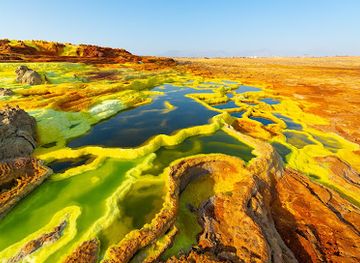
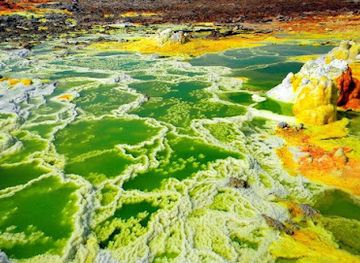
Dallol Depression ዳሎል መታሕት
Explore the surreal beauty of Dallol Depression, a geothermal wonderland showcasing vibrant colors and extreme landscapes in Ethiopia's Danakil region.
-
National park
Yangudi Rassa National Park
Explore the breathtaking landscapes and unique wildlife of Yangudi Rassa National Park, a hidden gem in Ethiopia's diverse natural heritage.
-
Tourist attraction
Haroo Haramayaa
Explore Haroo Haramayaa, a captivating Ethiopian tourist attraction blending rich culture with stunning natural landscapes for an unforgettable experience.
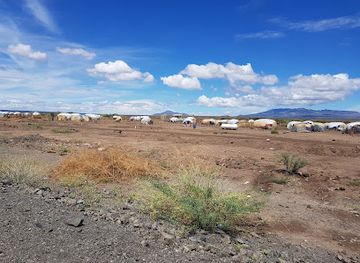
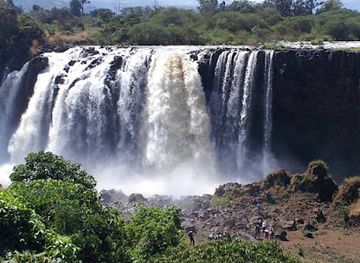
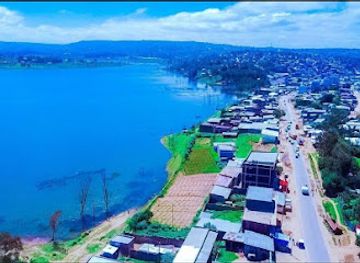
Best landmarks in Afar Region
The Danakil Depression is Afar's defining natural landmark, a vast low-lying basin where tectonic movement, salt deposition and geothermal activity have produced an austere landscape below sea level in places. Dallol is recognised for its mineral crusts, acidic springs and striking colours, but its gases, heat and unstable ground make it a place for guided observation rather than casual exploration. Erta Ale's volcanic massif forms another powerful landmark, although its visible activity and approach conditions can change. The Awash River is the region's principal geographic artery, cutting through dry country and supporting settlements, agriculture and wildlife habitats. In cultural terms, the salt-cutting landscapes and camel caravans around Lake Karum are living markers of Afar's economic history. Hadar and the wider palaeoanthropological terrain stand for the region's global scientific importance, while Asaita is associated with the historic Sultanate of Aussa and the lower Awash's Islamic and political heritage. These landmarks are widely dispersed and should be understood as parts of a large, difficult landscape rather than as a compact sightseeing route.
-
City park
Unity Park
Explore Unity Park in Addis Ababa: A captivating blend of history, art, and nature in Ethiopia's vibrant capital.
-
Desert
Danakil Desert
Explore the Danakil Desert: A stunning spectacle of nature's extremes with vibrant mineral landscapes and rich cultural experiences.
-
Park
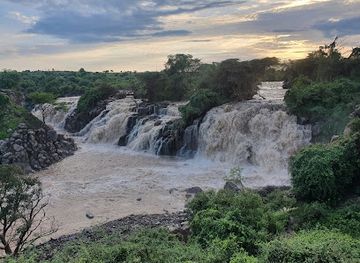
Awash National Park
Discover the awe-inspiring landscapes and wildlife of Awash National Park, a prime destination for nature lovers and cultural explorers in Ethiopia.
-
Heritage preservation
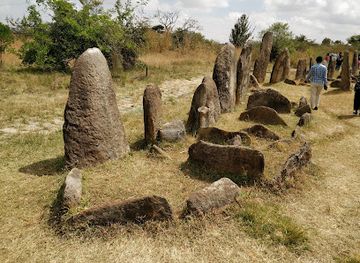
Tiya World Heritage Site
Explore Tiya World Heritage Site, an archaeological gem in Ethiopia, showcasing ancient stelae and rich cultural history.

Explore Afar Region on the map
Plan your trip on one map. See where the top cities, national parks and sights are, and book hotels and experiences in a few clicks.
Best hotels in Afar Region
Best restaurants in Afar Region
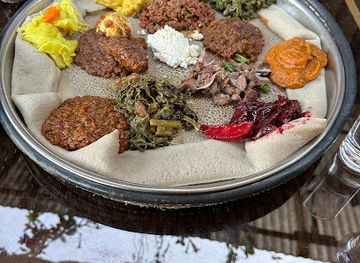
Dining in Afar is practical, locally supplied and concentrated in Semera, Asaita, roadside settlements and expedition camps rather than in a developed restaurant scene. Visitors will encounter Ethiopian staples such as injera with stews, shiro and lentil dishes, alongside rice, pasta, bread, eggs and grilled meat in places serving travellers and transport workers. Meals on Danakil journeys are usually arranged by the operator and rely on transported provisions, so dietary requirements should be communicated before departure. Tea and coffee are important parts of hospitality, while bottled water and soft drinks are more dependable outside urban centres than specialised culinary products. In pastoral areas, milk and meat belong to local livelihoods, but visitors should not assume that every traditional food is routinely available to travellers. Semera has the broadest choice of cafés, simple restaurants and hotels, whereas desert camps provide basic meals shaped by logistics and water constraints. Carrying permitted snacks can be sensible, but all packaging should be removed responsibly.
-
Restaurant
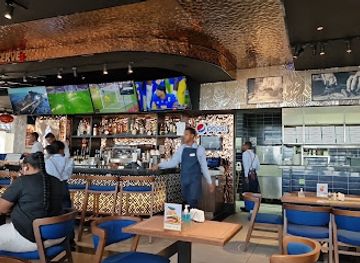
Cravings Restaurant & Bar
Experience the vibrant flavors of Ethiopia at Cravings Restaurant & Bar in Addis Ababa - a must-visit for every food lover.
-
Traditional restaurant
Dashen Traditional Restaurant
Discover the flavors of Ethiopia at Dashen Traditional Restaurant, where every dish tells a story.
-
Restaurant
The Four Sisters Restaurant
Experience authentic Ethiopian cuisine at The Four Sisters Restaurant in Gondar - where tradition meets flavor.
-
Restaurant
Marcus Addis Restaurant & Sky Bar
Discover exquisite Ethiopian and international cuisine with breathtaking views at Marcus Addis Restaurant & Sky Bar in Addis Ababa.
Best bars in Afar Region
Afar does not have a major nightclub culture, and evening life is shaped more by family, community, travel and hospitality than by late-night entertainment. In Semera, hotel lounges, cafés and modest bars provide the main opportunities for an evening drink or conversation, while Asaita and transport towns offer a small number of similar local establishments. Outside these centres, organised expeditions generally return to simple camps after sunset, with darkness, heat management and early departures determining the rhythm of the night. Alcohol availability varies and should never be assumed in rural or religious settings; drinking discreetly and respecting local customs is important. Coffee and tea, informal meals and conversation are more reliable elements of the region's evening culture than clubs or live-music venues. Do not wander away from desert camps after dark, both because of the terrain and because guides manage security and logistics in remote areas.
-
Bar
Cravings Restaurant & Bar
Experience the vibrant taste of Ethiopia at Cravings Restaurant & Bar, where authentic flavors meet a lively atmosphere in Addis Ababa.
-
Lounge
Ethiopian Cloud Nine Lounge
Discover the vibrant atmosphere and delicious Ethiopian cuisine at Cloud Nine Lounge, a must-visit spot in Addis Ababa for an unforgettable nightlife experience.
-
Grill
Union Cocktail Bar & Restaurant
Experience the vibrant flavors of Ethiopia at Union Cocktail Bar & Restaurant in Addis Ababa, where great food meets a lively atmosphere.
-
Lodge
Doho Lodge
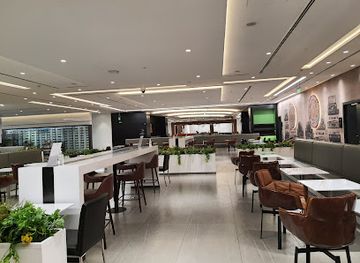
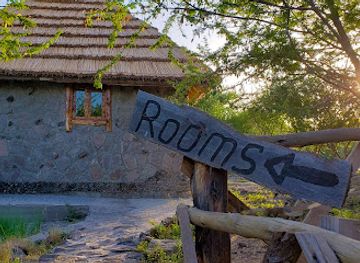
Experience the serene beauty of Afar at Doho Lodge, a perfect blend of comfort, adventure, and authentic Ethiopian hospitality.

Best nightclubs in Afar Region
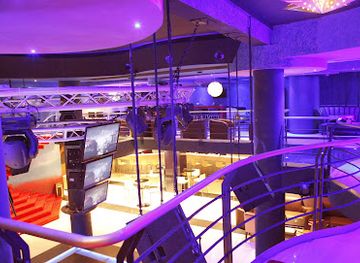
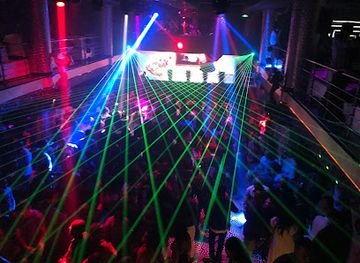
Afar does not have a major nightclub culture, and evening life is shaped more by family, community, travel and hospitality than by late-night entertainment. In Semera, hotel lounges, cafés and modest bars provide the main opportunities for an evening drink or conversation, while Asaita and transport towns offer a small number of similar local establishments. Outside these centres, organised expeditions generally return to simple camps after sunset, with darkness, heat management and early departures determining the rhythm of the night. Alcohol availability varies and should never be assumed in rural or religious settings; drinking discreetly and respecting local customs is important. Coffee and tea, informal meals and conversation are more reliable elements of the region's evening culture than clubs or live-music venues. Do not wander away from desert camps after dark, both because of the terrain and because guides manage security and logistics in remote areas.
-
Night club
Club H2O | Hayahulet | ክለብ ኤች ቱ ኦ | ሀያ ሁለት
Dive into the heart of Addis Ababa's nightlife at Club H2O, where music, dance, and vibrant energy create an unforgettable experience.
-
Night club
Surrender night club
Dive into the vibrant nightlife at Surrender Night Club in Addis Ababa, where electrifying beats and an unforgettable atmosphere await your arrival.
-
Night club
A/V Club | Bole | ኤቪ ክለብ | ቦሌ
Discover the electrifying nightlife at A/V Club in Bole, Addis Ababa, where music and culture blend for an unforgettable experience.
-
Night club
Club Illusion
Unleash your nights at Club Illusion in Addis Ababa, where vibrant music, electrifying atmosphere, and unforgettable experiences await.

Best shops in Afar Region
Shopping in Afar is modest and functional, with Semera providing the most dependable choice of small shops, supplies, textiles, clothing, mobile services and everyday goods. Markets and roadside trading points in places such as Asaita reflect regional exchange in livestock products, food, household necessities and transport provisions rather than a specialised tourist retail sector. Salt is the region's best-known product, but visitors should buy only through legitimate local channels and should not remove material from protected, working or environmentally sensitive sites. In larger towns, Ethiopian coffee, spices, woven items and practical crafts may be available, although selection and quality vary. Souvenirs should be purchased respectfully and should not include fossils, archaeological objects, unusual rocks or minerals collected from the landscape. Carry cash for small purchases, as card payment is unreliable outside established businesses, and remember that many remote settlements have no conventional shops at all.
-
Ethiopian
2000 Habesha cultural restaurant | Bole Atlas | 2000 ሀበሻ የባህል ሬስቶራንት | ቦሌ አትላስ
Discover the rich flavors and vibrant culture of Ethiopia at 2000 Habesha Cultural Restaurant in Bole, Addis Ababa.
-
Market
Merkato
Explore Merkato, the largest market in Addis Ababa, where local culture, vibrant products, and delicious cuisine come together in a unique shopping experience.
-
Hotel
Best Western Plus Pearl Addis
Discover the perfect blend of comfort and convenience at Best Western Plus Pearl Addis, your ideal hotel in the heart of Ethiopia's capital.
-
Market
Shola Market | Megenagna
Experience the vibrant culture and authentic flavors of Ethiopia at Shola Market, a must-visit destination in Addis Ababa.

Get your free copy of our complete guide to Afar Region, delivered straight to you.
Everything on this page, from attractions and restaurants to essentials and local phrases, in one PDF you can read offline, print or share.
Already have an account? Sign in
Your Afar Region guide is ready.
We'll send it to · Not you? Sign out

Getting your guide ready…
We are putting together a fresh copy of the Afar Region guide. This can take up to a minute.
This can take a few moments. If your browser asks, choose Allow so the download can start. You'll find the guide in your Downloads folder.
Nothing happened? Download it again
Sorry, the guide is taking longer than usual. Please try again in a minute, or get it by email instead.
Afar Region essentials
Currency and Payment
Safety
Emergency Situations
Do's and Don'ts
Local Tips
From Eve
Local phrases worth knowing
You don't need to get them perfect. A few words go a long way, and locals appreciate the effort.
Basics
| English | Local | Say it |
|---|---|---|
| Hello | Nagaad | [Nah-gahd] |
| Goodbye | Soodh | [Soodh] |
| Yes | Eey | [Eh-yee] |
| No | Maya | [Mah-yah] |
| Please/You're welcome | Fadlan | [Fahd-lahn] |
| Thank you | Aad baad u mahadsan tahay | [Ahd bahd oo mahahd-sahn tah-hay] |
| Excuse me/Sorry | Iga raali ahaw | [Ee-gah rah-lee ah-haw] |
| How are you? | Sidee tahay? | [See-day tah-hay] |
| Fine. And you? | Wanaagsan. Adiguna? | [Wah-nahg-sahn. Ah-dee-goo-nah?] |
| Do you speak English? | Ma ku hadlaysaa Ingiriis? | [Mah koo had-lay-sah Ing-ee-rees?] |
| I don't understand | Ma fahmin | [Mah fah-meen] |
Eating & Drinking
| English | Local | Say it |
|---|---|---|
| I'd like to see the menu, please | Fadlan ii soo bandhig menu-ga | [Fahd-lahn ee soo bahn-dhig men-oo-gah] |
| I don't eat meat | Caano ma cuno | [Cah-no mah choo-no] |
| Cheers! | Nabad gelyo! | [Nah-bahd geh-lyo] |
| I would like to pay, please | Fadlan waxaan rabaa inaan bixiyo | [Fahd-lahn wee-hahn rah-bah ee-nahn bih-kee-yoh] |
Emergencies
| English | Local | Say it |
|---|---|---|
| Help! | Caawimaad! | [Cah-wee-mahd] |
| Go away! | Dhaaf! | [Dah-f] |
| Call the Police! | Wac booliiska! | [Wahk boo-lee-skah] |
| Call a doctor! | Wac dhakhtar! | [Wahk dahkhtar] |
| I'm lost | Waan lumay | [Wahn loo-may] |
| I'm ill | Waan jiran | [Wahn jee-rahn] |
Shopping
| English | Local | Say it |
|---|---|---|
| I'd like to buy... | Waxaan rabaa inaan iibsado... | [Wah-hahn rah-bah ee-nahn eeb-sah-doh] |
| I'm just looking | Kaliya ayaan eegayaa | [Kah-lee-yah ah-yahn eh-gah-yah] |
| How much is it? | Immisa ayay tahay? | [Im-mee-sah ah-yay tah-hay] |
| That's too expensive | Taasi waa qaali | [Tah-see wah kah-lee] |
| Can you lower the price? | Ma hoos u dhigeysaa qiimaha? | [Mah ho-s oo dhih-gay-sah kee-mah-hah] |
Time & Numbers
| English | Local | Say it |
|---|---|---|
| What time is it? | Waa maxay waqtiga? | [Wah mah-hay wahk-tih-gah] |
| It's one o'clock | Waa saacad kowaad | [Wah sah-cahd koh-wahd] |
| Half past (10) | Bar (10) | [Bah-r (10)] |
| Morning | Subax | [Soo-bahx] |
| Afternoon | Galab | [Gah-lahb] |
| Evening | Habeen | [Hah-been] |
| Yesterday | Shalay | [Sha-lay] |
| Today | Maanta | [Mahn-tah] |
| Tomorrow | Berri | [Beh-ree] |
| 1 | Kow | [Koh] |
| 2 | Laba | [Lah-bah] |
| 3 | Saddex | [Sahd-dex] |
| 4 | Afar | [Ah-far] |
| 5 | Shan | [Shahn] |
| 6 | Lix | [Lix] |
| 7 | Toddoba | [Toh-doh-bah] |
| 8 | Siddeed | [Seed-dahd] |
| 9 | Sagaal | [Sah-gahl] |
| 10 | Toban | [Toh-bahn] |
Transport & Directions
| English | Local | Say it |
|---|---|---|
| Where's a/the...? | Xagee ku yaalaa...? | [Hah-geh koo yah-lah?] |
| What's the address? | Waa maxay cinwaanka? | [Wah mah-hay chin-wah-ahn-kah] |
| Can you show me (on the map)? | Ma ii muujin kartaa (khariidada)? | [Mah ee moo-jeen kar-tah (khah-ree-dah-dah)?] |
| When's the next (bus)? | Goormee bus-ka xiga? | [Goor-may boos-kah hih-gah?] |
| A ticket (to ....) | Tigid ( ilaa ....) | [Tee-gid (ee-lah ....)] |
History of Afar Region
Early Human Origins at Hadar and Gona
The Afar Depression contains some of the most important palaeoanthropological sites on Earth. At Hadar, researchers found the approximately 3.2-million-year-old Australopithecus afarensis skeleton popularly known as Lucy, while the wider region has produced hominin fossils, animal remains and ancient stone tools. Gona is especially important for early stone-tool evidence, and Dikika has yielded further discoveries relating to human evolution. These sites preserve an exceptional record because sediments accumulated in ancient lakes and river systems before being exposed by erosion. Their importance belongs to global science, while access today is controlled and often requires specialist permission.
Ancient Trade and the Awash Corridor
The Awash River corridor connected the north-eastern lowlands with the Ethiopian plateau and wider Red Sea trading networks. Movement through this dry region supported exchanges involving livestock, salt and other goods, linking local communities with routes towards the coast and the highlands. Archaeological evidence from the broader Afar and northern Ethiopian landscape points to long-term settlement, herding and trade rather than a simple history of isolation. The river's seasonal resources also helped sustain communities in an environment where water and pasture determined movement.
Afar Sultanates and Islamic Networks
For centuries, Afar-speaking communities organised political life through sultanates and other local authorities rather than through a single central state. The Sultanate of Aussa, centred on the lower Awash valley, became a particularly important polity and was connected to Islamic scholarship, commerce and regional diplomacy. Salt, livestock and control of water and caravan routes shaped its influence. Asaita and the surrounding area retain associations with this history. The region's Islamic heritage and its distinctive Afar social institutions remain important parts of its identity within Ethiopia.
Salt Caravans and the Danakil Economy
Salt extraction from the Danakil Depression developed into one of Afar's most recognisable economic traditions. Blocks cut from the salt flats were loaded onto camel caravans and transported towards highland markets, where salt had practical and commercial value. The work was physically demanding and dependent on knowledge of routes, wells and desert conditions. Modern roads, vehicles and industrial extraction have changed the trade, but camel caravans and salt-cutting remain visible in parts of the depression. The landscape therefore represents both a geological environment and a working economic system.
Imperial Expansion and the Modern Ethiopian State
During the late nineteenth and early twentieth centuries, the expanding Ethiopian state sought firmer control over the lowlands and their strategic routes. Relations between imperial authorities, Afar sultanates, neighbouring powers and foreign interests were shaped by the politics of the Red Sea, the Awash corridor and the frontier with French Somaliland and Eritrea. Incorporation into modern administrative structures did not erase local authority or pastoral mobility, and state presence has remained uneven across the desert. These historical negotiations help explain Afar's distinctive political and cultural relationship with Ethiopia.
Roads, Railways and Regional Connectivity
Transport development gradually tied Afar more closely to Ethiopia's highland capital and to the port networks of the Gulf of Aden. The historic Addis Ababa–Djibouti railway crossed the eastern lowlands, while later roads and the modern railway strengthened links through the Awash and Semera corridors. Connectivity has supported administration, trade and access to markets, but it has not removed the region's geographic challenges. Vast distances, extreme climate and dispersed settlements still shape everyday life and make infrastructure especially significant for visitors.
The Afar Region Today
Afar is now one of Ethiopia's regional states, with Semera as its capital, and its economy combines pastoralism, salt production, trade, transport and public administration. Archaeological research and geological tourism have increased international attention, while development projects have improved some transport links. The region remains environmentally vulnerable, with water scarcity, drought and difficult access affecting communities and wildlife. Contemporary travel therefore takes place within a living society whose priorities include security, livelihoods, environmental resilience and control over culturally important places.
Afar Region in Photos
Browse through our photo collection highlighting the charm and character of the destination.
Neighbouring regions of Afar Region
The closest regions to Afar Region, if you have time for more than one.
-

-

-

-

-


Swipe for more regions
Explore more

Explore more of Ethiopia
Discover Ethiopia: A land of ancient history, breathtaking landscapes, and rich cultural heritage, offering an unforgettable journey through time and nature.
Explore Ethiopia