
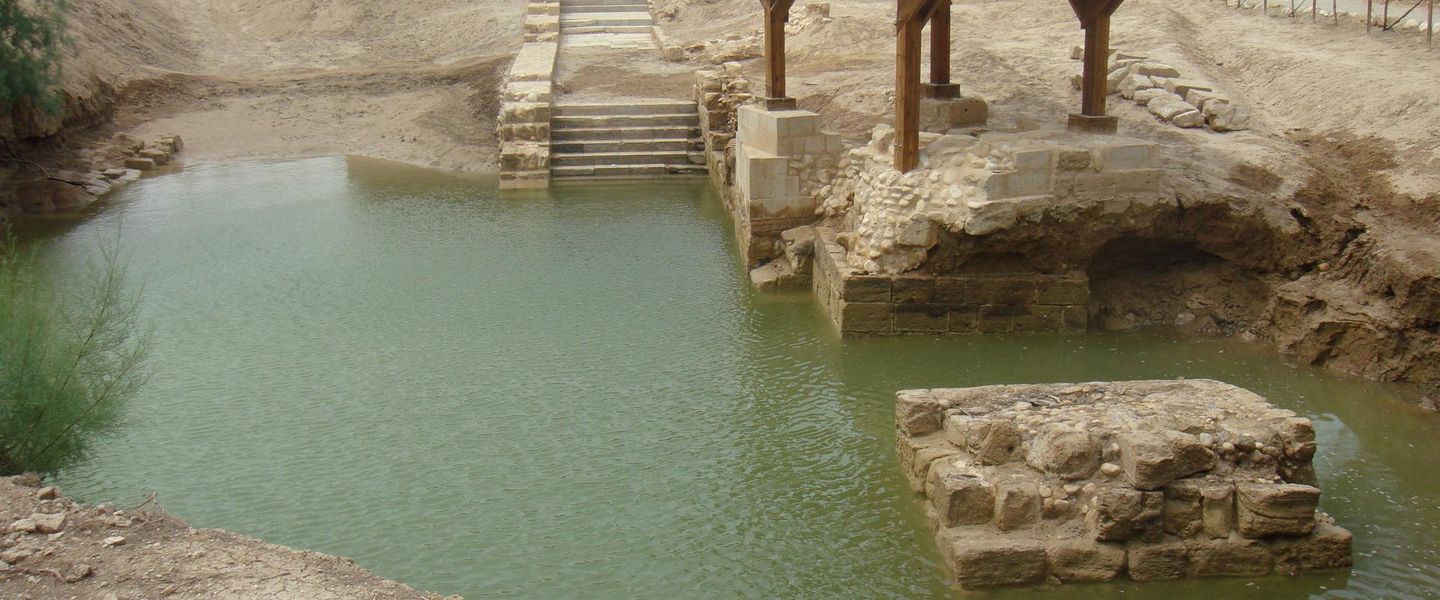
Somali Region, Ethiopia Travel Guide
Discover the Somali Region of Ethiopia: A land of rich traditions, stunning landscapes, and unique wildlife experiences.
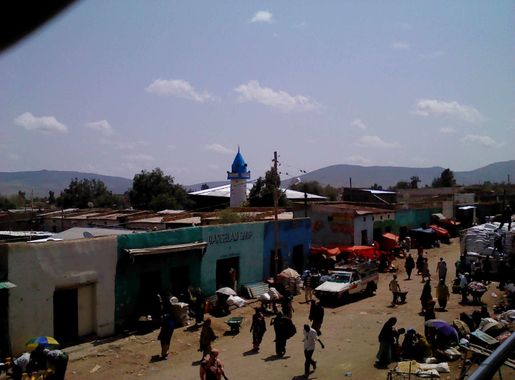
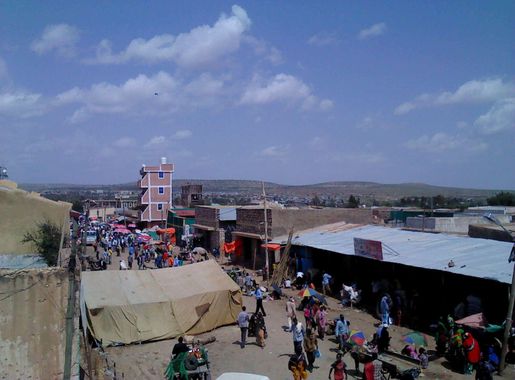
Located in the eastern part of Ethiopia, the Somali Region is an area of vast landscapes and rich cultural heritage. This region is known for its arid deserts, rolling savannas, and the majestic Ogaden Plateau. It is a place where tradition meets the raw beauty of nature. Visitors to the Somali Region can explore the bustling markets of Jijiga, the region's capital, where one can find a variety of goods ranging from spices to traditional crafts. The local culture is deeply rooted in Somali traditions, and visitors can experience this through local music, dance, and cuisine. Nature enthusiasts will find the region's wildlife sanctuaries, such as the Harar Wildlife Sanctuary, to be a haven for bird watching and spotting rare species. The region is also home to historical sites such as the ancient city ruins of Aksum and the rock-hewn churches of Lalibela, which offer a glimpse into Ethiopia's storied past.

Know before you go
Hi, I'm Eve. Here are a few practical things to know before exploring Somali Region.
- Stay hydrated and protect yourself from the sun; the climate can be very hot and dry.
- Respect local customs and traditions; dress modestly and seek permission before taking photos of people.
- Hire a local guide for a more immersive and informative experience, especially when exploring remote areas.
- Try the local cuisine, particularly dishes like camel meat and Somali flatbread, for an authentic taste of the region.
- Visit during the cooler months between October and February to enjoy more comfortable weather.
Top City Travel Guides in Somali Region
The cities of Somali Region, and the easiest places to base yourself.


Destinations in Somali Region
Resorts, valleys and scenic spots worth a trip of their own.


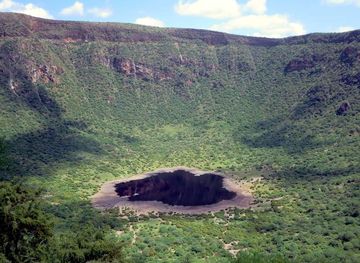
Explore Somali Region: Things to Do, Places to Eat, Hotels & More
Handpicked recommendations for top attractions, local dining, accommodations, and more

Top Attractions & Sightseeing in Somali Region
Top-rated picks
Best Attractions

Babile Elephant Sanctuary
Explore the breathtaking Babile Elephant Sanctuary, Ethiopia's haven for wildlife and a vital conservation area dedicated to majestic African elephants.

Balanbale
Experience the serenity of Balanbale Park, an enchanting green retreat in Ethiopia, perfect for relaxation, picnics, and nature exploration.

Porc Epic Cave
Explore the enchanting Porc Epic Cave, a historical landmark near Dire Dawa, where nature's beauty meets rich cultural heritage.
Raaciga(somali restant)
Experience the authentic taste of Somali cuisine at Raaciga, a culinary jewel in Babile, where tradition meets flavor in every dish.

Best landmarks in Somali Region
Top-rated picks
Best Landmarks

Sayid Mohamed Abdullahi Hasan, roundabout
Explore the vibrant history and cultural significance of the Sayid Mohamed Abdullahi Hasan Roundabout in Jijiga, Ethiopia.

Yangudi Rassa National Park
Discover the breathtaking landscapes and unique wildlife of Yangudi Rassa National Park in Ethiopia, a hidden gem for nature lovers and adventure seekers.

Karamara Mountain
Discover the breathtaking landscapes and rich history of Karamara Mountain, a must-visit tourist attraction in East Africa near Jijiga, Ethiopia.

Babile Elephant Sanctuary
Explore the wonders of Babile Elephant Sanctuary, a vital conservation area for elephants in Ethiopia, where nature and wildlife thrive harmoniously.

Best restaurants in Somali Region
Top-rated picks
Best Restaurants

Four Seasons Restuarant
Experience authentic Somali and Ethiopian cuisine at Four Seasons Restaurant in Jijiga - where flavor meets tradition.

NU HALAL
Discover authentic Ethiopian cuisine at NU HALAL in Moyale - where every meal tells a story.

iom
Discover authentic Ethiopian flavors at IOM in Jijiga - a culinary gem offering traditional dishes in a warm atmosphere.

Best bars in Somali Region
Top-rated picks
Best Bars

Beer Garden Inn
Discover the best of German cuisine and craft beers at the Beer Garden Inn in the heart of Addis Ababa, Ethiopia.

Marcus Addis Restaurant & Sky Bar
Experience the heights of Ethiopian cuisine at Marcus Addis Restaurant & Sky Bar, where stunning views meet exquisite flavors in Addis Ababa.

Union Cocktail Bar & Restaurant
Experience the vibrant flavors of Ethiopia at Union Cocktail Bar & Restaurant, where traditional meets modern in a lively atmosphere.

Flirt Lounge Addis
Discover the lively ambiance of Flirt Lounge Addis, a premier night club and live music venue in the heart of Addis Ababa, perfect for nightlife lovers.


Best shops in Somali Region
Top-rated picks
Best Shops

Salem's Ethiopia
Discover the vibrant world of Ethiopian handicrafts at Salem's Ethiopia, where artistry and culture come together in Addis Ababa.

Sabahar
Explore Sabahar in Addis Ababa for exquisite handcrafted Ethiopian textiles and fashion accessories that celebrate local culture and craftsmanship.

Selam City Mall
Experience the essence of modern shopping and dining at Selam City Mall, a hub of culture and commerce in Addis Ababa.

Hiil Cafe
Experience the rich flavors and warm hospitality of Jijiga at Hiil Cafe, a charming coffee shop and restaurant perfect for every traveler.

Explore Somali Region on the Map
A handpicked selection of must-see spots in Somali Region, mapped for you.
Somali Region Essentials
-
The Somali Region in Ethiopia can be accessed via multiple routes. The nearest international airport is Jijiga Airport (JIJ), located in the regional capital, Jijiga. Direct flights to Jijiga are available from Addis Ababa Bole International Airport (ADD). From Jijiga, you can travel to other parts of the region by road. Public buses and private taxis are available for intercity travel. Roads may vary in condition, so it is advisable to check the current travel advisories before planning your journey.
-
Within the Somali Region, transportation options include buses, minibuses, and private taxis. Buses and minibuses are the most common and cost-effective means of transport but may be crowded and less punctual. Private taxis offer more comfort and flexibility but at a higher cost. For exploring remote areas, renting a 4x4 vehicle is recommended due to varying road conditions. Fuel stations are available in major towns, but it is advisable to carry extra fuel for long journeys.
-
The official currency in Ethiopia is the Ethiopian Birr (ETB). Credit cards are accepted in some hotels and restaurants in Jijiga, but cash is more commonly used, especially in smaller towns and rural areas. It is advisable to carry sufficient cash, as ATMs may not be readily available outside major cities. Currency exchange can be done at banks and authorized exchange bureaus.
-
The Somali Region has areas with varying levels of safety. It is advisable to stay informed about the current security situation. Jijiga and other major towns are generally safe for tourists, but caution should be exercised in remote and border areas. Avoid traveling alone at night and keep your belongings secure in crowded places. Always check travel advisories and consult local authorities for updated safety information.
-
In case of emergency, dial 911 for immediate assistance. Medical facilities are available in Jijiga, but they may be limited in remote areas. It is highly recommended to have travel insurance that covers medical emergencies and evacuation. For minor health issues, pharmacies in Jijiga stock a range of medications. Make sure to carry a basic first-aid kit and any necessary prescription medications.
-
Fashion: Do dress modestly, especially when visiting religious sites. Avoid wearing revealing clothing. Religion: Do respect local customs and traditions. Always remove your shoes before entering mosques. Public Transport: Do be respectful and give up your seat to elderly passengers. Don't eat or drink on public transport. Greetings: Do greet people with a friendly 'Salaam' and a handshake. Eating & Drinking: Do try local delicacies and accept food offerings graciously. Don't refuse hospitality, as it is considered impolite.
-
To experience Somali Region like a local, visit the bustling markets in Jijiga where you can buy fresh produce, spices, and traditional Somali goods. Engage with locals, who are often welcoming and eager to share their culture. Don't miss the opportunity to experience traditional Somali music and dance. For a unique experience, visit the Fafan River and enjoy a scenic boat ride. Always be open to learning and participating in local customs and traditions.
When is the best time to visit Somali Region?
Useful Local Phrases for Somali Region
You don't need to speak the language perfectly. Even learning a few simple words can make conversations warmer—and locals usually appreciate the effort.
— Eve

Here are the phrases I use most often in Somali Region. Try a few—you'll be surprised how far they go! 😊
❤️
-
- HelloSalaam
[sah-lahm] - GoodbyeNagala soo bax
[nah-gah-lah soh bahx] - YesHaa
[hah] - NoMaya
[mah-yah] - Please/You're welcomeFadlan
[fad-lan] - Thank youMahadsanid
[mah-hahd-sah-nid] - Excuse me/SorryIga raali ahow
[ee-gah rah-lee ah-hoo] - How are you?Sidee tahay?
[see-deh tah-hay] - Fine. And you?Wanaagsan. Adiguna?
[wah-nahg-sahn. ah-dee-goo-nah] - Do you speak English?Ma ku hadashaa Ingiriis?
[mah koo hah-dah-shah in-gee-rees] - I don't understandMa fahmin
[mah fah-meen]
- HelloSalaam
-
- I'd like to see the menu, pleaseFadlan ii soo bandhig menu-ga
[fad-lan ee soh band-hig men-oo-gah] - I don't eat meatMa cuno hilib
[mah koo-no hi-lib] - Cheers!Nabad iyo nolol!
[nah-bahd ee-yoh noh-lol] - I would like to pay, pleaseFadlan waxaan rabaa in aan bixiyo
[fad-lan wi-han rah-bah in ahn bik-iy-oh]
- I'd like to see the menu, pleaseFadlan ii soo bandhig menu-ga
-
- Help!Caawimaad!
[cah-wee-mahd] - Go away!Ka tag!
[kah tahg] - Call the Police!Wac booliska!
[wahk boh-lees-kah] - Call a doctor!Wac dhakhtar!
[wahk dhahk-tahr] - I'm lostWaan lumay
[wah-an loo-may] - I'm illWaan xanuunsanahay
[wah-an khan-oos-nah-hay]
- Help!Caawimaad!
-
- I'd like to buy...Waxaan rabaa in aan iibsado...
[wah-han rah-bah in ahn eeb-sah-doh] - I'm just lookingWaxaan kaliya fiirinayaa
[wah-han kah-lee-yah fee-ree-nah-yah] - How much is it?Immisa ayay tahay?
[im-mee-sah ah-yay tah-hay] - That's too expensiveTaas waa qaali
[tahs wah kah-lee] - Can you lower the price?Ma hoos u dhigi kartaa qiimaha?
[mah hohs oo dee-gee kar-tah qi-mah-hah]
- I'd like to buy...Waxaan rabaa in aan iibsado...
-
- What time is it?Waa mee waqtiga?
[wah mee wah-qi-tah] - It's one o'clockWaa saacad 1
[wah sah-kahd 1] - Half past (10)Bar saac (10)
[bar sahk (10)] - MorningSubax
[soo-bahx] - AfternoonDuhur
[doo-hoor] - EveningFiidnimo
[fee-dee-nim-oh] - YesterdayShalay
[sha-lay] - TodayMaanta
[ma-an-tah] - TomorrowBerri
[ber-ee] - 1Kow
[koh] - 2Laba
[lah-bah] - 3Saddex
[sahd-dex] - 4Afar
[ah-far] - 5Shan
[shan] - 6Lix
[lix] - 7Toban
[toh-bahn] - 8Siddeed
[si-deed] - 9Sagaal
[sah-gahl] - 10Toban
[toh-bahn]
- What time is it?Waa mee waqtiga?
-
- Where's a/the...?Xaggee ku yaal...?
[hah-geh koo yah-lah] - What's the address?Waa maxay cinwaanka?
[wah mah-kay sin-wahn-kah] - Can you show me (on the map)?Ma i tusin kartaa (khariidadda)?
[mah ee too-sin kar-tah (khah-ree-dah-dah)] - When's the next (bus)?Goorma ayaa (baska) xiga?
[goor-mah ah-yah (bas-kah) hee-gah] - A ticket (to ....)Tigid (u ...)
[ti-gid (oo ...)]
- Where's a/the...?Xaggee ku yaal...?
History of Somali Region
-
The Somali Region of Ethiopia has been a nexus of trade for millennia. Its strategic location along the Horn of Africa made it a crucial point in ancient trade routes that connected the Arabian Peninsula, India, and the rest of Africa. Traders exchanged goods such as spices, gold, and ivory, leaving a rich cultural tapestry that can still be felt today.
-
The city of Harar, located in the Somali Region, is one of the oldest Islamic cities in the world. Established in the 7th or 8th century, Harar became a center of Islamic culture and learning. The city boasts over 80 mosques and numerous shrines, earning it the moniker 'City of Saints'. Harar's old town, a UNESCO World Heritage site, is a testament to the region's deep-rooted Islamic heritage.
-
The Adal Sultanate, which flourished from the 9th to the 16th century, played a significant role in the history of the Somali Region. It was a powerful Islamic state that controlled much of the Horn of Africa, including parts of modern-day Ethiopia and Somalia. The Sultanate is best known for its military campaigns against the Ethiopian Empire, led by the renowned general Ahmad ibn Ibrahim al-Ghazi, also known as Ahmad Gran.
-
The late 19th and early 20th centuries brought European colonial powers to the Horn of Africa. The Somali Region was a theater of conflict between the British, French, and Italian colonial ambitions. The Dervish movement, led by Sayyid Mohammed Abdullah Hassan, also known as the 'Mad Mullah', was a significant resistance force against British colonial rule. The movement's guerrilla warfare tactics and resilience left a lasting impact on the region.
-
In the 20th century, the Somali Region underwent several administrative changes. Initially part of the larger Ethiopian state, it was formally established as an autonomous region in 1995 under Ethiopia's federal system. This administrative restructuring aimed to give greater autonomy to the region's predominantly Somali population, recognizing their unique cultural and historical identity within the Ethiopian state.
-
The Somali Region is renowned for its rich cultural heritage, which includes traditional music, dance, and poetry. The region's oral literature, known as 'Gabay', is an important aspect of Somali culture, often used to convey history, social values, and folklore. Festivals such as Eid al-Fitr and Eid al-Adha are major celebrations, marked by communal prayers, feasts, and vibrant cultural performances.
Neighbouring Regions of Somali Region
The closest regions to Somali Region, if you have time for more than one.


Your all‑in‑one travel companion app
Explore expert travel guides, compare and book tours, experiences, hotels, and more—all from the palm of your hand. Download now for seamless trip planning wherever your wanderlust takes you.


Explore More of Ethiopia

Looking beyond Somali Region? Discover Ethiopia for broader travel guides, local hot-spots, and regional highlights.
Explore EthiopiaSomali Region in Photos
Browse through our photo collection highlighting the charm and character of the destination.
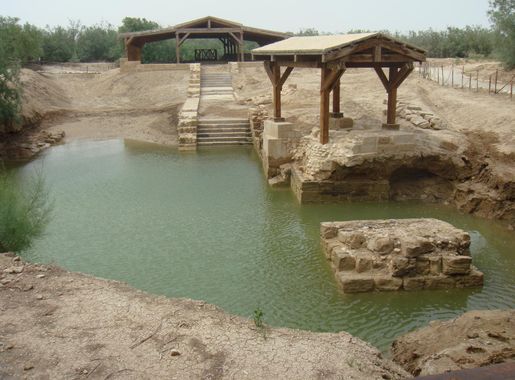
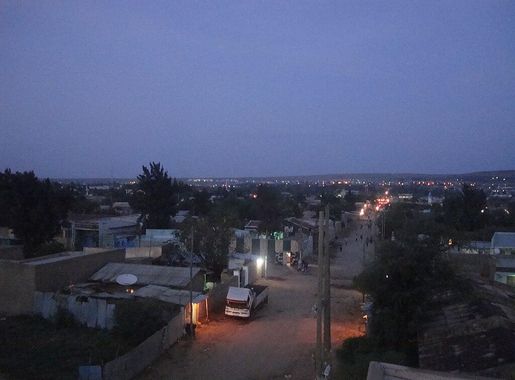




The Enigmatic Somali Region: Ethiopia's Untamed Frontier
Located in the eastern part of Ethiopia, the Somali Region is an area of vast landscapes and rich cultural heritage. This region is known for its arid deserts, rolling savannas, and the majestic Ogaden Plateau. It is a place where tradition meets the raw beauty of nature. Visitors to the Somali Region can explore the bustling markets of Jijiga, the region's capital, where one can find a variety of goods ranging from spices to traditional crafts. The local culture is deeply rooted in Somali traditions, and visitors can experience this through local music, dance, and cuisine. Nature enthusiasts will find the region's wildlife sanctuaries, such as the Harar Wildlife Sanctuary, to be a haven for bird watching and spotting rare species. The region is also home to historical sites such as the ancient city ruins of Aksum and the rock-hewn churches of Lalibela, which offer a glimpse into Ethiopia's storied past.