

Kirkjubøur, Sandoy Travel Guide
Explore Kirkjubøur, the Faroe Islands' ancient episcopal center, featuring the Magnus Cathedral ruins and the historic Roykstovan farmhouse.
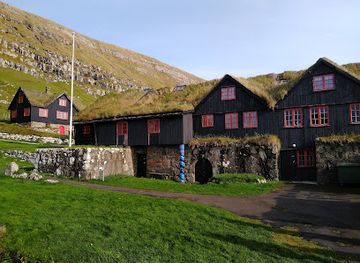
Kirkjubøur, located on the island of Streymoy, is the Faroe Islands' most important historical site. It was the episcopal center and cultural heart of the islands during the medieval period, and remnants of this era, including the Magnus Cathedral and the Roykstovan, offer a glimpse into the islands' past.
A brief summary to Kirkjubøur
- Kirkjubøur, FO

Know before you go
Hi, I'm Eve. Here are a few practical things to know before exploring Kirkjubøur.
- Wear comfortable shoes as you'll be walking on uneven terrain around the historical sites.
- Check the opening hours for the Roykstovan in advance, as it is a private residence.
- Consider visiting during the summer months for the best weather and clearer views of the surrounding landscape.
Do you manage this location?
Take control to get all the benefits, like improved information, better appearance, and stronger visibility across AI-powered discovery. Learn more about listing your business on Evendo
Activate your presenceOther nearby places you may find interesting
The closest places of the same kind, if this one is not quite what you had in mind.

Explore Kirkjubøur on the Map
A handpicked selection of must-see spots near Kirkjubøur, mapped for you.
Unlock the Best of Kirkjubøur
Buy tickets
-
No tickets available
Book tours with entry

Book tours without entry
-
No tours available
Getting There
-
Public Transport
From Tórshavn, take bus number 101 towards Kirkjubøur. The bus journey takes approximately 30 minutes. A single ticket costs around 30 DKK. The bus stop is a short walk from the main historical sites.
-
Taxi
A taxi from Tórshavn to Kirkjubøur takes about 15-20 minutes. Expect to pay around 250-350 DKK for the ride. Taxis are readily available in Tórshavn.
-
Driving
Driving from Tórshavn to Kirkjubøur is straightforward. Follow the main road (Route 10) south, then Route 50. The drive takes approximately 15 minutes. Parking is available near the church, free of charge.
Discover more about Kirkjubøur













Your all‑in‑one travel companion app
Explore expert travel guides, compare and book tours, experiences, hotels, and more—all from the palm of your hand. Download now for seamless trip planning wherever your wanderlust takes you.


Explore More of Sandoy
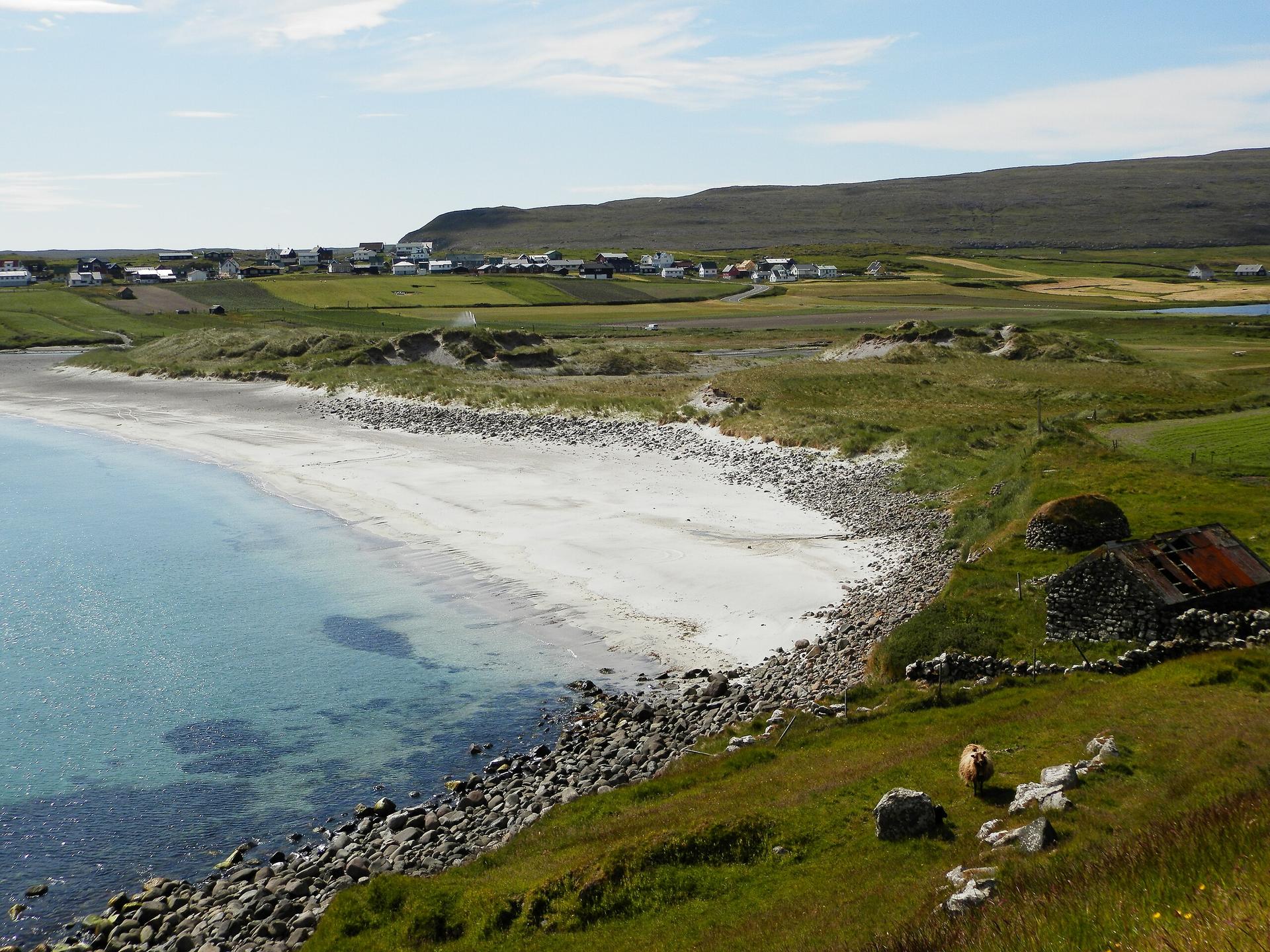
Looking beyond Kirkjubøur? Discover Sandoy for broader travel guides, local hot-spots, and regional highlights.
Explore Sandoy