

Free Suðuroy Travel Guide & Mobile App
Explore Suðuroy with free travel guides. Discover regional history, expert tips, proposed trips, and audio guides on web or mobile app.


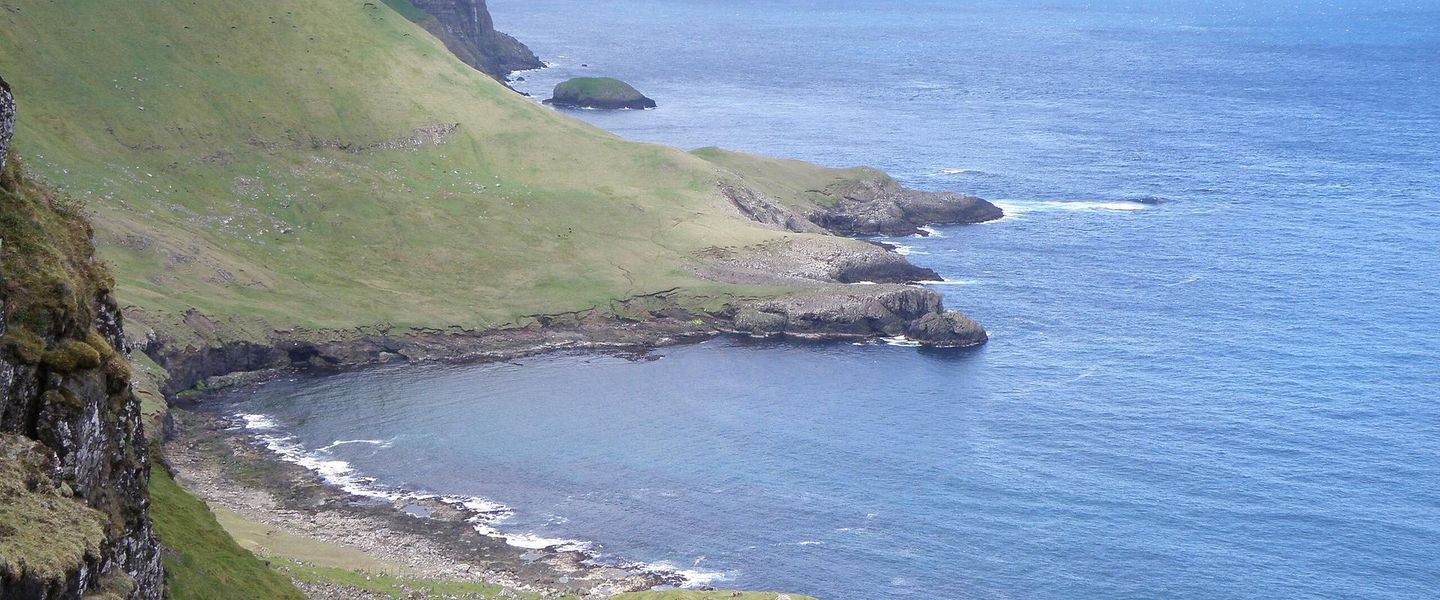


Suðuroy offers Faroe Islands hiking, sea cliffs, historic villages and quiet maritime culture across a dramatic southern island.
Read more about Suðuroy
When is the best time to visit Suðuroy?
Best: June–August · 12–13°C| Month | High (°C) | Rainfall (mm) |
|---|---|---|
| January | 6 | 150 |
| February | 6 | 130 |
| March | 7 | 140 |
| April | 7 | 120 |
| May | 9 | 110 |
| June (best) | 12 | 100 |
| July (best) | 13 | 110 |
| August (best) | 13 | 120 |
| September | 12 | 130 |
| October | 9 | 150 |
| November | 7 | 160 |
| December | 6 | 170 |
Getting to and around Suðuroy
How to get there
Transportation
Top city travel guides in Suðuroy
The cities of Suðuroy, and the easiest places to base yourself.
-

-


Swipe for more cities
Destinations in Suðuroy
Resorts, valleys and scenic spots worth a trip of their own.

Swipe for more destinations
Best attractions in Suðuroy
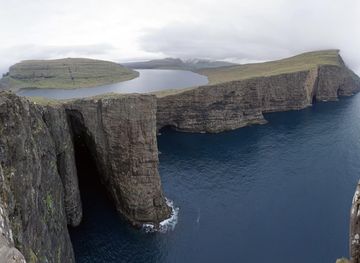
Suðuroy’s attractions are primarily landscape-based and community-scaled. Walking routes provide access to high viewpoints, secluded valleys and dramatic coast, with Beinisvørð and Hvannhagi among the best-known destinations for experienced walkers. The terrain around Hvalba and Sandvík combines open mountains, sea cliffs and offshore stacks, while the southern villages offer quieter roads and broad views across the Atlantic. Historic and cultural interests are well served by the Suðuroy Museum in Tvøroyri and the Ruth Smith Art Museum in Vágur, which connect local life with wider Faroese history and art. Fámjin is significant for its association with the early Faroese flag, and village churches, harbour areas and older houses add context to the island’s settlement history. Visitors can also explore working fishing communities, observe traditional farm landscapes and take short walks between villages, provided they respect private land and local access guidance. The appeal lies less in a long list of formal attractions than in the relationship between the island’s villages, mountains, maritime economy and exposed southern setting.
-
Natural beauty spot
Hvannhagi
Discover Hvannhagi: Hike to a hidden Faroese valley with stunning lake views, geological wonders, and a tranquil escape into untouched nature.
-
Tourist information center
Visit Suðuroy
Explore Suðuroy: Discover the southernmost Faroe Island's rugged beauty, hiking trails, and charming villages. Your adventure starts here!
-
Art cafe
Oyggin Art Gallery
Experience Faroese artistry and cuisine at Oyggin Art Gallery, a cultural gem in Trongisvágur, Suðuroy. Discover local talent and flavors!
-
Observation deck
Ásmundarstakkur
Discover Ásmundarstakkur, a breathtaking rock pillar on Suðuroy Island, offering dramatic coastal views and a glimpse into the wild Faroe Islands.

Best landmarks in Suðuroy
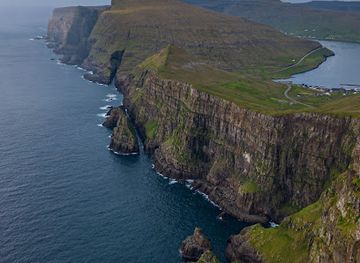
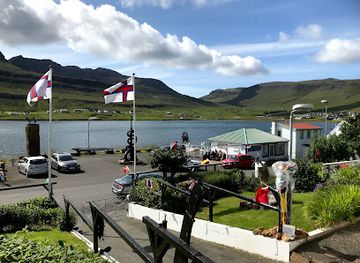
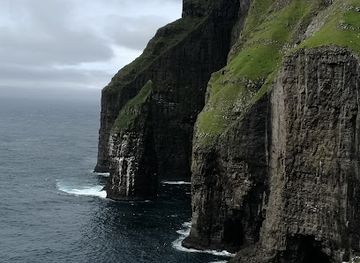
Beinisvørð is Suðuroy’s most recognisable natural landmark, a high sea cliff on the western side of the island whose profile and elevated views express the exposed character of the southern Faroese coast. Hvannhagi, reached by a walking route from the Tvøroyri area, is a notable geological and scenic landmark: its sheltered hollow contrasts with the open slopes and ocean-facing ridges around it. In Fámjin, the church and village setting are closely associated with the early history of the Faroese flag and carry symbolic importance beyond their modest scale. Tvøroyri’s harbour and historic commercial environment represent the island’s development as a trading and fishing centre, while Vágur’s waterfront reflects the continuing importance of maritime work. The coastal formations around Hvalba and Sandvík, including sea stacks and steep cliffs, demonstrate how erosion has shaped the island’s visual identity. These places are best understood as parts of a living landscape, where farmland, roads, homes and working waters remain close together.
-
Historical place
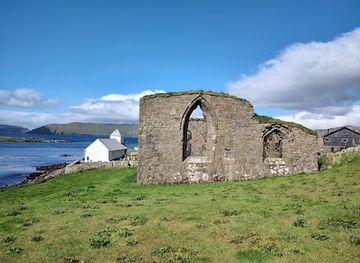
Kirkjubømúrurin
Discover the rich history and stunning landscapes of Kirkjubøur, one of the oldest villages in the Faroe Islands, steeped in culture and tradition.
-
Tourist attraction
Múlafossur Waterfall
Experience the breathtaking beauty of Múlafossur Waterfall, a stunning natural wonder set against the dramatic landscapes of the Faroe Islands.
-
Tourist attraction
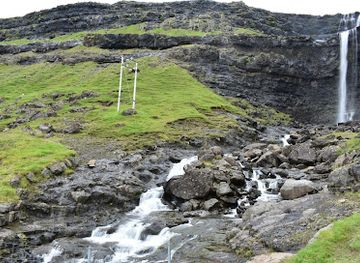
Fossá
Explore Fossá, the tallest waterfall in the Faroe Islands, where nature's beauty meets adventure in a stunning landscape of cascading waters.
-
Cultural center
The Nordic House
Explore the rich heritage of the Faroe Islands at The Nordic House, a cultural center in Tórshavn showcasing art, music, and local traditions.

Explore Suðuroy on the map
Plan your trip on one map. See where the top cities, national parks and sights are, and book hotels and experiences in a few clicks.
Best hotels in Suðuroy
Best restaurants in Suðuroy
Suðuroy’s food scene reflects the practical traditions of a Faroese fishing and farming island. Fish and seafood are central, while lamb, potatoes, rye bread and seasonal local produce appear in home cooking, cafés, restaurants and community gatherings. Visitors may encounter preserved or fermented Faroese foods, including ræst preparations and dried lamb known as skerpikjøt, although these belong to the wider culinary culture of the Faroe Islands rather than being exclusive to Suðuroy. Tvøroyri, Trongisvágur and Vágur offer the broadest choice of places to eat, while smaller villages have fewer services and may require advance planning. Harbour-side meals, informal cafés and traditional-style dining provide a more realistic picture of the island than an expectation of a large fine-dining industry. Local shops can be useful for picnic supplies before a walk, particularly when travelling to remote viewpoints or villages where food options are limited.
-
Restaurant
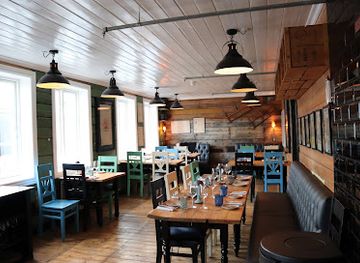
Fríða Kaffihús
Experience authentic Faroese cuisine at Fríða Kaffihús - where rich flavors meet warm hospitality in Klaksvík.
-
Scandinavian
Katrina Christiansen
Discover Scandinavian culinary excellence at Katrina Christiansen in Tórshavn – where local flavors meet elegant dining.
-
Restaurant
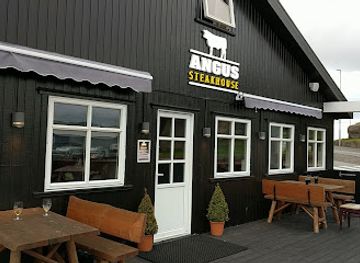
Angus Steakhouse
Experience exceptional steak dishes at Angus Steakhouse in Tórshavn - a culinary gem in the Faroe Islands offering local flavors with an inviting atmosphere.
-
Restaurant
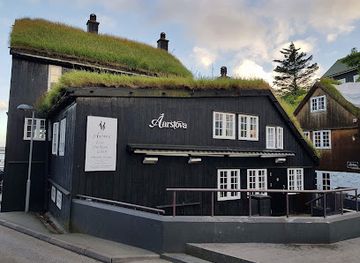
Áarstova
Experience authentic Faroese cuisine at Áarstova in Tórshavn - where local flavors meet warm hospitality.
Best bars in Suðuroy
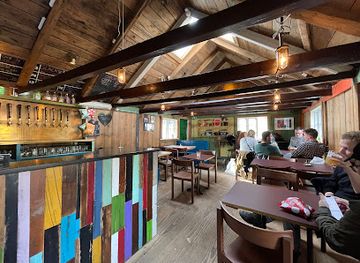
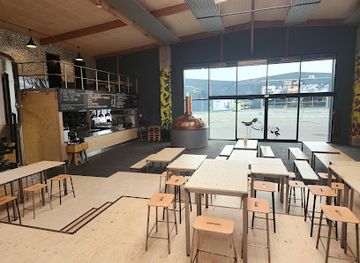
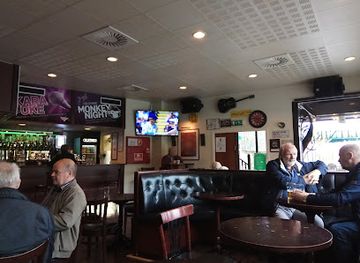
Nightlife on Suðuroy is modest and locally oriented. Traditional pubs, cafés and social venues in Tvøroyri, Trongisvágur and Vágur are the main places for an evening drink or informal conversation, while occasional live music and community events may provide more activity at particular times of year. The island does not have a substantial nightclub district, and smaller villages become quiet after their daily services finish. Evening entertainment is often linked to restaurants, local gatherings and the social life of the settlements rather than a permanent programme of venues. Opening arrangements can vary, especially outside the larger communities, so visitors should check locally rather than assume late service. As elsewhere in the Faroe Islands, responsible drinking and respect for residents are important in compact villages where accommodation and homes may be close to evening venues.
-
Irish pub
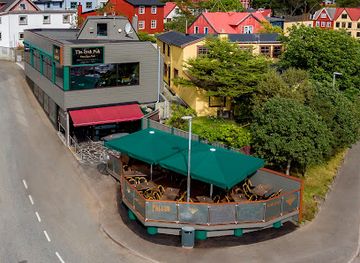
Irish Pub Torshavn
Discover the charm of Irish culture at Irish Pub Torshavn, a lively spot for travelers to enjoy great food, drinks, and local music in the heart of the Faroe Islands.
-
Bar
Sirkus Bar
Discover the vibrant nightlife of Tórshavn at Sirkus Bar, where great drinks and a lively atmosphere await you in the heart of the Faroe Islands.
-
Bar
Mikkeller Tórshavn
Experience the unique flavors of craft beer at Mikkeller Tórshavn, a vibrant bar in the heart of the Faroe Islands, perfect for locals and travelers alike.
-
Brewpub
OY Brewing
Discover the local craft beer culture at OY Brewing, Tórshavn's premier brewpub with delicious brews and a vibrant atmosphere.

Best nightclubs in Suðuroy
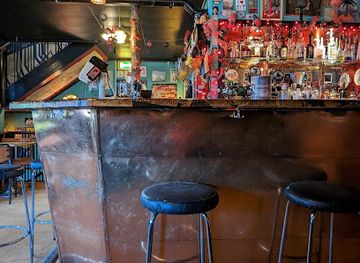
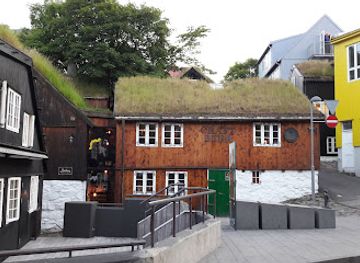
Nightlife on Suðuroy is modest and locally oriented. Traditional pubs, cafés and social venues in Tvøroyri, Trongisvágur and Vágur are the main places for an evening drink or informal conversation, while occasional live music and community events may provide more activity at particular times of year. The island does not have a substantial nightclub district, and smaller villages become quiet after their daily services finish. Evening entertainment is often linked to restaurants, local gatherings and the social life of the settlements rather than a permanent programme of venues. Opening arrangements can vary, especially outside the larger communities, so visitors should check locally rather than assume late service. As elsewhere in the Faroe Islands, responsible drinking and respect for residents are important in compact villages where accommodation and homes may be close to evening venues.
-
Irish pub
Irish Pub Torshavn
Experience authentic Irish hospitality and cuisine in Tórshavn's beloved Irish Pub, a must-visit destination for food and culture enthusiasts.
-
Bar
Sirkus Bar
Experience the vibrant nightlife at Sirkus Bar in Tórshavn, offering a diverse drink selection and a lively atmosphere perfect for socializing.
-
Bar
Mikkeller Tórshavn
Discover the vibrant craft beer culture at Mikkeller Tórshavn, where innovation meets Faroese tradition in every sip.
-
Bar
Glitnir
Experience the vibrant nightlife of Tórshavn at Glitnir, where cozy ambiance meets reasonably priced drinks in the heart of the Faroe Islands.

Best shops in Suðuroy
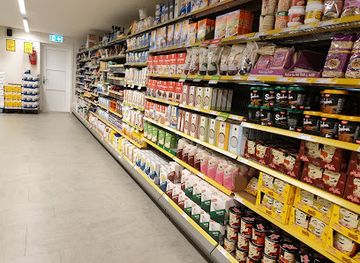
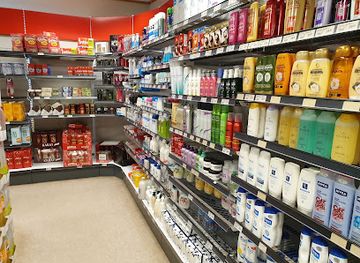
Shopping on Suðuroy is concentrated in the larger settlements rather than in a dedicated retail district. Tvøroyri, Trongisvágur and Vágur have the most useful everyday shops, with groceries and practical supplies important for visitors planning walks or travelling to villages with fewer services. Local food products, woollen goods, knitwear and Faroese-designed crafts can provide meaningful souvenirs, although availability varies and smaller businesses may follow limited opening patterns. Village shops and community events sometimes offer a more direct connection with island-made goods than formal tourist retail. Visitors interested in art should look for local exhibitions and the work associated with Suðuroy’s artistic heritage, including the Ruth Smith Art Museum in Vágur. Market-style opportunities are occasional rather than a permanent feature, so check locally for seasonal sales, craft events or fresh produce. Bring reusable bags and plan purchases around ferry days if carrying supplies between settlements or back to other islands.
-
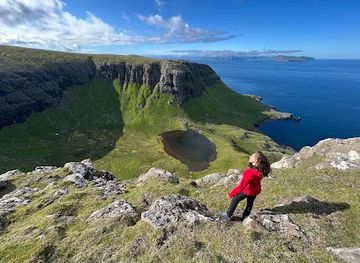
Natural beauty spot
Hvannhagi
Experience the breathtaking natural beauty of Hvannhagi, a tranquil gem in the heart of the Faroe Islands, perfect for outdoor adventures and serene escapes.
-
Supermarket
Bónus
Explore the vibrant offerings of Bónus, the go-to supermarket in Tvøroyri for every tourist's shopping needs.
-
Supermarket
Zacharias Muller Supermarket
Explore the flavors of the Faroe Islands at Zacharias Muller Supermarket, where local products meet friendly service in Porkeri.
-
Art cafe
Oyggin Art Gallery
Explore the fusion of art and brasserie cuisine at Oyggin Art Gallery in Trongisvágur, a unique cultural gem in the Faroe Islands.

Get your free copy of our complete guide to Suðuroy, delivered straight to you.
Everything on this page, from attractions and restaurants to essentials and local phrases, in one PDF you can read offline, print or share.
Already have an account? Sign in
Your Suðuroy guide is ready.
We'll send it to · Not you? Sign out

Getting your guide ready…
We are putting together a fresh copy of the Suðuroy guide. This can take up to a minute.
This can take a few moments. If your browser asks, choose Allow so the download can start. You'll find the guide in your Downloads folder.
Nothing happened? Download it again
Sorry, the guide is taking longer than usual. Please try again in a minute, or get it by email instead.
Suðuroy essentials
Currency and Payment
Safety
Emergency Situations
Do's and Don'ts
Local Tips
From Eve
Local phrases worth knowing
You don't need to get them perfect. A few words go a long way, and locals appreciate the effort.
Basics
| English | Local | Say it |
|---|---|---|
| Hello | Hallo | [hahl-loh] |
| Goodbye | Farvæl | [fahr-vahl] |
| Yes | Ja | [yah] |
| No | Nei | [nay] |
| Please/You're welcome | Vinaliga | [vee-nah-lee-gah] |
| Thank you | Takk fyri | [tahk fee-ree] |
| Excuse me/Sorry | Ursaka | [oor-sah-kah] |
| How are you? | Hvør ert tú? | [hvur airt too] |
| Fine. And you? | Bárður. Og tú? | [bahr-thur. ohg too] |
| Do you speak English? | Tú tosar enskt? | [too toh-sar en-skt] |
| I don't understand | Eg skilji ikki | [eg skeel-yee ee-kee] |
Eating & Drinking
| English | Local | Say it |
|---|---|---|
| I'd like to see the menu, please | Eg vil sjá matseðilin, vinaliga | [eg vil shao maht-seh-dil-in, vee-nah-lee-gah] |
| I don't eat meat | Eg etti ikki kjöt | [eg et-ee ee-kee kyot] |
| Cheers! | Skál! | [skahl] |
| I would like to pay, please | Eg vil gjalda, vinaliga | [eg vil gyahl-dah, vee-nah-lee-gah] |
Emergencies
| English | Local | Say it |
|---|---|---|
| Help! | Hjálp! | [hyaalp] |
| Go away! | Fara burtur! | [fahr-ah boor-tur] |
| Call the Police! | Ring til politii! | [ring til poh-lee-tee] |
| Call a doctor! | Ring til lækna! | [ring til lehk-nah] |
| I'm lost | Eg eri týndur | [eg eh-ree teend-ur] |
| I'm ill | Eg eri sjúkur | [eg eh-ree shoo-kur] |
Shopping
| English | Local | Say it |
|---|---|---|
| I'd like to buy... | Eg vil keypa... | [eg vil kay-pah] |
| I'm just looking | Eg eri bara at hyggja | [eg eh-ree bah-rah aht higg-yah] |
| How much is it? | Hvat kostar tað? | [kvaht koh-stahr tahd] |
| That's too expensive | Tað er ov dýrt | [tahd air ohv deert] |
| Can you lower the price? | Kanst tú lækka prísin? | [kanst too lay-kah pree-sin] |
Time & Numbers
| English | Local | Say it |
|---|---|---|
| What time is it? | Hvat tíð er tað? | [kvaht teed air tahd] |
| It's one o'clock | Klokkan er eitt | [klok-kahn air eyt] |
| Half past (10) | Halv tíggju | [halv teeg-yoo] |
| Morning | Morgun | [mor-gun] |
| Afternoon | Eftirmiddag | [ef-teer-mid-dahg] |
| Evening | Kvøld | [kvoeld] |
| Yesterday | Í gjár | [ee gyahr] |
| Today | Í dag | [ee dahg] |
| Tomorrow | Í morgin | [ee mor-ghin] |
| 1 | 1 | [1] |
| 2 | 2 | [2] |
| 3 | 3 | [3] |
| 4 | 4 | [4] |
| 5 | 5 | [5] |
| 6 | 6 | [6] |
| 7 | 7 | [7] |
| 8 | 8 | [8] |
| 9 | 9 | [9] |
| 10 | 10 | [10] |
Transport & Directions
| English | Local | Say it |
|---|---|---|
| Where's a/the...? | Hvar er ein/te ...? | [hvar air ayn/te ...] |
| What's the address? | Hvat er adressan? | [kvaht air ah-dress-ahn] |
| Can you show me (on the map)? | Kannst tú vísa mær (á kortið)? | [kanst too vee-sah mair (aw kor-tid)] |
| When's the next (bus)? | Nær kemur næsti (bussur)? | [nair keh-mur nai-stee (boos-sur)] |
| A ticket (to ....) | Ein billett (til ...) | [ayn bee-lett (til ...)] |
History of Suðuroy
Norse Settlement and Early Farming
Like the other Faroese islands, Suðuroy was settled during the Norse period, when farming communities established themselves in valleys and beside sheltered bays. The island’s steep terrain limited arable land, so households depended on a combination of sheep raising, fishing and the seasonal use of surrounding waters. Many present-day village locations reflect this early pattern: settlements developed where pasture, freshwater and access to the sea could be combined. The landscape still preserves the basic relationship between clustered homes, outlying fields and open mountain grazing.
Medieval Parishes and Village Communities
During the medieval period, Christianity became embedded in the island’s settlement structure, with parish churches and local communities providing important centres of worship and administration. Churches were rebuilt or replaced over time, but the surviving religious heritage in places such as Fámjin and Hvalba helps visitors understand the scale of historic Faroese villages. Life remained strongly local, governed by farming seasons, kinship, customary rights and the demands of an unpredictable North Atlantic environment. Suðuroy’s distance from the northern islands reinforced the importance of community cooperation.
Royal Trade Monopoly and Maritime Exchange
From the late sixteenth century until the nineteenth century, Faroese trade was controlled by the Danish royal monopoly, restricting overseas commerce and channelling much economic activity through regulated trading arrangements. Suðuroy’s communities nevertheless remained connected to the wider North Atlantic through fishing, small-scale exchange and maritime travel. The eventual ending of the monopoly opened greater commercial possibilities, helping ports such as Tvøroyri develop more substantially. The island’s later trading history is visible in harbour areas, merchant buildings and the urban form of its larger settlements.
The Growth of Fishing and Tvøroyri
Commercial fishing expanded strongly in the nineteenth and twentieth centuries, transforming Suðuroy’s economy and population patterns. Tvøroyri became an important trading and fishing centre, while Vágur and other coastal communities supported fleets, processing and related work. Fishing brought new buildings, improved harbour infrastructure and closer links with markets beyond the Faroes, but it also exposed the island to the volatility of maritime industries. The commercial streets and harbour environments of the northern and eastern settlements retain traces of this period of economic change.
Fámjin and the Faroese Flag
Fámjin is associated with a decisive moment in modern Faroese national history. In 1919, the Faroese student Jens Oliver Lisberg, who came from Fámjin, helped create and raise the flag known as Merkið while studying in Copenhagen. The flag later became an official national symbol, and Fámjin is remembered as part of that story. The event belongs to the broader Faroese movement for cultural and political recognition within the Danish realm, rather than representing a separate state history for Suðuroy. The church and village provide a tangible setting for this important chapter.
Modern Autonomy and Island Change
The twentieth century brought expanded roads, tunnels, harbour improvements, public services and stronger political institutions to the Faroes, while Suðuroy continued to face the challenges of distance and a changing population. Home rule was established in 1948, and the Faroe Islands now govern many internal matters while remaining within the Kingdom of Denmark. Improved infrastructure has made the island easier to explore, yet ferry dependence and the decline or restructuring of traditional industries continue to shape daily life. Contemporary Suðuroy combines working communities with a growing interest in heritage, walking and nature-based travel.
Suðuroy in Photos
Browse through our photo collection highlighting the charm and character of the destination.
Neighbouring regions of Suðuroy
The closest regions to Suðuroy, if you have time for more than one.
-

-

-

-

-


Swipe for more regions
Explore more
Explore more of Faroe Islands
Discover the Faroe Islands: A land of rugged beauty, rich history, and tranquil villages, perfect for nature lovers and adventurers seeking an off-the-beaten-path destination.
Explore Faroe Islands