
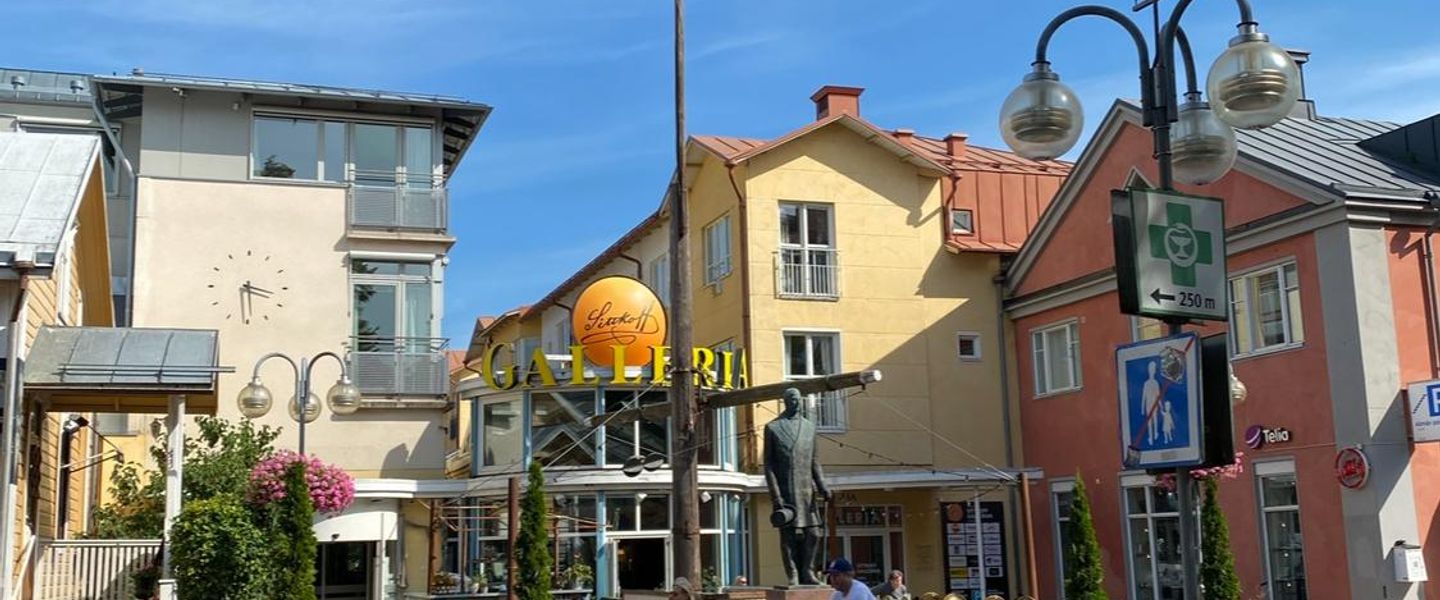
Åland Islands, Finland Travel Guide
Discover the Åland Islands: A Nordic archipelago where stunning coastal landscapes, rich history, and outdoor adventures await in the heart of the Baltic Sea.
The Åland Islands, nestled in the heart of the Baltic Sea between Finland and Sweden, are a serene escape perfect for those seeking tranquility and natural beauty. This autonomous archipelago consists of over 6,500 islands, with only about 60 of them inhabited. The main island, Fasta Åland, is home to the capital, Mariehamn, a charming town that offers a delightful blend of culture, history, and seaside allure. Visitors to the Åland Islands can immerse themselves in the stunning coastal landscapes, dotted with red granite cliffs, lush forests, and golden beaches. The archipelago is a paradise for outdoor enthusiasts, offering activities such as kayaking, sailing, fishing, and cycling along scenic routes. The islands are also rich in history, featuring ancient castles, maritime museums, and traditional wooden windmills that tell the story of Åland’s past. Food lovers will relish the local culinary delights, from fresh seafood to traditional Åland pancake. The islands' vibrant summer markets and cozy cafes provide a taste of local life and hospitality. Whether you're exploring the picturesque villages, enjoying the midnight sun, or simply relaxing by the sea, the Åland Islands promise an unforgettable Nordic adventure.

Know before you go
Hi, I'm Eve. Here are a few practical things to know before exploring Åland Islands.
- Plan your visit during the summer months to enjoy the longest days and the midnight sun.
- Rent a bike to explore the islands at your own pace and experience the scenic beauty up close.
- Try the local specialty, Åland pancake, at one of the many quaint cafes.
- Visit Kastelholm Castle for a glimpse into Åland's medieval history.
- Don't miss the Maritime Museum in Mariehamn to learn about the islands' rich seafaring heritage.
Explore Åland Islands: Things to Do, Places to Eat, Hotels & More
Handpicked recommendations for top attractions, local dining, accommodations, and more

Top Attractions & Sightseeing in Åland Islands
Top-rated picks
Best Attractions

Gästhem Enigheten
Discover the charm of Gästhem Enigheten, a historical landmark in Åland Islands offering a blend of culture, nature, and warm hospitality.

Åland Maritime Museum
Explore Åland's nautical heritage at the Maritime Museum: ship models, interactive exhibits & the impressive Pommern sailing ship.

Kastelholm Castle
Explore Åland's medieval history at Kastelholm Castle, a fascinating fortress with castle ruins, prison museum, and open-air museum.

Kobba Klintar
Explore Kobba Klintar: a historic pilot station offering maritime history, art, and stunning Baltic Sea views just a short boat ride from Mariehamn.

Best landmarks in Åland Islands
Top-rated picks
Best Landmarks

IKEA Raisio
Discover stylish and affordable home furnishings at IKEA Raisio, the ultimate destination for home enthusiasts in Finland.

Kastelholm Castle
Discover the historic beauty of Kastelholm Castle in Åland Islands, where medieval charm and stunning views await every visitor.
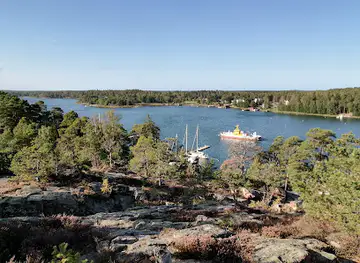
Åland Maritime Museum
Explore the nautical heritage of the Åland Islands at the Åland Maritime Museum, featuring interactive exhibits and historic vessels in a captivating setting.

Museum ship Pommern
Discover maritime history aboard the Museum Ship Pommern in Mariehamn, Åland Islands, where the past comes alive on the open sea.

Best restaurants in Åland Islands
Top-rated picks
Best Restaurants

Indigo Restaurant & Bar
Experience exquisite dining at Indigo Restaurant & Bar in Mariehamn, where local flavors meet international cuisine in an elegant setting.

Park Alandia Hotel
Experience unparalleled comfort and luxury at Park Alandia Hotel in Mariehamn - your gateway to Åland Islands' beauty.

Vuosnaisten Meriasema
Experience delightful dining at Vuosnaisten Meriasema—where coastal beauty meets Finnish cuisine in an unforgettable setting.

Great Burger
Discover Great Burger: A culinary gem in Åland Islands serving delicious handcrafted hamburgers with fresh local ingredients.

Best bars in Åland Islands
Top-rated picks
Best Bars

Stallhagen Ab
Experience the best of Åland's culinary scene at Stallhagen, featuring local dishes and craft brews in a cozy gastropub setting.
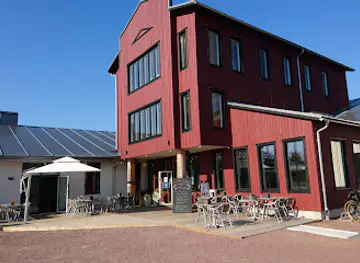
Smakbyn
Experience the taste of Åland Islands at Smakbyn, where local ingredients meet innovative culinary artistry in a stunning setting.
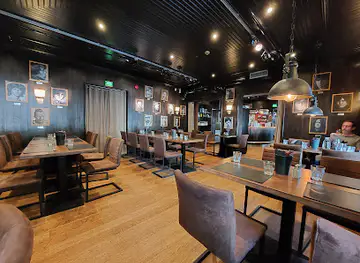
Dino’s Bar & Grill
Experience the best of Åland Islands dining at Dino’s Bar & Grill, where grilled delights and local ambiance come together for a memorable meal.
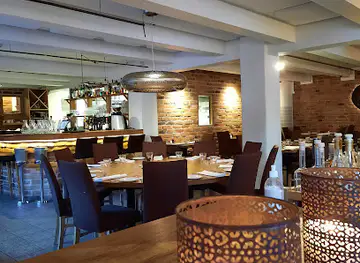
Indigo Restaurant & Bar
Savor the flavors of the Åland Islands at Indigo Restaurant & Bar, where culinary excellence meets local charm.

Best nightclubs in Åland Islands
Top-rated picks
Best Nightclubs

Tavastia
Experience the magic of live rock music in Helsinki at Tavastia, a legendary venue known for its vibrant atmosphere and incredible sound.

Apollo Live Club
Discover the heartbeat of Helsinki's nightlife at Apollo Live Club, where live music, comedy, and unforgettable experiences await.

Indigo Restaurant & Bar
Indigo Restaurant & Bar in Mariehamn offers an exquisite culinary experience blending local flavors and international cuisine in a chic setting.

Ravintola Kaarle XII
Discover the pulsating energy of Helsinki's nightlife at Ravintola Kaarle XII, where history meets modern vibes in an unforgettable clubbing experience.

Best shops in Åland Islands
Top-rated picks
Best Shops

Maxinge Center
Experience the vibrant shopping and dining scene at Maxinge Center, Åland Islands' top shopping destination with a variety of local and international brands.

K-Supermarket Kantarellen
Experience the flavors of Åland Islands at K-Supermarket Kantarellen, your go-to supermarket for local and international delicacies.

K-Supermarket Mathis-Hallen
Explore K-Supermarket Mathis-Hallen in Mariehamn for a unique shopping experience featuring local delicacies and international favorites in the heart of Åland Islands.

Sparhallen
Experience local shopping at Sparhallen, the vibrant hypermarket in Mariehamn, offering fresh produce, unique finds, and budget-friendly prices in the Åland Islands.

Explore Åland Islands on the Map
A handpicked selection of must-see spots in Åland Islands, mapped for you.
Åland Islands Essentials
-
The Åland Islands are accessible by sea and air. The main gateway is Mariehamn, the capital. There are regular ferry services from Finland and Sweden, operated by companies like Viking Line and Tallink Silja. The ferry ride from Turku or Helsinki in Finland takes approximately 5 hours, while from Stockholm, Sweden, it takes about 6 hours. Åland also has an airport, Mariehamn Airport (MHQ), with flights from Helsinki and Stockholm.
-
Public transportation on the Åland Islands includes buses that connect the main islands. The bus network is reliable and covers most tourist attractions. Taxis are available but can be expensive. Renting a car or a bicycle is a popular option for exploring the islands at your own pace. There are also ferry services between the islands, which can be an enjoyable way to travel.
-
The official currency of Åland is the Euro (EUR). Credit and debit cards are widely accepted in most places, including hotels, restaurants, and shops. ATMs are readily available in Mariehamn and other larger towns. It's a good idea to carry some cash for small purchases, especially in rural areas.
-
The Åland Islands are generally very safe for tourists. There are no specific high-crime areas targeting tourists. However, as with any travel destination, it's wise to take standard precautions: keep your belongings secure, avoid walking alone at night in unfamiliar areas, and be aware of your surroundings.
-
In case of an emergency, dial 112 for police, fire, or medical assistance. Mariehamn has a hospital, Ålands Centralsjukhus, which provides comprehensive medical services. Pharmacies are also available for minor health issues. It's advisable to have travel insurance that covers medical emergencies.
-
Fashion: Do dress casually but neatly. Layers are advisable due to variable weather. Avoid overly revealing clothing. Religion: Do respect local customs, especially when visiting churches. Public Transport: Do use public transport politely. Don’t be loud and always offer your seat to elderly or disabled passengers. Greetings: Do greet people with a friendly 'Hej' (hello). A handshake is also common. Eating & Drinking: Do try local dishes like Åland pancake and fish. Don’t refuse food that is offered to you, as it may be considered impolite.
-
To experience Åland like a local, visit the local markets and try seasonal produce. Engage with locals; they are often friendly and willing to share stories about the islands' history and culture. Don’t miss the opportunity to explore the archipelago by kayak or boat. Visiting the maritime museum and the Pommern ship in Mariehamn will give you a deep insight into the local maritime heritage.
When is the best time to visit Åland Islands?
Useful Local Phrases for Åland Islands
You don't need to speak the language perfectly. Even learning a few simple words can make conversations warmer—and locals usually appreciate the effort.
— Eve

Here are the phrases I use most often in Åland Islands. Try a few—you'll be surprised how far they go! 😊
❤️
-
- HelloHej
[hey] - GoodbyeAdjö
[ah-yuh] - YesJa
[yah] - NoNej
[nay] - Please/You're welcomeTack
[tahk] - Thank youTack så mycket
[tahk soh mee-kuh] - Excuse me/SorryUrsäkta
[oor-sehk-tah] - How are you?Hur mår du?
[hoor more doo] - Fine. And you?Bra. Och du?
[brah. ohk doo] - Do you speak English?Talar du engelska?
[tah-lahr doo eng-el-skah] - I don't understandJag förstår inte
[yahg fohr-stor in-teh]
- HelloHej
-
- I'd like to see the menu, pleaseJag skulle vilja se menyn, tack
[yahg skool-leh vil-yah seh meh-nyun, tahk] - I don't eat meatJag äter inte kött
[yahg eh-ter in-teh shott] - Cheers!Skål!
[skawl] - I would like to pay, pleaseJag skulle vilja betala, tack
[yahg skool-leh vil-yah beh-tah-lah, tahk]
- I'd like to see the menu, pleaseJag skulle vilja se menyn, tack
-
- Help!Hjälp!
[yelp] - Go away!Gå bort!
[gaw bort] - Call the Police!Ring polisen!
[ring po-lee-sen] - Call a doctor!Ring en doktor!
[ring en dok-tor] - I'm lostJag har gått vilse
[yahg har goht vil-seh] - I'm illJag är sjuk
[yahg air shook]
- Help!Hjälp!
-
- I'd like to buy...Jag skulle vilja köpa...
[yahg skool-leh vil-yah yuh-pah...] - I'm just lookingJag tittar bara
[yahg tit-tar bah-rah] - How much is it?Hur mycket kostar det?
[hoor mee-ket koh-star deh] - That's too expensiveDet är för dyrt
[deht air fohr deert] - Can you lower the price?Kan du sänka priset?
[kan doo sen-kah pree-set]
- I'd like to buy...Jag skulle vilja köpa...
-
- What time is it?Vad är klockan?
[vahd air klok-kahn] - It's one o'clockDen är ett
[dehn air eht] - Half past (10)Halv (10)
[halv (ten)] - MorningMorgon
[mor-gon] - AfternoonEftermiddag
[ef-ter-mid-dahg] - EveningKväll
[qvell] - YesterdayIgår
[ee-gore] - TodayIdag
[ee-dahg] - TomorrowImorgon
[ee-mor-gon] - 1Ett
[eht] - 2Två
[tvaw] - 3Tre
[treh] - 4Fyra
[fee-rah] - 5Fem
[fem] - 6Sex
[sex] - 7Sju
[hoo] - 8Åtta
[aw-tah] - 9Nio
[nee-oh] - 10Tio
[tee-oh]
- What time is it?Vad är klockan?
-
- Where's a/the...?Var ligger en...?
[var lig-ger en...?] - What's the address?Vad är adressen?
[vahd air ah-dress-en] - Can you show me (on the map)?Kan du visa mig (på kartan)?
[kan doo vee-sah may (poh kar-tan)?] - When's the next (bus)?När går nästa (buss)?
[nair gohr nes-tah (boos)?] - A ticket (to ....)En biljett (till ....)
[en bil-yet (til ....)]
- Where's a/the...?Var ligger en...?
History of Åland Islands
-
The Åland Islands have been inhabited since the Neolithic period, with evidence of human settlement dating back to around 4000 BCE. Archaeological finds such as stone tools and pottery suggest that early settlers were primarily hunters and gatherers who later transitioned to agriculture and fishing.
-
During the Viking Age, approximately from the 8th to the 11th century, the Åland Islands were an important stopover for Norse traders and warriors. The islands’ strategic location in the Baltic Sea made them a key point for trade routes connecting Scandinavia, the Baltic region, and beyond. Viking graves and runestones found on the islands provide a glimpse into this era.
-
In the 12th century, the Åland Islands became part of the Kingdom of Sweden. Swedish rule lasted for several centuries, deeply influencing the culture, language, and religion of the islands. The islands’ population adopted Lutheran Christianity during the Protestant Reformation in the 16th century.
-
The Åland Islands were a strategic military point during the numerous conflicts between Sweden and Russia in the 18th century. The most significant of these was the Great Northern War (1700-1721), during which the islands were occupied by Russian forces. The Treaty of Nystad in 1721 returned the islands to Sweden.
-
The Åland Islands played a notable role in the Crimean War (1853-1856). The demilitarization of the islands was established by the Treaty of Paris in 1856, which prohibited any military installations on the islands. This status was later reaffirmed in subsequent treaties, making Åland a demilitarized zone.
-
After Finland gained independence from Russia in 1917, the Åland Islands sought to reunite with Sweden. However, the League of Nations intervened and granted the islands autonomous status within Finland in 1921. This autonomy included self-governance and the preservation of the Swedish language and culture.
-
During World War II, the Åland Islands' strategic location once again came into focus. While Finland was involved in the war, the islands themselves remained demilitarized due to their international status. The inhabitants experienced the war years with hardship, but the islands were spared from direct conflict.
-
Today, the Åland Islands are a thriving autonomous region of Finland with their own parliament and extensive self-governance. The islands maintain a unique cultural identity, with Swedish as the official language and a strong emphasis on preserving local traditions and heritage. Tourism, shipping, and agriculture are key components of the local economy.
Neighbouring Regions of Åland Islands
The closest regions to Åland Islands, if you have time for more than one.


Your all‑in‑one travel companion app
Explore expert travel guides, compare and book tours, experiences, hotels, and more—all from the palm of your hand. Download now for seamless trip planning wherever your wanderlust takes you.


Explore More of Finland

Looking beyond Åland Islands? Discover Finland for broader travel guides, local hot-spots, and regional highlights.
Explore FinlandÅland Islands in Photos
Browse through our photo collection highlighting the charm and character of the destination.


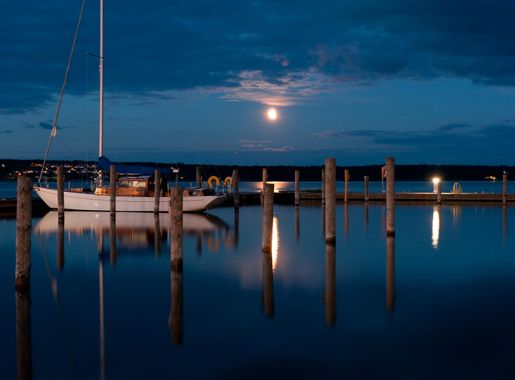
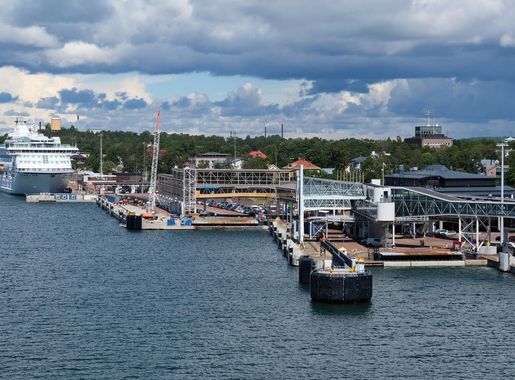


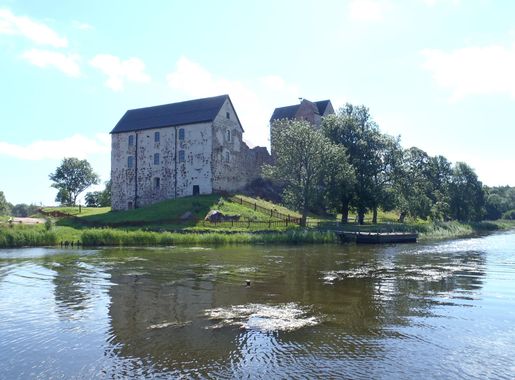


The Enchanting Åland Islands: Nordic Archipelago Bliss
The Åland Islands, nestled in the heart of the Baltic Sea between Finland and Sweden, are a serene escape perfect for those seeking tranquility and natural beauty. This autonomous archipelago consists of over 6,500 islands, with only about 60 of them inhabited. The main island, Fasta Åland, is home to the capital, Mariehamn, a charming town that offers a delightful blend of culture, history, and seaside allure. Visitors to the Åland Islands can immerse themselves in the stunning coastal landscapes, dotted with red granite cliffs, lush forests, and golden beaches. The archipelago is a paradise for outdoor enthusiasts, offering activities such as kayaking, sailing, fishing, and cycling along scenic routes. The islands are also rich in history, featuring ancient castles, maritime museums, and traditional wooden windmills that tell the story of Åland’s past. Food lovers will relish the local culinary delights, from fresh seafood to traditional Åland pancake. The islands' vibrant summer markets and cozy cafes provide a taste of local life and hospitality. Whether you're exploring the picturesque villages, enjoying the midnight sun, or simply relaxing by the sea, the Åland Islands promise an unforgettable Nordic adventure.