

Free Uusimaa Travel Guide & Mobile App
Explore Uusimaa with free travel guides. Discover regional history, expert tips, proposed trips, and audio guides on web or mobile app.


Explore Uusimaa from Helsinki’s design districts to Porvoo, Nuuksio’s forests and the Baltic coast of Hanko and Raseborg.
Read more about Uusimaa
When is the best time to visit Uusimaa?
Best: June–August · 20–22°C| Month | High (°C) | Rainfall (mm) |
|---|---|---|
| January | -1 | 40 |
| February | -1 | 35 |
| March | 4 | 40 |
| April | 10 | 40 |
| May | 16 | 45 |
| June (best) | 20 | 55 |
| July (best) | 22 | 65 |
| August (best) | 21 | 70 |
| September | 16 | 60 |
| October | 11 | 55 |
| November | 5 | 50 |
| December | 0 | 45 |
Getting to and around Uusimaa
How to get there
Transportation
Top city travel guides in Uusimaa
The cities of Uusimaa, and the easiest places to base yourself.
-

-

-

-


Swipe for more cities
Destinations in Uusimaa
Resorts, valleys and scenic spots worth a trip of their own.
-

-


Swipe for more destinations
Best attractions in Uusimaa
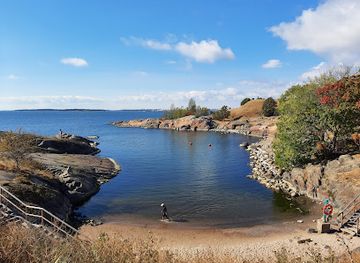
Uusimaa’s attractions range from Helsinki’s museums, galleries, design venues and historic districts to open-air experiences along the Gulf of Finland. The capital’s Suomenlinna sea fortress combines military architecture, museums and island walks, while the nearby urban coastline provides access to parks, markets and public saunas. In Espoo, Nuuksio National Park offers marked trails, lakes, rocky forest scenery and nature interpretation close to the metropolitan area. Porvoo provides a compact historic setting of riverside warehouses, old lanes and cathedral surroundings. Western Uusimaa broadens the picture with Raseborg Castle, Fiskars Village, Ekenäs’s wooden townscape and Hanko’s beaches, dunes and maritime landscapes. Vantaa contributes museums and historic sites, including the medieval Church of St Lawrence and the Finnish Aviation Museum. Across the region, manor environments, local museums, bird-rich wetlands, cycling routes and archipelago excursions show how closely urban life remains connected to forest, farmland and sea.
-
 Tourist attraction
Linnanmäki
Experience the thrill and joy at Linnanmäki, Helsinki's iconic amusement park with rides, games, and entertainment for all ages.
-
Tourist attraction
Suomenlinna
Explore Suomenlinna, Helsinki's captivating sea fortress, rich in history and natural beauty, where every corner tells a story.
-
Shopping mall
Kamppi Helsinki
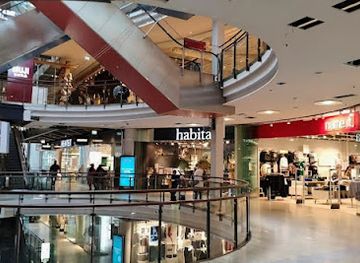
Discover Kamppi Helsinki, the ultimate shopping mall offering a vibrant mix of shops, cafes, and beauty services in the heart of the city.
-
Tourist attraction
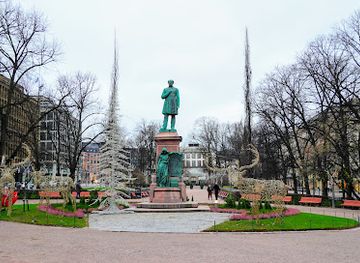
Esplanadi
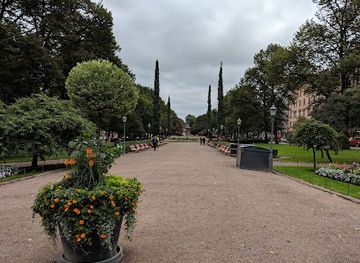
Experience the vibrant heart of Helsinki at Esplanadi Park, where lush greenery meets cultural events and delicious Finnish cuisine.
Best landmarks in Uusimaa
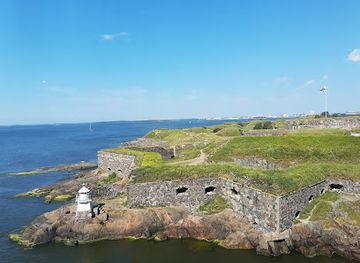
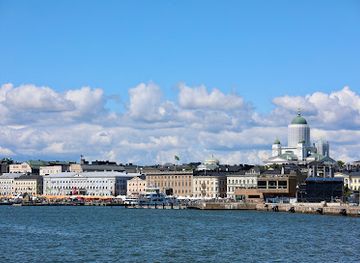
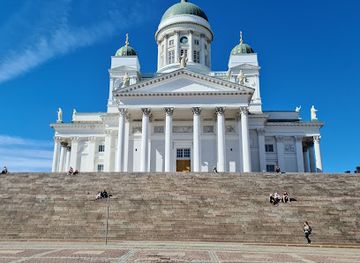
Helsinki Cathedral and Senate Square form Uusimaa’s most recognisable neoclassical ensemble, expressing the city’s role as capital after 1812 through a unified composition of pale stone buildings and formal civic space. Across the water, Suomenlinna’s island walls, dry dock, tunnels and barracks preserve a major Baltic fortress landscape shaped by Swedish, Russian and Finnish periods. Porvoo Cathedral and the old riverfront, with its red-painted storehouses, define the historic core of one of Finland’s most significant old towns. In western Uusimaa, the medieval ruins of Raseborg Castle rise above a wooded valley and reveal the political importance of the region’s medieval coast. Fiskars’s former ironworks buildings preserve an industrial settlement pattern now associated with design and craft. Hanko’s water tower, villas, beaches and harbour give the southern tip a distinct maritime silhouette, while Nuuksio’s forested ridges and lakes provide a natural landmark system rather than a single monument. Vantaa’s Church of St Lawrence adds a medieval ecclesiastical landmark to the metropolitan landscape.
-
Fortress
Suomenlinna
Experience the rich history and breathtaking views at Suomenlinna, a UNESCO World Heritage Site and must-see fortress in Helsinki's archipelago.
-
Market
Helsinki Market Square
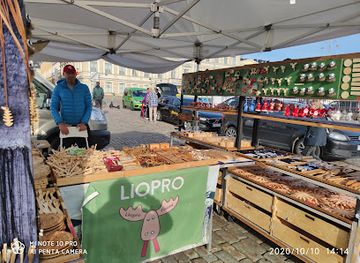
Experience the heart of Helsinki at Market Square, where local delicacies, unique crafts, and vibrant culture come together in a stunning waterfront setting.
-
Plaza
Senate Square
Explore the architectural beauty and vibrant atmosphere of Senate Square, a must-visit landmark in Helsinki's city center.
-
Park
Esplanadi
Discover Esplanadi, Helsinki's urban oasis, where nature meets culture in a picturesque park filled with charm and vibrant life.
Explore Uusimaa on the map
Plan your trip on one map. See where the top cities, national parks and sights are, and book hotels and experiences in a few clicks.
Best hotels in Uusimaa
Best restaurants in Uusimaa
Dining in Uusimaa reflects both Finland’s coastal pantry and the international character of the capital region. Helsinki offers an especially broad range, from market-hall stalls and neighbourhood cafés to contemporary Nordic restaurants, vegetarian cooking and cuisines brought by the city’s diverse communities. Fish, rye bread, potatoes, mushrooms, berries and seasonal vegetables remain central to Finnish food culture, while the coast and archipelago contribute Baltic herring and other local seafood. Porvoo combines cafés and restaurants in historic surroundings with produce from the surrounding countryside. In western Uusimaa, rural inns, farm shops and restaurants connected with manor or ironworks landscapes often emphasise local ingredients and seasonal menus. Traditional pastries, cinnamon buns and berry desserts are easy to find, while Finnish beer, small-scale drinks and coffee accompany much of the region’s everyday social life. Farmers’ markets and Helsinki’s market halls are useful places to see regional produce rather than a single narrowly defined Uusimaa cuisine.
-
Czech
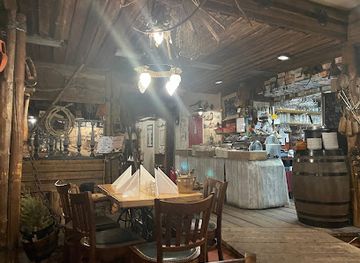
Restaurant Vltava
Savor authentic Czech dishes and delightful drinks at Restaurant Vltava in Helsinki – a must-visit culinary experience.
-
Finnish
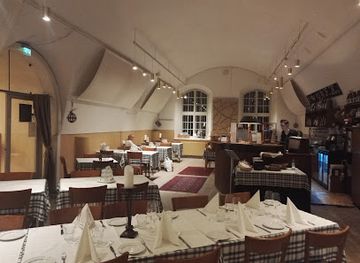
Lappi Ravintola
Discover authentic Finnish flavors at Lappi Ravintola in Helsinki – where tradition meets culinary excellence.
-
Finnish
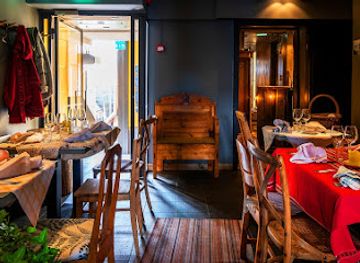
Restaurant Konstan Möljä
Experience authentic Finnish cuisine at Restaurant Konstan Möljä in Helsinki - where tradition meets flavor.
-
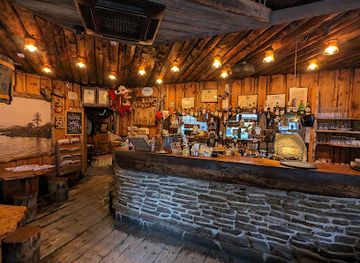
Restaurant Savotta
Experience authentic Finnish cuisine in a cozy setting at Restaurant Savotta - a culinary treasure in Helsinki.
Best bars in Uusimaa
Helsinki is the centre of Uusimaa’s evening life, with cocktail bars, traditional pubs, wine bars, breweries, live music venues, theatres and clubs spread across the central districts and neighbourhoods. Kallio, Kamppi, Punavuori and the harbour areas each have different concentrations of bars and restaurants, though individual venues and opening arrangements change frequently. Espoo and Vantaa offer more dispersed nightlife, generally focused on restaurants, pubs, cultural venues and shopping or transport centres rather than a continuous late-night district. In Porvoo, evening options tend to centre on historic-town restaurants, cafés, bars and seasonal terraces. Hanko becomes more active in summer, when the harbour and seaside setting attract holiday crowds, while rural western Uusimaa is more likely to offer village pubs, breweries, restaurants or occasional live music than nightclubs. Check current transport connections before staying out late, particularly outside Helsinki.
-
Fortress
Suomenlinna
Discover the historic beauty of Suomenlinna, a UNESCO World Heritage site with stunning views, rich culture, and vibrant history in Helsinki.
-
Airport
Helsinki Airport
Experience seamless travel at Helsinki Airport, Finland's premier international gateway, blending modern design and exceptional services for all travelers.
-
National park
Nuuksio National Park
Explore the breathtaking landscapes and diverse wildlife of Nuuksio National Park, a nature lover's paradise near Espoo, Finland.
-
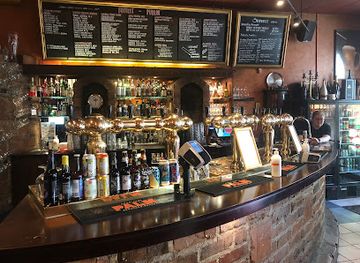
Bar
Kaisla
Discover Kaisla in Helsinki, where exceptional craft beers meet a cozy atmosphere, perfect for a memorable night out.
Best nightclubs in Uusimaa
Helsinki is the centre of Uusimaa’s evening life, with cocktail bars, traditional pubs, wine bars, breweries, live music venues, theatres and clubs spread across the central districts and neighbourhoods. Kallio, Kamppi, Punavuori and the harbour areas each have different concentrations of bars and restaurants, though individual venues and opening arrangements change frequently. Espoo and Vantaa offer more dispersed nightlife, generally focused on restaurants, pubs, cultural venues and shopping or transport centres rather than a continuous late-night district. In Porvoo, evening options tend to centre on historic-town restaurants, cafés, bars and seasonal terraces. Hanko becomes more active in summer, when the harbour and seaside setting attract holiday crowds, while rural western Uusimaa is more likely to offer village pubs, breweries, restaurants or occasional live music than nightclubs. Check current transport connections before staying out late, particularly outside Helsinki.
-
Rock music club
Tavastia
Discover Tavastia, Helsinki's legendary rock club where live music meets an electrifying atmosphere, making every night unforgettable.
-
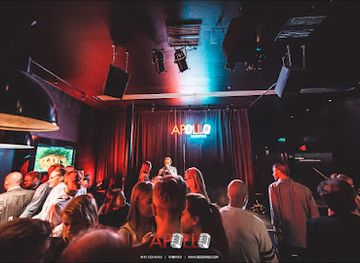
Night club
Apollo Live Club
Discover an electrifying nightlife experience at Apollo Live Club, where live music and comedy unite in the heart of Helsinki.
-
Bar
Heidi's Bier Bar
Discover the lively atmosphere and diverse drink selection at Heidi's Bier Bar, a top destination for nightlife in Helsinki.
-
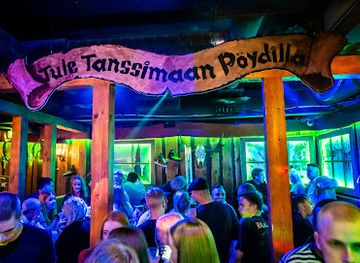
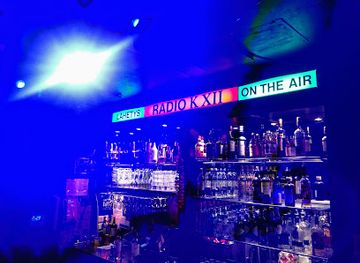
Night club
Ravintola Kaarle XII
Experience the heart of Helsinki's nightlife at Ravintola Kaarle XII, a historic night club offering vibrant music and unforgettable nights.
Best shops in Uusimaa
Shopping in Uusimaa ranges from Helsinki’s international design and fashion scene to the everyday markets and independent shops of smaller towns. Central Helsinki is the region’s main destination for Finnish design, architecture books, clothing, antiques and contemporary craft, with market halls offering food products and practical souvenirs. Porvoo’s old town has galleries, workshops, homewares, confectionery and small specialist retailers in historic premises, while its market square serves as a more local commercial focus. Fiskars Village is associated with studios, craft, design and exhibitions in former ironworks buildings, though individual businesses vary by season. Hanko and Ekenäs offer smaller selections of seaside and town-centre shops, local food products and craft goods rather than extensive retail districts. Useful regional purchases include Finnish textiles, ceramics, woodwork, liquorice, rye products, berry preserves and sustainably produced foods. Farmers’ markets and food halls are generally better places to find local produce than souvenir-oriented shops.
-
Shopping mall
Shopping Centre Jumbo-Flamingo
Explore Jumbo-Flamingo, a premier shopping destination in Vantaa, Finland, featuring diverse shops, delightful dining, and family-friendly entertainment.
-
Market
Helsinki Market Square
Discover the vibrant Helsinki Market Square, a cultural hotspot filled with fresh produce, local crafts, and stunning waterfront views in the heart of Finland.
-
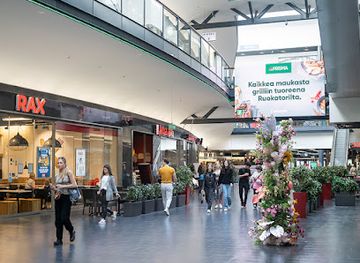
Shopping mall
Kamppi Helsinki
Discover Kamppi Helsinki, a vibrant shopping center with diverse stores, dining options, and relaxation spaces in the heart of the city.
-
Shopping mall
Kamppi Helsinki
Discover Kamppi Helsinki: A shopping paradise with diverse dining and leisure options, perfect for every tourist's itinerary.

Get your free copy of our complete guide to Uusimaa, delivered straight to you.
Everything on this page, from attractions and restaurants to essentials and local phrases, in one PDF you can read offline, print or share.
Already have an account? Sign in
Your Uusimaa guide is ready.
We'll send it to · Not you? Sign out

Getting your guide ready…
We are putting together a fresh copy of the Uusimaa guide. This can take up to a minute.
This can take a few moments. If your browser asks, choose Allow so the download can start. You'll find the guide in your Downloads folder.
Nothing happened? Download it again
Sorry, the guide is taking longer than usual. Please try again in a minute, or get it by email instead.
Uusimaa essentials
Currency and Payment
Safety
Emergency Situations
Do's and Don'ts
Local Tips
From Eve
Local phrases worth knowing
You don't need to get them perfect. A few words go a long way, and locals appreciate the effort.
Basics
| English | Local | Say it |
|---|---|---|
| Hello | Hi | [hai] |
| Goodbye | Bye | [bai] |
| Yes | Yeah | [yea] |
| No | Nope | [nohp] |
| Please/You're welcome | Please | [pleez] |
| Thank you | Thanks | [thangs] |
| Excuse me/Sorry | Sorry | [sorree] |
| How are you? | How's it going? | [hows it goin] |
| Fine. And you? | Good. You? | [gud. yoo?] |
| Do you speak English? | Do you speak English? | [doo yoo speek ing-glish?] |
| I don't understand | I don't get it | [ai dont get it] |
Eating & Drinking
| English | Local | Say it |
|---|---|---|
| I'd like to see the menu, please | Can I see the menu? | [kan ai see thuh men-yoo?] |
| I don't eat meat | I’m vegetarian | [aim vege-tair-ee-an] |
| Cheers! | Cheers! | [cheers] |
| I would like to pay, please | Can I get the check? | [kan ai get thuh chek?] |
Emergencies
| English | Local | Say it |
|---|---|---|
| Help! | Help! | [help] |
| Go away! | Leave me alone! | [leev mee uh-lone] |
| Call the Police! | Call the cops! | [call thuh cops] |
| Call a doctor! | Get a doctor! | [get a dok-ter] |
| I'm lost | I'm lost | [aim lost] |
| I'm ill | I’m not feeling well | [aim not feel-ing wel] |
Shopping
| English | Local | Say it |
|---|---|---|
| I'd like to buy... | I want to buy... | [ai want to bai...] |
| I'm just looking | Just browsing | [just brows-ing] |
| How much is it? | What’s the price? | [whats thuh pryce?] |
| That's too expensive | That’s too pricey | [thats too pry-see] |
| Can you lower the price? | Can you give a discount? | [kan yoo giv a dis-kount?] |
Time & Numbers
| English | Local | Say it |
|---|---|---|
| What time is it? | What time is it? | [whut taim iz it?] |
| It's one o'clock | It's one o’clock | [its wun uh-clock] |
| Half past (10) | Half past ten | [haf past ten] |
| Morning | Morning | [morn-ing] |
| Afternoon | Afternoon | [af-ter-noon] |
| Evening | Evening | [eev-ning] |
| Yesterday | Yesterday | [yes-ter-day] |
| Today | Today | [to-day] |
| Tomorrow | Tomorrow | [to-mor-row] |
| 1 | One | [wun] |
| 2 | Two | [two] |
| 3 | Three | [three] |
| 4 | Four | [for] |
| 5 | Five | [fiv] |
| 6 | Six | [siks] |
| 7 | Seven | [sev-en] |
| 8 | Eight | [ate] |
| 9 | Nine | [nain] |
| 10 | Ten | [ten] |
Transport & Directions
| English | Local | Say it |
|---|---|---|
| Where's a/the...? | Where’s the...? | [wheres thuh...?] |
| What's the address? | What’s the address? | [whats thuh ad-dress?] |
| Can you show me (on the map)? | Can you show me on the map? | [kan yoo sho mee on thuh map?] |
| When's the next (bus)? | When's the next bus? | [whens thuh nekst bus?] |
| A ticket (to ....) | One ticket to... | [wun tik-it to...] |
History of Uusimaa
Early Settlement and Coastal Trade
Uusimaa’s coast and inland waterways have supported settlement, fishing, farming and trade for centuries. Archaeological evidence records prehistoric communities, while the region’s sheltered bays and river mouths later connected local producers with Baltic networks. Swedish-speaking settlement became particularly influential along the coast during the medieval period, leaving a legacy visible in place names, parish churches and the bilingual character of western and southern Uusimaa. Inland forests and lakes encouraged a more dispersed pattern of farms and small settlements, different from the concentrated urban form that later developed around Helsinki.
Medieval Porvoo and Swedish Rule
Porvoo grew around its river and became one of Finland’s important medieval town sites. Its cathedral and irregular streets reflect the religious and commercial structures of the period, when the area formed part of the Swedish realm. Medieval parish churches, estate landscapes and coastal settlements connected Uusimaa to wider Swedish administration and Baltic commerce. Although later rebuilding altered many towns, Porvoo’s historic centre retains a strong sense of its medieval and early modern urban pattern.
Helsinki’s Foundation and the Growth of the Capital
Helsinki was founded by King Gustav I of Sweden in 1550 on the Vantaa River, before moving to its present peninsula site in the eighteenth century. In 1812, after Finland became an autonomous Grand Duchy within the Russian Empire, Helsinki was made the capital and began a major transformation. Carl Ludvig Engel’s neoclassical centre, including Senate Square and Helsinki Cathedral, expressed the city’s new administrative importance. The capital’s expansion accelerated Uusimaa’s economic and demographic development, drawing transport links, institutions and labour into the surrounding region.
Sveaborg and Baltic Defence
The sea fortress of Sveaborg, now Suomenlinna, was built on islands off Helsinki from the 1740s as a major Swedish defence project against Russian expansion. Its docks, barracks, dry dock and fortifications made the harbour a military and commercial centre. The fortress surrendered to Russian forces in 1808 during the Finnish War and subsequently became part of the Russian imperial defence system. Today, Suomenlinna preserves layers of Swedish, Russian and Finnish history and remains one of Uusimaa’s most important historic environments.
Ironworks, Industry and Railways
From the eighteenth century onwards, ironworks and related industries shaped parts of western Uusimaa. Fiskars became the best-known example, developing around iron production before evolving into a centre for design and craft. Improved roads and railways in the nineteenth century connected inland works, market towns and ports, including Hanko, with Helsinki and wider export networks. Industrial heritage survives in mill buildings, workers’ housing, manor estates and transport landscapes, offering a counterpoint to the region’s better-known capital-city history.
Hanko, Shipping and Resort Culture
Hanko’s position at Finland’s southern tip made it a significant port and a gateway for maritime traffic. The town also developed as a seaside resort in the late nineteenth century, when villas, spa culture and summer bathing became fashionable. Its harbour has continued to support trade, while the surrounding coast and skerries retain strong maritime associations. Hanko’s twentieth-century history also reflects Finland’s strategic position on the Baltic, making the town an important place for understanding both civilian and military aspects of the country’s modern past.
Independence, War and Metropolitan Expansion
Finland became independent in 1917, and Uusimaa was central to the political and social changes that followed. Helsinki experienced the upheavals of the Civil War in 1918, while the capital region expanded through industrialisation, post-war reconstruction and migration from other parts of Finland. New housing estates, roads and rail connections transformed former rural areas into urban and suburban districts. Since the late twentieth century, Uusimaa has become Finland’s leading economic, educational and international region, while many historic villages, coastal communities and green corridors remain within its boundaries.
Uusimaa in Photos
Browse through our photo collection highlighting the charm and character of the destination.
Neighbouring regions of Uusimaa
The closest regions to Uusimaa, if you have time for more than one.
-

-

-

-
-


Swipe for more regions

