

Halti Travel Guide - Free Web & App
Your ultimate guide to Halti. Discover top landmarks, proposed trips, and local tips. Free on the web or via the Evendo companion app.


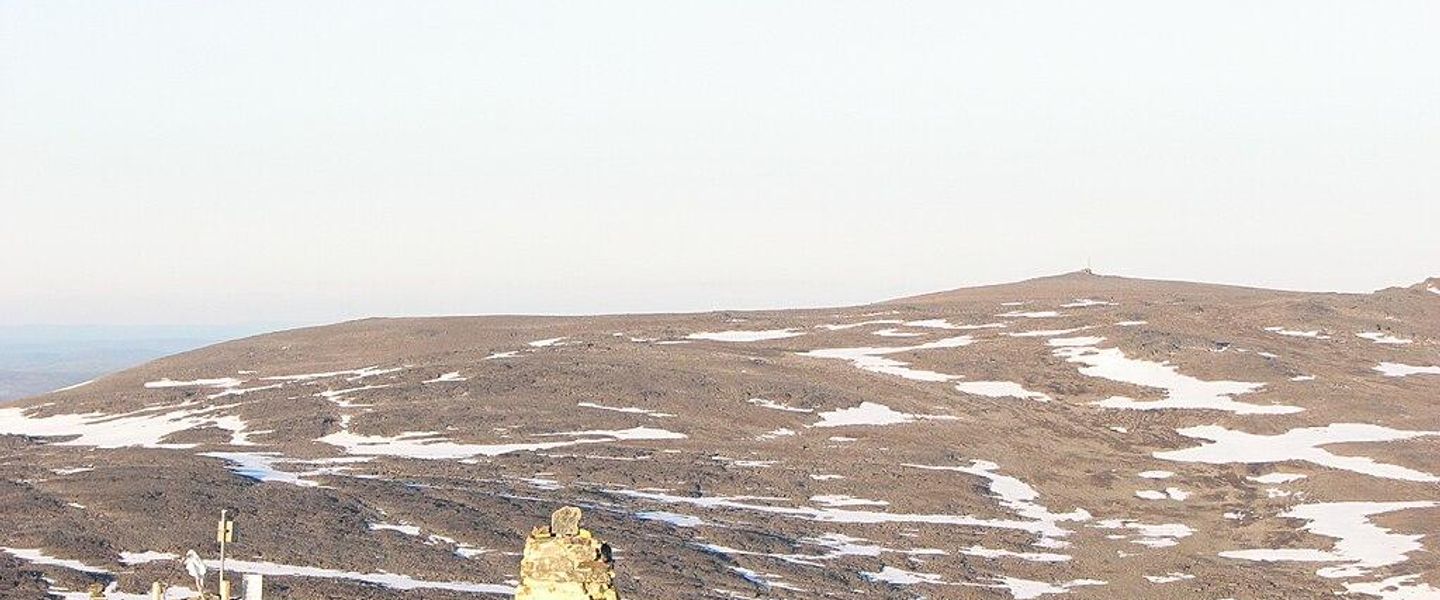


Halti in Finland’s Lapland offers high-fell hiking, Arctic wilderness, Sámi culture and borderland landscapes reached from Kilpisjärvi.
Fells, Borderlands and Open Tundra
Halti is Finland’s highest fell and one of the country’s most remote landscapes, rising in the far north-west of Finnish Lapland near the village of Kilpisjärvi and the borders with Norway and Sweden. The name commonly refers to the Halti fell area and, in particular, the Finnish summit on the flank of the Haltiatunturi massif. Finland’s highest point reaches approximately 1,324 metres above sea level; the massif’s higher summit, at about 1,365 metres, lies across the border in Norway. The distinction is important, as Halti is a borderland landscape rather than an isolated Finnish peak.Read more about Halti
Arctic Landscapes and Sámi Heritage
Walking Towards Halti
When is the best time to visit Halti?
Best: June–August · 22–25°C| Month | High (°C) | Rainfall (mm) |
|---|---|---|
| January | -7 | 36 |
| February | -6 | 31 |
| March | -1 | 26 |
| April | 8 | 21 |
| May | 15 | 21 |
| June (best) | 22 | 26 |
| July (best) | 25 | 31 |
| August (best) | 22 | 31 |
| September | 17 | 26 |
| October | 10 | 31 |
| November | 2 | 36 |
| December | -4 | 36 |
Getting to and around Halti
How to get there
Transportation
Explore Halti on the map
Plan your trip on one map. See where the top attractions, landmarks, restaurants and hotels are, and book hotels and experiences in a few clicks.
Best hotels in Halti
Get your free copy of our complete guide to Halti, delivered straight to you.
Everything on this page, from attractions and restaurants to essentials and local phrases, in one PDF you can read offline, print or share.
Already have an account? Sign in
Your Halti guide is ready.
We'll send it to · Not you? Sign out

Getting your guide ready…
We are putting together a fresh copy of the Halti guide. This can take up to a minute.
This can take a few moments. If your browser asks, choose Allow so the download can start. You'll find the guide in your Downloads folder.
Nothing happened? Download it again
Sorry, the guide is taking longer than usual. Please try again in a minute, or get it by email instead.
Halti essentials
Currency and Payment
Safety
Emergency Situations
Do's and Don'ts
Local Tips
From Eve
Local phrases worth knowing
You don't need to get them perfect. A few words go a long way, and locals appreciate the effort.
Basics
| English | Local | Say it |
|---|---|---|
| Hello | Hei | [hay] |
| Goodbye | Näkemiin | [nah-keh-meen] |
| Yes | Kyllä | [kuh-lah] |
| No | Ei | [ay] |
| Please/You're welcome | Ole hyvä | [oh-leh huu-vaa] |
| Thank you | Kiitos | [kee-tohs] |
| Excuse me/Sorry | Anteeksi | [ahn-tehk-see] |
| How are you? | Kuinka voit? | [kween-kah voyt] |
| Fine. And you? | Hyvin. Entä sinä? | [hoo-veen. en-ta see-na] |
| Do you speak English? | Puhutko englantia? | [poo-hoot-koh eng-lan-tee-ah] |
| I don't understand | En ymmärrä | [en uhm-mahr-rah] |
Eating & Drinking
| English | Local | Say it |
|---|---|---|
| I'd like to see the menu, please | Haluan nähdä ruokalistan, kiitos | [hah-lu-ahn nah-dah roo-kah-lee-stahn, kee-tohs] |
| I don't eat meat | En syö lihaa | [en syu lee-hah] |
| Cheers! | Kippis! | [keep-pees] |
| I would like to pay, please | Haluan maksaa, kiitos | [hah-lu-ahn mahk-sah, kee-tohs] |
Emergencies
| English | Local | Say it |
|---|---|---|
| Help! | Apua! | [ah-poo-ah] |
| Go away! | Mene pois! | [meh-neh poys] |
| Call the Police! | Soita poliisille! | [soy-tah poh-lee-seel-leh] |
| Call a doctor! | Soita lääkärille! | [soy-tah lah-kah-ree-leh] |
| I'm lost | Olen eksyksissä | [oh-lehn ehks-uhk-see-sah] |
| I'm ill | Olen sairas | [oh-lehn sahy-rahs] |
Shopping
| English | Local | Say it |
|---|---|---|
| I'd like to buy... | Haluan ostaa... | [hah-lu-ahn os-tah] |
| I'm just looking | Olen vain katsomassa | [oh-lehn vain kaht-soh-mahs-sah] |
| How much is it? | Paljonko se maksaa? | [pahl-yon-koh seh mahk-sah] |
| That's too expensive | Se on liian kallis | [seh ohn lee-ahn kahl-lees] |
| Can you lower the price? | Voitko laskea hintaa? | [voyt-koh lahs-kehah hin-tah] |
Time & Numbers
| English | Local | Say it |
|---|---|---|
| What time is it? | Paljonko kello on? | [pahl-yon-koh kehl-lo ohn] |
| It's one o'clock | Kello on yksi | [kehl-lo ohn uuk-see] |
| Half past (10) | Puoli (10) | [pwo-lee (10)] |
| Morning | Aamu | [ah-moo] |
| Afternoon | Iltapäivä | [eel-tah-pah-ee-vah] |
| Evening | Ilta | [eel-tah] |
| Yesterday | Eilen | [ay-len] |
| Today | Tänään | [tah-nah-ahn] |
| Tomorrow | Huomenna | [hoo-oh-men-nah] |
| 1 | Yksi | [uuk-see] |
| 2 | Kaksi | [kahk-see] |
| 3 | Kolme | [kohl-meh] |
| 4 | Neljä | [nel-yah] |
| 5 | Viisi | [vee-see] |
| 6 | Kuusi | [koo-see] |
| 7 | Seitsemän | [sayt-seh-mahn] |
| 8 | Kahdeksan | [kah-dek-sahn] |
| 9 | Yhdeksän | [uud-ek-sahn] |
| 10 | Kymmenen | [kuum-meh-nen] |
Transport & Directions
| English | Local | Say it |
|---|---|---|
| Where's a/the...? | Missä on...? | [mees-sah ohn] |
| What's the address? | Mikä on osoite? | [mee-kah ohn oh-soy-teh] |
| Can you show me (on the map)? | Voitko näyttää minulle (kartalla)? | [voyt-koh nah-see-tah mee-nool-leh (kar-tah-lah)] |
| When's the next (bus)? | Milloin on seuraava (bussi)? | [meel-loin ohn seuh-rah-vah (boos-see)] |
| A ticket (to ....) | Lippu (jonnekin) | [leep-poo (yohn-neh-keen)] |
History of Halti
An Ancient Fell Landscape
Halti belongs to the Scandinavian mountain region whose rocks and landforms were shaped by very ancient geological processes and later modified by glaciation. Ice sheets helped carve valleys, smooth exposed rock and create the broad fell terrain characteristic of north-western Lapland. Unlike Finland’s forested interior, the upper slopes around Halti rise above the tree line, producing an open environment of rock, tundra vegetation, snow beds and rapidly changing weather. This geological and climatic setting explains why Halti is understood as a mountain or high fell in a country otherwise dominated by lower relief.
Sámi Land and Reindeer Herding
The Halti region forms part of the traditional homeland of the Sámi, the Indigenous people of northern Europe. Seasonal movement, reindeer herding and knowledge of routes across the fells have shaped the cultural landscape of Finnish Lapland for generations. The area is not defined only by its summits: rivers, grazing grounds, migration routes and weather knowledge are equally important to its human history. Visitors should remember that the wilderness is a living cultural landscape and that reindeer husbandry continues around the settlements and open country of the Käsivarsi region.
The Border and the Käsivarsi Wilderness
Halti lies close to the meeting region of Finland, Norway and Sweden, where national borders cross a landscape that long predates modern states. The Käsivarsi Wilderness Area was established in 1991 to protect a large tract of remote fell country in the Finnish ‘arm’, the narrow north-western extension of the country. Its management reflects the need to balance wilderness values, reindeer herding, recreation and conservation. The border also explains Halti’s unusual geographical identity: Finland’s highest point is on the lower Finnish side of a massif whose highest summit is in Norway.
Modern Hiking and Wilderness Tourism
Halti became increasingly significant to Finnish outdoor culture as long-distance hiking and wilderness travel developed in Lapland. Kilpisjärvi grew as the principal service settlement for visitors exploring Saana, the Three-Country Cairn and routes towards Halti. The journey remains deliberately different from a developed mountain resort: there are no roads to the summit and no extensive lift or visitor infrastructure in the fell country. Modern travel therefore depends on route planning, low-impact recreation and respect for the environmental and cultural conditions of a protected wilderness landscape.
Halti in Photos
Browse through our photo collection highlighting the charm and character of the destination.
Neighbouring destination travel guides
The closest destinations to Halti, if you have time for more than one.
-

-

-

-
-


Swipe for more destinations
Explore more
Explore more of Lapland
Discover the magic of Lapland, Finland - a land of endless winter adventures, mesmerizing Northern Lights, and rich Sámi culture, perfect for family fun and serene escapes.
Explore Lapland
Explore more of Finland
Explore Finland, where the Midnight Sun meets the Northern Lights, offering a unique blend of natural beauty, rich culture, and unforgettable experiences.
Explore Finland