

Free South Karelia Travel Guide & Mobile App
Explore South Karelia with free travel guides. Discover regional history, expert tips, proposed trips, and audio guides on web or mobile app.


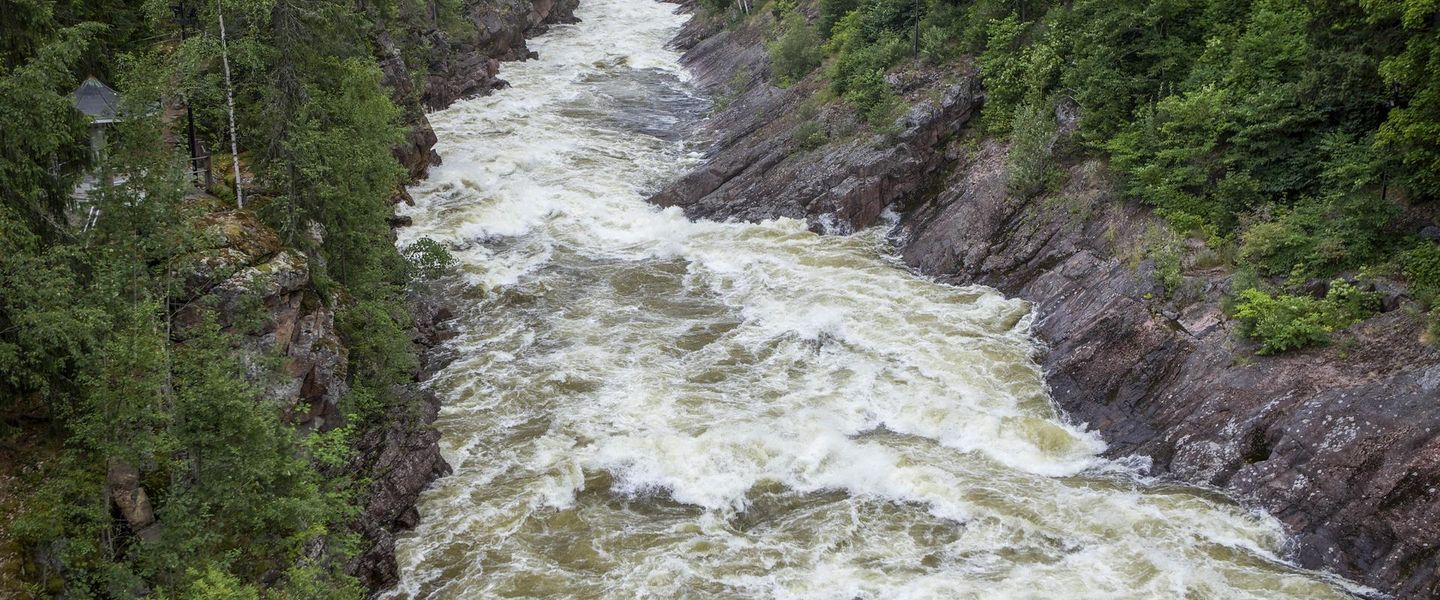


Experience the magic of South Karelia, where Finland's largest lake meets rich cultural heritage and stunning natural landscapes.
Read more about South Karelia
When is the best time to visit South Karelia?
Best: June–August · 20–23°C| Month | High (°C) | Rainfall (mm) |
|---|---|---|
| January | -1 | 40 |
| February | 0 | 35 |
| March | 4 | 35 |
| April | 10 | 40 |
| May | 17 | 45 |
| June (best) | 20 | 60 |
| July (best) | 23 | 70 |
| August (best) | 21 | 70 |
| September | 15 | 60 |
| October | 10 | 55 |
| November | 4 | 50 |
| December | 1 | 45 |
Getting to and around South Karelia
How to get there
Transportation
Destinations in South Karelia
Resorts, valleys and scenic spots worth a trip of their own.
-
 Repovesi National Park
Discover the untouched beauty of Repovesi National Park in Finland, where rugged cliffs, serene lakes, and dense forests create the perfect adventure and relaxation spot.
Repovesi National Park
Discover the untouched beauty of Repovesi National Park in Finland, where rugged cliffs, serene lakes, and dense forests create the perfect adventure and relaxation spot.
-
 Lake Saimaa
Discover Lake Saimaa: Finland's largest lake, offering crystal-clear waters, scenic hiking trails, and unique wildlife, including the rare Saimaa ringed seal.
Lake Saimaa
Discover Lake Saimaa: Finland's largest lake, offering crystal-clear waters, scenic hiking trails, and unique wildlife, including the rare Saimaa ringed seal.
Swipe for more destinations
Best attractions in South Karelia
South Karelia, a gem in southeastern Finland, offers visitors a captivating blend of natural beauty and rich history. Discover the enchanting Saimaa Lake, Europe's fourth largest, where you can enjoy serene boat cruises, kayaking, and spot the rare Saimaa ringed seal. Explore the historic Lappeenranta Fortress, a testament to the region's strategic importance, with its museums, old barracks, and the charming Orthodox Church. For a taste of local culture, visit the Imatra Rapids, a breathtaking natural spectacle enhanced by regular light and music shows. Don't miss the stunning Punkaharju Ridge, a natural reserve known for its picturesque landscapes and excellent hiking trails, and the Parikkala Sculpture Park, an eccentric and intriguing collection of over 500 statues. South Karelia seamlessly combines the tranquility of its pristine nature with the allure of its historical sites, making it a must-visit destination for any traveler.
-
National park
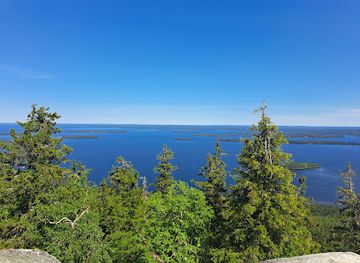
Koli National Park
Explore the breathtaking beauty of Koli National Park, a must-see for nature lovers and adventure seekers in Finland.
-
 Resort hotel
Imatran Kylpylä Spa
Discover relaxation and rejuvenation at Imatran Kylpylä Spa, a premier resort hotel offering wellness treatments and scenic beauty in Finland.
-
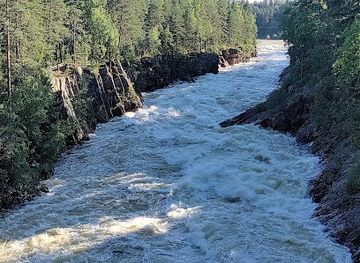
National reserve
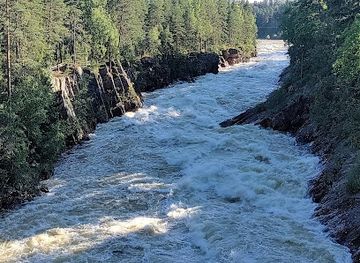
Imatra Rapids
Discover the stunning Imatra Rapids in Finland, a national reserve where nature's beauty and adventure await every visitor.
-
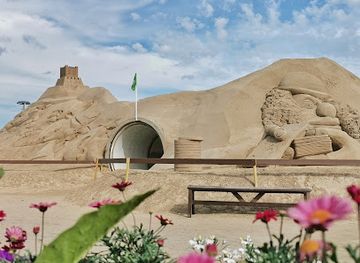
Tourist attraction
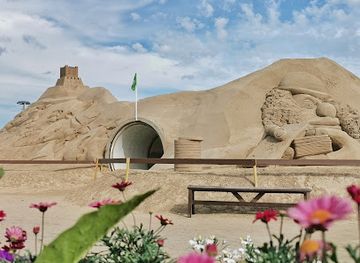
Sandcastle Lappeenranta
Discover the whimsical Sandcastle Lappeenranta, where creativity meets sand artistry in a family-friendly tourist attraction in Finland.
Best landmarks in South Karelia
South Karelia, Finland, offers visitors a captivating journey through history and nature, with landmarks that include the awe-inspiring Imatrankoski Rapids, Europe's oldest tourist attraction, where you can witness the powerful surge of water during summer floodgate shows; the enchanting Saimaa Canal, a marvel of engineering that connects Lake Saimaa to the Gulf of Finland, providing picturesque boat tours; the historic Lappeenranta Fortress, which dates back to the 18th century and houses charming museums, cafes, and artisan shops within its ancient walls; the serene and spiritually significant Church of the Three Crosses in Imatra, an architectural masterpiece by Alvar Aalto, offering an immersive experience in modernist design; and the lush green expanse of the Punkaharju Ridge, a national landscape that promises breathtaking views and tranquil forest trails perfect for hiking and photography.
-
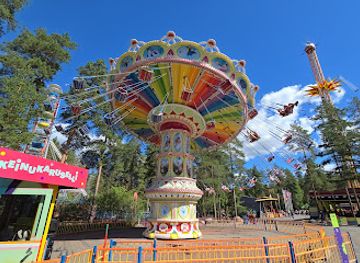
Amusement park
Tykkimäen huvipuisto
Experience the thrill of adventure and the joy of family fun at Tykkimäen Huvipuisto, Kouvola's premier amusement park.
-
National reserve
Imatra Rapids
Immerse yourself in the stunning beauty of Imatra Rapids, a captivating natural reserve in Finland perfect for outdoor adventures and serene escapes.
-
Tourist attraction
Sandcastle Lappeenranta
Explore Sandcastle Lappeenranta, an enchanting tourist attraction featuring stunning sand sculptures and a fun-filled atmosphere perfect for families.
-
Sportswear store
Stadium
Explore Stadium in Lappeenranta for the latest in sportswear and athletic fashion, perfect for all your active lifestyle needs.
Explore South Karelia on the map
Plan your trip on one map. See where the top cities, national parks and sights are, and book hotels and experiences in a few clicks.
Best hotels in South Karelia
Best restaurants in South Karelia
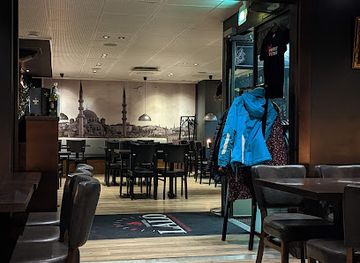
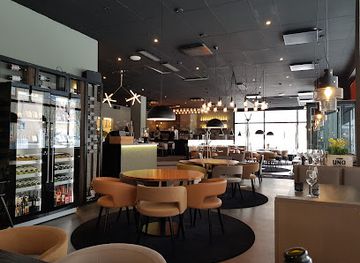
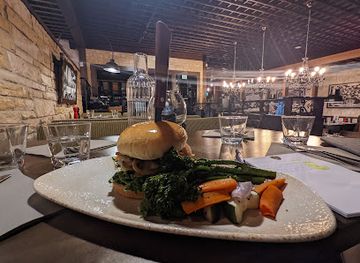
South Karelia offers a delightful culinary journey that is sure to captivate any visitor with its rich tapestry of flavors and traditions. Expect to be charmed by a mix of rustic lakeside eateries and sophisticated urban restaurants, each serving up a unique blend of Finnish and Karelian cuisine. Here, you can savor traditional dishes like Karjalanpiirakka (Karelian pasties) and Lohikeitto (creamy salmon soup), often made from locally-sourced ingredients and presented with a modern twist. The region's lakes and forests provide an abundant supply of fresh fish, game, and berries, which are expertly crafted into mouth-watering dishes by passionate chefs. Don't miss the opportunity to explore the region's vibrant food markets, where you can sample artisanal cheeses, smoked fish, and homemade preserves, all while soaking in the local culture. Whether you're dining in a cozy riverside tavern or a chic bistro in Lappeenranta, South Karelia's dining scene promises an unforgettable experience that celebrates the area's natural bounty and culinary heritage.
-
Restaurant
Restaurant Lalo
Experience exquisite dining at Restaurant Lalo in Lappeenranta - where local flavors meet global inspirations.
-
Restaurant
Scandic Patria
Discover unparalleled comfort and exquisite dining at Scandic Patria in Lappeenranta—your gateway to Finnish hospitality.
-
Restaurant
The Kitchen
Discover delectable dishes and a cozy atmosphere at The Kitchen in Lappeenranta – where local flavors meet culinary creativity.
-
Restaurant
Angus Steak & Wine
Experience exquisite European cuisine at Angus Steak & Wine, where every meal is crafted with passion and served in an inviting atmosphere.
Best bars in South Karelia
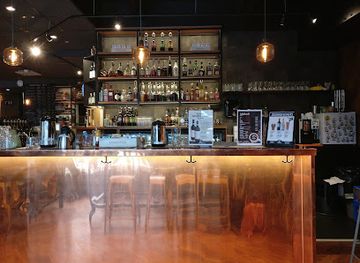
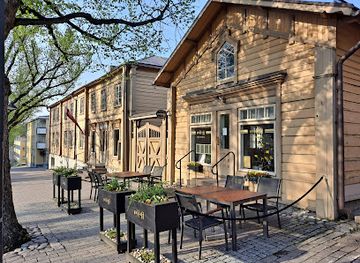
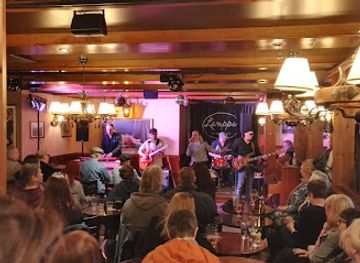
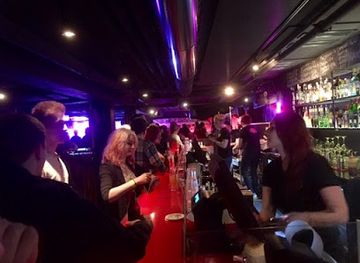
South Karelia's nightlife is a vibrant tapestry that seamlessly blends modern excitement with historical charm. In the heart of Lappeenranta, the region's largest city, you'll find a bustling array of bars, pubs, and nightclubs, each offering a unique slice of Finnish culture. Whether you're sipping on craft cocktails at trendy waterfront bars overlooking Lake Saimaa, or dancing the night away in clubs playing a mix of international hits and local favorites, the energy is infectious. Smaller towns like Imatra add a more intimate flair, with cozy pubs featuring live music and traditional Finnish karaoke. The friendly locals and the rich history that permeates the region create an inviting atmosphere, making every night out an unforgettable experience.
-
Bar
Ravintola Teerenpeli
Experience the vibrant culinary scene of Lappeenranta at Ravintola Teerenpeli, where local flavors meet a lively atmosphere.
-
Restaurant
Ravintola Wolkoff
Experience the finest Finnish cuisine at Ravintola Wolkoff in Lappeenranta, where tradition meets modern gastronomy.
-
Pub
Lamppu
Discover Lamppu, the heart of Lappeenranta's pub scene, where local drinks and a friendly atmosphere await you.
-
Bar
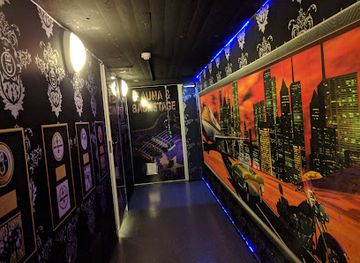
Osmo's Cosmos Bar
Experience the vibrant nightlife and welcoming atmosphere of Osmo's Cosmos Bar in Imatra, where drinks and entertainment come together.
Best nightclubs in South Karelia
South Karelia's nightlife is a vibrant tapestry that seamlessly blends modern excitement with historical charm. In the heart of Lappeenranta, the region's largest city, you'll find a bustling array of bars, pubs, and nightclubs, each offering a unique slice of Finnish culture. Whether you're sipping on craft cocktails at trendy waterfront bars overlooking Lake Saimaa, or dancing the night away in clubs playing a mix of international hits and local favorites, the energy is infectious. Smaller towns like Imatra add a more intimate flair, with cozy pubs featuring live music and traditional Finnish karaoke. The friendly locals and the rich history that permeates the region create an inviting atmosphere, making every night out an unforgettable experience.
-
Rock music club
House of Rock Bar
Discover the pulse of Kouvola's nightlife at House of Rock Bar, where live music, delicious food, and great drinks come together in a lively atmosphere.
-
Night club
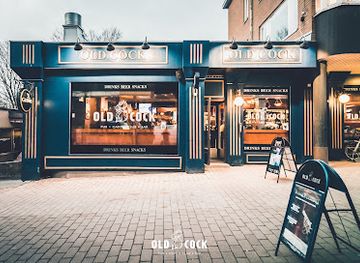
Old Cock
Discover the lively ambiance of Old Cock in Lappeenranta, where nightlife meets Finnish culture with food, drinks, and relaxation.
-
Night club
Marks Rock&UG Club
Experience the electrifying nightlife at Marks Rock&UG Club, Joensuu's top destination for rock music and vibrant social gatherings.
-
Night club
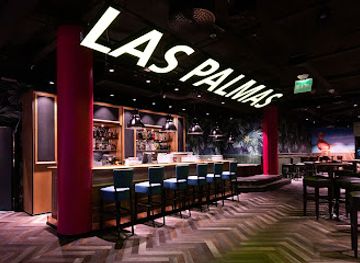
Las Palmas Lappeenranta
Discover the vibrant nightlife of Lappeenranta at Las Palmas, a lively night club and dance restaurant with live music and energetic dance floors.

Best shops in South Karelia
South Karelia offers a delightful blend of traditional Finnish charm and modern retail therapy. Visitors can explore the bustling Lappeenranta Market Square, where local artisans showcase intricate handicrafts, fresh produce, and Finnish delicacies. The region is also home to several quaint boutiques and specialty shops, offering everything from high-quality Finnish design products to unique souvenirs that capture the essence of Karelia's rich cultural heritage. For a more contemporary shopping experience, head to the IsoKristiina Shopping Center, which combines an array of international brands with local stores, ensuring a diverse and satisfying shopping spree. Don't miss the chance to visit the local flea markets and antique shops, where hidden gems and vintage treasures await the discerning eye.
-
Hypermarket
Prisma
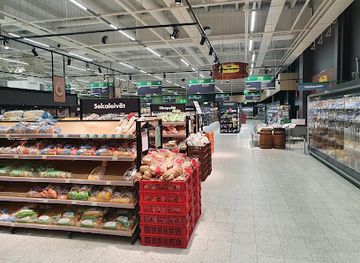
Explore Prisma, Imatra’s top hypermarket, offering a vast array of groceries and local specialties in a convenient shopping environment.
-
Sportswear store
Stadium
Discover a vast selection of high-quality sportswear at Stadium in Lappeenranta, perfect for outdoor adventures and urban activities.
-
Hypermarket
K-Citymarket Imatra
Explore K-Citymarket Imatra: Your Ultimate Shopping Destination in Finland, Offering Local Flavors and Global Goods.
-
Shopping mall
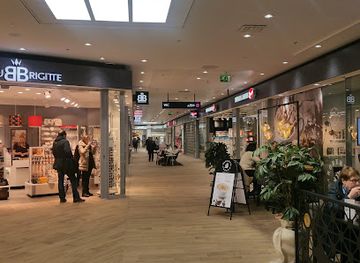
IsoKristiina shopping center
Explore the bustling IsoKristiina Shopping Center in Lappeenranta, a perfect blend of shopping, dining, and entertainment for all visitors.
Get your free copy of our complete guide to South Karelia, delivered straight to you.
Everything on this page, from attractions and restaurants to essentials and local phrases, in one PDF you can read offline, print or share.
Already have an account? Sign in
Your South Karelia guide is ready.
We'll send it to · Not you? Sign out

Getting your guide ready…
We are putting together a fresh copy of the South Karelia guide. This can take up to a minute.
This can take a few moments. If your browser asks, choose Allow so the download can start. You'll find the guide in your Downloads folder.
Nothing happened? Download it again
Sorry, the guide is taking longer than usual. Please try again in a minute, or get it by email instead.
South Karelia essentials
Currency and Payment
Safety
Emergency Situations
Do's and Don'ts
Local Tips
From Eve
Local phrases worth knowing
You don't need to get them perfect. A few words go a long way, and locals appreciate the effort.
Basics
| English | Local | Say it |
|---|---|---|
| Hello | Hi | [hai] |
| Goodbye | See you later | [si ju leiter] |
| Yes | Yep | [yehp] |
| No | Nope | [nohp] |
| Please/You're welcome | Sure thing | [shur thing] |
| Thank you | Thanks | [thangs] |
| Excuse me/Sorry | Sorry 'bout that | [sori bout that] |
| How are you? | How's it going? | [haus it goin] |
| Fine. And you? | Good. You? | [gud. ju?] |
| Do you speak English? | Do ya speak English? | [du ya speek ing-lish] |
| I don't understand | I don't get it | [ai dont get it] |
Eating & Drinking
| English | Local | Say it |
|---|---|---|
| I'd like to see the menu, please | Can I see the menu? | [kan ai si the men-yu] |
| I don't eat meat | I’m a vegetarian | [aim a vege-tarian] |
| Cheers! | Cheers! | [cheers] |
| I would like to pay, please | Can I get the check? | [kan ai get the chek] |
Emergencies
| English | Local | Say it |
|---|---|---|
| Help! | Help! | [help] |
| Go away! | Leave me alone! | [leev me alon] |
| Call the Police! | Call 911! | [kol nine one one] |
| Call a doctor! | Get a doctor! | [get a doktor] |
| I'm lost | I can’t find my way | [ai kant faind mai wei] |
| I'm ill | I’m not feeling well | [aim not feeling wel] |
Shopping
| English | Local | Say it |
|---|---|---|
| I'd like to buy... | I want to buy... | [ai want to bai] |
| I'm just looking | Just browsing | [just browzing] |
| How much is it? | What's the price? | [wats the prais] |
| That's too expensive | That's a bit pricey | [thats a bit pricy] |
| Can you lower the price? | Can ya bring the price down? | [kan ya bring the prais daun] |
Time & Numbers
| English | Local | Say it |
|---|---|---|
| What time is it? | What's the time? | [wats the taim] |
| It's one o'clock | It's one | [its wan] |
| Half past (10) | Half past ten | [haf past ten] |
| Morning | Morning | [morning] |
| Afternoon | Afternoon | [afternoon] |
| Evening | Evening | [evening] |
| Yesterday | Yesterday | [yesterday] |
| Today | Today | [today] |
| Tomorrow | Tomorrow | [tomorrow] |
| 1 | One | [wan] |
| 2 | Two | [tu] |
| 3 | Three | [thri] |
| 4 | Four | [for] |
| 5 | Five | [faiv] |
| 6 | Six | [siks] |
| 7 | Seven | [sev-en] |
| 8 | Eight | [eit] |
| 9 | Nine | [nain] |
| 10 | Ten | [ten] |
Transport & Directions
| English | Local | Say it |
|---|---|---|
| Where's a/the...? | Where's the...? | [wheres the] |
| What's the address? | What's the address? | [wats the ad-res] |
| Can you show me (on the map)? | Can you point it out? | [kan you point it aut] |
| When's the next (bus)? | When's the next bus? | [wens the nekst bus] |
| A ticket (to ....) | One ticket to... | [wan tiket to] |
History of South Karelia
Ancient Karelian Tribes
South Karelia's history dates back to ancient times when it was inhabited by the Karelian tribes. These Finno-Ugric people were known for their unique culture, language, and traditions. Archaeological sites, such as burial mounds and rock carvings, provide evidence of their early presence in the region.
Medieval Trade Routes
During the medieval period, South Karelia became an important hub for trade due to its strategic location between the East and the West. The Saimaa Canal, which connects the Saimaa Lake system to the Gulf of Finland, played a crucial role in facilitating trade and commerce in the region.
Swedish and Russian Influence
South Karelia has been a contested region between Sweden and Russia for centuries. The Treaty of Nystad in 1721 and the Treaty of Åbo in 1743 resulted in shifts of control, leaving a lasting impact on the region's cultural and architectural landscape. Russian and Swedish influences are evident in local architecture, language, and customs.
The Winter War
The Winter War (1939-1940) between Finland and the Soviet Union had a profound impact on South Karelia. The region saw significant battles, including the defense of the Taipale River. Monuments and museums in South Karelia commemorate the bravery and resilience of the Finnish soldiers during this conflict.
Evacuation and Resettlement
Following World War II, South Karelia experienced significant population changes. The Moscow Armistice in 1944 led to the cession of parts of Karelia to the Soviet Union, resulting in the evacuation of thousands of Karelians. Many of these evacuees were resettled in the remaining Finnish territory, shaping the demographic composition of South Karelia.
Cultural Heritage
South Karelia is rich in cultural heritage, with traditions such as the Karelian pies (Karjalanpiirakka) and the Karelian pasty (Kalitka) being integral to local cuisine. The region is also known for its folk music, dances, and the traditional art of weaving ryijy rugs, which are treasured as cultural icons.
Lappeenranta Fortress
The Lappeenranta Fortress, built in the early 18th century, is a prominent historical landmark in South Karelia. Originally constructed by the Swedes and later expanded by the Russians, the fortress has served various military purposes. Today, it houses museums, cafes, and galleries, offering visitors a glimpse into the region's military history.
Saimaa Canal
The Saimaa Canal, completed in 1856, is one of the most significant engineering feats in South Karelia. Connecting Lake Saimaa with the Gulf of Finland, the canal facilitated trade and transportation. It remains operational today, allowing both commercial and recreational vessels to navigate through its locks.
Vyborg Castle and Karelia's Shared History
Although Vyborg is now part of Russia, it has deep historical ties with South Karelia. Vyborg Castle, built in the late 13th century by the Swedes, stands as a testament to the region's medieval history. The shared cultural and historical heritage between South Karelia and Vyborg reflects the complex and intertwined past of the region.
South Karelia in Photos
Browse through our photo collection highlighting the charm and character of the destination.
Neighbouring regions of South Karelia
The closest regions to South Karelia, if you have time for more than one.
-
 Kymenlaakso
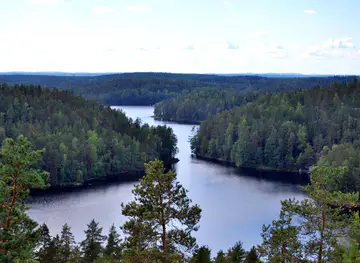
Discover Kymenlaakso: A blend of nature, history, and culture in the heart of southeastern Finland, offering serene landscapes, outdoor adventures, and charming towns.
Kymenlaakso
Discover Kymenlaakso: A blend of nature, history, and culture in the heart of southeastern Finland, offering serene landscapes, outdoor adventures, and charming towns.
-
 Savo
Discover the serene beauty of Savo, where Finland's largest lake meets lush forests and charming towns. Perfect for nature lovers and cultural explorers alike.
Savo
Discover the serene beauty of Savo, where Finland's largest lake meets lush forests and charming towns. Perfect for nature lovers and cultural explorers alike.
-
 Päijät-Häme
Discover Päijät-Häme: Finland's picturesque lakes, vibrant cities, and lush forests, perfect for nature enthusiasts and culture seekers alike.
Päijät-Häme
Discover Päijät-Häme: Finland's picturesque lakes, vibrant cities, and lush forests, perfect for nature enthusiasts and culture seekers alike.
-
 Kanta-Häme
Discover Kanta-Häme: A blend of medieval history, natural beauty, and Finnish culture in the heart of southern Finland.
Kanta-Häme
Discover Kanta-Häme: A blend of medieval history, natural beauty, and Finnish culture in the heart of southern Finland.
-
 Uusimaa
Explore Uusimaa: From Helsinki's vibrant streets to Porvoo's historic charm, discover Finland's coastal beauty and natural wonders in this captivating region.
Uusimaa
Explore Uusimaa: From Helsinki's vibrant streets to Porvoo's historic charm, discover Finland's coastal beauty and natural wonders in this captivating region.
Swipe for more regions

