

Free Ft. Pierce Travel Guide & Mobile App
Plan your Ft. Pierce trip with Evendo. Get free guides to top attractions, restaurants, hotels, and bars. Web access or download the mobile app.


Ft. Pierce, Florida, pairs Indian River Lagoon views with historic downtown streets, maritime heritage, beaches, museums and relaxed Treasure Coast culture.
Lagoon, Ocean and Riverfront
Ft. Pierce occupies a distinctive stretch of Florida’s Treasure Coast, where the Indian River Lagoon runs parallel to the Atlantic and broad beaches open towards the horizon on North Hutchinson Island. The city’s waterfront is shaped by working boats, fishing traditions, mangrove-fringed waterways and the long, low light of the Florida coast. River Walk follows the lagoon through the centre, offering an easy introduction to the city’s relationship with the water, while nearby parks and causeways provide access to wildlife-rich coastal scenery.Read more about Ft. Pierce
A Historic Small-City Centre
Culture and Coastal Conservation
When is the best time to visit Ft. Pierce?
Best: December–February · 23–24°C| Month | High (°C) | Rainfall (mm) |
|---|---|---|
| January (best) | 23 | 58 |
| February (best) | 24 | 62 |
| March | 26 | 69 |
| April | 28 | 72 |
| May | 31 | 112 |
| June | 32 | 189 |
| July | 33 | 143 |
| August | 33 | 183 |
| September | 32 | 183 |
| October | 30 | 126 |
| November | 26 | 93 |
| December (best) | 23 | 56 |
Getting to and around Ft. Pierce
How to get there
Transportation
Best attractions in Ft. Pierce
Ft. Pierce’s attractions reflect its position between the Indian River Lagoon and the Atlantic Ocean. River Walk provides a gentle waterfront route through the city centre, while the Manatee Observation and Education Center introduces the lagoon’s ecology and the animals that use its warm-water areas. The National Navy UDT-SEAL Museum, on North Hutchinson Island, explores the history of the underwater demolition teams that preceded the modern Navy SEALs through vessels, equipment and military interpretation. In town, the A.E. Backus Museum and Gallery presents Florida landscapes and the work of a major regional artist, while Heathcote Botanical Gardens offers themed plantings, tropical foliage and quieter paths. Fort Pierce Inlet State Park adds beach, inlet and coastal recreation, and the Sunrise Theatre provides a historic setting for concerts and performances. Together, these sites offer maritime history, natural observation, art and outdoor exploration without the scale of a major resort city.
-
Tourist attraction
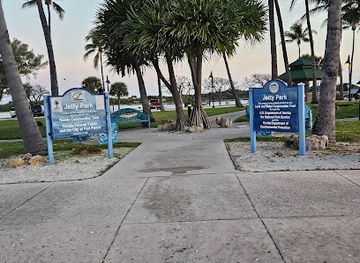
Jetty Park
Explore the natural beauty and recreational activities at Jetty Park in Fort Pierce, Florida, a perfect coastal getaway for tourists.
13 min drive · 4.2 km from city centre
-
Tourist attraction
The National Navy UDT-SEAL Museum
Explore the legacy of the Navy SEALs at the National Navy UDT-SEAL Museum, a unique destination in Fort Pierce, Florida, celebrating courage and history.
18 min drive · 5.9 km from city centre
-
Tourist attraction
The National Navy UDT-SEAL Museum
Discover the heroic legacy of Navy SEALs at The National Navy UDT-SEAL Museum, a unique tribute in Fort Pierce, Florida.
18 min drive · 5.9 km from city centre
-
Tourist attraction
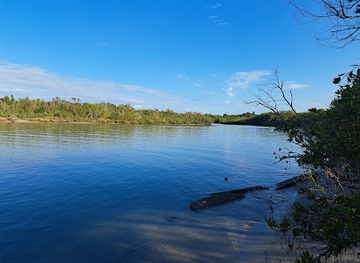
Fort Pierce Inlet State Park
Discover the breathtaking landscapes and wildlife at Fort Pierce Inlet State Park, a must-visit destination on Florida's Treasure Coast.
14 min drive · 4.6 km from city centre


Best landmarks in Ft. Pierce
The name of Ft. Pierce recalls the United States military fort established here during the Second Seminole War, although the original structure no longer dominates the cityscape. Downtown’s historic commercial buildings and the Sunrise Theatre preserve the architectural character of an older Florida community, while the theatre remains an important civic and cultural landmark. Along the waterfront, River Walk expresses the city’s long relationship with the Indian River Lagoon, and the nearby Manatee Observation and Education Center gives that relationship an ecological dimension. The National Navy UDT-SEAL Museum is significant not for monumental architecture but for its direct connection with the wartime training history of the Treasure Coast. The A.E. Backus Museum and Gallery represents another strand of local identity, commemorating the painter whose atmospheric views of Florida landscapes helped define the region’s artistic image. Together, these places connect military history, civic development, water and regional art.
-
Park
Jetty Park
Experience the beauty of Jetty Park in Fort Pierce, Florida—where sandy beaches meet adventure and breathtaking ocean views await.
13 min drive · 4.2 km from city centre
-
State park
Fort Pierce Inlet State Park
Explore the breathtaking landscapes and diverse wildlife of Fort Pierce Inlet State Park, a coastal paradise on Florida's Treasure Coast.
14 min drive · 4.6 km from city centre
-
Natural history museum
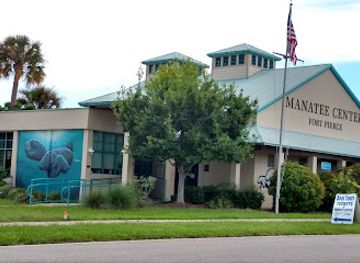
Manatee Observation and Education Center
Experience the magic of manatees at the Manatee Observation and Education Center in Fort Pierce, Florida, where education meets conservation and adventure.
7 min walk · 0.6 km from city centre
-
Botanical garden
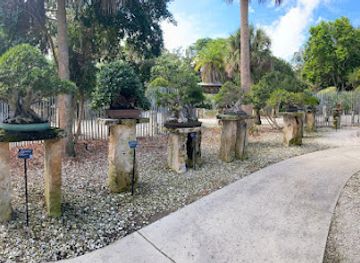
Heathcote Botanical Gardens
Discover the beauty of Heathcote Botanical Gardens, a tranquil oasis in Fort Pierce, Florida, showcasing stunning landscapes and diverse plant collections.
10 min drive · 3.2 km from city centre
Explore Ft. Pierce on the map
Plan your Ft. Pierce trip on one map. See where the top attractions, landmarks, restaurants, bars and hotels are, find what's near where you're staying, and book hotels and experiences in a few clicks.
Best hotels in Ft. Pierce
Best restaurants in Ft. Pierce
Dining in Ft. Pierce is closely connected to the coast, with seafood appearing in casual waterfront meals, local fish preparations and menus shaped by the Indian River Lagoon and Atlantic fishing traditions. Downtown and the waterfront provide the broadest concentration of places to eat, ranging from relaxed cafés and sandwich shops to more formal restaurants, while the wider city includes American comfort food, Cuban and Caribbean influences, pizza, barbecue and contemporary casual dining. Fresh citrus and other produce from Florida’s agricultural belt also influence regional cooking, even when they are not presented as a formal local cuisine. Visitors will find a more informal dining culture than in Florida’s large metropolitan centres, with outdoor seating and early evening meals common in warm weather. Farmers’ markets and seasonal food events may provide additional opportunities to sample local produce, baked goods and prepared foods, subject to their current schedules.
-
Seafood
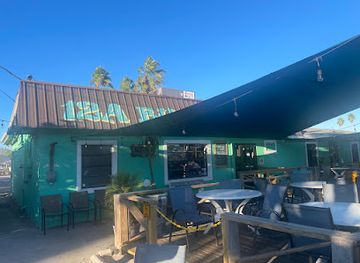
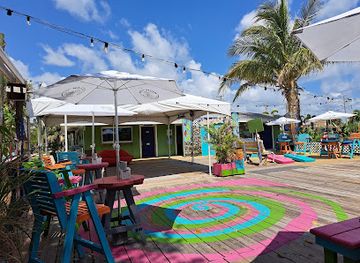
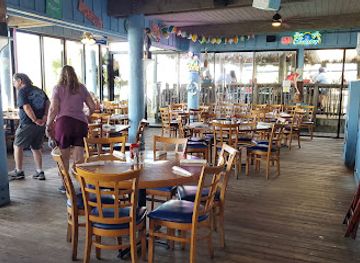
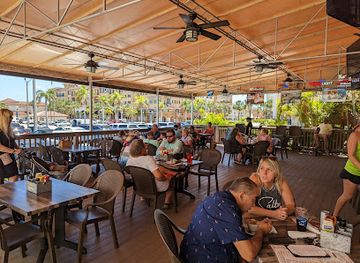
12A Buoy
Experience fresh seafood and stunning waterfront views at 12A Buoy in Fort Pierce - a culinary gem for all seafood lovers.
13 min walk · 1.0 km from city centre
-
American
Archie's Seabreeze
Experience delicious American cuisine with stunning ocean views at Archie's Seabreeze in Fort Pierce.
12 min drive · 4.0 km from city centre
-
Grill
Manatee Island Fort Pierce
Discover coastal flavors at Manatee Island Grill in Fort Pierce – where fresh seafood meets breathtaking waterfront views.
12 min drive · 3.8 km from city centre
-
Restaurant
2nd Street Bistro
Discover the vibrant flavors of Fort Pierce at 2nd Street Bistro - where delicious food meets a lively sports bar atmosphere.
3 min walk · 0.2 km from city centre
Best bars in Ft. Pierce
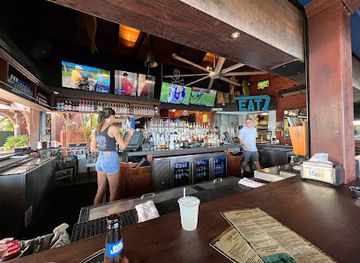
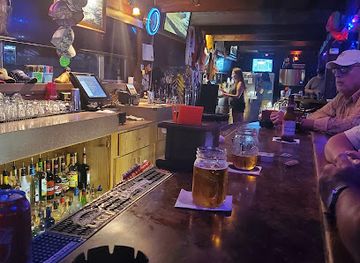
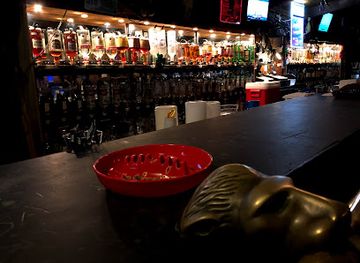
Ft. Pierce’s nightlife is modest and largely social rather than club-focused. Downtown bars and restaurants provide places for drinks and conversation, while the waterfront offers an atmospheric setting for an early evening meal or a relaxed gathering. The Sunrise Theatre is the city’s most established evening venue, presenting concerts, comedy, theatre and other performances in a restored historic building; its programme changes throughout the year. Live music and community events may also bring activity to downtown streets and nearby venues, while the fishing and boating culture gives some evenings a distinctly coastal character. Large late-night clubs are not the defining feature of the city, and entertainment can be seasonal or event-led. Visitors should expect a quieter pace than in Miami, Orlando or Fort Lauderdale and check current programme and venue information before building an evening itinerary.
-
American
Archie's Seabreeze
Experience the best of coastal dining at Archie's Seabreeze, where delicious American cuisine meets live music and ocean views.
12 min drive · 4.0 km from city centre
-
Grill
Manatee Island Fort Pierce
Experience the vibrant flavors of Florida at Manatee Island Grill, a waterfront gem in Fort Pierce, perfect for seafood lovers and sunset seekers.
12 min drive · 3.8 km from city centre
-
Restaurant
2nd Street Bistro
Discover the culinary charm of 2nd Street Bistro in Fort Pierce, where delicious comfort food meets a lively sports bar atmosphere.
3 min walk · 0.2 km from city centre
-
Bar
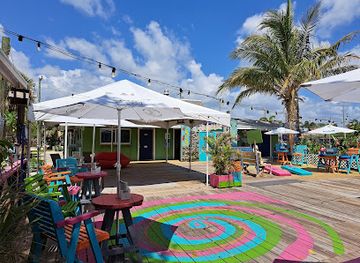
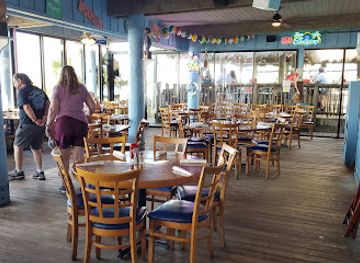
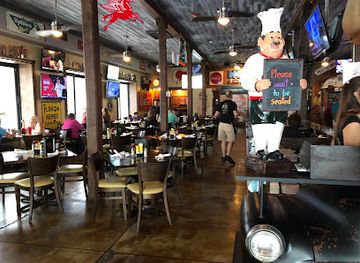
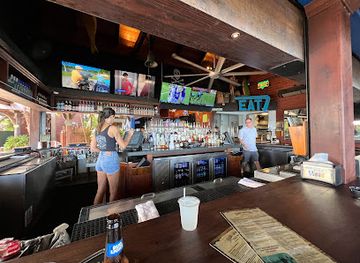
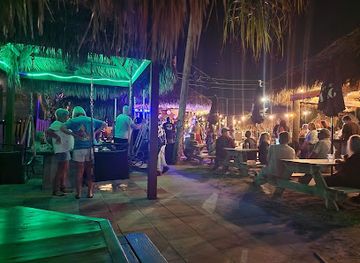
Square Grouper Tiki Bar Ft Pierce Inlet
Discover the lively ambiance of Square Grouper Tiki Bar, where refreshing cocktails and stunning waterfront views create the perfect escape on your Florida adventure.
12 min drive · 4.1 km from city centre
Best nightclubs in Ft. Pierce
Ft. Pierce’s nightlife is modest and largely social rather than club-focused. Downtown bars and restaurants provide places for drinks and conversation, while the waterfront offers an atmospheric setting for an early evening meal or a relaxed gathering. The Sunrise Theatre is the city’s most established evening venue, presenting concerts, comedy, theatre and other performances in a restored historic building; its programme changes throughout the year. Live music and community events may also bring activity to downtown streets and nearby venues, while the fishing and boating culture gives some evenings a distinctly coastal character. Large late-night clubs are not the defining feature of the city, and entertainment can be seasonal or event-led. Visitors should expect a quieter pace than in Miami, Orlando or Fort Lauderdale and check current programme and venue information before building an evening itinerary.
-
Bar
Square Grouper Tiki Bar Ft Pierce Inlet
Experience the vibrant atmosphere and breathtaking views at Square Grouper Tiki Bar in Fort Pierce, a tropical paradise for relaxation and fun.
12 min drive · 4.1 km from city centre
-
Bar
Jetty Lounge
Experience the lively atmosphere at Jetty Lounge, the perfect bar in Fort Pierce for drinks, live music, and unforgettable moments by the ocean.
12 min drive · 4.2 km from city centre
-
Tiki bar
Tipsy Tiki
Experience the vibrant atmosphere of Tipsy Tiki, a lively tiki bar in Fort Pierce, serving tropical cocktails and live music for an unforgettable night out.
13 min walk · 1.0 km from city centre
-
Cocktail bar
Boozgeois Saloon
Discover the lively atmosphere and creative cocktails at Boozgeois Saloon, the ultimate cocktail bar experience in Fort Pierce, Florida.
10 min walk · 0.8 km from city centre
Best shops in Ft. Pierce
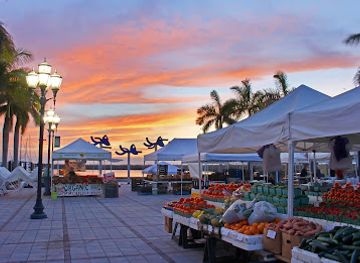
Shopping in Ft. Pierce is centred on downtown independents, small galleries, practical local businesses and the everyday retail areas along US 1 rather than on a major luxury district. Historic downtown streets are the most rewarding place to browse for art, gifts, books, homewares and locally made items, with galleries reflecting the Treasure Coast’s strong relationship with landscape and water. The A.E. Backus Museum and Gallery provides context for the regional art tradition, while seasonal farmers’ markets and community markets may offer citrus, prepared foods, crafts and small-producer goods when operating. Specialist purchases can include Florida-themed artwork, coastal décor, handmade jewellery and regional food products, although stock varies between shops. Visitors should distinguish authentic local crafts and artwork from generic beach souvenirs, and check market days before making a special journey, since small-city retail hours and seasonal schedules can change.
-
Farmers' market
The Downtown Farmers’ Market of Fort Pierce, Inc.
Discover the Downtown Farmers’ Market of Fort Pierce, a vibrant showcase of local produce, crafts, and community spirit every Saturday morning.
5 min walk · 0.4 km from city centre
-
Gift shop
Heathcote Botanical Gardens
Explore Heathcote Botanical Gardens: A captivating blend of nature, beauty, and unique gifts in Fort Pierce, Florida.
10 min drive · 3.2 km from city centre
-
Shopping mall
Sabal Palm Plaza
Immerse yourself in the vibrant shopping, dining, and entertainment experience at Sabal Palm Plaza in Fort Pierce, Florida.
7 min drive · 2.5 km from city centre
-
Shopping mall
Sunrise Shopping Center
Explore the vibrant Sunrise Shopping Center in Fort Pierce, where shopping meets dining and entertainment in a delightful atmosphere.
11 min walk · 0.9 km from city centre
Get your free copy of our complete guide to Ft. Pierce, delivered straight to you.
Everything on this page, from attractions and restaurants to essentials and local phrases, in one PDF you can read offline, print or share.
Already have an account? Sign in
Your Ft. Pierce guide is ready.
We'll send it to · Not you? Sign out

Getting your guide ready…
We are putting together a fresh copy of the Ft. Pierce guide. This can take up to a minute.
This can take a few moments. If your browser asks, choose Allow so the download can start. You'll find the guide in your Downloads folder.
Nothing happened? Download it again
Sorry, the guide is taking longer than usual. Please try again in a minute, or get it by email instead.
Ft. Pierce essentials
Currency and Payment
Safety
Emergency Situations
Do's and Don'ts
Local Tips
From Eve
Local phrases worth knowing
You don't need to get them perfect. A few words go a long way, and locals appreciate the effort.
Basics
| English | Local | Say it |
|---|---|---|
| Hello | Hey | [Hey] |
| Goodbye | Later | [Lay-ter] |
| Yes | Yeah | [Yeah] |
| No | Nah | [Nah] |
| Please/You're welcome | Please/No worries | [Pleez/No wur-eez] |
| Thank you | Thanks | [Thanks] |
| Excuse me/Sorry | Sorry | [Sorry] |
| How are you? | How you doin'? | [How yoo doin'] |
| Fine. And you? | Good. You? | [Gud. Yoo?] |
| Do you speak English? | You speak English? | [Yoo speak Ing-lish?] |
| I don't understand | I don't get it | [I don't get it] |
Eating & Drinking
| English | Local | Say it |
|---|---|---|
| I'd like to see the menu, please | Can I see the menu? | [Can I see the menu?] |
| I don't eat meat | I don't eat meat | [I don't eat meat] |
| Cheers! | Cheers! | [Cheers!] |
| I would like to pay, please | Can I pay now? | [Can I pay now?] |
Emergencies
| English | Local | Say it |
|---|---|---|
| Help! | Help! | [Help!] |
| Go away! | Get lost! | [Get lost!] |
| Call the Police! | Call the cops! | [Call the cops!] |
| Call a doctor! | Get a doctor! | [Get a doctor!] |
| I'm lost | I'm lost | [I'm lost] |
| I'm ill | I'm sick | [I'm sick] |
Shopping
| English | Local | Say it |
|---|---|---|
| I'd like to buy... | I wanna buy... | [I wanna buy...] |
| I'm just looking | Just browsing | [Just browsing] |
| How much is it? | How much? | [How much?] |
| That's too expensive | That's pricey | [That's pricey] |
| Can you lower the price? | Can you do better? | [Can you do better?] |
Time & Numbers
| English | Local | Say it |
|---|---|---|
| What time is it? | What time is it? | [What time is it?] |
| It's one o'clock | It's one | [It's one] |
| Half past (10) | Ten-thirty | [Ten-thirty] |
| Morning | Morning | [Morning] |
| Afternoon | Afternoon | [Afternoon] |
| Evening | Evening | [Evening] |
| Yesterday | Yesterday | [Yesterday] |
| Today | Today | [Today] |
| Tomorrow | Tomorrow | [Tomorrow] |
| 1 | One | [One] |
| 2 | Two | [Two] |
| 3 | Three | [Three] |
| 4 | Four | [Four] |
| 5 | Five | [Five] |
| 6 | Six | [Six] |
| 7 | Seven | [Seven] |
| 8 | Eight | [Eight] |
| 9 | Nine | [Nine] |
| 10 | Ten | [Ten] |
Transport & Directions
| English | Local | Say it |
|---|---|---|
| Where's a/the...? | Where's the...? | [Where's the...?] |
| What's the address? | What's the address? | [What's the address?] |
| Can you show me (on the map)? | Can you show me (on the map)? | [Can you show me (on the map)?] |
| When's the next (bus)? | When's the next (bus)? | [When's the next (bus)?] |
| A ticket (to ....) | A ticket (to ....) | [A ticket (to ....)] |
History of Ft. Pierce
Indigenous Coast and Lagoon Communities
Long before the modern city emerged, the Indian River Lagoon and adjacent Atlantic shore supported Indigenous communities whose lives were connected to fishing, shellfish gathering, hunting and coastal travel. The area is associated with the Ais, a Native people who occupied parts of Florida’s east coast when Europeans began entering the region. European contact, disease, conflict and colonial expansion severely disrupted Indigenous societies, while the lagoon continued to shape settlement and transport. The waterways that now support recreation and conservation were therefore part of a much older human landscape, even though many early settlements left limited visible remains within present-day Ft. Pierce.
Fort Pierce and the Second Seminole War
The city takes its name from Fort Pierce, a United States military post established in 1838 during the Second Seminole War. Built near the St. Lucie River and named for Benjamin Kendrick Pierce, the fort served as a base for military operations in the region before being abandoned in 1842. No substantial original fort structure survives in the modern city, but the name preserves the connection between Ft. Pierce and the military campaigns that accompanied the forced removal of many Seminole people from Florida. The conflict formed part of a wider period of territorial expansion and upheaval across the peninsula.
Settlement, Railways and Incorporation
Permanent non-Indigenous settlement expanded during the late nineteenth century as agriculture, fishing, citrus cultivation and coastal trade developed around the St. Lucie and Indian River waterways. Railway connections associated with the Florida East Coast Railway helped link the community with other parts of the peninsula and encouraged the movement of produce, visitors and supplies. Ft. Pierce was incorporated in 1901, and its civic centre gradually acquired the streets, commercial buildings and public institutions that still give downtown its character. The lagoon remained both an economic resource and a defining geographical presence as the settlement developed into a small regional city.
Wartime Training on the Treasure Coast
During the Second World War, the coastline around Ft. Pierce became an important training ground for specialised amphibious forces. In 1943, the United States Navy established training operations for naval combat demolition units, whose personnel practised reconnaissance, demolition and beach landings in local waters. These units contributed to the wartime development of underwater demolition techniques and are regarded as predecessors of the modern United States Navy SEALs. The National Navy UDT-SEAL Museum preserves this history through equipment, vessels and interpretation, linking a global military story to the beaches and waterways of Ft. Pierce.
A Modern Lagoon-Focused City
After the war, Ft. Pierce continued to function as an agricultural, fishing and service centre while tourism and residential development grew along the coast. Like other Indian River Lagoon communities, it later faced increasing concern over water quality, habitat loss and pressure on estuaries, making environmental education an important part of local civic life. Downtown revitalisation, cultural institutions, River Walk and attractions such as the Manatee Observation and Education Center have reinforced the city’s public relationship with the waterfront. Contemporary Ft. Pierce consequently presents several overlapping identities: historic county seat, maritime community, arts centre and gateway to a sensitive coastal ecosystem.
Ft. Pierce in Photos
Browse through our photo collection highlighting the charm and character of the destination.
Cities near Ft. Pierce
The closest cities to Ft. Pierce, if you have time for more than one stop.
-

-

-

-

-


Swipe for more cities
Explore more

Explore more of Florida
Discover Florida: A Sunshine State full of dazzling beaches, iconic theme parks, rich history, and stunning natural parks, offering endless adventures for every traveler.
Explore Florida