Hôtel de Châteaurenard: A Baroque Masterpiece in Aix
Discover a hidden gem in Aix-en-Provence: Hôtel de Châteaurenard, home to a breathtaking 17th-century trompe-l'œil staircase and a royal connection to Louis XIV.
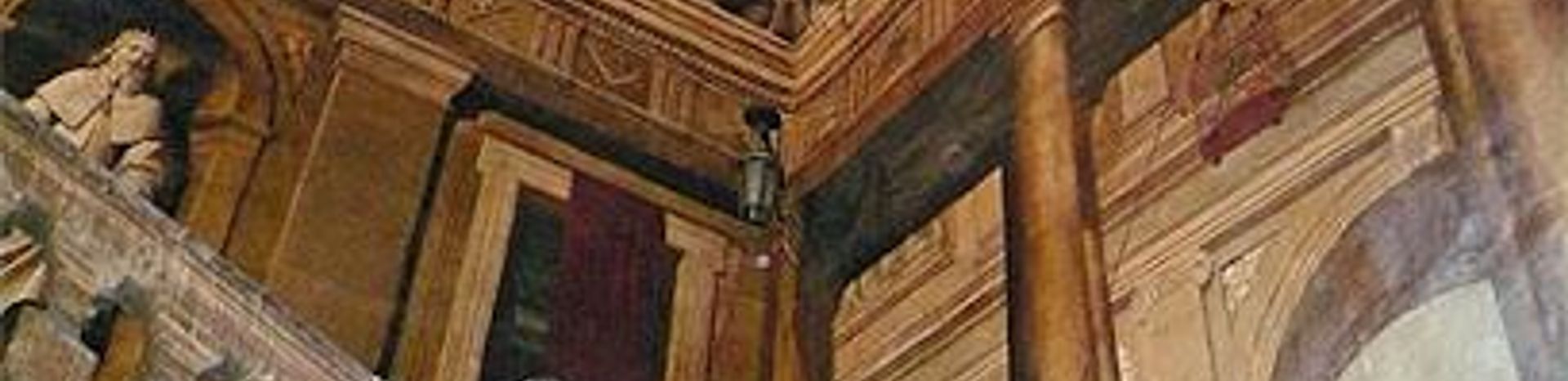
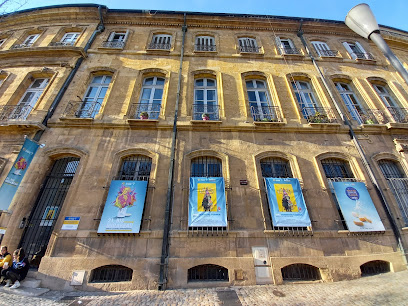
The Hôtel de Châteaurenard, located in the heart of Aix-en-Provence, is a stunning example of 17th-century Baroque architecture. Built around 1650 for Jean-François d'Aimar-d'Albi, Baron de Châteaurenard, this hôtel particulier is renowned for its magnificent trompe-l'œil staircase, a masterpiece by the Flemish-born artist Jean Daret. The trompe-l'œil creates an illusion of depth and grandeur, featuring painted figures, architectural elements, and allegorical scenes that captivate visitors. The hôtel's historical significance is amplified by the fact that King Louis XIV resided here in 1660, and was so impressed by the staircase that he appointed Daret as his official painter. Today, the Hôtel de Châteaurenard houses the Direction des Musées et du Patrimoine, offering a glimpse into Aix's rich cultural heritage. Its central location makes it easily accessible and a must-see for anyone exploring the city's historical district, providing a unique blend of art, history, and architectural splendor.
A brief summary to Hôtel de Châteaurenard
- 19 Rue Gaston de Saporta, Aix-en-Provence, 13100, FR
- +33442161161
Local tips
- Check the opening hours before visiting, as access to the staircase may be limited due to its function as an administrative building.
- Combine your visit with a trip to the nearby Cathédrale Saint-Sauveur and Musée du Vieil Aix to fully immerse yourself in the history and culture of Aix-en-Provence.
- Take your time to admire the trompe-l'œil staircase; the longer you look, the more details you'll discover.
- Consider visiting during the off-season (spring or fall) to avoid crowds and enjoy a more relaxed experience.
- Look for the painted lackey in the trompe-l'œil – a detail so realistic that it has fooled many visitors over the centuries.

Getting There
-
Walking
Hôtel de Châteaurenard is centrally located in the old town of Aix-en-Provence and is easily accessible on foot. From the Cours Mirabeau, walk north along Rue Clemenceau, then turn left onto Rue Gaston de Saporta. The hôtel is located on the right-hand side of the street, a few blocks down. Look for the building at number 19. The walk is approximately 5-10 minutes. Note that the streets in the old town are narrow and cobblestoned, so wear comfortable shoes.
-
Public Transport
If arriving by bus at the Gare Routière (bus station), walk north along Avenue des Belges, then turn left onto Cours Mirabeau. Follow the walking directions above from Cours Mirabeau. Alternatively, several local buses stop near the Cathédrale Saint-Sauveur, a short walk from the hôtel. Check local bus schedules and routes for the most convenient option. A single bus fare is approximately €1.60.
-
Taxi/Ride-Share
Taxis and ride-sharing services are readily available in Aix-en-Provence. A taxi from the train station or Cours Mirabeau to the Hôtel de Châteaurenard will cost approximately €8-€12, depending on traffic. Be sure to confirm the fare with the driver before starting your journey.
-
Driving
Driving directly to the Hôtel de Châteaurenard is not recommended due to the narrow streets and limited parking in the old town. It is best to park in one of the city's car parks and walk the final distance. Parking Mignet is a relatively close option. Expect to pay around €2.50-€3.50 per hour for parking.
Discover more about Hôtel de Châteaurenard
Iconic landmarks you can’t miss

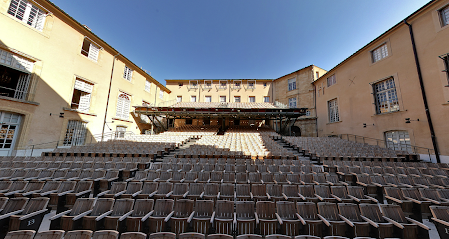
Théâtre de l'Archevêché
0.1 km
Experience world-class opera in the enchanting, open-air Théâtre de l'Archevêché, the heart of Aix-en-Provence's renowned summer festival.
Provence France
0.1 km
Explore the enchanting landscapes, rich history, and vibrant culture of Provence, France, a must-visit destination for every traveler.
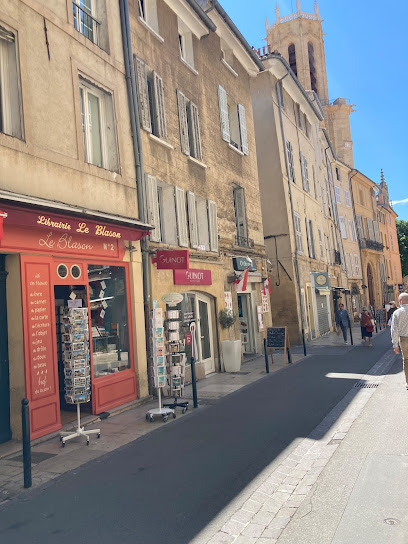
Librairie Le Blason
0.1 km
Discover a curated collection of books celebrating Provence and beyond at this charming bookstore in the heart of Aix-en-Provence.
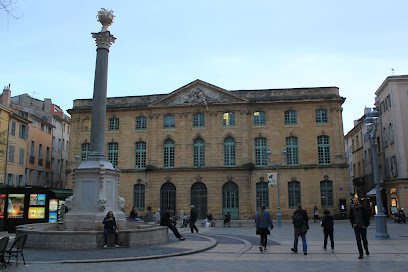
Library Halle aux Grains
0.2 km
Discover a literary treasure in Aix-en-Provence's historic heart, where knowledge and history converge at the unique Library Halle aux Grains.
Vieille Ville
0.2 km
Explore Aix-en-Provence's Vieille Ville: a charming maze of history, culture, and Provençal ambiance in the heart of the city.
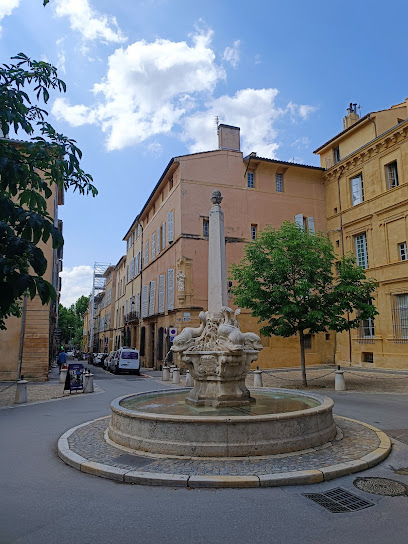
Fontaine des Bagniers
0.3 km
Discover the historical charm of Fontaine des Bagniers in Aix-en-Provence, a serene landmark reflecting the city's rich heritage and artistic ambiance.
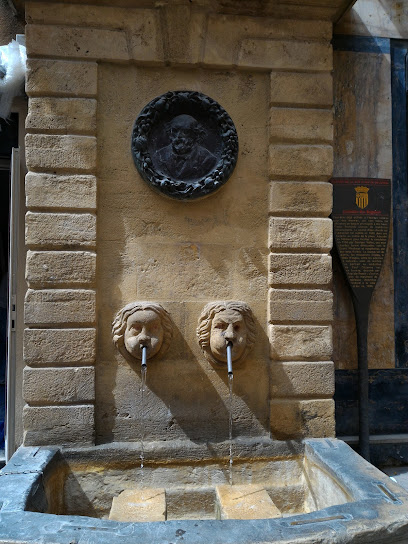
Rue des tanneurs
0.4 km
Explore the historic Rue des Tanneurs in Aix-en-Provence, where the city's leatherworking past meets its vibrant present.
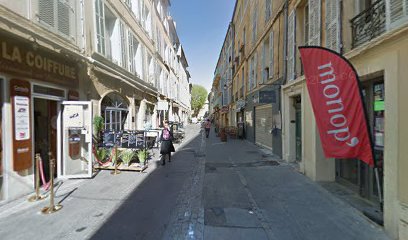
Couvent des Prêcheurs
0.4 km
Explore the Couvent des Prêcheurs in Aix-en-Provence, a medieval convent with stunning architecture and a rich historical heritage.
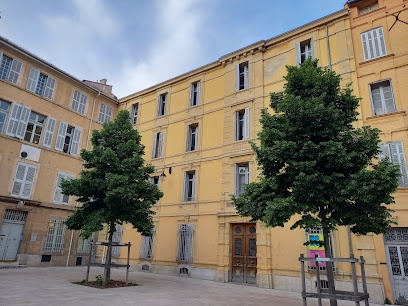
Église de la Madeleine
0.4 km
Explore the historical Église de la Madeleine in Aix-en-Provence, a blend of Gothic and Baroque architecture, currently under renovation but rich in art and history.
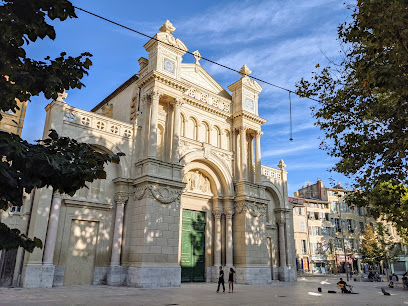
Église du Saint-Esprit
0.4 km
Discover a serene 18th-century church in Aix-en-Provence, blending architectural beauty with a rich historical and spiritual legacy.
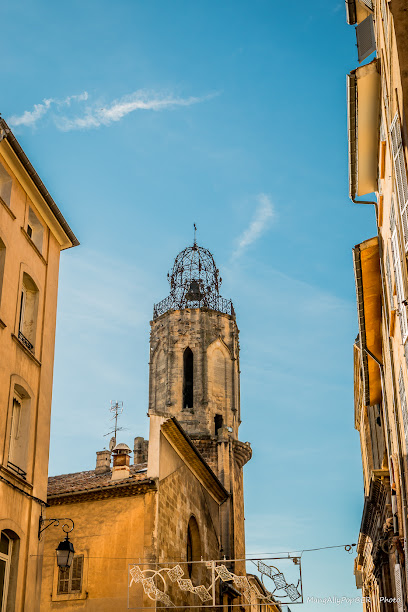
Hotel de France Aix-en-Provence
0.4 km
Charming 3-star hotel in the heart of Aix-en-Provence, steps from Cours Mirabeau and the city's best attractions.

Espace culturel départemental 21, bis Mirabeau
0.5 km
Discover contemporary art in a historic setting at this free cultural space on Aix-en-Provence's famous Cours Mirabeau.
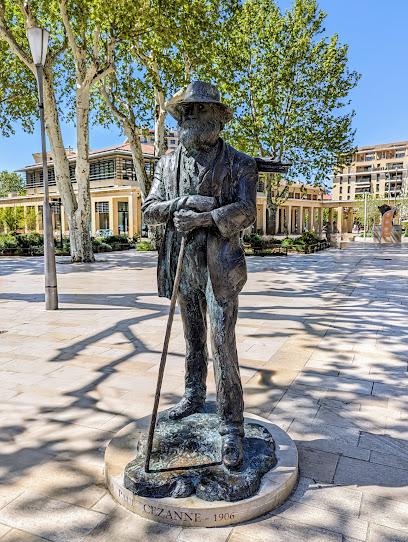
Paul Cezanne Statue
0.6 km
Explore the Paul Cézanne Statue in Aix-en-Provence, a serene tribute to the legendary artist amidst beautiful Provençal landscapes.
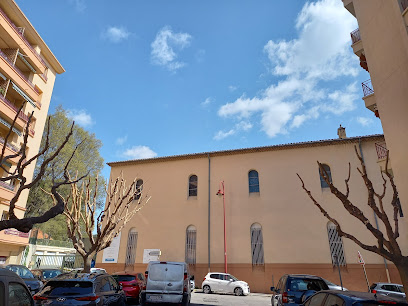
Roman Catholic Archdiocese of Aix
0.6 km
Discover centuries of religious history and architectural beauty at the Roman Catholic Archdiocese of Aix-en-Provence.
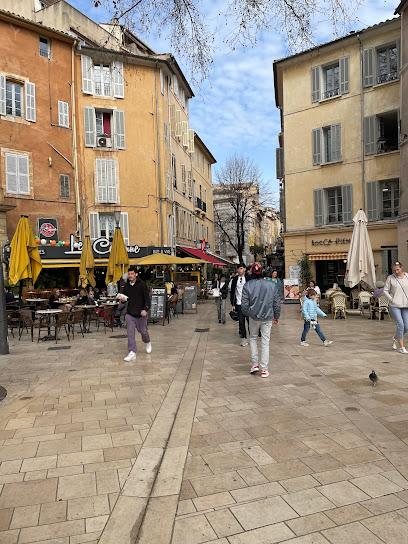
Place de la rotonde
0.6 km
Experience the vibrant heart of Aix-en-Provence at Place de la Rotonde, a historic square featuring a magnificent fountain and lively atmosphere.
Unmissable attractions to see

Musée du Vieil-Aix
0.0 km
Discover the heart of Aix-en-Provence at the Musée du Vieil-Aix, exploring Provençal traditions and art within a 17th-century mansion, showcasing local history through captivating collections.
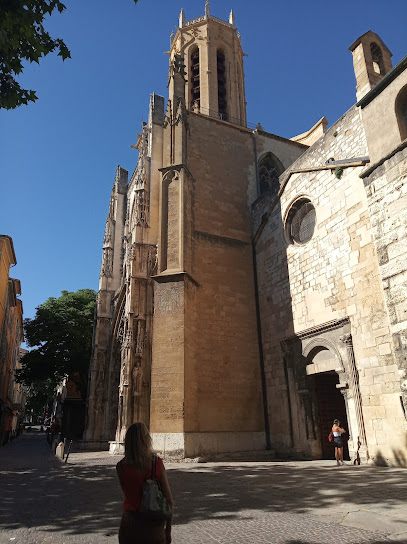
Musée des Tapisseries
0.1 km
Discover exquisite 17th and 18th-century tapestries within the historic Archbishop's Palace in Aix-en-Provence, showcasing French artistry and the legacy of the renowned Festival d'Aix-en-Provence.
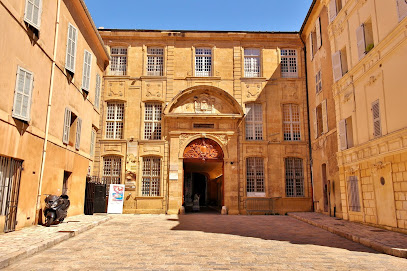
Paroisse Cathédrale Saint Sauveur Aix-en-Provence
0.1 km
Discover centuries of art, architecture, and faith at the Cathédrale Saint-Sauveur in Aix-en-Provence, a captivating blend of Romanesque, Gothic, and Baroque styles in the heart of Provence.
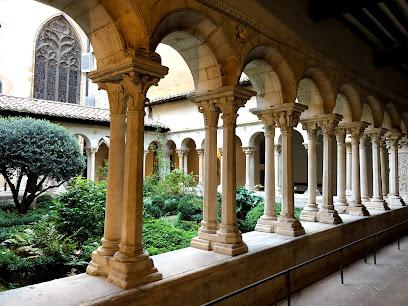
Tour de l'Horloge
0.1 km
Experience the historical elegance of Tour de l'Horloge in Aix-en-Provence, a captivating landmark that showcases the city's rich heritage and vibrant atmosphere.
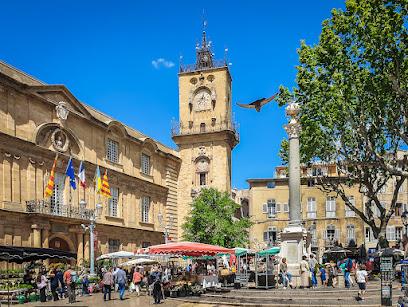
Fantastic Weekend Market
0.1 km
Experience the vibrant Fantastic Weekend Market in Aix-en-Provence, where local culture, artisanal goods, and delicious cuisine come together in a lively atmosphere.
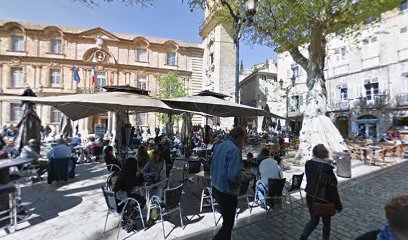
Hotel de Caumont
0.1 km
Discover Aix-en-Provence's Hôtel de Caumont, a meticulously restored 18th-century mansion, now a vibrant art center showcasing masters of art and offering a glimpse into aristocratic life.
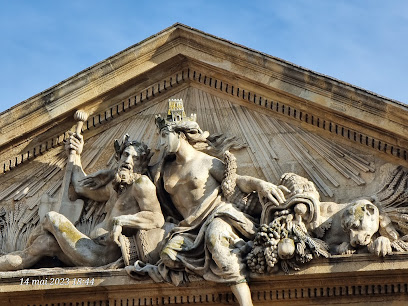
Place des Cardeurs
0.2 km
Experience the vibrant atmosphere of Aix-en-Provence at Place des Cardeurs, where history, culture, and community come together in a picturesque setting.
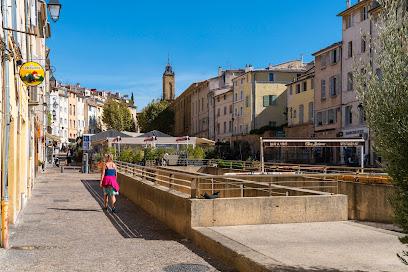
Niche votive
0.2 km
Discover the Niche Votive in Aix-en-Provence: a serene glimpse into the city's spiritual heart, showcasing centuries of faith, art, and Provençal tradition along the historic Rue Maréchal Foch.
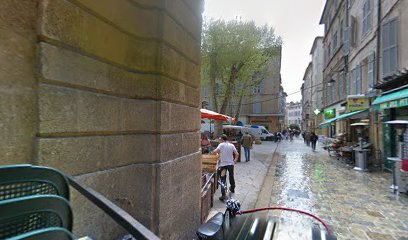
Place Richelme
0.2 km
Experience the heart of Aix-en-Provence at Place Richelme, a historic square alive with the colors, scents, and flavors of a traditional Provençal market, surrounded by charming cafes.
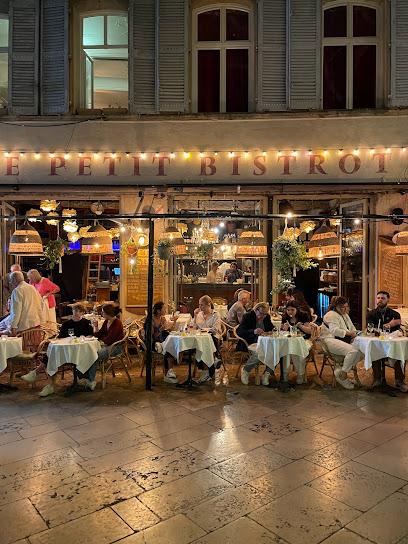
Fontana del Porcellino di Aix
0.2 km
Rub the snout of this bronze boar in Place Richelme for good luck, a charming Florentine tradition in the heart of Aix-en-Provence's oldest square.
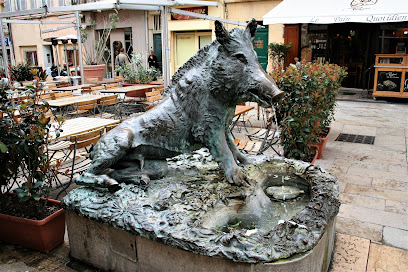
Monument Joseph Sec
0.3 km
Discover a hidden gem of revolutionary architecture in Aix-en-Provence: the Monument Joseph Sec, a captivating blend of history, symbolism, and art.
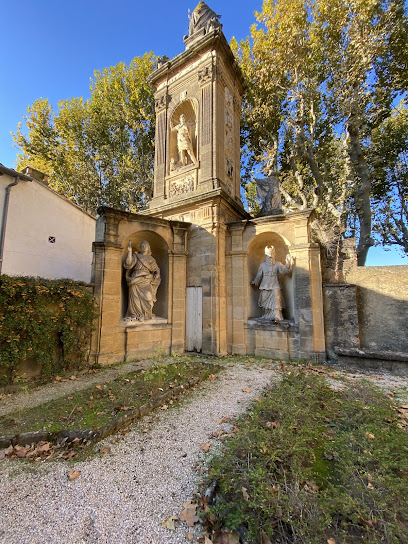
Tourreluque
0.3 km
Explore Tourreluque, a 14th-century tower in Aix-en-Provence, a lasting vestige of the city's medieval ramparts, offering a glimpse into its fortified past and rich historical evolution.
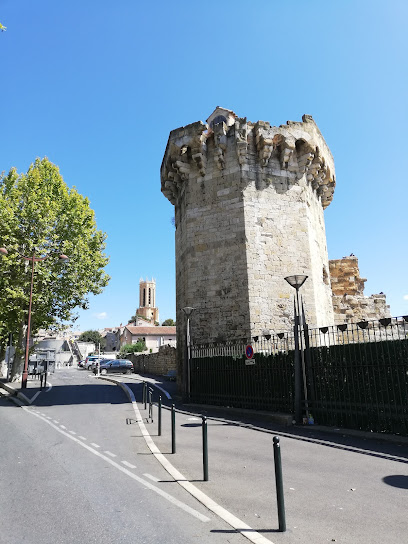
Place ramus
0.3 km
Discover Place Ramus in Aix-en-Provence: a charming square with historic architecture, delightful cafes, and a tranquil atmosphere, offering an authentic Provençal experience.
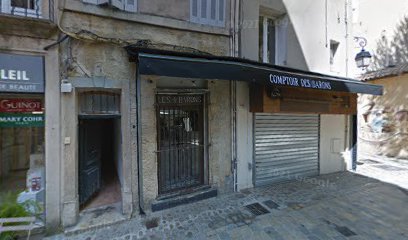
Fontaine Pascal
0.3 km
Discover Fontaine Pascal in Aix-en-Provence: a historic fountain showcasing Provençal artistry and resilience, fed by thermal waters and steeped in local charm.
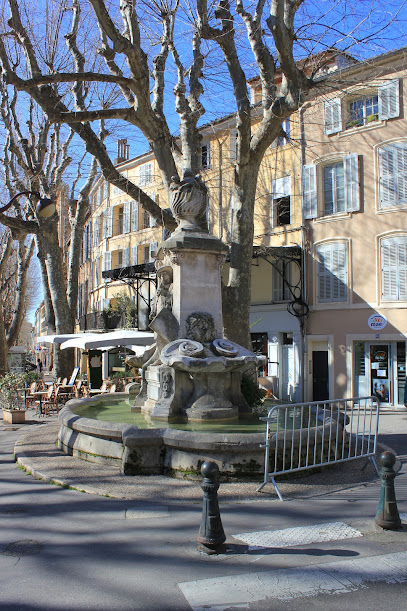
1 Pl. des Prêcheurs
0.3 km
Experience the enchanting ambiance of 1 Pl. des Prêcheurs in Aix-en-Provence, a hub of culture, architecture, and local life.
Essential places to dine

A l'Ancienne
0.1 km
Experience the best of French and Italian cuisine at A l'Ancienne in Aix-en-Provence, where delicious flavors meet a charming ambiance.
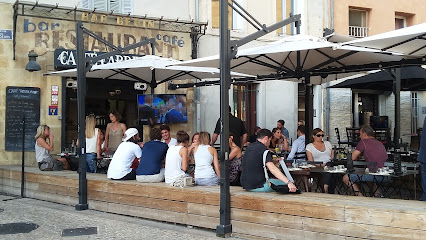
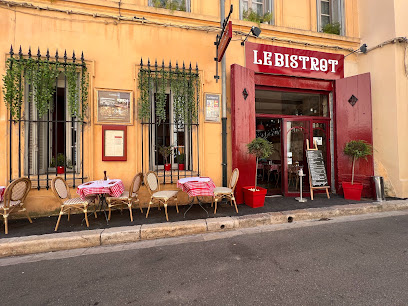
Le Bistrot
0.1 km
Experience authentic Provençal cuisine at Le Bistrot in Aix-en-Provence – where every meal is a taste of tradition and flavor.
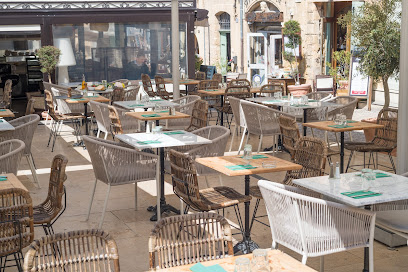
Le Papagayo
0.1 km
Experience exquisite French-Mediterranean cuisine at Le Papagayo in Aix-en-Provence – a must-visit culinary destination.
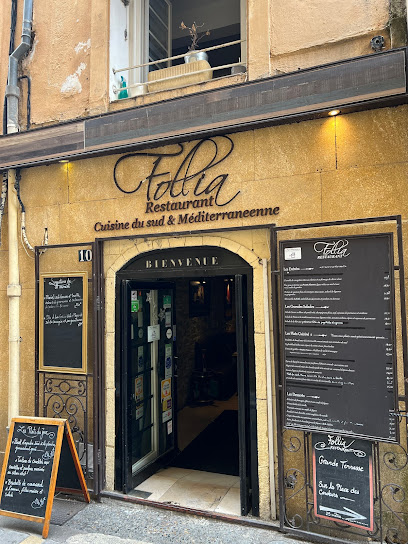
Follia
0.1 km
Experience exquisite Mediterranean and French cuisine at Follia in Aix-en-Provence - where culinary tradition meets modern flair.
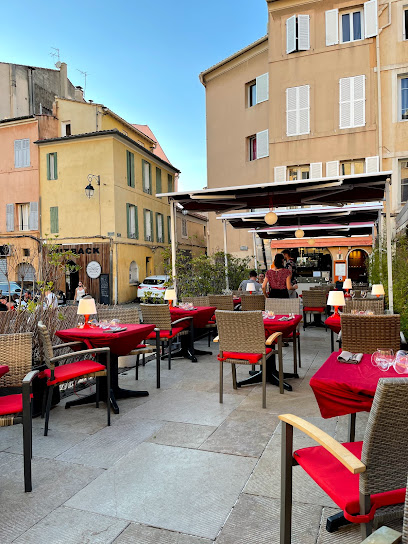
Le Poivre d'Ane
0.1 km
Discover culinary excellence at Le Poivre d'Ane, where French sophistication meets Mediterranean flavors in the heart of Aix-en-Provence.
Restaurant Le Portofino
0.1 km
Discover exquisite French and Italian cuisine at Restaurant Le Portofino in Aix-en-Provence - a culinary haven for food lovers.
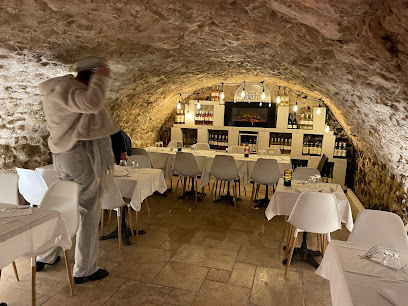
de l'une à l'autre
0.1 km
Experience authentic Provencal cuisine at de l'une à l'autre in Aix-en-Provence – where every dish is a celebration of local flavors.
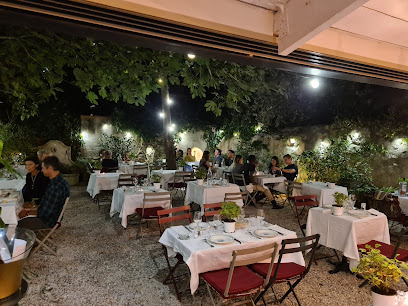
Restaurant Le Quatre
0.1 km
Experience exquisite French cuisine at Restaurant Le Quatre in Aix-en-Provence – where every meal is a celebration of flavor.
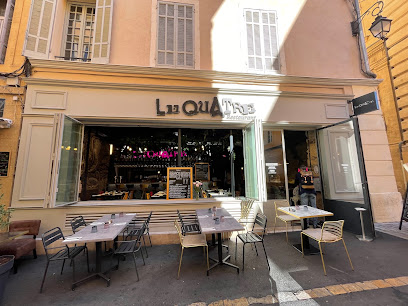
Angelina
0.2 km
Discover exquisite French cuisine at Angelina in Aix-en-Provence – where culinary artistry meets local tradition.
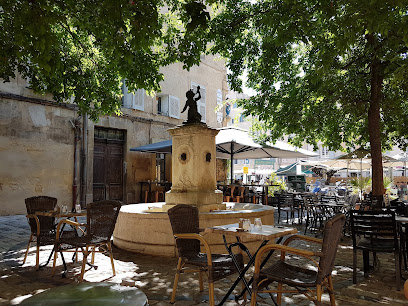
Le Bidule
0.2 km
Experience delightful dining at Le Bidule in Aix-en-Provence—where French elegance meets American comfort food.
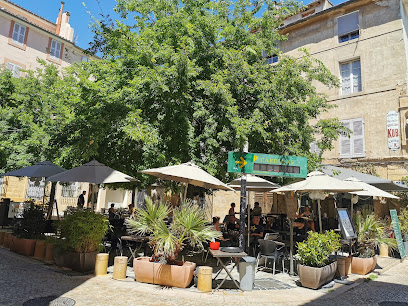
O'Gustus
0.2 km
Discover the authentic taste of Provence at O'Gustus in Aix-en-Provence, where tradition meets modern French cuisine in a warm atmosphere.
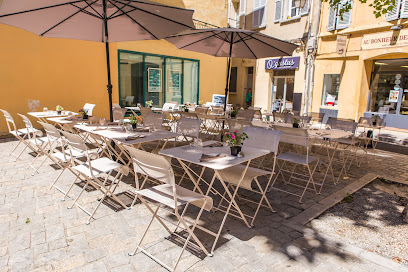
L'incontournable
0.2 km
Experience exquisite French and Mediterranean cuisine at L'incontournable in Aix-en-Provence—a must-visit for food lovers.
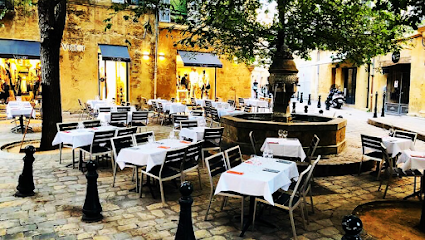
La Cabane en Ville ( Vegan )
0.3 km
Experience exceptional vegan dining at La Cabane en Ville in Aix-en-Provence, where local ingredients meet culinary creativity for a delightful meal.
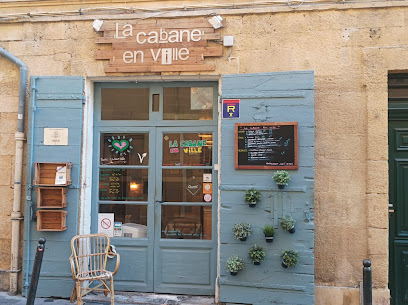
Il Etait une Fois
0.3 km
Discover the elegance of French haute cuisine at Il Etait une Fois in Aix-en-Provence - where every meal is a masterpiece.
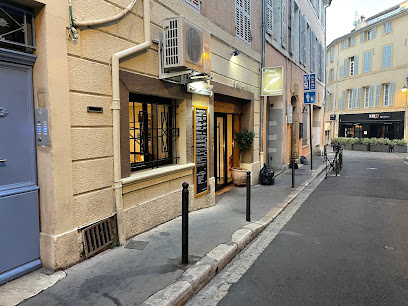
Vintrépide
0.3 km
Experience exquisite French and Mediterranean cuisine at Vintrépide in Aix-en-Provence - where every dish tells a story.
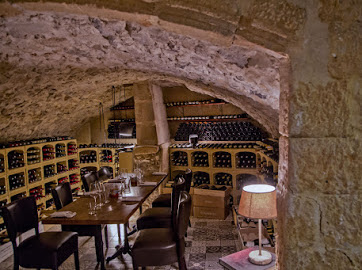
Markets, malls and hidden boutiques

Le petit Souk Aix-en-Provence
0.0 km
Explore Le Petit Souk, a charming gift shop in Aix-en-Provence, offering unique toys, home goods, and delightful souvenirs for every traveler.
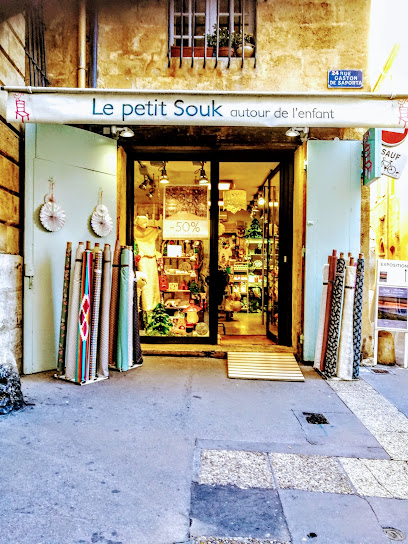
L'éphémère Boutique
0.1 km
Explore L'éphémère Boutique in Aix-en-Provence for unique artisanal finds and a taste of local artistry that embodies the spirit of Provence.
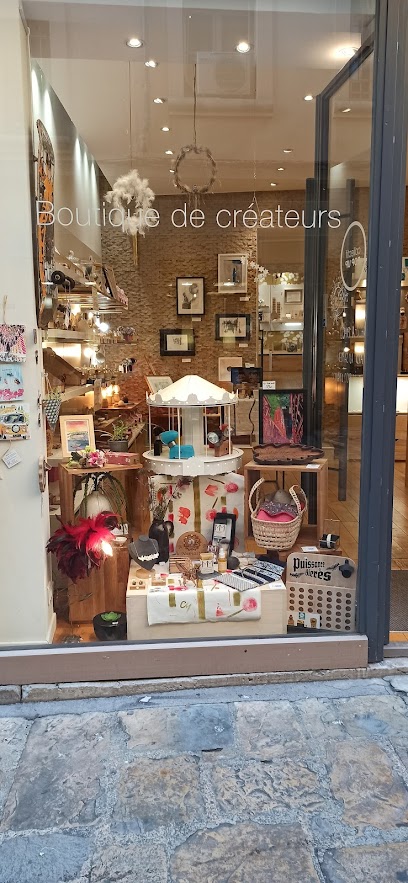
L'oiseau Bleu Concept Store - Dépôt vente
0.1 km
Explore L'oiseau Bleu Concept Store for a unique shopping experience in Aix-en-Provence, featuring antiques, fashion accessories, and local artisan treasures.
Mood
0.2 km
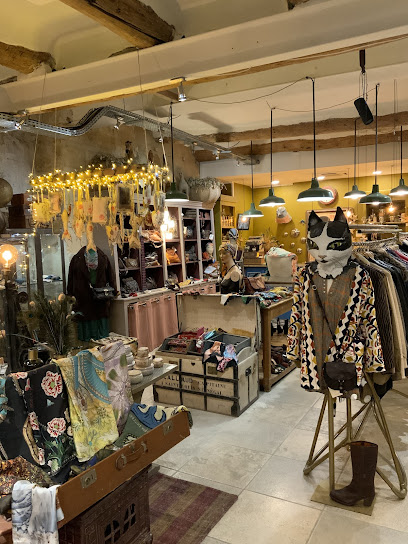
Discover unique fashion accessories and modern gadgets at Mood in Aix-en-Provence, where style meets sophistication in a charming boutique setting.
Sunday Morning
0.2 km
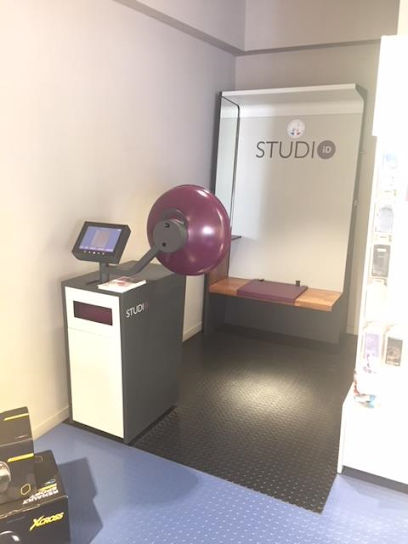
Explore the stylish charm of Sunday Morning, a boutique clothing store in Aix-en-Provence, offering unique fashion finds and local flair.
Brin de Charme
0.2 km
Explore Brin de Charme, a charming gift shop in Aix-en-Provence, offering unique artisanal treasures that embody the spirit of Provence.
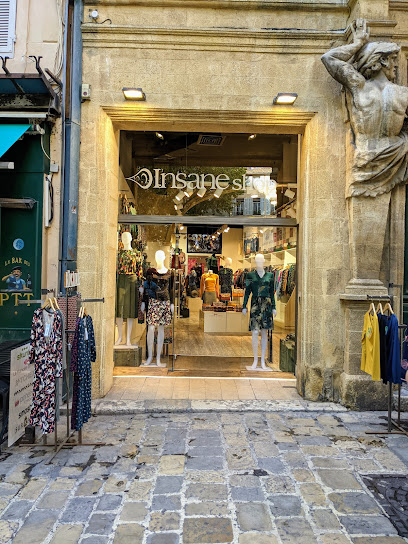
Insane Shop
0.2 km
Explore the Insane Shop in Aix-en-Provence for unique women's fashion and accessories that embody contemporary style and local charm.
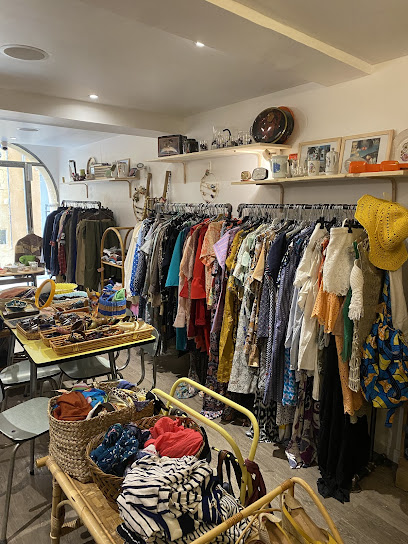
Le Coin des Chineurs
0.2 km
Uncover unique fashion finds and enjoy a cozy coffee at Le Coin des Chineurs, the must-visit vintage store in Aix-en-Provence.
Boutique N°4
0.2 km
Explore Boutique N°4 for an exquisite selection of women's fashion in the heart of Aix-en-Provence, where style meets elegance.
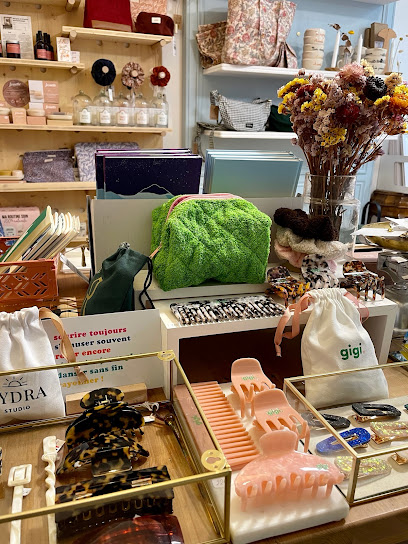
Nouvel Arrondissement
0.2 km
Explore Nouvel Arrondissement, a delightful gift shop in Aix-en-Provence, offering unique fashion accessories and local crafts for every traveler.
Blow Up
0.2 km
Explore Blow Up in Aix-en-Provence for a unique vintage clothing experience that combines style and history in every piece.
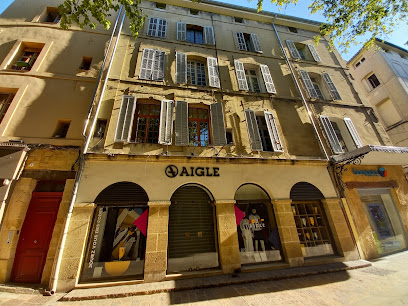
Boutique Aigle Aix-En-Provence
0.2 km
Explore stylish outdoor clothing at Boutique Aigle Aix-En-Provence, where fashion meets functionality in a charming Provencal atmosphere.
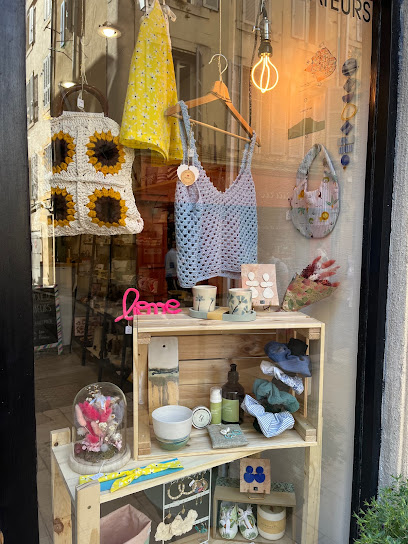
La Fabrique Aixoise
0.2 km
Discover exquisite handmade crafts at La Fabrique Aixoise, a unique shopping destination in the heart of Aix-en-Provence, showcasing local artistry and culture.
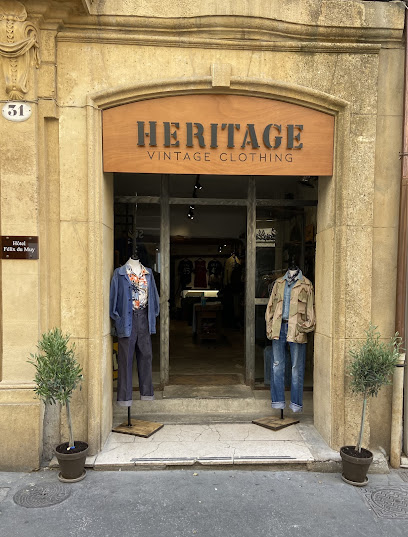
HERITAGE - Vintage Clothing
0.2 km
Uncover unique fashion treasures at HERITAGE - Vintage Clothing, a must-visit boutique in Aix-en-Provence for vintage lovers.
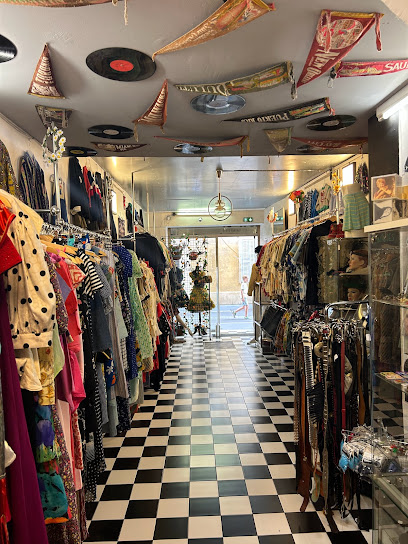
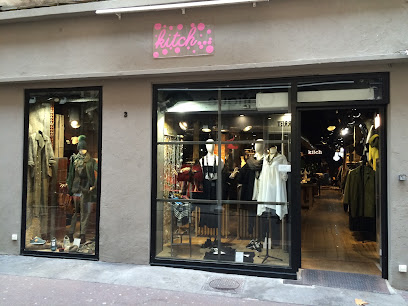
Boutique Kitch
0.2 km
Explore the charm of Boutique Kitch in Aix-en-Provence, where vintage allure meets contemporary style in a delightful shopping experience.
Essential bars & hidden hideouts

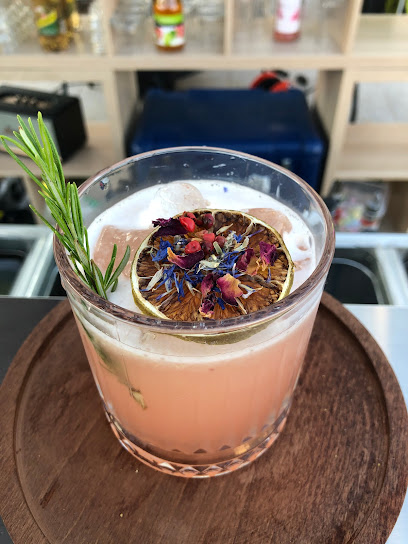
The Ubc Events - Bar à domicile
0.1 km
Experience the vibrant cocktail culture of Aix-en-Provence at The Ubc Events, where innovative drinks meet a cozy atmosphere.
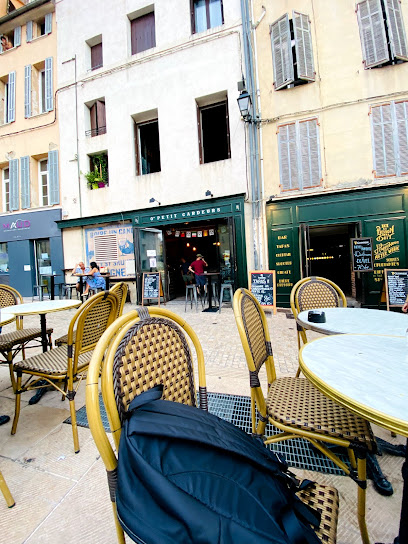
O'barrel
0.2 km
Discover the vibrant atmosphere of O'barrel, a charming pub in Aix-en-Provence, offering local drinks and a lively ambiance for an unforgettable experience.
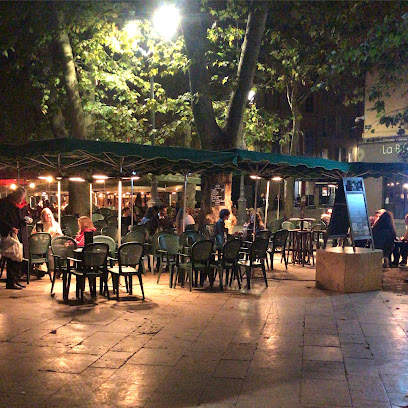
Bar des PTT
0.2 km
Experience the local nightlife at Bar des PTT in Aix-en-Provence, where vibrant ambiance meets affordable drinks for a memorable evening.
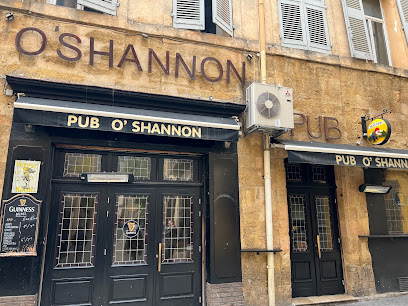
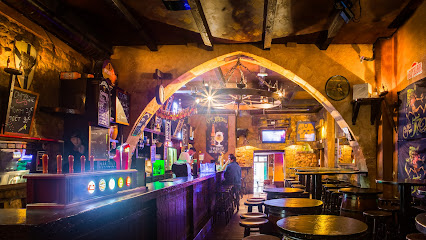
O'Shannon
0.2 km
Discover the vibrant atmosphere of O'Shannon, a beloved pub in Aix-en-Provence, where locals and tourists gather for great drinks and lively entertainment.
Le Manoir
0.2 km
Discover the vibrant ambiance of Le Manoir in Aix-en-Provence, where delightful drinks and a lively atmosphere await every traveler.
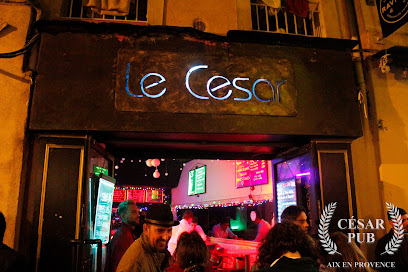
Le césar pub
0.2 km
Discover the lively spirit of Aix-en-Provence at Le César Pub, where great drinks and friendly faces create unforgettable memories.
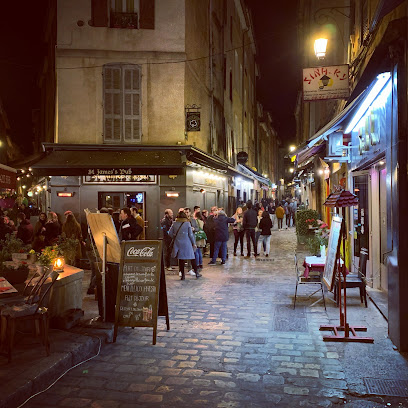
St James pub
0.2 km
Experience the vibrant atmosphere of St James Pub in Aix-en-Provence, where local charm meets a lively bar scene perfect for unwinding after your adventures.
Sunset Café
0.3 km
Discover the lively Sunset Café, a premier bar and nightclub in Aix-en-Provence, where vibrant nightlife meets exquisite cocktails and unforgettable moments.
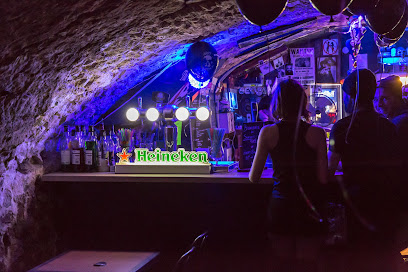
Le Brigand
0.3 km
Discover the lively atmosphere and delightful drinks at Le Brigand, a must-visit pub in Aix-en-Provence's vibrant social scene.
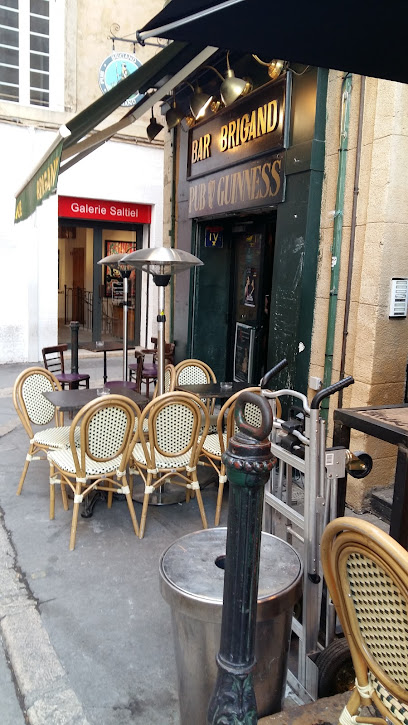
La Cocina Negra
0.3 km
Discover the vibrant nightlife of Aix-en-Provence at La Cocina Negra, where exquisite cocktails and a lively atmosphere await.
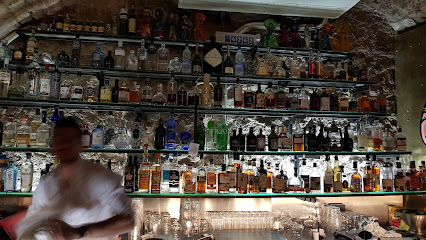
Bar à Bières
0.3 km
Discover the vibrant atmosphere of Bar à Bières in Aix-en-Provence, a craft beer paradise featuring local and international brews.
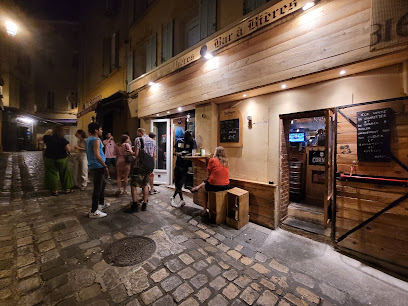
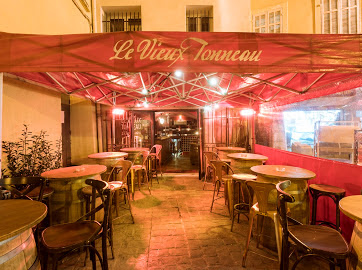
Le Vieux tonneau
0.3 km
Discover the charm of Le Vieux Tonneau, a top wine bar in Aix-en-Provence offering exquisite wines and savory tapas in a cozy setting.
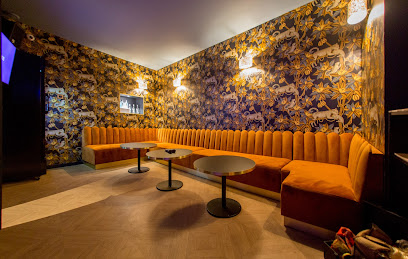
BACK to BAC - Aix-en-Provence
0.3 km
Discover BACK to BAC, a premier cocktail bar in Aix-en-Provence, offering innovative drinks and a vibrant atmosphere perfect for unwinding and socializing.
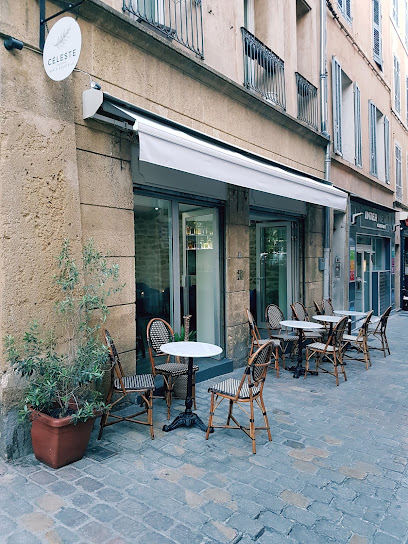
Céleste
0.3 km
Discover Céleste, the chic cocktail bar in Aix-en-Provence, offering unique drinks and an inviting atmosphere for unforgettable nights.
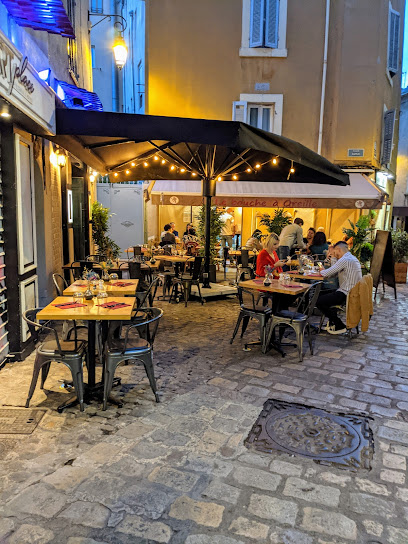
Pub shakespeare
0.3 km
Discover the lively atmosphere and authentic flavors of Pub Shakespeare, an Irish pub in the heart of Aix-en-Provence, perfect for tourists and locals alike.
Nightclubs & after hour spots

The Scat Club
0.2 km
Experience the vibrant nightlife and live music at The Scat Club, a must-visit night club in the heart of Aix-en-Provence.
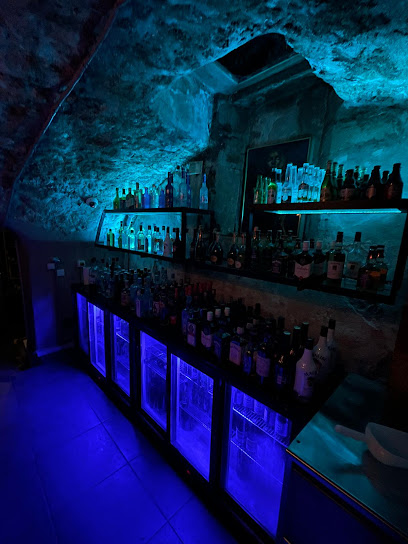
Maya Bay
0.3 km
Discover the vibrant lounge atmosphere of Maya Bay in Aix-en-Provence, offering an exquisite hookah experience and stylish ambiance for relaxation.
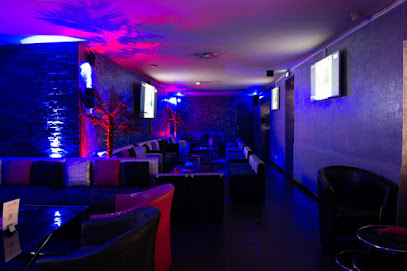
Le Tendance
0.3 km
Discover Le Tendance, a lively bar in Aix-en-Provence, where the vibrant atmosphere meets exquisite drinks and unforgettable nightlife experiences.
Shakespeare Club
0.3 km
Experience the electrifying atmosphere of Shakespeare Club, a premier disco in Aix-en-Provence, where the night comes alive with music and dance.
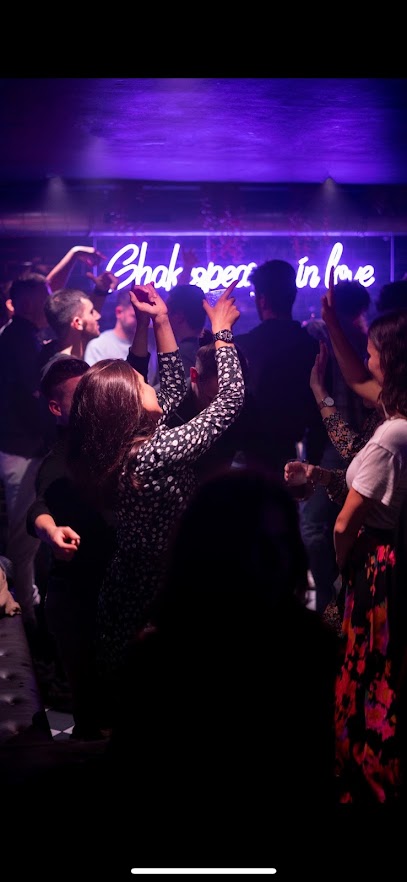
IPN
0.4 km
Unleash your inner party spirit at IPN, the ultimate night club in Aix-en-Provence, where music and dance create unforgettable memories.
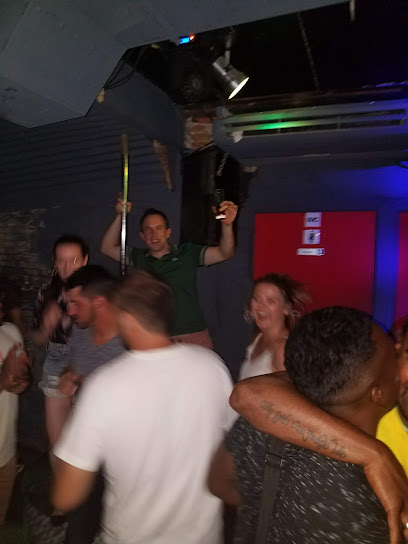
La Maya Club Location de salle
0.4 km
Discover the pulse of Aix-en-Provence's nightlife at La Maya Club, where exceptional cocktails and vibrant music create the ultimate party atmosphere.
Mistral Club
0.6 km
Experience the vibrant nightlife at Mistral Club in Aix-en-Provence, where music, dancing, and style unite for an unforgettable evening.
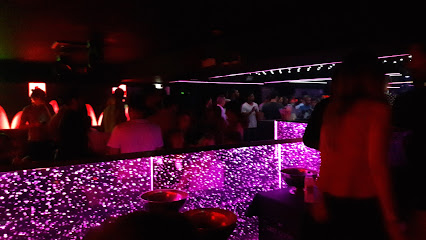
Le Diva - Resto Club
0.8 km
Experience the vibrant nightlife at Le Diva, a premier Resto Club in Aix-en-Provence, blending exquisite dining with pulsating dance floors.

Au Son des Guitares
0.9 km
Dive into Aix-en-Provence's vibrant nightlife at Au Son des Guitares, where music and energy create unforgettable nights of fun.
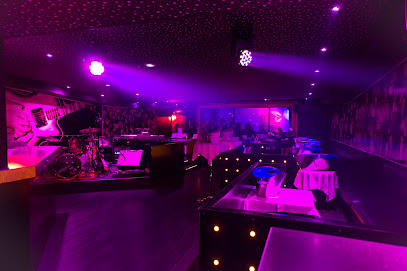
Agora Club
1.4 km
Immerse yourself in the electrifying atmosphere of Agora Club, Aix-en-Provence's premier nightlife destination, where unforgettable memories are made.
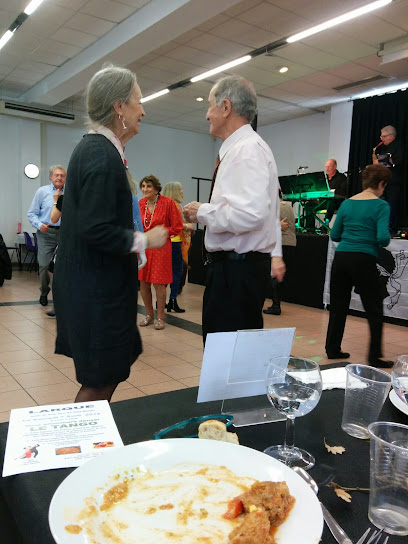
Complex Club
2.3 km
Immerse yourself in Aix-en-Provence's nightlife at Complex Club, where music and energy unite for an unforgettable experience until dawn.

La Boite à Bijoux - Showgirls Club
3.8 km
Discover the vibrant nightlife at La Boite à Bijoux, a premier entertainment club in Aix-en-Provence offering captivating performances and a lively atmosphere.

La Joia - Aix-en-Provence
6.6 km
Discover the heart of Aix-en-Provence's nightlife at La Joia, where music, dance, and unforgettable memories await you.
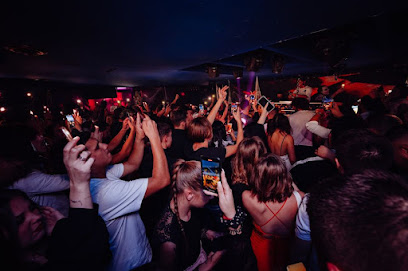
Top 60
7.7 km
Discover the energy of Aix-en-Provence at Top 60, a thrilling night club offering electrifying music and a vibrant atmosphere for an unforgettable night out.
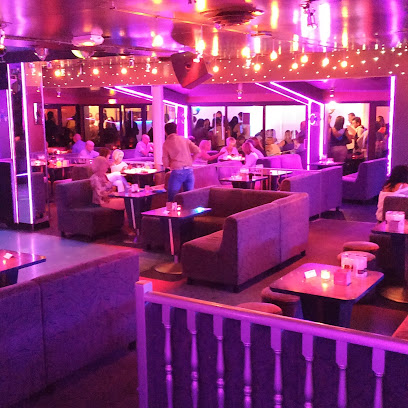
Les Templiers - Resto Club
8.6 km
Experience the vibrant nightlife of Aix-en-Provence at Les Templiers, a dance restaurant and cabaret club blending exquisite dining with electrifying entertainment.