Monument Joseph Sec, Aix-en-Provence Travel Guide
Free Guide: Discover a hidden gem of revolutionary architecture in Aix-en-Provence: the Monument Joseph Sec, a captivating blend of history, symbolism, and art.


A brief summary of Monument Joseph Sec
Discover a hidden gem of revolutionary architecture in Aix-en-Provence: the Monument Joseph Sec, a captivating blend of history, symbolism, and art.
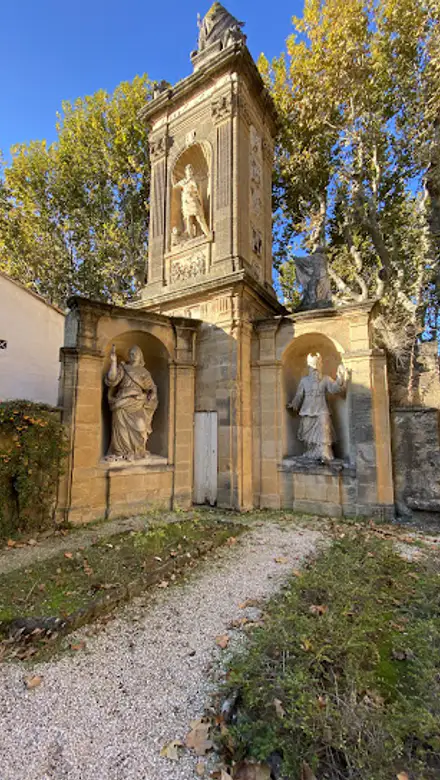
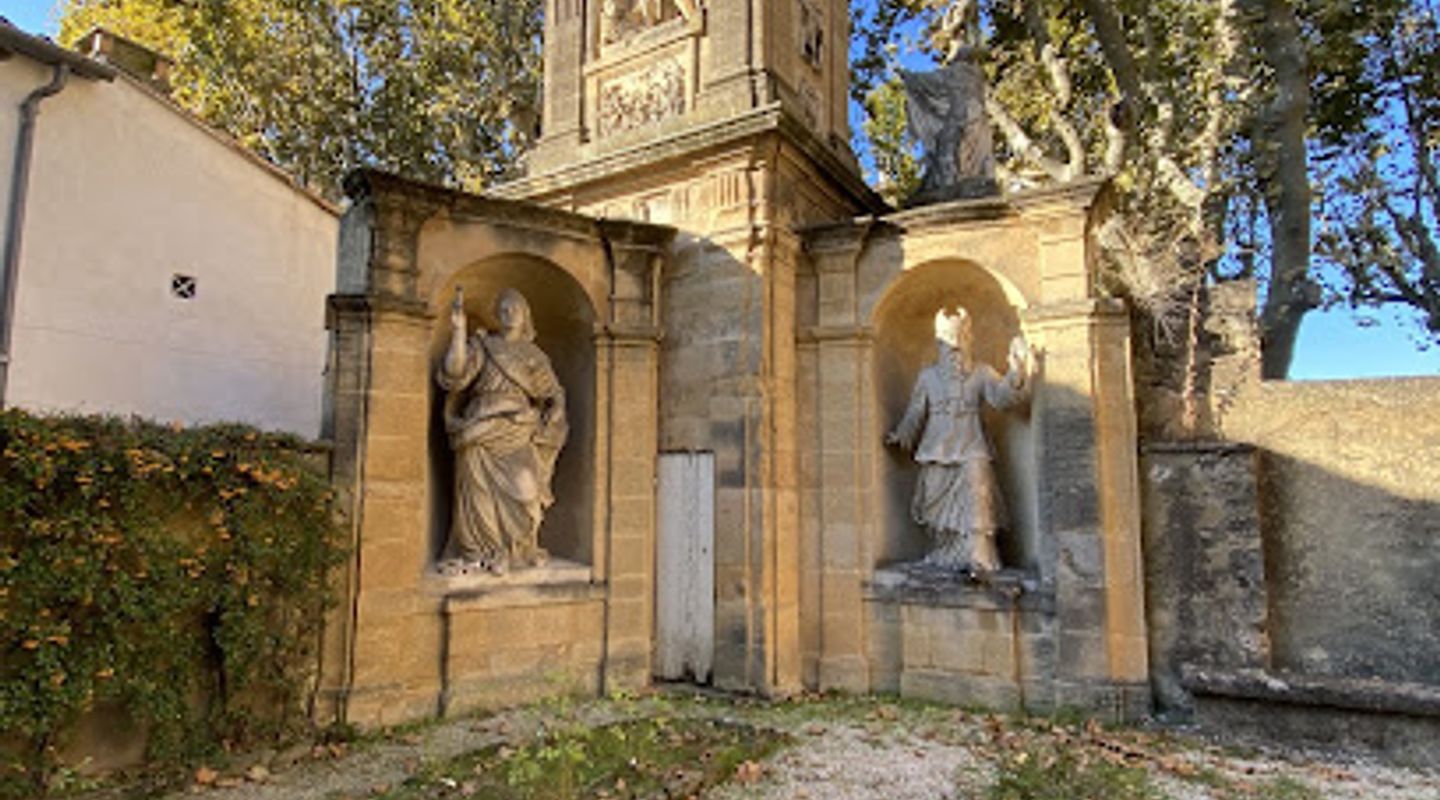
The Monument Joseph Sec in Aix-en-Provence is a captivating historical landmark, a rare surviving example of revolutionary architecture from the late 18th century. Commissioned by Joseph Sec, a wood merchant and Enlightenment thinker, this intriguing cenotaph blends Jacobin, Masonic, and biblical symbolism into a unique artistic statement. Located on Avenue Pasteur, the monument features sculptures representing figures like Moses, allegories of Africa and Europe, and the goddess Themis, embodying Law and Justice. Its thought-provoking design and historical context make it a compelling site for those interested in the French Revolution and its impact on art and society. The monument provides a glimpse into the mind of an individual deeply influenced by the era's revolutionary ideals, offering a unique perspective on the period's intellectual and artistic currents. A visit promises a journey through history and symbolism, set within a peaceful garden setting.
- Address
- 8 Av. Pasteur, 13100 Aix-en-Provence
- Website
Getting there
Walking
Public Transport
Driving
Discover more about Monument Joseph Sec
Overview
The Monument Joseph Sec, nestled on Avenue Pasteur in Aix-en-Provence, stands as a remarkable testament to the revolutionary fervor and intellectual curiosity of the late 18th century. This unique cenotaph, commissioned by Joseph Sec, a local wood merchant and prominent figure of the Enlightenment, is a rare surviving example of revolutionary architecture, blending Jacobin, Masonic, and biblical symbolism into a singular artistic expression. Joseph Sec (1715-1794) was more than just a successful businessman; he was a man of his time, deeply influenced by the Enlightenment ideals and the burgeoning French Revolution. He envisioned this monument not merely as a personal memorial but as a public declaration of his beliefs, a "hymn to the glory and to the law," as some historians have described it. Sec engaged a professional, likely the sculptor Barthélémy Chardigny, to bring his vision to life, resulting in a complex and layered work of art that continues to intrigue and inspire visitors today. The monument's design is a fascinating blend of styles and symbols. The pyramidal structure is dominated by a statue of Themis, the Greek goddess of Law and Justice, representing the triumph of reason and order over the old regime. Themis, depicted with a helmet and scales, gazes resolutely towards Marseille, embodying the unwavering principles of justice. The statue was originally flanked by a portrait of Louis XVI, later replaced by one of Joseph Sec himself, reflecting the shifting political landscape of the time. The monument's facade features a statue of Moses holding the tablets of the Law, flanked by allegorical representations of Africa and Europe. Africa, depicted as a man with broken chains, symbolizes the end of slavery, while Europe, represented as a woman, embodies liberty. This juxtaposition highlights the revolutionary ideals of freedom and equality that Sec espoused. The surrounding garden is adorned with statues of Old Testament figures, including Noah with his ark and grapes, Aaron wearing the priestly breastplate, David holding the head of Goliath, and Jael with her hammer. These figures, drawn from biblical narratives, represent themes of faith, courage, and divine justice, adding another layer of meaning to the monument's overall symbolism. The monument's construction was completed in 1792, a pivotal year in the French Revolution. It stands near the Hôpital Saint-Jacques, in an area that was once on the outskirts of Aix-en-Provence. The location itself may have been chosen deliberately, as Sec was involved in the development of the new Notre-Dame suburb in the area. The Monument Joseph Sec was classified as a historical monument in 1969, ensuring its preservation for future generations. Today, it remains a captivating site for those interested in the French Revolution, Masonic symbolism, and the history of Aix-en-Provence. A visit to the monument offers a unique opportunity to step back in time and explore the mind of a man who was deeply influenced by the intellectual and political currents of his era. The monument is an incongruous and eclectic medley of autobiographical, socio-economic, and biblical fantasy with a touch of freemasonry. The 17th-century statuary that borders the garden behind the monument itself is a typically discriminate instance of "borrowing", in this case from the unfortunate Jesuits who were ousted from their chapel in 1765. The pavillon next to the monument is noteworthy for its multicolored tiled roof, unique in a town where the ancient Roman curved tile is synonymous with a certain proximity to the northern shores of the Mediterranean. Visiting the Monument Joseph Sec is a journey through history, art, and symbolism. It's a chance to reflect on the revolutionary ideals that shaped modern France and to appreciate the unique vision of a man who sought to express those ideals through art. The monument is a reminder that even in times of great upheaval, individuals can leave a lasting legacy through their creativity and commitment to their beliefs. The monument is a rare and fascinating glimpse into the mind of Joseph Sec, a man who lived through a period of immense change and sought to express his beliefs through a unique and enduring work of art. It is a place where history, symbolism, and art converge, offering visitors a thought-provoking and enriching experience. Exploring the Monument Joseph Sec offers a profound connection to a pivotal era in history, inviting contemplation on the enduring themes of justice, liberty, and the human spirit's capacity for innovation and transformation. It is a destination that resonates with those seeking a deeper understanding of the past and its relevance to the present.
Evendo Review Centre
 Google
Guest reviews
Explore Monument Joseph Sec on the map
A handpicked selection of must-see spots near Monument Joseph Sec, mapped for you.
Get your free copy of our complete guide to Monument Joseph Sec, delivered straight to you.
Everything on this page, from opening hours and how to get there to Eve’s tips and the best time to go, in one PDF you can read offline, print or share.
Already have an account? Sign in
Your Monument Joseph Sec guide is ready.
We'll send it to · Not you? Sign out

Getting your guide ready…
We are putting together a fresh copy of the Monument Joseph Sec guide. This can take up to a minute.
This can take a few moments. If your browser asks, choose Allow so the download can start. You'll find the guide in your Downloads folder.
Nothing happened? Download it again
Sorry, the guide is taking longer than usual. Please try again in a minute, or get it by email instead.
Unlock the best of Monument Joseph Sec
Skip-the-line tickets, guided tours with entry, and walking tours of the area, booked in a few clicks.


Other nearby places you may find interesting
The closest places of the same kind, if this one is not quite what you had in mind.
-
-
-
-
-


Swipe for more places
More to explore near Monument Joseph Sec

 Best experiences near Monument Joseph Sec
 Best hotels near Monument Joseph Sec
 Best landmarks near Monument Joseph Sec
 Best attractions near Monument Joseph Sec
 Best shops near Monument Joseph Sec
 Best restaurants near Monument Joseph Sec
 Best bars near Monument Joseph Sec
Do you manage this location?
Take control to get all the benefits, like improved information, better appearance, and stronger visibility across AI-powered discovery.
Explore more
Explore more of Aix-en-Provence
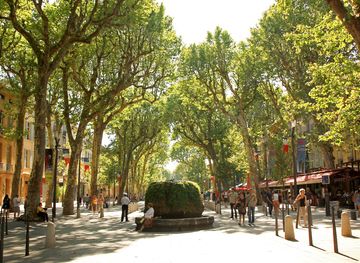
Discover Aix-en-Provence: A picturesque city in southern France known for its vibrant markets, rich cultural history, and stunning architecture, perfect for an authentic French experience.
Explore Aix-en-Provence
Explore more of France
Explore France: A land of romance, history, and unparalleled beauty, from the iconic streets of Paris to the serene landscapes of Provence and the luxury of the French Riviera.
Explore France