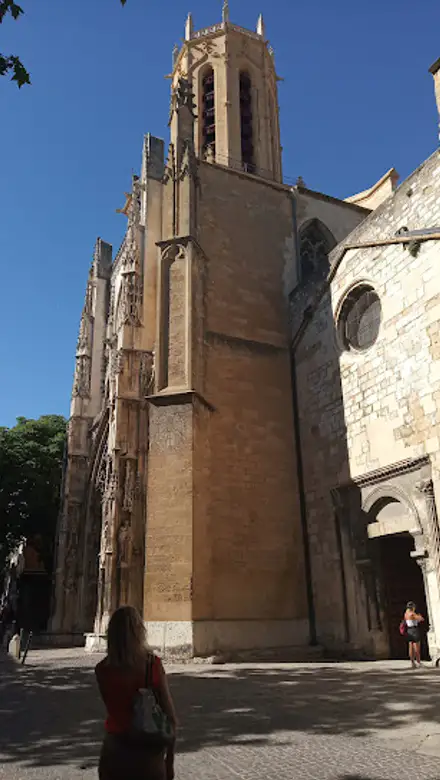
Musée du Vieil-Aix, Aix En Provence Travel Guide
Discover the heart of Aix-en-Provence at the Musée du Vieil-Aix, exploring Provençal traditions and art within a 17th-century mansion, showcasing local history through captivating collections.
The Musée du Vieil-Aix, nestled in the historic Hôtel Estienne de Saint-Jean, offers a captivating journey through the history and traditions of Aix-en-Provence. Founded in 1932 by Marie d'Estienne de Saint-Jean, the museum showcases a diverse collection of furniture, earthenware, costumes, and santons (Provençal figurines), providing an intimate glimpse into the lives of Aix's inhabitants through the centuries. Highlights include a remarkable collection of articulated wooden puppets used in traditional celebrations and a model of Giovanni Battista Gaulli's design for the baptistery of St. Peter's in Rome. Housed within the elegant setting of a 17th-century aristocratic residence, the Musée du Vieil-Aix provides a unique and engaging experience for visitors seeking to immerse themselves in the rich cultural heritage of this charming Provençal city. The museum is closed on Tuesdays and select holidays, with varying opening hours depending on the season, so be sure to check in advance.
A brief summary to Musée du Vieil-Aix
- 17 Rue Gaston de Saporta, Aix-en-Provence, 13100, FR
- Click to display
- Monday 10 am-12:30 pm
- Wednesday 10 am-12:30 pm
- Thursday 10 am-12:30 pm
- Friday 10 am-12:30 pm
- Saturday 10 am-12:30 pm
- Sunday 10 am-12:30 pm

Know before you go
Hi, I'm Eve. Here are a few practical things to know before exploring Musée du Vieil-Aix.
- Visit on the first Sunday of the month for free admission to the museum.
- Combine your visit with a walk along the nearby Cours Mirabeau to experience the heart of Aix-en-Provence.
- Check the museum's website for temporary exhibitions and special events that may enhance your visit.
- Allow at least 1.5-2 hours to fully explore the museum's collections and exhibits.
- Public parking is available at Parking Pasteur, a short walk from the museum.
Do you manage this location?
Take control to get all the benefits, like improved information, better appearance, and stronger visibility across AI-powered discovery. Learn more about listing your business on Evendo
Activate your presenceOther nearby places you may find interesting
The closest places of the same kind, if this one is not quite what you had in mind.

Explore Musée du Vieil-Aix on the Map
A handpicked selection of must-see spots near Musée du Vieil-Aix, mapped for you.
Unlock the Best of Musée du Vieil-Aix
Buy tickets
-
No tickets available
Book tours with entry
-
No tours available
Book tours without entry

Getting There
-
Walking
From the Cours Mirabeau, a central point in Aix-en-Provence, walk north along the Rue Joseph Cabassol. Turn left onto Rue Gaston de Saporta. The Musée du Vieil-Aix will be on your right, a short distance down the street. The walk is approximately 5-10 minutes, depending on your starting point on Cours Mirabeau.
-
Public Transport
Several bus lines stop near the Musée du Vieil-Aix. The closest bus stops are Briand, Pasteur, and Bourse, all within a 3-4 minute walk of the museum. Check local bus schedules for the most up-to-date information. A single ticket costs around €1.60. Alternatively, the 'Diabline' small buses have three routes through Aix and will stop when hailed. They operate 8:30am-7:30pm daily except for Sunday and are good for budgeters at €0.60 a ride or 10 rides for €5.
-
Taxi/Ride-Share
A taxi or ride-share from the Aix-en-Provence train station (Gare d'Aix-en-Provence) to the Musée du Vieil-Aix will take approximately 10-15 minutes, depending on traffic. The estimated cost is between €15-€20. From Cours Mirabeau, a taxi ride would be very short and inexpensive, likely under €10.
-
Driving
Driving directly to the Musée du Vieil-Aix is possible, but parking in the immediate vicinity can be challenging. The closest parking option is Parking Pasteur, located approximately 100m from the museum. Expect to pay around €2.50-€3.50 per hour, or €20-€25 for a full day. Due to the limited parking and narrow streets, it's recommended to park in a larger lot further out and walk or take public transport for the final leg of the journey.
Discover more about Musée du Vieil-Aix













Your all‑in‑one travel companion app
Explore expert travel guides, compare and book tours, experiences, hotels, and more—all from the palm of your hand. Download now for seamless trip planning wherever your wanderlust takes you.


Explore More of Aix En Provence
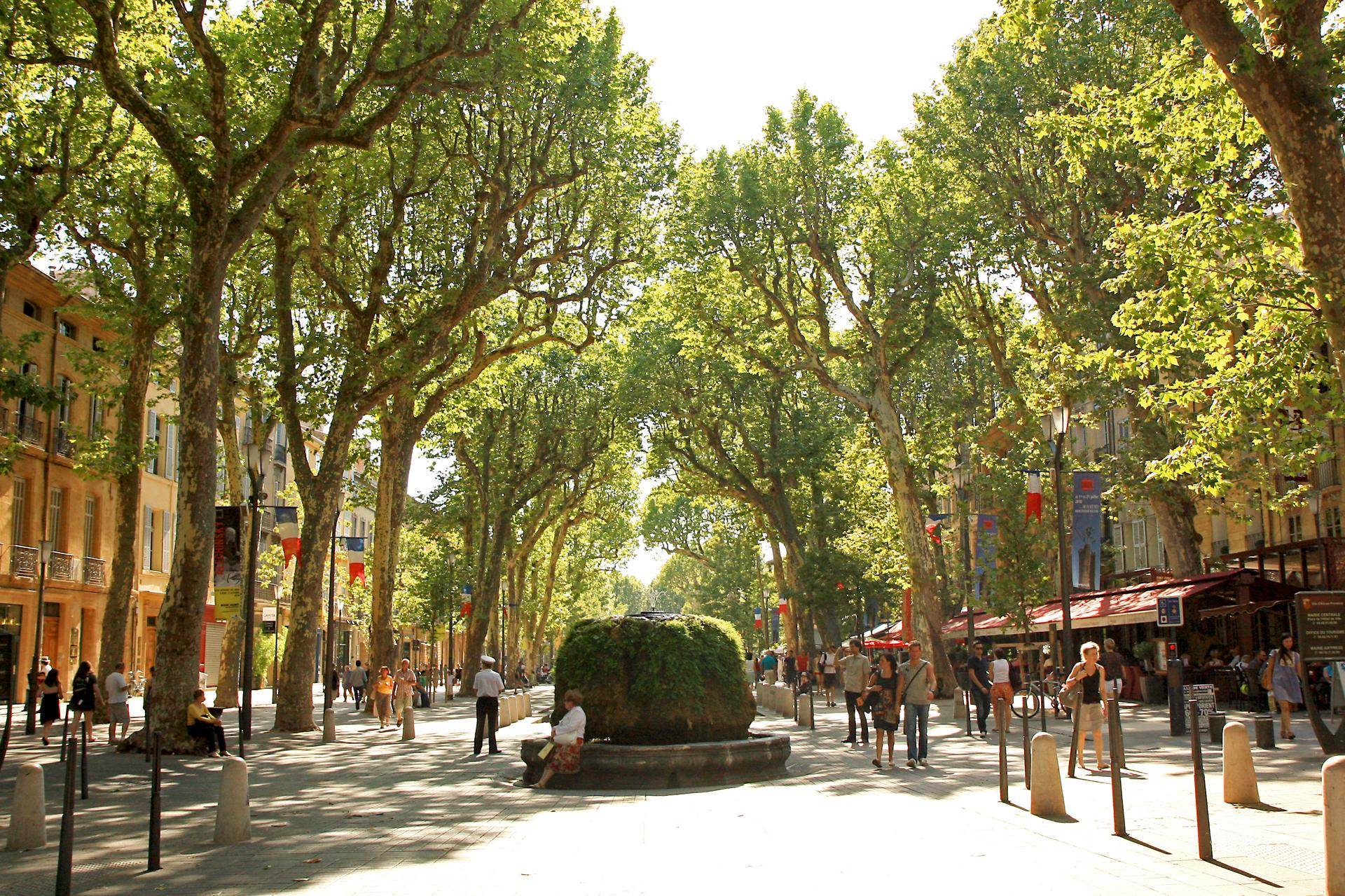
Looking beyond Musée du Vieil-Aix? Discover Aix En Provence for broader travel guides, local hot-spots, and regional highlights.
Explore Aix En Provence
Embark on a pixelated treasure hunt through Aix-en-Provence, discovering vibrant mosaic street art by Invader that blends contemporary playfulness with the city's historic charm.
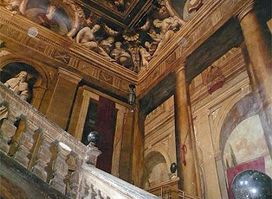
Discover a hidden treasure in Aix-en-Provence: the Hôtel de Châteaurenard, where a stunning trompe-l'œil staircase and royal history await in a 17th-century mansion.