Louvre Pyramid: A Modern Entrance to Art
A modern architectural icon providing entry to the Louvre Museum, blending contemporary design with classical art in the heart of Paris.
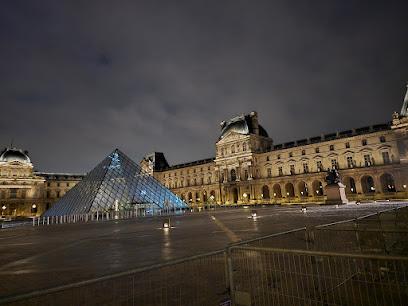
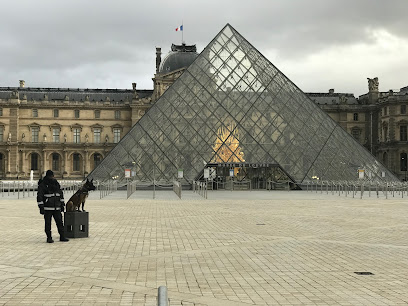
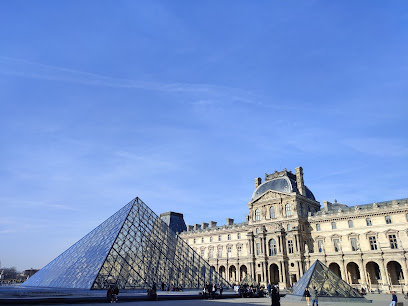
The Louvre Pyramid, a striking glass and metal structure in the Cour Napoléon of the Louvre Palace, serves as the museum's main entrance. Designed by I.M. Pei and completed in 1989, it provides access to the underground visitor hall and has become an iconic symbol of Paris.
A brief summary to Louvre Pyramid
- Paris, 75001, FR
- +33140205317
- Visit website
Local tips
- Visit during the week, especially late afternoons, to avoid the largest crowds.
- Access to the Pyramid, shopping center and boutiques is free.
- Consider using the Carrousel du Louvre entrance to avoid long lines at the main Pyramid entrance.
- Be aware that the museum is closed on Tuesdays, January 1, May 1, and December 25.

Getting There
-
Public Transport
From Pyramides Station, take line 7 of the subway to Palais Royal - Musée du Louvre. The journey takes approximately 4 minutes and costs €3. Alternatively, the bus line 68 will take you to Musée du Louvre in about 7 minutes for €1-€2.
-
Taxi
A taxi from Pyramides Station to the Louvre Pyramid will cost approximately €8-€10 and take about 6 minutes. From Châtelet, a taxi ride to the Louvre Pyramid is about 5 minutes and costs around €7-€10.
-
Walking
From the Pyramides Station, the Louvre Pyramid is approximately a 8-minute walk (670m). From Hôtel de Ville, the walk is about 16 minutes (1.4 km).
-
Parking
Several car parks are located near the Louvre Museum, including Louvre Samaritaine, Pyramides, and Les Halles - Saint-Eustache. Parking rates range from €3 to €5 per hour. An underground car park is located at 1 Avenue du Général Lemonier, with access to the museum via the Galerie du Carrousel entrance, open from 7 a.m. to 11 p.m..
Discover more about Louvre Pyramid
Iconic landmarks you can’t miss

Louis XIV sous les traits de Marcus Curtius (copie)
0.1 km
Discover the grandeur of the Louis XIV sculpture in the stunning Cour Napoléon at the Louvre, a historical gem in the heart of Paris.
Société des Amis du Louvre
0.1 km
Discover the rich cultural heritage of Paris at Société des Amis du Louvre, where art, history, and unique experiences await every visitor.
Musée du Louvre - Département des Antiquités Orientales
0.1 km
Explore the ancient treasures of the world at the Musée du Louvre's Département des Antiquités Orientales, a must-visit for culture enthusiasts in Paris.
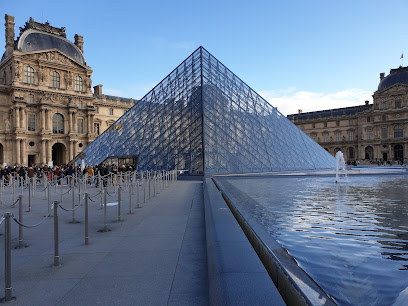
Pl. du Carrousel
0.1 km
Explore Pl. du Carrousel, a vibrant Parisian square that offers rich history, stunning architecture, and a delightful atmosphere for every traveler.
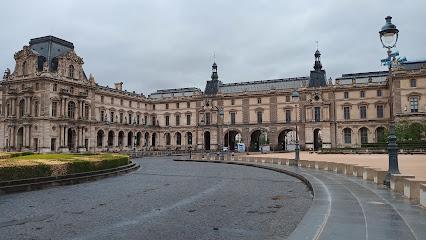
Piramide Invertida
0.1 km
Explore the Piramide Invertida, a stunning cultural center in Paris where modern architecture meets vibrant artistic expression, providing an unforgettable experience.
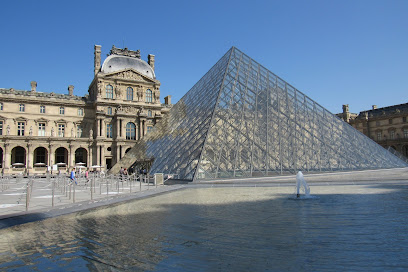
Quai François Mitterrand
0.2 km
Experience the enchanting beauty of Quai François Mitterrand, a picturesque promenade along the Seine, perfect for leisurely strolls and stunning views of Paris.
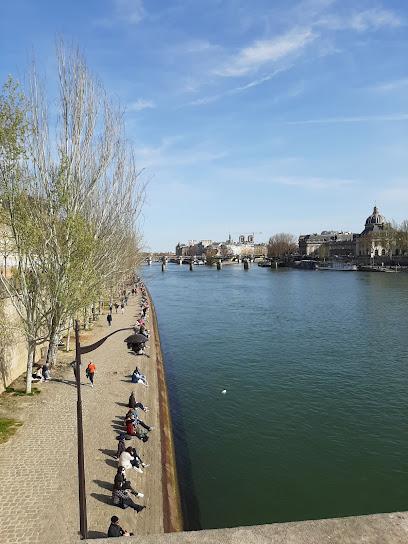
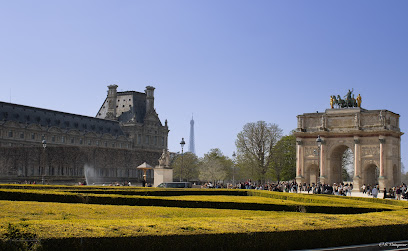
Arc de Triomphe du Carrousel
0.2 km
Discover the beauty and history of the Arc de Triomphe du Carrousel, a magnificent monument in Paris, celebrating Napoleon's victories and offering stunning views of the Louvre.
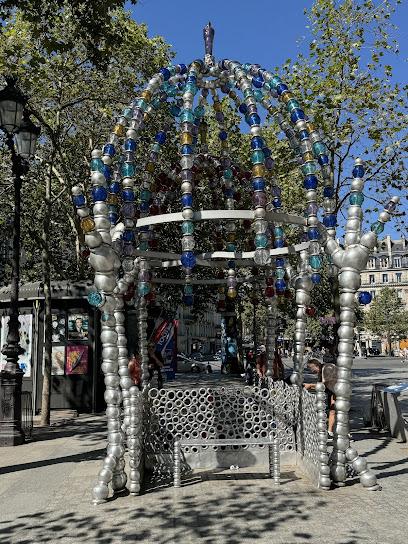
Place Colette
0.2 km
Discover Place Colette, a historic square in Paris that celebrates the literary legacy of Colette amidst charming cafes and boutiques.
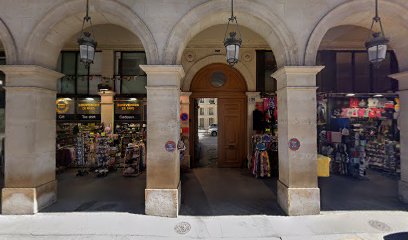
Loi Monuments Historiques
0.3 km
Explore the investment opportunities in Parisian historic monuments at Loi Monuments Historiques, where culture meets commerce.
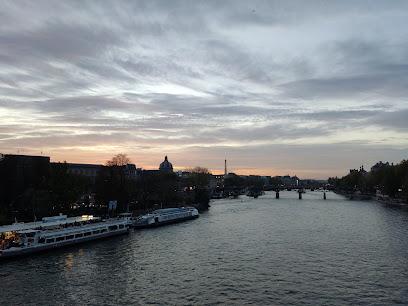
Pont du Carrousel
0.3 km
Experience the picturesque beauty and rich history of Pont du Carrousel, a bridge that embodies the spirit of Paris.
Colonnade de Perrault
0.3 km
Explore the Colonnade de Perrault: A Masterpiece of Classical Architecture and a Historical Landmark in the Heart of Paris.
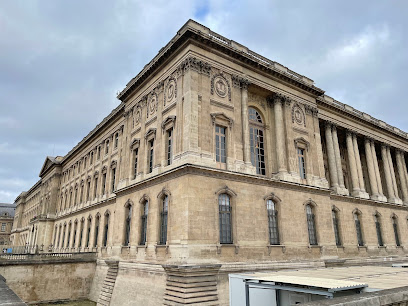
Porte des Lions
0.3 km
Experience the artistic elegance of Porte des Lions, a historical landmark in Paris that showcases the beauty of French Renaissance architecture.
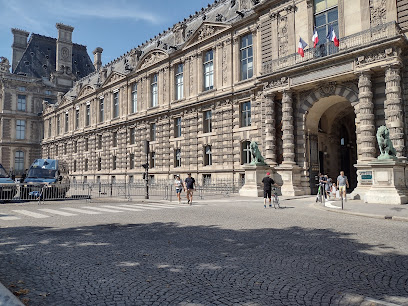
3 Av. de l'Opéra
0.4 km
Experience the elegance and vibrancy of Avenue de l'Opéra, a must-visit Parisian thoroughfare rich in culture, shopping, and stunning architecture.
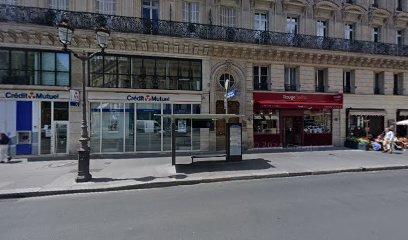
Tourism France Louvre
0.4 km
Discover the artistic treasures of the Louvre Museum in Paris, where history and beauty intertwine in an unforgettable experience.
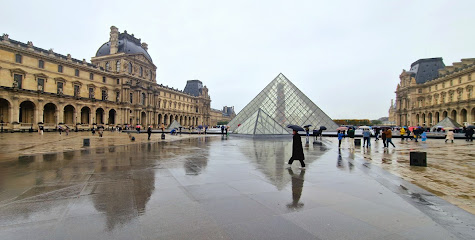
Rue de Rivoli & Pl. des Pyramides
0.4 km
Discover the vibrant intersection of Rue de Rivoli and Place des Pyramides, a cultural landmark in the heart of Paris, blending history, shopping, and scenic beauty.
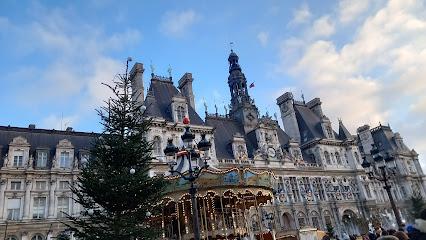
Unmissable attractions to see

Victoire de Samothrace
0.1 km
Explore the stunning Victoire de Samothrace at the Louvre, a breathtaking symbol of victory and a masterpiece of ancient art.
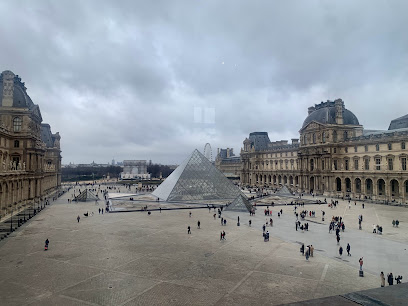
Louvre Museum
0.1 km
Explore the Louvre Museum, home to timeless art treasures and architectural beauty in the heart of Paris. Experience the cultural essence of France at this iconic museum.
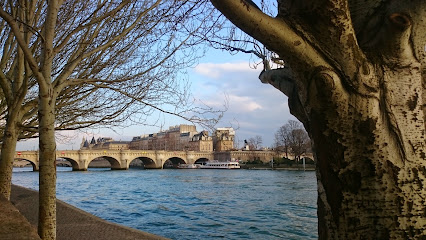
Musée du Louvre - Galerie des Antiquités
0.2 km
Explore the Louvre Museum, a treasure trove of art and culture in Paris, where history comes alive through its vast collection of masterpieces.
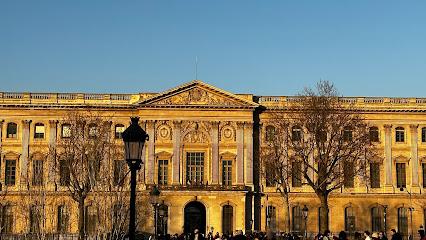
Babylon Tours Paris
0.2 km
Explore the enchanting city of Paris with Babylon Tours, your premier sightseeing tour agency for unforgettable experiences and hidden gems.

Le Kiosque des noctambules
0.2 km
Discover the charm of Le Kiosque des Noctambules, a delightful kiosk in Paris offering refreshing drinks and snacks amidst stunning city views.
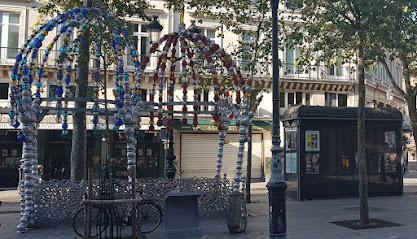
Comédie Française
0.3 km
Experience the magic of French theater at Comédie-Française, a historic venue showcasing the finest performances in Paris's vibrant cultural scene.
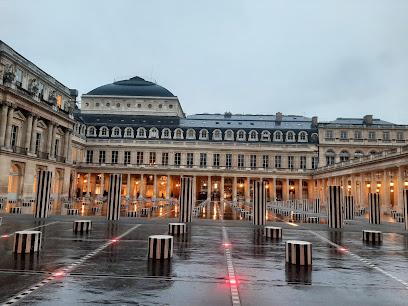
Musée des Arts Décoratifs
0.3 km
Explore French decorative arts and design from the Middle Ages to today in the Louvre's Musée des Arts Décoratifs.

Jardin du Carrousel
0.3 km
Explore the tranquil Jardin du Carrousel, a picturesque garden in Paris, known for its stunning landscapes, historical significance, and vibrant floral displays.
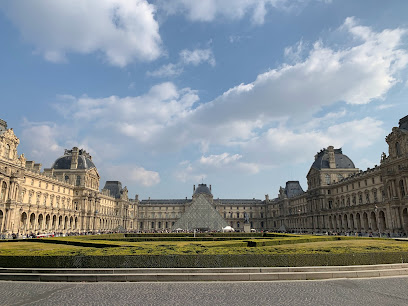
Colonnes de Buren/Les Deux Plateaux
0.3 km
Explore the captivating Colonnes de Buren, a unique blend of contemporary art and historic architecture in the heart of Paris.
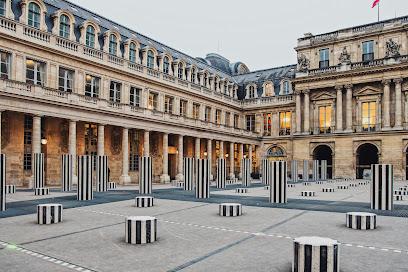
Domaine National du Palais-Royal
0.3 km
Discover the serene beauty and historical significance of Domaine National du Palais-Royal, a must-visit cultural landmark in the heart of Paris.
Pont des Arts
0.3 km
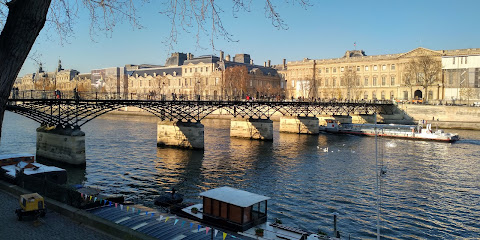
Discover the charm of Pont des Arts in Paris, a picturesque pedestrian bridge connecting the Louvre to the Institut de France, adorned with love locks and stunning views.
Tunnel des Tuileries [réservé aux piétons et aux cyclistes]
0.4 km
Experience the tranquility of Tunnel des Tuileries, your serene escape in the heart of Paris, perfect for pedestrians and cyclists alike.
![Tunnel des Tuileries [réservé aux piétons et aux cyclistes]](https://evendo-location-media.s3.amazonaws.com/AttractionImages/c0980e84-ce66-4cb4-9ecb-b774814a3368)
Mazarine Library
0.4 km
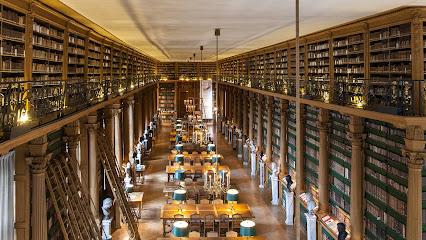
Explore the Mazarine Library in Paris, a historic gem filled with rare manuscripts and a rich literary heritage, perfect for book lovers and history enthusiasts.
Saint-Germain-l'Auxerrois
0.4 km
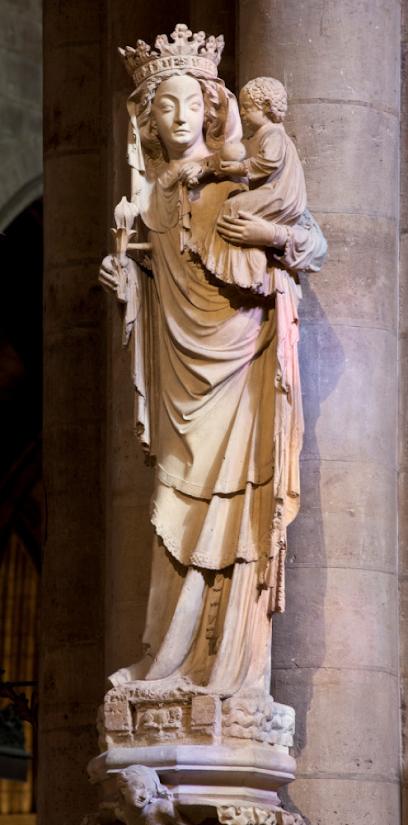
Explore the rich history and stunning architecture of Saint-Germain-l'Auxerrois, a must-visit Gothic church near the Louvre in Paris.
Meet The Locals - Paris, London & Edinburgh Family Tours
0.4 km
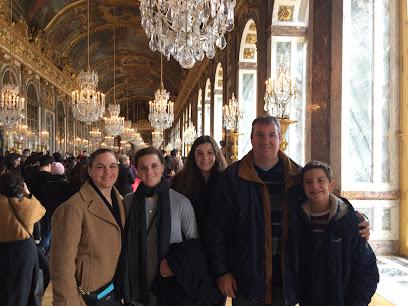
Experience the charm of Paris with family-focused tours that connect you with the city's culture and history through local guides.
Essential places to dine

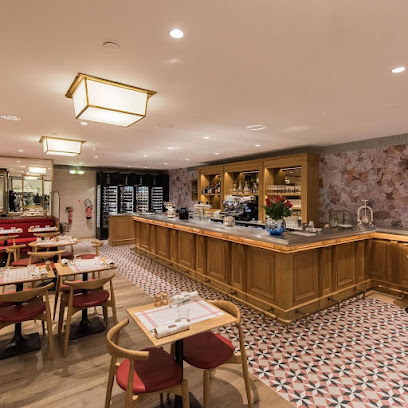
Bistrot Benoit
0.0 km
Experience authentic French cuisine at Bistrot Benoit, nestled in the iconic Hall Napoléon at the Louvre—perfect for families and tourists seeking tradition.
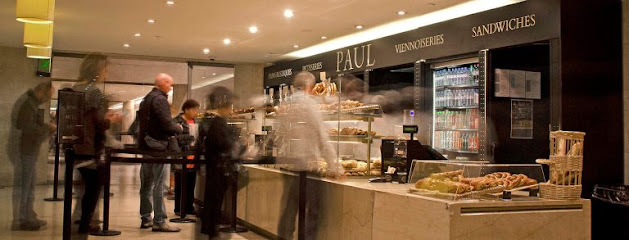
Le Comptoir du Louvre - Paul
0.0 km
Experience authentic French flavors at Le Comptoir du Louvre - Paul inside the iconic Musée du Louvre, perfect for art lovers and foodies alike.
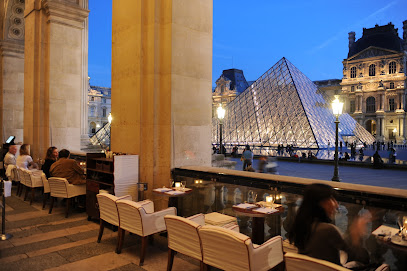
Le Café Marly
0.1 km
Experience exquisite modern French cuisine at Le Café Marly, offering stunning views of the Louvre in an elegant Parisian setting.
Brasserie du Louvre - Bocuse
0.2 km
Experience the heart of French cuisine and local brewing at Brasserie du Louvre - Bocuse in Paris.
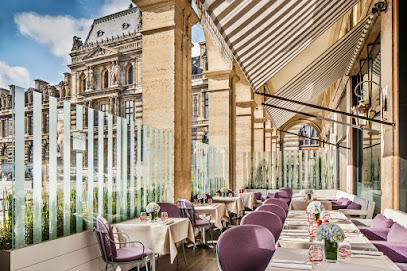
Loulou Restaurant Paris
0.3 km
Discover Loulou Restaurant in Paris - where Italian tradition meets French sophistication amidst stunning views.
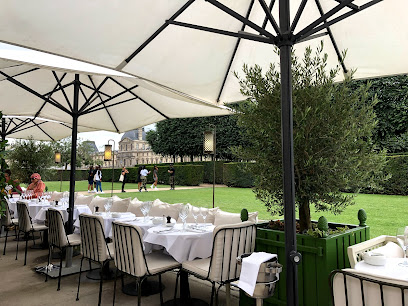
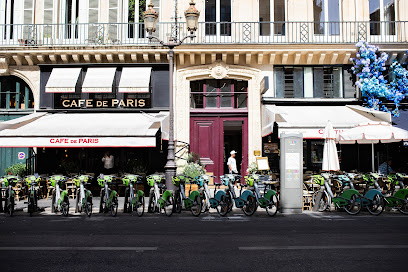
Café de Paris
0.3 km
Experience authentic French cuisine at Café de Paris - where tradition meets elegance in the heart of Paris.
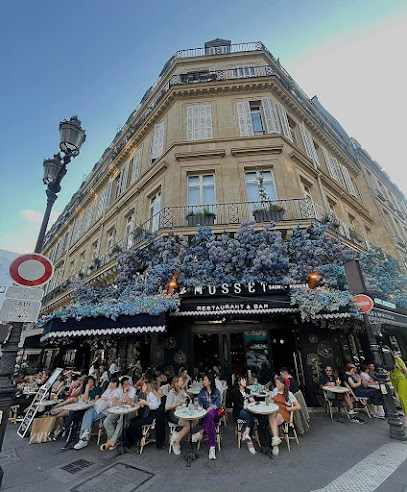
Le Musset
0.3 km
Discover the charm of authentic French cuisine at Le Musset, where culinary excellence meets Parisian elegance.
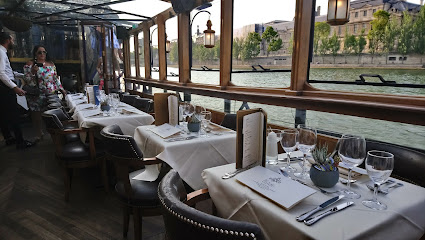
Le Calife
0.3 km
Experience exquisite French cuisine on a scenic cruise along the Seine River at Le Calife in Paris.
Le Louvre Ripaille
0.4 km
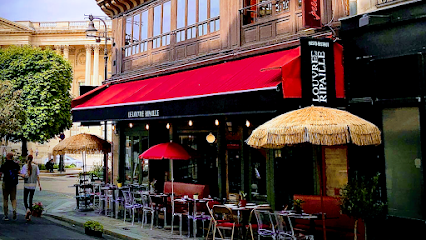
Experience the best of French cuisine at Le Louvre Ripaille - A delightful bistro offering exquisite dishes and fine wines in the heart of Paris.
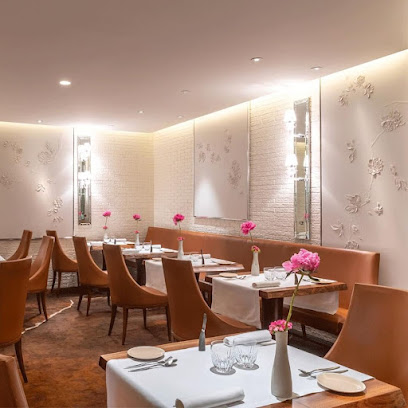
La Dame de Pic
0.4 km
Experience culinary excellence at La Dame de Pic, where innovative French cuisine meets timeless elegance in the heart of Paris.
Restaurant Guy Savoy
0.5 km
Discover exquisite French haute cuisine at Restaurant Guy Savoy in Paris – where culinary artistry meets elegant ambiance.
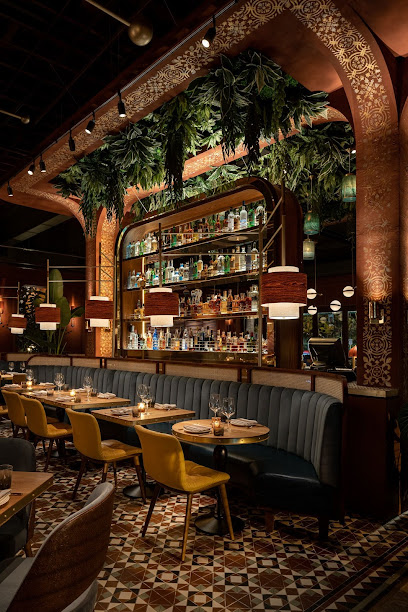
Mystery Cuisine
0.5 km
Experience exquisite French fine dining at Mystery Cuisine, where culinary artistry meets exceptional service in the heart of Paris.
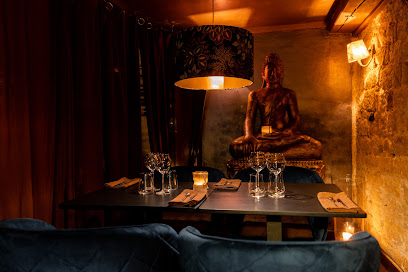
Palais Royal Restaurant
0.6 km
Experience fine dining at Palais Royal Restaurant, where haute French cuisine meets exquisite ambiance in the heart of Paris.
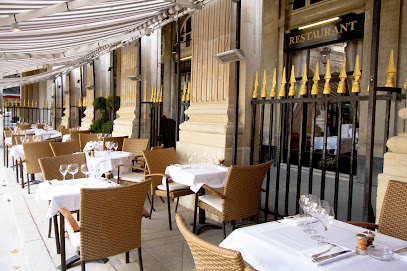
Le Pré aux Clercs
0.6 km
Discover the essence of French cuisine at Le Pré aux Clercs in Paris – where tradition meets contemporary charm.
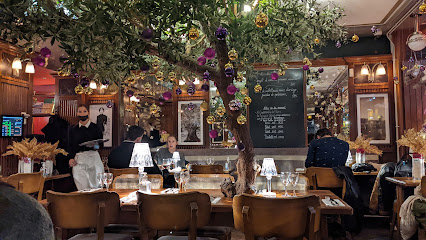
Maison Ô
0.7 km
Experience authentic French cuisine at Maison Ô in Paris - where tradition meets modern culinary artistry.
Markets, malls and hidden boutiques

Librairie-Boutique du Musée du Louvre
0.0 km
Explore the Librairie-Boutique du Musée du Louvre for a unique selection of books, art-inspired gifts, and souvenirs in the heart of Paris.
Pylones
0.1 km
Explore Pylones, a whimsical gift shop in Paris offering unique souvenirs, fashion accessories, and home decor that embody French creativity.
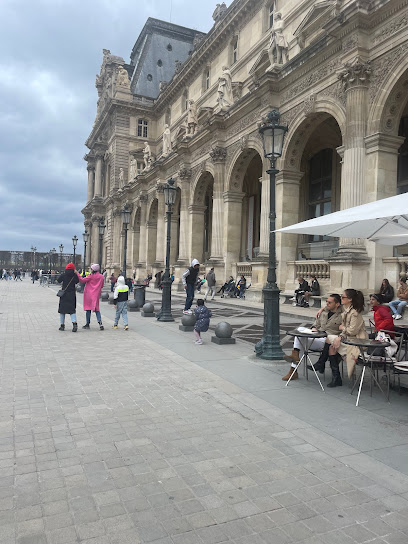
Sandro
0.2 km
Explore Sandro, a premier destination for contemporary fashion in Paris, offering stylish clothing, accessories, and a chic shopping experience.
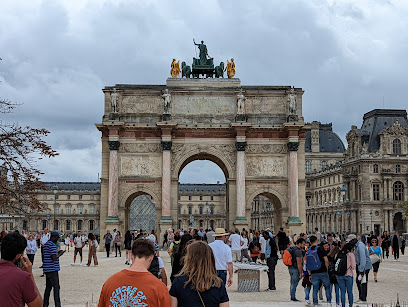
Carrousel du Louvre
0.2 km
Discover the luxurious shopping experience at Carrousel du Louvre, an architectural marvel in the heart of Paris, blending culture, cuisine, and couture.
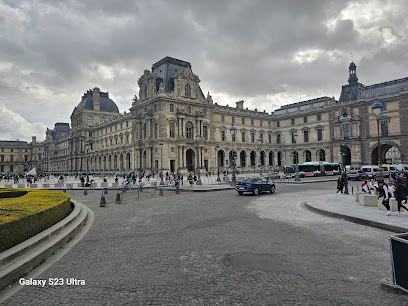
Boutique Officielle Paris 2024 Carrousel du Louvre
0.2 km
Explore a treasure trove of authentic Parisian souvenirs at the Boutique Officielle, nestled within the iconic Carrousel du Louvre.
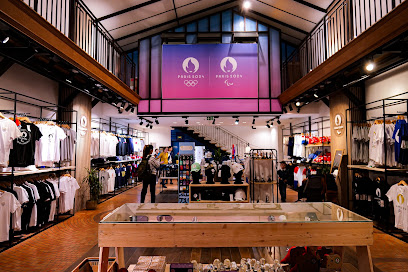
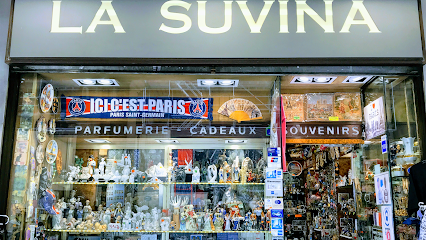
La Suvina - Souvenirs De Paris
0.2 km
Explore La Suvina, the enchanting souvenir store in Paris, offering unique gifts and treasures that embody the spirit of the City of Lights.
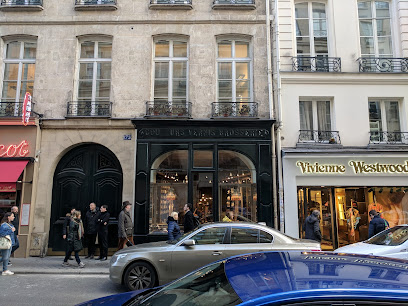
Astier de Villatte
0.4 km
Explore the artisanal charm of Astier de Villatte, where exquisite chinaware, candles, and unique decor come together in the heart of Paris.
Piou Piou Paris (Gift, souvenirs)
0.4 km
Explore Piou Piou Paris for unique souvenirs and home goods that embody the charm of the City of Lights.
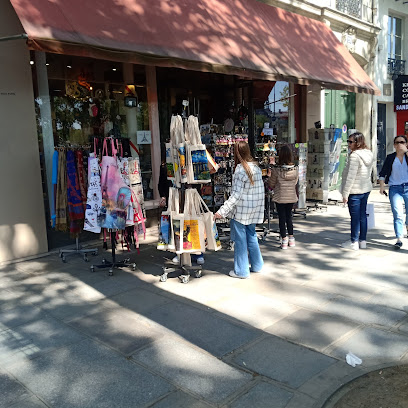
FOROH SOUVENIRS
0.4 km
Discover unique keepsakes at Foroh Souvenirs, the perfect place to find authentic Parisian treasures along the Seine.
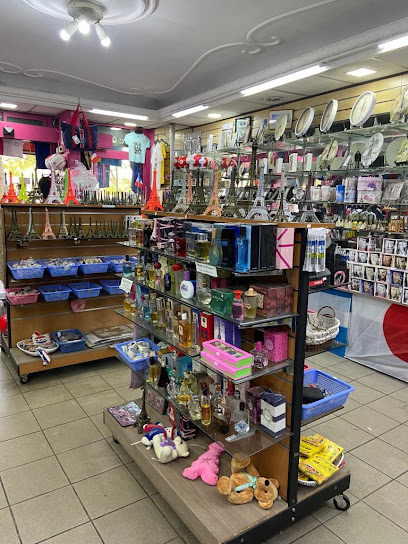
Aux Tuileries
0.4 km
Discover exquisite fashion accessories at Aux Tuileries, the heart of Parisian style and elegance.
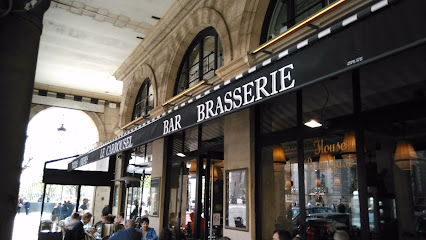
Urban Outfitters
0.5 km
Discover contemporary fashion and vintage vibes at Urban Outfitters in Paris—your ultimate shopping destination for unique styles and home decor.
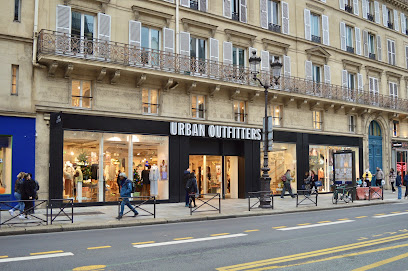
Renaissance - Vintage Fashion Paris
0.6 km
Discover unique vintage clothing pieces at Renaissance - Vintage Fashion Paris, the perfect spot for timeless fashion finds in the heart of the city.
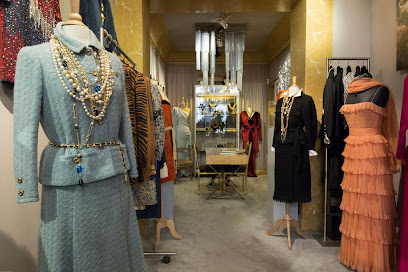
NKH Paris - Pop up store
0.6 km
Experience the essence of Parisian fashion and art at NKH Paris, a boutique featuring unique clothing and accessories for every style.
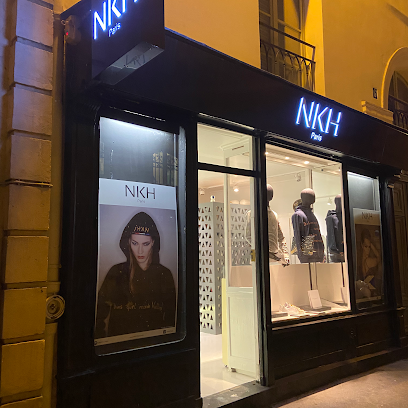
Souvenirs Center
0.6 km
Discover the essence of Paris at the Souvenir Center, where unique keepsakes and local craftsmanship await every traveler.
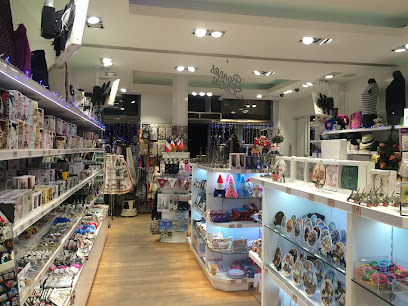
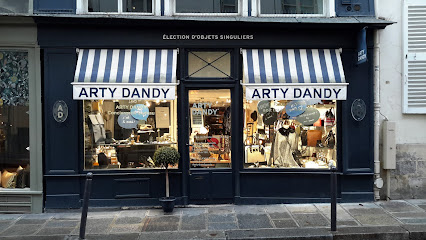
ARTY DANDY - Shopping Paris
0.7 km
Explore ARTY DANDY in Paris for unique gifts, stylish accessories, and a charming shopping experience that embodies the essence of Parisian elegance.
Essential bars & hidden hideouts

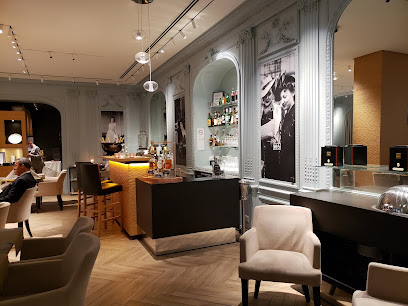
Officine du Louvre
0.2 km
Experience refined relaxation at Officine du Louvre, a chic cocktail and wine bar in the heart of Paris, perfect for unwinding after exploring the city.
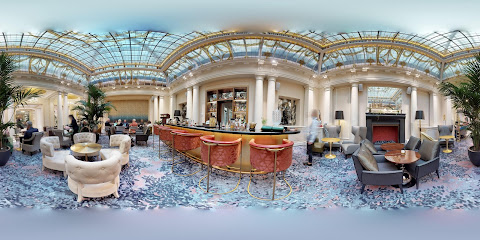
Le Fumoir
0.4 km
Discover the heart of Paris at Le Fumoir, a delightful blend of French cuisine, a lively cocktail bar, and a charming tea house.
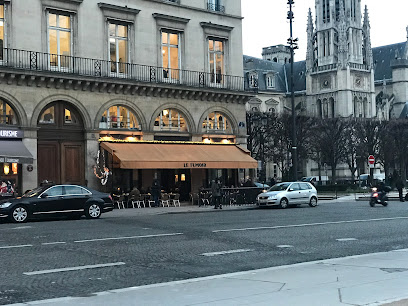
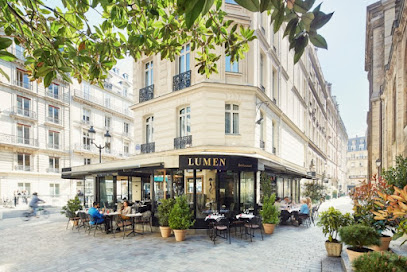
Bar Lumen
0.5 km
Indulge in exquisite cocktails at Bar Lumen, a stylish cocktail bar in the heart of Paris, perfect for an unforgettable evening.
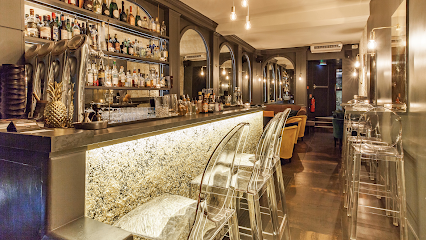
Arbane
0.6 km
Discover Arbane, a chic cocktail bar in Paris offering creative drinks and a vibrant atmosphere for an unforgettable night out.
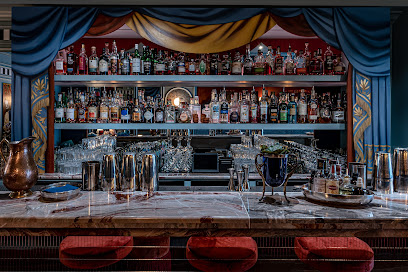
Prescription Cocktail Club
0.7 km
Discover the innovative cocktails and vibrant atmosphere at Prescription Cocktail Club, a top cocktail bar in the heart of Paris.
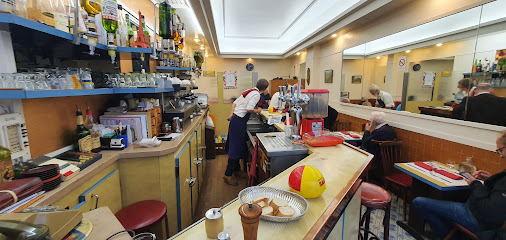
Au Petit Bar
0.7 km
Discover Au Petit Bar: A quintessential Parisian bar offering a cozy ambiance, delightful drinks, and a taste of authentic local culture.
Velvet Bar Paris
0.7 km
Experience the essence of Parisian nightlife at Velvet Bar, where exquisite cocktails meet stylish ambiance in the city's vibrant heart.
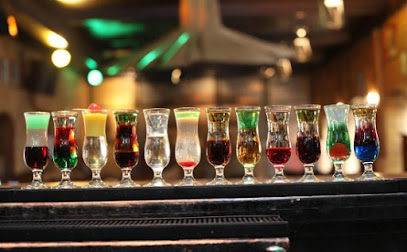
The Bar Du Marché
0.8 km
Experience the essence of Paris at The Bar Du Marché, where delightful drinks and traditional French cuisine come together in a vibrant atmosphere.
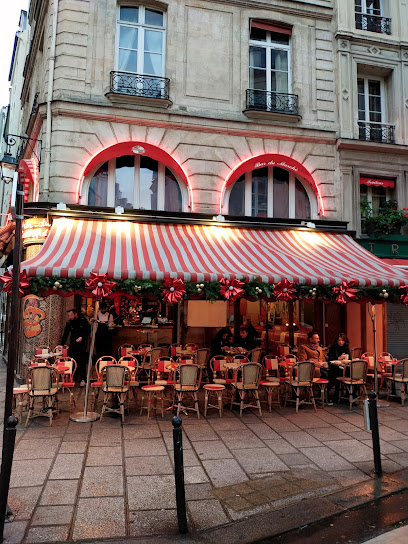
Les Deux Magots
0.8 km
Experience the timeless charm of Les Deux Magots, a historic café in Paris, offering exquisite cuisine and a vibrant atmosphere in the heart of Saint-Germain-des-Prés.
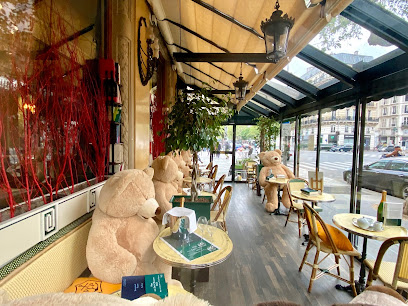
Bar Tuileries
0.8 km
Experience the elegance of Paris at Bar Tuileries, a cozy bar offering exquisite drinks and delightful ambiance in the city's heart.
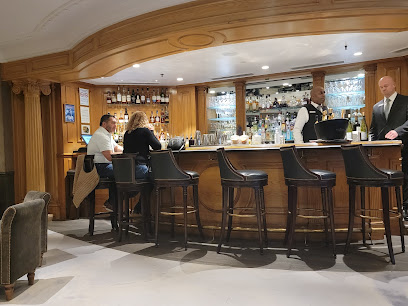
The Crazy Heart
0.8 km
Experience the vibrant nightlife of Paris at The Crazy Heart, where expertly crafted cocktails and a lively atmosphere await you.
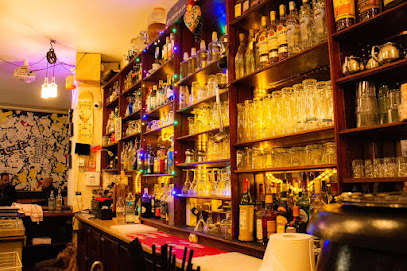
Le Dernier Bar avant la Fin du Monde
0.8 km
Discover the whimsical charm and vibrant atmosphere of Le Dernier Bar avant la Fin du Monde, a must-visit bar and restaurant in the heart of Paris.
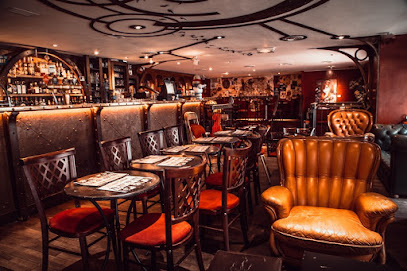
La Rhumerie
0.8 km
Discover La Rhumerie, a Caribbean oasis in Paris, where exquisite rum and flavorful dishes transport you to tropical shores amidst Parisian charm.
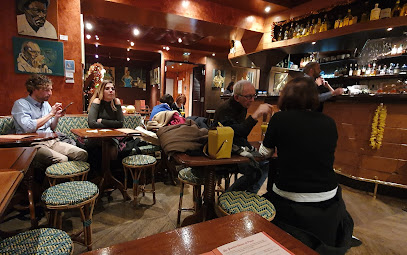
CRAVAN Paris 6e
0.9 km
Discover the charm of CRAVAN Paris 6e, an elegant cocktail bar offering exquisite drinks in the heart of Parisian nightlife.
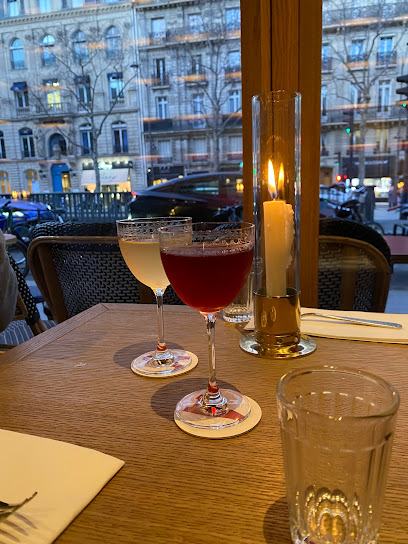
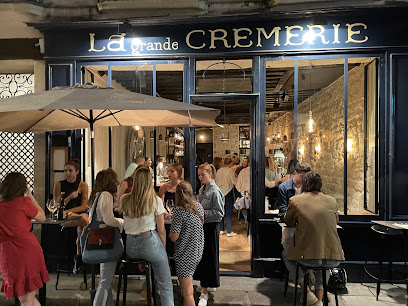
La Grande Crèmerie
0.9 km
Explore the exquisite wines and delectable French cuisine at La Grande Crèmerie, a must-visit wine bar and restaurant in Paris.
Nightclubs & after hour spots

Cabaret
0.2 km
Explore Paris's vibrant nightlife at Cabaret, where exquisite dining meets captivating performances in an unforgettable setting.
Chez Tania Club
0.4 km
Discover the pulsating nightlife of Paris at Chez Tania Club, a premier disco club known for its exclusive atmosphere and vibrant music scene.
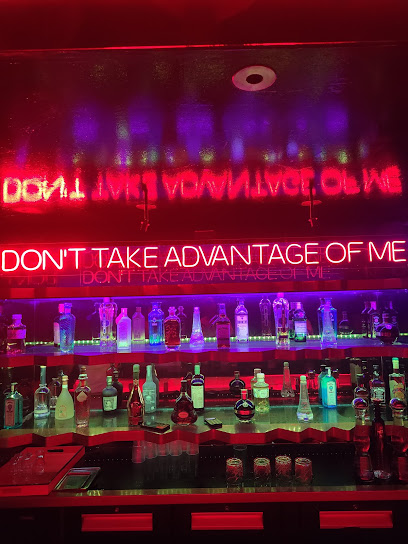
Vanity Paris
0.4 km
Vanity Paris: A vibrant disco club where music, dance, and nightlife blend for an unforgettable Parisian experience.
Club Privé
0.5 km
Discover the electrifying nightlife of Paris at Club Privé - a vibrant night club that promises unforgettable experiences and dancing till dawn.
Cha-Cha Club
0.5 km
Experience the vibrant nightlife of Paris at Cha-Cha Club, where music, dancing, and unforgettable memories await in a stylish atmosphere.
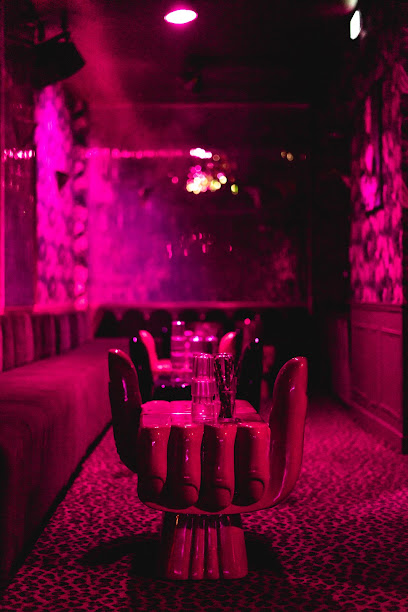
L'Insolite Club Discotheque
0.6 km
Discover the vibrant energy of L'Insolite Club Discotheque, a premier gay nightclub in Paris offering unforgettable nights filled with music, dancing, and inclusivity.
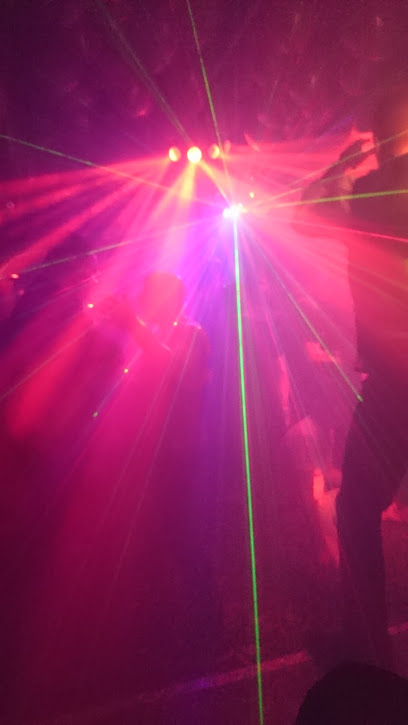
Le District
0.7 km
Discover Le District, a vibrant night club in Paris where the music is electric and the nights are unforgettable. Experience the essence of Parisian nightlife.
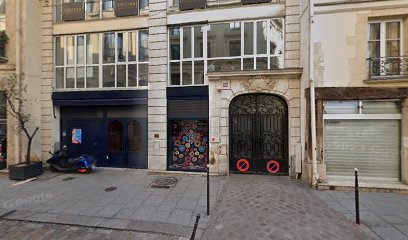
Rock'n'Roll Circus
0.7 km
Dive into the heart of Parisian nightlife at Rock'n'Roll Circus, where vibrant music and electrifying atmosphere await.
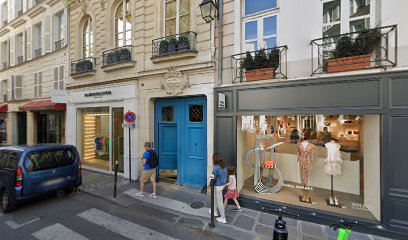
Jane Club
0.7 km
Dive into the electrifying nightlife at Jane Club, a trendy disco club in Paris where music and dance come alive in a stylish setting.
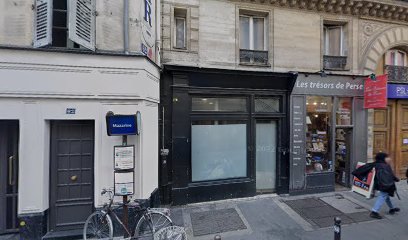
Pamela
0.7 km
Discover the vibrant nightlife of Paris at Pamela, a stylish nightclub known for its energetic atmosphere and eclectic music, perfect for dancing the night away.
La Peña
0.8 km
Dance the night away at La Peña, Paris's premier salsa bar and disco club, where music and vibrant nightlife blend seamlessly.
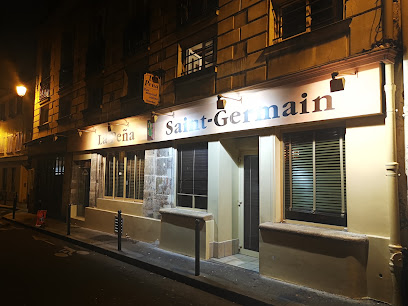
Club Joséphine
0.9 km
Immerse yourself in the electrifying nightlife of Paris at Club Joséphine, a premier disco club known for its lively music and vibrant atmosphere.
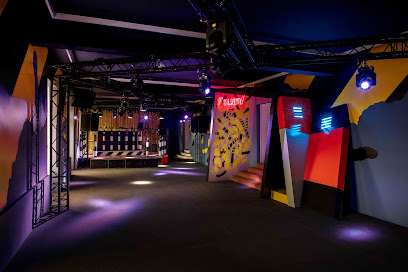
Lalaland
0.9 km
Discover the heartbeat of Parisian nightlife at Lalaland, where music, dance, and vibrant energy come together for an unforgettable experience.
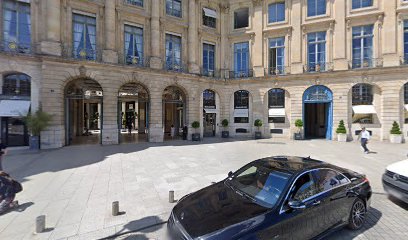
Le Klub
0.9 km
Experience the vibrant nightlife of Paris at Le Klub, where eclectic music meets an electrifying atmosphere for an unforgettable night out.
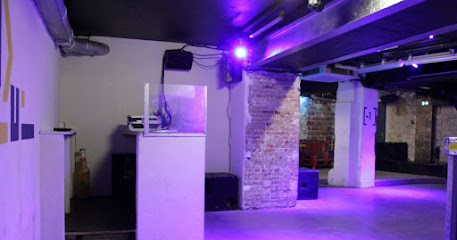
Le Rive Gauche
0.9 km
Dive into the vibrant nightlife of Paris at Le Rive Gauche, where unforgettable music and energetic crowds create the ultimate party atmosphere.