

Free Limousin Travel Guide & Mobile App
Explore Limousin with free travel guides. Discover regional history, expert tips, proposed trips, and audio guides on web or mobile app.


Explore Limousin for porcelain, tapestry, remembrance sites, red-stone villages, forested plateaux and deeply rural French landscapes.
Read more about Limousin
When is the best time to visit Limousin?
Best: June, August–September · 24–27°C| Month | High (°C) | Rainfall (mm) |
|---|---|---|
| January | 8 | 76 |
| February | 10 | 67 |
| March | 14 | 74 |
| April | 17 | 69 |
| May | 21 | 79 |
| June (best) | 25 | 61 |
| July | 28 | 62 |
| August (best) | 27 | 63 |
| September (best) | 24 | 65 |
| October | 18 | 79 |
| November | 11 | 77 |
| December | 9 | 82 |
Getting to and around Limousin
How to get there
Transportation
Top city travel guides in Limousin
The cities of Limousin, and the easiest places to base yourself.

Swipe for more cities
Destinations in Limousin
Resorts, valleys and scenic spots worth a trip of their own.
-

-

-

-


Swipe for more destinations
Best attractions in Limousin
Limousin's attractions are spread across a large rural landscape rather than concentrated in one resort or city. Limoges provides the strongest cluster of museums and urban heritage, including collections devoted to porcelain, enamel and the city's Roman and medieval past. In Haute-Vienne, visitors can combine château country with the Centre de la mémoire and preserved ruins of Oradour-sur-Glane, one of France's most important Second World War memorial sites. Creuse offers Aubusson's tapestry heritage, Felletin's historic character and the wooded valleys and river scenery around Crozant. Corrèze is known for medieval villages, abbeys, market towns and the rivers and gorges of its southern countryside. The Plateau de Millevaches, part of the Parc naturel régional de Millevaches en Limousin, is suited to walking, cycling, fishing and observing upland landscapes shaped by peat bogs, forests and lakes. Families may find outdoor recreation and heritage rail or museum experiences, while keen walkers can follow marked routes through granite country and river valleys. Opening arrangements for smaller museums and monuments can be seasonal, particularly outside the main towns.
-
Tourist attraction
Gouffre de Padirac
Discover the breathtaking underground world of Gouffre de Padirac, a stunning natural wonder in France's Occitanie region, filled with mesmerizing caves and an enchanting river.
-
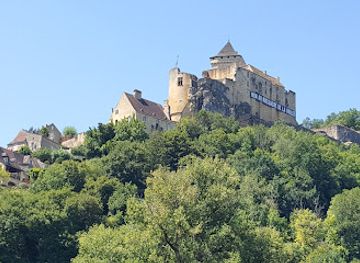
Castle
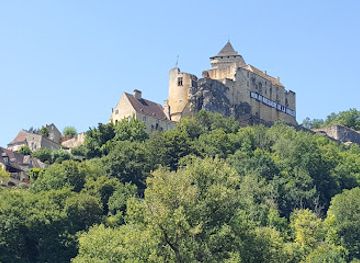
Castelnaud-la-Chapelle Castle
Discover the breathtaking Castelnaud-la-Chapelle Castle, a historical gem in the Dordogne region, offering rich medieval history and stunning views.
-
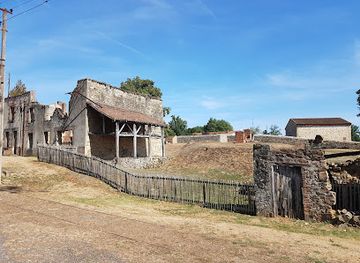
History museum
Oradour sur Glane memory centre
Explore the memorial of Oradour-sur-Glane, a haunting tribute to the victims of World War II, offering deep historical insights and a reflective experience.
-
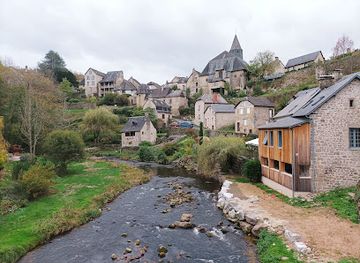
Nature preserve
Parc naturel régional de Millevaches en Limousin
Experience the tranquil beauty and diverse wildlife of Parc Naturel Régional de Millevaches en Limousin, a serene escape into nature in France's Limousin region.

Best landmarks in Limousin
Limousin's most recognisable landmarks reflect its combination of religious history, craft traditions, rural architecture and wartime memory. Limoges Cathedral of Saint-Étienne dominates the historic city beside the Vienne, while the remains and archaeological legacy of the former Abbey of Saint-Martial explain the city's medieval importance. The preserved village of Oradour-sur-Glane is a landmark of national remembrance: its empty streets, burned buildings and Centre de la mémoire record the massacre of June 1944. In Creuse, the old quarters of Aubusson and its tapestry institutions give the town a distinctive cultural identity, while Crozant's rocky confluence and ruined fortress form a celebrated landscape associated with painters. Corrèze supplies some of the region's most recognisable architecture, notably the red sandstone village of Collonges-la-Rouge, the hilltop stronghold of Turenne and the cathedral town of Tulle. On the uplands, the open horizons, peatlands and granite scenery of the Plateau de Millevaches are natural landmarks in their own right, demonstrating how geology and water have shaped settlement and agriculture.
-
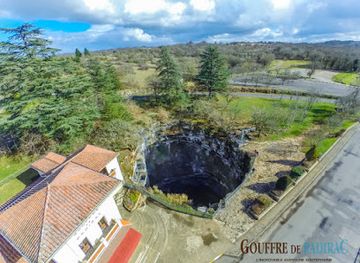
Tourist attraction
Gouffre de Padirac
Explore the depths of the Gouffre de Padirac: an extraordinary subterranean world of rivers, caverns, and geological wonders in the heart of France.
-
Castle
Castelnaud-la-Chapelle Castle
Explore a stunningly restored medieval castle in the Dordogne Valley, home to a vast collection of medieval arms and armor.
-
Nature preserve
Parc naturel régional de Millevaches en Limousin
Discover the wild and unspoiled beauty of the Millevaches Regional Natural Park, a haven of nature and outdoor activities in the heart of France.
-
Historical landmark
Lascaux II
Experience the wonder of prehistoric art at Lascaux II, a stunning replica of the world-famous Lascaux cave in Montignac, France.
Explore Limousin on the map
Plan your trip on one map. See where the top cities, national parks and sights are, and book hotels and experiences in a few clicks.
Best hotels in Limousin
Best restaurants in Limousin
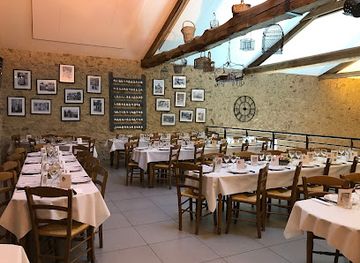
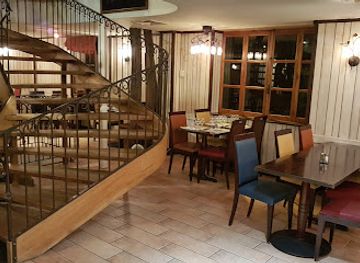
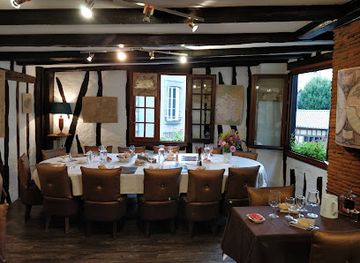
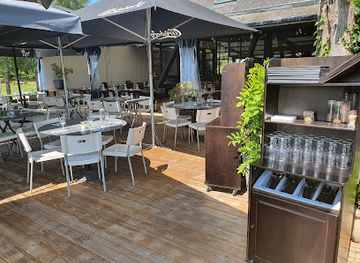
Limousin cooking is rooted in pasture, woodland and orchard produce. Beef from Limousin cattle is a defining ingredient, while potatoes, chestnuts, apples, walnuts, mushrooms and locally made cheeses appear in traditional dishes and contemporary menus. In rural areas, look for family-run restaurants, auberges and village cafés serving substantial regional food, often alongside set menus that change with the season. Limoges and Brive-la-Gaillarde offer the broadest choice, from bakeries and market stalls to modern restaurants drawing on local ingredients. Corrèze is associated with dishes such as stuffed potatoes and walnut-based specialities, while the wider region has a strong tradition of pâtés, savoury tarts and rustic desserts. Markets are particularly useful for picnic supplies, including fruit, cheese, cured meats and baked goods. Menus may be simpler in small villages, and lunch remains an important meal in many traditional establishments, so booking or checking service times is sensible outside the larger towns.
-
Restaurant
Les Tables du Bistrot
Experience authentic French cuisine at Les Tables du Bistrot in Limoges - where tradition meets culinary excellence.
-
French
Le Pont Saint Etienne
Experience culinary artistry at Le Pont Saint Etienne in Limoges—where modern French flavors meet historical charm.
-
French
Les Petits Ventres
Experience authentic French cuisine at Les Petits Ventres in Limoges - where every dish tells a story.
-
French
Le Chalet des Pierres Jaumâtres
Discover the charm of French cuisine at Le Chalet des Pierres Jaumâtres - where every meal is a celebration of flavor amidst breathtaking scenery.
Best bars in Limousin
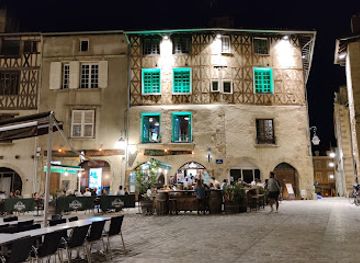
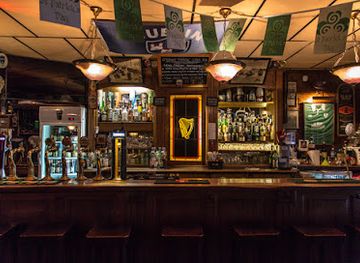
Evening life in Limousin is generally low-key and centred on cafés, traditional bars, wine establishments, restaurants and village fêtes rather than a large club scene. Limoges has the widest selection, with bars around the central streets and student areas, as well as venues for live music and cultural events. Brive-la-Gaillarde also has an active evening economy, particularly around its historic centre, while Tulle and Guéret offer a smaller choice of pubs, cafés and performance venues. In rural Corrèze and Creuse, the evening often revolves around a village bar, a local restaurant or seasonal music and community events. Some producers and cultural venues offer tastings or evening programming, but arrangements change by season. Visitors should not assume that rural establishments serve late or that public transport will continue after dinner; taxis or a pre-arranged journey may be necessary outside the main towns.
-
Chophouse restaurant
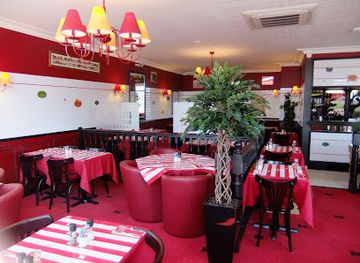
Restaurant La Boucherie
Discover the flavors of France at Restaurant La Boucherie, a chophouse renowned for its prime meat dishes and inviting atmosphere in Saint-Victor.
-
Irish pub
L'Irlandais
Discover the charm of L'Irlandais, an inviting Irish pub in Limoges offering authentic cuisine and a lively atmosphere for an unforgettable experience.
-
Irish pub
O'BRIEN TAVERN Irish Pub Limoges
Discover the charm of Irish culture at O'BRIEN TAVERN in Limoges, where vibrant atmosphere and delicious pub fare await every visitor.
-
Bar
V and B Limoges
Explore a diverse selection of wines, craft beers, and liquors at V and B Limoges, where local flavors come to life in a vibrant atmosphere.
Best nightclubs in Limousin
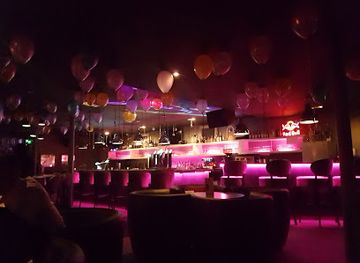
Evening life in Limousin is generally low-key and centred on cafés, traditional bars, wine establishments, restaurants and village fêtes rather than a large club scene. Limoges has the widest selection, with bars around the central streets and student areas, as well as venues for live music and cultural events. Brive-la-Gaillarde also has an active evening economy, particularly around its historic centre, while Tulle and Guéret offer a smaller choice of pubs, cafés and performance venues. In rural Corrèze and Creuse, the evening often revolves around a village bar, a local restaurant or seasonal music and community events. Some producers and cultural venues offer tastings or evening programming, but arrangements change by season. Visitors should not assume that rural establishments serve late or that public transport will continue after dinner; taxis or a pre-arranged journey may be necessary outside the main towns.
-
Cocktail bar
Le DANDY'S bar, club et Karaoké
Discover Limoges' nightlife at Le DANDY'S - a lively cocktail bar, club, and karaoke haven for an unforgettable evening of fun and entertainment.
-
Night club
Le Buck'
Discover the nightlife of Limoges at Le Buck', where music and excitement come alive in a vibrant club atmosphere.
-
Night club
Happy bar et club
Experience the electrifying nightlife of Limoges at Happy Bar et Club, the perfect spot for dancing and socializing until dawn.
-
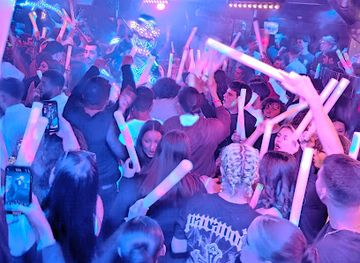
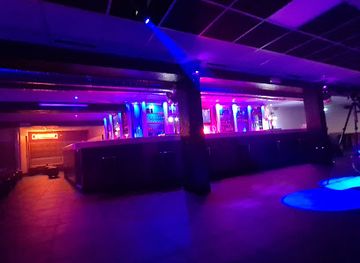
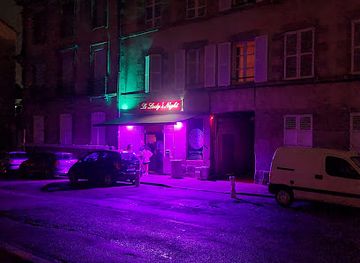
Disco club
Le Lady's Night
Dive into the exhilarating nightlife at Le Lady's Night, Limoges' premier disco club for unforgettable evenings filled with music and dancing.
Best shops in Limousin
Shopping in Limousin is strongest in market towns and historic centres rather than large retail districts. Limoges is the principal destination for porcelain, with specialist shops and museum-linked outlets offering tableware, decorative pieces and contemporary designs; enamel work and regional food products are also associated with the city. Aubusson and Felletin are the places to investigate tapestry traditions, although authentic work varies considerably in scale and price, so visitors should ask about materials and provenance. Markets in Brive-la-Gaillarde, Limoges, Guéret, Tulle and smaller towns are useful for cheeses, apples, walnuts, chestnuts, preserves, honey and cured products, subject to local market days. Corrèze's historic villages have craft galleries, pottery and artisanal food shops, while rural areas may offer farm sales rather than conventional boutiques. Independent bookshops, antiques dealers and galleries appear in larger settlements and visitor towns, but opening patterns can be seasonal, particularly on Sundays and outside summer.
-
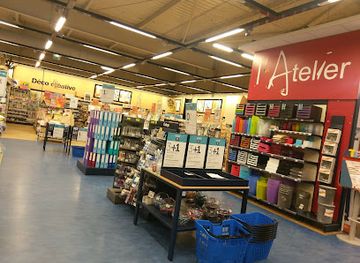
Gift shop
Cultura Limoges
Explore Cultura Limoges, where creativity meets culture in a vibrant gift shop filled with unique arts, crafts, books, and music.
-
Department store
Galeries Lafayette Limoges
Discover the charm of Galeries Lafayette Limoges, a premier shopping destination offering a unique blend of fashion, beauty, and French elegance.
-
Supermarket
Grand Frais Montluçon
Explore the vibrant flavors and fresh produce at Grand Frais Montluçon, your ultimate gourmet supermarket destination in Montluçon.
-
Supermarket
Carrefour Contact
Discover the convenience and local flavors at Carrefour Contact in La Coquille, your ultimate shopping destination for fresh produce and more.
Get your free copy of our complete guide to Limousin, delivered straight to you.
Everything on this page, from attractions and restaurants to essentials and local phrases, in one PDF you can read offline, print or share.
Already have an account? Sign in
Your Limousin guide is ready.
We'll send it to · Not you? Sign out

Getting your guide ready…
We are putting together a fresh copy of the Limousin guide. This can take up to a minute.
This can take a few moments. If your browser asks, choose Allow so the download can start. You'll find the guide in your Downloads folder.
Nothing happened? Download it again
Sorry, the guide is taking longer than usual. Please try again in a minute, or get it by email instead.
Limousin essentials
Currency and Payment
Safety
Emergency Situations
Do's and Don'ts
Local Tips
From Eve
Local phrases worth knowing
You don't need to get them perfect. A few words go a long way, and locals appreciate the effort.
Basics
| English | Local | Say it |
|---|---|---|
| Hello | Bonjour | [bɔ̃ʒuʁ] |
| Goodbye | Au revoir | [o ʁəvwaʁ] |
| Yes | Oui | [wi] |
| No | Non | [nɔ̃] |
| Please/You're welcome | S'il vous plaît | [sil vu ple] |
| Thank you | Merci | [mɛʁsi] |
| Excuse me/Sorry | Excusez-moi | [ɛkskyze mwa] |
| How are you? | Comment ça va? | [kɔmɑ̃ sa va] |
| Fine. And you? | Bien. Et vous? | [bjɛ̃ e vu] |
| Do you speak English? | Parlez-vous anglais? | [paʁle vu ɑ̃ɡle] |
| I don't understand | Je ne comprends pas | [ʒə nə kɔ̃pʁɑ̃ pa] |
Eating & Drinking
| English | Local | Say it |
|---|---|---|
| I'd like to see the menu, please | Je voudrais voir le menu, s'il vous plaît | [ʒə vudʁɛ vwaʁ lə mənü, sil vu ple] |
| I don't eat meat | Je ne mange pas de viande | [ʒə nə mɑ̃ʒ pa də vjɑ̃d] |
| Cheers! | Santé! | [sɑ̃te] |
| I would like to pay, please | Je voudrais payer, s'il vous plaît | [ʒə vudʁɛ peje, sil vu ple] |
Emergencies
| English | Local | Say it |
|---|---|---|
| Help! | Au secours! | [o səkuʁ] |
| Go away! | Allez-vous-en! | [ale vu zɑ̃] |
| Call the Police! | Appelez la police! | [aple la pɔlis] |
| Call a doctor! | Appelez un médecin! | [aple ɛ̃ medɛsɛ̃] |
| I'm lost | Je suis perdu | [ʒə sɥi pɛʁdy] |
| I'm ill | Je suis malade | [ʒə sɥi malad] |
Shopping
| English | Local | Say it |
|---|---|---|
| I'd like to buy... | Je voudrais acheter... | [ʒə vudʁɛ aʃte] |
| I'm just looking | Je regarde juste | [ʒə ʁəɡaʁd ʒyst] |
| How much is it? | C'est combien? | [se kɔ̃bjɛ̃] |
| That's too expensive | C'est trop cher | [se tʁo ʃɛʁ] |
| Can you lower the price? | Pouvez-vous baisser le prix? | [puve vu bɛse lə pʁi] |
Time & Numbers
| English | Local | Say it |
|---|---|---|
| What time is it? | Quelle heure est-il? | [kɛl œʁ e til] |
| It's one o'clock | Il est une heure | [il ɛt yn œʁ] |
| Half past (10) | Dix heures et demie | [di zœʁ e dəmi] |
| Morning | Matin | [matɛ̃] |
| Afternoon | Après-midi | [apʁɛ midi] |
| Evening | Soir | [swaʁ] |
| Yesterday | Hier | [jɛʁ] |
| Today | Aujourd'hui | [oʒuʁdɥi] |
| Tomorrow | Demain | [dəmɛ̃] |
| 1 | Un | [œ̃] |
| 2 | Deux | [dø] |
| 3 | Trois | [tʁwa] |
| 4 | Quatre | [katʁ] |
| 5 | Cinq | [sɛ̃k] |
| 6 | Six | [si] |
| 7 | Sept | [sɛt] |
| 8 | Huit | [ɥit] |
| 9 | Neuf | [nœf] |
| 10 | Dix | [di] |
Transport & Directions
| English | Local | Say it |
|---|---|---|
| Where's a/the...? | Où est un/le...? | [u ɛ ɛ̃ lə] |
| What's the address? | Quelle est l'adresse? | [kɛl ɛ l‿adʁɛs] |
| Can you show me (on the map)? | Pouvez-vous me montrer (sur la carte)? | [puve vu mə mɔ̃tʁe syʁ la kaʁt] |
| When's the next (bus)? | Quand est le prochain (bus)? | [kɑ̃ ɛ lə pʁɔʃɛ̃] |
| A ticket (to ....) | Un billet (pour....) | [ɛ̃ bijɛ (puʁ)] |
History of Limousin
The Lemovices and Roman Augustoritum
The region takes its name from the Lemovices, a Celtic people whose territory broadly covered the later Limousin. After the Roman conquest, Augustoritum was established on the Vienne at the site of present-day Limoges. Its grid plan, bridge and public buildings made it a significant town in Roman Gaul, and archaeological remains still help explain the city's early importance. Roads connected the settlement with other parts of the province, encouraging trade and the movement of people across what is now Haute-Vienne and neighbouring areas.
Christianity and the Medieval Limoges
From late antiquity, Limoges developed a powerful religious identity around Saint Martial, traditionally regarded as the city's first bishop. The Abbey of Saint-Martial became an important centre of learning and pilgrimage, while churches and monasteries shaped the surrounding settlement pattern. Medieval Limoges was also known for metalwork, especially enamel, whose coloured surfaces became prized across Europe. In the wider region, fortified towns, abbeys and castles reflected the political importance of local lords and the strategic valleys linking Aquitaine, Berry and the Auvergne.
Medieval Towns, Pilgrimage and Regional Power
The medieval landscape was marked by pilgrimage routes, market towns and competing jurisdictions. Tulle grew around its cathedral and religious institutions, while Aubusson developed as a settlement on the Creuse and Corrèze's hilltop towns controlled routes through the southern countryside. Castles at places such as Turenne represented the authority of powerful local families. Religious foundations, fairs and agricultural communities connected the region to wider western France, even though its upland terrain and dispersed settlement encouraged strong local identities.
Porcelain and Industrial Transformation in Limoges
The discovery of kaolin at Saint-Yrieix-la-Perche in the eighteenth century provided the essential raw material for a major porcelain industry in Limoges. The first factory was established in 1771, and production expanded through the nineteenth century as technology, skilled labour and international markets developed. Porcelain joined older regional crafts such as enamelling and became central to Limoges's economic and artistic reputation. Factories, workers' neighbourhoods, specialist schools and museums preserve the memory of an industry that continues to influence the city's identity.
Aubusson Tapestry and the Arts of Creuse
Aubusson's tapestry tradition developed over several centuries through workshops using wool, local skills and designs supplied by artists and patrons. By the seventeenth century, Aubusson and nearby Felletin had become established centres of production, creating decorative and figurative works for churches, aristocratic households and public interiors. The tradition survived changing tastes and industrial competition, and the craftsmanship and associated knowledge were inscribed on UNESCO's Representative List of the Intangible Cultural Heritage of Humanity in 2009.
The Crozant School and Rural Landscape Painting
During the nineteenth and early twentieth centuries, artists were drawn to the rugged scenery around Crozant and the meeting of the Creuse and Sédelle. The landscapes, with their ravines, rocky outcrops and shifting light, became associated with the Crozant School, a loose artistic movement rather than a formal institution. Painters including Armand Guillaumin worked in the area, helping to bring wider attention to the scenery of Creuse. The artistic legacy remains visible in local collections and interpretation centres.
Occupation, Resistance and the Destruction of Oradour-sur-Glane
On 10 June 1944, German Waffen-SS troops destroyed Oradour-sur-Glane and killed 643 people, including women and children. The ruined village was preserved after the war as a memorial, while a new village was built nearby. The Centre de la mémoire provides historical context and helps visitors understand the event within the occupation, resistance and liberation of France. Oradour is not simply a picturesque ruin but a place of mourning and testimony, requiring respectful conduct.
Rural Change in the Twentieth and Twenty-First Centuries
Like many inland parts of France, Limousin experienced rural depopulation, agricultural restructuring and the decline of some traditional industries during the twentieth century. At the same time, Limousin cattle breeding, forestry, food production, crafts and heritage tourism remained important to the regional economy. Contemporary Limousin combines small cities with extensive rural areas, protected landscapes and revived interest in local food, walking, crafts and historic buildings. Its present character is shaped as much by this gradual transformation as by its medieval and industrial heritage.
Limousin in Photos
Browse through our photo collection highlighting the charm and character of the destination.
Neighbouring regions of Limousin
The closest regions to Limousin, if you have time for more than one.
-

-

-
-

-


Swipe for more regions
Explore more

Explore more of France
Explore France: A land of romance, history, and unparalleled beauty, from the iconic streets of Paris to the serene landscapes of Provence and the luxury of the French Riviera.
Explore France