Centre d'Histoire de la Résistance et de la Déportation
Explore Lyon's pivotal role in the French Resistance at the Centre d'Histoire de la Résistance et de la Déportation, a museum dedicated to preserving the memory of WWII.
The Centre d'Histoire de la Résistance et de la Déportation (CHRD) in Lyon stands as a poignant reminder of France's wartime experiences. Located in the former headquarters of the Gestapo, where Klaus Barbie once presided, the museum offers a powerful and symbolic journey through the events of World War II, particularly as they unfolded in Lyon. Through meticulously curated exhibits featuring original documents, photographs, and artifacts, visitors gain insight into the lives of those who resisted the Nazi occupation and the tragic fate of those who were deported. The CHRD serves not only as a historical archive but also as a space for reflection on the values of resistance, human rights, and the importance of remembrance. It's a moving and essential visit for anyone seeking to understand this dark chapter in history and its enduring impact.
A brief summary to Centre d'histoire de la résistance et de la déportation
- 14 Av. Berthelot, Lyon, 69007, FR
- +33472739900
- Visit website
- Wednesday 10 am-6 pm
- Thursday 10 am-6 pm
- Friday 10 am-6 pm
- Saturday 10 am-6 pm
- Sunday 10 am-6 pm
Local tips
- Allow at least 2-3 hours to fully explore the museum's permanent and temporary exhibitions.
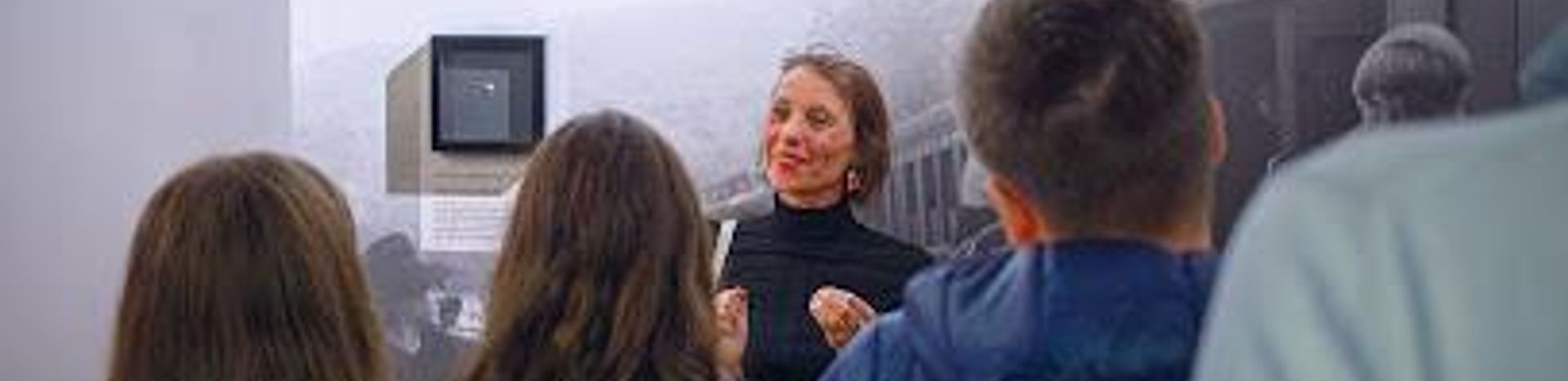
- Consider taking a guided tour to gain deeper insights into the historical context and the stories behind the artifacts.
- Check the museum's website for information on temporary exhibitions, events, and workshops.

Getting There
-
Public Transport
The Centre d'Histoire de la Résistance et de la Déportation is easily accessible by public transport. From Gare Part-Dieu, take Metro line B to Jean Macé station. From there, it's a short 2-minute walk to the museum. Several bus lines also stop near Jean Macé station, including lines C4, C12, 34 and 35. A single ticket for the Lyon public transport system costs €2. Alternatively, a day pass is available for €6.
-
Taxi/Ride-Share
Taxis and ride-sharing services like Uber are readily available throughout Lyon. A taxi ride from the city center (e.g., Place Bellecour) to the CHRD will typically cost between €10 and €15, depending on traffic conditions.
-
Driving
If driving, be aware that parking in the immediate vicinity of the museum can be limited. The Berthelot parking garage, located at 99 rue de Marseille, is a convenient option, situated directly across from the CHRD. Parking rates at Berthelot are €0.70 per 15 minutes, with a daily maximum of €43.40. There are also some street parking options in the area, but these are often metered and can be difficult to find. Street parking fees vary, but typically cost around €2.00 for one hour.
Discover more about Centre d'histoire de la résistance et de la déportation
Iconic landmarks you can’t miss

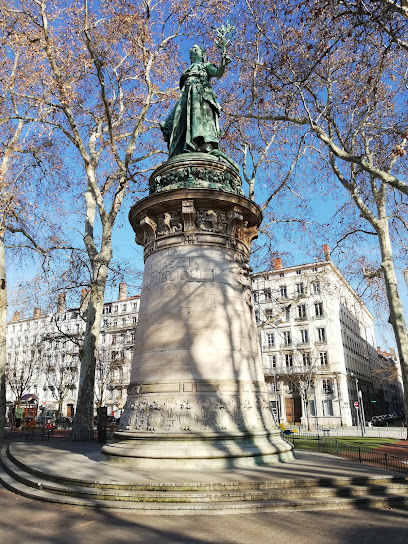
Statue of the Republic
0.7 km
Explore the grandeur of the Statue of the Republic in Lyon, a must-visit historical landmark showcasing the city's rich culture and heritage.
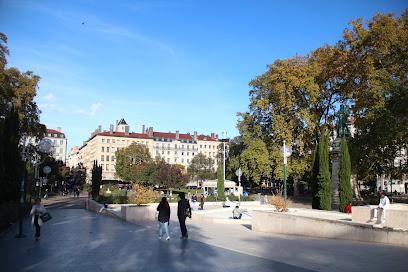
Pl. Carnot
0.8 km
Discover Place Carnot in Lyon, a vibrant street filled with history, culture, and culinary delights that captures the spirit of the city.
Clocher de Hôpital de la Charité de Lyon
1.1 km
Explore the Clocher de l'Hôpital de la Charité de Lyon, a historical landmark showcasing the city's rich heritage and stunning architecture.
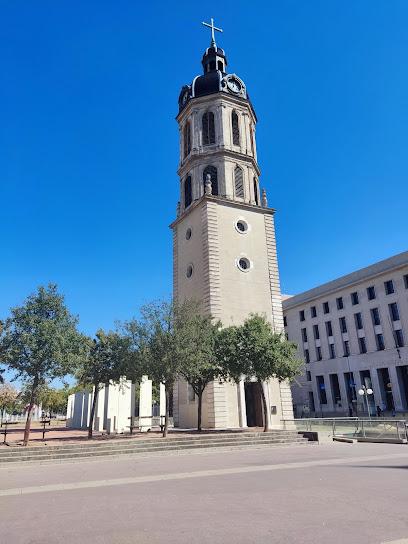
Visiter Lyon (Patrimoine)
1.2 km
Discover Lyon's rich heritage with Visiter Lyon (Patrimoine) - your gateway to cultural exploration and historical insights.
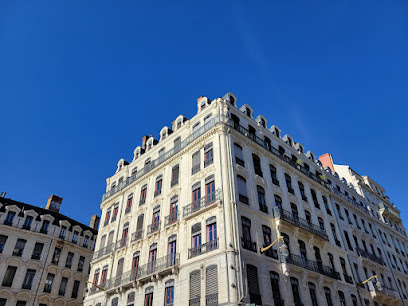
Passerelle Saint Georges de Lyon
1.3 km
Discover the breathtaking beauty of Passerelle Saint Georges, a must-visit pedestrian bridge in Lyon offering stunning views and a lively atmosphere.
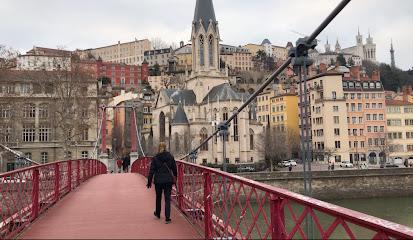
Auvergne - Rhône-Alpes - Headquarters
1.5 km
Explore Lyon's Auvergne-Rhône-Alpes headquarters, where rich history meets vibrant culture in the heart of France's stunning landscapes.
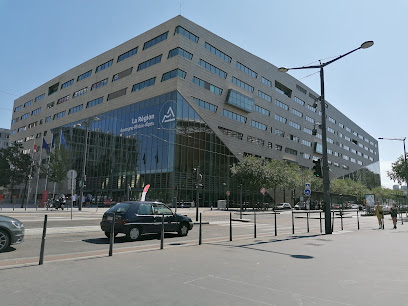
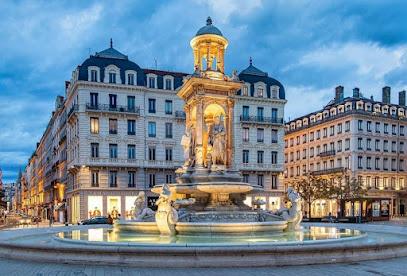
Place des Jacobins
1.5 km
Discover the vibrant heart of Lyon at Place des Jacobins, where history, culture, and modernity converge in a picturesque town square.
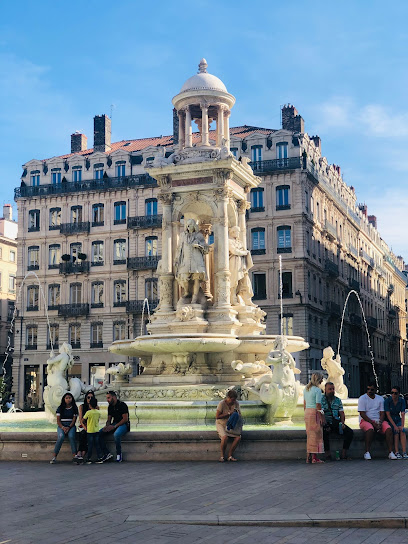
Fontaine des Jacobins
1.5 km
Experience the elegance of Lyon at the Fontaine des Jacobins, a stunning fountain and cultural landmark in the heart of the city.
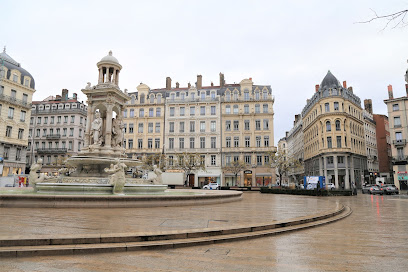
Pl. des Jacobins
1.5 km
Explore the enchanting Pl. des Jacobins in Lyon, where history meets vibrant local culture in a picturesque urban square.
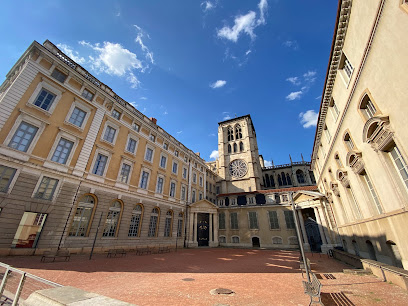
Palais Saint-Jean
1.6 km
Discover the rich history and stunning architecture of Palais Saint-Jean, a must-visit museum and historical landmark in Lyon's vibrant cultural scene.
5 Imp. Turquet
1.6 km
Discover the architectural brilliance of 5 Imp. Turquet in Lyon, where history and modernity meet in a captivating urban landscape.
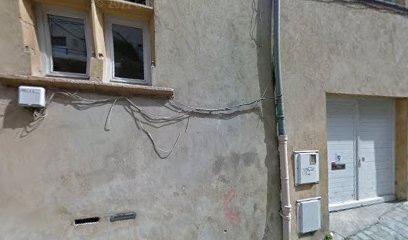
Passerelle du Palais-de-Justice
1.7 km
Explore Lyon's history and breathtaking views at Passerelle du Palais-de-Justice, a must-see bridge connecting past and present.
Ministry of Interior for Passport, VISA, and permitt processing
1.7 km
Experience seamless documentation services at the Ministry of Interior in Lyon, your essential stop for passports, visas, and permits in France.
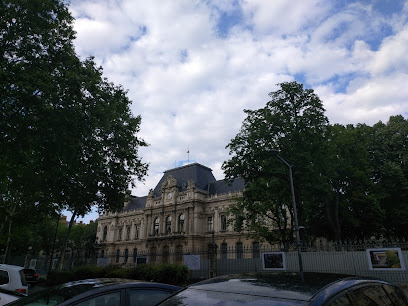
Pl. Saint-Jean
1.7 km
Discover the enchanting Pl. Saint-Jean in Lyon, where historic architecture meets vibrant culture and culinary delights in the heart of France.
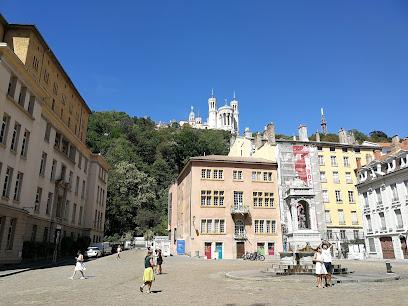
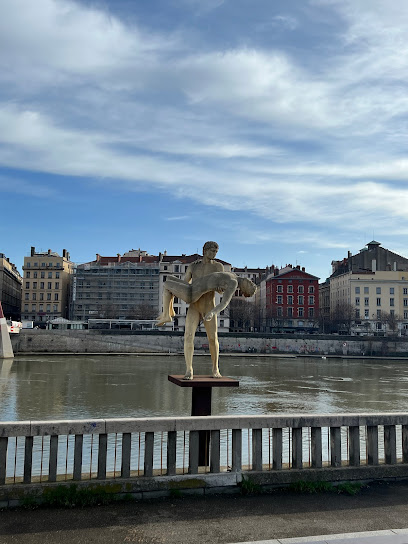
The Weight of Oneself
1.7 km
Explore 'The Weight of Oneself' in Lyon, a mesmerizing sculpture that invites reflection and captures the essence of the human experience in art.
Unmissable attractions to see

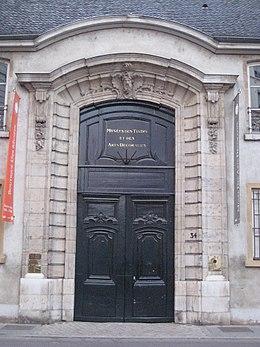
Musée des Tissus et des Arts Décoratifs
0.8 km
Explore over 4,500 years of textile artistry and decorative design at Lyon's Musée des Tissus et des Arts Décoratifs, home to a world-renowned collection.
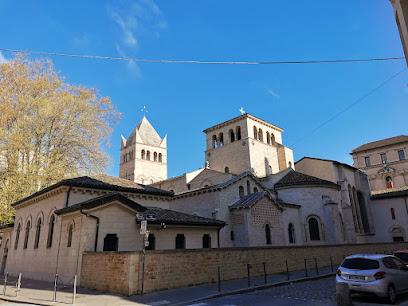
Paroisse Catholique Saint Martin d'Ainay
1.0 km
Discover Lyon's oldest church, a Romanesque masterpiece with a rich history, nestled in the heart of the Presqu'île district, showcasing centuries of architectural and religious heritage.
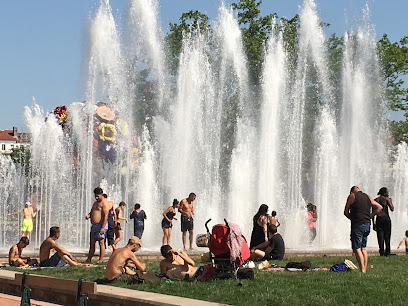
Fontaine de Place Antonin Poncet
1.0 km
Experience the modern charm of Lyon at Fontaine de Place Antonin Poncet, a refreshing oasis blending contemporary design with historical echoes in the city's heart.
Office du Tourisme et des Congrès de la Métropole de Lyon
1.1 km
Discover Lyon's rich culture and history at the Office du Tourisme et des Congrès, your one-stop destination for travel tips and tours.
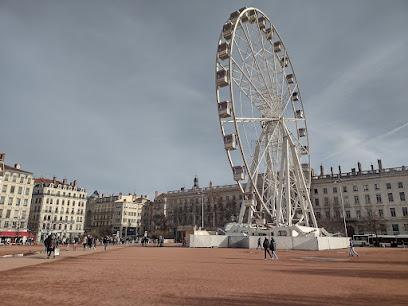
Quais de Saône
1.2 km
Explore the enchanting Quais de Saône in Lyon, where stunning views, local markets, and vibrant culture come together along the beautiful riverside.
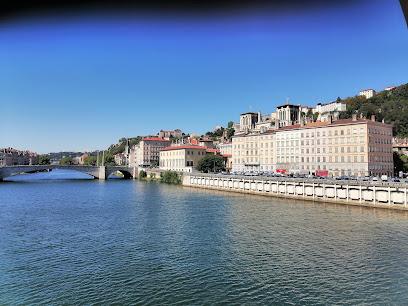
Place Bellecour
1.2 km
Experience Lyon's heart at Place Bellecour, one of Europe's largest squares, rich in history and surrounded by shops, cafes, and attractions.

Berges du Rhône
1.2 km
Discover Lyon's revitalized riverfront: stroll along the Rhône, enjoy green spaces, outdoor activities, and vibrant city views on the Berges du Rhône, a perfect blend of nature and urban life.
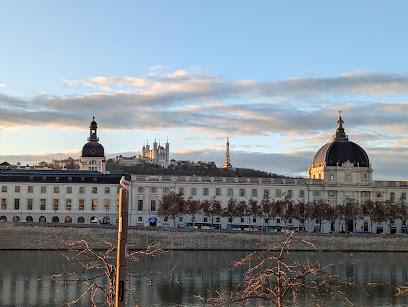
Institut Culturel du Judaïsme
1.3 km
Explore Jewish culture, history, and traditions through interactive exhibits and virtual reality at Lyon's Institut Culturel du Judaïsme, a unique center for education and dialogue.
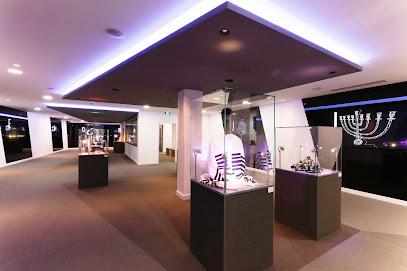
Le Tronc de Lyon
1.3 km
Immerse yourself in the rich culture and history at Le Tronc de Lyon, a must-visit tourist attraction in the heart of Lyon, France.
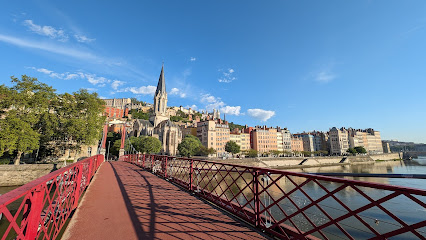
Hôtel-Dieu de Lyon
1.4 km
Discover the grandeur of Lyon's Hôtel-Dieu, a meticulously restored historical landmark transformed into a vibrant hub of luxury, gastronomy, and culture on the Rhône's edge.
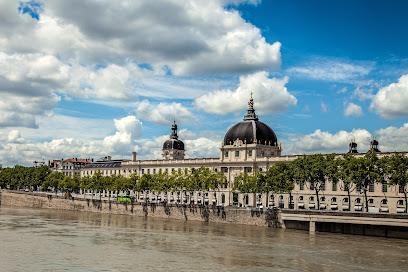
Les Bateaux Lyonnais - Agence Commerciale
1.4 km
Discover Lyon's beauty from the rivers with Les Bateaux Lyonnais. Scenic cruises, rich history, and gourmet dining await you.
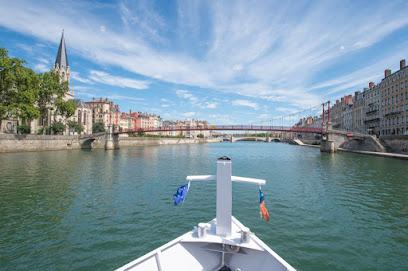
Musée Soieries Brochier / Boutique du Grand Hôtel-Dieu
1.4 km
Explore Lyon's silk heritage at Musée Soieries Brochier, where history meets contemporary fashion in a captivating museum experience.

Jardin des Curiosités
1.4 km
Explore the magical Jardin des Curiosités in Lyon, a serene garden combining nature and art with breathtaking city views.
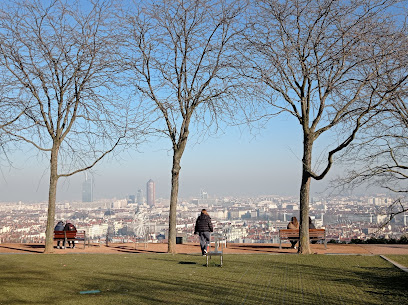
Plouf Bateau Mousse
1.4 km
Experience Lyon's vibrant nightlife aboard Plouf Bateau Mousse, a unique floating venue offering themed parties, diverse music, and stunning river views on Quai Victor Augagneur.
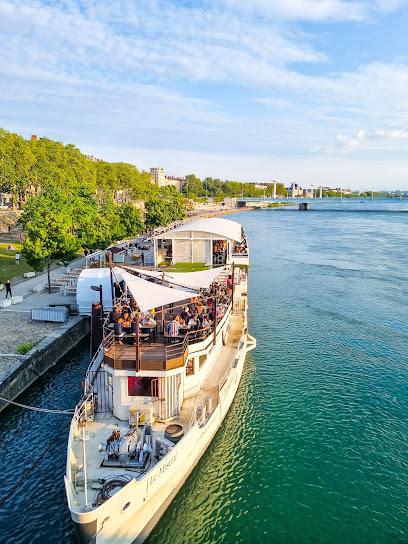
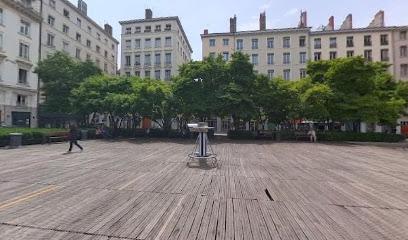
Place des Célestins
1.5 km
Discover the charm of Place des Célestins, a vibrant town square in Lyon, rich in history, culture, and local flavor.
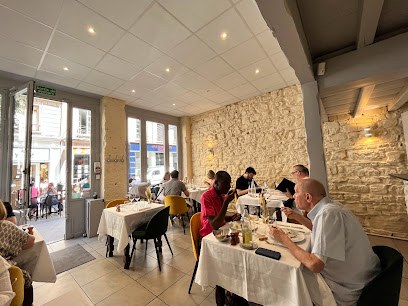
Essential places to dine

La Table d’Ambre
0.7 km
Experience exquisite French cuisine at La Table d’Ambre in Lyon - where tradition meets innovation in a stunning setting.
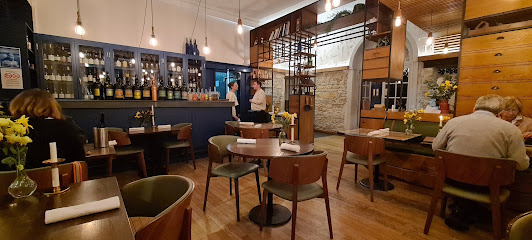
L'Établi
0.8 km
Discover exquisite French-Mediterranean cuisine at L'Établi, where every dish tells a story in the heart of Lyon.
LES 3 DOMES
0.9 km
Experience exquisite French cuisine with breathtaking views at Les 3 Dômes, one of Lyon's premier dining destinations.
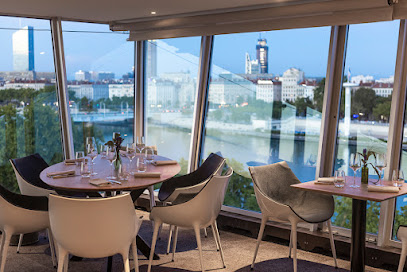
PRAIRIAL • Confluence
1.2 km
Experience culinary excellence at PRAIRIAL • Confluence, where haute French cuisine meets exceptional service in Lyon's vibrant dining scene.
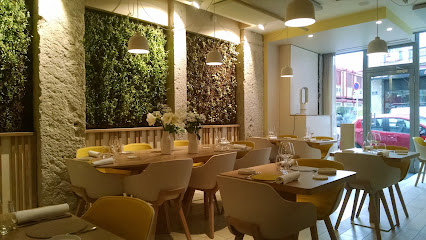
Restaurant A Ma Vigne
1.2 km
Experience authentic French cuisine at Restaurant A Ma Vigne in Lyon – where tradition meets culinary artistry.
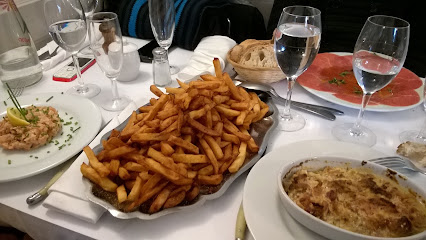
ART Restaurant Lyon
1.3 km
Experience modern French cuisine at ART Restaurant Lyon - where culinary artistry meets exceptional service in a vibrant setting.
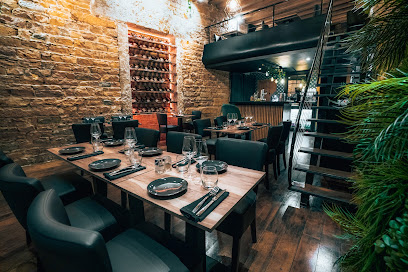
LE F2
1.4 km
Discover the essence of modern French cuisine at LE F2 in Lyon – where tradition meets innovation in every dish.
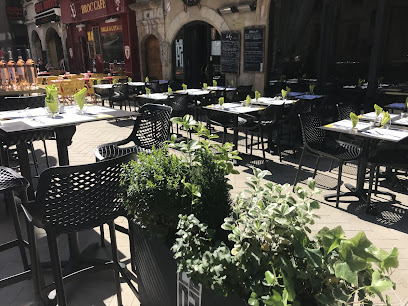
Monsieur P
1.4 km
Experience exquisite French haute cuisine at Monsieur P in Lyon - where tradition meets innovation in every dish.
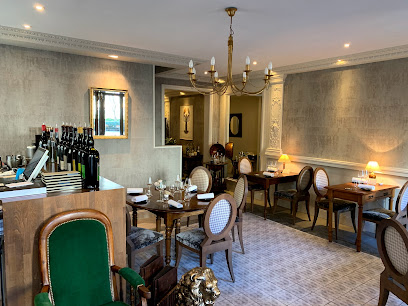
Le Petit Carron
1.4 km
Discover exquisite French cuisine at Le Petit Carron in Lyon, where tradition meets innovation in every delightful dish.
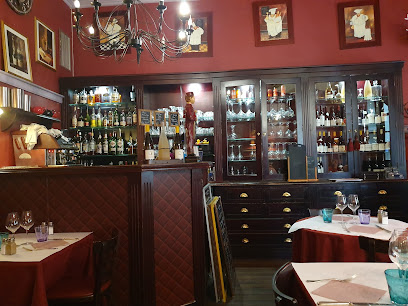
L'acteur - Bouchon Lyonnais
1.5 km
Experience authentic Lyonnais cuisine at L'acteur - a charming bouchon in the heart of Lyon offering traditional dishes and warm hospitality.
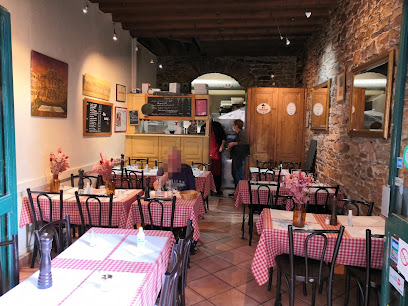
La Sommeliere
1.6 km
Experience the essence of French fine dining at La Sommeliere in Lyon, where tradition meets innovation in every exquisite dish.
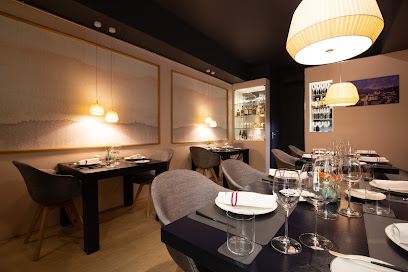
CASABEA - Cuisine méditerranéenne
1.7 km
Discover CASABEA: A Mediterranean haven in Lyon serving exquisite dishes and fine wines in a warm ambiance.
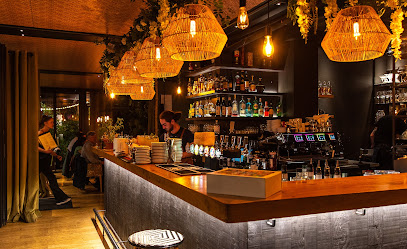
LE ROOFTOP TETEDOIE
1.7 km
Experience gourmet dining at Le Rooftop Tête d'Oie while enjoying stunning views over Lyon's enchanting skyline.
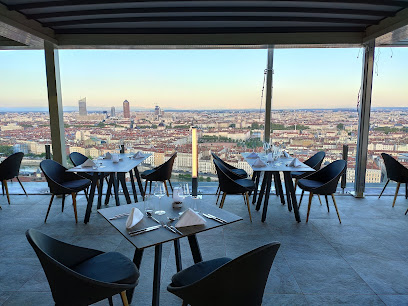
Restaurant Gastronomique Christian Tetedoie
1.7 km
Experience the pinnacle of French fine dining at Restaurant Gastronomique Christian Tetedoie in Lyon, where culinary artistry meets breathtaking views.
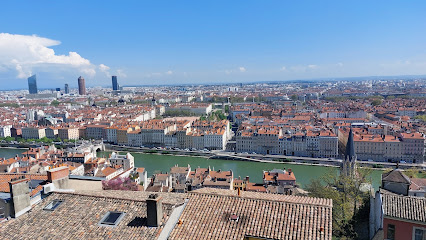
Nosch
1.7 km
Discover exquisite French cuisine paired with local wines at Nosch, a charming restaurant and wine bar in the heart of Lyon.
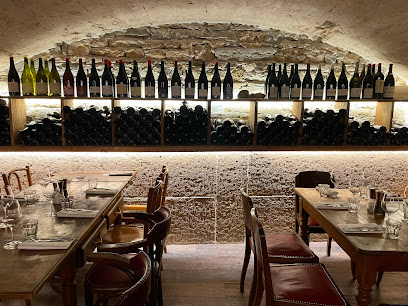
Markets, malls and hidden boutiques

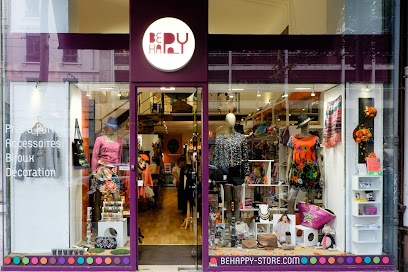
Be Happy Store
0.6 km
Explore Be Happy Store in Lyon for unique children's clothing, exquisite costume jewelry, and charming home goods, perfect for every family.
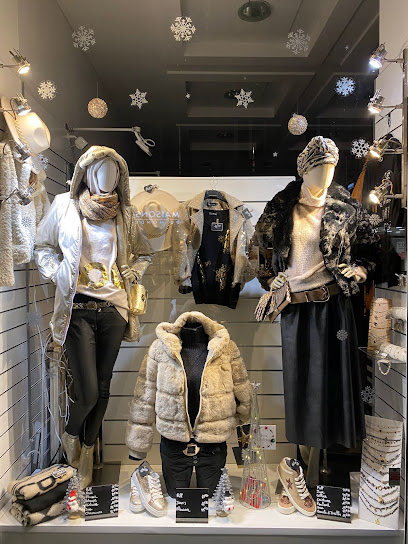
FASHION STORE
0.8 km
Explore the trendy Fashion Store in Lyon, where stylish clothing meets a chic shopping experience, perfect for fashion-forward tourists.
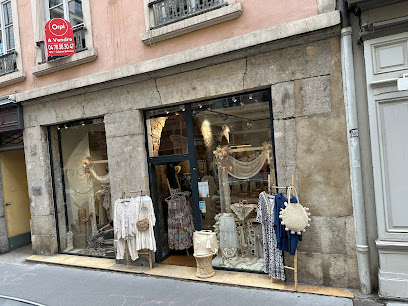
Shops Lyon
1.1 km
Explore Shops Lyon for a unique blend of women's fashion, accessories, and gifts in the heart of France's beautiful city.
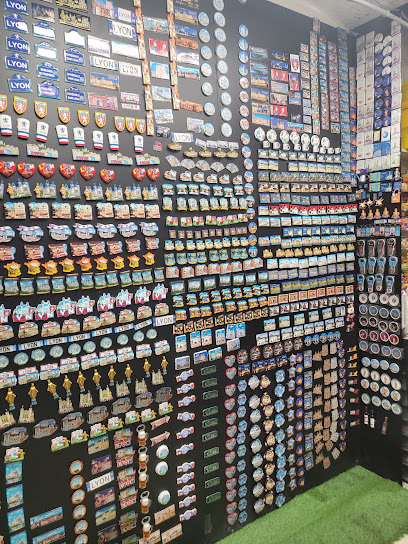
Souvenir de Lyon
1.2 km
Explore the charm of Lyon through unique souvenirs at Souvenir de Lyon, your go-to gift shop for authentic local treasures.
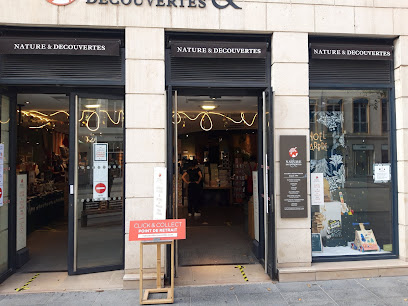
Nature and Discoveries
1.3 km
Discover unique eco-friendly gifts at Nature and Discoveries in Lyon, where nature meets creativity in the heart of the city.
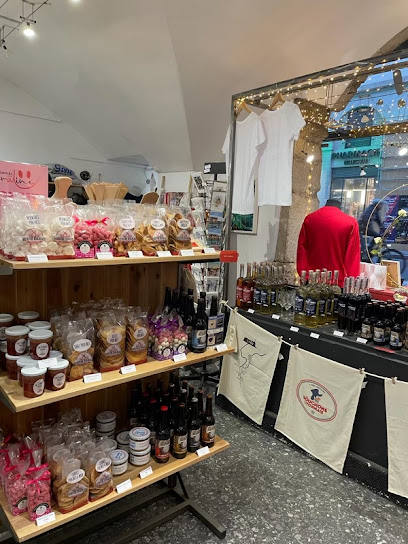
Oh My Gone
1.4 km
Discover unique gifts and exquisite gift baskets that embody the essence of Lyon at Oh My Gone, your go-to gift shop in the heart of the city.
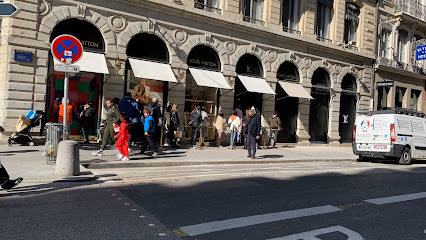
Louis Vuitton Lyon
1.4 km
Explore the luxurious Louis Vuitton store in Lyon, featuring exquisite leather goods and fashion accessories that define elegance and style.
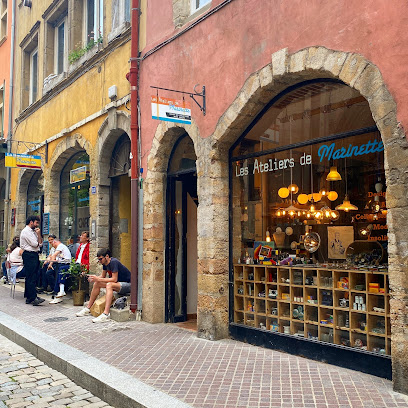
Workshops Marinette
1.5 km
Explore the charm of Workshops Marinette in Lyon, a vintage store offering unique crafts and antiques that reflect the rich artistry of French culture.
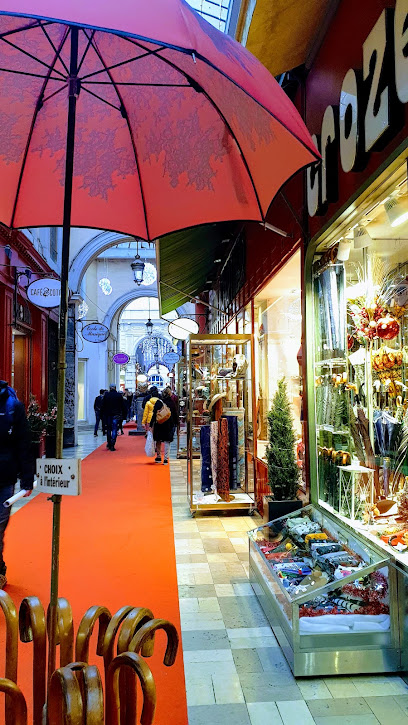
The Silver Arcade of Lyon
1.6 km
Discover the elegance of The Silver Arcade in Lyon, where shopping meets history in a beautifully crafted architectural gem.
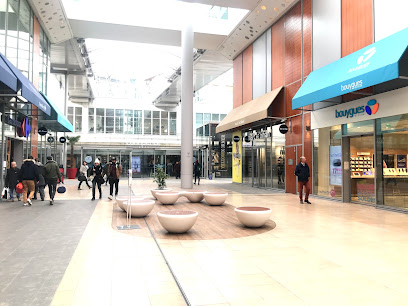
Confluence
1.6 km
Experience the vibrant shopping scene at Confluence in Lyon, where modern architecture meets diverse retail and exquisite dining options.
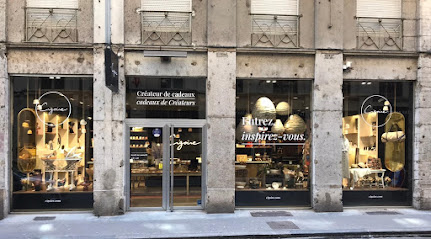
Cigoire - Boutique de cadeaux Lyon
1.6 km
Explore Cigoire in Lyon for exquisite gifts, fashionable clothing, and unique accessories that embody French elegance and charm.
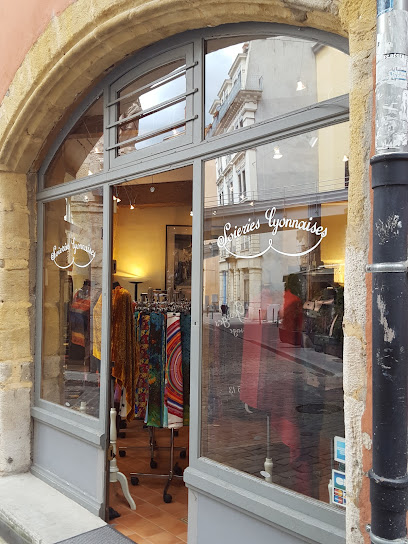
Silk Saint Georges
1.6 km
Explore the exquisite world of silk at Silk Saint Georges in Lyon, where fashion meets history in a charming museum setting.
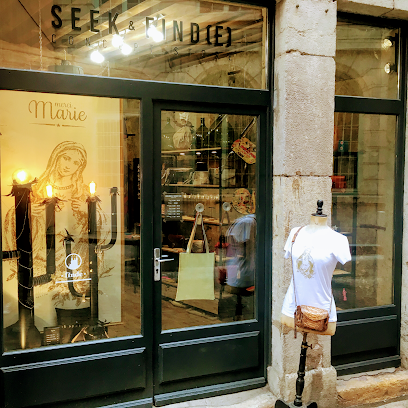
Seek & Find(e)
1.6 km
Explore Seek & Find(e) in Lyon for unique gifts that embody the city's charm and craftsmanship, perfect for memorable souvenirs.
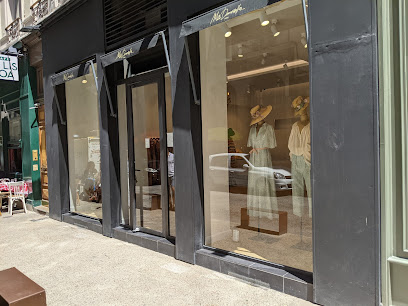
Mes Demoiselles | Magasin Lyon 2 | Presqu'Île
1.7 km
Explore Mes Demoiselles in Lyon for exquisite women's fashion, bridal wear, and stylish accessories in a charming boutique atmosphere.
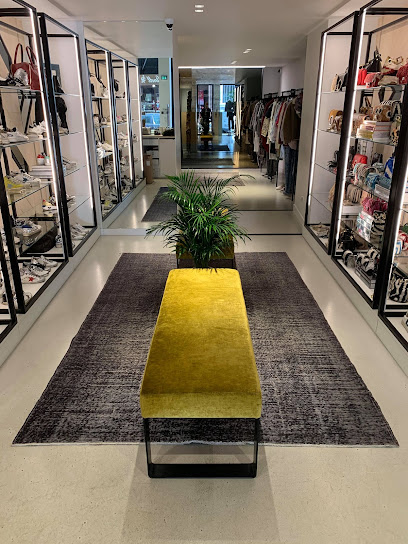
LULLI Lyon
1.7 km
Explore LULLI Lyon, a boutique gift shop offering unique fashion accessories, handbags, jewelry, and women's clothing in the heart of the city.
Essential bars & hidden hideouts

Le Melhor
0.8 km
Experience the epitome of luxury at Le Melhor, Lyon's premier bar offering exquisite cocktails and a vibrant ambiance along the Rhône River.
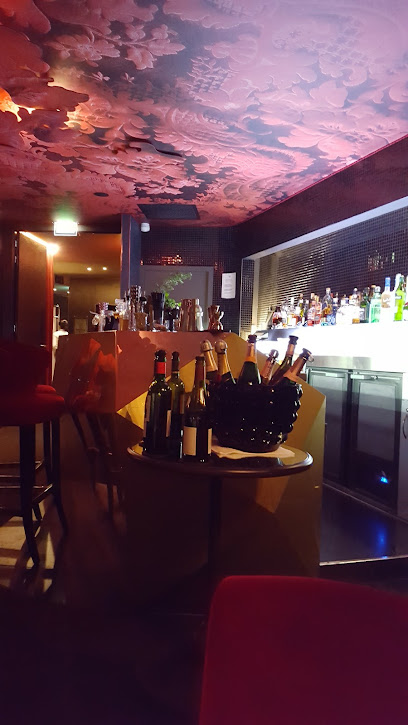
Wanderlust Lyon
1.0 km
Discover Wanderlust Lyon, a vibrant cocktail bar that combines travel themes with expertly crafted drinks in the heart of Lyon's nightlife.
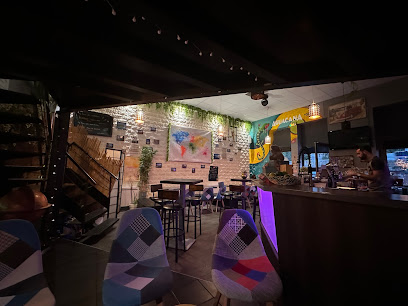
La Faute aux Ours
1.0 km
Discover La Faute aux Ours in Lyon: A cocktail bar blending creativity, ambiance, and a unique drink selection for an unforgettable night.
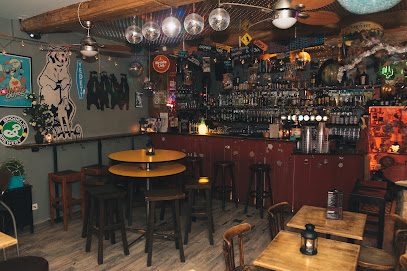
MOS - Maker of Stories
1.2 km
Discover MOS - Maker of Stories in Lyon: a lively bar and restaurant where culinary creativity meets vibrant storytelling.
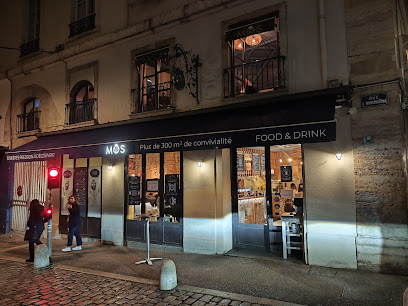
Bar Les Gamins
1.3 km
Experience the vibrant nightlife of Lyon at Bar Les Gamins, where eclectic decor meets delightful drinks in a lively atmosphere.
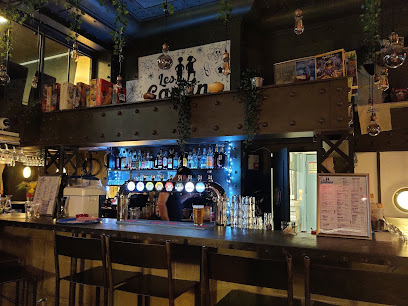
L'Officine
1.3 km
Discover the exquisite cocktail culture at L'Officine, a stylish bar nestled in the historic Grand Hôtel-Dieu in Lyon.
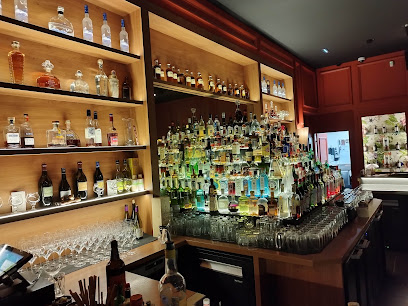
Antidote
1.4 km
Experience the vibrant nightlife at Antidote, a lively bar in Lyon offering live music, sports, and a fantastic selection of beers.
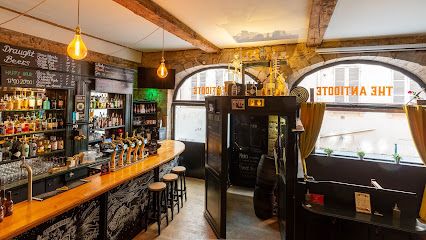
Skull Lyon - Bar à cocktails immersif
1.5 km
Discover the immersive cocktail experience at Skull Lyon, where creativity meets mixology in a captivating atmosphere.
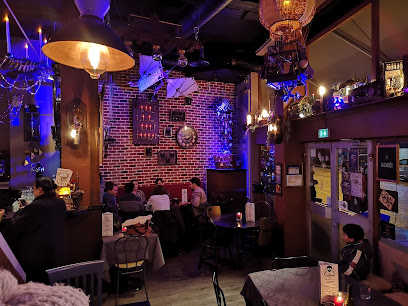
La Passagère
1.5 km
Discover the lively ambiance of La Passagère, a premier live music bar in Lyon, where eclectic performances and scenic views come together.
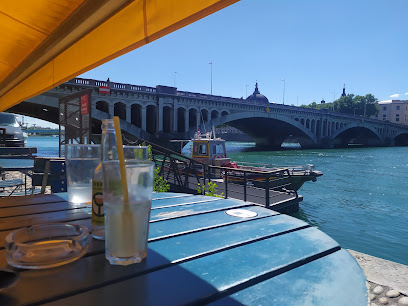
LOUNGE & LOGE
1.6 km
Discover the charm of Lyon at Lounge & Loge, a cozy café and lounge perfect for relaxation and local cuisine.
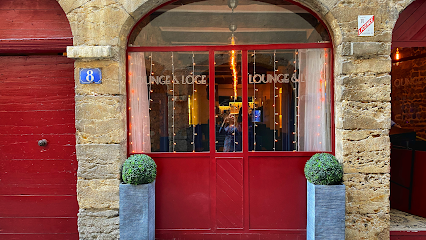
Funky Monky Lyon - Bar - Restaurant - Tapas
1.6 km
Discover the taste of Lyon at Funky Monky, a lively tapas bar offering an array of flavors and a vibrant atmosphere for a memorable dining experience.
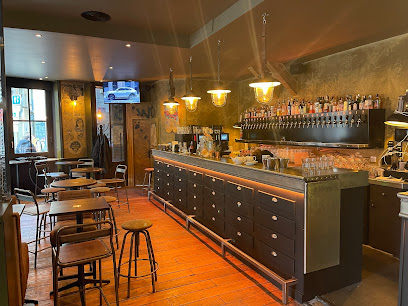
Le Sirius
1.6 km
Discover Lyon's vibrant nightlife at Le Sirius, a live music bar offering great beers and unforgettable performances along the Rhône River.
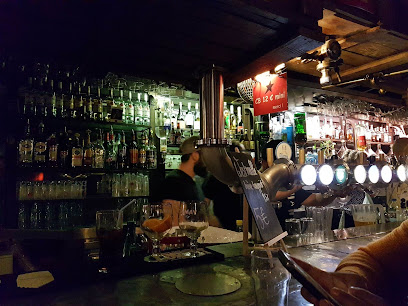
St Andrew's
1.6 km
Discover St Andrew's in Lyon: A lively bar offering cocktails, tapas, and live music for an unforgettable night out.
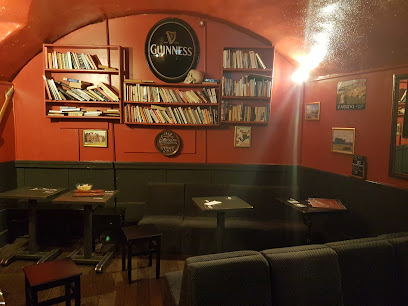
Betty's Bar
1.6 km
Discover Betty's Bar in Lyon, where delicious bagels, gourmet hamburgers, and craft beers create a unique dining experience in a vibrant atmosphere.
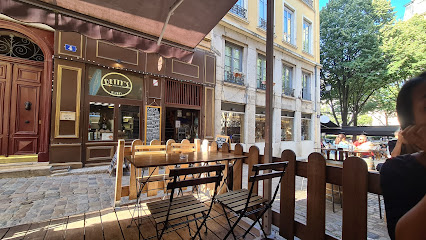
Le Lion Bar
1.6 km
Experience the vibrant atmosphere of Le Lion Bar, a top cocktail and tapas destination in the heart of Lyon, perfect for both relaxation and celebration.
Nightclubs & after hour spots

Loft Club Lyon
0.5 km
Discover the heartbeat of Lyon's nightlife at Loft Club, where music, dance, and excitement converge in an unforgettable atmosphere.
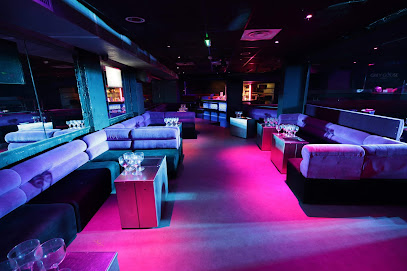
L'Ambassade
1.5 km
Discover the vibrant nightlife of Lyon at L'Ambassade, where music and energy create unforgettable experiences in the heart of the city.
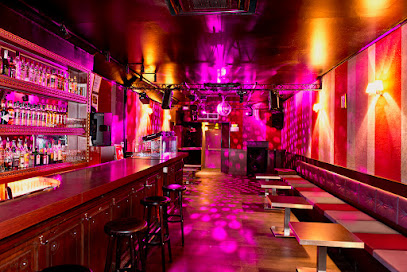
Disco pub Tata mona
1.5 km
Discover the vibrant nightlife at Disco Pub Tata Mona, a top night club in Lyon offering music, drinks, and unforgettable dance experiences.
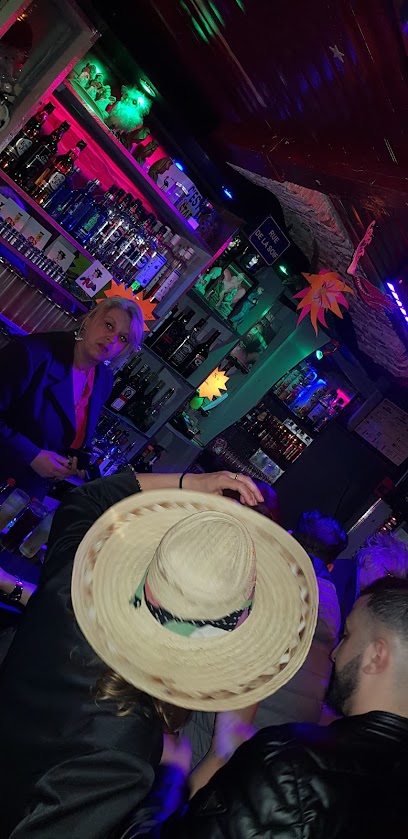
l’appart le 24
1.6 km
Discover the electrifying nightlife of Lyon at l’appart le 24, where DJ beats and vibrant crowds create an unforgettable experience.
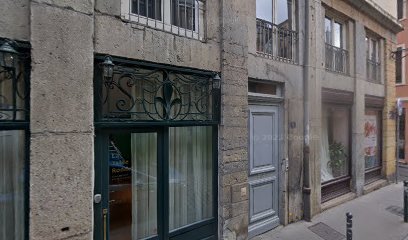
Saône Night
1.6 km
Discover the essence of Lyon's nightlife at Saône Night, where music, dance, and vibrant energy create unforgettable memories.
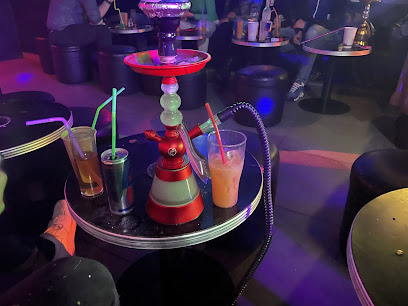
Black&White Club
1.8 km
Unleash your night at Black&White Club, Lyon's premier nightlife destination with vibrant energy and eclectic music.
Le Menestrel
1.8 km
Discover the vibrant nightlife of Lyon at Le Menestrel, a premier disco club where music and dance come alive.
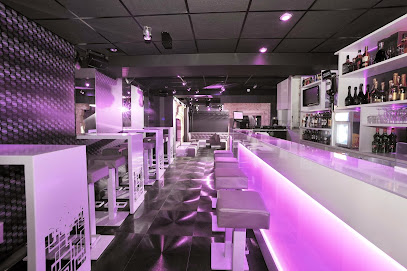
Lyon fc
1.9 km
Dive into the heart of Lyon's nightlife at Lyon FC, where every night is a celebration with dancing, drinks, and unforgettable moments.
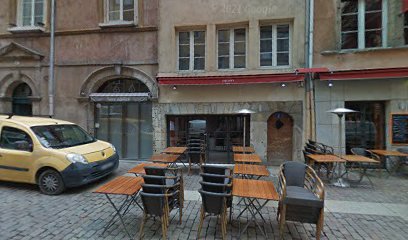
La Grange au Bouc
2.0 km
Discover the best of Lyon's nightlife at La Grange au Bouc, a vibrant night club offering unforgettable music and energetic dance experiences.
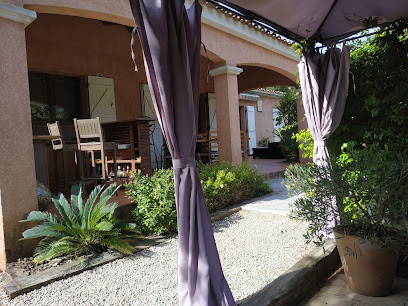
Azar Club
2.1 km
Dive into the heart of Lyon's nightlife at Azar Club, where electrifying music and vibrant energy create unforgettable nights.
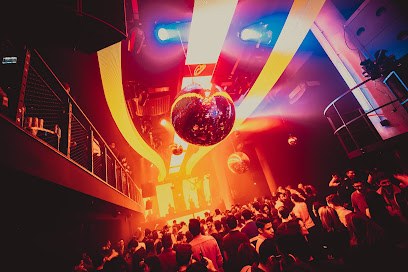
Hot Club Lyon
2.1 km
Discover the soulful sounds of jazz in Lyon at Hot Club, an intimate venue perfect for music lovers seeking local culture and vibrant nightlife.
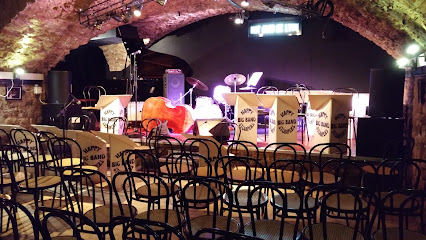
Dream's Club
2.2 km
Discover the vibrant nightlife at Dream's Club in Lyon, a top destination for dancing and socializing in a lively atmosphere.
New. Ibiza
2.4 km
Discover the electrifying nightlife of New. Ibiza in Lyon, where music, dancing, and an unforgettable atmosphere await every night.
La Luna Club
2.4 km
Discover the vibrant nightlife at La Luna Club, Lyon's top karaoke bar, where every night is a musical adventure filled with fun and excitement.
Chez Nico et Greg
2.4 km
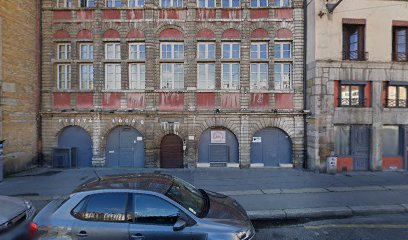
Immerse yourself in the vibrant nightlife of Lyon at Chez Nico et Greg, the ultimate disco club experience for dance lovers and party enthusiasts.