

Parc national des Pyrénées, Midi Pyrenees Travel Guide
Discover the untamed beauty of the French Pyrenees: Hike through stunning landscapes, encounter diverse wildlife, and immerse yourself in the rich cultural heritage of this natural sanctuary.
The Parc National des Pyrénées, established in 1967, is a sprawling protected area along the French-Spanish border, showcasing the dramatic beauty of the Pyrenees Mountains. This natural haven encompasses diverse landscapes, from towering peaks and glacial cirques to verdant valleys and pristine lakes. Home to a rich array of flora and fauna, including iconic species like the Pyrenean chamois (izard), marmots, and the elusive brown bear, the park offers unparalleled opportunities for hiking, wildlife observation, and immersion in nature. Explore well-marked trails, discover picturesque villages nestled within the park's periphery, and marvel at the breathtaking vistas from iconic sites like the Cirque de Gavarnie and the Pic du Midi d'Ossau. Whether you're an avid hiker, a nature enthusiast, or simply seeking tranquility amidst stunning scenery, the Parc National des Pyrénées promises an unforgettable experience.
A brief summary to Parc national des Pyrénées

Know before you go
Hi, I'm Eve. Here are a few practical things to know before exploring Parc national des Pyrénées.
- Check the weather forecast before you go, as conditions in the mountains can change rapidly. Pack layers of clothing to be prepared for all types of weather.
- Wear sturdy hiking boots with good ankle support, as the trails can be rocky and uneven.
- Bring plenty of water and snacks, especially if you're planning a long hike. There are limited opportunities to purchase food and drinks within the park.
- Be aware of the regulations in place to protect the park's environment. Stay on marked trails, pack out all your trash, and respect wildlife.
- Visit one of the Maisons du Parc (visitor centers) for information about trails, activities, and the park's natural and cultural heritage.
Do you manage this location?
Take control to get all the benefits, like improved information, better appearance, and stronger visibility across AI-powered discovery. Learn more about listing your business on Evendo
Activate your presenceOther nearby places you may find interesting
The closest places of the same kind, if this one is not quite what you had in mind.
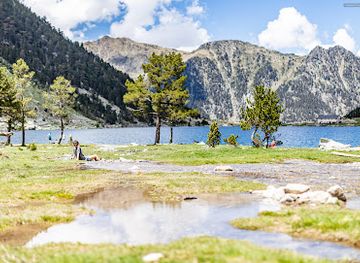
Explore Parc national des Pyrénées on the Map
A handpicked selection of must-see spots near Parc national des Pyrénées, mapped for you.
Getting There
-
Driving
From Tarbes, a major transport hub in the region, take the A64 autoroute towards Toulouse, then exit onto the D935 towards Lourdes. Continue on the D935, following signs for Argelès-Gazost, a gateway town to the Parc National. From Argelès-Gazost, various D roads (D918, D921) lead into different valleys and access points of the park. Parking is available at various trailheads and villages, such as Cauterets (for Pont d'Espagne) and Gavarnie (for Cirque de Gavarnie). Parking fees vary depending on the location and time of year, typically ranging from €8-€11 per day.
-
Public Transport
From Lourdes, take the liO bus route 965 towards Gavarnie or Cauterets, depending on your desired access point to the park. The bus journey to Gavarnie takes approximately 1.5 hours and costs around €2 per person. The bus to Cauterets takes approximately 1 hour and also costs around €2. From either of these villages, local shuttle buses or hiking trails provide access to specific attractions within the park. Check the liO website for current schedules and fares.
-
Shuttle Bus
During peak season (summer and school holidays), shuttle buses operate from Cauterets to Pont d'Espagne. This avoids congestion and parking issues at Pont d'Espagne. The shuttle costs approximately €2 per person for a round trip. Tickets can be purchased at the Cauterets bus station or online. Check local tourist information for the most up-to-date shuttle schedules.
Discover more about Parc national des Pyrénées
More to explore near Parc national des Pyrénées













Your all‑in‑one travel companion app
Explore expert travel guides, compare and book tours, experiences, hotels, and more—all from the palm of your hand. Download now for seamless trip planning wherever your wanderlust takes you.


Explore More of Midi Pyrenees
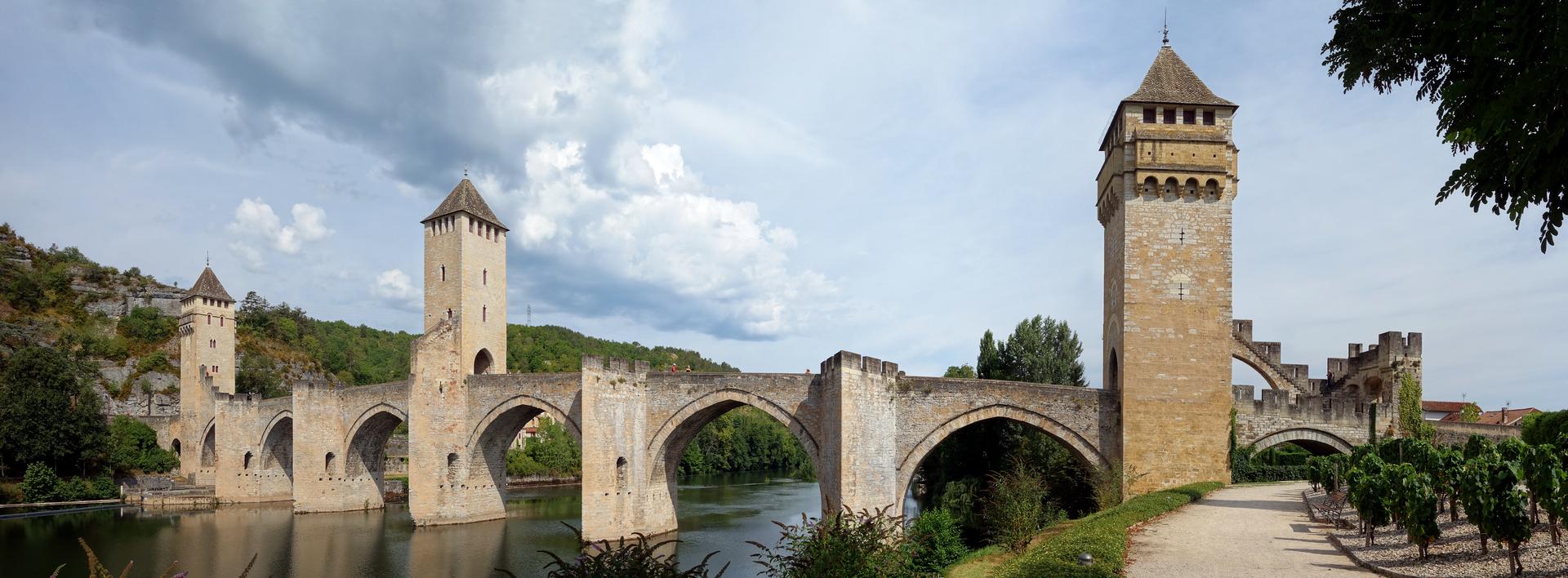
Looking beyond Parc national des Pyrénées? Discover Midi Pyrenees for broader travel guides, local hot-spots, and regional highlights.
Explore Midi Pyrenees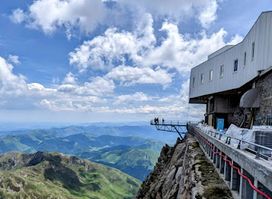
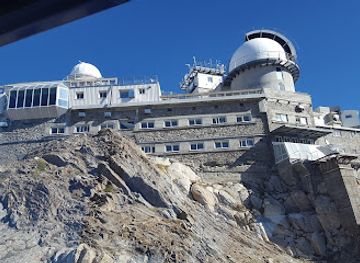
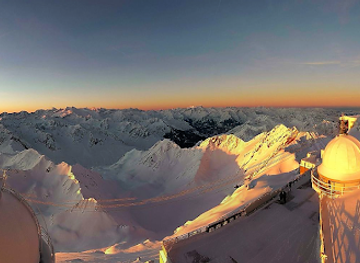
Ascend to the stars! Experience breathtaking Pyrenees views & explore a historic observatory via the Téléphérique du Pic du Midi.

Step into cinematic history at Cauterets' charming cinema, nestled in a beautifully preserved Belle Époque casino, offering a unique blend of entertainment and cultural heritage in the heart of the Pyrenees.
