

Château de Bramevaque Travel Guide
Free Guide: Explore the ruins of Château de Bramevaque, a medieval castle offering panoramic views and a glimpse into the legends of the Pyrenees.


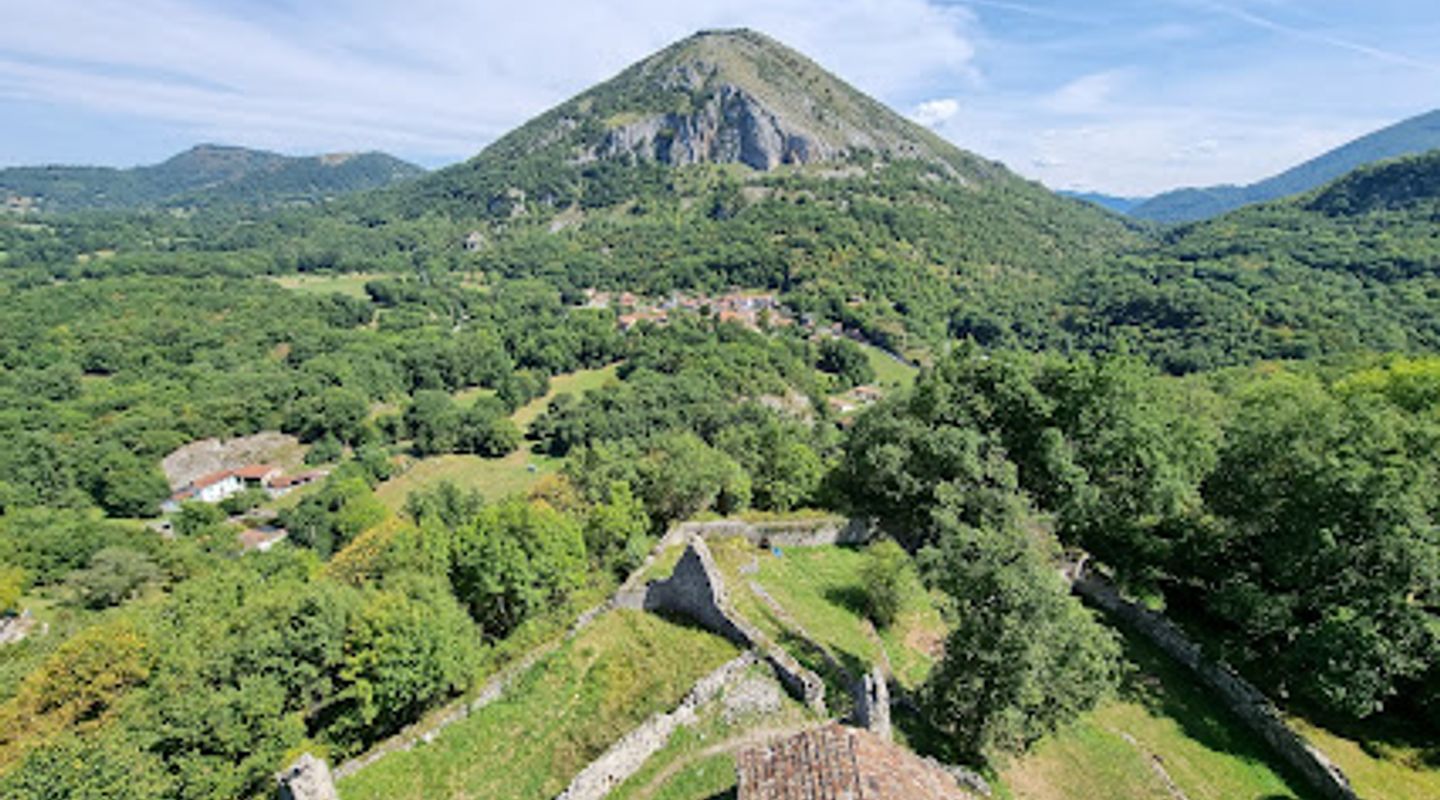
A brief summary of Château de Bramevaque
Explore the ruins of Château de Bramevaque, a medieval castle offering panoramic views and a glimpse into the legends of the Pyrenees.
The Château de Bramevaque, a ruined feudal castle dating back to the 11th century, stands atop a rocky outcrop in the Barousse valley. Once the stronghold of the Counts of Comminges, the castle offers panoramic views and a glimpse into the region's rich medieval past.
Opening hours
- Every dayOpen 24 hours
Opening hours as listed on the venue’s Google Business Profile. Hours can change for services and special events, so check with the venue before you go.
- Address
- place du tilleul, 65370 Bramevaque
- Phone
- Website
Getting there
Walking
Driving
Discover more about Château de Bramevaque
Overview
Perched on a rocky promontory overlooking the village of Bramevaque, the Château de Bramevaque is a captivating ruin that whispers tales of medieval lords and territorial disputes. The castle's origins trace back to the 11th century, with construction spanning several phases through the 13th century. It was strategically built by the Counts of Labarthe, Sanche II and his son Sanche III, between 1167 and 1235. The castle controlled a vital passage through the Barousse valley, a historically significant Pyrenean region.Today, visitors can explore the castle's remains, including the imposing keep (donjon), sections of the outer walls, and the remnants of a Romanesque chapel. The keep, though partially ruined, still rises to a height of 10 meters, offering stunning views of the surrounding valley. The chapel retains fragments of its vaulted apse, showcasing the Romanesque architectural style.Local legends add an air of mystery to the Château de Bramevaque. One such tale tells of the Countess of Bramevaque, who was allegedly imprisoned in the castle by her husband. The name Bramevaque itself is said to derive from the Occitan words 'bramer' (to bellow) and 'vaque' (cow), possibly linked to local folklore. Exploring the castle grounds provides a tangible connection to the past and a chance to appreciate the strategic importance and enduring beauty of this historical site.
Evendo Review Centre
 Google
Guest reviews
Explore Château de Bramevaque on the map
A handpicked selection of must-see spots near Château de Bramevaque, mapped for you.
Get your free copy of our complete guide to Château de Bramevaque, delivered straight to you.
Everything on this page, from opening hours and how to get there to Eve’s tips and the best time to go, in one PDF you can read offline, print or share.
Already have an account? Sign in
Your Château de Bramevaque guide is ready.
We'll send it to · Not you? Sign out

Getting your guide ready…
We are putting together a fresh copy of the Château de Bramevaque guide. This can take up to a minute.
This can take a few moments. If your browser asks, choose Allow so the download can start. You'll find the guide in your Downloads folder.
Nothing happened? Download it again
Sorry, the guide is taking longer than usual. Please try again in a minute, or get it by email instead.
Other nearby places you may find interesting
The closest places of the same kind, if this one is not quite what you had in mind.
-
-
-
-
-


Swipe for more places
More to explore near Château de Bramevaque

 Best experiences near Château de Bramevaque
 Best hotels near Château de Bramevaque
 Best landmarks near Château de Bramevaque
 Best attractions near Château de Bramevaque
 Best shops near Château de Bramevaque
 Best restaurants near Château de Bramevaque
 Best bars near Château de Bramevaque
Do you manage this location?
Take control to get all the benefits, like improved information, better appearance, and stronger visibility across AI-powered discovery.
Explore more
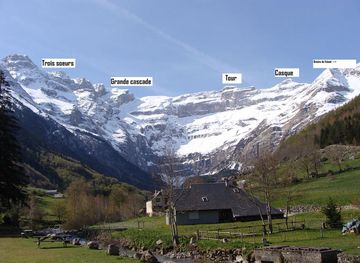
Explore more of Pyrenees
Discover the Pyrenees in France: A paradise of majestic peaks, rich history, and thrilling outdoor adventures in one of Europe's most breathtaking mountain ranges.
Explore Pyrenees
Explore more of France
Explore France: A land of romance, history, and unparalleled beauty, from the iconic streets of Paris to the serene landscapes of Provence and the luxury of the French Riviera.
Explore France
