

Free Ivindo Basin Travel Guide & Mobile App
Explore Ivindo Basin with free travel guides. Discover regional history, expert tips, proposed trips, and audio guides on web or mobile app.


Explore Gabon's Ivindo Basin for rainforest, waterfalls, wildlife-rich bais and remote river journeys centred on Makokou and Ivindo National Park.
Read more about Ivindo Basin
When is the best time to visit Ivindo Basin?
Best: February, July–August · 29°C| Month | High (°C) | Rainfall (mm) |
|---|---|---|
| January | 29 | 200 |
| February (best) | 29 | 150 |
| March | 29 | 225 |
| April | 29 | 250 |
| May | 29 | 225 |
| June | 29 | 175 |
| July (best) | 29 | 150 |
| August (best) | 29 | 175 |
| September | 29 | 200 |
| October | 29 | 225 |
| November | 29 | 250 |
| December | 29 | 200 |
Getting to and around Ivindo Basin
How to get there
Transportation
Top city travel guides in Ivindo Basin
The cities of Ivindo Basin, and the easiest places to base yourself.

Swipe for more cities
Destinations in Ivindo Basin
Resorts, valleys and scenic spots worth a trip of their own.
-

-

-


Swipe for more destinations
Best attractions in Ivindo Basin
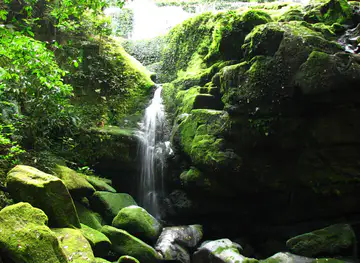
The Ivindo Basin's attractions are predominantly natural and are experienced through guided journeys rather than conventional sightseeing. Ivindo National Park is the central draw, combining dense equatorial rainforest with river channels, rapids, waterfalls and wildlife-rich clearings. Langoué Bai is associated with observation of forest elephants and other species, although access, conditions and sightings vary. Kongou Falls provides one of the region's most memorable river landscapes, where water moves through forested terrain and rocky channels. Excursions may also involve canoeing, walking trails, scientific or conservation-focused visits and quiet observation from forest camps. Makokou offers a practical cultural and logistical base, while the route towards Booué introduces a different perspective along the Ogooué and railway corridor. The basin is not suited to rushed independent touring: its appeal lies in immersion, ecological scale and the possibility of seeing wildlife in a protected habitat. Visitors should confirm access conditions and conservation rules before travelling, as routes and facilities can change with rainfall, river levels and park management.
-
National park
Ivindo National Park
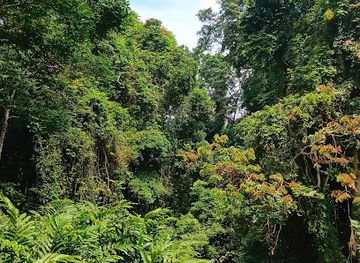
Explore Gabon's Ivindo National Park: a UNESCO World Heritage site with stunning waterfalls, diverse wildlife, and pristine equatorial rainforest.
Best landmarks in Ivindo Basin
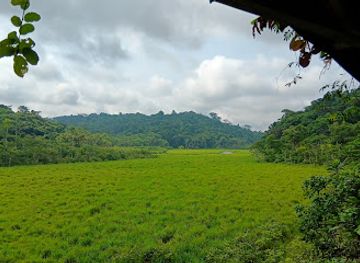
The most important landmarks of the Ivindo Basin are natural places rather than monumental buildings. Ivindo National Park is the region's defining protected landscape and a major marker of Gabon's conservation history, while its UNESCO World Heritage status reflects the international significance of the rainforest ecosystem. Kongou Falls is a particularly recognisable feature of the Ivindo, combining powerful water, rock channels and dense forest in one dramatic setting. Langoué Bai is less a conventional viewpoint than an ecologically important forest clearing where wildlife may gather and where conservation research has helped bring attention to the basin. The Ivindo River itself is the region's geographical signature, linking remote forest habitats with settlements and larger waterways. Around Makokou, the riverine setting and forest edge explain the town's role as an access point, although its architecture is modest rather than monumental. Along the southern approach, Booué's position beside the Ogooué and the Transgabon Railway represents the transport infrastructure that connects the remote basin with wider Gabon.
-
National park
Ivindo National Park
Discover the breathtaking landscapes and rich wildlife of Ivindo National Park, a top destination for eco-tourism in Gabon.
Explore Ivindo Basin on the map
Plan your trip on one map. See where the top cities, national parks and sights are, and book hotels and experiences in a few clicks.
Best hotels in Ivindo Basin
Best restaurants in Ivindo Basin
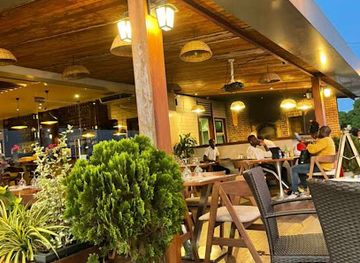
Dining in the Ivindo Basin is practical, local and closely tied to what can be supplied in a remote forest region. In Makokou, visitors are most likely to find simple restaurants, cafés and accommodation-based meals serving familiar Gabonese dishes alongside basic international options. Rice, plantain, cassava, vegetables, grilled or stewed fish and chicken commonly form the basis of meals, while river communities may have their own fish preparations. Bushmeat is a sensitive subject in a conservation region and should not be requested or consumed, particularly where protected wildlife is concerned. Travellers heading into the park should agree in advance what meals, snacks and drinking water are provided, since there are no dependable restaurants at remote forest sites. Local markets can be useful for fruit and staple foods when available, but supplies are variable. In this setting, a well-planned packed meal and safe water are often more important than an elaborate dining scene.
-
Restaurant
Chez Jeannot
Experience authentic Gabonese cuisine at Chez Jeannot in Libreville—where delicious meals meet friendly service at affordable prices.
-
French
Beach Club
Experience the perfect blend of French elegance and African flair at Beach Club in Libreville - where every meal is a celebration of flavor.
-
Restaurant
Lamaia Lounge Bar & Restaurant
Discover culinary delights at Lamaia Lounge Bar & Restaurant in Libreville - where exquisite French cuisine meets vibrant nightlife.
-
Restaurant
Delektable
Experience the essence of Gabonese cuisine at Delektable, where delightful flavors meet a vibrant atmosphere in Libreville.

Best bars in Ivindo Basin
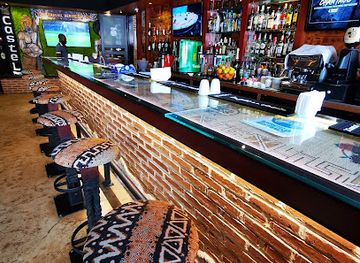
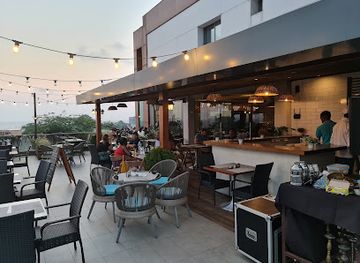
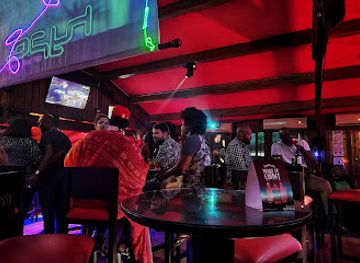
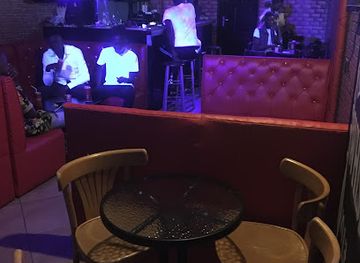
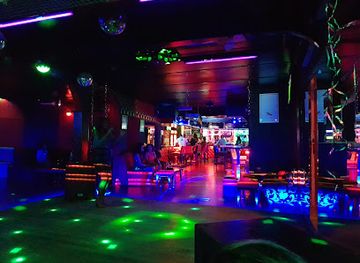
Nightlife in the Ivindo Basin is limited and centres on Makokou rather than on a dedicated entertainment district. Small bars and informal meeting places may serve beer, soft drinks and simple food, while hotels and restaurants provide the most predictable evening setting for visitors. Booué has a modest town-based social scene associated with the railway and road corridor, but it should not be approached as a major nightlife destination. In rural areas and inside the national park, evenings are generally quiet, shaped by darkness, forest sounds and the practical routines of camps. Live music or community celebrations may occur, but temporary events and opening arrangements should be confirmed locally rather than assumed. Visitors should avoid drinking before boat journeys, wildlife excursions or early forest walks, and should respect the quiet required around camps and neighbouring communities.
-
Pizza
BANTU Restaurant – Restaurant – Bar – Pizzeria
Experience the vibrant flavors of Gabon at BANTU Restaurant, where delicious pizzas and local cuisine come together in a lively setting.
-
Restaurant
La Voile Rouge
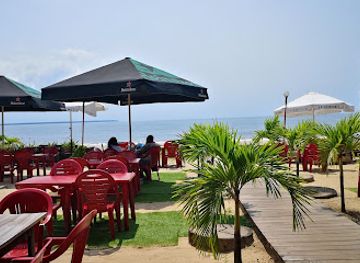
Experience the flavors of Gabon at La Voile Rouge, a vibrant restaurant in Libreville known for its fresh seafood and breathtaking coastal views.
-
Bar
Lamaia Lounge Bar & Restaurant
Experience the perfect blend of French cuisine and lounge ambiance at Lamaia Lounge Bar & Restaurant in Libreville for an unforgettable dining experience.
-
Bar
HYPE BAR LOUNGE
Discover the vibrant nightlife of Libreville at HYPE BAR LOUNGE, where great music and a lively atmosphere await.
Best nightclubs in Ivindo Basin
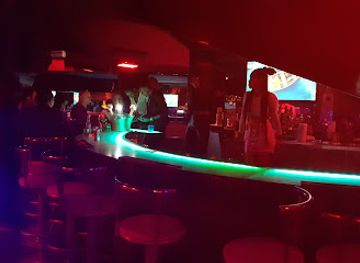
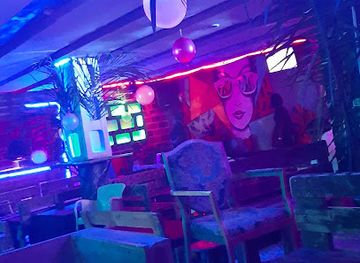
Nightlife in the Ivindo Basin is limited and centres on Makokou rather than on a dedicated entertainment district. Small bars and informal meeting places may serve beer, soft drinks and simple food, while hotels and restaurants provide the most predictable evening setting for visitors. Booué has a modest town-based social scene associated with the railway and road corridor, but it should not be approached as a major nightlife destination. In rural areas and inside the national park, evenings are generally quiet, shaped by darkness, forest sounds and the practical routines of camps. Live music or community celebrations may occur, but temporary events and opening arrangements should be confirmed locally rather than assumed. Visitors should avoid drinking before boat journeys, wildlife excursions or early forest walks, and should respect the quiet required around camps and neighbouring communities.
-
Night club
Cotton Club
Dive into Libreville's nightlife at Cotton Club, where electrifying music and vibrant culture blend for an unforgettable experience.
-
Bar
IBIZA NIGHTCLUB Bar - Restaurant -Chicha- Terrasse
Experience Ibiza nightlife at Chicha Terrasse in Libreville - a vibrant bar and restaurant with great cocktails and lively atmosphere.
-
Night club
The Pub Libreville
Dive into the lively nightlife at The Pub Libreville, a premier destination for cocktails, hookah, and unforgettable evenings in Gabon.
-
Night club
Insomnia
Experience the vibrant nightlife of Libreville at Insomnia, where music and dance come alive under the tropical skies.
Best shops in Ivindo Basin
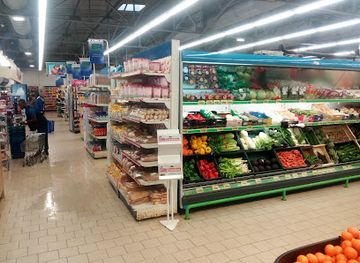
Shopping in the Ivindo Basin is focused on everyday supplies, local markets and practical forest-travel needs rather than specialist retail. Makokou is the most useful place to buy basic food, bottled water, toiletries and some locally produced goods before an excursion, although range and availability can be limited. Fresh fruit, staples and prepared foods may be available through market trading, with supply varying by season and transport conditions. Small crafts, woven articles or carved objects may sometimes be found through local makers or community contacts, but purchases should be made respectfully and without buying protected wildlife products, archaeological objects or plant material removed from the forest. There is no major luxury-shopping scene in the basin, and visitors should not expect a dependable selection of technical outdoor equipment. Bring essential equipment from Libreville or another larger Gabonese centre, and carry modest cash for market purchases because card payments are unreliable in smaller settlements.
-
Home improvement store
CK2 centre ville
Explore CK2 Centre Ville in Libreville for all your home improvement needs, featuring a wide range of products and expert advice.
-
 Hotel
HotelLa Baie des Tortues Luth Hotel
Experience the Perfect Blend of Luxury and Nature at La Baie des Tortues Luth Hotel in Gabon's Breathtaking National Park.
-
Supermarket
Maxi Ckdo Akanda
Explore the heart of Akanda at Maxi Ckdo Supermarket, where local flavors and international products meet in a vibrant shopping experience.
-
Handicraft
Village des Artisans
Explore the vibrant artisan market in Libreville, showcasing the finest Gabonese handicrafts, from wood carvings to textiles.
Get your free copy of our complete guide to Ivindo Basin, delivered straight to you.
Everything on this page, from attractions and restaurants to essentials and local phrases, in one PDF you can read offline, print or share.
Already have an account? Sign in
Your Ivindo Basin guide is ready.
We'll send it to · Not you? Sign out

Getting your guide ready…
We are putting together a fresh copy of the Ivindo Basin guide. This can take up to a minute.
This can take a few moments. If your browser asks, choose Allow so the download can start. You'll find the guide in your Downloads folder.
Nothing happened? Download it again
Sorry, the guide is taking longer than usual. Please try again in a minute, or get it by email instead.
Ivindo Basin essentials
Currency and Payment
Safety
Emergency Situations
Do's and Don'ts
Local Tips
From Eve
Local phrases worth knowing
You don't need to get them perfect. A few words go a long way, and locals appreciate the effort.
Basics
| English | Local | Say it |
|---|---|---|
| Hello | Nda | [n-dah] |
| Goodbye | Mokolo malamu | [moh-koh-loh mah-lah-moo] |
| Yes | Ee | [eh] |
| No | Ayi | [ah-yee] |
| Please/You're welcome | S'il vous plaît | [seel voo pleh] |
| Thank you | Mesi | [meh-see] |
| Excuse me/Sorry | Pardon | [par-dohn] |
| How are you? | Ndenge o? | [n-den-geh oh] |
| Fine. And you? | Malamu. Na yo? | [mah-lah-moo nah yoh] |
| Do you speak English? | Ozo loba Lingala? | [oh-zoh loh-bah lin-gah-lah] |
| I don't understand | Nani na yebani | [nah-nee nah yeh-bah-nee] |
Eating & Drinking
| English | Local | Say it |
|---|---|---|
| I'd like to see the menu, please | Nako zela menu, s'il vous plaît | [nah-koh zeh-lah meh-noo seel voo pleh] |
| I don't eat meat | Nani nakokanga nyama | [nah-nee nah-koh-kahn-gah nyah-mah] |
| Cheers! | Mokolo! | [moh-koh-loh] |
| I would like to pay, please | Nako zela kofinga, s'il vous plaît | [nah-koh zeh-lah koh-feen-gah seel voo pleh] |
Emergencies
| English | Local | Say it |
|---|---|---|
| Help! | Bokoli! | [boh-koh-lee] |
| Go away! | Banda! | [bahn-dah] |
| Call the Police! | Lela Polisi! | [leh-lah poh-lee-see] |
| Call a doctor! | Lela nganga! | [leh-lah n-gah-ngah] |
| I'm lost | Nazali na mboka | [nah-zah-lee nah m-boh-kah] |
| I'm ill | Nazali na maladi | [nah-zah-lee nah mah-lah-dee] |
Shopping
| English | Local | Say it |
|---|---|---|
| I'd like to buy... | Nako zela kolanda... | [nah-koh zeh-lah koh-lahn-dah] |
| I'm just looking | Nako zela kolanda kaka | [nah-koh zeh-lah koh-lahn-dah kah-kah] |
| How much is it? | Mbongo mingi? | [m-bon-goh meen-gee] |
| That's too expensive | Oyo ezali mingi mbongo | [oh-yoh eh-zah-lee meen-gee m-bon-goh] |
| Can you lower the price? | Oko sala moke na mbongo? | [oh-koh sah-lah moh-keh nah m-bon-goh] |
Time & Numbers
| English | Local | Say it |
|---|---|---|
| What time is it? | Nini tango oyo? | [nee-nee tan-goh oh-yoh] |
| It's one o'clock | Eza moko | [eh-zah moh-koh] |
| Half past (10) | Nani na nzoto (10) | [nah-nee nah n-zoh-toh] |
| Morning | Mikolo | [mee-koh-loh] |
| Afternoon | Mikolo ya midi | [mee-koh-loh yah mee-dee] |
| Evening | Mikolo ya butu | [mee-koh-loh yah boo-too] |
| Yesterday | Lobi | [loh-bee] |
| Today | Lelo | [leh-loh] |
| Tomorrow | Bokoya | [boh-koh-yah] |
| 1 | Moko | [moh-koh] |
| 2 | Mibale | [mee-bah-leh] |
| 3 | Misato | [mee-sah-toh] |
| 4 | Mikono | [mee-koh-noh] |
| 5 | Mitano | [mee-tah-noh] |
| 6 | Miboko | [mee-boh-koh] |
| 7 | Mibale na moko | [mee-bah-leh nah moh-koh] |
| 8 | Mibale na mibale | [mee-bah-leh nah mee-bah-leh] |
| 9 | Mibale na misato | [mee-bah-leh nah mee-sah-toh] |
| 10 | Mibale na mikono | [mee-bah-leh nah mee-koh-noh] |
Transport & Directions
| English | Local | Say it |
|---|---|---|
| Where's a/the...? | Wapi ...? | [wah-pee] |
| What's the address? | Nini adresse? | [nee-nee ah-dress] |
| Can you show me (on the map)? | Oko pona ngai (na map)? | [oh-koh poh-nah n-gai] |
| When's the next (bus)? | Bokoya tango ya nsima? | [boh-koh-yah tan-goh yah n-see-mah] |
| A ticket (to ....) | Billet (na ...) | [bee-yay nah] |
History of Ivindo Basin
Forest societies and river networks before colonial rule
Long before the modern borders of Gabon, communities lived with and travelled through the forests and rivers of the Ivindo Basin. Fishing, hunting, gathering and small-scale cultivation were adapted to a demanding equatorial environment, while rivers provided important routes between settlements and wider trading networks. The region has been home to several forest and riverine communities, including peoples associated with the Kota cultural area and other groups of north-eastern Gabon. Oral traditions, local ecological knowledge and settlement patterns remain important parts of the basin's heritage, even though the rainforest can make archaeological evidence difficult to locate and preserve.
European exploration and the colonial transformation
European exploration of the interior of Gabon intensified during the nineteenth century, following river routes and seeking commercial access beyond the coast. French colonial administration later incorporated the inland forest into French Equatorial Africa. Colonial rule altered patterns of authority, taxation, labour and trade, while Christian missions and administrative posts added new institutions. The difficult terrain meant that control was uneven and transport remained a major obstacle. The memory of this period is present less through grand colonial monuments than through changing settlement patterns, administrative centres and the transport routes that later connected the interior with the coast.
Timber, transport and the railway era
Forest resources have long shaped the economy of eastern Gabon, with timber becoming particularly important during the colonial and post-colonial periods. Building reliable links across the interior was difficult, and the Transgabon Railway, completed in stages during the late twentieth century, transformed access along the Ogooué corridor. Booué and other railway settlements became more significant as points for passengers, freight and timber movement, although the railway does not directly reach Makokou. Roads, river transport and air links have remained important for reaching the upper Ivindo Basin, where geography continues to constrain large-scale development.
Independence and the development of eastern Gabon
Gabon became independent from France in 1960, after which the eastern provinces remained closely connected to the national development projects that shaped the country. Public administration, forestry, transport and scientific research expanded unevenly across the basin. Makokou developed as the main urban centre associated with the upper Ivindo, while surrounding communities continued to depend on a mixture of forest resources, agriculture, fishing, public employment and commerce. The region's modern history therefore combines national economic integration with the persistent reality that many forest settlements remain remote from major services.
Protected areas and the conservation turn
Gabon created a network of national parks in 2002, placing a large part of the Ivindo landscape within a formal conservation framework. Ivindo National Park was established to protect rainforest, rivers, waterfalls, wildlife corridors and ecologically important clearings. Conservation has brought greater international attention, scientific research and opportunities for guided nature tourism, but it also requires careful negotiation with communities whose livelihoods and customary access to forest resources pre-date the park. Effective management depends on local participation, clear rules and respect for both biodiversity and human needs.
Ivindo National Park and UNESCO recognition
The international importance of the basin was reinforced when Ivindo National Park was inscribed on the UNESCO World Heritage List in 2021. The designation recognises a large, relatively intact Central African rainforest containing rivers, waterfalls, forest clearings and habitat for species including forest elephants and western lowland gorillas. It is not simply an award for scenery: the status reflects ecological processes and exceptional biodiversity. For visitors, it also underlines the need for low-impact travel, regulated access, responsible wildlife observation and patience with the practical limits of visiting a remote protected landscape.
Ivindo Basin in Photos
Browse through our photo collection highlighting the charm and character of the destination.
Neighbouring regions of Ivindo Basin
The closest regions to Ivindo Basin, if you have time for more than one.
-

-

-

-

-


Swipe for more regions
Explore more
Explore more of Gabon
Gabon: Discover Africa's untouched paradise with pristine beaches, diverse wildlife, and rich cultural heritage.
Explore Gabon