

Free Ogooué-Ivindo Province Travel Guide & Mobile App
Explore Ogooué-Ivindo Province with free travel guides. Discover regional history, expert tips, proposed trips, and audio guides on web or mobile app.


Ogooué-Ivindo offers rainforest, river journeys, wildlife and Ivindo National Park in one of Gabon’s most remote wilderness provinces.
Read more about Ogooué-Ivindo Province
When is the best time to visit Ogooué-Ivindo Province?
Best: January–March · 28°C| Month | High (°C) | Rainfall (mm) |
|---|---|---|
| January (best) | 28 | 150 |
| February (best) | 28 | 150 |
| March (best) | 28 | 150 |
| April | 28 | 150 |
| May | 28 | 150 |
| June | 29 | 150 |
| July | 29 | 150 |
| August | 29 | 150 |
| September | 29 | 150 |
| October | 29 | 150 |
| November | 29 | 150 |
| December | 29 | 150 |
Getting to and around Ogooué-Ivindo Province
How to get there
Transportation
Top city travel guides in Ogooué-Ivindo Province
The cities of Ogooué-Ivindo Province, and the easiest places to base yourself.

Swipe for more cities
Destinations in Ogooué-Ivindo Province
Resorts, valleys and scenic spots worth a trip of their own.
-

-

-


Swipe for more destinations
Best attractions in Ogooué-Ivindo Province
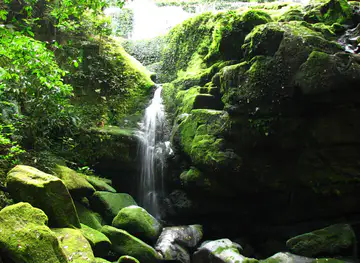
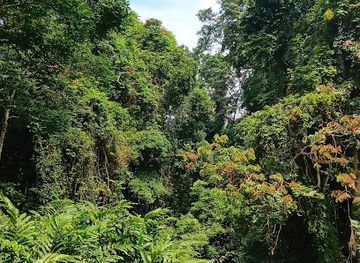
Ogooué-Ivindo’s attractions are concentrated in rainforest, rivers and protected landscapes rather than in a dense collection of urban sights. Ivindo National Park is the province’s central draw, with guided access to the Kongou and Mingouli waterfalls, forest waterways, old-growth habitat and the Langoué bai, a natural clearing known for opportunities to observe forest wildlife. Boat journeys and forest walks reveal a landscape of rapids, buttressed trees and humid lowland vegetation, while patient observation may produce sightings of elephants, gorillas, chimpanzees, buffalo, sitatunga and numerous birds. Wildlife is unpredictable and the emphasis is on habitat and conservation rather than guaranteed encounters. Makokou provides an introduction to provincial life and a base for arranging access, guides and supplies. The wider Ivindo basin also offers experiences shaped by local communities, fishing and river travel, provided these are arranged respectfully. The Belinga area is more relevant to the province’s mineral and infrastructure story than to conventional sightseeing. Visitors should expect modest facilities, limited signage and substantial travel time between sites; the attraction lies in entering a protected Central African forest, not in moving rapidly between polished visitor facilities.
-
Tourist attraction
Minkébé National Park
Explore Minkébé National Park, Gabon: a remote haven of biodiversity, home to forest elephants, gorillas, and pristine rainforests, and a proposed World Heritage Site.
-
National park
Ivindo National Park
Discover Gabon's Ivindo National Park: A UNESCO site with stunning waterfalls, lush rainforests, and incredible wildlife encounters.
-
Waterfall
Chutes Kongou
Discover the breathtaking beauty of Chutes Kongou, Gabon's mesmerizing waterfall surrounded by lush rainforest and stunning wildlife.

Best landmarks in Ogooué-Ivindo Province
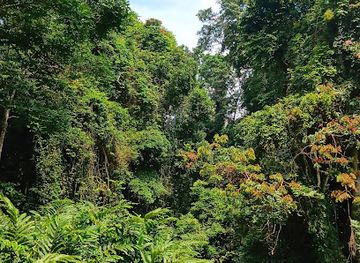
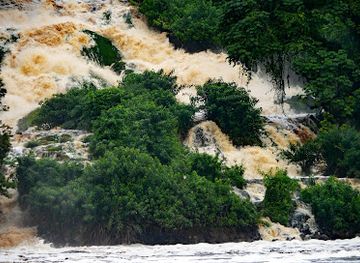
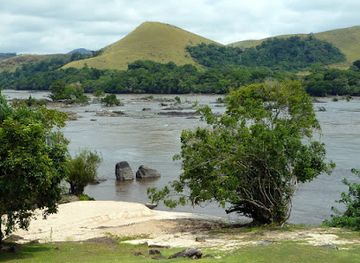
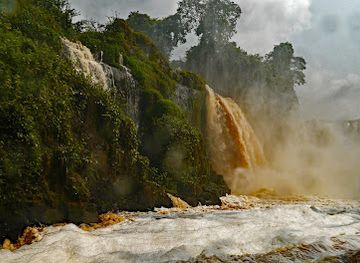
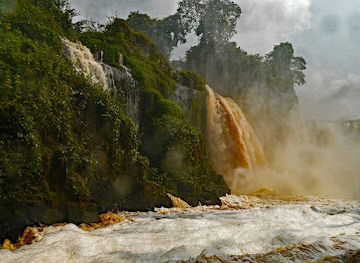
The Ivindo River is Ogooué-Ivindo’s defining natural landmark, cutting through rainforest in a series of channels, rapids and waterfalls that give the province its strongest visual identity. Within Ivindo National Park, the Kongou Falls are particularly associated with the region: the river spreads across rocky ledges and forested surroundings, creating a powerful landscape best approached with authorised local support. The Mingouli Falls provide another notable waterfall setting within the protected area, while the Langoué bai is significant less as a built monument than as a forest clearing whose ecological role supports the observation of large mammals. Makokou’s importance is administrative and geographic rather than architectural, serving as the principal town from which the surrounding river and forest country is reached. The wider Belinga landscape represents a contrasting landmark of contemporary economic interest, associated with Gabon’s major iron-ore resources and debates about development. Together these places show why Ogooué-Ivindo is defined by natural systems and conservation rather than by a concentration of castles, cathedrals or colonial townscapes.
-
National park
Lopé National Park
Explore the lush rainforests and diverse wildlife of Lopé National Park, a UNESCO World Heritage Site offering adventure and cultural richness in Gabon.
-
National park
Minkébé National Park
Explore the breathtaking biodiversity and stunning landscapes of Minkébé National Park, a haven for eco-tourists and wildlife enthusiasts in Gabon.
-
National park
Ivindo National Park
Explore the breathtaking Ivindo National Park in Gabon, a haven for wildlife and adventure enthusiasts amidst stunning landscapes and rich biodiversity.
-
Waterfall
Chutes Kongou
Explore the breathtaking Chutes Kongou waterfall in Gabon, a perfect blend of natural beauty and adventure amidst stunning tropical landscapes.

Explore Ogooué-Ivindo Province on the map
Plan your trip on one map. See where the top cities, national parks and sights are, and book hotels and experiences in a few clicks.
Best hotels in Ogooué-Ivindo Province
Best restaurants in Ogooué-Ivindo Province
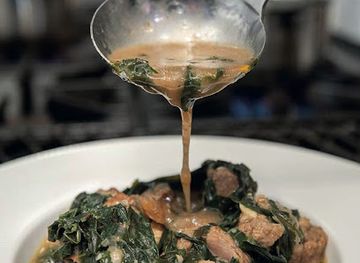
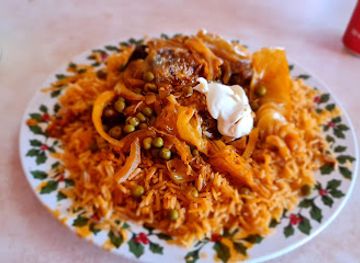
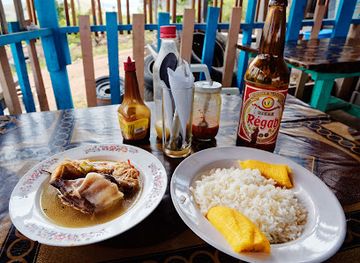
Dining in Ogooué-Ivindo is practical, local and closely tied to what can be transported or obtained in a forest province. In Makokou, small restaurants and informal eateries commonly serve rice, cassava, plantains, vegetables, grilled or stewed fish and meat, with menus changing according to supply. Fish from the region’s rivers may feature, although visitors should follow local advice about provenance and protected species. Outside the provincial centre, meals are more likely to be arranged through accommodation, guides or communities, and advance notice is useful for groups with dietary requirements. Gabonese food traditions also include sauces based on leafy vegetables, peanuts or other locally available ingredients, while French culinary influence appears in some urban cafés and hotels. Market purchases can provide fruit, bread and snacks, but dependable supplies should be obtained before entering remote park areas. Visitors should distinguish everyday regional cooking from claims about dishes being exclusive to Ogooué-Ivindo; the province shares many foods with wider Gabon and Central Africa.
-
Fine Dining
Restaurant Le Chef Omiel Akanda
Discover exquisite Gabonese cuisine at Restaurant Le Chef Omiel Akanda - where fine dining meets local flavors.
-
Restaurant
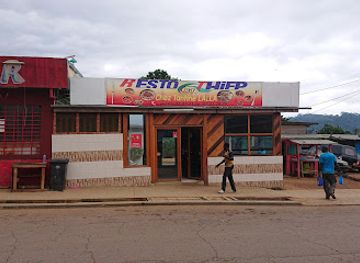
RESTO THIEP
Discover culinary delights at Resto Thiep in Mitzic—where local flavors meet inviting ambiance for an unforgettable dining experience.
Best bars in Ogooué-Ivindo Province
Evening life in Ogooué-Ivindo is modest and centred on Makokou’s small bars, hotel lounges, restaurants and informal social spaces rather than a major nightclub circuit. In smaller settlements, evenings may revolve around family life, conversation, music and locally available drinks, with activity varying by day and season. Visitors should not expect dependable late-night transport, published entertainment programmes or the extensive choice found in Libreville. Forest camps and park accommodation usually offer quiet evenings shaped by darkness, insects, river sounds and early starts rather than nightlife. Some urban venues may play contemporary Gabonese or wider African music, but opening arrangements can change and should be checked locally. Alcohol is not necessary to participate in the province’s evening culture; respectful conversation and shared meals are more appropriate in village and community settings. Keep plans simple after dark, use known transport and follow the advice of hosts or guides.
-
Bar
Entre nous Restaurant & Bar
Experience the vibrant flavors of Gabon at Entre Nous Restaurant & Bar, a must-visit culinary hotspot in Libreville.
-
Bar
Œ Délices de Princess Essansia
Experience the vibrant local culture at Œ Délices de Princess Essansia, a charming bar in Booue offering exquisite drinks and a welcoming atmosphere.
-
Restaurant
La maison mère
Experience the authentic flavors of Boléko at La Maison Mère, where traditional cuisine meets a cozy atmosphere for an unforgettable dining experience.
-
Pizza
Pizzeria
Experience authentic Italian pizza in Makokou at this charming pizzeria, where every slice is a taste of Italy.


Best nightclubs in Ogooué-Ivindo Province
Evening life in Ogooué-Ivindo is modest and centred on Makokou’s small bars, hotel lounges, restaurants and informal social spaces rather than a major nightclub circuit. In smaller settlements, evenings may revolve around family life, conversation, music and locally available drinks, with activity varying by day and season. Visitors should not expect dependable late-night transport, published entertainment programmes or the extensive choice found in Libreville. Forest camps and park accommodation usually offer quiet evenings shaped by darkness, insects, river sounds and early starts rather than nightlife. Some urban venues may play contemporary Gabonese or wider African music, but opening arrangements can change and should be checked locally. Alcohol is not necessary to participate in the province’s evening culture; respectful conversation and shared meals are more appropriate in village and community settings. Keep plans simple after dark, use known transport and follow the advice of hosts or guides.
-
 Bar
BarCap Renaissances
Experience the lively atmosphere of Cap Renaissances, a vibrant bar in Gabon offering local drinks and a welcoming ambiance for tourists.
-
Bar
Chez Paola
Experience the vibrant culture of Gabon at Chez Paola, a lively bar in Nzeng offering local drinks and a warm atmosphere.
-
Waterfall
Chutes Kongou
Discover the breathtaking beauty of Chutes Kongou, a stunning waterfall that showcases Gabon's natural wonders and vibrant ecosystems.
-
Bar
Kingdom bar
Discover the lively ambiance of Kingdom Bar, a local hotspot in Gabon for unforgettable drinks and vibrant nightlife.
Best shops in Ogooué-Ivindo Province
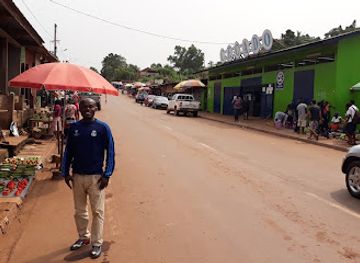
Shopping in Ogooué-Ivindo is functional and locally focused rather than centred on large retail districts. Makokou offers the widest choice of small shops, market stalls and everyday provisions, including fruit, vegetables, cassava products, bread, drinks, clothing and basic travel supplies. Markets are useful for seeing ordinary provincial commerce, but availability varies and visitors should not postpone essential purchases until reaching the forest. Handicrafts may include carved objects, woven goods and other items reflecting regional artistic traditions, although provenance and permission should be considered carefully, particularly for objects presented as culturally significant. Buying directly from established community initiatives or reputable guides is preferable to purchasing unverified artefacts. Gabonese food products and locally made items can make appropriate souvenirs, while international-standard fashion, electronics and specialist outdoor equipment are easier to obtain in Libreville. Bargaining customs differ by seller and situation; ask politely rather than assuming that every price is negotiable.
-
Shopping mall
Lastoursville Grand Marché
Explore Lastoursville Grand Marché, where local culture meets vibrant shopping in the heart of Gabon.
-
Supermarket
Gitem Magasin Bachir
Explore Gitem Magasin Bachir, the heart of Makokou's shopping scene, offering local and international products for a unique cultural experience.
-
Supermarket
Cédigacom
Explore the vibrant offerings of Cédigacom, the essential supermarket in Makokou for tourists seeking local and international products.
-
Supermarket
CÉCADO ZWATABE
Discover the vibrant flavors of Makokou at Cécado Zwatabe, your local supermarket for fresh produce and essential goods.

Get your free copy of our complete guide to Ogooué-Ivindo Province, delivered straight to you.
Everything on this page, from attractions and restaurants to essentials and local phrases, in one PDF you can read offline, print or share.
Already have an account? Sign in
Your Ogooué-Ivindo Province guide is ready.
We'll send it to · Not you? Sign out

Getting your guide ready…
We are putting together a fresh copy of the Ogooué-Ivindo Province guide. This can take up to a minute.
This can take a few moments. If your browser asks, choose Allow so the download can start. You'll find the guide in your Downloads folder.
Nothing happened? Download it again
Sorry, the guide is taking longer than usual. Please try again in a minute, or get it by email instead.
Ogooué-Ivindo Province essentials
Currency and Payment
Safety
Emergency Situations
Do's and Don'ts
Local Tips
From Eve
Local phrases worth knowing
You don't need to get them perfect. A few words go a long way, and locals appreciate the effort.
Basics
| English | Local | Say it |
|---|---|---|
| Hello | Bonjour | [bɔ̃ʒuʁ] |
| Goodbye | Au revoir | [o ʁəvwaʁ] |
| Yes | Oui | [wi] |
| No | Non | [nɔ̃] |
| Please/You're welcome | S'il vous plaît | [sil vu plɛ] |
| Thank you | Merci | [mɛʁsi] |
| Excuse me/Sorry | Excusez-moi | [ɛkskyze mwa] |
| How are you? | Comment ça va? | [kɔmɑ̃ sa va] |
| Fine. And you? | Bien. Et vous? | [bjɛ̃ e vu] |
| Do you speak English? | Parlez-vous anglais? | [paʁle vu ɑ̃ɡlɛ] |
| I don't understand | Je ne comprends pas | [ʒə nə kɔ̃pʁɑ̃ pa] |
Eating & Drinking
| English | Local | Say it |
|---|---|---|
| I'd like to see the menu, please | Je voudrais voir le menu, s'il vous plaît | [ʒə vudʁɛ vwaʁ lə məny s'il vu plɛ] |
| I don't eat meat | Je ne mange pas de viande | [ʒə nə mɑ̃ʒ pa də vjɑ̃d] |
| Cheers! | Santé! | [sɑ̃te] |
| I would like to pay, please | Je voudrais payer, s'il vous plaît | [ʒə vudʁɛ peje s'il vu plɛ] |
Emergencies
| English | Local | Say it |
|---|---|---|
| Help! | À l'aide! | [a lɛd] |
| Go away! | Allez-vous-en! | [ale vu zɑ̃] |
| Call the Police! | Appelez la police! | [apəle la pɔlis] |
| Call a doctor! | Appelez un médecin! | [apəle ɛ̃ mɛdɛsɛ̃] |
| I'm lost | Je suis perdu | [ʒə sɥi pɛʁdy] |
| I'm ill | Je suis malade | [ʒə sɥi malad] |
Shopping
| English | Local | Say it |
|---|---|---|
| I'd like to buy... | Je voudrais acheter... | [ʒə vudʁɛ aʃtə] |
| I'm just looking | Je regarde juste | [ʒə ʁəɡaʁd ʒyst] |
| How much is it? | Combien ça coûte? | [kɔ̃bjɛ̃ sa kut] |
| That's too expensive | C'est trop cher | [sɛ tʁo ʃɛʁ] |
| Can you lower the price? | Pouvez-vous baisser le prix? | [puve vu bese lə pʁi] |
Time & Numbers
| English | Local | Say it |
|---|---|---|
| What time is it? | Quelle heure est-il? | [kɛl œʁ ɛ t'il] |
| It's one o'clock | Il est une heure | [il ɛ yn œʁ] |
| Half past (10) | Dix heures et demie | [dis œʁ e dəmi] |
| Morning | Matin | [matɛ̃] |
| Afternoon | Après-midi | [apʁɛ midi] |
| Evening | Soir | [swaʁ] |
| Yesterday | Hier | [jɛʁ] |
| Today | Aujourd'hui | [oʒuʁdʁi] |
| Tomorrow | Demain | [dəmɛ̃] |
| 1 | Un | [œ̃] |
| 2 | Deux | [dø] |
| 3 | Trois | [tʁwa] |
| 4 | Quatre | [katʁ] |
| 5 | Cinq | [sɛ̃k] |
| 6 | Six | [sis] |
| 7 | Sept | [sɛt] |
| 8 | Huit | [ɥit] |
| 9 | Neuf | [nœf] |
| 10 | Dix | [dis] |
Transport & Directions
| English | Local | Say it |
|---|---|---|
| Where's a/the...? | Où est un/une...? | [u ɛ ɛ̃ yn/yn...] |
| What's the address? | Quelle est l'adresse? | [kɛl ɛ l'adʁɛs] |
| Can you show me (on the map)? | Pouvez-vous me montrer (sur la carte)? | [puve vu mə mɔ̃tʁe (syʁ la kaʁt)] |
| When's the next (bus)? | Quand est le prochain (bus)? | [kɑ̃ ɛ lə pʁɔʃɛ̃ (bys)] |
| A ticket (to ....) | Un billet (pour ....) | [ɛ̃ bijɛ (puʁ ....)] |
History of Ogooué-Ivindo Province
Early Forest Communities and Ironworking
Long before modern provincial boundaries, the forests and river corridors of northeastern Gabon were used by hunting, fishing and farming communities. Archaeological evidence from the wider Gabonese forest points to a long history of settlement and ironworking, while oral traditions preserve the movements and relationships of communities including Kota, Fang and Baka peoples. The forest was not an empty wilderness: paths, rivers, clearings and knowledge of seasonal resources connected communities across the region. Much of this history is better preserved through oral transmission and cultural practice than through monumental architecture.
Kota and Neighbouring Cultural Networks
Kota-speaking communities became especially associated with northeastern and eastern Gabon, although local identities and settlement patterns are more complex than a simple division by province. Trade, marriage, migration and political relationships linked communities across the forest and along the Ogooué basin. Kota funerary traditions, including distinctive reliquary forms preserved in museums and collections, demonstrate the artistic and spiritual importance of ancestor veneration. Baka forest communities also developed detailed ecological knowledge and mobile practices adapted to the rainforest. These histories remain part of the cultural context in which contemporary visitors encounter Ogooué-Ivindo.
Colonial Expansion and the Ogooué Basin
French colonial expansion transformed administration, trade and labour systems across Gabon during the late nineteenth and twentieth centuries. Rivers such as the Ogooué and Ivindo became important routes for movement, while colonial officials, missionaries and commercial interests imposed new forms of authority on communities. The forest interior remained difficult to access, and settlements developed as administrative or trading centres rather than as large urban places. Colonial rule also intensified the extraction of timber and other resources, patterns that shaped roads, employment and relations between the state, companies and forest communities.
Makokou and the Formation of a Provincial Centre
Makokou grew as an administrative centre in the northeastern interior and became the capital of Ogooué-Ivindo Province after Gabon’s independence in 1960. Its importance derives less from urban scale than from its position connecting government services, commerce and travel towards the Ivindo basin, Mékambo and remote forest areas. The provincial structure brought the region more firmly into the national administrative system, while roads and public services remained constrained by distance, terrain and seasonal weather. Makokou is still the principal starting point for many journeys into the province.
Belinga and the Mineral Frontier
The Belinga area in northeastern Gabon contains one of the country’s major iron-ore deposits. Geological prospecting and plans for large-scale development have given the region national economic importance, while also raising questions about infrastructure, forest protection, local livelihoods and the distribution of economic benefits. Mining ambitions have repeatedly advanced and changed over time rather than producing a continuous industrial landscape. For travellers, Belinga is chiefly relevant as part of the province’s contemporary story: Ogooué-Ivindo is valued both for exceptional rainforest and for mineral resources that could reshape transport and settlement.
Protected Areas and Conservation
Gabon created a network of national parks in 2002, including Ivindo National Park, to protect major forest ecosystems and wildlife habitats. The park brought international attention to the Ivindo basin’s waterfalls, river landscapes, forest elephants, gorillas and the Langoué bai. Conservation has also involved scientific research, anti-poaching work and partnerships with local and international organisations. Ivindo’s inscription as a UNESCO World Heritage site in 2021 recognised its outstanding biodiversity and ecological importance, while the continuing challenge is to balance protection, community interests, tourism and proposed resource development.
Ogooué-Ivindo Province in Photos
Browse through our photo collection highlighting the charm and character of the destination.
Neighbouring regions of Ogooué-Ivindo Province
The closest regions to Ogooué-Ivindo Province, if you have time for more than one.
-

-

-

-

-


Swipe for more regions
Explore more
Explore more of Gabon
Gabon: Discover Africa's untouched paradise with pristine beaches, diverse wildlife, and rich cultural heritage.
Explore Gabon