

Free Plateaux Batéké Travel Guide & Mobile App
Explore Plateaux Batéké with free travel guides. Discover regional history, expert tips, proposed trips, and audio guides on web or mobile app.


Explore Plateaux Batéké in south-eastern Gabon for sandstone canyons, open savannah, wildlife reserves and Téké cultural landscapes near Franceville.
Read more about Plateaux Batéké
When is the best time to visit Plateaux Batéké?
Best: January–March · 30°C| Month | High (°C) | Rainfall (mm) |
|---|---|---|
| January (best) | 30 | 151 |
| February (best) | 30 | 161 |
| March (best) | 30 | 171 |
| April | 30 | 181 |
| May | 30 | 191 |
| June | 29 | 201 |
| July | 29 | 211 |
| August | 29 | 221 |
| September | 29 | 231 |
| October | 30 | 241 |
| November | 30 | 251 |
| December | 30 | 261 |
Getting to and around Plateaux Batéké
How to get there
Transportation
Best attractions in Plateaux Batéké
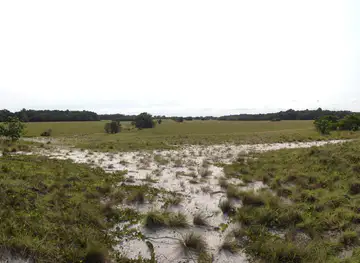
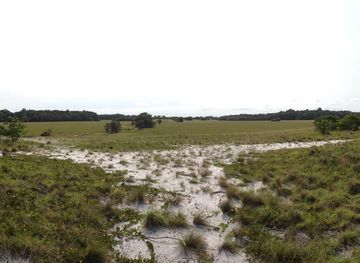
The principal attractions of Plateaux Batéké are its landscapes and conservation areas rather than a dense concentration of monuments. Around Léconi, the Léconi Canyon provides one of the region’s clearest views of the plateau’s red soils, sandstone geology and deeply cut valleys. Batéké National Park offers extensive savannah and woodland habitats, although access is remote and should be arranged with qualified local support. Near Bakoumba, Lekedi provides a more structured conservation experience with protected habitats, wildlife management and environmental interpretation. Franceville contributes regional museums, markets, public spaces and access to the upper Ogooué landscape, while road journeys between the towns reveal changing patterns of grassland, forest and cultivation. Outdoor interests include guided wildlife observation, birdwatching, landscape photography and short walks at suitable sites. The best experiences depend on weather, road conditions, conservation regulations and guide availability, so visitors should regard the area as an expedition-style destination rather than a collection of continuously open visitor facilities.
-
Tourist attraction
Notre Dame de Lourdes
Discover Notre Dame de Lourdes in Libreville: A captivating church with stunning architecture, a peaceful atmosphere, and rich cultural significance.
-
Historical landmark
Canyon de Léconi
Explore the breathtaking Canyon de Léconi in Gabon: a blend of natural beauty, geological wonder, and rich cultural history.


Best landmarks in Plateaux Batéké
The Léconi Canyon is the most recognisable natural landmark of the Gabonese Batéké plateaux, with eroded sandstone formations and steep-sided valleys that reveal the geological character of the region. The surrounding plateau escarpments and red-earth tracks form a wider visual landmark, especially where open grassland meets strips of gallery forest. Batéké National Park is significant less for a single monument than for the broad protected landscape it represents: savannah, wooded corridors and seasonal waterways rarely encountered together elsewhere in Gabon. Franceville’s setting on the upper Ogooué gives the city regional geographic importance, while Bakoumba’s built environment and surrounding infrastructure reflect the economic history of mining in Haut-Ogooué. The landmarks of the plateau are therefore primarily geological, ecological and industrial, with cultural meaning attached to the Téké landscapes and the communities that have long moved through and managed them.
-
Catholic church
Cathédrale Sainte Marie
Explore the stunning Cathédrale Sainte Marie in Libreville, where rich history meets breathtaking architecture in a serene setting.
-
National park
Akanda National Park
Explore Akanda National Park: A Natural Paradise of Biodiversity and Scenic Beauty in Gabon.
-
National park
Lopé National Park
Explore the breathtaking landscapes and rich biodiversity of Lopé National Park, a must-visit destination for nature lovers and adventure seekers.
-
Catholic church
Notre Dame de Lourdes
Discover the elegance and peace of Notre Dame de Lourdes, a must-see Catholic church and cultural landmark in the heart of Libreville.



Explore Plateaux Batéké on the map
Plan your trip on one map. See where the top cities, national parks and sights are, and book hotels and experiences in a few clicks.
Best hotels in Plateaux Batéké
Best restaurants in Plateaux Batéké
Dining in the Batéké plateaux is shaped by Gabonese home cooking, market produce and the limited but expanding hospitality scene in Franceville and the smaller towns. Cassava, plantain, rice, seasonal vegetables, freshwater fish and chicken are common foundations, while sauces may include groundnuts, leafy greens or other locally available ingredients. Bushmeat is part of some regional food traditions, but visitors should avoid protected species and choose food that is legally sourced. Franceville offers the widest choice of restaurants, cafés and informal eateries, whereas Léconi and Bakoumba generally depend more on accommodation dining, small local establishments and prepared market food. Sample regional dishes respectfully, ask about ingredients and carry simple provisions when travelling into parks or remote countryside. Bottled or treated water is the prudent choice away from established urban services.
-
Restaurant
La Sauce Créole Restaurant
Discover authentic Gabonese flavors at La Sauce Créole Restaurant in Libreville - A must-visit culinary destination for tourists!
-
Pizza
BANTU Restaurant – Restaurant – Bar – Pizzeria
Discover BANTU Restaurant in Libreville – where delicious pizza meets vibrant nightlife in a cozy atmosphere.
-
Restaurant
La Voile Rouge
Experience the vibrant flavors of Gabon at La Voile Rouge – where culinary tradition meets modern dining in Libreville.
-
Restaurant
Tropicana
Discover the flavors of Gabon at Tropicana – where local cuisine meets international flair in a vibrant setting.


Best bars in Plateaux Batéké
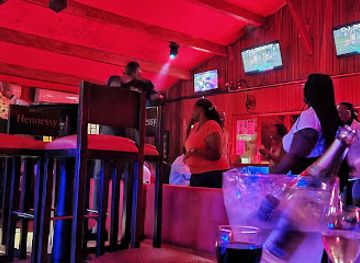
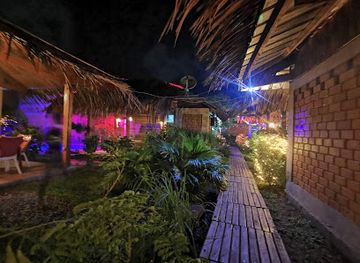
Nightlife in Plateaux Batéké is modest and concentrated in Franceville, with evening activity generally centred on restaurants, hotel bars, neighbourhood drinking spots and occasional music rather than a large club circuit. Local bars can be informal social spaces, while larger hotels provide a quieter setting for visitors. In Léconi and Bakoumba, evenings are more likely to revolve around accommodation, conversation and early starts for road journeys or wildlife activities. Live music and dancing may appear during local celebrations, but schedules are not reliably fixed for visitors. Rural areas become quiet after dark, and travelling between settlements at night is inadvisable because of road conditions, limited lighting and the possibility of livestock or pedestrians on the road. Alcohol is not necessary to engage with local evening life; respectful conversation and shared meals are often more characteristic of the region’s visitor experience.
-
Pizza
BANTU Restaurant – Restaurant – Bar – Pizzeria
Discover the vibrant flavors of Gabon at BANTU Restaurant, where delicious pizza meets a lively bar atmosphere in Libreville.
-
Restaurant
Tropicana
Discover a vibrant culinary experience at Tropicana in Libreville, where local flavors meet international cuisine in a lively setting.
-
Bar
HYPE BAR LOUNGE
HYPE BAR LOUNGE: A lively nightlife destination in Libreville offering great music, delicious cocktails, and a vibrant atmosphere.
-
Tapas Bar
Marina Social Beach
Enjoy remarkable tapas and stunning beach views at Marina Social Beach, the perfect dining destination in Port-Gentil.


Best nightclubs in Plateaux Batéké
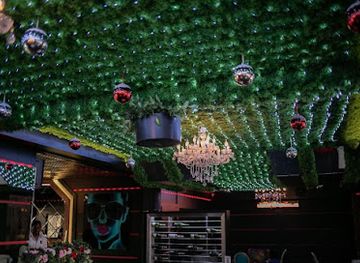
Nightlife in Plateaux Batéké is modest and concentrated in Franceville, with evening activity generally centred on restaurants, hotel bars, neighbourhood drinking spots and occasional music rather than a large club circuit. Local bars can be informal social spaces, while larger hotels provide a quieter setting for visitors. In Léconi and Bakoumba, evenings are more likely to revolve around accommodation, conversation and early starts for road journeys or wildlife activities. Live music and dancing may appear during local celebrations, but schedules are not reliably fixed for visitors. Rural areas become quiet after dark, and travelling between settlements at night is inadvisable because of road conditions, limited lighting and the possibility of livestock or pedestrians on the road. Alcohol is not necessary to engage with local evening life; respectful conversation and shared meals are often more characteristic of the region’s visitor experience.
-
Bar
HYPE BAR LOUNGE
Discover the lively nightlife at Hype Bar Lounge in Libreville, where great music, delicious drinks, and vibrant energy meet.
-
Restaurant
Big Mama
Experience the vibrant flavors of Libreville at Big Mama, where delicious pizza meets a lively lounge atmosphere.
-
Lounge
Yoka_Lounge
Experience the vibrant culture of Libreville at Yoka Lounge, where exquisite cuisine meets a relaxing atmosphere for the ultimate getaway.
-
Night club
Cotton Club
Discover the energetic nightlife of Libreville at Cotton Club, where every night is filled with music, dance, and cultural celebration.

Best shops in Plateaux Batéké
Shopping in Plateaux Batéké is practical and local rather than centred on large retail complexes. Franceville has the broadest selection of markets, food shops, clothing stalls and everyday goods, making it the best place to purchase supplies before travelling towards Léconi or Bakoumba. Smaller markets sell cassava products, plantain, seasonal produce, smoked or dried fish and household necessities, although availability changes with the day and season. Visitors may find carved objects, woven goods, textiles and other craftwork associated with Gabonese artistic traditions, but should buy only legally made items and avoid wildlife products or antiquities. Regional foodstuffs make useful souvenirs when transport and customs rules allow them. In rural settlements, ask before photographing stalls or people, compare prices politely and carry cash in smaller denominations because card payment is uncommon.
-
Chocolate artisan
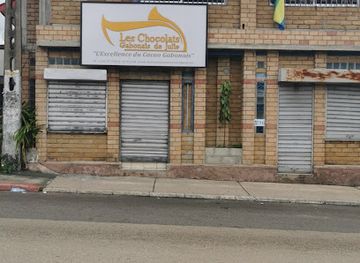
LES CHOCOLATS GABONAIS DE JULIE
Experience the Sweet Essence of Gabon with Artisanal Chocolates and Gourmet Delights at Les Chocolats Gabonais de Julie.
-
Historical landmark
Canyon de Léconi
Visit Canyon de Léconi, a historical landmark in Lekoni that showcases stunning landscapes and rich cultural heritage, perfect for nature and history lovers.
-
Wildlife park
Parc de la Lekedi
Discover the enchanting wildlife and breathtaking landscapes of Parc de la Lekedi, Gabon's hidden gem for nature lovers and adventure seekers.
-
Tobacco shop
Al's Ngnouta'a Shop Avenue Jean Paul 2
Explore Al's Ngnouta'a Shop for a wide variety of premium cigars, tobacco, and vaporizers in the heart of Libreville.


Get your free copy of our complete guide to Plateaux Batéké, delivered straight to you.
Everything on this page, from attractions and restaurants to essentials and local phrases, in one PDF you can read offline, print or share.
Already have an account? Sign in
Your Plateaux Batéké guide is ready.
We'll send it to · Not you? Sign out

Getting your guide ready…
We are putting together a fresh copy of the Plateaux Batéké guide. This can take up to a minute.
This can take a few moments. If your browser asks, choose Allow so the download can start. You'll find the guide in your Downloads folder.
Nothing happened? Download it again
Sorry, the guide is taking longer than usual. Please try again in a minute, or get it by email instead.
Plateaux Batéké essentials
Currency and Payment
Safety
Emergency Situations
Do's and Don'ts
Local Tips
From Eve
Local phrases worth knowing
You don't need to get them perfect. A few words go a long way, and locals appreciate the effort.
Basics
| English | Local | Say it |
|---|---|---|
| Hello | Mbote | [m-boh-teh] |
| Goodbye | Tala na mbote | [tah-lah nah m-boh-teh] |
| Yes | Ee | [eh] |
| No | Ayi | [ah-yee] |
| Please/You're welcome | S'il vous plaît | [seel voo pleh] |
| Thank you | Mekala | [meh-kah-lah] |
| Excuse me/Sorry | Mboté na ngana | [m-boh-teh nah ngan-ah] |
| How are you? | Oyo nanga? | [oh-yoh nahng-ah] |
| Fine. And you? | Nanga, na yo? | [nahng-ah, nah yoh] |
| Do you speak English? | Oyo otanga Lingala? | [oh-yoh oh-tahng-ah leen-gah-lah] |
| I don't understand | Nani na komprende | [nah-nee nah kohm-prehn-deh] |
Eating & Drinking
| English | Local | Say it |
|---|---|---|
| I'd like to see the menu, please | Nalingi komona menu, s'il vous plaît | [nah-lin-gee koh-moh-nah meh-nu, seel voo pleh] |
| I don't eat meat | Nani nakanga nyama | [nah-nee nah-kahn-gah nyah-mah] |
| Cheers! | Ndeko na yo! | [n-deh-koh nah yoh] |
| I would like to pay, please | Nalingi kosala mbongo, s'il vous plaît | [nah-lin-gee koh-sah-lah m-bon-go, seel voo pleh] |
Emergencies
| English | Local | Say it |
|---|---|---|
| Help! | Yaka! | [yah-kah] |
| Go away! | Pesa yango! | [peh-sah yah-ngo] |
| Call the Police! | Yaka Police! | [yah-kah poh-lees] |
| Call a doctor! | Yaka doktela! | [yah-kah dohk-teh-lah] |
| I'm lost | Nani nazali na mboka | [nah-nee nah-zah-lee nah m-boh-kah] |
| I'm ill | Nani nazali na maboko | [nah-nee nah-zah-lee nah mah-boh-koh] |
Shopping
| English | Local | Say it |
|---|---|---|
| I'd like to buy... | Nalingi kozwa... | [nah-lin-gee koh-zwa] |
| I'm just looking | Nani nazali kaka kokota | [nah-nee nah-zah-lee kah-kah koh-koh-tah] |
| How much is it? | Mbongo nyonso ezali nani? | [m-bon-go nyohn-soh eh-zah-lee nah-nee] |
| That's too expensive | Ezali mabe mingi | [eh-zah-lee mah-beh meen-gee] |
| Can you lower the price? | Okoki kopesa mbongo ya moke? | [oh-koh-kee koh-peh-sah m-bon-go yah moh-keh] |
Time & Numbers
| English | Local | Say it |
|---|---|---|
| What time is it? | Ndenge nini? | [n-deh-ngay nee-nee] |
| It's one o'clock | Ezali moko | [eh-zah-lee moh-koh] |
| Half past (10) | Ndeko ya nsima (10) | [n-deh-koh yah n-see-mah] |
| Morning | Mokolo | [moh-koh-loh] |
| Afternoon | Mokolo ya mposo | [moh-koh-loh yah m-poh-soh] |
| Evening | Mokolo ya butu | [moh-koh-loh yah boo-too] |
| Yesterday | Elekeli | [eh-leh-keh-lee] |
| Today | Lelo | [leh-loh] |
| Tomorrow | Bokoko | [boh-koh-koh] |
| 1 | Moko | [moh-koh] |
| 2 | Mibale | [mee-bah-leh] |
| 3 | Misato | [mee-sah-toh] |
| 4 | Minene | [mee-neh-neh] |
| 5 | Mitano | [mee-tah-noh] |
| 6 | Mibale na moko | [mee-bah-leh nah moh-koh] |
| 7 | Mibale na misato | [mee-bah-leh nah mee-sah-toh] |
| 8 | Mibale na minene | [mee-bah-leh nah mee-neh-neh] |
| 9 | Mibale na mitano | [mee-bah-leh nah mee-tah-noh] |
| 10 | Mibale na mibale | [mee-bah-leh nah mee-bah-leh] |
Transport & Directions
| English | Local | Say it |
|---|---|---|
| Where's a/the...? | Eza wapi ...? | [eh-zah wah-pee] |
| What's the address? | Ndenge ya adresse? | [n-deh-ngay yah ah-dress] |
| Can you show me (on the map)? | Okoki kolakisa ngai (na carte)? | [oh-koh-kee koh-lah-kee-sah nah-ee] |
| When's the next (bus)? | Ndenge nini bus ya nsima? | [n-deh-ngay nee-nee] |
| A ticket (to ....) | Billet (na ...) | [bee-yay nah] |
History of Plateaux Batéké
Ancient Settlement and the Batéké Cultural World
The plateaux form part of a long-established cultural zone associated with Téké-speaking peoples whose communities and trading networks extended across what are now Gabon and the Republic of the Congo. Earlier populations used the region’s rivers, woodland and grasslands for hunting, gathering, cultivation and movement between settlements. The sandstone terrain and seasonal watercourses shaped where people travelled and lived. Much of this early history is preserved through oral traditions, language, settlement patterns and archaeological evidence rather than through monumental structures visible to visitors.
Regional Trade and Nineteenth-Century Political Change
Before the consolidation of colonial rule, the Batéké plateau belonged to a wider world of commerce and diplomacy linking inland communities with routes towards the Congo basin and the Atlantic coast. Téké political influence and trading relationships were important across the region, although authority was organised through local systems rather than modern national borders. European exploration and expanding commercial interests altered these relationships during the nineteenth century, bringing new forms of negotiation, mission activity and external political pressure.
French Colonial Administration
The territory that became Gabon was incorporated into French Equatorial Africa during the colonial period. Roads, administrative posts and commercial networks connected the south-east more closely with coastal and inland centres, while colonial rule reorganised local authority and labour. Franceville, founded in the nineteenth century on the upper Ogooué, became an important inland administrative and transport centre. The colonial period left a mixed legacy of infrastructure, economic integration and imposed political structures that continues to influence the region’s towns and travel routes.
Independence and the Development of Haut-Ogooué
Gabon became independent from France in 1960, and the south-eastern interior subsequently developed within the national framework of Haut-Ogooué Province. Franceville grew as a regional centre, while roads and public services expanded unevenly across the plateau. National investment in the eastern provinces was closely connected to mining, transport and state administration. The region’s modern identity therefore combines rural Téké cultural landscapes with cities and settlements shaped by post-independence infrastructure and resource-based development.
Manganese, Mining and Bakoumba
Manganese mining has been central to the economic history of Haut-Ogooué, particularly around Moanda and the wider Franceville and Bakoumba area. Mining brought rail, road links, company settlements and employment, while also transforming surrounding landscapes and regional commerce. Bakoumba is especially associated with this industrial history and with later conservation initiatives linked to the former mining concession environment. The contrast between extraction, urban development and habitat protection is an important part of contemporary regional geography.
National Parks and Conservation Since the Early Twenty-First Century
Gabon created a network of national parks in 2002, placing greater emphasis on protecting representative ecosystems and developing nature-based tourism. Batéké National Park brought international attention to the region’s savannahs, sandstone country and forest corridors. Conservation work around Lekedi has added another dimension through managed wildlife protection, research and environmental education. These initiatives have not erased the challenges of access, funding or community participation, but they have helped establish the Batéké plateaux as a major conservation landscape within Gabon.
Plateaux Batéké in Photos
Browse through our photo collection highlighting the charm and character of the destination.
Neighbouring regions of Plateaux Batéké
The closest regions to Plateaux Batéké, if you have time for more than one.
-

-

-

-
-


Swipe for more regions
Explore more
Explore more of Gabon
Gabon: Discover Africa's untouched paradise with pristine beaches, diverse wildlife, and rich cultural heritage.
Explore Gabon