

Free Upper Ogooué Province Travel Guide & Mobile App
Explore Upper Ogooué Province with free travel guides. Discover regional history, expert tips, proposed trips, and audio guides on web or mobile app.


Explore Upper Ogooué from Franceville through manganese country, river valleys, Poubara Falls and the red-rock landscapes of Léconi.
When is the best time to visit Upper Ogooué Province?
Best: January–March · 29–30°C| Month | High (°C) | Rainfall (mm) |
|---|---|---|
| January (best) | 29 | 150 |
| February (best) | 29 | 140 |
| March (best) | 30 | 160 |
| April | 29 | 170 |
| May | 29 | 180 |
| June | 29 | 190 |
| July | 29 | 200 |
| August | 29 | 210 |
| September | 29 | 220 |
| October | 29 | 230 |
| November | 29 | 240 |
| December | 29 | 250 |
Getting to and around Upper Ogooué Province
How to get there
Transportation
Best attractions in Upper Ogooué Province
Upper Ogooué’s attractions are defined by landscape and regional context rather than by a dense concentration of formal museums or monuments. Franceville provides the main urban base, with markets, river scenery and access to nearby excursions. South of the city, Poubara Falls offer a powerful view of the Ogooué’s rocky upper course, while the Léconi area is known for red sandstone canyons and open Batéké Plateau scenery. Around Moanda, visitors can learn about the province’s manganese economy and the railway corridor that carries mineral production towards the coast, although industrial sites require permission and should not be treated as open visitor attractions. The private Lekedi Park near Moanda provides a nature-focused setting with forest and savannah habitats, subject to its own access arrangements. Smaller towns such as Okondja and Lastoursville are primarily gateways into the wider interior, offering insight into local commerce and transport rather than a conventional sightseeing circuit. Walking, photography, birdwatching and guided landscape excursions are possible, but independent access can be difficult and facilities are limited beyond the principal towns.
-
Tourist attraction
Liana Bridge of Poubara
Experience the thrill of crossing a living bridge: the Liana Bridge of Poubara, a unique symbol of Gabonese ingenuity and natural beauty.
-
Wildlife park
Parc de la Lekedi
Discover Gabon's wildlife at Parc de la Lekedi: Primates, diverse ecosystems, and a thrilling canopy walk await!


Best landmarks in Upper Ogooué Province
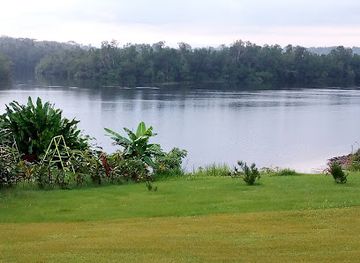
The Ogooué River is Upper Ogooué’s principal geographical landmark, shaping the setting of Franceville and giving the province its name. Near the city, Poubara Falls mark a rocky section of the river with a strong visual and cultural presence, although conditions around rapids require care. The Léconi Canyons are the province’s most distinctive geological landmarks: their red and ochre rock walls stand out against the grassland and wooded scenery of the Batéké Plateau. Moanda’s manganese landscape is another defining feature, representing the industrial transformation that has shaped the province since the twentieth century; active mine infrastructure should be viewed only from authorised areas. Franceville itself is significant as the historic administrative centre of south-eastern Gabon, while the railway terminus and associated corridor express the connection between inland mineral production and the coast. Together, these places reveal Upper Ogooué through river geography, erosion, urban history and extractive industry rather than through a single monumental building.
-
Handicraft
Village des Artisans
Immerse yourself in Gabon's rich craftsmanship at Village des Artisans, a vibrant hub of handmade treasures in Libreville.
-
Catholic church
Cathédrale Sainte Marie
Explore the stunning Cathédrale Sainte Marie in Libreville, a masterpiece of architecture and a serene escape in Gabon's bustling capital.
-
National park
Akanda National Park
Explore the stunning landscapes and rich biodiversity of Akanda National Park, a natural gem in Gabon perfect for adventure and relaxation.
-
National park
Lopé National Park
Explore the breathtaking landscapes and diverse wildlife of Lopé National Park, a UNESCO World Heritage site in Gabon, perfect for nature lovers and adventure seekers.

Explore Upper Ogooué Province on the map
Plan your trip on one map. See where the top cities, national parks and sights are, and book hotels and experiences in a few clicks.
Best hotels in Upper Ogooué Province
Best restaurants in Upper Ogooué Province
Dining in Upper Ogooué is concentrated in Franceville and Moanda, where hotel restaurants, informal eateries and small local cafés provide the broadest choice. Meals commonly draw on Gabonese staples such as cassava, plantain, rice, leafy vegetables and grilled or stewed meat, with freshwater fish and other riverine produce available in some places. Chicken and beef are widely encountered, while sauces may be prepared with groundnuts, vegetables or locally familiar spices. Markets are useful for fruit, bread and simple snacks, although visitors should choose busy stalls with good food turnover and take care with untreated water. In rural areas, meals are more likely to be arranged through accommodation or a local host than found in a formal restaurant. French-influenced dishes and imported drinks appear alongside regional cooking, particularly in urban settings. Asking what is fresh and locally prepared is generally more productive than looking for a fixed regional menu.
-
Pizza
BANTU Restaurant – Restaurant – Bar – Pizzeria
Experience the best pizza and vibrant nightlife at BANTU Restaurant in Libreville – where culinary delight meets lively ambiance.
-
Restaurant
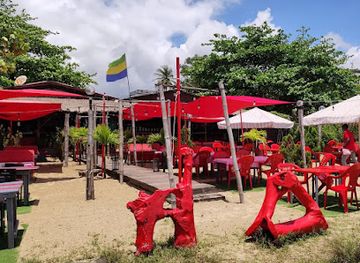
La Voile Rouge
Experience exquisite flavors at La Voile Rouge in Libreville—where local cuisine meets breathtaking views.
-
French
Beach Club
Discover Beach Club in Libreville: where French elegance meets African flavor amidst stunning coastal views.
-
Restaurant
Le Moulin d'Okala
Discover Le Moulin d'Okala: A Culinary Gem Offering Bakery Delights, Pizzas & Desserts in Libreville's Heart.

Best bars in Upper Ogooué Province
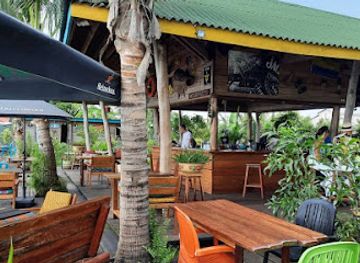
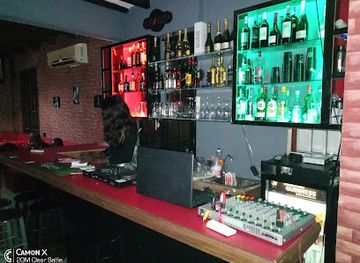
Evening life in Upper Ogooué is centred on Franceville and Moanda rather than on a large, dedicated club scene. Hotel lounges, neighbourhood bars, cafés and small restaurants provide places to meet, watch football or listen to music, while some venues may offer dancing at weekends or during busy periods. Franceville has the widest concentration of evening options because it is the provincial capital, whereas Moanda’s nightlife reflects its industrial and railway-town character. In smaller settlements, evenings are quieter and usually revolve around local bars, food stalls or private social gatherings. Opening arrangements can change, and visitors should ask accommodation staff which places are operating and whether transport back is available. Alcohol is common in some social settings but is not necessary for engaging with local culture; respectful conversation, live music and shared meals are equally central to the province’s evening life.
-
Pizza
BANTU Restaurant – Restaurant – Bar – Pizzeria
Discover the vibrant flavors of BANTU Restaurant in Libreville, where gourmet pizza meets a cozy lounge atmosphere, perfect for every occasion.
-
Restaurant
La Voile Rouge
Experience the vibrant flavors of Gabonese cuisine at La Voile Rouge, a must-visit restaurant in Libreville.
-
Bar
Lamaia Lounge Bar & Restaurant
Discover the vibrant flavors of Libreville at Lamaia Lounge Bar & Restaurant, where French elegance meets local culinary delights.
-
Tapas Bar
Marina Social Beach
Savor the best of local and international tapas at Marina Social Beach, a must-visit culinary gem in Port-Gentil's vibrant coastal scene.

Best nightclubs in Upper Ogooué Province
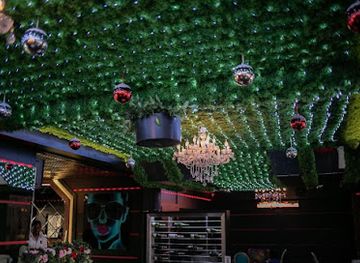
Evening life in Upper Ogooué is centred on Franceville and Moanda rather than on a large, dedicated club scene. Hotel lounges, neighbourhood bars, cafés and small restaurants provide places to meet, watch football or listen to music, while some venues may offer dancing at weekends or during busy periods. Franceville has the widest concentration of evening options because it is the provincial capital, whereas Moanda’s nightlife reflects its industrial and railway-town character. In smaller settlements, evenings are quieter and usually revolve around local bars, food stalls or private social gatherings. Opening arrangements can change, and visitors should ask accommodation staff which places are operating and whether transport back is available. Alcohol is common in some social settings but is not necessary for engaging with local culture; respectful conversation, live music and shared meals are equally central to the province’s evening life.
-
Disco club
VIP
Discover the vibrant nightlife of Libreville at VIP Disco Club, where art and dance come together for an unforgettable experience.
-
Lounge
Yoka_Lounge
Discover the tranquility of Yoka Lounge in Libreville, where delightful drinks and a serene ambiance await every visitor.
-
Night club
Cotton Club
Discover the electrifying nightlife of Cotton Club, Libreville's premier night club for unforgettable music and vibrant social experiences.
-
Night club
The Pub Libreville
Experience the vibrant nightlife at The Pub Libreville, where cocktails, hookah, and great music come together for an unforgettable evening.


Best shops in Upper Ogooué Province
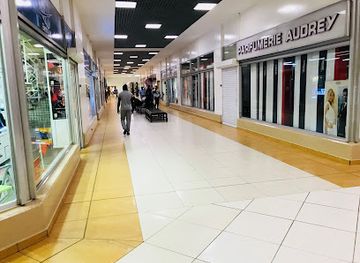
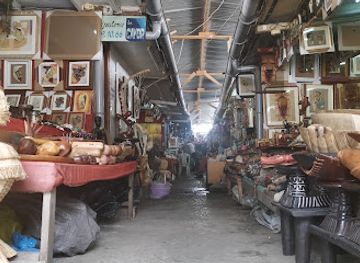
Shopping in Upper Ogooué is practical and local in character. Franceville’s markets and high-street businesses are the best places to buy fruit, prepared foods, clothing, household goods and everyday travel supplies, while Moanda offers similar services within a town shaped by the mining economy. Smaller markets in towns such as Léconi and Okondja are useful for seasonal produce and an opportunity to observe regional commerce, though stock and trading days vary. Visitors may find carved objects, woven articles, baskets or other craftwork, but quality and provenance differ, so purchases should be made respectfully and without bargaining aggressively. Gabonese coffee, cocoa, spices and packaged foods can make more useful souvenirs than fragile natural materials. Do not buy wildlife products, archaeological objects or items made from protected species. Independent shops and market stalls generally operate with cash, and transport should be considered before buying bulky goods in areas far from the main road and railway connections.
-
Shopping mall
Géant Casino (Mbolo)
Explore the vibrant shopping experience at Géant Casino (Mbolo) in Libreville, where local culture meets international flair.
-
Home improvement store
CK2 centre ville
Discover CK2 Centre Ville, a premier home improvement store in Libreville, offering everything you need for your renovation and DIY projects.
-
Supermarket
Maxi Ckdo Akanda
Explore Akanda's local culture at Maxi Ckdo Akanda, a vibrant supermarket offering fresh produce and unique local delicacies.
-
Handicraft
Village des Artisans
Explore the vibrant Village des Artisans in Libreville, where Gabon's rich handicraft culture comes to life through unique artisan creations.


Get your free copy of our complete guide to Upper Ogooué Province, delivered straight to you.
Everything on this page, from attractions and restaurants to essentials and local phrases, in one PDF you can read offline, print or share.
Already have an account? Sign in
Your Upper Ogooué Province guide is ready.
We'll send it to · Not you? Sign out

Getting your guide ready…
We are putting together a fresh copy of the Upper Ogooué Province guide. This can take up to a minute.
This can take a few moments. If your browser asks, choose Allow so the download can start. You'll find the guide in your Downloads folder.
Nothing happened? Download it again
Sorry, the guide is taking longer than usual. Please try again in a minute, or get it by email instead.
Upper Ogooué Province essentials
Currency and Payment
Safety
Emergency Situations
Do's and Don'ts
Local Tips
From Eve
Local phrases worth knowing
You don't need to get them perfect. A few words go a long way, and locals appreciate the effort.
Basics
| English | Local | Say it |
|---|---|---|
| Hello | Ndzeng | [n-dzeng] |
| Goodbye | Ombi | [om-bee] |
| Yes | Ehe | [eh-he] |
| No | Aye | [ah-ye] |
| Please/You're welcome | Mebong | [meh-bong] |
| Thank you | Mekassi | [meh-kah-see] |
| Excuse me/Sorry | Bokuma | [boh-koo-mah] |
| How are you? | Ndzeng eko? | [n-dzeng eh-koh] |
| Fine. And you? | Eko, na eko? | [eh-koh nah eh-koh] |
| Do you speak English? | O mɔkɔ English? | [oh maw-kaw] |
| I don't understand | A nɛ mɔkɔ | [ah neh maw-kaw] |
Eating & Drinking
| English | Local | Say it |
|---|---|---|
| I'd like to see the menu, please | Ndzeng nɛ bɔkɔ menu, mebong | [n-dzeng neh bo-koh meh-noo, meh-bong] |
| I don't eat meat | A nɛ mɔkɔ mwamba | [ah neh maw-kaw mwam-bah] |
| Cheers! | Ndzeng a mbula! | [n-dzeng ah mboo-lah] |
| I would like to pay, please | Ndzeng nɛ bɔkɔ pɛ, mebong | [n-dzeng neh bo-koh peh, meh-bong] |
Emergencies
| English | Local | Say it |
|---|---|---|
| Help! | Bokuma! | [boh-koo-mah] |
| Go away! | Bokuma o mɔ! | [boh-koo-mah oh maw] |
| Call the Police! | Ndzeng bɔkɔ Police! | [n-dzeng bo-koh po-lees] |
| Call a doctor! | Ndzeng bɔkɔ dɔkita! | [n-dzeng bo-koh doh-kee-tah] |
| I'm lost | Ndzeng a tɔkɔ | [n-dzeng ah toh-koh] |
| I'm ill | Ndzeng a bɔkɔ | [n-dzeng ah bo-koh] |
Shopping
| English | Local | Say it |
|---|---|---|
| I'd like to buy... | Ndzeng nɛ bɔkɔ tɔ... | [n-dzeng neh bo-koh toh] |
| I'm just looking | Ndzeng nɛ mɔkɔ mɔ | [n-dzeng neh maw-kaw moh] |
| How much is it? | Ndzeng a tɔkɔ? | [n-dzeng ah toh-koh] |
| That's too expensive | I tɔkɔ o mɛmbɔ | [ee toh-koh oh mem-bo] |
| Can you lower the price? | O nɛ bɔkɔ tɔkɔ? | [oh neh bo-koh toh-koh] |
Time & Numbers
| English | Local | Say it |
|---|---|---|
| What time is it? | Ndzeng a mbɔ mɔ? | [n-dzeng ah mbo moh] |
| It's one o'clock | A mbɔ nɛ nɔ | [ah mbo neh noh] |
| Half past (10) | Nɔmbɔ nɛ (10) | [noh-mbo neh] |
| Morning | Mɔtɔ | [moh-toh] |
| Afternoon | Bɔkɔ | [boh-koh] |
| Evening | Mɛmbɔ | [mem-bo] |
| Yesterday | Mɔkɔ bɔndɔ | [moh-kaw bohn-doh] |
| Today | Mɔkɔ | [moh-kaw] |
| Tomorrow | Mɔkɔ bɔkɔ | [moh-kaw boh-koh] |
| 1 | Mɛ | [meh] |
| 2 | Bɔ | [boh] |
| 3 | Nɔ | [noh] |
| 4 | Nɛ | [neh] |
| 5 | Mɛbɔ | [meh-boh] |
| 6 | Mɛkɛ | [meh-keh] |
| 7 | Mɛmɛ | [meh-meh] |
| 8 | Mɛbɔmɛ | [meh-boh-meh] |
| 9 | Mɛnɛ | [meh-neh] |
| 10 | Mɛbɔkɔ | [meh-boh-koh] |
Transport & Directions
| English | Local | Say it |
|---|---|---|
| Where's a/the...? | Bɔkɔ a...? | [boh-koh ah] |
| What's the address? | Bɔkɔ nɛ a bɔ? | [boh-koh neh ah boh] |
| Can you show me (on the map)? | O nɛ bɔkɔ mɛn (nɔ mbɔ?) | [oh neh bo-koh meh-n] |
| When's the next (bus)? | Nɛ a bɔkɔ bɔ? | [neh ah bo-koh boh] |
| A ticket (to ....) | Tiket (nɛ ...) | [tee-ket] |
History of Upper Ogooué Province
Early settlement and river networks
The upper Ogooué basin has long been occupied by communities whose movements, trade and social connections followed rivers, forest routes and the open country of the Batéké Plateau. Archaeological evidence from the wider region indicates long-term human use of these environments, while oral histories preserve the importance of migration, kinship and relations between neighbouring peoples. The province’s modern settlements therefore stand within an older cultural landscape rather than representing a purely colonial creation.
The nineteenth-century interior and Franceville
European exploration and French expansion reached the upper Ogooué in the late nineteenth century. Pierre Savorgnan de Brazza travelled through the interior during the period when France was establishing influence in the Congo basin, and the settlement known as Masuku was subsequently developed and renamed Franceville. Its position near the river helped it become an administrative and commercial centre, although colonial authority remained uneven beyond the main routes and stations.
Colonial administration and changing regional trade
During the colonial period, Franceville and the upper Ogooué corridor were drawn into administrative networks connecting inland Gabon with the wider French Equatorial Africa system. River transport, roads and trading posts altered older patterns of exchange, while mission activity and colonial taxation affected local communities. The region remained less densely urbanised than the coast, but Franceville acquired lasting importance as a political, commercial and transport centre for south-eastern Gabon.
Post-independence development
Gabon became independent in 1960, and the new state invested in connecting its interior provinces with Libreville and the coast. Franceville expanded as a provincial capital, while public institutions, schools and health services strengthened its regional role. The construction and improvement of the Transgabon Railway created a more reliable land corridor for people and goods, linking the mineral-producing interior with the port and industrial facilities at Owendo near Libreville.
Manganese and the rise of Moanda
The exploitation of manganese at Moanda became the defining industrial development of modern Upper Ogooué. Mining on a large scale began in the early post-independence period, with the ore transported by rail towards the coast. The industry brought employment, infrastructure and national export revenue, while also creating a strong contrast between the province’s mineral economy and the subsistence, agricultural and forest-based activities that continue in surrounding communities.
Contemporary conservation and regional identity
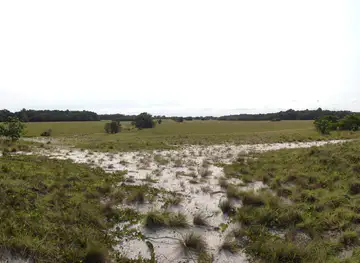
In recent decades, Upper Ogooué has increasingly been represented through its landscapes as well as its mineral resources. The Léconi Canyons, Poubara Falls, Batéké environments and private conservation initiatives near Moanda offer opportunities for nature-based tourism, though access and visitor infrastructure remain uneven. Contemporary Upper Ogooué is consequently shaped by three overlapping legacies: long-established local societies, the administrative history of Franceville and the economic importance of mining and transport.
Upper Ogooué Province in Photos
Browse through our photo collection highlighting the charm and character of the destination.
Neighbouring regions of Upper Ogooué Province
The closest regions to Upper Ogooué Province, if you have time for more than one.
-

-

-

-
-


Swipe for more regions
Explore more
Explore more of Gabon
Gabon: Discover Africa's untouched paradise with pristine beaches, diverse wildlife, and rich cultural heritage.
Explore Gabon